
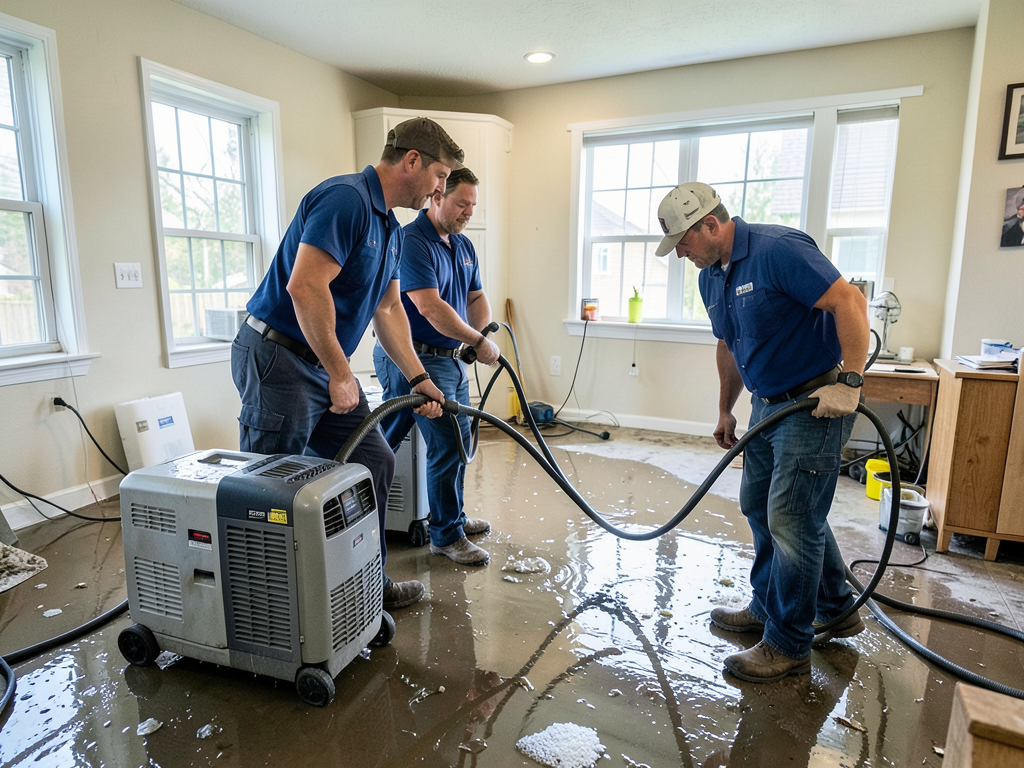
The unique damage saltwater causes to your home after a storm surge near Gandy Boulevard
When Tampa Bay surges over seawalls and into your Gandy Boulevard home the damage goes far beyond what you see. Saltwater flooding creates a cascade of destruction that freshwater never matches. From corroding your electrical panel to leaving behind invisible salt crystals that continue to draw moisture from the air the challenges require specialized knowledge and equipment. Expert Water Extraction and Drying for Davis Islands Waterfront Homes.
The corrosive nature of saltwater combined with Tampa’s high humidity means every hour counts. Unlike a typical freshwater pipe burst saltwater damage accelerates rapidly creating secondary issues like electrical failures and accelerated mold growth within 24-48 hours. Understanding these unique threats helps you act quickly and choose the right restoration team. Getting Your Water Damage Insurance Claim Approved in Tampa (And Who to Call First).
Why saltwater flooding creates different damage than freshwater
Saltwater contains dissolved sodium chloride and other minerals that freshwater lacks. When saltwater floods your home these minerals penetrate porous materials and leave behind salt crystals as the water evaporates. These crystals expand and contract with humidity changes causing materials to crack and deteriorate faster than with freshwater exposure. Fixing a Water Damaged Ceiling in Your Town ‘n’ Country Home Before it Collapses.
The electrical conductivity of saltwater creates immediate safety hazards. When saltwater contacts wiring outlets or appliances it can cause short circuits corrosion and complete system failures. This conductivity also accelerates corrosion of metal components throughout your home including fasteners in your roof deck and structural connections.. Read more about Understanding How Saltwater Flooding Permanently Affects Your Apollo Beach Home Foundation.
Saltwater’s hygroscopic properties mean it continues drawing moisture from the air even after initial drying. This creates an ongoing moisture problem that freshwater doesn’t cause. In Tampa’s humid climate this means your home stays damp longer leading to mold growth that spreads faster than with freshwater damage.. Read more about What to Do When Your Large Saltwater Aquarium Leaks in Your FishHawk Living Room.
The science behind saltwater corrosion in Tampa homes
Saltwater contains approximately 35 grams of dissolved salts per liter. When this solution contacts metal surfaces the chloride ions break down protective oxide layers causing accelerated corrosion. This process called pitting corrosion creates small but deep holes that weaken structural integrity.. Read more about Dealing With Water Intrusion Through Impact Windows and Sliders in Rocky Point.
In Tampa’s coastal environment salt air already creates a corrosive atmosphere. When storm surge adds concentrated saltwater to this mix the corrosion rate increases dramatically. Steel rebar in concrete foundations begins spalling within days as saltwater penetrates and causes expansion cracking.
Aluminum components like window frames and HVAC coils face galvanic corrosion when exposed to saltwater. The electrochemical reaction between different metals in the presence of saltwater creates holes and structural weakness that freshwater exposure would never cause.
Common saltwater damage scenarios in Gandy Boulevard area
Gandy Boulevard sits in a low-lying area near Tampa Bay making it vulnerable to storm surge flooding. When hurricanes or tropical storms push water from the bay inland homes in this area face unique challenges. The combination of proximity to water aging infrastructure and flat terrain creates perfect conditions for saltwater intrusion.
Many Gandy Boulevard homes were built in the 1960s and 1970s using materials and construction methods that don’t withstand saltwater exposure as well as modern builds. Older electrical panels and plumbing systems corrode faster when exposed to saltwater creating additional safety concerns.
The area’s storm drain systems often back up during heavy rain events pushing saltwater into crawl spaces and lower levels. This creates repeated exposure that compounds damage over time even between major storm events.. Read more about Stopping Heavy Rain From Blowing Under Your Ballast Point Entry Doors During a Storm.
Category 3 water classification and why it matters
Water damage restoration professionals classify water into three categories based on contamination levels. Saltwater from storm surge falls into Category 3 also called black water. This classification indicates the water contains harmful agents and requires specific handling procedures.
Category 3 water contains not just salt but also bacteria chemicals and potentially sewage that gets mixed in during flooding. This contamination requires full personal protective equipment for technicians and specialized cleaning protocols that go beyond standard water damage restoration.. Read more about Why Standard Homeowners Insurance Might Not Cover Storm Surge in Apollo Beach.
The Category 3 classification affects insurance coverage and restoration timelines. Many insurance policies have specific provisions for black water damage including requirements for antimicrobial treatments and documentation of contamination levels.
Critical first steps after saltwater flooding
Safety comes first when dealing with saltwater damage. Turn off electricity at the main panel if water has reached electrical outlets or appliances. Don’t enter flooded areas until a professional confirms it’s safe. Saltwater creates electrocution hazards that freshwater doesn’t.
Document everything before cleanup begins. Take photos and videos of all affected areas including water levels and visible damage. This documentation helps with insurance claims and helps restoration professionals assess the full scope of damage.
Remove valuable items from affected areas immediately. Saltwater damages electronics furniture and personal belongings much faster than freshwater. The longer items stay in contact with saltwater the less likely they can be saved.. Read more about Deciding Which Furniture to Keep and What to Toss After a Seminole Heights Flood.
Professional saltwater restoration process
Professional saltwater restoration follows specific protocols that differ from freshwater damage. The process begins with emergency water extraction using specialized equipment designed to handle high-salinity water without damaging the equipment itself.
Desalination comes next. This critical step removes salt residues from all surfaces using specialized cleaning solutions and high-pressure washing. Skipping this step means salt crystals remain to continue causing damage long after the water is gone. Urgent Washing Machine Overflow Cleanup Services in Citrus Park.
Antimicrobial treatment follows desalination. Category 3 water contamination requires hospital-grade disinfectants to eliminate bacteria and prevent mold growth. This step is more intensive than with freshwater damage due to the higher contamination levels.
Industrial drying uses commercial-grade dehumidifiers and air movers. However saltwater restoration requires additional steps like monitoring salinity levels in remaining moisture and using specialized drying techniques for salt-affected materials.
Structural impacts of saltwater on Tampa buildings
Concrete structures face unique challenges with saltwater exposure. The chloride ions in saltwater penetrate concrete and reach steel reinforcement causing corrosion that expands and cracks the surrounding concrete. This spalling process weakens structural integrity and can lead to collapse if not addressed.
Wood framing in older Tampa homes absorbs saltwater creating swelling and warping that freshwater wouldn’t cause. The salt also attracts moisture from the air keeping wood damp and promoting rot and mold growth long after initial drying.
Foundation issues become more severe with saltwater. The high water table in many Tampa areas combined with saltwater intrusion creates hydrostatic pressure that can lift foundations or cause settling cracks to worsen rapidly.
Electrical and HVAC system damage
Electrical systems face immediate and severe damage from saltwater exposure. Circuit breakers switches and outlets corrode within hours creating fire hazards. Wiring insulation breaks down allowing short circuits and potential arcing.
HVAC systems suffer extensive damage when saltwater enters ductwork or contacts outdoor units. Salt corrodes aluminum coils copper tubing and electronic controls. Even if systems appear to work initially they often fail within weeks due to accelerated corrosion.
Appliances exposed to saltwater typically require replacement rather than repair. The combination of electrical damage and corrosion makes restoration cost-prohibitive in most cases.
Mold growth acceleration in Florida’s climate
Florida’s warm humid climate already creates ideal conditions for mold growth. When you add saltwater flooding the problem accelerates dramatically. Mold can begin growing within 24-48 hours of saltwater exposure compared to 48-72 hours for freshwater.
Saltwater leaves behind nutrients that feed mold growth. The combination of organic materials moisture and salt creates a perfect breeding ground for various mold species including toxic black mold.
Professional mold remediation after saltwater flooding requires specialized protocols. The process includes containment negative air pressure and HEPA filtration to prevent spore spread throughout your home.
Insurance considerations for saltwater damage
Standard homeowners insurance typically doesn’t cover flood damage including storm surge. You need separate flood insurance through the National Flood Insurance Program or private carriers. Many Gandy Boulevard residents discover too late that they lack adequate coverage. The Carrollwood Homeowner Guide to Fast Mold Removal and Testing.
Even with flood insurance saltwater damage claims face additional scrutiny. Insurance adjusters look for evidence of proper restoration procedures including desalination and antimicrobial treatment. Documentation becomes crucial for claim approval.
Time limits apply to flood damage claims. Most policies require notification within 60 days of the event. Waiting to address saltwater damage can result in claim denial due to delayed reporting or inadequate mitigation efforts.
Long-term effects of saltwater exposure
Even after professional restoration some effects of saltwater exposure continue. Salt crystals trapped in wall cavities can draw moisture for months creating ongoing dampness and mold risk. This hidden damage often appears months after the initial flooding.
Metal components throughout your home continue corroding after saltwater exposure. Fasteners in your roof deck electrical panels and plumbing connections may fail months later creating new problems unrelated to the original flooding.
Indoor air quality often suffers long-term effects. Salt particles and mold spores from saltwater flooding can circulate through HVAC systems affecting respiratory health for years if not properly addressed.
Prevention strategies for coastal Tampa homes
While you can’t prevent storm surge some measures reduce saltwater damage risk. Installing backflow preventers on plumbing systems prevents bay water from entering through drains during flooding events.
Sealing foundation cracks and installing waterproof barriers around crawl space vents helps keep saltwater out. These measures work best when implemented before storm season when contractors have more availability.
Elevating critical systems like electrical panels and HVAC equipment reduces damage when flooding occurs. Even raising these components a few feet can mean the difference between repair and replacement.
Choosing the right restoration company
Not all water damage restoration companies have experience with saltwater flooding. Look for firms with specific training in desalination procedures and Category 3 water restoration. Ask about their experience with storm surge damage in coastal areas.
Verify proper licensing and insurance. Florida requires specific certifications for mold remediation and water damage restoration. Companies working in your home should carry both general liability and pollution liability insurance.
Check references from other Tampa coastal residents. Companies familiar with local building codes and flood zone requirements provide better service than those without regional experience.
Cost factors in saltwater restoration
Saltwater restoration typically costs 30-50% more than freshwater damage repair. The additional steps like desalination antimicrobial treatment and specialized drying equipment drive these higher costs.
Material replacement costs increase with saltwater damage. Many materials exposed to saltwater require complete replacement rather than cleaning and restoration. This includes drywall insulation and often flooring even if it appears salvageable.
Time sensitivity affects costs significantly. Waiting to address saltwater damage increases restoration costs exponentially. What might cost $5000 to address immediately could cost $15000 or more if delayed 48 hours.
Environmental considerations
Saltwater flooding creates unique environmental challenges. The high salinity of floodwater can kill landscaping and grass making it difficult to restore outdoor areas even after indoor cleanup completes.
Professional restoration companies must handle saltwater-contaminated materials properly. This includes following local regulations for disposal of Category 3 water and contaminated building materials.
Some restoration practices can reduce environmental impact. Using biodegradable cleaning products and properly recycling removed materials helps minimize the environmental footprint of restoration work.
Recovery timeline expectations
Saltwater damage restoration takes longer than freshwater damage. While freshwater damage might require 3-5 days for complete restoration saltwater damage often needs 7-14 days minimum due to the additional steps required.
The first 24-48 hours focus on emergency response and damage mitigation. This critical period prevents further damage and sets the stage for successful restoration. Delays during this phase significantly extend overall timelines.
Final restoration including repairs and replacement of damaged materials can take several weeks beyond initial cleanup. This extended timeline requires patience and clear communication with your restoration team.
Local building code requirements
Tampa and Hillsborough County have specific building code requirements for flood damage repair. These codes address everything from electrical system replacement to mold remediation procedures and must be followed for legal compliance.
Post-flood repairs often trigger code upgrades. Even if your home predated current codes repairs may require bringing certain systems up to current standards. This can affect both cost and timeline for restoration.
Permit requirements vary by scope of work. Minor repairs might not need permits but major structural repairs or electrical system replacement typically require permits and inspections from local authorities.
Community resources and support
After major storm surge events Tampa offers various community resources. These include emergency shelters temporary housing assistance and help centers for insurance and restoration questions.
Local government agencies provide information on licensed contractors and can help verify credentials of restoration companies. This helps protect residents from unscrupulous contractors who appear after disasters.
Neighborhood associations often coordinate recovery efforts and share information about reliable service providers. This community knowledge proves valuable when making restoration decisions under stress.
Future preparedness strategies
Learning from saltwater damage experiences helps improve future preparedness. Documenting what worked and what didn’t during restoration helps refine emergency plans for future events.
Consider investing in flood mitigation measures even if you’ve never experienced flooding. The cost of prevention often proves less than the cost of restoration after a major event.
Review and update insurance coverage annually. Building values and replacement costs change over time making regular coverage reviews essential for adequate protection.
Frequently Asked Questions
How quickly does saltwater damage electronics?
Saltwater can destroy electronics within minutes of exposure. The combination of electrical conductivity and corrosion causes immediate short circuits and permanent damage to circuit boards and components.
Can you save wood floors after saltwater flooding?
Hardwood floors exposed to saltwater often require replacement. The salt causes warping and deterioration that cleaning cannot fix. Engineered wood and laminate typically cannot be saved after saltwater exposure.
How long does mold take to grow after saltwater flooding?
Mold can begin growing within 24-48 hours after saltwater flooding in Tampa’s humid climate. The salt provides nutrients that accelerate mold growth compared to freshwater damage.
Is saltwater damage covered by homeowners insurance?
Standard homeowners insurance typically excludes flood damage including storm surge. You need separate flood insurance through the National Flood Insurance Program or private carriers for saltwater damage coverage.
What makes saltwater restoration more expensive than freshwater?
Saltwater restoration requires additional steps like desalination antimicrobial treatment and specialized drying procedures. More materials need replacement and the contamination level requires more intensive cleaning increasing overall costs by 30-50%.
Take action now to protect your home
Saltwater damage from storm surge creates unique challenges that require immediate professional attention. Every hour of delay increases damage and restoration costs. If your Gandy Boulevard home has experienced saltwater flooding don’t wait.
Call Fortress Water Damage Restoration Tampa at (656) 219-8088 for 24/7 emergency response. Our team specializes in saltwater damage restoration using proven protocols that address the unique challenges of coastal flooding. We understand Tampa’s specific building codes and work directly with insurance companies to streamline your recovery process.
Quick action prevents secondary damage and protects your home’s value. Contact us today for immediate assessment and begin your journey back to a safe dry home. For more information, visit FEMA flood insurance information. For more information, visit IICRC water damage restoration standards.
You may also find this helpful. How to stop sliding glass doors from leaking during heavy Tampa rainstorms.
{
“@context”: “https://schema.org”,
“@type”: “BlogPosting”,
“headline”: “The unique damage saltwater causes to your home after a storm surge near Gandy Boulevard”,
“description”: “Saltwater flooding from Tampa Bay storm surges causes severe corrosion and structural damage. Learn how saltwater differs from freshwater and why expert restoration is critical.”,
“wordCount”: 2504,
“datePublished”: “2026-06-13T11:57:00.000Z”,
“dateModified”: “2026-06-13T11:57:00.000Z”,
“inLanguage”: “en-US”,
“mainEntityOfPage”: {
“@type”: “WebPage”,
“@id”: “https://fortresswaterdamagerestorationtampa.com”
},
“publisher”: {
“@type”: “LocalBusiness”,
“name”: “Fortress Water Damage Restoration Tampa”,
“url”: “https://fortresswaterdamagerestorationtampa.com”
},
“author”: {
“@type”: “Organization”,
“name”: “Fortress Water Damage Restoration Tampa”,
“url”: “https://fortresswaterdamagerestorationtampa.com”
},
“image”: {
“@type”: “ImageObject”,
“url”: “https://fortresswaterdamagerestorationtampa.com/wp-content/uploads/2026/03/the-unique-damage-saltwater-causes-to-your-home-af-1.png”
}
}
{
“@context”: “https://schema.org”,
“@type”: “LocalBusiness”,
“name”: “Fortress Water Damage Restoration Tampa”,
“url”: “https://fortresswaterdamagerestorationtampa.com”,
“address”: {
“@type”: “PostalAddress”,
“addressLocality”: “Tampa”
},
“areaServed”: {
“@type”: “City”,
“name”: “Tampa”
}
}
{
“@context”: “https://schema.org”,
“@type”: “FAQPage”,
“mainEntity”: [
{
“@type”: “Question”,
“name”: “How quickly does saltwater damage electronics?”,
“acceptedAnswer”: {
“@type”: “Answer”,
“text”: “Saltwater can destroy electronics within minutes of exposure. The combination of electrical conductivity and corrosion causes immediate short circuits and permanent damage to circuit boards and components.”
}
},
{
“@type”: “Question”,
“name”: “Can you save wood floors after saltwater flooding?”,
“acceptedAnswer”: {
“@type”: “Answer”,
“text”: “Hardwood floors exposed to saltwater often require replacement. The salt causes warping and deterioration that cleaning cannot fix. Engineered wood and laminate typically cannot be saved after saltwater exposure.”
}
},
{
“@type”: “Question”,
“name”: “How long does mold take to grow after saltwater flooding?”,
“acceptedAnswer”: {
“@type”: “Answer”,
“text”: “Mold can begin growing within 24-48 hours after saltwater flooding in Tampa’s humid climate. The salt provides nutrients that accelerate mold growth compared to freshwater damage.”
}
},
{
“@type”: “Question”,
“name”: “Is saltwater damage covered by homeowners insurance?”,
“acceptedAnswer”: {
“@type”: “Answer”,
“text”: “Standard homeowners insurance typically excludes flood damage including storm surge. You need separate flood insurance through the National Flood Insurance Program or private carriers for saltwater damage coverage.”
}
},
{
“@type”: “Question”,
“name”: “What makes saltwater restoration more expensive than freshwater?”,
“acceptedAnswer”: {
“@type”: “Answer”,
“text”: “Saltwater restoration requires additional steps like desalination antimicrobial treatment and specialized drying procedures. More materials need replacement and the contamination level requires more intensive cleaning increasing overall costs by 30-50%.”
}
}
]
}
{
“@context”: “https://schema.org”,
“@type”: “BreadcrumbList”,
“itemListElement”: [
{
“@type”: “ListItem”,
“position”: 1,
“name”: “Home”,
“item”: “https://fortresswaterdamagerestorationtampa.com”
},
{
“@type”: “ListItem”,
“position”: 2,
“name”: “Blog”,
“item”: “https://fortresswaterdamagerestorationtampa.com/blog”
},
{
“@type”: “ListItem”,
“position”: 3,
“name”: “The unique damage saltwater causes to your home after a storm surge near Gandy Boulevard”
}
]
}
{
“@context”: “https://schema.org”,
“@type”: “Service”,
“serviceType”: “Water Damage Restoration”,
“provider”: {
“@type”: “LocalBusiness”,
“name”: “Fortress Water Damage Restoration Tampa”,
“url”: “https://fortresswaterdamagerestorationtampa.com”
},
“areaServed”: {
“@type”: “City”,
“name”: “Tampa”
},
“description”: “Saltwater flooding from Tampa Bay storm surges causes severe corrosion and structural damage. Learn how saltwater differs from freshwater and why expert restoration is critical.”
}