




Menu

Commercial Mold Remediation in Tampa | Minimize Downtime and Protect Your Business Asset Value

Fortress Water Damage Restoration Tampa delivers industrial-scale commercial mold remediation designed to keep your facility operational, your liability exposure minimized, and your property value intact across the greater Tampa metro.

Slider Image 1
Slider Image 2
Slider Image 3
Slider Image 4
Slider Image 5
Slider Image 7
Slider Image 8
Slider Image 9
Slider Image 10
Slider Image 11

Why Tampa's Climate Makes Commercial Mold Abatement a Business Continuity Issue

Tampa's subtropical climate creates a perfect incubation environment for commercial mold growth. Year-round humidity levels above 70 percent combined with rapid temperature fluctuations between air-conditioned interiors and the outdoor heat create persistent condensation on commercial HVAC systems, cold water pipes, and building envelopes. When you add hurricane season moisture intrusion and the region's notoriously flat topography that causes slow drainage around warehouse slabs and retail foundations, mold becomes an operational liability, not just a maintenance issue.

Commercial properties face different mold challenges than residential structures. Your warehouse in the Port Tampa industrial corridor deals with constant moisture from loading dock operations. Your Westshore office building has hidden mold colonies growing inside drywall cavities around improperly flashed windows. Your restaurant near Ybor City has active fungal contamination under walk-in cooler flooring where condensate drains have failed.

The business impact extends beyond visible staining. Active mold growth triggers indoor air quality complaints from employees, creates potential OSHA violations, voids some insurance coverage, and can halt commercial transactions when discovered during due diligence inspections. Commercial mold mitigation requires coordination with your operations schedule, proper containment to avoid cross-contaminating inventory or equipment, and documentation that satisfies regulatory requirements and future buyer concerns.

Tampa's building stock compounds the problem. Many commercial structures built during the rapid expansion of the 1980s and 1990s used construction methods that trapped moisture. Flat EPDM roofs common on Tampa warehouses develop hidden leaks. Stucco exterior walls on office buildings wick water into interior cavities. The longer commercial mold cleanup gets delayed, the more extensive the structural damage and the higher your remediation cost.

Why Tampa's Climate Makes Commercial Mold Abatement a Business Continuity Issue
The Industrial-Grade Commercial Mold Removal Protocol That Protects Operations

The Industrial-Grade Commercial Mold Removal Protocol That Protects Operations

Business mold remediation requires a different methodology than residential jobs. You cannot shut down operations for two weeks. You cannot contaminate adjacent spaces with airborne spore migration. You need documentation that satisfies your insurance carrier, your legal counsel, and your commercial lender.

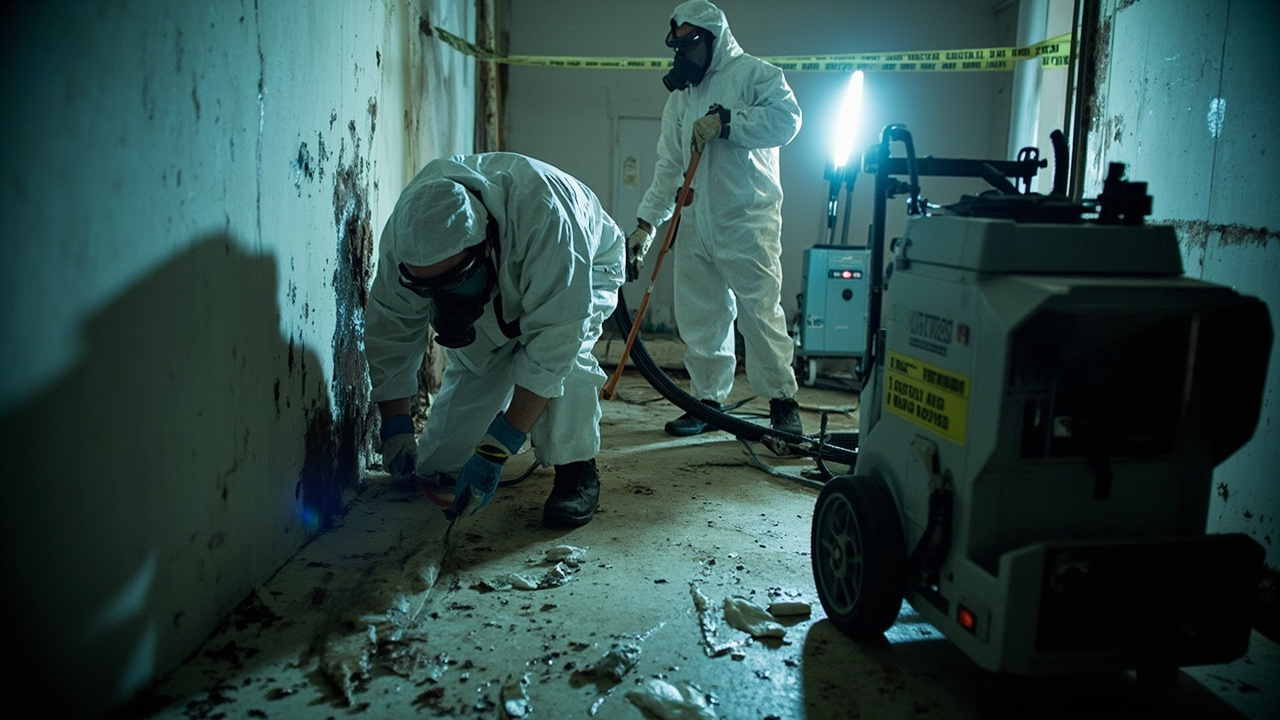
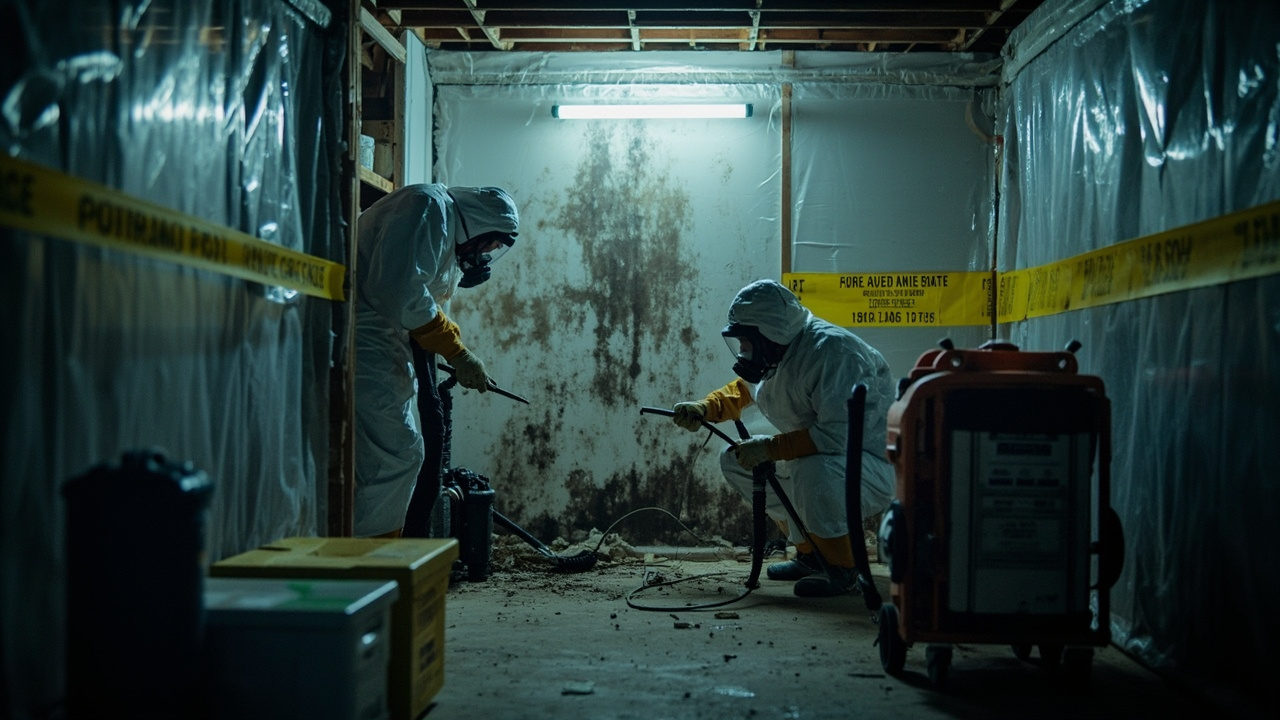
Our commercial mold abatement process starts with source identification using thermal imaging cameras and moisture meters to map the full extent of contamination without destructive testing that damages your building. We establish HEPA-filtered negative air containment chambers that maintain pressure differentials to prevent spore migration into clean zones. This allows you to keep non-affected areas operational while we work.

We coordinate our work schedule around your business hours. For retail locations, we work overnight shifts. For warehouses, we section off remediation zones so you maintain partial inventory access. For office buildings, we stage work floor-by-floor to minimize tenant disruption. Our crews hold OSHA certifications and follow IICRC S520 standards for commercial mold mitigation.

Material removal follows contamination severity. Surface mold on non-porous materials like metal shelving or concrete floors gets HEPA-vacuumed and treated with antimicrobial solutions. Porous materials with deep fungal penetration like ceiling tiles, insulation, or drywall get removed and bagged in sealed containment before transport. We document every step with photo evidence and air quality testing results.

Post-remediation verification includes independent third-party air sampling to confirm spore counts return to baseline levels. You receive a complete remediation report with before and after documentation, materials manifests showing proper disposal, and clearance testing results. This documentation package protects you during future property transactions and provides evidence of proper remediation if employee health claims arise.

How Commercial Mold Remediation Proceeds in Your Tampa Facility

Commercial Mold Remediation in Tampa | Minimize Downtime and Protect Your Business Asset Value
01

Facility Assessment and Containment

We conduct a comprehensive site evaluation to map contamination extent and identify moisture sources. Our team establishes physical barriers and negative air pressure zones using commercial-grade air scrubbers with HEPA filtration. This containment prevents cross-contamination to clean areas and allows continued operations in unaffected sections. We coordinate access schedules with your facility manager to minimize business disruption.
02

Contaminated Material Removal

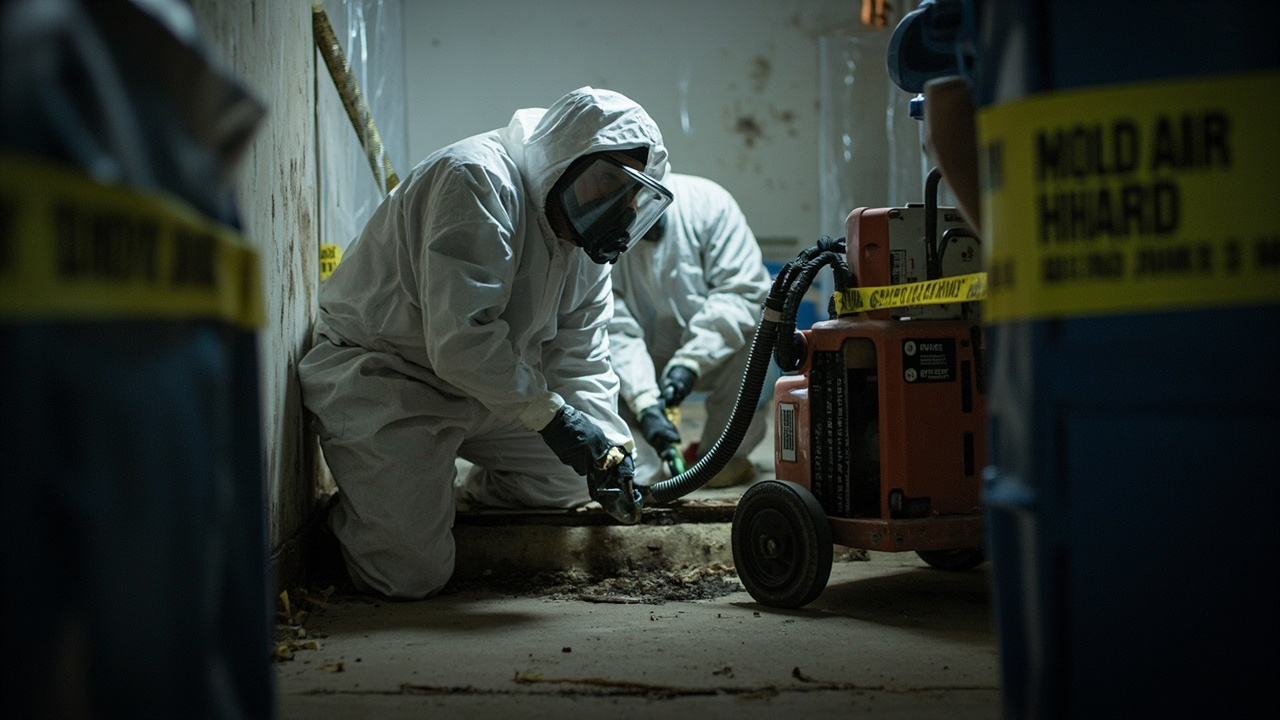
Trained technicians remove affected building materials following IICRC S520 protocols. All contaminated materials get double-bagged in sealed polyethylene and removed through dedicated egress paths to prevent spore dispersal. We treat structural components like framing and concrete with EPA-registered antimicrobial solutions. Air scrubbers run continuously during demolition to capture airborne particulates. Real-time moisture monitoring ensures we address all hidden water intrusion points driving fungal growth.
03

Verification and Documentation

Independent environmental consultants conduct post-remediation air quality testing to verify spore counts meet clearance standards. You receive comprehensive documentation including photo logs, moisture readings, materials manifests, and laboratory analysis results. This documentation package satisfies insurance requirements, protects against future liability claims, and provides due diligence evidence for property transactions. We coordinate with your insurance adjuster throughout the process to streamline claims processing.

Why Tampa Commercial Properties Require Local Mold Remediation Expertise

Commercial mold removal in Tampa requires understanding local building characteristics and regulatory requirements. Our teams know the difference between remediating a 1970s concrete block warehouse in the Port Tampa industrial zone versus a modern glass curtain wall office tower in downtown Tampa. Each building type has specific vulnerable points where Tampa's humid climate causes moisture accumulation.

We understand Tampa's commercial building codes and the specific requirements that apply during remediation work. Many commercial properties fall under stricter regulations than residential structures. If your facility handles food products, you face FDA and health department scrutiny. If you operate a healthcare facility, you must comply with infection control protocols. If your building has more than a certain square footage of affected area, Florida law may require licensed mold assessor involvement before and after remediation.

Our relationships with Tampa commercial property insurers streamline claims processing. We provide documentation in the format your carrier requires, coordinate with adjusters for site inspections, and understand the coverage limitations that apply to gradual moisture damage versus sudden water intrusion events. This knowledge prevents claim denials and reduces your out-of-pocket expense.

Local availability matters for commercial properties. A mold discovery during a due diligence inspection can kill a pending sale unless you can mobilize immediate remediation. A tenant complaint about musty odors can escalate to constructive eviction claims if you delay response. We maintain equipment inventory and crew capacity in Tampa to respond within hours, not days.

Fortress Water Damage Restoration Tampa has remediated mold in Tampa office buildings, retail centers, warehouses, restaurants, medical facilities, and industrial properties. We understand how to coordinate with property managers, communicate with tenants, work around operational schedules, and deliver the documentation your stakeholders require. Our focus stays on minimizing your downtime and protecting your asset value.

What Your Commercial Mold Remediation Project Involves

Response Time and Scheduling Flexibility

We mobilize commercial remediation crews within four hours of your call. Our project managers coordinate work schedules around your operational requirements, whether that means overnight shifts for retail locations, weekend work for office buildings, or phased section-by-section remediation for warehouses that must maintain partial operations. We provide detailed project timelines during initial assessment so you can communicate accurately with tenants, employees, and stakeholders. Most commercial remediation projects require three to ten business days depending on contamination extent, but we adjust crew size to compress timelines when business continuity demands faster completion.

Comprehensive Moisture and Contamination Mapping

Our initial assessment uses thermal imaging cameras, moisture meters, and visual inspection to map the full extent of water intrusion and fungal growth. We identify the moisture source driving contamination, whether that involves roof leaks, HVAC condensate issues, plumbing failures, or building envelope defects. You receive a written scope of work that details affected areas, required demolition, and remediation methodology before work begins. This assessment prevents scope creep and surprise costs. For large facilities, we can conduct phased assessments that allow immediate remediation of critical areas while we complete full building surveys.

The Final Deliverable and Clearance

Your project concludes with independent third-party air quality testing that verifies successful remediation. Spore counts must return to levels consistent with outdoor ambient air before we consider the project complete. You receive a comprehensive closeout package including photo documentation of all affected areas before and after remediation, moisture readings confirming dry conditions, materials disposal manifests, antimicrobial product safety data sheets, and laboratory analysis of clearance air samples. This documentation satisfies insurance requirements, provides legal protection against future claims, and delivers due diligence evidence for property transactions or tenant disputes.

Ongoing Moisture Monitoring and Prevention

Commercial mold problems stem from ongoing moisture sources, not one-time events. After remediation, we provide recommendations for building envelope repairs, HVAC modifications, drainage improvements, or humidity control systems to prevent recurrence. We can establish ongoing moisture monitoring programs for high-risk facilities like restaurants, medical offices, or waterfront properties. These programs include quarterly inspections of vulnerable areas, moisture meter surveys, and early intervention when elevated readings appear. Proactive monitoring costs far less than reactive remediation and prevents the business disruption that comes with emergency mold discoveries.

Frequently Asked Questions

You Have Questions,
We Have Answers

What do professionals use to remediate mold? +

Professionals use HEPA filtration systems, antimicrobial agents, and commercial-grade air scrubbers to remove mold and spores from your facility. The process starts with containment using plastic sheeting and negative air pressure to prevent cross-contamination. Technicians remove porous materials that cannot be salvaged, then apply EPA-registered fungicides to affected surfaces. In Tampa's high-humidity environment, we also install industrial dehumidifiers to reduce moisture levels below 60 percent. All work follows IICRC S520 standards and local building codes. Documentation is critical for insurance claims and liability protection, so expect detailed moisture readings and photo evidence throughout the remediation.

How much is commercial mold remediation? +

Commercial mold remediation costs depend on square footage, containment requirements, and the extent of structural damage. Small office spaces may require minimal investment, while warehouses or multi-story buildings increase the scope. Tampa's humidity drives faster mold growth, which can escalate costs if you delay. Insurance adjusters evaluate whether the damage stems from a covered peril or neglected maintenance. Factors include HVAC cleaning, disposal fees for contaminated materials, and post-remediation air quality testing. You need a detailed estimate that breaks down labor, equipment, and restoration costs. Downtime matters, so prioritize contractors who work nights or weekends to minimize business interruption.

How much does professional mold removal cost? +

Professional mold removal pricing varies based on contamination level, accessibility, and required demolition. A confined area with surface mold costs less than widespread growth behind walls or above ceilings. Tampa's coastal climate accelerates mold proliferation, so early intervention reduces overall expense. Professionals charge for containment setup, HEPA filtration, antimicrobial treatment, and disposal of affected materials. You also pay for moisture mapping using infrared cameras and hygrometers. Post-remediation verification through third-party air sampling adds to the total but protects you from liability. Request itemized proposals from multiple contractors. Cheap bids often skip critical steps like proper containment or thorough drying.

Is professional mold removal worth it? +

Professional mold removal is worth it when you consider liability exposure, employee health risks, and business continuity. Mold releases spores that contaminate HVAC systems and spread throughout your facility. In Tampa, where humidity stays high year-round, amateur removal fails because the moisture source remains unaddressed. Professionals use industrial equipment and follow protocols that prevent regrowth. You also need proper documentation for insurance claims and regulatory compliance. DIY attempts void insurance coverage and expose you to lawsuits if employees or tenants develop respiratory issues. The investment protects your asset value and operational capacity. Delayed remediation always costs more than immediate professional intervention.

What kills mold permanently? +

Nothing kills mold permanently without addressing the moisture source. You can eliminate active colonies using antimicrobial agents or encapsulants, but spores return if humidity exceeds 60 percent or water intrusion continues. In Tampa, this means fixing roof leaks, repairing HVAC condensation issues, and improving ventilation in enclosed spaces. Professionals apply EPA-registered fungicides to non-porous surfaces and remove porous materials like drywall or insulation that harbor embedded growth. The key is controlling moisture through dehumidification and proper building envelope maintenance. Even treated areas can recolonize if you ignore condensation on windows, plumbing leaks, or poor drainage around your foundation.

How do Japanese bathrooms not get mold? +

Japanese bathrooms resist mold through superior ventilation design, rapid drying materials, and cultural maintenance habits. They use enclosed shower units with squeegee protocols after each use and install powerful exhaust fans that run continuously. Wall and floor materials dry quickly and lack grout lines where moisture accumulates. Tampa's humidity makes this approach harder, but you can adapt principles by upgrading to commercial-grade exhaust systems, using mold-resistant building materials, and implementing daily maintenance protocols. The difference is intentional design and disciplined upkeep. Most commercial bathrooms in Florida fail because ventilation is undersized and janitorial staff lack time for thorough drying.

Can black mold be fully remediated? +

Black mold can be fully remediated when you remove contaminated materials and eliminate moisture sources. The term black mold typically refers to Stachybotrys chartarum, which grows on cellulose materials like drywall and ceiling tiles. Professionals contain the area, remove affected porous materials, and treat remaining surfaces with antimicrobials. In Tampa, post-remediation air sampling confirms spore counts return to normal levels. The challenge is not killing visible growth but preventing recurrence. You must repair the water intrusion point, whether it is a roof leak, failed caulking, or HVAC condensation. Full remediation means both removal and moisture control, not just surface cleaning.

Does commercial insurance cover mold remediation? +

Commercial insurance may cover mold remediation if the growth results from a covered peril like a burst pipe or storm damage. Policies exclude mold from long-term neglect, deferred maintenance, or gradual leaks. Tampa properties face higher scrutiny because humidity alone does not qualify as a covered event. You need documentation showing sudden water intrusion and prompt response. Most policies cap mold coverage or require separate endorsements. Adjusters evaluate whether you maintained reasonable care, including regular HVAC maintenance and timely repairs. Read your policy exclusions carefully. Delayed reporting or failure to mitigate damage gives insurers grounds to deny claims.

What are signs of mold exposure? +

Signs of mold exposure include persistent coughing, throat irritation, nasal congestion, and eye irritation. Employees may report headaches, fatigue, or worsening asthma symptoms. You might notice musty odors in specific areas or visible discoloration on walls and ceilings. In Tampa's humid climate, mold grows quickly in poorly ventilated spaces, especially after water damage. Pay attention to patterns where multiple employees report symptoms near the same location. OSHA requires employers to investigate indoor air quality complaints. Ignoring exposure risks workers' compensation claims and regulatory penalties. If you suspect contamination, halt work in affected areas and bring in professionals for air quality testing.

Can you permanently get rid of black mold? +

You can permanently eliminate black mold by removing contaminated materials and fixing the moisture problem. Surface cleaning is temporary because spores penetrate porous materials like drywall, insulation, and wood framing. Professionals cut out affected sections, treat surrounding areas with antimicrobials, and verify remediation through air sampling. In Tampa, permanence depends on controlling indoor humidity below 60 percent and maintaining your building envelope. This means repairing roof leaks, upgrading ventilation, and addressing HVAC condensation issues. Black mold does not return if you eliminate its water source. The failure point is neglecting the root cause while only treating visible growth.

How Tampa's Hurricane Season and Humidity Create Persistent Commercial Mold Risks

Tampa's position on the Gulf Coast exposes commercial properties to two distinct mold risk periods each year. Hurricane season from June through November brings direct water intrusion through compromised roof systems, failed window seals, and overwhelmed drainage systems around building perimeters. But the greater long-term risk comes from Tampa's year-round humidity levels that rarely drop below 70 percent. This persistent moisture allows mold spores to colonize any organic material that gets damp, even briefly. Commercial HVAC systems that cycle on and off create temperature differentials that cause condensation on cold surfaces. Poor ventilation in storage areas, break rooms, and interior offices creates stagnant air pockets where humidity concentrates. The combination means Tampa commercial properties face constant mold pressure that requires proactive moisture management, not just reactive cleanup after visible growth appears.

Tampa commercial property owners need remediation providers who understand local building department requirements and insurance carrier expectations. Hillsborough County enforces specific permit requirements for commercial mold remediation projects above certain square footage thresholds. Projects affecting load-bearing walls or structural components require engineering review. Our teams maintain relationships with local building officials and understand the documentation Tampa commercial insurers require for claims processing. We know which moisture problems stem from construction defects common in Tampa's 1980s and 1990s commercial building boom versus newer code-compliant structures. This local expertise prevents permit delays, streamlines insurance claims, and ensures your remediation meets the standards Tampa commercial real estate transactions require.
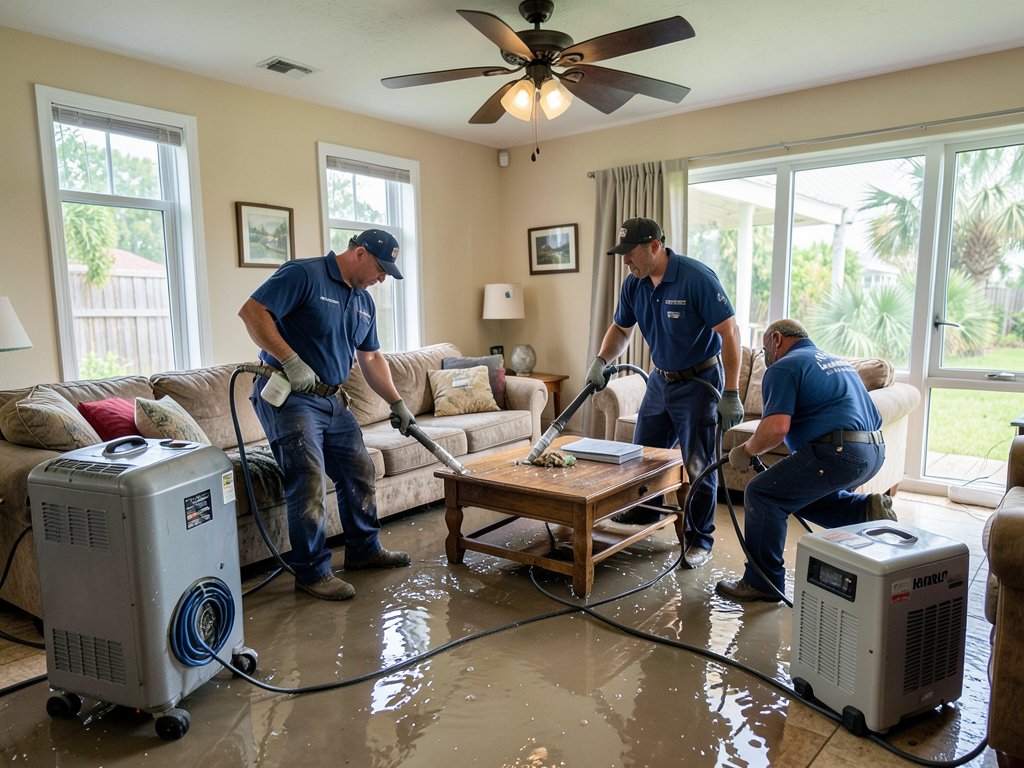
Water Damage Restoration Services in The Tampa Area

We proudly serve the entire Tampa area with rapid-response water damage restoration services. Whether you’re downtown, in the suburbs, or operating a business near the bay, our expert team is just minutes away. Use the map below to view our service zone or find our nearest location. We’re ready to respond wherever you need us. Your peace of mind is only a call or click away.

Address:
Fortress Water Damage Restoration Tampa, 4830 W Kennedy Blvd #600, Tampa, FL, 33609

Additional Services We Offer

Our news updates

Latest Articles & News from The Blogs

The First 4 Hours After a Pipe Bursts in Your Gibsonton House When water starts spraying from a broken pipe…

The First 4 Hours After a Pipe Bursts in Your Gibsonton House

The First 4 Hours After a Pipe Bursts in Your Gibsonton House When water starts spraying from a broken pipe…

A Homeowner Guide to Choosing the Best Dehumidifier for Humidity Control in Seffner

A Homeowner Guide to Choosing the Best Dehumidifier for Humidity Control in Seffner Living in Seffner means dealing with Florida’s…

Why Your Kids Keep Sneezing After a Small Leak in Your Seffner Home

Why Your Kids Keep Sneezing After a Small Leak in Your Seffner Home Your child wakes up sneezing again. You…

Contact Us

Mold contamination threatens your business operations, property value, and liability exposure. Call Fortress Water Damage Restoration Tampa at (656) 219-8088 for immediate commercial mold remediation. We respond within four hours and work around your operational schedule.