





Menu

Signs of Hidden Mold in Tampa – Expert Detection and Remediation for Your Health and Property

Fortress Water Damage Restoration Tampa specializes in identifying signs of hidden mold in Tampa homes and businesses, using advanced moisture detection and air quality testing to protect your family and property from concealed fungal growth.

Slider Image 1
Slider Image 2
Slider Image 3
Slider Image 4
Slider Image 5
Slider Image 7
Slider Image 8
Slider Image 9
Slider Image 10
Slider Image 11

Tampa's Climate Creates Perfect Conditions for Hidden Mold Growth

Tampa's subtropical humidity averages 74 percent year-round. This constant moisture creates breeding grounds for mold in places you cannot see. Behind your drywall. Inside your HVAC ducts. Under your flooring. The symptoms of concealed mold appear slowly. You might notice a musty smell that disappears when you open windows. Your allergies worsen indoors. Your child develops a persistent cough that doctors cannot explain.

The indicators of invisible mold differ from surface mold. Surface mold you can see and scrub away. Hidden mold colonizes inside wall cavities where roof leaks drip slowly for months. It spreads through crawl spaces after summer storms flood low-lying neighborhoods like Palma Ceia and Hyde Park. The evidence of unseen mold shows up in your medical bills before it shows up on your walls.

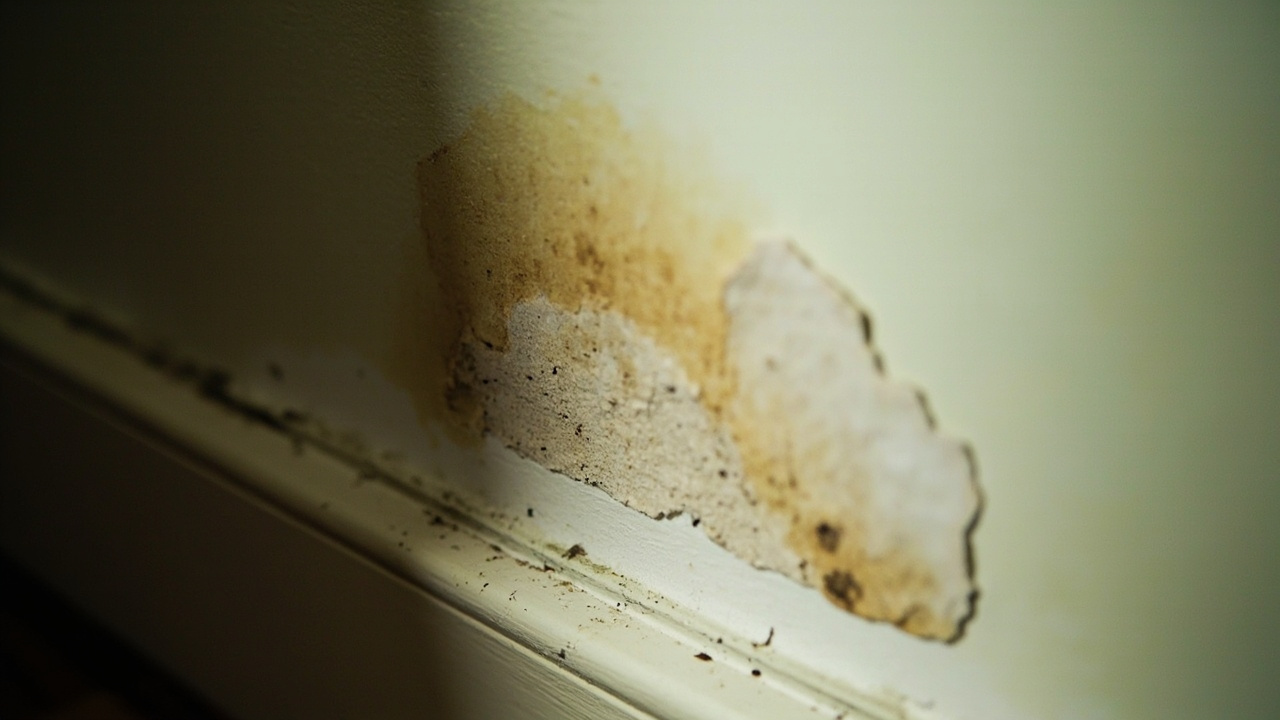
Tampa's older homes in Historic Ybor and Seminole Heights face additional risk. Original plaster walls trap moisture differently than modern drywall. The signs of mold behind walls include wallpaper that bubbles or peels at the seams. Paint that blisters without obvious water damage. Baseboards that warp or separate from the wall. These visual cues signal active fungal colonies feeding on wet building materials.

Detecting hidden mold requires more than your eyes. You need thermal imaging to find cold spots where moisture accumulates. You need moisture meters to measure water content inside materials. You need air sampling to identify spore counts that trigger respiratory problems. Most homeowners wait until black patches appear on visible surfaces. By then, the colony has spread through multiple wall cavities and possibly into your attic insulation.

Tampa's Climate Creates Perfect Conditions for Hidden Mold Growth
Professional Mold Detection Goes Beyond Visual Inspection

Professional Mold Detection Goes Beyond Visual Inspection

We use FLIR thermal imaging cameras that detect temperature variations invisible to the human eye. Wet building materials appear cooler than dry materials. This technology maps moisture patterns behind finished surfaces without demolition. We scan entire rooms in minutes, identifying problem areas that warrant invasive investigation.

Our moisture detection protocol includes pin-type and pinless meters. Pin meters penetrate drywall to measure moisture content in the substrate. Pinless meters scan large surface areas to map moisture distribution. Florida building code requires wood framing to maintain below 19 percent moisture content. We document readings that exceed this threshold, which indicates conditions favorable for mold growth.

Air quality testing identifies mold species and spore concentration. We collect samples using spore traps that capture airborne particles. The lab analysis reveals whether you face allergenic molds like Cladosporium or toxic molds like Stachybotrys. This data determines remediation scope and validates whether your indoor air quality poses health risks.

Borescope inspection allows us to examine wall cavities, crawl spaces, and attic areas without extensive demolition. We drill small access holes and insert fiber optic cameras that transmit real-time video. This minimally invasive technique confirms mold presence before we remove drywall or flooring. It saves you money by limiting demolition to contaminated areas only.

We perform relative humidity testing because Tampa's indoor humidity should stay between 30 and 50 percent. Higher levels promote mold growth regardless of visible water damage. We identify HVAC systems that fail to dehumidify properly. We locate areas with poor ventilation that trap moisture. These findings inform both remediation and prevention strategies that address root causes rather than surface symptoms.

How We Uncover Hidden Mold in Your Tampa Property

Signs of Hidden Mold in Tampa – Expert Detection and Remediation for Your Health and Property
01

Initial Assessment and Testing

We begin with a detailed interview about your symptoms and concerns. You describe the musty odors, the rooms where allergies worsen, the areas that feel damp. We document your water damage history including roof leaks, plumbing failures, and storm flooding. This context guides our inspection strategy. We then deploy thermal cameras and moisture meters to scan walls, ceilings, and floors in affected areas. We collect baseline air samples to establish current spore levels throughout your home.
02

Invasive Investigation and Sampling

After non-invasive testing identifies suspicious areas, we perform targeted demolition to confirm mold presence. We remove small sections of drywall or flooring in high-probability zones. We collect surface samples from visible growth using sterile swabs or tape lifts. We photograph all findings to document extent and severity. The samples go to an independent laboratory for species identification and quantification. This lab report becomes the foundation for your remediation scope of work.
03

Documentation and Action Plan

We compile all testing data into a comprehensive report that includes thermal images, moisture readings, air quality results, and laboratory findings. You receive a written remediation protocol that specifies contaminated materials requiring removal, containment procedures to prevent cross-contamination, and antimicrobial treatments for affected surfaces. We provide this documentation to your insurance carrier to support your claim. The report guides our remediation team and serves as verification for post-remediation clearance testing.

Why Tampa Property Owners Trust Fortress Water Damage Restoration

We understand Tampa's building construction because we work here exclusively. We know that homes built before 1960 often lack vapor barriers in crawl spaces. We recognize that homes built during the 1970s construction boom used particle board subflooring that deteriorates rapidly when wet. We identify aluminum wiring common in that era, which creates additional complications during remediation.

Our technicians receive ongoing training in Florida-specific mold remediation standards. Florida Statute 468 Part XVII governs mold assessment and remediation. We maintain proper licensure and follow state protocols that many national franchises overlook. We understand that Florida case law holds property owners liable for mold-related health issues if they knew or should have known about contamination. Our documentation protects you from future liability claims.

We work directly with Tampa-area insurance adjusters who process water damage and mold claims daily. We speak their language. We provide the documentation they require to approve remediation costs. We understand which procedures insurers consider standard and which require pre-authorization. This expertise accelerates your claim resolution and maximizes your coverage benefits.

Our response time matters in Tampa's climate. Mold colonies double in size every 24 to 48 hours when conditions remain favorable. We arrive within hours of your call. We deploy drying equipment immediately to halt mold progression. We contain affected areas to prevent spore migration to clean zones. This rapid intervention limits damage severity and reduces overall remediation costs.

We maintain relationships with local laboratories that process samples quickly. You receive preliminary results within 24 hours and final reports within three business days. Faster results mean faster remediation approval and faster return to normal living conditions. We do not wait for out-of-state labs to process samples while mold continues spreading through your property.

What to Expect During Hidden Mold Detection in Tampa

Rapid Response and Scheduling

We dispatch inspection teams within two hours of your call during business hours. Evening and weekend appointments accommodate your schedule. The initial assessment takes between two and four hours depending on property size and problem complexity. We schedule invasive testing and sampling for a separate appointment after reviewing preliminary findings with you. This two-phase approach allows you to make informed decisions about testing scope and associated costs before we proceed with demolition or extensive sampling protocols.

Comprehensive Testing and Analysis

Our inspection combines visual examination with instrumental testing. Thermal imaging reveals moisture patterns. Moisture meters quantify water content in building materials. Borescope cameras examine concealed spaces. We collect air samples from multiple rooms to compare spore levels between affected and unaffected areas. We collect surface samples from visible growth and suspicious staining. All samples undergo laboratory analysis by certified mycologists who identify species and quantify contamination levels. You receive detailed reports with photographic documentation and moisture mapping that pinpoints problem areas.

Detailed Findings and Recommendations

We deliver findings in plain language you can understand. We explain which areas contain active mold growth. We identify the moisture source that supports colonization. We recommend repairs to eliminate moisture intrusion before remediation begins. You receive a written remediation protocol that specifies contaminated materials requiring removal, containment methods to protect unaffected areas, and antimicrobial treatments for salvageable surfaces. We provide cost estimates for remediation work and explain which services your insurance policy typically covers. This transparency allows you to plan financially and make informed decisions.

Post-Remediation Verification Testing

After completing remediation, we perform clearance testing to verify successful mold removal. We collect post-remediation air samples and compare results to baseline samples collected during initial assessment. Successful remediation reduces spore counts to levels equal to or lower than outdoor ambient air. We provide final documentation that confirms your property meets Florida health standards for reoccupancy. This clearance report protects you during future property sales and provides peace of mind that your indoor environment supports rather than threatens your family's health.

Frequently Asked Questions

You Have Questions,
We Have Answers

How can you tell if you have hidden mold in your house? +

You can detect hidden mold through several signs. A persistent musty odor is the most common indicator, especially in closets, crawl spaces, or behind walls. Look for water stains, discoloration, or peeling paint on ceilings and walls. Tampa's high humidity makes AC units, attic spaces, and areas around windows prime spots. You may notice worsening allergies or respiratory issues indoors. Warped flooring or bubbling drywall also signals moisture intrusion. If you suspect hidden growth, a professional inspection using moisture meters and thermal imaging can pinpoint problem areas before visible colonies spread.

What are signs of mold sickness? +

Mold sickness presents as respiratory symptoms like persistent coughing, wheezing, or shortness of breath. You may experience nasal congestion, sinus pressure, or frequent headaches. Skin irritation, red or itchy eyes, and throat irritation are common. Some people develop chronic fatigue, brain fog, or difficulty concentrating. In Tampa's humid climate, these symptoms often worsen indoors where mold thrives. If symptoms improve when you leave your home but return upon reentry, mold exposure is likely. Individuals with asthma, allergies, or compromised immune systems face heightened risk and should seek medical evaluation.

Can mold cause a baby to cough? +

Yes, mold can cause a baby to cough. Infants have developing respiratory systems and are vulnerable to mold spores. Exposure triggers coughing, wheezing, congestion, and difficulty breathing. You may notice your baby coughs more at night or in specific rooms. Tampa homes with poor ventilation or water damage create ideal conditions for mold growth. Babies spending time on floors near carpets or in humid nurseries face greater exposure. If your infant shows persistent respiratory symptoms, remove them from the suspected area immediately and consult a pediatrician. Address moisture sources and have your home inspected promptly.

Can mold cause twitching? +

Mold exposure can cause neurological symptoms including muscle twitching or tremors in some individuals. Mycotoxins produced by certain mold species affect the nervous system, leading to involuntary muscle spasms, tingling sensations, or numbness. These symptoms typically occur with prolonged exposure in Tampa homes with significant hidden growth. Other neurological signs include difficulty concentrating, memory problems, and mood changes. If you experience unexplained twitching alongside other mold exposure symptoms like respiratory issues or headaches, consult a physician. Document when symptoms occur and consider environmental testing to identify the source.

Can I test for mold in the air myself? +

You can purchase DIY air quality test kits that collect spore samples for lab analysis. These kits use settling plates or air pumps to capture airborne mold over 24 to 48 hours. However, results vary based on placement, airflow, and sampling duration. Tampa's outdoor mold levels also affect readings. DIY tests cannot identify mold species or determine if levels are hazardous. For accurate assessment, professional testing uses calibrated equipment and compares indoor versus outdoor spore counts. If you suspect mold, invest in professional inspection rather than relying solely on consumer-grade tests.

Can doctors check if you've been exposed to mold? +

Doctors can check for mold exposure through several methods. Blood tests measure antibodies your immune system produces in response to mold. Skin prick tests identify allergic reactions to specific mold species. Some physicians order urine mycotoxin tests to detect toxic byproducts. However, no single definitive test exists for mold exposure. Doctors in Tampa often diagnose based on symptoms, medical history, and known exposure. If you suspect mold illness, document your symptoms, when they occur, and any water damage in your home. This information helps your physician determine appropriate testing and treatment.

What kills mold spores instantly? +

No product kills mold spores instantly in practical application. Bleach, hydrogen peroxide, and commercial biocides can destroy surface mold within minutes, but spores embedded in porous materials survive. In Tampa's humid environment, dead mold still triggers allergic reactions, and moisture remains the root problem. Professional remediation uses antimicrobial treatments combined with HEPA filtration and source removal. The key is eliminating moisture that feeds growth. Killing visible mold without addressing water intrusion or humidity control ensures regrowth. Effective mold elimination requires moisture management, physical removal, and preventing future conditions that support colonization.

How to test your home for mold? +

Test your home by conducting a visual inspection of moisture-prone areas. Check bathrooms, kitchens, attics, crawl spaces, and around windows for discoloration, water stains, or visible growth. In Tampa, inspect AC drip pans, ductwork, and areas affected by past storms. Use a moisture meter to identify hidden dampness in walls or floors. Professional testing involves air sampling, surface sampling, and thermal imaging to detect concealed moisture. Labs analyze samples to identify species and concentration levels. If you find evidence of water damage or musty odors, skip DIY testing and hire a certified inspector for comprehensive assessment.

What are the three stages of mold toxicity? +

The three stages of mold toxicity progress from acute to chronic exposure. Stage one involves immediate allergic reactions like sneezing, coughing, and eye irritation. Stage two develops with continued exposure, causing persistent respiratory issues, fatigue, headaches, and cognitive difficulties. Stage three represents chronic mold illness with severe symptoms including neurological problems, immune system dysfunction, and organ damage. Tampa residents with prolonged exposure from undetected water damage face escalated risk. Symptoms vary by individual sensitivity, mold species, and concentration levels. Early intervention prevents progression. If you experience worsening symptoms, identify and eliminate the source immediately.

How do I tell if mold is in my lungs? +

You cannot self-diagnose mold in your lungs. Symptoms include persistent cough, chest tightness, shortness of breath, and wheezing that worsens over time. Some people cough up mucus or experience pain when breathing deeply. A pulmonologist can order chest X-rays, CT scans, or bronchoscopy to detect fungal growth or inflammation. Blood tests and sputum cultures identify specific mold species. In Tampa's humid climate, respiratory symptoms from mold exposure often mimic other conditions. If you suspect pulmonary mold infection, especially if immunocompromised, seek immediate medical attention. Document exposure history to help your physician diagnose accurately.

How Tampa's Hurricane Season and Humidity Create Year-Round Mold Threats

Tampa receives 46 inches of rainfall annually, with 60 percent falling between June and September during hurricane season. This concentrated moisture overwhelms drainage systems in low-lying neighborhoods near Hillsborough Bay and the Hillsborough River. Storm surge pushes saltwater into crawl spaces and floods first-floor living areas. Even minor roof damage during tropical storms allows rainwater to saturate attic insulation. The combination of heat and humidity creates optimal mold growth conditions within 24 hours of water intrusion. Tampa's building materials never fully dry between rain events, creating chronic moisture problems that surface mold remediation cannot resolve.

Fortress Water Damage Restoration Tampa maintains advanced moisture detection equipment specifically calibrated for Florida's climate challenges. We understand that Tampa's concrete block construction traps moisture differently than wood-frame construction common in northern climates. We recognize that homes built on slab foundations experience different moisture dynamics than homes with crawl spaces. Our technicians receive specialized training in Florida building science and mold remediation standards. We participate in continuing education through the Florida Association of Mold Remediators. This local expertise ensures we identify hidden mold that generalist contractors miss.
Water Damage Restoration Services in The Tampa Area

We proudly serve the entire Tampa area with rapid-response water damage restoration services. Whether you’re downtown, in the suburbs, or operating a business near the bay, our expert team is just minutes away. Use the map below to view our service zone or find our nearest location. We’re ready to respond wherever you need us. Your peace of mind is only a call or click away.

Address:
Fortress Water Damage Restoration Tampa, 4830 W Kennedy Blvd #600, Tampa, FL, 33609

Additional Services We Offer

Our news updates

Latest Articles & News from The Blogs

How Clogged Gutters and Downspouts Can Lead to a Flooded Living Room in Wooded Lutz Neighborhoods When heavy afternoon thunderstorms…

How Clogged Gutters and Downspouts Can Lead to a Flooded Living Room in Wooded Lutz Neighborhoods

How Clogged Gutters and Downspouts Can Lead to a Flooded Living Room in Wooded Lutz Neighborhoods When heavy afternoon thunderstorms…

Why You Should Never Use Bleach to Clean Up Mold After a Leak in Your Tampa Palms Home

Why You Should Never Use Bleach to Clean Up Mold After a Leak in Your Tampa Palms Home When you…

Dealing With Water Damage in Your Backyard ADU or Guest House in Seminole Heights

Dealing With Water Damage in Your Backyard ADU or Guest House in Seminole Heights Water damage in a Seminole Heights…

Contact Us

Hidden mold threatens your health and your property value. Call Fortress Water Damage Restoration Tampa at (656) 219-8088 for same-day inspection scheduling. We provide comprehensive testing, laboratory analysis, and detailed remediation protocols that protect your family and satisfy insurance requirements.