




Menu

Water Mitigation vs Restoration in Tampa – Understanding the Critical Difference That Protects Your Property Investment

Learn exactly when emergency water mitigation stops and full restoration begins, so you can protect your Tampa home from secondary damage, mold growth, and insurance claim complications that cost thousands in avoidable repairs.

Slider Image 1
Slider Image 2
Slider Image 3
Slider Image 4
Slider Image 5
Slider Image 7
Slider Image 8
Slider Image 9
Slider Image 10
Slider Image 11

Why Tampa Property Owners Confuse Water Mitigation and Restoration

You just had a pipe burst in your Seminole Heights bungalow. The contractor says you need water mitigation, then mentions restoration. Your insurance adjuster talks about water remediation. Your neighbor says you just need water cleanup. The terms blur together when you are standing in two inches of water.

The difference between water mitigation and restoration determines whether you stop ongoing damage or repair existing damage. Tampa's 75 percent average humidity makes this distinction life or death for your property. When moisture sits in drywall for 48 hours in our subtropical climate, mold colonies establish faster than in dry climates. You cannot skip mitigation and jump straight to restoration without paying for it later.

Water damage mitigation vs restoration breaks down simply. Mitigation is the emergency response. It stops water at the source, extracts standing water, and begins drying. Restoration is the rebuild. It replaces damaged materials and returns your property to pre-loss condition. Confusing water remediation vs restoration adds another layer. Remediation specifically addresses contamination like sewage or mold, while restoration is the broader rebuild process.

Most Tampa property owners learn about mitigation vs reconstruction the hard way. They hire someone who skips mitigation steps, starts tearing out drywall, and leaves wet studs behind the new walls. Three months later, black mold appears. The water cleanup vs water repair distinction matters because cleanup addresses immediate water, but repair addresses structural damage that cleanup reveals.

Understanding these phases protects your insurance claim and your property value in a market where water damage history tanks resale prices.

Why Tampa Property Owners Confuse Water Mitigation and Restoration
How Professional Water Damage Response Actually Works

How Professional Water Damage Response Actually Works

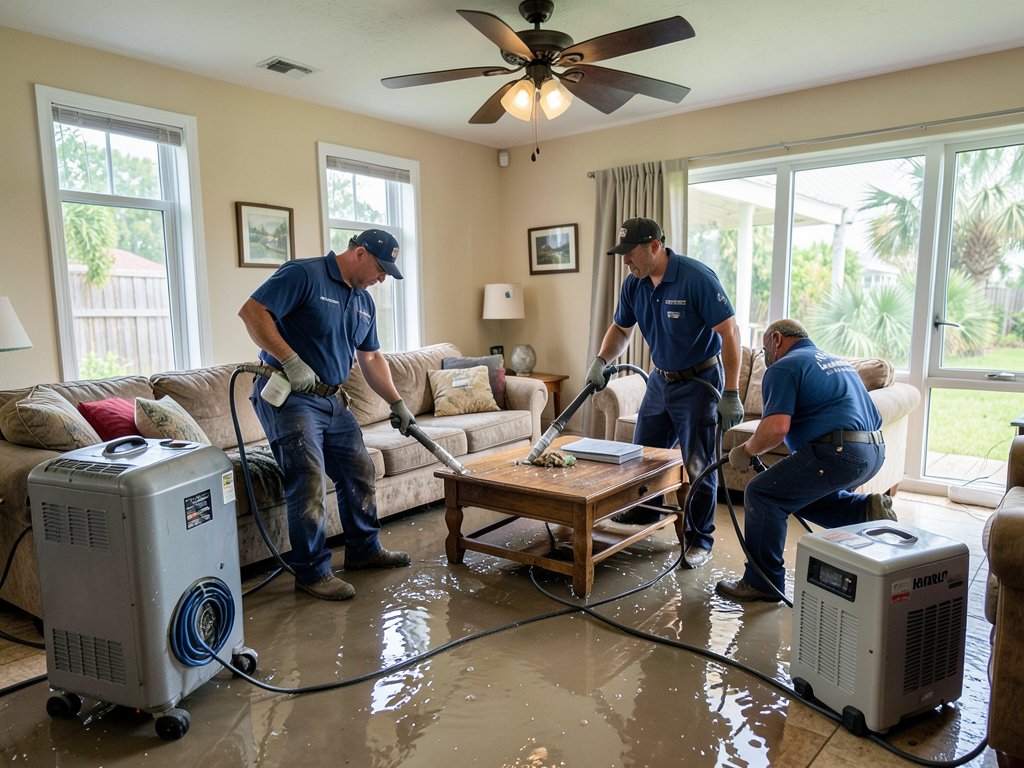
Fortress Water Damage Restoration Tampa approaches every call with a two-phase protocol because Tampa properties demand both speed and precision. Our mitigation team arrives first. We stop active water sources, whether that means shutting off supply lines or tarping roof breaches from afternoon thunderstorms. We extract standing water using truck-mounted pumps that pull 200 gallons per minute, not the small shop vacuums that leave moisture in pad and subflooring.

We place commercial dehumidifiers and air movers based on psychrometric readings, not guesswork. Our thermal cameras identify hidden moisture in wall cavities that standard moisture meters miss. This matters in Tampa because water migrates through concrete block walls common in our housing stock. You cannot see it, but it is there.

Once mitigation achieves dry standards verified by moisture mapping, restoration begins. This is when we assess structural damage. Water-damaged drywall gets removed. Baseboards that wicked moisture get replaced. If your Westshore District condo has engineered hardwood that cupped from water exposure, we document it for your insurance claim before installation of new flooring.

The water damage mitigation vs restoration timeline varies. Mitigation takes three to five days in typical residential losses. Restoration takes one to three weeks depending on scope. We never rush mitigation to start restoration early. That createsCallback problems where mold appears months later because someone started rebuilding over damp materials.

Our process follows IICRC S500 standards for water damage restoration. We document every phase with photos, moisture readings, and equipment logs. Your insurance adjuster sees exactly what mitigation work occurred and what restoration costs stem from verified damage, not inflated estimates.

What Happens When You Call for Water Damage Help

Water Mitigation vs Restoration in Tampa – Understanding the Critical Difference That Protects Your Property Investment
01

Emergency Assessment and Mitigation

Our team arrives within 60 minutes for Tampa emergency calls. We identify the water source, stop active intrusion, and begin extraction immediately. We classify water contamination level (clean, gray, or black water), which determines handling protocols. We place drying equipment and take initial moisture readings to establish baseline conditions. You receive a mitigation scope within two hours of our arrival.
02

Monitoring and Drying Verification

We monitor drying progress daily using moisture meters and thermal imaging. Our technicians adjust equipment placement as conditions change. We test hidden areas like wall cavities and under cabinets where moisture hides. Mitigation is complete only when moisture readings match unaffected areas of your property. This phase prevents the mold growth that plagues rushed jobs in Tampa's humid climate.
03

Restoration Planning and Execution

After mitigation verification, we document all structural damage and create a detailed restoration estimate. We remove unsalvageable materials, treat affected areas with antimicrobial applications if needed, and begin reconstruction. You get a single point of contact who coordinates all trades from drywall to flooring. We work directly with your insurance company to streamline approval and keep your project moving toward completion.

Why Tampa Properties Need Specialized Water Damage Knowledge

Fortress Water Damage Restoration Tampa handles water damage differently because Tampa properties behave differently. Our concrete block construction traps moisture inside walls. Standard drying times from northern climates do not apply here. We extract water from block cores using specialty equipment that national franchises often lack.

We understand Florida building codes that affect restoration work. Your insurance may cover water damage repairs, but upgrades to meet current wind load requirements or electrical codes come out of pocket unless we document them correctly. We know which code updates apply to restoration work and which do not, saving you from paying for unnecessary upgrades contractors push during vulnerable moments.

Our team navigates Tampa's microclimates. Hyde Park properties built in the 1920s have different moisture vulnerabilities than new construction in Water Street. Historic bungalows in Old Seminole Heights have wood framing that requires different drying protocols than CBS construction in Westchase. We adjust our approach based on your specific building type and age.

We work with every major insurance carrier active in the Tampa market. We know which adjusters require specific documentation formats. We understand how Citizens Property Insurance handles mitigation vs restoration billing differently than private carriers. This knowledge speeds your claim and reduces your stress.

Tampa's afternoon thunderstorms cause 60 percent of our residential water calls. We see the same failure points repeatedly. We know that 1990s construction in Town 'N' Country has specific roof-to-wall flashing issues. We recognize when water damage patterns indicate a bigger problem like foundation settlement or chronic roof leaks. That diagnostic experience comes from working hundreds of Tampa properties, not reading a manual at a national training center.

You get local expertise that protects your property and your investment in a market where water damage disclosure affects resale values.

What to Expect During Your Water Damage Project

Response Time and Emergency Availability

We answer emergency calls 24 hours a day, 365 days per year. Our average response time for Tampa locations is 60 minutes from your call to team arrival. We dispatch the closest crew, not the next available crew. You get a dedicated project manager who remains your single point of contact from mitigation through restoration completion. We provide daily updates during active drying and scheduled updates during reconstruction. You never wait more than four hours for a callback during business hours, and our emergency line connects you to a live technician at night, not an answering service.

Assessment and Documentation Process

Our initial assessment identifies water source, affected areas, and contamination level within the first hour. We photograph all damage using timestamped cameras. We create moisture maps showing affected vs unaffected areas. You receive a written mitigation scope before equipment placement. We explain the difference between water mitigation and restoration in clear terms, showing you exactly what each phase costs and why. Our thermal imaging detects hidden moisture that causes problems later. We test air quality if mold is suspected. You get copies of all documentation for your insurance claim, and we send reports directly to your adjuster with your permission.

Quality Standards and Final Results

We follow IICRC S500 water damage restoration standards and IICRC S520 mold remediation standards when contamination is present. Our mitigation phase is complete only when moisture readings match unaffected areas, verified by documentation you can provide to your insurance company. Restoration work meets or exceeds Florida building code requirements. We use matching materials when possible and clearly identify any upgrades required by code compliance. Our final walk-through includes moisture verification testing to confirm dry conditions. You sign off on completion only after inspecting all work and verifying it meets your expectations.

Ongoing Support and Guarantee

We provide written documentation of all mitigation and restoration work performed. Our team remains available for questions about maintenance or insurance claims after project completion. We offer guidance on preventing future water damage specific to your property type and age. If you discover additional damage related to the original loss within 30 days of completion, we return for assessment at no charge. We maintain detailed project files including all moisture readings, photos, and equipment logs that support your insurance claim if questions arise later. You get direct contact information for your project manager, not a general customer service number.

Frequently Asked Questions

You Have Questions,
We Have Answers

What is the difference between water restoration and mitigation? +

Water mitigation stops ongoing damage immediately after a flood, leak, or storm. It includes water extraction, drying equipment setup, and moisture removal to prevent further destruction. Water restoration comes next. It rebuilds and repairs what was damaged. This includes replacing drywall, repairing floors, repainting, and returning your Tampa home to pre-loss condition. Mitigation is emergency response. Restoration is reconstruction. In Tampa's humid climate, fast mitigation is critical to prevent mold growth within 24 to 48 hours. Both services work together, but mitigation always happens first to stabilize the situation and minimize loss.

What is mitigation and restoration? +

Mitigation is the emergency phase. It stops water from causing more damage. You remove standing water, extract moisture, and set up dehumidifiers and air movers. Restoration is the rebuild phase. It fixes and replaces damaged materials like flooring, drywall, and cabinets. Tampa homeowners face unique challenges with high humidity and storm surges, which make fast mitigation essential to avoid secondary damage like mold or structural rot. Mitigation protects your investment immediately. Restoration brings your home back to normal. Both are necessary after water intrusion, but they serve different purposes and often require different skill sets and equipment.

What is the difference between restoration and remediation? +

Restoration rebuilds your property after damage occurs. It replaces drywall, flooring, and fixtures to return your Tampa home to its original state. Remediation targets contamination. It removes hazardous materials like mold, sewage, or biohazards that threaten health. After a sewage backup or Category 3 water damage, remediation disinfects and removes contaminated materials. Restoration follows to repair the structure. In Tampa's humid environment, mold remediation is common after flooding. Restoration focuses on repair. Remediation focuses on safety. You may need both after severe water events, but remediation always comes first if contamination or biological hazards are present.

What does water restoration mean? +

Water restoration repairs and rebuilds your property after water damage. It includes replacing wet drywall, repairing damaged flooring, repainting walls, and restoring fixtures and cabinetry. Restoration happens after mitigation stabilizes the situation. Tampa homes often need restoration after hurricanes, plumbing failures, or roof leaks. The goal is to return your home to pre-loss condition. Restoration contractors handle carpentry, electrical work, and finish work. It is the final step in recovery. Without proper restoration, your property loses value and remains vulnerable. Restoration erases visible damage and ensures structural integrity, giving you a safe, livable space again.

Does homeowners insurance cover water mitigation? +

Most homeowners insurance policies cover water mitigation if the damage results from a sudden, accidental event like a burst pipe, appliance failure, or storm damage. Mitigation costs include water extraction, drying equipment, and moisture control. Tampa homeowners should review their policies carefully because flood damage requires separate flood insurance through FEMA. Insurance typically covers emergency mitigation to prevent further loss, but gradual damage from neglect or maintenance issues may not qualify. Document everything with photos and call your insurer immediately. Fast action improves claim approval. Always confirm coverage details before starting work to avoid out-of-pocket surprises later.

What are the three types of mitigation? +

The three types of mitigation are structural, non-structural, and procedural. Structural mitigation includes physical changes like installing sump pumps, waterproofing basements, or elevating electrical systems in flood-prone Tampa neighborhoods. Non-structural mitigation uses natural or policy-based solutions like creating drainage swales or updating zoning codes. Procedural mitigation involves emergency planning, training, and response protocols to reduce damage during disasters. Tampa homeowners benefit from structural solutions like backflow preventers and elevated HVAC units because of hurricane and storm surge risks. Combining all three types reduces long-term water damage risk and protects your property from future events. Mitigation planning saves money and stress over time.

Is water restoration worth it? +

Yes. Water restoration is worth it when done correctly and quickly. Ignoring water damage leads to mold growth, structural rot, and decreased property value. Tampa's high humidity accelerates these problems. Professional restoration removes all moisture, prevents mold, and rebuilds damaged areas to code. DIY efforts often miss hidden moisture in walls or subfloors, causing expensive problems later. Restoration protects your investment and maintains resale value. Insurance often covers most costs, making professional restoration affordable. Skipping restoration leaves your home vulnerable to ongoing decay, health hazards, and future insurance claim denials. Restoration is an investment in safety, health, and long-term property integrity.

What are 5 examples of mitigation? +

Five examples of mitigation include installing sump pumps to remove basement water, elevating electrical panels above flood levels, waterproofing foundations, adding backflow valves to prevent sewage backups, and grading soil away from your home to redirect water. In Tampa, elevating HVAC units and installing hurricane shutters also count as mitigation. These measures reduce damage before it happens. Mitigation focuses on prevention, not repair. Tampa homeowners benefit from proactive steps because of storm surge, heavy rainfall, and aging plumbing. Mitigation lowers insurance premiums, protects property, and gives you peace of mind. Prevention always costs less than emergency recovery and restoration after damage occurs.

Can I do water restoration myself? +

You can handle minor water cleanup, but professional restoration is necessary for significant damage. Tampa's humidity creates mold within 24 to 48 hours if moisture is not fully removed. DIY efforts often miss hidden water in walls, subfloors, or ceiling cavities. Professionals use thermal imaging, moisture meters, and industrial dehumidifiers to find and remove all water. Without proper equipment, you risk mold growth, structural damage, and insurance claim denials. Sewage backups or Category 3 water require professional remediation because of health hazards. Small spills are manageable. Burst pipes, floods, or storm damage need expert help to protect your home and health long-term.

What is water mitigation? +

Water mitigation is the emergency response that stops ongoing water damage. It includes water extraction, moisture removal, dehumidification, and drying out your Tampa property. Mitigation happens immediately after a flood, leak, or storm to prevent further destruction. Technicians remove standing water, place air movers and dehumidifiers, and monitor moisture levels daily. The goal is to stabilize your property and stop secondary damage like mold, wood rot, or structural collapse. Tampa's high humidity makes fast mitigation critical. Delayed response leads to exponential damage. Mitigation is the first step in water damage recovery. Restoration follows once the property is dry and stable.

How Tampa's Hurricane Season and Humidity Change Water Damage Response

Tampa sits in a subtropical climate zone where humidity averages 75 percent year-round. This means water mitigation requires more aggressive drying than in arid climates. Mold spores germinate within 48 hours when moisture contacts organic materials like drywall or wood framing. Our hurricane season from June through November brings wind-driven rain that penetrates roof systems and windows, creating water intrusion that standard mitigation equipment cannot address. You need containment barriers and negative air pressure to prevent contaminated water from migrating through your property. Tampa properties built before 2002 often lack the wind-resistant construction details required by current code, making them vulnerable to storm-related water damage that requires both immediate mitigation and careful restoration planning.

Fortress Water Damage Restoration Tampa maintains relationships with local insurance adjusters, property managers, and building inspectors who understand our market. We know which carriers require specific documentation formats for mitigation vs reconstruction billing. We understand how Hillsborough County building permits work for restoration projects. Our team trains specifically on Florida building code requirements that affect water damage repairs, preventing the costly surprises that occur when out-of-state contractors miss local compliance issues. Tampa property owners trust us because we live here, work here, and understand the specific challenges our climate and construction methods create for water damage response. You get expertise rooted in thousands of local projects, not generic training.
Water Damage Restoration Services in The Tampa Area

We proudly serve the entire Tampa area with rapid-response water damage restoration services. Whether you’re downtown, in the suburbs, or operating a business near the bay, our expert team is just minutes away. Use the map below to view our service zone or find our nearest location. We’re ready to respond wherever you need us. Your peace of mind is only a call or click away.

Address:
Fortress Water Damage Restoration Tampa, 4830 W Kennedy Blvd #600, Tampa, FL, 33609

Additional Services We Offer

Our news updates

Latest Articles & News from The Blogs

The First 4 Hours After a Pipe Bursts in Your Gibsonton House When water starts spraying from a broken pipe…

The First 4 Hours After a Pipe Bursts in Your Gibsonton House

The First 4 Hours After a Pipe Bursts in Your Gibsonton House When water starts spraying from a broken pipe…

A Homeowner Guide to Choosing the Best Dehumidifier for Humidity Control in Seffner

A Homeowner Guide to Choosing the Best Dehumidifier for Humidity Control in Seffner Living in Seffner means dealing with Florida’s…

Why Your Kids Keep Sneezing After a Small Leak in Your Seffner Home

Why Your Kids Keep Sneezing After a Small Leak in Your Seffner Home Your child wakes up sneezing again. You…

Contact Us

Call Fortress Water Damage Restoration Tampa at (656) 219-8088 for immediate response. Our team arrives within 60 minutes to stop damage and start protection. We handle mitigation, restoration, and insurance coordination so you can focus on getting back to normal.