





Menu

Water Stains on Drywall in Tampa – Expert Diagnosis and Permanent Repair Solutions

Stop guessing about those brown water spots and yellow ceiling stains. Our certified water damage specialists identify the hidden moisture source, eliminate the problem at its root, and restore your drywall to pre-loss condition.

Slider Image 1
Slider Image 2
Slider Image 3
Slider Image 4
Slider Image 5
Slider Image 7
Slider Image 8
Slider Image 9
Slider Image 10
Slider Image 11

Why Tampa Homes Get Water Stains on Drywall

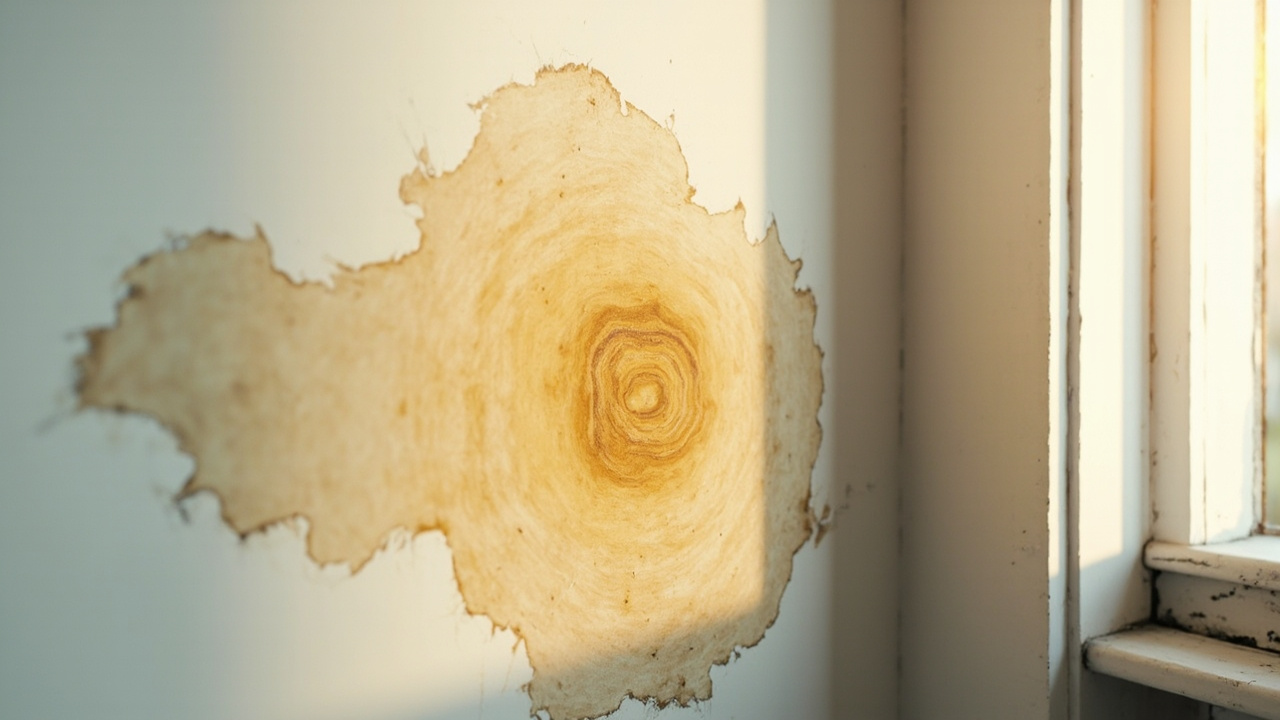
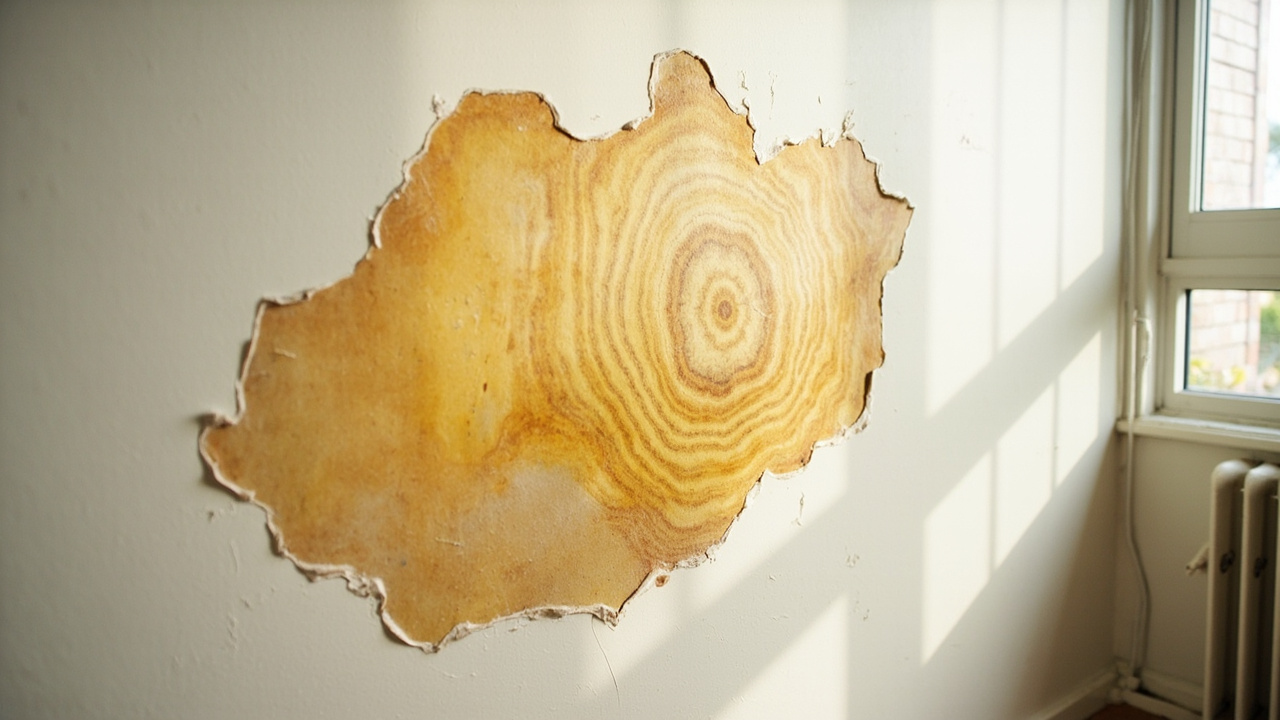
You see it. That brown water spot spreading across your ceiling. The yellow stains creeping down your drywall. The moisture discoloration on your sheetrock that gets worse every time it rains.

Tampa's subtropical climate creates the perfect storm for water intrusion. When afternoon thunderstorms dump two inches of rain in 20 minutes, older roof flashing fails. When humidity sits at 90 percent for weeks, condensation forms inside wall cavities. When air conditioning units run year-round, drain pans overflow and leak into interior walls.

Water marks on your ceiling do not appear randomly. They signal active leaks. Those wet patches on your plasterboard mean water is traveling through your building envelope right now. The longer moisture sits inside drywall, the more damage it causes. Wet sheetrock loses structural integrity. It becomes a breeding ground for mold spores. It compromises your indoor air quality.

Most homeowners make the same mistake. They paint over the water stains and hope the problem goes away. It does not. The brown water spots on your walls reappear within weeks because the moisture source was never addressed. You cannot fix water damage by covering it up. You fix it by finding where water enters, stopping the intrusion, removing contaminated materials, and properly drying the structure.

Tampa's older homes face additional challenges. Many were built before modern moisture barriers became standard. Stucco cracks. Windows leak. Roof valleys fail. Each creates a pathway for water to migrate into your walls and ceilings.

Why Tampa Homes Get Water Stains on Drywall
How We Find and Fix the Real Problem

How We Find and Fix the Real Problem

Water stains are symptoms. We treat the disease.

Our technicians use thermal imaging cameras to track moisture inside wall cavities. These cameras reveal temperature differentials that indicate wet building materials behind your drywall. We use pin and pinless moisture meters to measure exact moisture content in wood framing, insulation, and sheetrock. We document moisture levels in multiple locations to map the full extent of water intrusion.

Once we identify the moisture source, we address it. If your roof flashing failed, we coordinate with qualified roofers to repair it before we touch your interior. If a plumbing leak caused the stains, we verify the pipe is fixed and pressure-tested. If condensation from your HVAC system created the problem, we ensure drain lines are clear and properly sloped.

Then we remove affected materials. Drywall that has been saturated cannot be saved. It must be cut out and disposed of. We remove wet insulation. We inspect framing lumber for rot. If wood studs show moisture content above 19 percent, we dry them with commercial air movers and dehumidifiers before reconstruction begins.

Our drying process follows IICRC S500 standards. We create negative air pressure to prevent mold spores from spreading to unaffected areas. We monitor moisture levels daily until all building materials reach their dry standard. Only then do we begin reconstruction.

We match your existing drywall texture. We prime stained areas with stain-blocking primer to prevent bleed-through. We paint with colors that match your existing walls. The goal is to make the repair invisible.

What Happens When You Call

Water Stains on Drywall in Tampa – Expert Diagnosis and Permanent Repair Solutions
01

Moisture Investigation

We arrive with thermal cameras and moisture detection equipment. Our technician inspects the water stains, then traces the moisture path back to its source. We check your attic, your roof penetrations, your plumbing lines, and your HVAC system. We document findings with photos and moisture readings. You get a clear explanation of what caused the water intrusion and what it will take to fix it properly.
02

Controlled Demolition and Drying

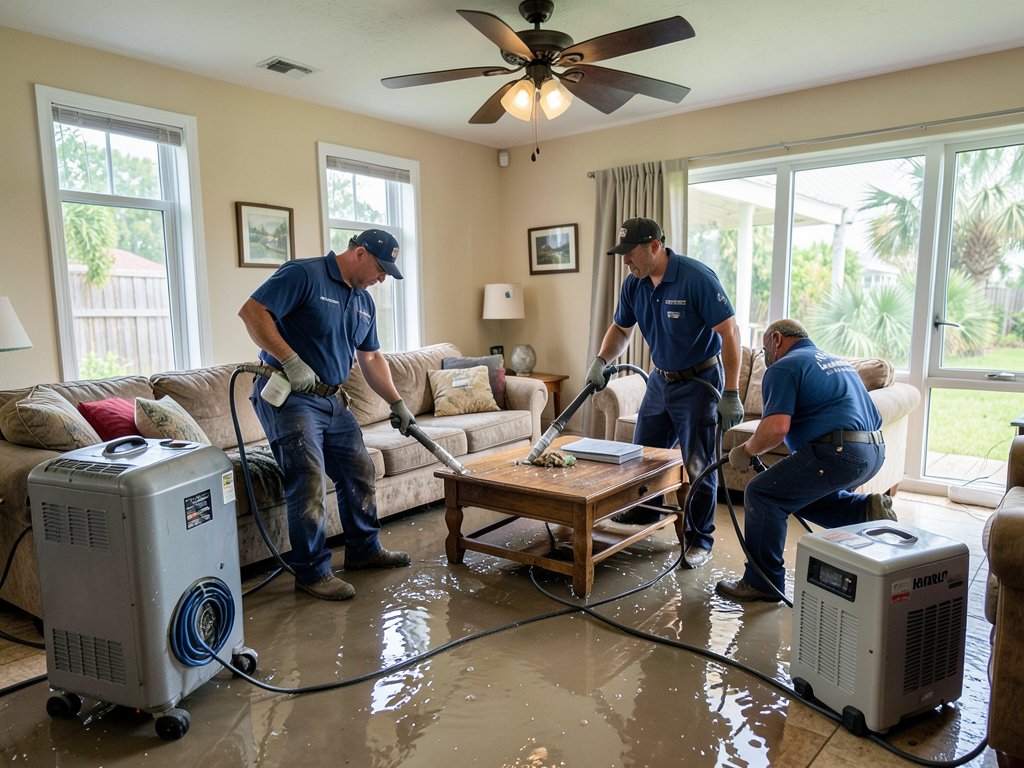
We remove damaged drywall in controlled sections. We contain the work area with plastic sheeting to minimize dust. We extract wet insulation and inspect structural framing for damage. Then we deploy air movers, dehumidifiers, and air scrubbers to dry the structure. We monitor moisture levels twice daily. Drying typically takes three to five days depending on how long water was present and how much material absorbed moisture.
03

Reconstruction and Final Inspection

Once all materials reach dry standard, we rebuild. We install new drywall, tape and finish seams, match your texture, and paint. We verify the moisture source has been permanently corrected. Before we leave, we walk you through the repair and answer your questions. You receive documentation of moisture readings and photos of the complete repair process for your insurance claim or your records.

Why Tampa Homeowners Choose Fortress Water Damage Restoration

You need someone who understands Tampa construction. Our technicians know the difference between homes built in the 1960s with concrete block and modern wood-frame construction. We know which neighborhoods have older clay tile roofs that leak at the hips and valleys. We know which areas of Tampa experience the worst wind-driven rain during summer storms.

We are IICRC-certified in water damage restoration. That certification requires ongoing education in moisture science, structural drying, and microbial remediation. We do not guess. We follow science-based protocols that have been tested and proven effective.

We work directly with insurance companies. We document everything. We take photos of moisture readings. We provide detailed scope sheets that explain what needs to be repaired and why. We communicate with adjusters so you do not have to translate contractor language into insurance terms.

Most water damage companies only do the drying. Then they refer you to someone else for reconstruction. That creates delays and communication breakdowns. We handle the complete process from investigation through final paint. You deal with one company. One contract. One point of contact.

We know Tampa building codes. We know when permits are required. We know which repairs need inspection and which do not. We handle the administrative details so you can focus on getting your home back to normal.

Speed matters with water damage. Every day water sits inside your walls increases the risk of secondary damage. We answer calls seven days a week. We dispatch technicians the same day you call. We start drying immediately.

What You Can Expect From Start to Finish

Response Time and Scheduling

We dispatch a technician within hours of your call. Our initial inspection takes 45 to 90 minutes depending on the size of your home and the extent of visible damage. If you have an active leak, we take immediate steps to stop water intrusion. We can begin drying the same day if needed. For reconstruction, we schedule around your availability. Most drywall repairs take two to four days once materials are dry. We do not drag projects out for weeks. We complete your repair and move on.

The Inspection Process

Our technician uses infrared cameras to scan walls and ceilings for temperature anomalies that indicate moisture. We use pin meters to take invasive moisture readings in suspect areas. We document affected areas with photos and written notes. We explain what we find in clear language. You will understand where the water came from, how far it spread, and what needs to happen next. We provide a written scope and estimate before any work begins. No surprises.

Quality of Finished Repair

We match your existing wall texture whether it is smooth, knockdown, or orange peel. We use stain-blocking primer on all repairs to prevent tannins from bleeding through new paint. We feather paint edges so the repair blends invisibly with surrounding surfaces. If we cannot match your existing paint color exactly, we paint the entire wall from corner to corner to avoid a patched appearance. The goal is for you to forget the water damage ever happened.

Post-Repair Follow-Up

We verify the moisture source has been corrected before we close the project. We provide final moisture readings that document all materials returned to dry standard. You receive a complete file with photos, equipment logs, and moisture documentation for your insurance company or your permanent records. We follow up 30 days after project completion to confirm the repair is holding and no new moisture issues have developed. If you have questions after we leave, you call the same number and speak with someone who knows your project history.

Frequently Asked Questions

You Have Questions,
We Have Answers

How do you get water stains out of drywall? +

First, find and fix the source of the water. Let the drywall dry completely, which takes 24 to 72 hours in Tampa's humidity. Once dry, scrape off any peeling paint or texture. Apply a stain-blocking primer like Kilz or BIN to seal the stain. Sand lightly, then paint to match your wall. If the stain bleeds through or the drywall feels soft, you need professional assessment. Tampa's year-round moisture can hide deeper damage behind visible stains, so don't skip the drying step.

Can I paint over water stained drywall? +

No. Painting over water stains without proper prep causes the stain to bleed through your new paint within days. You must apply a stain-blocking primer first. Use shellac-based or oil-based primers, not latex. These create a barrier that stops tannins and minerals in the water from migrating to the surface. In Tampa, high humidity slows drying, so confirm the drywall is bone dry before priming. If you skip this step, you waste time and money repainting the same spot repeatedly.

Why do I have water marks on my walls but no leak? +

Water marks without visible leaks often come from condensation, humidity penetration, or old resolved leaks. Tampa's humidity can cause moisture to migrate through drywall from attic spaces or exterior walls, especially in older homes without proper vapor barriers. Check your attic insulation, AC ducts for condensation, and exterior caulking around windows. Sometimes water travels along studs or pipes from a distant leak point before surfacing. If marks appear seasonally during Tampa's rainy months, you likely have a hidden moisture intrusion issue that needs investigation.

Do I need to replace water stained drywall? +

It depends on severity. Surface stains on intact, firm drywall only need cleaning, priming, and repainting. Replace drywall if it feels soft, crumbles when pressed, shows mold growth, or has visible sagging. Tampa's humidity accelerates deterioration, so wet drywall degrades faster here than in dry climates. If water sat for more than 48 hours, replacement is safer because mold likely started growing inside the wall cavity. Cut out damaged sections and check framing and insulation behind it before installing new drywall.

Is drywall ruined once it gets wet? +

Not always. Drywall can survive brief exposure if dried within 24 to 48 hours. The key is speed and thoroughness. Remove standing water, increase airflow with fans, and run dehumidifiers. Tampa's heat helps, but humidity fights you. If drywall stays wet beyond 48 hours, mold colonizes the paper facing and gypsum core. Once mold starts, the drywall cannot be saved. Test by pressing the surface. If it feels firm and returns to shape, it might be salvageable after proper drying and treatment.

Will magic eraser remove water stains on walls? +

No. Magic erasers remove surface dirt but cannot eliminate water stains that have soaked into drywall. The melamine foam only works on the painted surface layer. Water stains penetrate deeper, carrying minerals and tannins that bleed through. You might lighten the appearance temporarily, but the stain returns as moisture moves through the material. Tampa's humidity makes this worse. Save your time. Use a stain-blocking primer instead. Magic erasers work for scuff marks, not water damage. Address the root cause, not just the symptom.

What do water stains on drywall look like? +

Water stains appear as discolored patches, usually yellow, brown, or rust-colored rings. Fresh stains look darker and feel damp. Old stains fade to tan or gray with defined edges where the water stopped spreading. You might see bubbling paint, peeling texture, or a chalky white residue from mineral deposits. In Tampa homes, stains from roof leaks often show a drip pattern, while AC condensation creates round spots near vents. Severe stains include sagging drywall or visible mold, which appears black or green.

Will Kilz cover a water stain? +

Yes, but only if you use the right Kilz product. Kilz Original or Kilz Max are oil-based or shellac-based stain blockers that seal water stains effectively. Standard Kilz 2 latex primer will not stop bleed-through. Apply two coats for stubborn stains. Let each coat dry fully, which takes longer in Tampa's humidity. The primer locks in tannins and minerals so your finish paint looks clean. If the stain still shows after two coats of the correct primer, the drywall is too saturated and needs replacement.

How to get rid of water damage on drywall? +

Stop the water source first. Remove wet materials like insulation if accessible. Dry the wall completely using fans, dehumidifiers, and open windows. In Tampa, this takes longer due to ambient humidity. Once dry, cut out soft or moldy sections. Treat remaining surfaces with antimicrobial solution. Replace damaged drywall, prime with stain blocker, and repaint. Do not rush drying. Wet drywall hidden behind paint leads to mold growth within weeks. If damage covers large areas or shows mold, call a water damage restoration professional.

How to tell if water is leaking behind a wall? +

Look for water stains, peeling paint, or bubbling texture on walls. Check for musty odors, which indicate hidden moisture. Feel the wall for cool or damp spots. Listen for dripping sounds behind the surface. In Tampa, watch for increased pest activity, as bugs seek moisture. Use a moisture meter to detect elevated readings without cutting the wall. Check baseboards for warping or separation. If you suspect a hidden leak, do not wait. Water travels along studs and can damage areas far from the source before you notice surface symptoms.

How Tampa's Humidity and Storm Patterns Create Drywall Water Damage

Tampa sits on a peninsula surrounded by water. Summer humidity regularly exceeds 85 percent. That moisture finds its way into wall cavities through tiny cracks in stucco, gaps around windows, and failed roof penetrations. When afternoon thunderstorms hit, wind-driven rain forces water through building envelopes that would stay dry in calmer conditions. Older homes in neighborhoods like Seminole Heights and Hyde Park were built before modern moisture barriers became standard. Those homes are especially vulnerable to brown water spots and moisture discoloration on interior surfaces after heavy rain events.

We have worked in every Tampa neighborhood from Westshore to Carrollwood to New Tampa. We know which areas have older clay tile roofs that develop leaks at the hips and ridges. We know which communities have cast iron plumbing that corrodes and leaks inside walls. We understand local building codes and permit requirements. When you call a company that operates across six counties, you get generic service. When you call Fortress Water Damage Restoration Tampa, you get technicians who understand your specific home construction and the moisture challenges unique to this climate.
Water Damage Restoration Services in The Tampa Area

We proudly serve the entire Tampa area with rapid-response water damage restoration services. Whether you’re downtown, in the suburbs, or operating a business near the bay, our expert team is just minutes away. Use the map below to view our service zone or find our nearest location. We’re ready to respond wherever you need us. Your peace of mind is only a call or click away.

Address:
Fortress Water Damage Restoration Tampa, 4830 W Kennedy Blvd #600, Tampa, FL, 33609

Additional Services We Offer

Our news updates

Latest Articles & News from The Blogs

How Clogged Gutters and Downspouts Can Lead to a Flooded Living Room in Wooded Lutz Neighborhoods When heavy afternoon thunderstorms…

How Clogged Gutters and Downspouts Can Lead to a Flooded Living Room in Wooded Lutz Neighborhoods

How Clogged Gutters and Downspouts Can Lead to a Flooded Living Room in Wooded Lutz Neighborhoods When heavy afternoon thunderstorms…

Why You Should Never Use Bleach to Clean Up Mold After a Leak in Your Tampa Palms Home

Why You Should Never Use Bleach to Clean Up Mold After a Leak in Your Tampa Palms Home When you…

Dealing With Water Damage in Your Backyard ADU or Guest House in Seminole Heights

Dealing With Water Damage in Your Backyard ADU or Guest House in Seminole Heights Water damage in a Seminole Heights…

Contact Us

Do not let water damage get worse. Call Fortress Water Damage Restoration Tampa at (656) 219-8088 right now. We will dispatch a certified technician to your home, identify the moisture source, and give you a clear plan to fix it permanently. Same-day service available.