




Menu

Risks of DIY Water Cleanup in Tampa – Why Amateur Restoration Can Destroy Your Property and Health

Before you grab a shop vac and towels, understand the dangers of DIY water damage restoration that can turn a manageable flood into structural collapse, toxic mold growth, and insurance claim denials across Tampa Bay.

Slider Image 1
Slider Image 2
Slider Image 3
Slider Image 4
Slider Image 5
Slider Image 7
Slider Image 8
Slider Image 9
Slider Image 10
Slider Image 11

Why DIY Water Cleanup Fails in Tampa's Climate

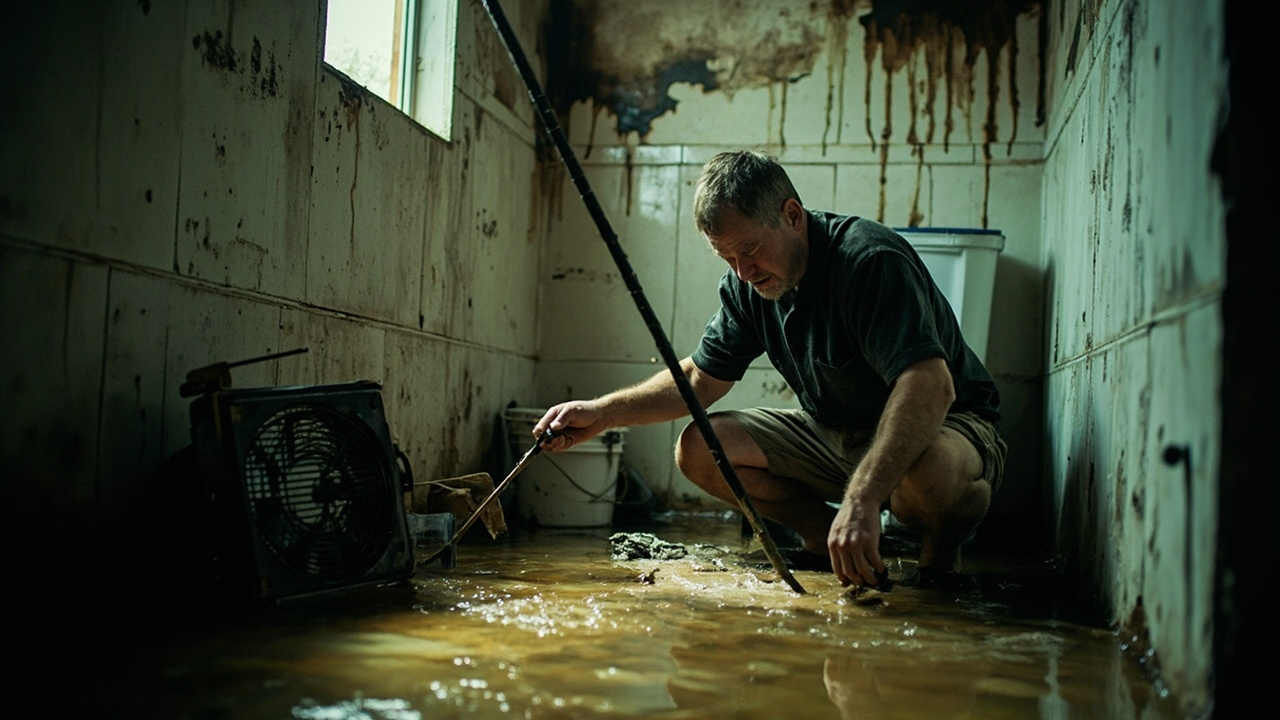
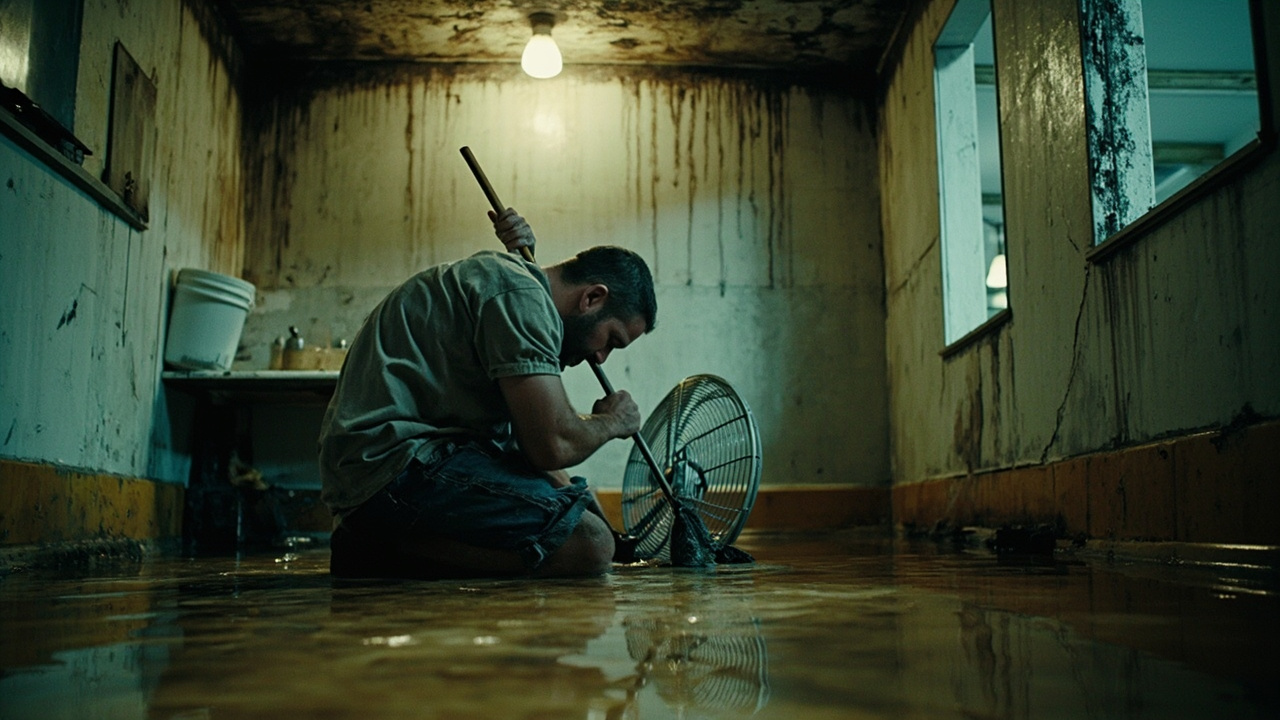
You see standing water in your living room and your first instinct is to fix it yourself. That decision costs Tampa homeowners thousands in preventable damage every year.

Tampa's humidity sits between 60 and 90 percent most of the year. When you use household fans and wet vacs without proper dehumidification equipment, you push moisture deeper into wall cavities, subfloors, and insulation. The hazards of do-it-yourself water removal multiply in our climate because ambient humidity prevents proper drying. What looks dry on the surface remains saturated underneath.

The consequences of amateur water cleanup appear within 48 to 72 hours. Mold spores, always present in Florida air, colonize damp building materials. You cannot see this growth behind drywall or under vinyl flooring until it spreads into living spaces. By then, remediation costs triple.

Tampa's concrete slab foundations create another problem. Water wicks horizontally through the slab, traveling 20 feet from the source. Your wet vac removes surface water but does nothing for moisture migrating through the concrete. Professional moisture meters detect this hidden saturation. Consumer equipment does not.

The hidden risks of self-managed water mitigation include electrical hazards. Water follows wiring paths inside walls. Turning on power before proper inspection can cause fires or electrocution. Insurance adjusters know this. When they find evidence of DIY cleanup attempts before professional assessment, they question coverage.

The pitfalls of DIY water extraction also include cross-contamination. Category 2 water from washing machine overflows or Category 3 water from sewage backups contains bacteria, viruses, and parasites. Household cleaning products do not sanitize structural materials properly. You spread contaminants instead of removing them.

Why DIY Water Cleanup Fails in Tampa's Climate
How Professional Water Damage Restoration Protects Your Property

How Professional Water Damage Restoration Protects Your Property

Professional water damage restoration follows IICRC S500 standards, the scientific protocol for water damage projects. This methodology addresses moisture you cannot see and prevents secondary damage from improper drying.

The process starts with moisture mapping. Technicians use thermal imaging cameras to identify wet building materials behind surfaces. Penetrating moisture meters measure water content in wood framing, drywall, and concrete. This data creates a drying plan specific to your structure and the water category involved.

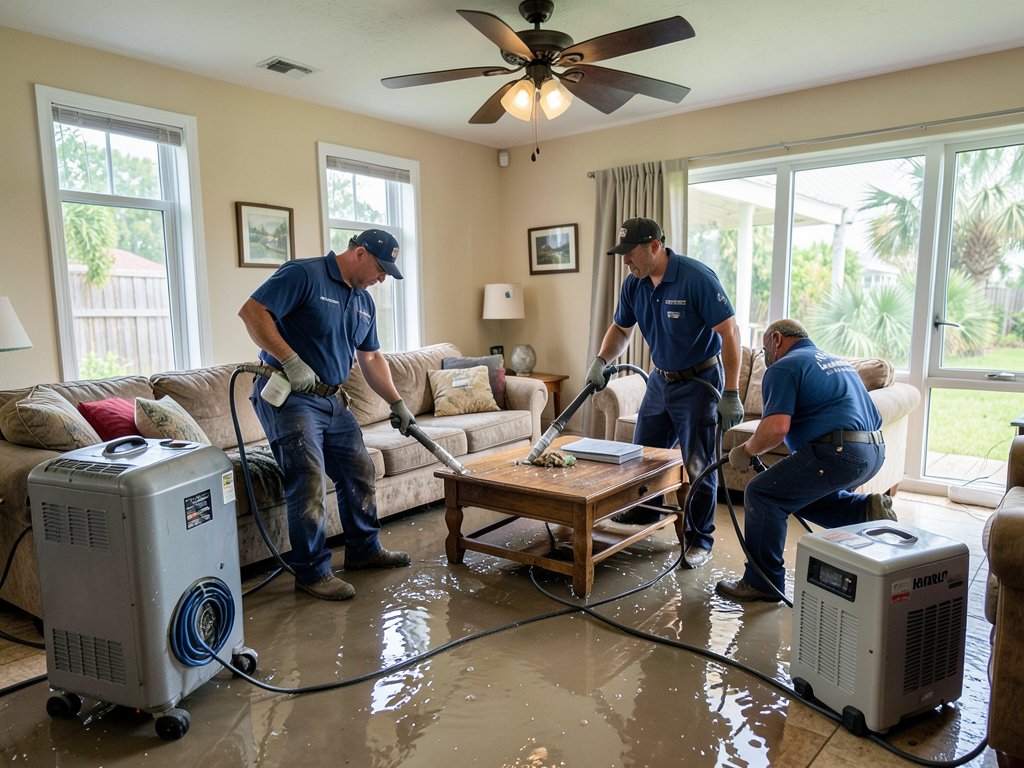
Commercial-grade air movers create laminar airflow across wet surfaces. This controlled air movement increases evaporation rates without pushing moisture deeper into assemblies. Low-grain refrigerant dehumidifiers remove moisture from the air, dropping relative humidity to 30-40 percent. This vapor pressure differential pulls moisture from materials into the air where dehumidifiers capture it.

The equipment placement follows psychrometric principles. Air movers position at specific angles to affected materials. Dehumidifiers stage based on cubic footage and moisture load calculations. Technicians adjust equipment daily based on moisture meter readings until materials reach dry standards, typically 12-15 percent moisture content for wood and less than 1 percent for concrete.

Containment procedures prevent cross-contamination when dealing with gray water or black water. Negative air pressure keeps contaminated air from spreading to clean areas. HEPA filtration removes airborne particles. Antimicrobial treatments applied to structural surfaces after extraction kill bacteria and inhibit future microbial growth.

Documentation throughout the process protects your insurance claim. Daily moisture logs, equipment placement photos, and psychrometric readings prove proper mitigation occurred. This evidence supports your claim and demonstrates professional standards were met.

What Happens During Professional Water Damage Assessment

Risks of DIY Water Cleanup in Tampa – Why Amateur Restoration Can Destroy Your Property and Health
01

Immediate Source Control

Technicians arrive and immediately stop the water source, whether that means shutting off supply lines, tarping roof penetrations, or isolating failed appliances. They document pre-existing conditions with photos and video before touching anything. This protects both you and your insurance claim. Safety hazards get flagged first, electrical panels inspected, and standing water tested for contamination category.
02

Comprehensive Moisture Detection

Using infrared cameras and penetrating moisture meters, technicians map every wet material in your structure. They check inside walls without demolition, test subfloors under finished surfaces, and measure moisture migration patterns through concrete. This creates a complete picture of water intrusion. Humidity readings in each room establish baseline conditions. All data gets logged in industry-standard software for insurance documentation and progress tracking.
03

Strategic Drying Plan

Based on moisture mapping and water category, technicians design an equipment layout specific to your property. They calculate air mover and dehumidifier quantities using cubic footage, moisture load, and material types. Containment barriers go up if needed. Equipment powers on within hours of arrival. The first 48 hours prove most important for preventing mold growth. Daily monitoring continues until moisture readings reach dry standards across all affected materials.

Why Tampa Homeowners Choose Professional Water Damage Restoration

Fortress Water Damage Restoration Tampa understands the specific challenges water creates in our coastal environment. We work in neighborhoods from Channelside to Carrollwood, Westchase to Ybor City. Every project teaches us how Tampa construction responds to water intrusion.

Local building codes changed after multiple hurricane seasons. Structures built after 2004 use different wall assemblies and moisture barriers than older homes in historic districts like Hyde Park or Seminole Heights. Our technicians know these construction differences and adjust drying strategies accordingly. A 1920s bungalow with lath and plaster walls requires different treatment than a 2015 concrete block home with spray foam insulation.

Tampa sits at sea level. Groundwater intrusion through slab foundations happens differently here than in cities with basements or crawl spaces. We monitor hydrostatic pressure during restoration to prevent recurring moisture problems. This knowledge comes from years working in local conditions, not from textbook training.

Insurance claims move faster when restoration companies document properly. We work directly with adjusters from the major carriers operating in Hillsborough County. Our reports match their requirements. We speak their language. This prevents delays in your claim approval.

The dangers of DIY water damage restoration multiply when you consider Florida-specific issues. Fire ants invade wet structures. Formosan termites swarm to moisture. Brown recluse spiders nest in damp cardboard and debris. Professional technicians wear proper PPE and know how to handle these hazards safely.

We maintain relationships with Tampa building inspectors, plumbers, and electricians. When water damage requires permits or additional trades, we coordinate those services. You get one point of contact instead of managing multiple contractors while dealing with displacement and stress.

What Professional Water Damage Restoration Delivers

Emergency Response Time

Water damage worsens every hour you wait. We dispatch technicians to Tampa properties within 60 minutes of your call, 24 hours a day. Our trucks carry extraction equipment, moisture detection tools, and initial drying equipment. Emergency response includes water removal, safety assessment, and temporary protection measures. Weekend floods and holiday disasters get the same immediate attention. Trucks stage across the greater Tampa metro area for faster arrival times. You receive an estimated arrival time when you call, not vague promises about callbacks.

Detailed Damage Assessment

Initial assessment takes 45 to 90 minutes depending on property size and damage extent. Technicians inspect every room, test moisture levels in floors and walls, document affected materials with photos, and classify water contamination category. You receive a written scope of work explaining what needs drying, what requires removal, and the expected timeline. This assessment includes moisture readings recorded in industry-standard software. Insurance adjusters accept this documentation. We explain findings in plain language so you understand exactly what happened and what fixes are required.

Complete Structural Drying

Drying takes three to seven days for typical residential water damage. Complex projects involving multiple floors, crawl spaces, or heavy saturation take longer. Commercial-grade dehumidifiers and air movers run continuously. Technicians visit daily to check moisture levels, adjust equipment, and document progress. You receive daily updates via text or email with current moisture readings. Drying completes when all materials reach industry-standard dry readings, verified with calibrated meters. We provide final documentation showing before and after moisture levels for every affected area.

Post-Restoration Verification

After equipment removal, we conduct final moisture testing of all previously wet materials. You receive a completion certificate with moisture readings proving dry standards were achieved. This documentation satisfies insurance requirements and protects against future mold claims. We provide referrals to trusted Tampa contractors for reconstruction work if water damage required demolition. Follow-up moisture checks occur at 30 and 60 days for projects involving significant structural drying. These checks verify moisture has not returned and conditions remain stable. All documentation transfers to new owners if you sell the property.

Frequently Asked Questions

You Have Questions,
We Have Answers

How Tampa's Hurricane Season Amplifies DIY Water Cleanup Dangers

Tampa sits in the crosshairs of hurricane activity from June through November. Storm surge, wind-driven rain, and roof damage create water intrusion that overwhelms amateur cleanup attempts. The pitfalls of DIY water extraction become critical when dealing with Category 3 black water from storm surge carrying sewage, chemicals, and debris from Tampa Bay. Household equipment cannot sanitize this contamination. The hazards of do-it-yourself water removal include exposure to flesh-eating bacteria present in Florida coastal waters. Professional restoration companies maintain stockpiles of specialized equipment and antimicrobial treatments specifically for post-hurricane contamination. FEMA and insurance carriers require this level of response for storm-related flooding.

Fortress Water Damage Restoration Tampa maintains IICRC certification and trains continuously on Florida-specific water damage protocols. We understand how Tampa's flat topography and poor drainage in areas like Town 'N' Country and Temple Terrace create prolonged standing water conditions. Local contractors who grew up in Tampa know which neighborhoods flood first, how long water takes to recede, and which construction types suffer worst damage. This knowledge speeds response and improves outcomes. We work within Hillsborough County permit requirements and understand local code enforcement expectations for water damage repairs. Insurance adjusters in Tampa recognize our documentation and trust our moisture readings because we have proven track records with major carriers.
Water Damage Restoration Services in The Tampa Area

We proudly serve the entire Tampa area with rapid-response water damage restoration services. Whether you’re downtown, in the suburbs, or operating a business near the bay, our expert team is just minutes away. Use the map below to view our service zone or find our nearest location. We’re ready to respond wherever you need us. Your peace of mind is only a call or click away.

Address:
Fortress Water Damage Restoration Tampa, 4830 W Kennedy Blvd #600, Tampa, FL, 33609

Additional Services We Offer

Our news updates

Latest Articles & News from The Blogs

How Clogged Gutters and Downspouts Can Lead to a Flooded Living Room in Wooded Lutz Neighborhoods When heavy afternoon thunderstorms…

How Clogged Gutters and Downspouts Can Lead to a Flooded Living Room in Wooded Lutz Neighborhoods

How Clogged Gutters and Downspouts Can Lead to a Flooded Living Room in Wooded Lutz Neighborhoods When heavy afternoon thunderstorms…

Why You Should Never Use Bleach to Clean Up Mold After a Leak in Your Tampa Palms Home

Why You Should Never Use Bleach to Clean Up Mold After a Leak in Your Tampa Palms Home When you…

Dealing With Water Damage in Your Backyard ADU or Guest House in Seminole Heights

Dealing With Water Damage in Your Backyard ADU or Guest House in Seminole Heights Water damage in a Seminole Heights…

Contact Us

Every hour you wait, moisture spreads deeper into your structure. Call Fortress Water Damage Restoration Tampa now at (656) 219-8088. Our technicians dispatch immediately with professional equipment and expertise that protects your property and your insurance claim. 24-hour emergency response across the Tampa Bay area.