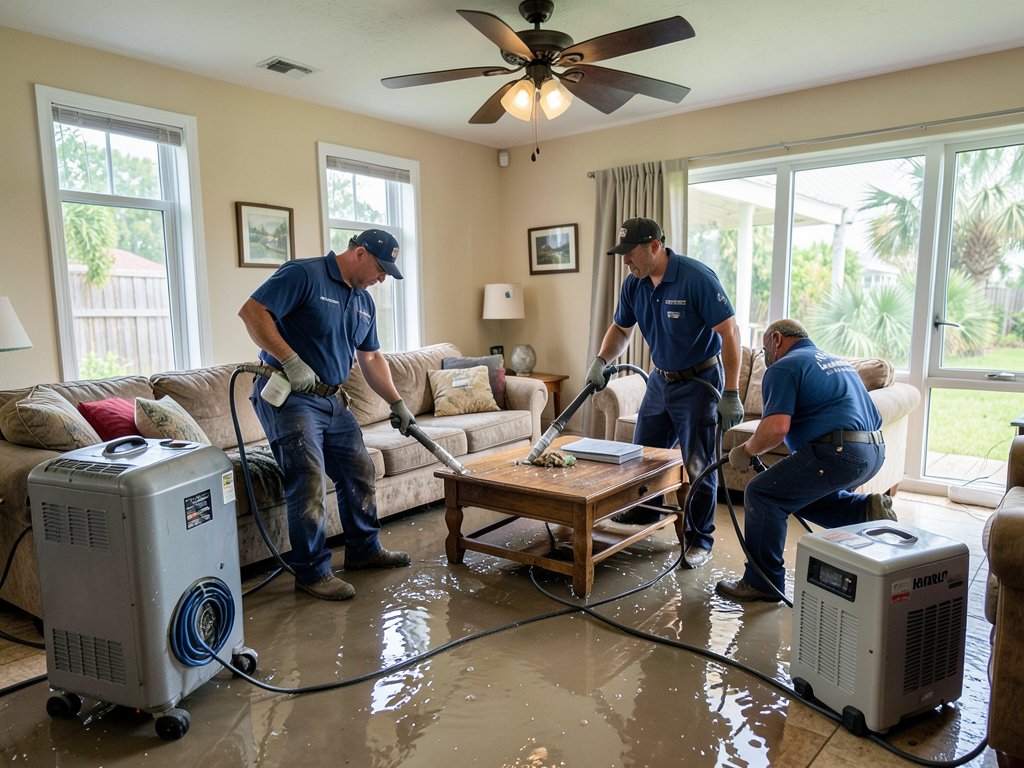







Tampa's average relative humidity above 70 percent year-round creates a perfect storm for post-fire complications. Fire-damaged materials act like sponges, pulling moisture from the air and accelerating mold growth, corrosion, and structural degradation. Soot and ash become acidic when they absorb humidity, etching glass, corroding metal, and degrading wood at rates three times faster than in dry climates. The fire recovery safety guide for Tampa properties must account for aggressive dehumidification and rapid material removal that would be optional in places like Arizona or Colorado. Water damage from firefighting efforts never fully dries without mechanical intervention in our subtropical environment.
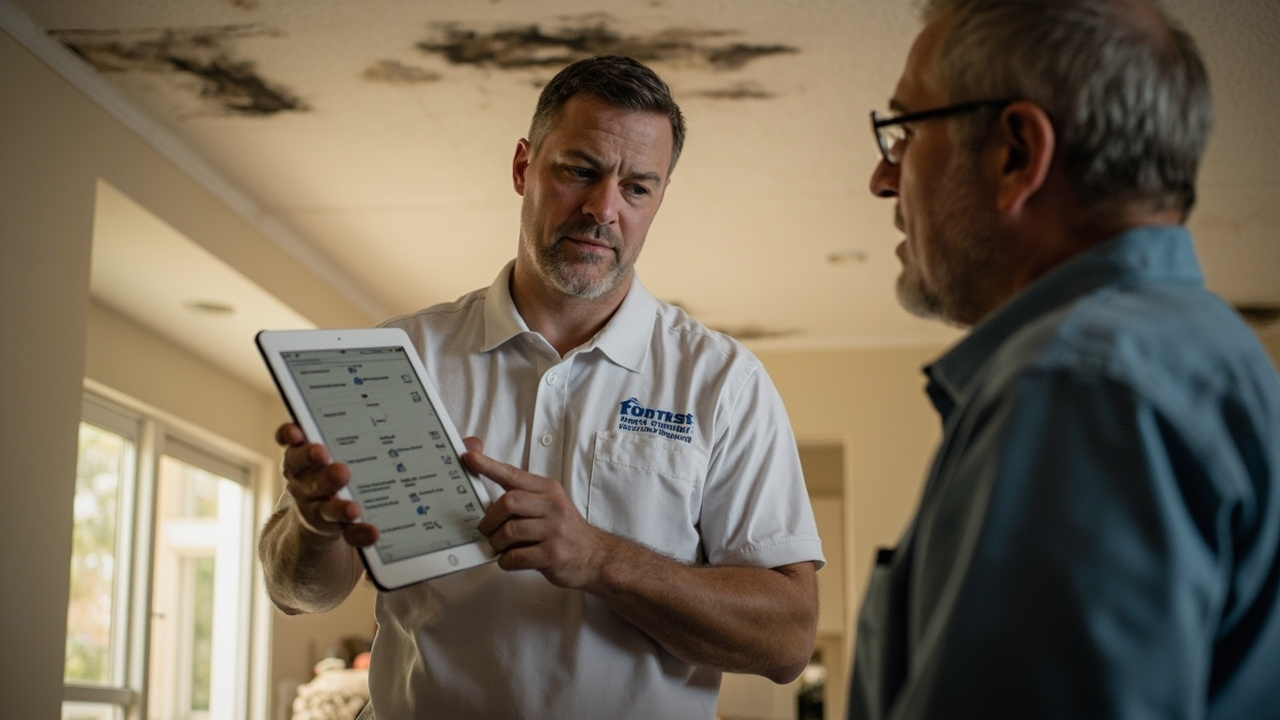
Tampa's building department requires post-fire inspections before issuing permits for reconstruction, but many contractors skip proper safety assessment to speed up timelines. Local restoration companies familiar with Tampa's codes and climate understand what inspectors look for and how to document remediation properly. We work directly with Tampa Fire Rescue and the city's environmental health division to ensure your property meets reoccupancy standards. Insurance adjusters know our reports meet Florida's legal requirements because we reference specific statutes and testing protocols. Choosing a Tampa-based fire damage specialist means your assessment accounts for local building materials, construction methods, and environmental factors that out-of-state companies miss.