





Menu

Fire Sprinkler Water Cleanup in Tampa – Emergency Response Within 60 Minutes

When fire suppression systems discharge accidentally or burst unexpectedly, you need immediate emergency sprinkler water removal before structural damage spreads. Fortress Water Damage Restoration Tampa dispatches certified crews 24/7 to stop the flooding, extract standing water, and prevent secondary damage to your Tampa property.

Slider Image 1
Slider Image 2
Slider Image 3
Slider Image 4
Slider Image 5
Slider Image 7
Slider Image 8
Slider Image 9
Slider Image 10
Slider Image 11

Why Fire Sprinkler Discharge Creates Urgent Damage in Tampa Buildings

A single triggered sprinkler head releases 15 to 60 gallons per minute. In Tampa's high humidity climate, that volume of water accelerates mold colonization within 24 to 48 hours. You are not dealing with a slow leak. This is catastrophic water intrusion that saturates drywall, insulation, flooring, and contents in minutes.

Fire suppression system water extraction differs from standard flooding. Sprinkler discharge often happens on upper floors in commercial buildings, condos, or multi-story homes. Water cascades downward through ceiling cavities, electrical chases, and HVAC ductwork. By the time you see visible water pooling on the ground floor, hidden saturation has already spread through structural cavities.

Tampa's older buildings in Historic Ybor City and Hyde Park often feature plaster walls and hardwood flooring. These materials absorb water rapidly and require specialized drying protocols. Delay increases the risk of permanent warping, efflorescence on brick facades, and compromised load-bearing timber.

Accidental sprinkler discharge cleanup demands speed. You cannot wait until morning or the next business day. Every hour of standing water increases restoration costs and extends the timeline. Fortress Water Damage Restoration Tampa operates around the clock because fire sprinkler water damage restoration in Tampa requires immediate intervention to prevent irreversible structural compromise and microbial growth in our humid subtropical environment.

Why Fire Sprinkler Discharge Creates Urgent Damage in Tampa Buildings
Our Emergency Sprinkler Water Removal Protocol

Our Emergency Sprinkler Water Removal Protocol

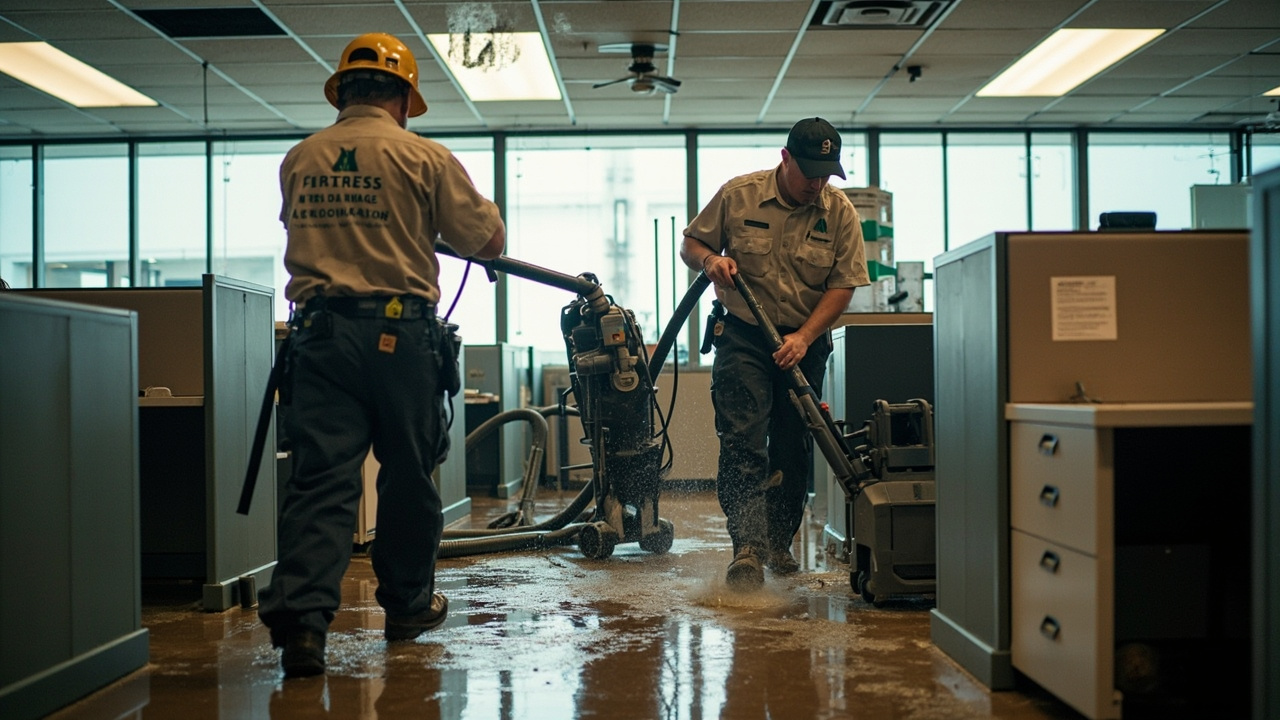
We do not show up with a shop vacuum and hope for the best. Burst fire sprinkler flood remediation requires industrial-grade extraction equipment, thermal imaging diagnostics, and strategic drying chamber construction.

Our crews arrive with truck-mounted extractors capable of removing thousands of gallons per hour. We use infrared cameras to map moisture migration behind walls and above ceilings. You cannot see saturation with your eyes. Moisture meters and thermal imaging reveal the true extent of water intrusion so we address hidden pockets that would otherwise foster mold growth.

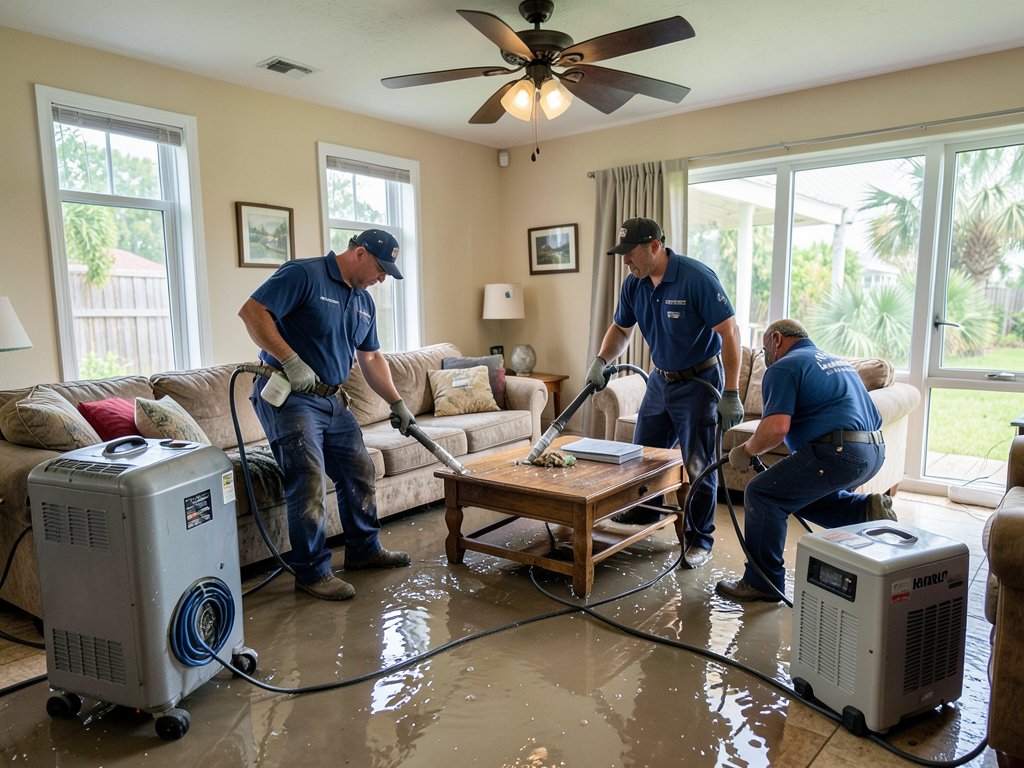
After extraction, we establish controlled drying environments using commercial dehumidifiers and air movers positioned based on psychrometric calculations. Tampa's ambient humidity sits between 70 and 90 percent most of the year. Standard fans do not lower moisture content fast enough. We create negative air pressure in affected zones to pull moisture out of building materials and exhaust it outside.

We document moisture readings at each visit. Insurance carriers require proof of progressive drying. We provide detailed logs showing moisture content dropping from saturation levels above 40 percent down to the acceptable range of 12 to 15 percent for wood framing and subfloors.

Fire suppression system water extraction also involves coordination with building engineers or facility managers to isolate the affected zone, prevent additional discharge, and restore building systems once drying is complete. We communicate directly with your insurance adjuster and provide same-day documentation to accelerate claims processing. Speed and precision define our approach to accidental sprinkler discharge cleanup in Tampa.

What Happens During Emergency Sprinkler Water Extraction

Fire Sprinkler Water Cleanup in Tampa – Emergency Response Within 60 Minutes
01

Immediate Water Removal

Our crew arrives with truck-mounted extractors and portable pumps to remove standing water within the first hour. We prioritize high-value areas and prevent water from spreading to unaffected zones. Extraction begins immediately while we assess the full scope of damage. Speed at this stage prevents secondary saturation and reduces total drying time by days.
02

Structural Moisture Mapping

We use thermal imaging and penetrating moisture meters to locate hidden water in wall cavities, ceiling plenums, and subfloor assemblies. Fire sprinkler discharge travels through concealed pathways. Surface drying is not enough. We document moisture levels in structural components to guide targeted drying and provide insurance documentation. This diagnostic phase ensures nothing gets missed.
03

Controlled Environment Drying

We deploy commercial dehumidifiers and air movers to create optimal drying conditions, adjusting equipment placement based on daily moisture readings. Drying continues until all materials reach equilibrium moisture content safe for reconstruction. We provide completion certificates with final moisture readings for your records and insurance claim. Your property is verified dry before we demobilize equipment.

Why Tampa Properties Need Local Fire Sprinkler Water Damage Experts

Generic water damage companies do not understand Tampa's unique building characteristics or environmental challenges. Our crews work daily in Westshore office towers, Channelside condos, and SoHo mixed-use buildings. We know how water behaves in concrete block construction with stucco facades. We know which older buildings in Seminole Heights have outdated sprinkler systems prone to corrosion and accidental discharge.

Tampa's building codes require specific drying standards for occupied commercial spaces. We coordinate with property managers to maintain tenant access while establishing containment barriers and negative air pressure zones. You cannot shut down an entire office building for a week. We work in phases to minimize business interruption while meeting IICRC S500 drying standards.

We also understand Tampa's insurance landscape. Many property owners carry wind and flood coverage but overlook the distinctions in sprinkler discharge claims. We document everything for your carrier, including pre-loss building conditions, moisture readings, equipment logs, and daily progress photos. This documentation accelerates approvals and reduces disputes over covered damages.

Fortress Water Damage Restoration Tampa maintains relationships with local plumbers, electricians, and contractors who specialize in post-water-damage reconstruction. Once drying is complete, we coordinate repairs to get your property back to pre-loss condition. You do not need to manage multiple vendors. We handle the entire restoration process from emergency water extraction through final reconstruction and certificate of occupancy.

Choosing a local team means faster response, deeper knowledge of Tampa building types, and established relationships with local adjusters and inspectors. When a fire suppression system floods your property, you need experts who know this city.

What to Expect During Fire Sprinkler Water Cleanup

Response Time and Availability

We dispatch crews 24 hours a day, 365 days a year. When you call our emergency line, you speak with a live dispatcher who can have a team onsite within 60 minutes for most Tampa locations. We do not use answering services or next-day callbacks. Fire sprinkler discharge is a true emergency that requires immediate intervention. Our trucks are preloaded with extraction equipment, moisture meters, and containment materials. We arrive ready to work, not to provide estimates. Mitigation begins the moment we enter your property. Time is the enemy in water damage scenarios, and we treat every call with appropriate urgency.

Initial Assessment and Scope Documentation

Our project manager conducts a thorough walkthrough using thermal imaging and moisture detection tools to identify all affected areas. We document the source of discharge, the extent of water migration, and any safety hazards like compromised electrical systems or structural concerns. You receive a written scope of work within hours, not days. This documentation includes floor plans with marked wet zones, initial moisture readings, and a mitigation strategy. We photograph everything for insurance purposes. The assessment is compliant with IICRC standards and provides the detail adjusters need to authorize emergency services without delay.

Drying Results and Verification

We do not remove equipment based on timelines or guesswork. Drying continues until moisture meters confirm all structural components have reached safe moisture content levels. You receive daily progress reports with updated readings. Once drying goals are achieved, we provide a completion certificate documenting final moisture levels in floors, walls, and ceilings. This certificate is required for insurance claim closure and serves as proof that microbial growth risks have been eliminated. The result is a thoroughly dried structure ready for reconstruction, with no hidden moisture pockets that could cause problems months later.

Post-Mitigation Support and Reconstruction Coordination

After water extraction and drying are complete, we coordinate with reconstruction contractors to restore damaged finishes, flooring, and building systems. We provide detailed documentation of all removed materials and affected areas to guide rebuilding efforts. If your insurance company requires additional inspections or supplemental estimates, we work directly with adjusters to resolve issues quickly. Our goal is a seamless transition from emergency mitigation to full restoration. You are not abandoned once the water is gone. We stay involved through project completion to ensure your Tampa property is returned to pre-loss condition without gaps in communication or service.

Frequently Asked Questions

You Have Questions,
We Have Answers

Is fire sprinkler water clean? +

No. Fire sprinkler water sits stagnant in pipes for months or years. It contains rust, sediment, bacteria, and biofilm buildup. When a sprinkler activates, this contaminated water floods your Tampa property. The water is non-potable and can stain floors, walls, and furnishings. It often smells foul due to anaerobic bacteria growth in the system. Immediate extraction and sanitization are critical to prevent mold growth in Tampa's humid climate. Do not treat this like clean water. You need professional water damage restoration to safely remove contaminants and dry structural materials before mold takes hold.

What is the 3 times rule for fire sprinklers? +

The 3 times rule states you need three times the water flow capacity to fight a fire than what standard sprinklers deliver. This means municipal water supply must support sustained fire suppression. For Tampa properties, this rule affects commercial building design and sprinkler system sizing. If your system activates, expect significant water volume. The rule does not apply to cleanup, but it explains why sprinkler discharges flood properties so rapidly. Fast water extraction within 24 hours prevents secondary damage. Call a water damage restoration team immediately after sprinkler activation to mitigate losses.

How often do sprinkler systems need to be flushed? +

Fire sprinkler systems should be flushed quarterly or semi-annually, depending on water quality and system type. Tampa's municipal water can deposit minerals and sediment in pipes. Flushing removes buildup and prevents corrosion. Neglected systems discharge dirtier water during activation, worsening damage. If your sprinklers activate and water appears black or rust-colored, the system likely lacked proper maintenance. After a discharge, schedule system inspection and flushing before refilling. Regular maintenance reduces contamination levels but does not eliminate the need for professional cleanup after an activation. Act fast to protect your property.

How to drain water from a fire sprinkler system? +

Draining a fire sprinkler system requires closing the water supply valve, opening drain valves at low points, and using air compressors to purge remaining water. Do not attempt this yourself after an emergency discharge. Tampa properties need immediate water extraction, not system draining. Focus on protecting your building. Professionals handle structural drying, dehumidification, and contamination cleanup while licensed sprinkler contractors drain and reset the system. Delaying extraction to drain pipes yourself wastes critical time. Water wicks into drywall, insulation, and subflooring within hours. Call a water damage restoration team first, then coordinate with your sprinkler service provider.

Why does fire sprinkler water smell bad? +

Fire sprinkler water smells bad because anaerobic bacteria thrive in stagnant, oxygen-depleted pipes. The water sits for years, allowing biofilm, rust, and hydrogen sulfide gas to accumulate. When sprinklers activate, this foul mixture floods your Tampa property. The odor is metallic, sulfuric, or sewage-like. The smell indicates contamination that requires professional treatment. Standard mopping will not remove bacteria or odors embedded in porous materials like drywall, carpet, or wood. You need antimicrobial cleaning, deodorization, and thorough drying. Tampa's humidity accelerates microbial growth post-discharge. Act within 24 hours to prevent permanent odor and health risks.

How long does it take to get 1 inch of water from a sprinkler? +

This question refers to irrigation sprinklers, not fire suppression systems. For lawn irrigation, delivering one inch of water typically takes 30 to 60 minutes, depending on flow rate and sprinkler type. Fire sprinklers operate differently. They discharge 15 to 50 gallons per minute per head to suppress flames rapidly. A single activated fire sprinkler can flood a Tampa room with hundreds of gallons in minutes. If your fire sprinkler system discharged, you are facing a water damage emergency. Extraction must begin immediately. Do not wait. Contact a water damage restoration company to prevent mold and structural damage.

What is the 18 rule for fire sprinklers? +

The 18-inch rule requires at least 18 inches of clearance between sprinkler heads and stored items or obstructions. This ensures water disperses properly during activation. Tampa warehouses, retail spaces, and storage facilities must comply with this fire code requirement. Violating the rule reduces sprinkler effectiveness and creates liability. After a sprinkler discharge, clearance violations may be cited during inspections. Focus on immediate water extraction and drying to limit damage. Professional restoration teams work with fire marshals and insurance adjusters to document conditions. Maintain clearance moving forward to prevent accidental activations and ensure life safety compliance.

How often do fire sprinklers need to be checked? +

Fire sprinklers require annual inspections per NFPA 25 standards. Licensed technicians test valves, gauges, alarms, and sprinkler heads. Tampa's humidity and heat accelerate corrosion, making regular inspections critical. Quarterly visual checks and five-year internal pipe inspections are also required for some systems. Neglected systems fail more often and discharge dirtier water. If your sprinklers activated unexpectedly, poor maintenance may be a factor. After discharge, schedule a full inspection before resetting the system. Meanwhile, focus on water extraction and drying. Delaying cleanup in Tampa's climate invites mold growth within 48 hours. Act immediately.

How many gallons of water per minute does a home fire sprinkler use to put out a fire? +

Residential fire sprinklers typically discharge 13 to 15 gallons per minute per head. Most home fires activate only one or two sprinklers, using 30 gallons per minute or less. This is far less than fire hoses but enough to flood rooms quickly. A 10-minute discharge releases 150 gallons or more. Tampa homes with open floor plans and tile floors experience rapid spreading. Water seeps into walls, cabinets, and subflooring. Even small discharges require professional extraction and drying to prevent hidden moisture damage and mold. Do not underestimate the volume. Call a water damage restoration team immediately after activation.

What is the life expectancy of a fire sprinkler system? +

Fire sprinkler systems last 50 to 100 years with proper maintenance, but individual components fail sooner. Sprinkler heads, gaskets, and valves may need replacement every 20 to 50 years. Tampa's humid, coastal environment accelerates corrosion in pipes and fittings. Aging systems discharge dirtier water and fail more often. If your system activated, age and maintenance history affect damage severity. Older systems often lack proper flushing schedules, leading to contaminated discharges. After an activation, restoration professionals assess water quality and damage extent. Replace outdated components after cleanup to reduce future risk. Address water damage immediately to protect your Tampa property.

How Tampa's Humidity and Building Codes Impact Fire Sprinkler Water Damage

Tampa's subtropical climate maintains relative humidity between 70 and 90 percent year-round. When fire suppression systems discharge inside conditioned buildings, the sudden introduction of hundreds of gallons creates a perfect environment for rapid mold colonization. Standard drying techniques used in arid climates fail here. Ambient outdoor air is too humid to assist evaporation. Professional fire sprinkler water damage restoration in Tampa requires controlled dehumidification and air movement calculated for high-humidity environments. Without proper equipment and psychrometric knowledge, building materials remain saturated for weeks, leading to structural rot and toxic mold growth.

Tampa's commercial buildings and high-rise condos must comply with Florida Building Code requirements for fire suppression systems. Many older properties in downtown Tampa and Ybor City feature aging sprinkler infrastructure prone to corrosion and accidental activation. Local water damage restoration experts understand these systems and coordinate with licensed fire protection contractors to prevent re-activation during mitigation. We also navigate the city's permit and inspection requirements when reconstruction involves structural repairs. Choosing a company with Tampa-specific experience ensures compliance with local codes and faster project completion.
Water Damage Restoration Services in The Tampa Area

We proudly serve the entire Tampa area with rapid-response water damage restoration services. Whether you’re downtown, in the suburbs, or operating a business near the bay, our expert team is just minutes away. Use the map below to view our service zone or find our nearest location. We’re ready to respond wherever you need us. Your peace of mind is only a call or click away.

Address:
Fortress Water Damage Restoration Tampa, 4830 W Kennedy Blvd #600, Tampa, FL, 33609

Additional Services We Offer

Our news updates

Latest Articles & News from The Blogs

How Clogged Gutters and Downspouts Can Lead to a Flooded Living Room in Wooded Lutz Neighborhoods When heavy afternoon thunderstorms…

How Clogged Gutters and Downspouts Can Lead to a Flooded Living Room in Wooded Lutz Neighborhoods

How Clogged Gutters and Downspouts Can Lead to a Flooded Living Room in Wooded Lutz Neighborhoods When heavy afternoon thunderstorms…

Why You Should Never Use Bleach to Clean Up Mold After a Leak in Your Tampa Palms Home

Why You Should Never Use Bleach to Clean Up Mold After a Leak in Your Tampa Palms Home When you…

Dealing With Water Damage in Your Backyard ADU or Guest House in Seminole Heights

Dealing With Water Damage in Your Backyard ADU or Guest House in Seminole Heights Water damage in a Seminole Heights…

Contact Us

Fire suppression system discharge requires immediate professional response. Call Fortress Water Damage Restoration Tampa at (656) 219-8088 right now. Our crews are standing by 24/7 to dispatch emergency water extraction teams to your location. Do not wait. Every minute increases damage and restoration costs.