





Menu

Visible Mold Growth on Walls in Tampa – Expert Diagnosis and Permanent Remediation

Stop watching black mold spread across your drywall. We identify the hidden moisture source feeding visible mold growth on walls and eliminate it at the root so fungal growth doesn't return.

Slider Image 1
Slider Image 2
Slider Image 3
Slider Image 4
Slider Image 5
Slider Image 7
Slider Image 8
Slider Image 9
Slider Image 10
Slider Image 11

Why Tampa Homes Battle Constant Wall Mold

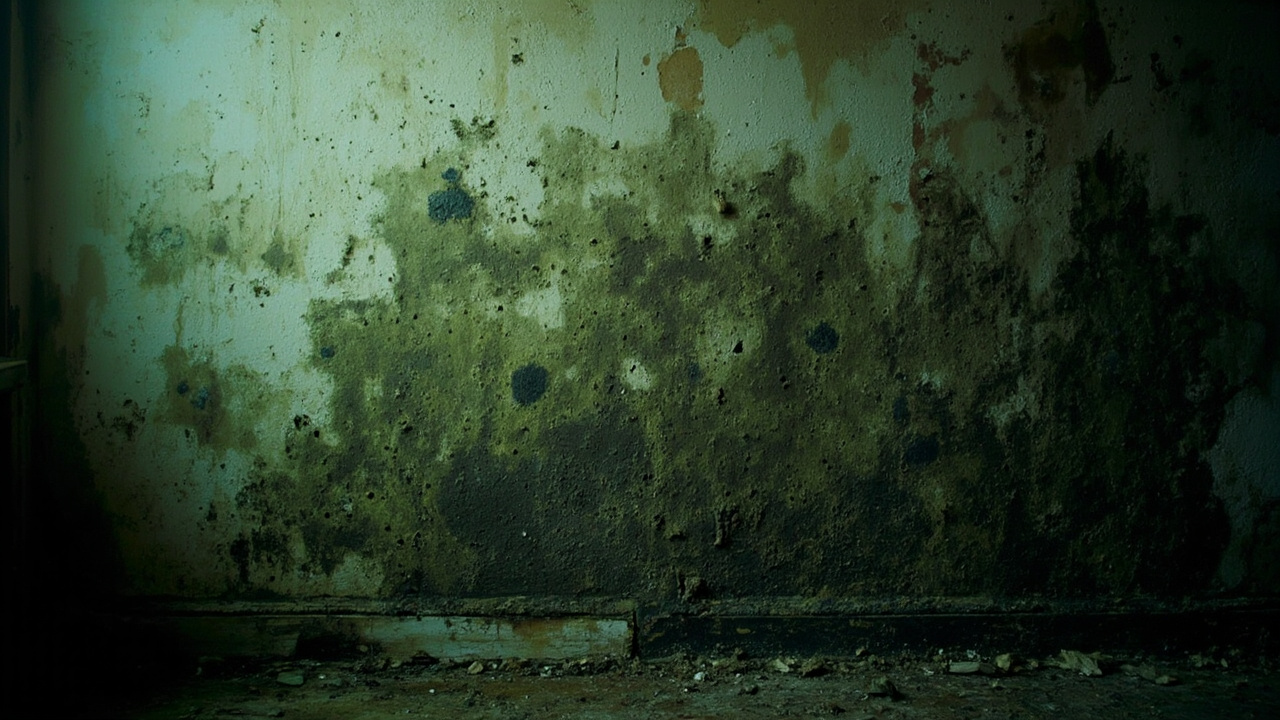
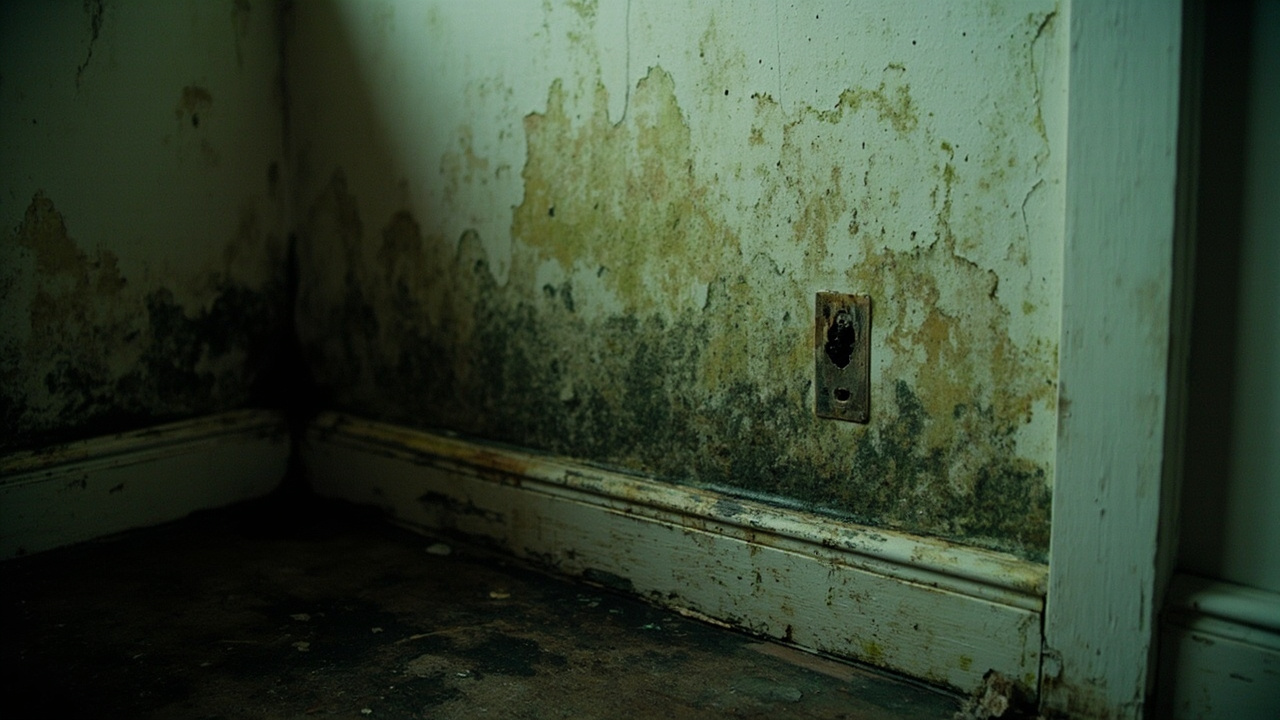
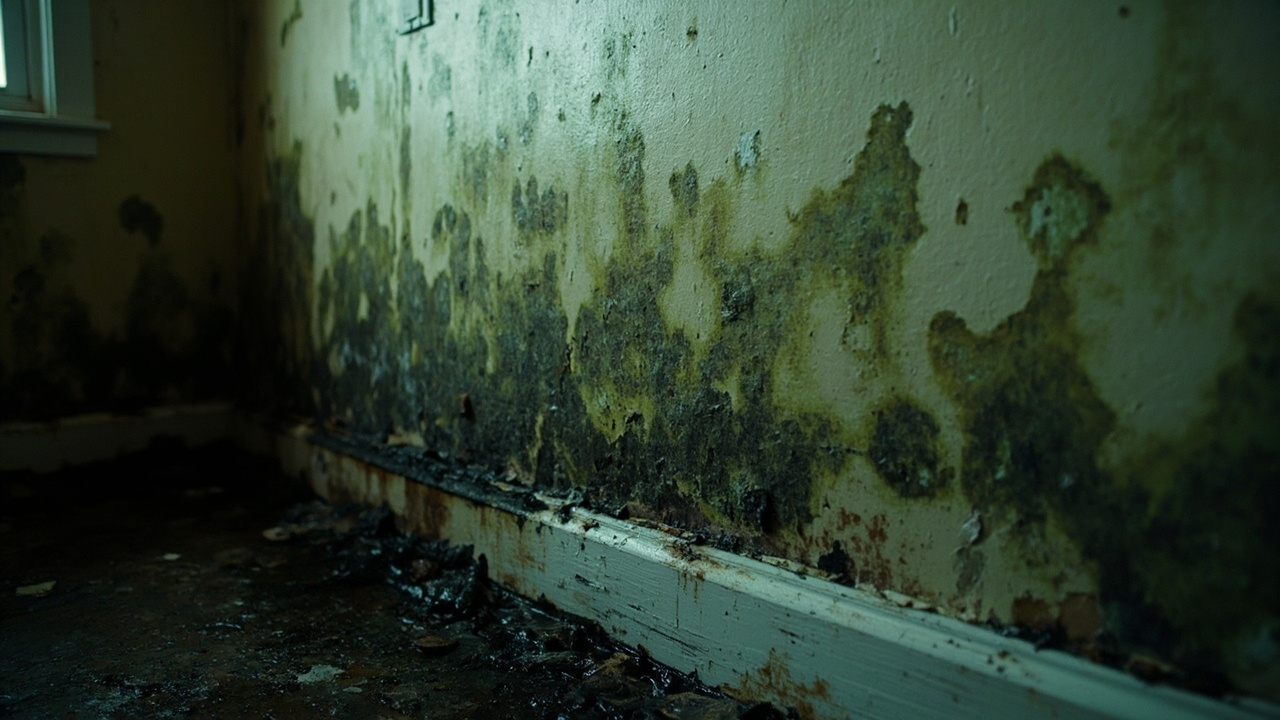
You walk past that corner in your hallway every day. The black mold spots on drywall started small, maybe the size of a quarter. Now they spread like a stain you can't scrub away. You wipe it down with bleach. It comes back in a week.

Tampa's climate makes this inevitable if moisture gets trapped. We sit at 75% average relative humidity year-round. When your AC cycles off during the day or a roof leak lets water into the wall cavity, that moisture has nowhere to go. Drywall acts like a sponge. Once it stays damp for 48 hours, mold spores activate.

You see visible mildew on painted walls, but the real problem hides behind the surface. Fungal growth on wall surfaces means the paper backing on your sheetrock is compromised. Mold eats organic material. It spreads through wall cavities, up into insulation, and across studs. You can't fix wall mold infestation with surface cleaning.

Tampa's older homes in neighborhoods like Seminole Heights and Hyde Park use plaster over wood lath. When water intrusion happens, those walls trap moisture for weeks. Newer construction in Westchase and New Tampa uses drywall, which shows mold patches on sheetrock faster but also allows faster spread.

The issue is not the mold you see. The issue is the water source you don't see. Until you find and fix the leak, the condensation line, or the failed window seal, the mold will return.

Why Tampa Homes Battle Constant Wall Mold
How We Stop Mold Growth Permanently

How We Stop Mold Growth Permanently

We do not spray walls with antimicrobial and call it done. That approach fails because it ignores the moisture source.

Our process starts with a thermal imaging scan. We use FLIR cameras to detect temperature differentials behind walls. Cold spots indicate wet insulation or active leaks. We map the entire affected area before cutting into anything.

Next, we use moisture meters with deep-probe pins. Surface readings mean nothing. We need to know if the wall cavity is wet at the stud level. If the moisture content exceeds 17%, the drywall must be removed. You cannot dry it in place without creating a secondary mold event.

We remove all compromised material in controlled sections. This includes drywall, insulation, and baseboards. If the studs show surface mold, we treat them with HEPA vacuuming and apply an EPA-registered antimicrobial. If the wood shows deep penetration or soft rot, we sister in new framing.

We run air scrubbers with HEPA filtration during demolition to capture airborne spores. We establish negative air pressure so mold particulates do not migrate to clean rooms. This is not optional. Cross-contamination turns a single-room problem into a whole-house problem.

After remediation, we fix the water intrusion point. This might mean resealing window flanges, repairing a roof valley, rerouting a condensate drain line, or upgrading attic ventilation. If we don't address the root cause, you will pay for another remediation in six months.

We install new moisture-resistant drywall in high-risk areas. We use mold-resistant primer before painting. We verify final moisture levels with follow-up meter readings before closing walls.

What Happens During Your Mold Inspection

Visible Mold Growth on Walls in Tampa – Expert Diagnosis and Permanent Remediation
01

Thermal and Moisture Mapping

We scan your walls with infrared cameras and moisture meters to locate hidden water intrusion. You see the mold on the surface, but we find the wet insulation, leaking pipes, and compromised vapor barriers behind it. We document everything with photos and moisture readings so you understand the full scope before we start cutting.
02

Containment and Removal

We seal off the affected area with plastic sheeting and negative air machines. This keeps mold spores contained during demolition. We remove all wet drywall, insulation, and damaged framing. We HEPA-vacuum exposed studs and treat them with antimicrobial. We bag and dispose of contaminated materials according to EPA guidelines so spores don't spread through your home.
03

Source Repair and Reconstruction

We fix the water source, whether it's a roof leak, plumbing failure, or condensation issue. Then we rebuild with mold-resistant materials and verify final moisture levels are below 15%. We prime with antimicrobial paint and texture-match your existing walls. You get documentation showing the moisture problem is resolved, which matters if you ever sell the property.

Why Tampa Homeowners Choose Fortress Water Damage Restoration

We have worked in every neighborhood from Davis Islands to Temple Terrace. We know how Tampa homes fail. We know the roof styles that trap moisture in soffits. We know which builders in the 1980s used improper vapor barriers. We know how to navigate flood zone requirements in South Tampa when reconstruction involves structural changes.

You do not want a mold company that treats symptoms. You need a water damage restoration team that understands building science. We have remediated mold in 1920s bungalows with no attic ventilation, 1970s block homes with flat roofs, and 2010s stucco homes with EIFS moisture problems. Every building type requires a different diagnostic approach.

We work directly with insurance adjusters. We document damage with the level of detail carriers expect. We know how to separate covered water damage from excluded maintenance issues. We provide line-item estimates that match Xactimate pricing so your claim does not get shortchanged.

Our team holds IICRC certifications in water damage restoration and applied microbial remediation. We follow ANSI/IICRA S520 standards for mold remediation. We pull permits when structural work requires it. We coordinate with your HOA in communities like Avila and Fishhawk Ranch where exterior repairs need architectural approval.

We do not subcontract demolition or reconstruction. The same crew that removes your moldy drywall rebuilds your walls. This eliminates finger-pointing and ensures quality control from start to finish.

Tampa's housing stock is diverse. Your 1950s terrazzo ranch in Carrollwood has different ventilation challenges than your 2015 two-story in Riverview. We adjust our approach based on your specific building envelope.

What to Expect When You Call Us

Inspection Within 24 Hours

You call today, we inspect tomorrow. Mold spreads fast in Tampa's humidity. We do not make you wait three days for an available slot. Our inspection takes 60 to 90 minutes. We scan every wall in the affected rooms. We check adjacent spaces for hidden spread. You get a written moisture map and a scope of work before we leave. If your insurance requires documentation, we provide it in the format they need.

Detailed Moisture Assessment

We do not guess where water is hiding. We use calibrated meters that measure moisture content at different depths. We probe wall cavities, check under baseboards, and scan ceilings. We identify whether your problem is a plumbing leak, roof intrusion, or HVAC condensation. You get photos with marked moisture readings and thermal images showing cold spots. This documentation proves the extent of damage to your insurance carrier and gives you a clear picture of what needs fixing.

Complete Containment and Cleanup

Your home is livable during the process. We isolate work areas with sealed plastic barriers. We run HEPA air scrubbers to capture spores. We remove contaminated materials in sealed bags so nothing spreads through your house. When we finish, we post-test the air quality to verify spore counts are back to normal levels. You get a clean, dry wall cavity ready for reconstruction, not a half-finished mess.

Two-Year Workmanship Warranty

We stand behind our repairs. If the mold returns in the same location within two years due to a failure in our work, we fix it at no charge. This does not cover new leaks or unrelated moisture problems, but it does cover our remediation and reconstruction. You also get a final moisture report that documents dry conditions. This report is valuable if you sell your home, because it shows the mold issue was professionally resolved.

Frequently Asked Questions

You Have Questions,
We Have Answers

What to do if I see mold on my wall? +

Stop the spread by isolating the area. Do not disturb the mold, as this releases spores into the air. Turn off HVAC systems to prevent circulation. Document the growth with photos for insurance. If the affected area is larger than 10 square feet, call a professional immediately. Tampa's high humidity accelerates mold growth, so time matters. Do not attempt DIY removal with bleach, as this only addresses surface mold and can worsen moisture issues in porous materials like drywall. A certified mold remediation company will identify the moisture source, contain the area, remove contaminated materials, and treat surfaces properly.

Can mold make a baby cough? +

Yes. Mold spores irritate developing respiratory systems. Babies exposed to mold may cough, wheeze, or show signs of respiratory distress. Their immune systems are still forming, making them more vulnerable to airborne irritants. In Tampa's humid climate, mold thrives in homes with poor ventilation or hidden water damage. If your baby develops a persistent cough without other illness symptoms, inspect your home for visible mold growth or musty odors. Check behind furniture, in closets, and around windows. Remove your baby from the environment immediately and consult a pediatrician. Professional mold testing can confirm the presence and type of mold.

Can mold cause twitching? +

Some mold species produce mycotoxins that affect the nervous system. Prolonged exposure to toxic mold can cause neurological symptoms, including muscle twitching, tremors, or tingling sensations. Black mold (Stachybotrys chartarum) is particularly known for neurotoxic effects. However, twitching can stem from many causes. If you experience unexplained muscle twitching and suspect mold in your Tampa home, look for visible growth, water stains, or musty smells. See a doctor to rule out other conditions. If mold is confirmed in your environment, professional remediation is necessary. Surface cleaning does not eliminate hidden mold colonies or mycotoxin contamination.

Is a little mold on walls okay? +

No. Visible mold indicates a moisture problem that will worsen. What you see on the surface represents a larger colony growing inside wall cavities or behind materials. Mold releases spores continuously, degrading indoor air quality. In Tampa's humid environment, small patches expand rapidly without intervention. Mold also damages building materials, weakening drywall and wood framing over time. Even non-toxic mold species trigger allergic reactions and respiratory issues. The longer you wait, the more expensive remediation becomes. Address visible mold immediately by identifying the moisture source, fixing leaks, and removing contaminated materials. Professional assessment ensures complete removal.

What kills mold permanently on walls? +

Nothing kills mold permanently if moisture remains. Mold needs water to grow. Professional remediation involves removing contaminated materials, not just cleaning surfaces. For non-porous surfaces like tile, antimicrobial solutions can treat mold after the moisture source is fixed. Porous materials like drywall and insulation must be removed and replaced. Tampa's humidity requires proper dehumidification and ventilation to prevent recurrence. Encapsulants can seal treated surfaces, but they fail if water intrusion continues. HEPA air scrubbers remove airborne spores during remediation. The key is controlling moisture through proper drainage, HVAC maintenance, and fixing leaks immediately. Prevention beats treatment.

How to tell if mold is behind drywall? +

Check for water stains, discoloration, or bubbling paint on drywall surfaces. Press the wall. Soft or spongy areas indicate moisture damage and potential mold growth behind the material. Musty odors near walls signal hidden mold colonies. Use a moisture meter to detect elevated readings, which confirm water presence. In Tampa homes, check exterior walls after heavy rains or near plumbing fixtures. Baseboards may show separation or warping. If you suspect hidden mold, do not cut into the wall yourself. This releases concentrated spores into your living space. Professional mold inspectors use thermal imaging and borescopes to confirm hidden growth.

What are the 10 warning signs of mold toxicity? +

Watch for persistent fatigue that does not improve with rest. Brain fog, memory problems, and difficulty concentrating are common neurological signs. Respiratory symptoms include chronic coughing, wheezing, and sinus congestion. Skin rashes or unexplained itching can develop. Frequent headaches and sensitivity to light may occur. Joint pain and muscle aches without injury. Digestive issues like nausea or diarrhea. Mood changes, including anxiety or depression. Numbness or tingling in extremities. Increased sensitivity to chemicals or strong odors. These symptoms overlap with other conditions, so see a doctor. If mold is present in your Tampa home, professional remediation is necessary to eliminate exposure.

How do I tell if mold is in my lungs? +

You cannot self-diagnose mold in your lungs. Pulmonary symptoms include persistent cough, shortness of breath, chest tightness, and wheezing. Coughing up dark or bloody mucus requires immediate medical attention. Mold in lungs causes aspergillosis, a serious fungal infection diagnosed through chest X-rays, CT scans, and sputum cultures. People with weakened immune systems or chronic lung conditions face higher risk. If you live in a Tampa home with visible mold and experience respiratory distress, see a pulmonologist immediately. Remove yourself from the moldy environment. Professional mold remediation must occur before you return home to prevent re-exposure.

Is it okay to stay in a house with black mold? +

No. Black mold (Stachybotrys chartarum) produces mycotoxins that cause serious health effects with prolonged exposure. Symptoms include respiratory problems, chronic fatigue, neurological issues, and immune suppression. Children, elderly individuals, and those with respiratory conditions face higher risk. Living in a home with confirmed black mold is dangerous. Relocate immediately while professionals conduct remediation. In Tampa's humid climate, black mold spreads quickly in water-damaged areas. Simply cleaning visible mold does not eliminate spores embedded in porous materials. Professional containment, removal of contaminated materials, and HEPA filtration are required. Do not return until clearance testing confirms safe air quality.

Does mold cause weight gain? +

Research suggests a possible link between mold exposure and metabolic changes. Some studies indicate mycotoxins may disrupt hormone function and metabolism, potentially contributing to weight gain. However, weight gain has many causes, and mold exposure alone rarely explains significant changes. If you experience unexplained weight gain along with respiratory symptoms, fatigue, or brain fog in a Tampa home with visible mold, address the mold problem first. Professional remediation eliminates exposure. Consult a doctor to rule out thyroid issues, hormonal imbalances, or other medical conditions. Focus on verifiable health impacts like respiratory distress rather than unproven metabolic claims when assessing mold risk.

How Tampa's Year-Round Humidity Accelerates Wall Mold Growth

Tampa averages 75% relative humidity in summer and rarely drops below 65% in winter. When interior wall cavities stay above 60% humidity for extended periods, mold growth becomes inevitable. Add in afternoon thunderstorms that dump two inches of rain in an hour, and you create constant moisture pressure on building envelopes. Older homes in Ybor City and West Tampa lack modern vapor barriers. Newer construction in Fishhawk Ranch and Panther Trace uses housewrap and flashing, but installation errors still allow water intrusion at window flanges and roof-to-wall transitions. Once water gets behind stucco or siding, Tampa's heat accelerates mold colonization.

We have worked in Tampa for over a decade. We understand local building codes and the specific failure points in Florida construction. We know how to navigate insurance claims in a state where mold coverage is often excluded unless tied to a covered water loss. We coordinate with local roofers, HVAC contractors, and plumbers when your mold problem requires multi-trade repairs. You need a team that knows Tampa's housing stock, not a national franchise that treats every city the same. Local expertise matters when your home's health depends on understanding regional construction methods and climate challenges.
Water Damage Restoration Services in The Tampa Area

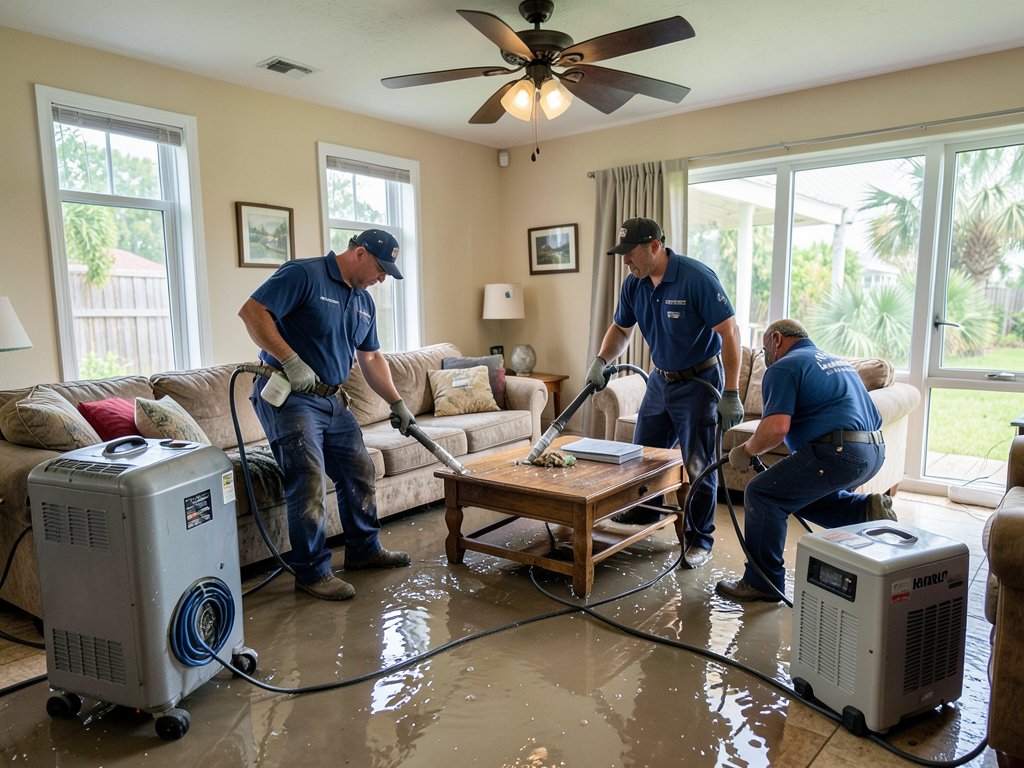
We proudly serve the entire Tampa area with rapid-response water damage restoration services. Whether you’re downtown, in the suburbs, or operating a business near the bay, our expert team is just minutes away. Use the map below to view our service zone or find our nearest location. We’re ready to respond wherever you need us. Your peace of mind is only a call or click away.

Address:
Fortress Water Damage Restoration Tampa, 4830 W Kennedy Blvd #600, Tampa, FL, 33609

Additional Services We Offer

Our news updates

Latest Articles & News from The Blogs

The First 4 Hours After a Pipe Bursts in Your Gibsonton House When water starts spraying from a broken pipe…

The First 4 Hours After a Pipe Bursts in Your Gibsonton House

The First 4 Hours After a Pipe Bursts in Your Gibsonton House When water starts spraying from a broken pipe…

A Homeowner Guide to Choosing the Best Dehumidifier for Humidity Control in Seffner

A Homeowner Guide to Choosing the Best Dehumidifier for Humidity Control in Seffner Living in Seffner means dealing with Florida’s…

Why Your Kids Keep Sneezing After a Small Leak in Your Seffner Home

Why Your Kids Keep Sneezing After a Small Leak in Your Seffner Home Your child wakes up sneezing again. You…

Contact Us

Mold does not wait. Call Fortress Water Damage Restoration Tampa at (656) 219-8088 right now. We inspect within 24 hours, identify the moisture source, and start remediation immediately. Don't let black mold take over your walls.