
Why Standard Homeowners Insurance Might Not Cover Storm Surge in Apollo Beach
When storm surge hits coastal Tampa communities like Apollo Beach the aftermath can be devastating. Many homeowners discover too late that their standard insurance policies leave them exposed to massive financial losses. Understanding the difference between wind damage and water damage coverage could save you thousands of dollars in out-of-pocket expenses. Expert Water Extraction and Drying for Davis Islands Waterfront Homes.
Does Standard Homeowners Insurance Cover Storm Surge?
Standard homeowners insurance policies typically exclude damage from rising water. This includes storm surge which occurs when hurricane winds push ocean water inland creating a wall of water that can reach heights of 10 to 15 feet in Tampa Bay. Your policy covers wind-driven rain that enters through a damaged roof but not the tidal surge that floods your living room. Getting Your Water Damage Insurance Claim Approved in Tampa (And Who to Call First).
The distinction matters because insurance adjusters look for the water’s source. If water entered through a broken window or roof opening during the storm it is likely covered. If water rose from the ground level or through doorways from coastal flooding it falls under flood damage which requires separate coverage. Fixing a Water Damaged Ceiling in Your Town ‘n’ Country Home Before it Collapses.
Flood Insurance vs Storm Surge The NFIP Perspective
The National Flood Insurance Program administered by FEMA provides the primary flood coverage for most Tampa homeowners. NFIP policies cover damage from storm surge but have specific limitations. Coverage applies when water rises and creates a general condition of surface flooding affecting at least two properties or two acres of land. FEMA Flood Insurance Program.
Private flood insurance options have emerged in recent years offering higher coverage limits and faster claims processing than NFIP. These policies often include living expense coverage while your home undergoes restoration. The choice between NFIP and private flood insurance depends on your property’s flood zone designation and elevation certificate.
Hillsborough County maintains detailed flood maps showing high-risk zones along Tampa Bay. Properties in these zones face mandatory flood insurance requirements for mortgages. Even homes outside high-risk zones can experience storm surge damage during major hurricanes. Hillsborough County Emergency Management.
The Water Surface Rule
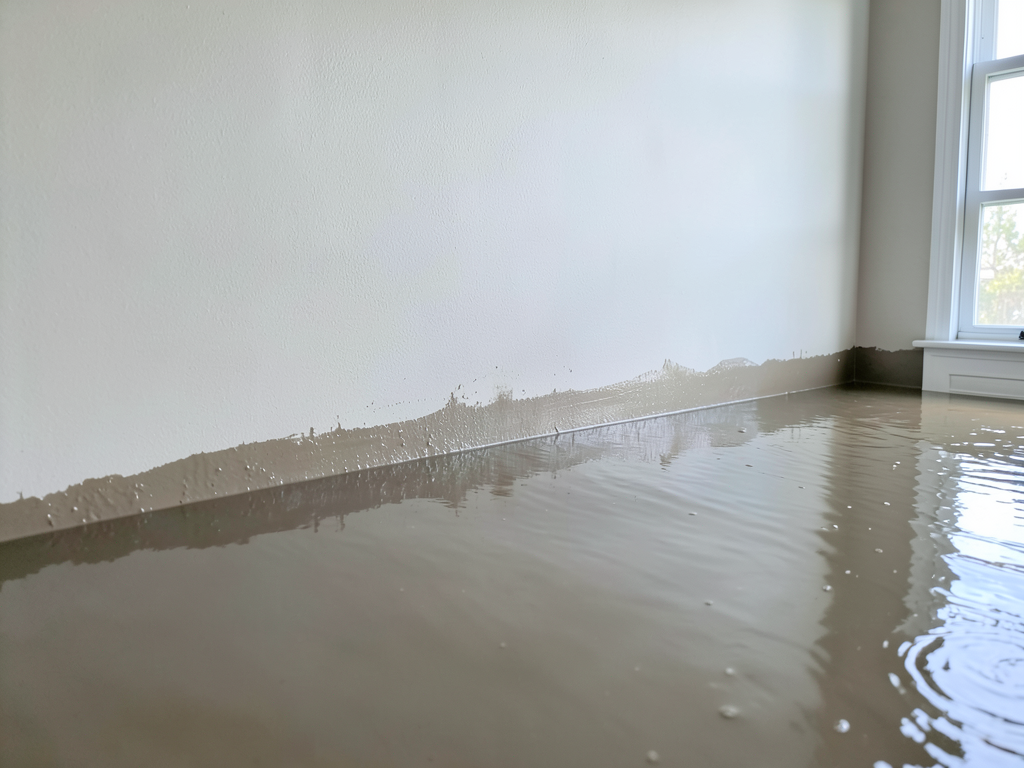
Insurance adjusters use the water surface rule to determine coverage. They look for a distinct water line on walls and furniture. If water left a visible mark several feet above ground level it indicates flooding from storm surge. If water damage appears only at lower levels without a clear water line it might indicate wind-driven rain through structural openings. Water Damage Restoration Ruskin.
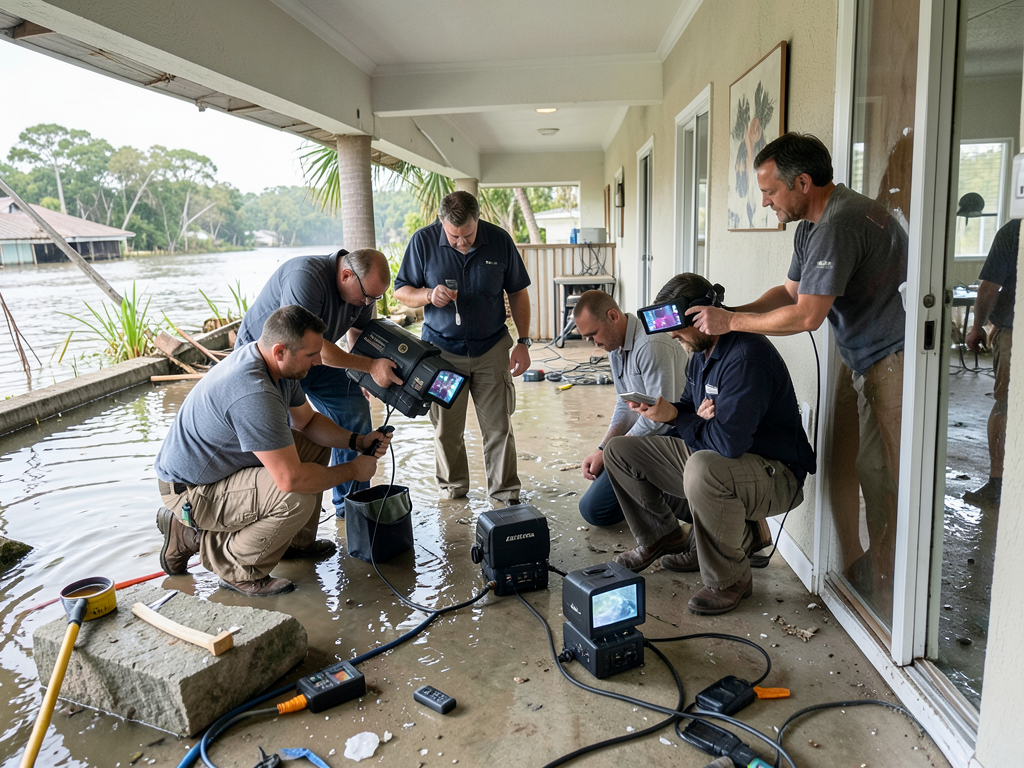
This rule creates challenges for homeowners. Storm surge often brings debris and contaminants that mix with floodwaters. The resulting damage requires specialized cleanup and restoration procedures. Professional restoration companies use moisture meters and thermal imaging to document water migration patterns and support insurance claims. The Carrollwood Homeowner Guide to Fast Mold Removal and Testing.
Tampa Specific Flood Zones and Coverage Requirements
Hillsborough County designates flood zones using letters A through V. Zone V areas along the coast face the highest risk from storm surge. Zone A areas experience less severe but still significant flooding. Each zone has specific building requirements and insurance mandates.
The county’s substantial damage rule requires homes in flood zones to meet current building standards when repair costs exceed 50 percent of the structure’s value. This often means elevating the home or installing flood vents. These requirements add significant costs to storm damage repairs.
Apollo Beach residents face unique challenges due to the area’s low elevation and proximity to Tampa Bay. The community sits in a bowl-like depression making it vulnerable to both coastal and rainwater flooding. Recent storms have shown how quickly water can rise and trap residents in their homes.
Steps to Take if You Have Surge Damage
Document everything immediately after waters recede. Take photos of the high water mark on all walls. Photograph damaged contents before removing anything. Create a detailed inventory of damaged items including purchase dates and approximate values.
Mitigate further damage by removing wet materials and starting the drying process. Mold can begin growing within 24 to 48 hours in Tampa’s humid climate. Remove wet carpet padding and drywall at least 12 inches above the water line. Place fans and dehumidifiers to circulate air.
Contact your insurance company to start the claims process. Provide them with your documentation and damage assessment. Keep all receipts for temporary repairs and living expenses. These costs may be reimbursable under your policy.
How Tampa Restoration Professionals Help with Insurance Claims
Professional restoration companies provide detailed damage assessments that insurance adjusters rely on. They use moisture meters to detect hidden water in walls and under floors. Thermal imaging cameras reveal temperature differences that indicate moisture presence. These tools create objective documentation of damage extent.
Restoration professionals understand insurance terminology and requirements. They prepare detailed estimates using industry-standard software that insurance companies recognize. Their reports include photos moisture readings and scope of work descriptions that support your claim.
Time matters in storm surge restoration. The longer water sits the more damage occurs. Professional teams can typically begin work within hours of your call. They coordinate with insurance companies to ensure proper documentation and billing procedures.
Understanding Your Coverage Options
Review your current homeowners policy to understand your windstorm coverage. Look for the hurricane deductible which typically ranges from 2 to 5 percent of your home’s insured value. This deductible applies to wind damage but not flood damage.
Consider adding flood coverage even if you are not in a high-risk zone. One inch of water can cause $25,000 in damage to a typical home. The cost of flood insurance varies based on your property’s elevation and construction type.
Ask your insurance agent about replacement cost coverage versus actual cash value. Replacement cost pays to replace damaged items without depreciation deductions. Actual cash value subtracts depreciation reducing your payout significantly.
The Cost of Being Unprepared
Storm surge damage often exceeds $100,000 for a typical single-family home. Water destroys flooring cabinetry and electrical systems. It saturates insulation and creates perfect conditions for mold growth. Without flood insurance these costs come entirely from your pocket.
Beyond property damage storm surge creates health hazards. Floodwaters carry bacteria chemicals and sewage. Professional cleanup requires personal protective equipment and specialized cleaning agents. Attempting cleanup without proper training risks serious illness.
Business interruption adds another layer of financial impact. If your home becomes uninhabitable you need temporary housing. If you work from home you lose income during restoration. These costs multiply quickly without proper insurance coverage.
Preparing for Future Storms
Elevate critical utilities above potential flood levels. Install check valves on plumbing to prevent sewage backup. Consider installing flood vents that allow water to flow through crawl spaces reducing structural pressure.
Create a home inventory with photos and receipts. Store this information in cloud storage where you can access it from anywhere. Update your inventory annually as you make improvements or purchase new items.
Develop an evacuation plan that includes your pets and important documents. Know your community’s evacuation routes and shelters. Keep emergency supplies including water food and medications ready to go.
Local Resources and Support
Hillsborough County Emergency Management provides storm surge maps and evacuation information. Their website offers real-time updates during storms and recovery resources afterward. The county also maintains a list of licensed contractors for post-storm repairs.
The Florida Division of Emergency Management coordinates state resources during disasters. They provide financial assistance programs for uninsured losses. Their website includes information about disaster unemployment assistance and legal services.
Local hardware stores often stock sand bags and other flood prevention materials before storms. Many offer free delivery to elderly or disabled residents. Building supply companies can provide information about flood-resistant building materials.
Making the Right Insurance Decisions
Insurance decisions require balancing cost against risk. Flood insurance premiums vary based on your property’s flood zone elevation and construction type. Higher deductibles reduce premiums but increase your out-of-pocket costs during claims.
Consider your financial ability to recover from a major loss. Could you afford $50,000 in repairs without insurance? Would you need to take out loans or sell assets to rebuild? These questions help determine appropriate coverage levels.
Review your coverage annually as property values and building costs change. What provided adequate coverage five years ago may leave you underinsured today. Construction costs have increased significantly making replacement more expensive.
Understanding the Claims Process
Insurance claims for storm surge damage follow specific procedures. Your insurer will assign an adjuster who inspects the damage and determines coverage. This process can take days or weeks depending on the number of claims after a major storm.
You have the right to hire a public adjuster who works for you not the insurance company. Public adjusters charge a percentage of the claim settlement but often secure higher payouts. They handle paperwork negotiations and disputes with the insurance company.
Keep detailed records of all communications with your insurance company. Note dates times and names of people you speak with. Save all emails and letters. These records prove valuable if disputes arise during the claims process.
The Role of Professional Restoration
Professional restoration goes beyond basic cleanup. Certified technicians follow industry standards for water damage restoration. They use commercial-grade equipment to remove water and moisture. Their processes prevent secondary damage like mold growth and structural deterioration.
Restoration companies coordinate with insurance adjusters throughout the process. They provide regular updates on progress and any changes to the scope of work. This communication ensures proper documentation and timely claim resolution.
Quality restoration returns your home to pre-loss condition or better. It addresses not just visible damage but also hidden moisture that could cause problems later. Professional restoration protects your investment and your health.
Community Impact and Recovery
Storm surge affects entire communities not just individual properties. Local businesses close creating economic disruption. Infrastructure damage affects water sewer and electrical services. Recovery takes months or years depending on the storm’s severity.
Community organizations often provide support during recovery. Churches charities and volunteer groups assist with cleanup and repairs. These resources supplement government and insurance assistance.
Recovery brings communities closer together. Neighbors help neighbors. Local contractors work overtime to restore homes. This community spirit helps everyone recover faster.
Frequently Asked Questions
Does homeowners insurance cover hurricane damage?
Homeowners insurance covers wind damage from hurricanes including damage from wind-driven rain. It does not cover storm surge or flooding from rising water. You need separate flood insurance for that coverage.
How much does flood insurance cost in Apollo Beach?
Flood insurance costs vary based on your property’s elevation flood zone and construction type. Average annual premiums range from $500 to $2,500. Properties in high-risk zones or with basements typically pay more.
How soon can restoration begin after storm surge?
Professional restoration can typically begin within 24 hours of your call. However availability depends on the number of properties affected and the severity of the storm. Early response prevents secondary damage and mold growth.
What should I do first after storm surge damage?
First ensure your safety and that of your family. Document the damage with photos before making any repairs. Contact your insurance company to start the claims process. Then call a professional restoration company to prevent further damage.
Can I stay in my home during restoration?
This depends on the extent of damage. If water affected only part of your home you might stay in unaffected areas. If damage is extensive temporary housing may be necessary. Your insurance may cover additional living expenses.
- Ensure Safety
Check for structural damage gas leaks and electrical hazards before entering. Wear protective gear including boots gloves and masks.
- Document Damage
Take photos and videos of all damage before cleanup. Include close-ups and wide shots showing water lines and affected areas.
- Prevent Further Damage
Remove wet materials and start drying process. Cover roof openings and broken windows to prevent additional water entry.
- Notify Insurance
Call your insurance company to start the claims process. Provide them with your documentation and damage assessment.
- Call Professionals
Contact a licensed restoration company for emergency services. They can begin mitigation while you work with your insurance company.
Take Action Before the Next Storm
Storm surge damage can devastate your home and finances. Understanding your insurance coverage and having a restoration plan prevents costly surprises. Don’t wait until water is rising to discover what your policy covers.
Call Fortress Water Damage Restoration Tampa at (656) 219-8088 for a free insurance coverage consultation. Our experts will review your current situation and help you understand your options. We provide 24/7 emergency response throughout Apollo Beach and the greater Tampa Bay area.
Protect your home and family with proper preparation and professional support. The next storm is coming. Be ready.
{
“@context”: “https://schema.org”,
“@type”: “BlogPosting”,
“headline”: “Why Standard Homeowners Insurance Might Not Cover Storm Surge in Apollo Beach”,
“description”: “Discover why your standard homeowners insurance may not cover storm surge damage in Apollo Beach and what you need to know about flood coverage in Tampa.”,
“wordCount”: 2136,
“datePublished”: “2026-06-03T08:09:00.000Z”,
“dateModified”: “2026-06-03T08:09:00.000Z”,
“inLanguage”: “en-US”,
“mainEntityOfPage”: {
“@type”: “WebPage”,
“@id”: “https://fortresswaterdamagerestorationtampa.com”
},
“publisher”: {
“@type”: “LocalBusiness”,
“name”: “Fortress Water Damage Restoration Tampa”,
“url”: “https://fortresswaterdamagerestorationtampa.com”
},
“author”: {
“@type”: “Organization”,
“name”: “Fortress Water Damage Restoration Tampa”,
“url”: “https://fortresswaterdamagerestorationtampa.com”
},
“image”: {
“@type”: “ImageObject”,
“url”: “https://fortresswaterdamagerestorationtampa.com/wp-content/uploads/2026/03/why-standard-homeowners-insurance-might-not-cover-1.png”
}
}
{
“@context”: “https://schema.org”,
“@type”: “LocalBusiness”,
“name”: “Fortress Water Damage Restoration Tampa”,
“url”: “https://fortresswaterdamagerestorationtampa.com”,
“address”: {
“@type”: “PostalAddress”,
“addressLocality”: “Tampa”
},
“areaServed”: {
“@type”: “City”,
“name”: “Tampa”
}
}
{
“@context”: “https://schema.org”,
“@type”: “FAQPage”,
“mainEntity”: [
{
“@type”: “Question”,
“name”: “Does Standard Homeowners Insurance Cover Storm Surge?”,
“acceptedAnswer”: {
“@type”: “Answer”,
“text”: “Standard homeowners insurance policies typically exclude damage from rising water. This includes storm surge which occurs when hurricane winds push ocean water inland creating a wall of water that can reach heights of 10 to 15 feet in Tampa Bay. Your policy covers wind-driven rain that enters through a damaged roof but not the tidal surge that floods your living room. Getting Your Water Damage Insurance Claim Approved in Tampa (And Who to Call First).”
}
},
{
“@type”: “Question”,
“name”: “Does homeowners insurance cover hurricane damage?”,
“acceptedAnswer”: {
“@type”: “Answer”,
“text”: “Homeowners insurance covers wind damage from hurricanes including damage from wind-driven rain. It does not cover storm surge or flooding from rising water. You need separate flood insurance for that coverage.”
}
},
{
“@type”: “Question”,
“name”: “How much does flood insurance cost in Apollo Beach?”,
“acceptedAnswer”: {
“@type”: “Answer”,
“text”: “Flood insurance costs vary based on your property’s elevation flood zone and construction type. Average annual premiums range from $500 to $2,500. Properties in high-risk zones or with basements typically pay more.”
}
},
{
“@type”: “Question”,
“name”: “How soon can restoration begin after storm surge?”,
“acceptedAnswer”: {
“@type”: “Answer”,
“text”: “Professional restoration can typically begin within 24 hours of your call. However availability depends on the number of properties affected and the severity of the storm. Early response prevents secondary damage and mold growth.”
}
},
{
“@type”: “Question”,
“name”: “What should I do first after storm surge damage?”,
“acceptedAnswer”: {
“@type”: “Answer”,
“text”: “First ensure your safety and that of your family. Document the damage with photos before making any repairs. Contact your insurance company to start the claims process. Then call a professional restoration company to prevent further damage.”
}
},
{
“@type”: “Question”,
“name”: “Can I stay in my home during restoration?”,
“acceptedAnswer”: {
“@type”: “Answer”,
“text”: “This depends on the extent of damage. If water affected only part of your home you might stay in unaffected areas. If damage is extensive temporary housing may be necessary. Your insurance may cover additional living expenses.”
}
}
]
}
{
“@context”: “https://schema.org”,
“@type”: “HowTo”,
“name”: “Steps After Storm Surge Damage”,
“step”: [
{
“@type”: “HowToStep”,
“position”: 1,
“name”: “Ensure Safety”,
“text”: “Check for structural damage gas leaks and electrical hazards before entering. Wear protective gear including boots gloves and masks.”
},
{
“@type”: “HowToStep”,
“position”: 2,
“name”: “Document Damage”,
“text”: “Take photos and videos of all damage before cleanup. Include close-ups and wide shots showing water lines and affected areas.”
},
{
“@type”: “HowToStep”,
“position”: 3,
“name”: “Prevent Further Damage”,
“text”: “Remove wet materials and start drying process. Cover roof openings and broken windows to prevent additional water entry.”
},
{
“@type”: “HowToStep”,
“position”: 4,
“name”: “Notify Insurance”,
“text”: “Call your insurance company to start the claims process. Provide them with your documentation and damage assessment.”
},
{
“@type”: “HowToStep”,
“position”: 5,
“name”: “Call Professionals”,
“text”: “Contact a licensed restoration company for emergency services. They can begin mitigation while you work with your insurance company.”
}
],
“image”: “https://fortresswaterdamagerestorationtampa.com/wp-content/uploads/2026/03/why-standard-homeowners-insurance-might-not-cover-1.png”
}
{
“@context”: “https://schema.org”,
“@type”: “BreadcrumbList”,
“itemListElement”: [
{
“@type”: “ListItem”,
“position”: 1,
“name”: “Home”,
“item”: “https://fortresswaterdamagerestorationtampa.com”
},
{
“@type”: “ListItem”,
“position”: 2,
“name”: “Blog”,
“item”: “https://fortresswaterdamagerestorationtampa.com/blog”
},
{
“@type”: “ListItem”,
“position”: 3,
“name”: “Why Standard Homeowners Insurance Might Not Cover Storm Surge in Apollo Beach”
}
]
}
{
“@context”: “https://schema.org”,
“@type”: “Service”,
“serviceType”: “Water Damage Restoration”,
“provider”: {
“@type”: “LocalBusiness”,
“name”: “Fortress Water Damage Restoration Tampa”,
“url”: “https://fortresswaterdamagerestorationtampa.com”
},
“areaServed”: {
“@type”: “City”,
“name”: “Tampa”
},
“description”: “Discover why your standard homeowners insurance may not cover storm surge damage in Apollo Beach and what you need to know about flood coverage in Tampa.”
}