





Menu

Water Bug & Pest Infestations in Tampa – Expert Moisture Control Stops the Source

When water damage creates damp environments, oriental cockroaches and sewer roaches move in fast. We eliminate the moisture that attracts water bugs and prevent future infestations.

Slider Image 1
Slider Image 2
Slider Image 3
Slider Image 4
Slider Image 5
Slider Image 7
Slider Image 8
Slider Image 9
Slider Image 10
Slider Image 11

Why Tampa Homes Struggle with Water Bugs and Moisture-Related Pests

You spot a water bug scurrying across your kitchen floor at night. You find oriental cockroaches in your bathroom. You see sewer roaches near your washing machine. These damp environment insects do not show up randomly. They follow water.

Tampa's subtropical climate creates year-round humidity levels that exceed 70 percent most months. When you add water damage from burst pipes, roof leaks, or foundation cracks, you create the perfect breeding ground for moisture-related pest infestations. Water bugs need standing water and damp wood to survive. They find both in homes with active water damage.

The American cockroach, called a water bug in Tampa, thrives in crawl spaces and basements where humidity stays high. Oriental cockroach problems spike after heavy summer rains flood under-slab plumbing. Sewer roach infestations follow backup events or slow leaks that saturate drywall and insulation. These pests do not just appear. They respond to water you cannot always see.

Most pest control treatments fail because they address the symptom, not the cause. You can spray chemicals every month. The water damage roaches will return as long as moisture remains. Tampa's sandy soil and high water table make below-grade moisture intrusion common in neighborhoods near Hillsborough Bay and the Hillsborough River. Older homes in Hyde Park and Seminole Heights face chronic foundation moisture. New construction in Westchase and New Tampa deals with construction defects that trap water in wall cavities.

The insects you see represent a fraction of the population hiding in wet building materials. For every water bug you spot, dozens breed in the dark, damp spaces behind your walls.

Why Tampa Homes Struggle with Water Bugs and Moisture-Related Pests
How We Eliminate the Moisture That Attracts Water Bugs

How We Eliminate the Moisture That Attracts Water Bugs

We do not spray pesticides and hope for the best. We fix the water problem that brought the pests inside.

Our process starts with thermal imaging and moisture meters to map every wet area in your home. We trace water bugs back to their source. That oriental cockroach in your shower? It came from the saturated drywall behind your tile where a slow leak has been dripping for months. Those sewer roaches in your laundry room? They followed the moisture from a cracked drain line under your slab.

We document moisture levels in wood framing, concrete, and insulation. We identify failed waterproofing, condensation points, and drainage failures. We measure relative humidity in crawl spaces and attics. This data tells us where water accumulates and where pests breed.

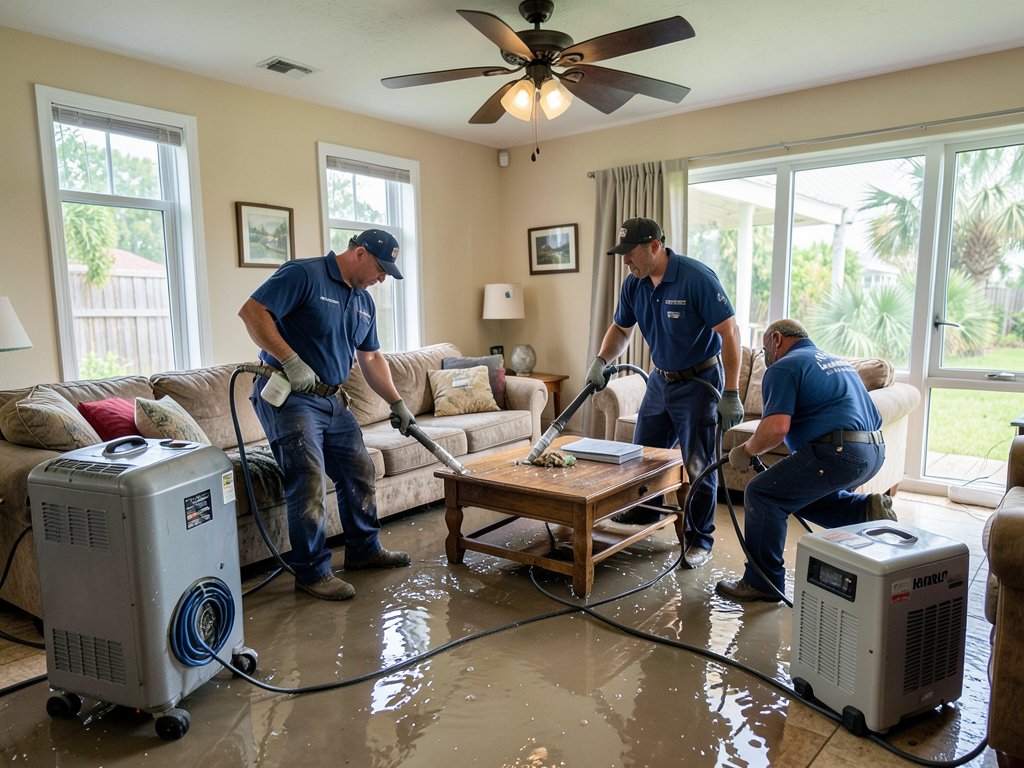
Then we remove the water-damaged materials that harbor insects. Wet drywall comes out. Soaked insulation gets pulled. Rotted wood framing gets replaced. We do not leave damp materials in place. We extract standing water with commercial pumps and dehumidifiers. We dry structural cavities to below 15 percent moisture content, the threshold where water damage roaches cannot survive.

We address the entry points. We seal foundation cracks. We repair roof penetrations. We fix plumbing leaks. We install vapor barriers in crawl spaces. We improve drainage around your foundation. Fortress Water Damage Restoration Tampa treats the building envelope as a system. Every water entry point becomes a pest entry point.

After drying and repairs, we apply antimicrobial treatments to prevent mold growth that can attract other moisture-loving insects. We verify final moisture levels with calibrated meters. Dry buildings do not support water bug populations.

What Happens When You Call About Water Bugs

Water Bug & Pest Infestations in Tampa – Expert Moisture Control Stops the Source
01

Emergency Moisture Assessment

We arrive within hours to identify every moisture source attracting pests. Using thermal cameras and penetrating moisture meters, we scan walls, floors, and ceilings to map hidden water damage. You get a written report showing moisture levels in each affected area and the water source feeding the infestation before we move any materials.
02

Water Extraction and Drying

We remove standing water and saturated materials immediately. Commercial air movers and refrigerant dehumidifiers run continuously to drop moisture content below pest survival thresholds. We monitor drying progress with daily moisture readings. Structural cavities reach equilibrium moisture content within 72 to 96 hours depending on material density and saturation levels.
03

Source Repair and Prevention

After drying, we fix the water source permanently. Burst pipes get replaced. Foundation cracks get sealed with hydraulic cement or epoxy injection. Roof leaks get repaired with proper flashing. We install vapor barriers and improve drainage to prevent moisture return. You receive documentation of all repairs and final moisture readings confirming dry conditions.

Why Tampa Homeowners Choose Fortress Water Damage Restoration for Pest-Related Water Damage

You need someone who understands both water damage and how pests respond to moisture. Pest control companies kill bugs but leave the wet materials in place. General contractors rip out drywall but do not address the moisture that attracted insects originally. You need integrated water damage restoration that eliminates the conditions pests require.

We understand Tampa construction. We know older homes in Ybor City and West Tampa have crawl spaces with inadequate vapor barriers. We know homes near Bayshore Boulevard face chronic foundation moisture from the high water table. We know new construction in Fishhawk Ranch and Riverview can have plumbing defects that leak slowly for years before anyone notices the water damage roaches.

We work directly with your insurance carrier to document moisture damage and pest activity. We provide photo evidence of water intrusion, moisture readings, and damaged materials. We explain how the water damage created conditions for oriental cockroach problems or sewer roach infestations. Most homeowners do not realize their insurance covers water damage that leads to pest issues when the water source is sudden and accidental.

Our crews carry IICRC Water Damage Restoration certification. We follow industry drying standards, not guesswork. We use calibrated equipment, not hardware store fans. We document the entire process with moisture logs and photo documentation. You get a complete record of the drying process and repairs.

We complete most residential water damage projects in three to seven days depending on the extent of saturation. You do not live with drying equipment for weeks. We work fast, we work thoroughly, and we verify results with data.

Tampa homeowners call us when they want the problem fixed permanently, not temporarily managed with monthly pest treatments that never address the underlying moisture.

What to Expect When We Handle Your Water Bug Infestation

Rapid Response Time

We dispatch technicians within two hours of your call during business hours. Water damage worsens by the hour, and moisture-related pest infestations expand as wet areas grow. Our trucks carry thermal imaging cameras, moisture detection equipment, and water extraction tools. We assess your situation the same day you call. If you discover water bugs at night, our emergency line connects you to a technician who can schedule an early morning assessment. We do not make you wait days while water spreads and more oriental cockroaches or sewer roaches move into damp areas.

Comprehensive Moisture Mapping

You get a detailed moisture report before we remove any materials. We scan every room adjacent to areas where you have seen water bugs. We check under sinks, behind toilets, around washing machines, and near water heaters. We inspect crawl spaces and attics. We use pin-type and non-invasive moisture meters to measure water content in wood, drywall, and concrete. You see exactly where moisture hides and why pests are present. We photograph every wet area and mark moisture boundaries on floors and walls. This documentation becomes part of your insurance claim and helps you understand the full scope of water damage that attracted damp environment insects.

Verified Dry Conditions

We do not leave your home until moisture levels reach acceptable standards. Wood framing must read below 15 percent. Concrete must read below 4 percent. Drywall must reach equilibrium with surrounding materials. We provide daily moisture readings during the drying process. You receive a final report showing before and after moisture levels in every affected area. These dry conditions eliminate the habitat water damage roaches and other moisture-loving pests require. We guarantee our moisture readings. If levels rise after we finish, we return to identify and fix the source at no additional charge for the diagnostic work.

Post-Restoration Monitoring

We offer follow-up moisture checks 30 days after project completion. This optional service helps you verify that moisture has not returned and that pest activity has ceased. Many Tampa homeowners schedule this check during their regular pest control visit. We coordinate with your existing pest control provider to confirm that elimination of moisture has stopped water bug activity. If we discover elevated moisture during the follow-up, we investigate the cause immediately. Most often, dry conditions remain stable once we have addressed the water source properly and completed structural repairs. This verification gives you confidence that the problem is solved permanently.

Frequently Asked Questions

You Have Questions,
We Have Answers

How to get rid of a waterbug infestation? +

Start by eliminating moisture sources. Fix leaky pipes, clear clogged drains, and use dehumidifiers in damp areas. Tampa's high humidity creates ideal conditions for water bugs, so ventilation is key. Seal cracks around baseboards, windows, and doors with caulk. Remove food debris and store pantry items in sealed containers. Apply boric acid powder in dry areas behind appliances and under sinks. For severe infestations, gel baits work better than sprays. Professional pest control may be needed if the problem persists beyond two weeks or you see water bugs daily.

What causes water bugs in a house? +

Water bugs enter homes seeking moisture, food, and shelter. Leaking pipes, standing water in drains, and clogged gutters attract them. Tampa's humid climate and frequent afternoon storms create perfect breeding conditions. They squeeze through gaps as thin as a credit card around doors, windows, and utility line entry points. Pet food left out overnight, crumbs under appliances, and overflowing garbage also draw them inside. Poor ventilation in bathrooms and crawl spaces increases humidity levels, making your home more appealing. They often hitchhike in cardboard boxes, grocery bags, or potted plants.

How do you know if you have a waterbug infestation? +

You will see live water bugs scurrying when you turn on lights at night. Check for oval droppings that look like black pepper along baseboards and under sinks. A strong, musty odor indicates a large infestation. Look for shed skins near water sources like dishwashers and washing machines. In Tampa homes, check air conditioning drip pans and condensate lines, as moisture buildup attracts them. Smear marks along walls show their travel paths. If you spot one water bug, assume dozens are hiding nearby. They breed quickly in warm climates.

What is the hardest bug infestation to get rid of? +

Bed bugs rank as the hardest infestation to eliminate. They hide in microscopic cracks, survive months without feeding, and resist many common pesticides. German cockroaches come next due to rapid reproduction rates. Termites require professional treatment and ongoing monitoring. Water bugs are easier to control than these pests because they do not reproduce as quickly indoors and respond well to moisture elimination. However, Tampa's climate allows outdoor populations to constantly pressure homes. Carpenter ants and fleas also prove stubborn without addressing the root moisture or host animal issues.

What kills waterbugs instantly? +

Boric acid kills water bugs within hours by dehydrating their exoskeleton and disrupting their digestive system. Apply it as a fine dust in dry areas only. Diatomaceous earth works similarly but takes longer. Commercial roach sprays with pyrethroids provide instant knockdown but do not prevent reinfestation. Soapy water suffocates individual bugs on contact by blocking their breathing pores. For Tampa homes, address the moisture problem simultaneously or they will keep coming back. Instant kill methods treat symptoms, not causes. Crushing them works but risks spreading egg cases stuck to their bodies.

Does pouring bleach down the drain get rid of roaches? +

Bleach temporarily clears drains but does not eliminate roaches or water bugs. It kills bugs on contact in the drain trap but evaporates quickly and does not reach nesting areas in wall voids or under floors. The smell may repel them briefly. Tampa's plumbing systems often have multiple entry points bleach cannot reach. Use enzyme drain cleaners instead to remove the organic buildup that attracts them. Pour boiling water down drains weekly. Install drain covers overnight. Address leaks and moisture issues rather than relying on chemical Band-Aids that damage pipes over time.

How to find a water bug nest? +

Water bugs nest in dark, moist areas near water sources. Check behind and under refrigerators, dishwashers, and washing machines. Inspect crawl spaces, especially near plumbing penetrations. In Tampa homes, examine air handler drip pans and condensate line terminations. Look inside cabinet voids under sinks where pipes enter walls. Check behind water heaters and inside toilet tank areas. Use a flashlight to spot fecal smears, shed skins, and egg cases. They prefer temperatures between 70 and 80 degrees. Follow their travel paths along baseboards at night to locate harborage areas during the day.

What smell do water bugs hate the most? +

Water bugs avoid peppermint oil, bay leaves, and cucumber peels, but these repellents only work temporarily and at close range. They dislike the smell of citrus and cedar, yet hunger overrides their aversion. In Tampa's climate, scent-based deterrents evaporate quickly in humidity and heat. These methods may keep a few bugs away but will not eliminate an infestation. Focus on exclusion and moisture control instead. Professional-grade repellents contain concentrated pyrethrins that actually deter entry. Natural remedies sound appealing but rarely solve the underlying problem. Proper sanitation outperforms any smell-based approach.

What time of year are water bugs most active? +

Water bugs stay active year-round in Tampa due to mild winters and consistent humidity. Peak activity occurs during summer months from June through September when afternoon thunderstorms create standing water and increased moisture. They invade homes more frequently during heavy rain events as they seek dry shelter. Spring and fall see increased activity as temperatures fluctuate and outdoor populations grow. Unlike northern climates where cold weather kills them, Tampa's subtropical environment allows continuous breeding cycles. You may notice more indoor sightings when outdoor conditions become too wet or during drought periods when they search for water.

Where do water bugs hide during the day? +

Water bugs hide in dark, tight spaces during daylight hours. They squeeze behind baseboards, inside wall voids near plumbing, and under appliances. Check beneath stacked cardboard, inside cabinet hinges, and behind picture frames. In Tampa homes, they favor air conditioning vents and ductwork where condensation collects. Look inside drain pipes, garbage disposals, and dishwasher seals. They rest in gaps between countertops and backsplashes. Cluttered areas like garages and laundry rooms provide numerous hiding spots. They flatten their bodies to fit into cracks thinner than a dime. Nighttime activity begins when lights go off.

How Tampa's Climate and Plumbing Systems Create Year-Round Water Bug Problems

Tampa receives 46 inches of rain annually, concentrated in summer months when afternoon thunderstorms dump inches of water in minutes. This rapid rainfall overwhelms inadequate foundation drainage in older neighborhoods. The high water table near coastal areas pushes groundwater into crawl spaces and through concrete slabs. Homes built before 1980 often lack proper vapor barriers. The result is chronic moisture intrusion that creates ideal conditions for oriental cockroach problems and sewer roach infestations. Add Tampa's average humidity of 72 percent, and you have an environment where building materials stay damp enough to support water damage roaches even without active leaks. Many homeowners in South Tampa and Palma Ceia deal with seasonal water bug activity that spikes after summer storms. The pests are responding to moisture levels that rarely drop low enough to discourage infestation.

Tampa's aging infrastructure contributes to moisture-related pest problems. Homes built in the 1960s and 1970s have cast iron drain lines that corrode from the inside. These pipes develop pinhole leaks and cracks that slowly saturate wall cavities and subfloors for years before anyone notices water damage. Neighborhoods like Carrollwood and Town and Country face widespread cast iron failures that create perfect breeding conditions for damp environment insects. Local building codes now require regular plumbing inspections for homes over 40 years old, but most homeowners do not discover hidden leaks until water bugs or mold appear. Working with a restoration company that understands Tampa's specific plumbing and foundation challenges means faster diagnosis and permanent solutions rather than temporary pest treatments that ignore the underlying water damage.
Water Damage Restoration Services in The Tampa Area

We proudly serve the entire Tampa area with rapid-response water damage restoration services. Whether you’re downtown, in the suburbs, or operating a business near the bay, our expert team is just minutes away. Use the map below to view our service zone or find our nearest location. We’re ready to respond wherever you need us. Your peace of mind is only a call or click away.

Address:
Fortress Water Damage Restoration Tampa, 4830 W Kennedy Blvd #600, Tampa, FL, 33609

Additional Services We Offer

Our news updates

Latest Articles & News from The Blogs

How Clogged Gutters and Downspouts Can Lead to a Flooded Living Room in Wooded Lutz Neighborhoods When heavy afternoon thunderstorms…

How Clogged Gutters and Downspouts Can Lead to a Flooded Living Room in Wooded Lutz Neighborhoods

How Clogged Gutters and Downspouts Can Lead to a Flooded Living Room in Wooded Lutz Neighborhoods When heavy afternoon thunderstorms…

Why You Should Never Use Bleach to Clean Up Mold After a Leak in Your Tampa Palms Home

Why You Should Never Use Bleach to Clean Up Mold After a Leak in Your Tampa Palms Home When you…

Dealing With Water Damage in Your Backyard ADU or Guest House in Seminole Heights

Dealing With Water Damage in Your Backyard ADU or Guest House in Seminole Heights Water damage in a Seminole Heights…

Contact Us

Water bugs will not leave while moisture remains. Call (656) 219-8088 now for same-day moisture assessment. We identify the water source, dry the affected areas, and eliminate the conditions that brought pests into your Tampa home.