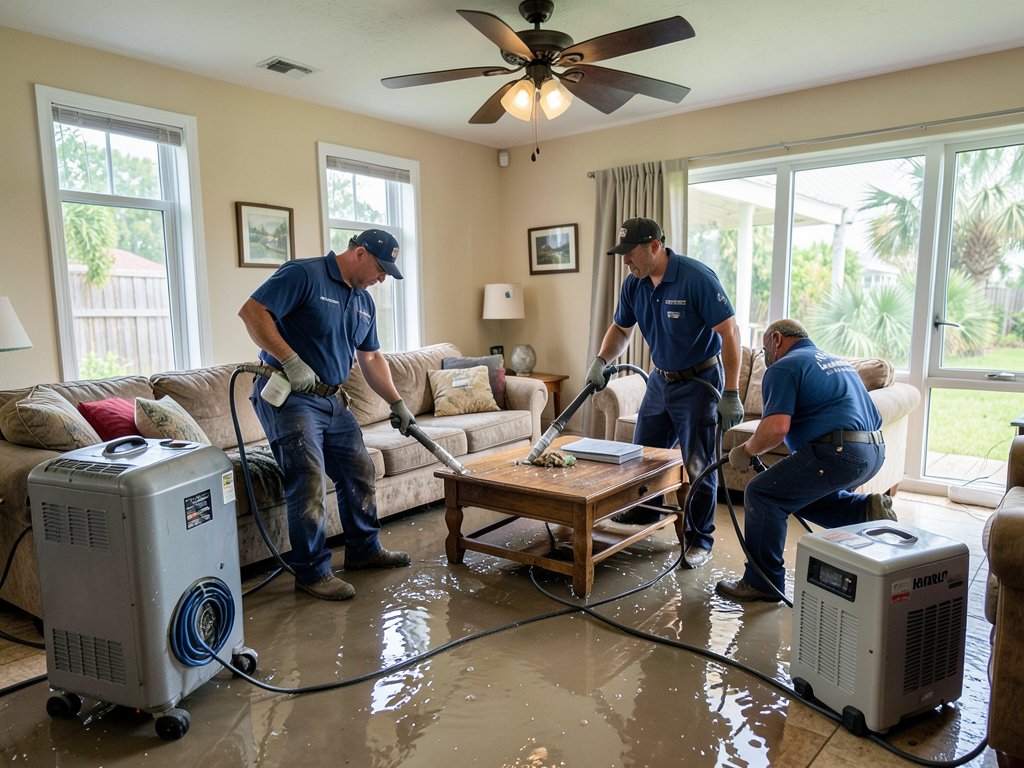






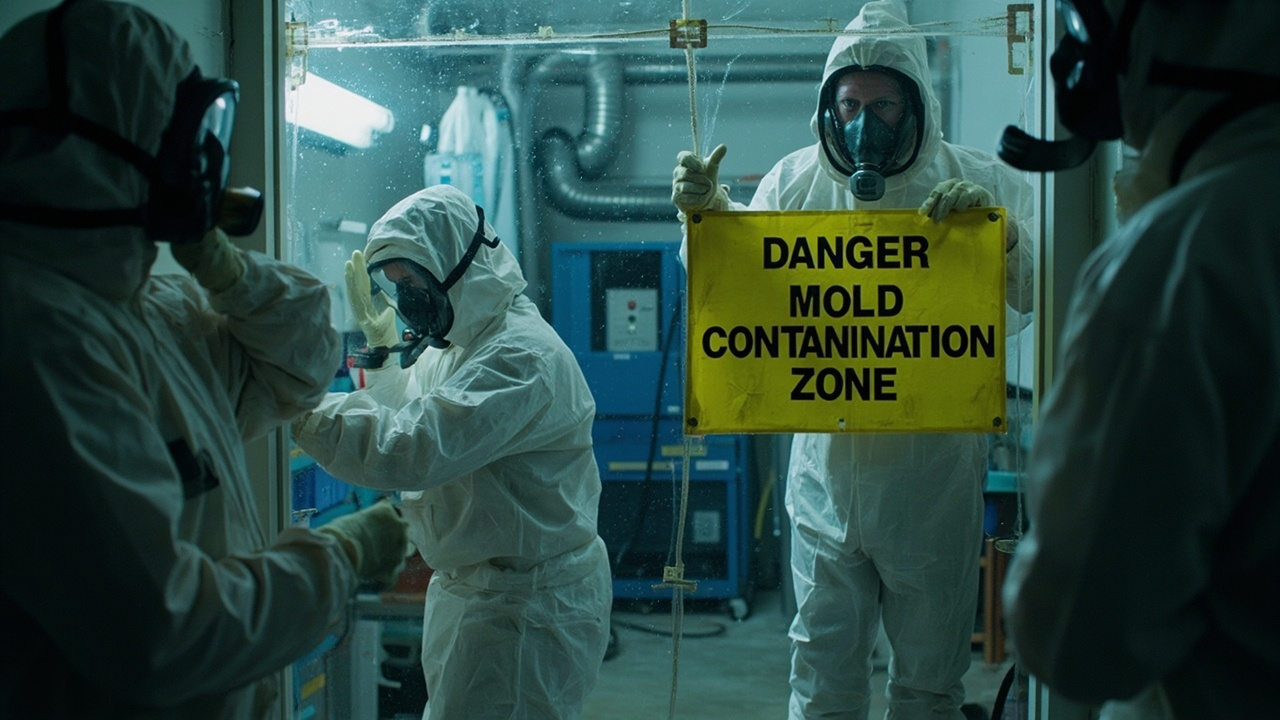
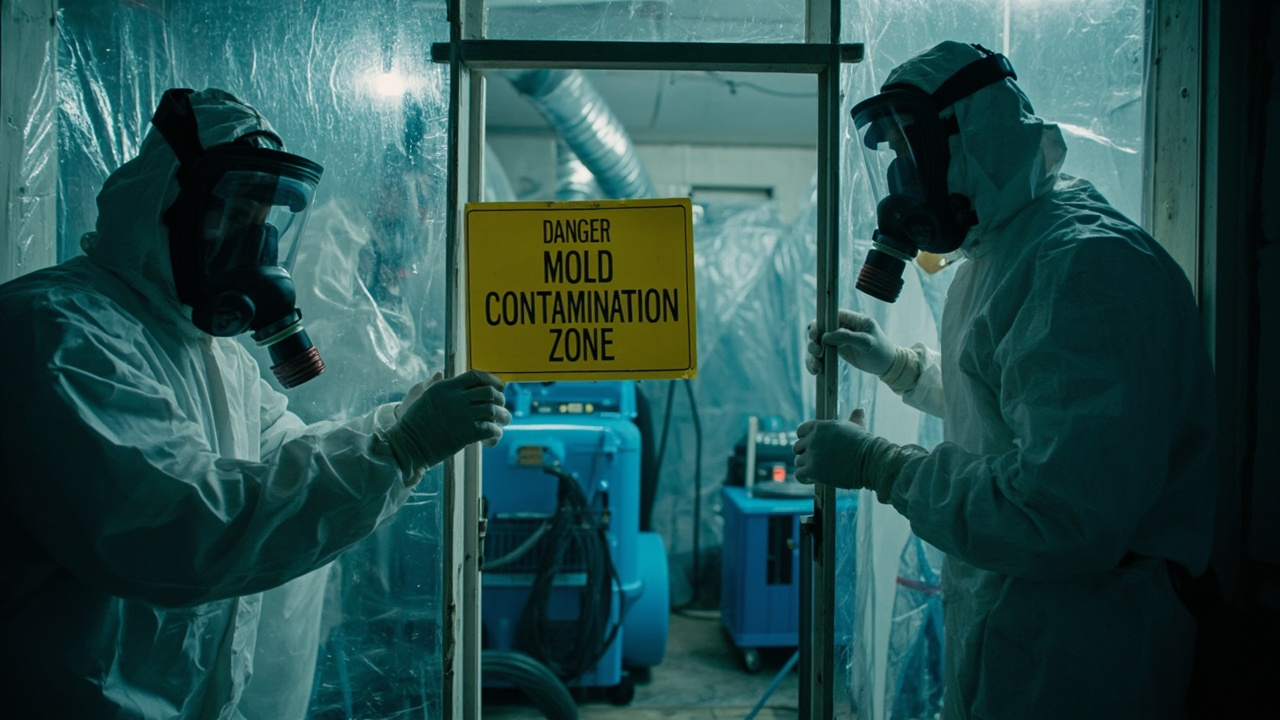
Tampa's location on the Gulf Coast creates persistent moisture challenges that accelerate mold growth. Our average relative humidity ranges from 74 to 76 percent year-round, well above the 60 percent threshold where mold spores activate. Summer afternoon thunderstorms dump inches of rain in minutes, overwhelming roof drainage systems and creating temporary ponding around foundations. This water migrates through masonry block walls, common in Tampa construction, via capillary action. Hurricane season brings additional risk. Even Category 1 storms produce wind-driven rain that penetrates window seals, roof flashings, and soffit vents. Immediate mold mitigation after water intrusion is critical here. Our warm temperatures, rarely dropping below 50 degrees, mean mold colonies remain active year-round rather than going dormant during winter months like northern climates experience.
Fortress Water Damage Restoration Tampa maintains relationships with local insurance adjusters, property managers, and building inspectors throughout Hillsborough County. We understand Florida Building Code requirements for moisture control and ventilation in habitable spaces. Our crews recognize construction methods specific to Tampa's development periods, from early 20th-century bungalows in historic districts to modern high-rise condominiums along the Riverwalk. This local expertise matters when assessing hidden mold pathways in older balloon-frame construction or identifying common water intrusion points in newer stucco-clad buildings. We also navigate the specific permitting requirements for mold remediation projects that exceed certain square footage thresholds. Choosing a local emergency mold abatement provider means working with professionals who understand Tampa's unique building challenges and regulatory environment.