




Menu

Understanding Mold Toxicity in Tampa – Recognize the Health Risks Before They Escalate

Learn How to Identify Mold Illness Symptoms, Understand the Effects of Mold Exposure, and Protect Your Family from Black Mold Health Risks in Tampa's High-Humidity Climate

Slider Image 1
Slider Image 2
Slider Image 3
Slider Image 4
Slider Image 5
Slider Image 7
Slider Image 8
Slider Image 9
Slider Image 10
Slider Image 11

Why Tampa Residents Face Higher Mold Toxicity Risks

Tampa's humid subtropical climate creates the perfect breeding ground for toxic mold growth. With average humidity levels above 70% year-round and frequent afternoon thunderstorms from June through September, moisture accumulates in walls, crawl spaces, and attics faster than most homeowners realize. This constant moisture exposure accelerates mold colonization, particularly Stachybotrys chartarum, the black mold species linked to serious health complications.

Mold illness symptoms often start subtly. You might notice persistent headaches, respiratory irritation, or unexplained fatigue. These signs of mold poisoning can mimic allergies or flu, making them easy to dismiss. As exposure continues, symptoms intensify. Chronic coughing, sinus congestion, skin rashes, and cognitive difficulties signal more advanced mycotoxin illness.

Black mold health risks extend beyond surface-level discomfort. Mycotoxins, the toxic compounds mold releases, can trigger immune system dysfunction, neurological problems, and respiratory disease. Children, elderly family members, and anyone with compromised immunity face elevated risk. The effects of mold exposure compound over time. What starts as a minor annoyance can evolve into a chronic health condition requiring medical intervention.

Tampa's older housing stock, built before modern moisture barriers became standard, increases vulnerability. Add in hurricane damage, aging roof systems, and plumbing failures common in coastal environments, and you understand why mold toxicity is not just a possibility here but a persistent threat requiring immediate attention when water intrusion occurs.

Why Tampa Residents Face Higher Mold Toxicity Risks
How Mold Toxicity Develops After Water Damage

How Mold Toxicity Develops After Water Damage

Mold colonization follows a predictable timeline after water exposure. Within 24 to 48 hours of a leak, flood, or humidity spike, mold spores that naturally exist in air begin germinating on damp surfaces. By day three, visible growth appears. By day seven, spore production accelerates exponentially, releasing mycotoxins into your indoor air.

The restoration process directly impacts whether mold toxicity becomes a health issue. Inadequate drying techniques leave residual moisture in structural cavities where visual inspection cannot detect it. Drywall, insulation, and subflooring trap water behind finished surfaces. Standard fans and dehumidifiers cannot reach these hidden moisture pockets. This is where professional-grade moisture mapping using thermal imaging and pin-type meters becomes essential.

Fortress Water Damage Restoration Tampa uses a containment-based approach during mold remediation. We establish negative air pressure barriers to prevent cross-contamination during removal. HEPA filtration captures airborne spores before they migrate to unaffected areas. We do not just treat visible mold. We address the moisture source, remove contaminated materials following IICRC S520 standards, and apply antimicrobial treatments to affected structural components.

Understanding mycotoxin illness requires knowing what happens at the cellular level. When you inhale mold spores, your immune system triggers an inflammatory response. Repeated exposure overwhelms your body's natural defenses. Mycotoxins accumulate in tissue, disrupting cellular function. This explains why mold illness symptoms persist even after you leave the contaminated environment. Your body needs time to clear the toxin load, and continued exposure makes recovery impossible.

How We Help You Understand and Address Mold Toxicity

Understanding Mold Toxicity in Tampa – Recognize the Health Risks Before They Escalate
01

Health Symptom Assessment

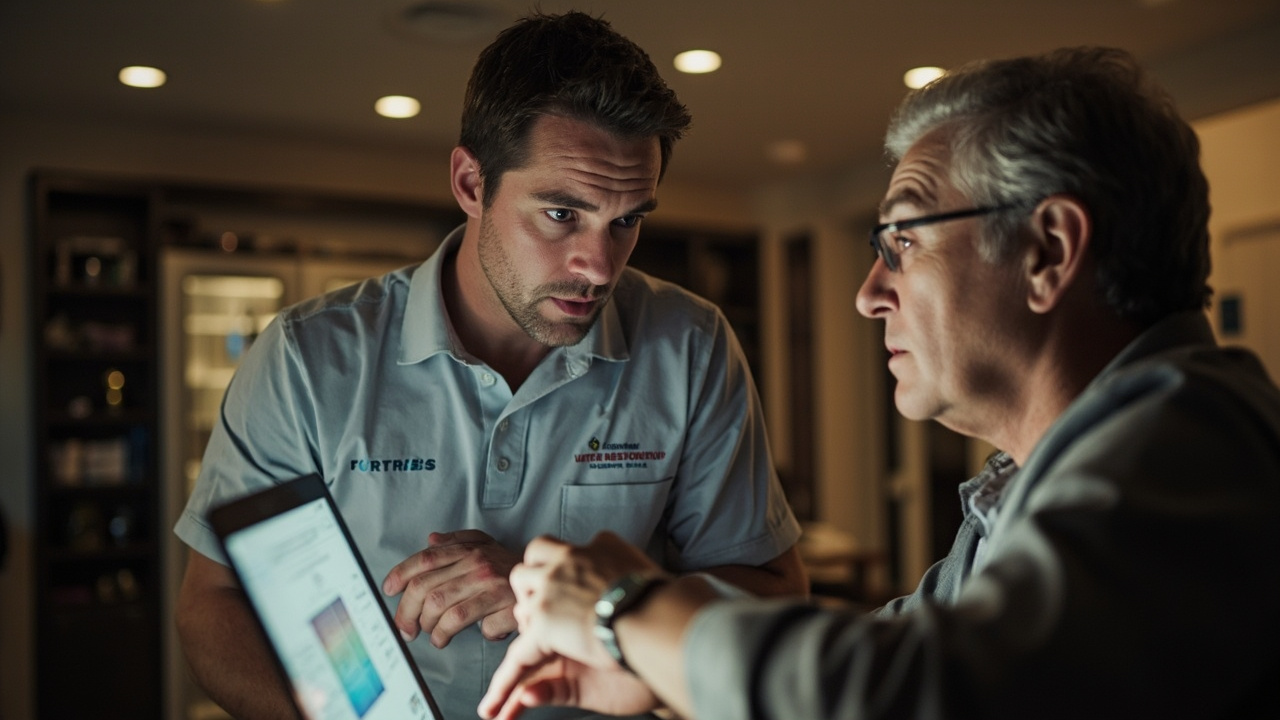
We start by documenting your reported health symptoms and correlating them with potential mold exposure sources in your home. This assessment helps identify whether respiratory issues, cognitive symptoms, or skin reactions align with known mycotoxin illness patterns. We review your home's water damage history, recent flooding events, and areas where you notice musty odors or visible growth to establish exposure timelines.
02

Environmental Testing and Mapping

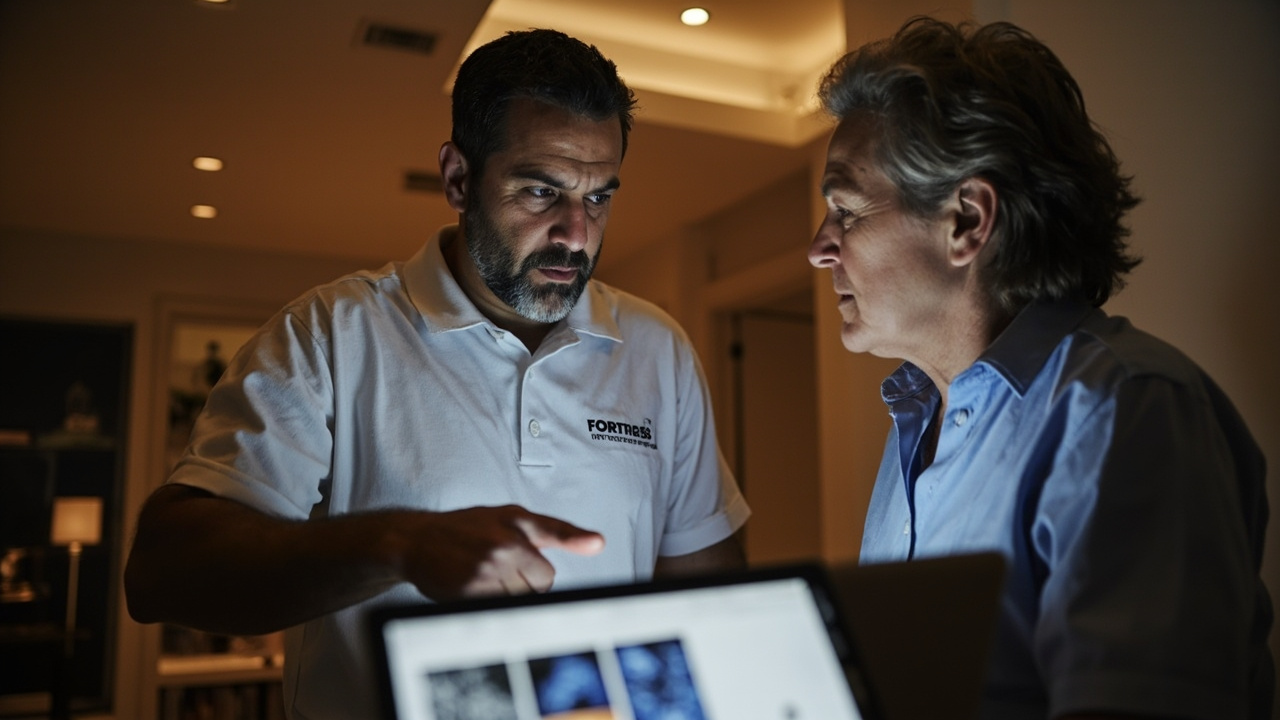
Our technicians conduct moisture mapping using thermal imaging and hygrometers to locate hidden water intrusion. We identify conditions favorable for mold growth behind walls, under flooring, and in HVAC systems. Air quality sampling measures spore concentrations and identifies specific mold species present. This data determines contamination severity and guides our remediation protocol to eliminate the source of your symptoms.
03

Education and Prevention Planning

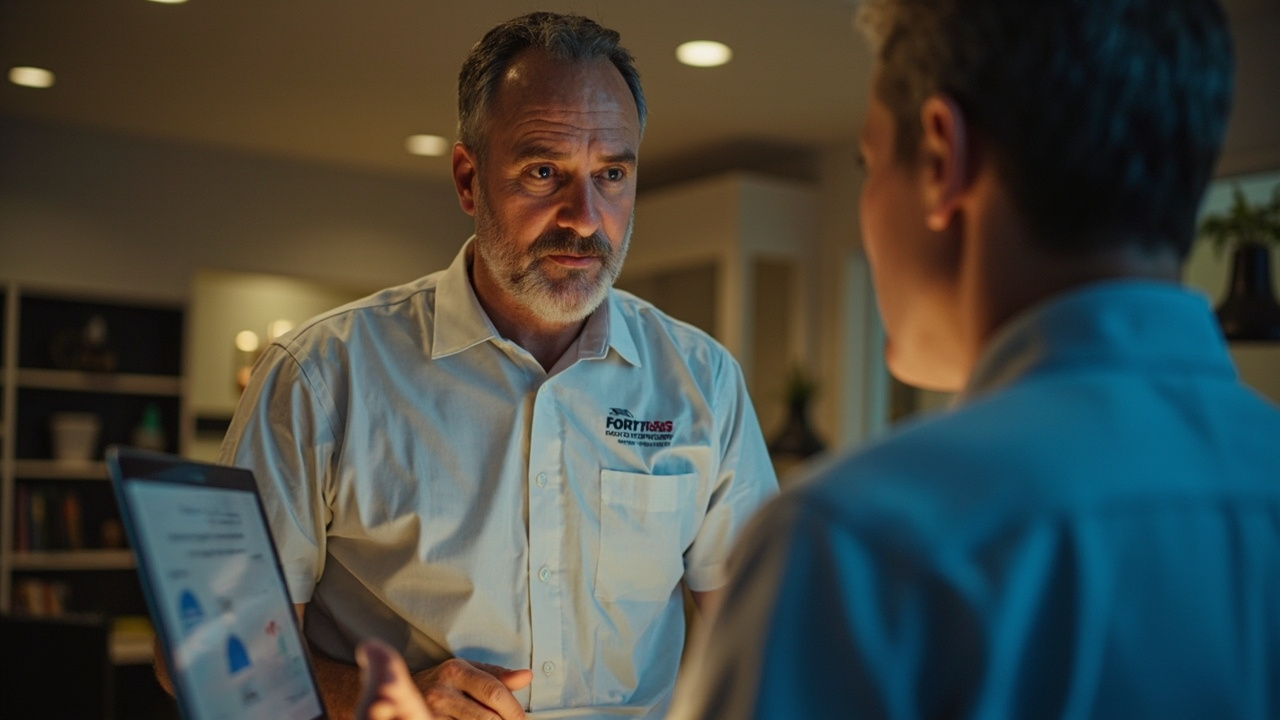
After remediation, we provide detailed education on preventing future mold growth. You receive guidance on humidity control, ventilation improvements, and early warning signs of water intrusion. We explain how Tampa's climate requires proactive moisture management and recommend specific monitoring tools. This knowledge empowers you to maintain a healthy indoor environment and recognize problems before they escalate into health crises.

Why Tampa Homeowners Trust Fortress Water Damage Restoration for Mold Concerns

Mold remediation in Tampa requires understanding local building construction and climate-specific challenges. Homes built in the 1960s through 1980s often lack vapor barriers. Concrete block construction, common throughout Hillsborough County, absorbs moisture during summer rains and releases it slowly, creating prolonged humidity exposure inside wall cavities. We have worked in neighborhoods from Seminole Heights to South Tampa, and we recognize how different construction eras and architectural styles affect mold vulnerability.

Our technicians understand Florida Building Code requirements for mold remediation and the insurance documentation needed for claims processing. We know which materials require removal versus surface treatment. We know how to work with adjusters to ensure you receive appropriate coverage for both the water damage and resulting microbial growth.

Tampa's hurricane season adds another layer of complexity. Storm surge, roof leaks, and wind-driven rain introduce large volumes of water rapidly. The scramble to dry out homes quickly often leads to incomplete drying and hidden mold problems that emerge months later. We have responded to hundreds of post-storm water damage events, and we know the difference between surface drying and structural drying.

When you call Fortress Water Damage Restoration Tampa, you work with technicians who have seen how mold behaves in your specific type of home under Tampa's specific environmental conditions. We do not apply generic protocols. We adapt our approach based on your home's age, construction type, the extent of water intrusion, and how long moisture has been present. This local expertise translates to more effective remediation and better health outcomes for your family.

What to Expect When Addressing Mold Toxicity Concerns

Rapid Response Availability

Mold health risks increase with every hour of exposure. We offer same-day assessment appointments for Tampa residents experiencing mold illness symptoms. Our emergency response team is available 24/7 because we know water damage and mold growth do not wait for business hours. When you call, we dispatch a technician to evaluate your situation within hours, not days. This speed matters when you are dealing with respiratory distress, headaches, or other symptoms requiring immediate source elimination. We prioritize urgent health-related calls and work around your schedule to minimize disruption while addressing the contamination quickly.

Comprehensive Mold Investigation

Our assessment goes beyond looking for visible mold. We use moisture meters to measure water content in walls, floors, and ceilings. Thermal imaging reveals temperature differentials that indicate hidden moisture. We inspect HVAC systems, crawl spaces, and attics where mold often grows undetected. Air sampling measures spore concentrations and identifies specific species present. Surface sampling from suspicious areas provides additional data. This investigation produces a detailed report documenting contamination extent, moisture sources, and health risk factors. You receive clear explanations of findings and recommended remediation steps based on current IICRC standards.

Complete Source Elimination

Effective mold remediation requires removing both the growth and the moisture source feeding it. We establish containment barriers, use HEPA air scrubbers to prevent spore migration, and remove contaminated materials safely. Affected drywall, insulation, and other porous materials get bagged and disposed of properly. We treat structural components with antimicrobial solutions and verify complete drying using moisture measurements. The goal is not just killing visible mold but creating conditions where regrowth cannot occur. Your home receives clearance testing to confirm spore levels return to normal background levels before we consider the job complete.

Prevention Education and Monitoring

After remediation, we provide detailed guidance on preventing future mold problems. You learn optimal humidity levels for Tampa homes, how to improve ventilation in bathrooms and kitchens, and early warning signs of water intrusion. We recommend specific dehumidifier models for your square footage and explain how to maintain your HVAC system to prevent mold growth in ductwork. For high-risk properties, we offer periodic moisture monitoring to catch problems early. This educational component empowers you to maintain a healthy indoor environment and avoid repeating the health and financial costs of mold contamination.

Frequently Asked Questions

You Have Questions,
We Have Answers

What are the 10 warning signs of mold toxicity? +

Common warning signs include persistent respiratory issues like coughing or wheezing, chronic fatigue that doesn't improve with rest, brain fog or difficulty concentrating, headaches, skin rashes or irritation, sinus congestion, watery eyes, joint pain, digestive problems, and frequent infections. Tampa's humid climate creates ideal conditions for mold growth, making these symptoms particularly common in homes with water damage or poor ventilation. If you experience multiple symptoms that worsen at home but improve when you leave, mold exposure may be the cause. Professional testing and remediation are necessary to confirm mold presence and eliminate the source.

How do you know if mold is making you sick? +

Mold sickness typically shows a pattern. Your symptoms worsen when you are at home or in a specific building and improve when you leave. You may notice respiratory irritation, persistent coughing, or nasal congestion that won't clear up. Fatigue and headaches that seem tied to certain locations are red flags. In Tampa, where humidity exceeds 70 percent much of the year, mold thrives in hidden areas like attics, crawl spaces, and behind drywall. If you suspect mold is affecting your health, document when symptoms occur and consult a physician. Professional mold inspection can identify contamination levels and guide remediation.

Can mold cause heartburn? +

Yes, mold exposure can trigger heartburn or acid reflux in some people. Mold spores and mycotoxins irritate the digestive tract, causing inflammation that affects the esophageal sphincter. This allows stomach acid to flow back up, creating that burning sensation. The connection between mold and digestive issues is often overlooked. Tampa residents dealing with water damage from hurricanes or plumbing leaks face higher exposure risk. If you experience new or worsening heartburn alongside other mold toxicity symptoms like respiratory irritation or fatigue, investigate your home for hidden mold growth. Eliminating the source often resolves digestive symptoms without medication.

Can mold cause migraines? +

Mold can absolutely trigger migraines and severe headaches. Mycotoxins released by certain mold species cause inflammatory responses that affect the nervous system. These toxins also trigger histamine release, which dilates blood vessels and causes headache pain. Tampa's subtropical climate promotes mold growth in buildings with moisture problems. If your migraines worsen at home or in specific rooms, mold may be the culprit. Common locations include bathrooms, kitchens, basements, and areas near AC units. The humid air from Tampa Bay compounds the problem. Professional mold testing identifies contamination levels. Remediation often reduces migraine frequency and severity without additional medical intervention.

How to flush mold out of your system? +

Flushing mold toxins from your body requires multiple steps. First, eliminate ongoing exposure by professionally remediating the contaminated space. Increase water intake to support kidney function and toxin elimination. Eat a clean diet rich in antioxidants, cruciferous vegetables, and fiber to support liver detoxification. Consider activated charcoal or bentonite clay binders under medical supervision. Sweating through exercise or sauna sessions helps excrete toxins. Probiotics support gut health, which is often compromised by mold. In Tampa's humid environment, preventing re-exposure is critical. Work with a physician familiar with mold toxicity for personalized treatment. Recovery time varies based on exposure duration and individual health factors.

Can air purifiers remove mold spores? +

Air purifiers with true HEPA filters can capture airborne mold spores, reducing exposure. However, they do not eliminate the mold source. Purifiers work best as part of a comprehensive strategy after professional remediation. In Tampa homes, where humidity fuels mold growth, purifiers help maintain air quality but cannot replace moisture control and source removal. Look for units with activated carbon filters to capture mycotoxins and odors. Place purifiers in bedrooms and high-traffic areas. Change filters regularly, especially during Tampa's rainy season. Remember that mold colonies hidden in walls, attics, or crawl spaces continue releasing spores until properly removed by certified professionals.

How do I test myself for mold toxicity? +

Testing for mold toxicity requires medical evaluation. Start with your primary care physician or a specialist in environmental medicine. Blood tests can measure antibodies to specific mold species, indicating immune system response. Urine mycotoxin testing detects metabolites of mold toxins in your body. Visual Contrast Sensitivity testing assesses neurological impacts. Physicians may also order comprehensive metabolic panels to check organ function. In Tampa, where mold exposure is common due to high humidity, finding a doctor familiar with mold illness is important. Lab results combined with symptom patterns and home inspection findings create a complete picture. Professional mold testing of your property confirms exposure source and guides remediation.

What kills mold spores instantly? +

No single product kills mold spores instantly and permanently. Bleach, hydrogen peroxide, and commercial biocides can kill surface mold quickly but do not penetrate porous materials. More importantly, dead mold is still allergenic and toxic. Professional remediation removes mold rather than just killing it. This includes HEPA vacuuming, physical removal of contaminated materials, and antimicrobial treatment. In Tampa's climate, moisture control is critical to prevent regrowth. Fix leaks, improve ventilation, and use dehumidifiers. Small surface mold may respond to household cleaners, but extensive contamination requires certified professionals. Attempting DIY remediation on large areas often spreads spores throughout your home, worsening contamination.

What are the three stages of mold toxicity? +

The three stages describe progressive severity. Stage one involves acute symptoms like coughing, sneezing, headaches, and fatigue from initial exposure. Your immune system reacts to spores and mycotoxins. Stage two brings chronic inflammation affecting multiple body systems. Respiratory issues persist, cognitive problems develop, and digestive troubles emerge. Tampa residents with long-term water damage often reach this stage. Stage three involves severe systemic illness. Immune dysfunction, neurological damage, and organ stress occur. Chronic fatigue syndrome and multiple chemical sensitivities may develop. Recovery becomes difficult without aggressive intervention. Early detection and professional remediation prevent progression. If you suspect mold exposure, address it immediately. Tampa's humidity accelerates mold growth and toxicity risks.

Does mold affect your bowels? +

Yes, mold exposure frequently affects bowel function. Mycotoxins disrupt gut bacteria balance, damage intestinal lining, and trigger inflammation. Symptoms include diarrhea, constipation, cramping, bloating, and changes in stool consistency. Some people develop irritable bowel syndrome or inflammatory bowel conditions from chronic mold exposure. Tampa's humid environment promotes mold growth in homes, increasing exposure risk. The gut-brain axis means intestinal issues often accompany cognitive symptoms like brain fog. If digestive problems coincide with respiratory issues or worsen at home, investigate mold contamination. Professional testing identifies mold species and toxin levels. Remediation combined with gut-healing protocols under medical supervision often resolves bowel symptoms without long-term medication.

How Tampa's Humidity and Hurricane Risk Amplify Mold Toxicity Threats

Tampa's location on Florida's Gulf Coast creates a unique mold risk profile. Summer humidity regularly exceeds 75%, and afternoon thunderstorms dump rain that overwhelms drainage systems and finds entry points through aging roofs and window seals. Hurricane season brings storm surge and wind-driven rain that penetrate building envelopes. Older homes in neighborhoods like Hyde Park and Tampa Heights were built before modern moisture management standards. These factors combine to create an environment where mold colonization happens faster and more aggressively than in drier climates. Understanding mold toxicity in Tampa means recognizing that prevention requires active humidity control, not just responding after growth appears.

Fortress Water Damage Restoration Tampa has built relationships with local property managers, insurance agents, and healthcare providers who refer patients experiencing unexplained health symptoms. We understand Hillsborough County building codes and work with local inspectors to ensure remediation meets compliance standards. Our familiarity with Tampa's construction styles, from mid-century concrete block homes to newer wood-frame construction, allows us to predict where moisture problems hide. This local expertise means we solve mold problems efficiently because we have seen how they develop in homes exactly like yours under Tampa's specific environmental conditions.
Water Damage Restoration Services in The Tampa Area

We proudly serve the entire Tampa area with rapid-response water damage restoration services. Whether you’re downtown, in the suburbs, or operating a business near the bay, our expert team is just minutes away. Use the map below to view our service zone or find our nearest location. We’re ready to respond wherever you need us. Your peace of mind is only a call or click away.

Address:
Fortress Water Damage Restoration Tampa, 4830 W Kennedy Blvd #600, Tampa, FL, 33609

Additional Services We Offer

Our news updates

Latest Articles & News from The Blogs

The First 4 Hours After a Pipe Bursts in Your Gibsonton House When water starts spraying from a broken pipe…

The First 4 Hours After a Pipe Bursts in Your Gibsonton House

The First 4 Hours After a Pipe Bursts in Your Gibsonton House When water starts spraying from a broken pipe…

A Homeowner Guide to Choosing the Best Dehumidifier for Humidity Control in Seffner

A Homeowner Guide to Choosing the Best Dehumidifier for Humidity Control in Seffner Living in Seffner means dealing with Florida’s…

Why Your Kids Keep Sneezing After a Small Leak in Your Seffner Home

Why Your Kids Keep Sneezing After a Small Leak in Your Seffner Home Your child wakes up sneezing again. You…

Contact Us

If you are experiencing unexplained health symptoms or have discovered mold growth in your Tampa home, call Fortress Water Damage Restoration Tampa at (656) 219-8088. We provide same-day assessments and clear answers about your mold toxicity risk.