



Menu

Categories of Water in Tampa – Understanding Contamination Levels That Protect Your Property and Health

IICRC water damage categories define contamination risk from clean supply line leaks to sewage backups. Knowing which category impacts your Tampa property determines the correct restoration approach and protects your family from hidden health hazards.

Slider Image 1
Slider Image 2
Slider Image 3
Slider Image 4
Slider Image 5
Slider Image 7
Slider Image 8
Slider Image 9
Slider Image 10
Slider Image 11

Why Water Category Matters More in Tampa's Humid Climate

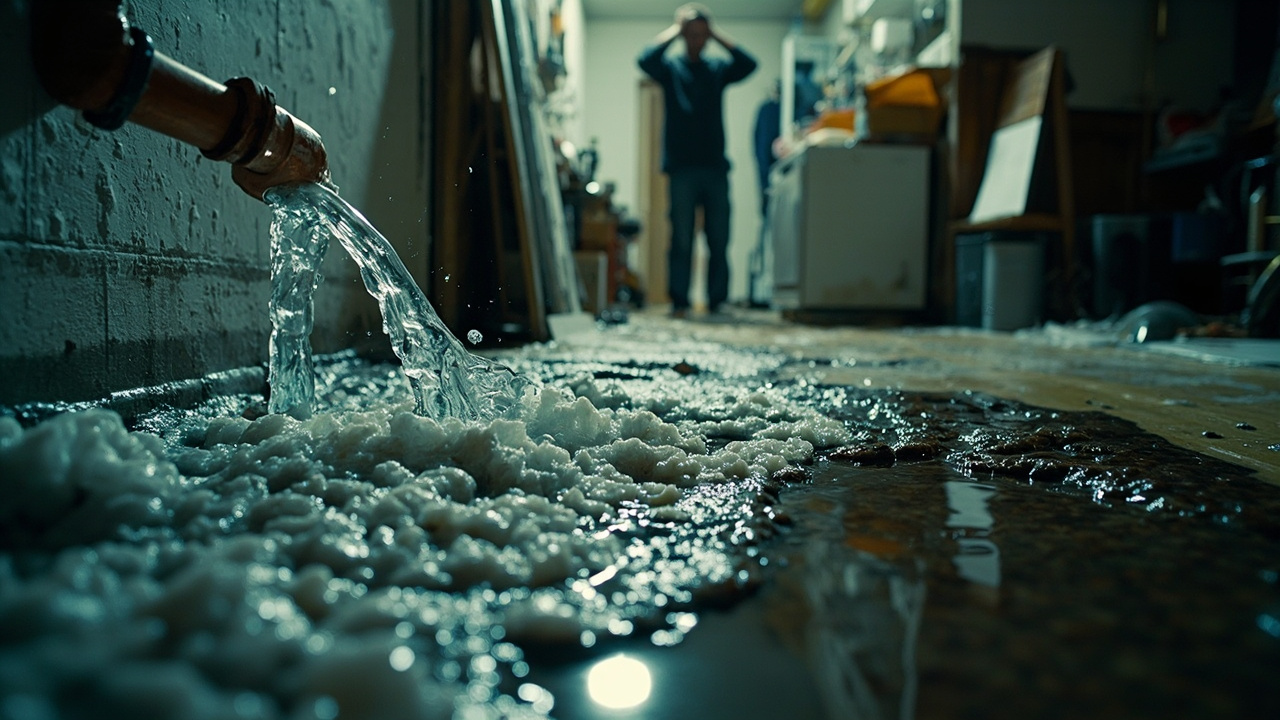
Not all water damage is the same. The water soaking your Tampa home falls into three distinct IICRC water categories, and each demands a different response.

Category 1 is clean water from supply lines or rain. Category 2 is gray water from dishwashers or washing machines, carrying bacteria and contaminants. Category 3 is black water from sewage or flooding, laden with pathogens and toxins.

Tampa's heat and humidity accelerate contamination. Category 1 water can degrade to Category 2 within 48 hours as it absorbs dirt, dust, and building materials. Within days, bacterial growth escalates it to Category 3. Your air conditioning drip pan overflow might start clean, but in Tampa's 90-degree summer heat, that standing water becomes a breeding ground fast.

The Hillsborough River and Tampa Bay create high water tables across Westshore, Hyde Park, and Davis Islands. Groundwater intrusion often carries soil contaminants, starting as Category 2 or 3 from the first moment it enters your crawlspace or slab foundation.

Water quality classifications determine drying methods, disposal requirements, and safety protocols. Category 3 contamination requires full PPE, antimicrobial treatment, and often material removal. Category 1 might need only extraction and drying. Misidentifying the category puts your health at risk and turns a manageable problem into a mold nightmare.

Understanding water contamination levels is not academic. It is the difference between a safe restoration and a hidden biohazard festering behind your drywall. Tampa's climate does not forgive mistakes.

Why Water Category Matters More in Tampa's Humid Climate
How We Classify and Treat Each Water Damage Category

How We Classify and Treat Each Water Damage Category

We do not guess. Every Tampa water damage call begins with source identification and contamination assessment.

Our technicians trace the water to its origin. A burst copper pipe in your attic starts as Category 1. A toilet overflow is Category 3 immediately. A washing machine discharge hose failure falls into Category 2 because it contains detergents, lint, and bacteria from soiled clothing.

We test for contamination when the source is unclear. Groundwater seepage through your foundation might look clean, but it carries soil bacteria, fertilizers, and pesticides. We use moisture meters, thermal imaging, and visual inspection to map affected areas and determine how long the water has been present.

Time changes everything. If Category 1 water sat for three days in your Carrollwood home during a vacation, we treat it as Category 2 or 3. Tampa's average indoor humidity of 50 to 60 percent creates ideal bacterial growth conditions within 24 to 48 hours.

Treatment protocols shift with each category. Category 1 allows us to save most materials through extraction, dehumidification, and air movement. Category 2 requires antimicrobial application and closer monitoring for salvageability. Category 3 demands disposal of porous materials like drywall, insulation, and carpet padding. We do not take shortcuts.

We document everything for your insurance carrier. Water damage categories directly impact coverage and claim amounts. Insurers need proof that contamination levels justified our restoration approach. Our reports include photos, moisture readings, and contamination assessments that substantiate the scope of work.

Proper classification protects you. Treating Category 3 water like Category 1 leaves pathogens in your home. We follow IICRC S500 standards to ensure your Tampa property is truly restored, not just dried.

How We Assess Water Categories in Your Tampa Property

Categories of Water in Tampa – Understanding Contamination Levels That Protect Your Property and Health
01

Source Identification and Tracing

We locate the water origin within minutes of arrival. Our team traces supply lines, inspects plumbing fixtures, and checks roof penetrations or foundation cracks. Identifying whether water came from a clean source or contaminated origin determines the entire restoration strategy. We photograph the source and document findings for your records and insurance carrier. Tampa's complex plumbing systems in older neighborhoods like Seminole Heights require experience to trace hidden leaks through walls and slabs.
02

Contamination Level Assessment

We evaluate water quality using IICRC standards and visual inspection. Clean water from supply lines is Category 1. Water containing chemicals, detergents, or biological matter is Category 2. Sewage, flooding, or long-standing water is Category 3. We consider how long water has been present, as Tampa's heat accelerates bacterial growth. Moisture meters and thermal imaging reveal hidden saturation behind baseboards and inside wall cavities. This assessment determines which materials we can dry and which require disposal for safety.
03

Protocol Assignment and Documentation

We assign restoration protocols based on confirmed water category. You receive a written scope detailing extraction methods, antimicrobial treatments, material removal, and drying timelines. Category 3 events require full documentation for health department compliance and insurance purposes. We explain what happens next, answer questions about salvageability, and provide realistic timelines. Our technicians begin work only after you understand the plan. This transparency prevents surprises and ensures your Tampa home receives the correct treatment for the contamination level present.

Why Tampa Homeowners Trust Our Water Category Expertise

Water contamination is not subjective. It requires training, tools, and adherence to industry standards that many restoration companies skip.

We hold IICRC certifications in Water Damage Restoration and Applied Structural Drying. Our technicians complete continuing education annually to stay current with evolving protocols for contamination assessment and treatment. This is not optional for us.

Tampa's unique water damage risks demand local experience. We have restored properties after Hillsborough River flooding, where Category 3 water mixed with stormwater runoff contaminated hundreds of homes in Temple Terrace and Lowry Park. We have handled sewage backups in South Tampa's aging clay pipe systems, where tree root intrusion causes frequent Category 3 events.

We know how Tampa's building materials respond to each water category. Homes built in the 1950s and 1960s across Town 'N' Country and Carrollwood often have original drywall and insulation that cannot withstand Category 2 or 3 exposure. Modern construction in New Tampa uses mold-resistant materials that allow more aggressive drying, but only when contamination is truly Category 1.

Our documentation protects your insurance claim. Carriers deny claims when contamination levels are unsubstantiated or when treatment does not match the declared category. We provide moisture logs, photographic evidence, and detailed narratives that meet adjuster requirements. Your claim moves forward because our reports are bulletproof.

We do not upsell. If your water damage is Category 1 and caught early, we tell you. We do not inflate scope to increase revenue. If it is Category 3, we do not downplay it to save you money short-term, only to have mold or bacteria appear later. You get the truth and the correct fix the first time.

Fortress Water Damage Restoration Tampa built its reputation on technical accuracy and transparent communication. You deserve to know what is in your walls and how we are fixing it.

What to Expect During Water Category Assessment and Restoration

Immediate Response and Category Assignment

We arrive at your Tampa property within 60 to 90 minutes of your call. Our technician performs a visual inspection, traces the water source, and assigns an initial category classification. You receive a verbal explanation of what the category means for your property and health. If contamination is Category 2 or 3, we discuss safety concerns and immediate containment steps. This initial assessment takes 20 to 40 minutes. We begin emergency extraction and containment immediately after category confirmation. You are never left wondering what is happening or why specific steps are necessary.

Detailed Inspection and Moisture Mapping

After stabilizing the situation, we conduct a comprehensive inspection using moisture meters and thermal imaging cameras. We check wall cavities, subfloors, insulation, and HVAC ducts for hidden water migration. Tampa's concrete slab foundations often hide water under tile or vinyl flooring. We document moisture levels in every affected material and photograph all findings. This data determines which materials can be dried in place and which require removal due to contamination. You receive a written moisture map showing exactly where water traveled and what category of contamination exists in each area. This prevents guessing and ensures thorough treatment.

Category-Specific Restoration and Verification

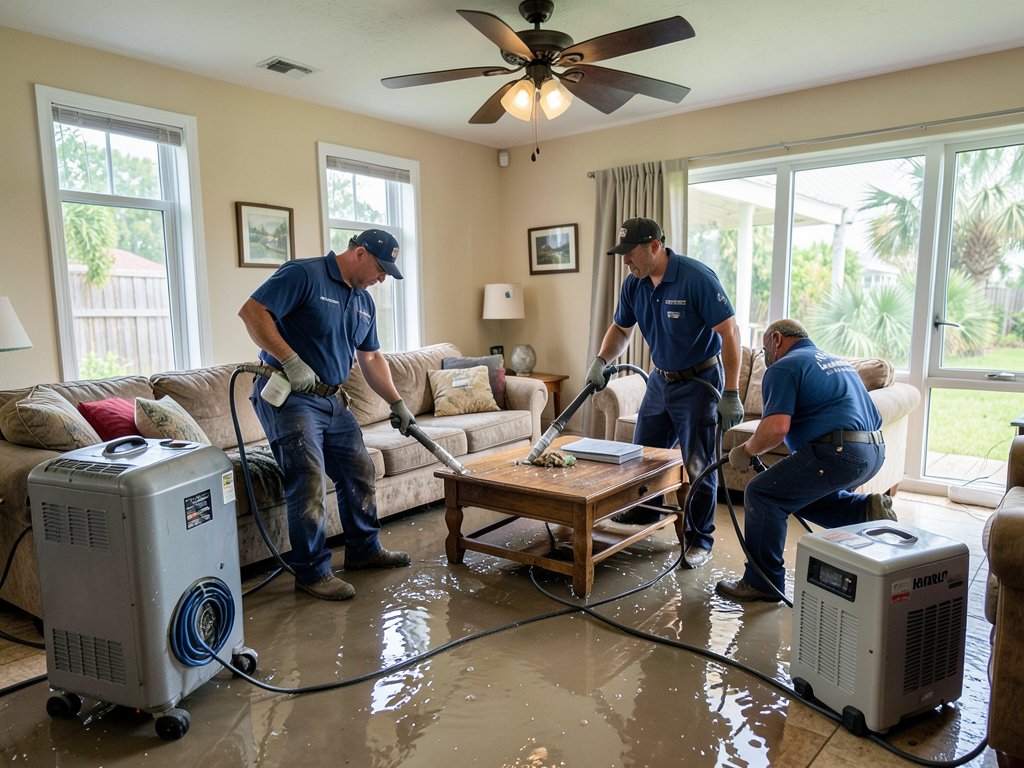
Treatment begins based on confirmed water category. Category 1 events receive extraction, dehumidification, and air circulation. Category 2 requires antimicrobial application and controlled drying. Category 3 demands removal of porous materials like drywall, insulation, carpet, and padding before disinfection and drying. We monitor progress with daily moisture readings and adjust equipment as needed. Tampa's humidity means drying takes three to five days for Category 1 and up to seven days for Category 2 or 3 after demolition. You receive daily updates. We do not leave until moisture levels return to normal and contamination is eliminated.

Post-Restoration Documentation and Clearance

After drying is complete, we perform final moisture verification and document all readings. You receive a comprehensive restoration report including pre-loss photos, contamination assessment, daily moisture logs, equipment placement diagrams, and final clearance documentation. This report satisfies insurance requirements and provides proof that your Tampa home was restored to safe, dry conditions according to IICRC standards. If Category 3 contamination was present, we recommend post-remediation mold testing by a third-party hygienist for added peace of mind. We provide referrals to qualified testers and coordinate access. Your home is not just dry, it is documented as safe and ready for rebuild.

Frequently Asked Questions

You Have Questions,
We Have Answers

What are the 5 types of water? +

In water damage restoration, you will encounter three categories: Category 1 (clean water from supply lines or rain), Category 2 (gray water with contaminants like washing machine overflow), and Category 3 (black water with sewage or flooding). Tampa homes face all three types due to frequent storms, aging plumbing, and high humidity. Clean water can degrade to gray or black water within 48 hours if not addressed. The category determines your health risk and the intensity of the cleanup. Each requires different safety protocols and equipment to protect your family and property.

What are the three categories of water? +

The three categories of water in restoration are based on contamination level. Category 1 is clean water from broken pipes or rainwater. Category 2 is gray water containing chemical or biological contaminants from appliances or toilet overflow (urine only). Category 3 is black water from sewage backups, storm surge, or standing water. Tampa properties experience all three due to hurricane flooding, plumbing failures, and the Hillsborough River's proximity to many neighborhoods. Your restoration approach depends entirely on the category. Higher categories require specialized PPE, antimicrobial treatment, and often full material removal to ensure safety.

What is category 1, 2, and 3 water? +

Category 1 water is clean and poses no immediate health threat. It comes from supply lines, faucets, or fresh rainwater. Category 2 (gray water) contains contaminants like detergent, dirt, or urine that can cause illness if ingested. Category 3 (black water) is grossly contaminated with sewage, floodwater, or bacteria and requires immediate professional intervention. In Tampa, Category 1 water from a burst pipe can become Category 3 within hours in the humid climate as mold and bacteria multiply rapidly. Never assume water is safe. Always test and treat based on the current category, not the original source.

What are the different types of water categories? +

Water damage falls into three main categories based on contamination. Category 1 is sanitary water from clean sources like supply pipes. Category 2 (gray water) has moderate contamination from washing machines, dishwashers, or sump pumps. Category 3 (black water) is highly unsanitary from sewage, flooding, or stagnant water. Tampa properties face unique challenges because high humidity accelerates category degradation. Clean water left untreated for 48 hours becomes gray water. Gray water becomes black water. Each category demands different cleanup methods. You need proper assessment before starting any restoration to protect your health and avoid cross-contamination.

What are the 7 types of water? +

You are likely thinking of water types beyond restoration categories. In restoration, there are three contamination categories (clean, gray, black) and four classes based on evaporation rate (Class 1 through Class 4). Some lists reference municipal water sources (potable, raw, recycled), but for Tampa water damage, focus on the three categories. Category determines health risk. Class determines drying difficulty. A flooded home in South Tampa might have Category 3 water (from storm surge) and Class 3 damage (wet walls and insulation), requiring aggressive extraction, antimicrobial treatment, and controlled drying to prevent structural damage and mold.

What are the 10 forms of water? +

In water damage restoration, you do not work with 10 forms of water. The industry uses three contamination categories (clean, gray, black) and four damage classes. You may encounter water in different states (liquid, vapor, ice), but for restoration purposes in Tampa, your concern is contamination level and absorption rate. Category determines safety protocols. Class determines drying strategy. Tampa's subtropical climate means you face high humidity year-round, which accelerates evaporation but also promotes microbial growth. Standing water, absorbed water in drywall, and airborne moisture all require different equipment and techniques to remove safely and completely.

What are the different classifications of water? +

Water classifications in restoration refer to the three contamination categories. Category 1 is clean water from sanitary sources. Category 2 is gray water with some contaminants. Category 3 is black water that is grossly unsanitary. Separately, the four classes (Class 1-4) describe how much water absorbed into materials and how hard it is to dry. In Tampa, you often face Category 3 flooding from hurricanes or the Hillsborough River. The high ambient humidity complicates drying, often pushing damage into Class 3 or Class 4. Proper classification guides your restoration strategy, equipment needs, and timeline.

What is category 3 water? +

Category 3 water is grossly contaminated and unsafe. It contains sewage, bacteria, fungi, or chemicals. Sources include toilet backups, storm surge, rising floodwater, or any standing water that has sat for days. In Tampa, Category 3 events are common during hurricane season when storm surge mixes with sewage systems or when the Hillsborough River floods low-lying neighborhoods. You cannot clean Category 3 water with household methods. Professionals use full PPE, antimicrobial agents, and remove porous materials like drywall and carpet. Exposure can cause serious illness. Never enter standing floodwater without proper training and equipment.

What are the 4 categories of water use? +

The four categories of water use (municipal, industrial, agricultural, residential) differ from restoration categories. In water damage restoration for Tampa properties, you focus on contamination categories (clean, gray, black), not usage. If you are asking about restoration contexts, the four classes describe absorption: Class 1 (minimal absorption), Class 2 (fast evaporation), Class 3 (slow evaporation), and Class 4 (specialty drying). Tampa homes often experience Class 3 or 4 damage due to high humidity and materials like concrete and plaster common in older neighborhoods. Understanding class helps determine equipment needs and drying time for your specific situation.

What are the four classes of water? +

The four classes of water describe how much material absorbed water and how difficult drying will be. Class 1 affects minimal area with low absorption. Class 2 has fast evaporation with wet carpet and cushion. Class 3 involves slow evaporation with water absorbed into walls, ceilings, and insulation. Class 4 requires specialty drying for hardwood, concrete, or plaster. Tampa homes often face Class 3 or 4 damage due to construction types in areas like Hyde Park or Ybor City and the constant high humidity. Class determines equipment needs, drying time, and cost. Your restoration team assesses class using moisture meters before starting work.

Why Tampa's Humidity Escalates Water Contamination Faster Than Dry Climates

Tampa averages 75 percent relative humidity year-round, with summer months exceeding 80 percent. This moisture-saturated air prevents evaporation and accelerates bacterial growth in standing water. Category 1 water sitting for 48 hours in a dry climate like Phoenix might remain relatively clean. The same water in a Tampa home in July becomes Category 2 or 3 within 24 to 36 hours as bacteria multiply. Mold spores activate within 24 hours, and biofilm develops on wet surfaces within two days. Your air conditioning system cycles constantly to manage indoor humidity, but once water damage occurs, that system spreads contaminated air through ducts. Tampa's climate demands faster response and stricter contamination protocols than most regions.

IICRC S500 standards guide our contamination classification and treatment protocols. These standards were developed specifically to address health risks associated with different water quality classifications. Local Tampa building codes require licensed contractors to follow these standards when performing structural drying and restoration. Insurance carriers reference IICRC protocols when evaluating claims and determining coverage. Fortress Water Damage Restoration Tampa trains technicians to S500 standards because shortcuts lead to callbacks, mold growth, and liability. We have restored properties across Hillsborough County for over a decade, building relationships with adjusters, plumbers, and general contractors who trust our assessments. Local expertise matters because Tampa's unique challenges require understanding beyond textbook training.
Water Damage Restoration Services in The Tampa Area

We proudly serve the entire Tampa area with rapid-response water damage restoration services. Whether you’re downtown, in the suburbs, or operating a business near the bay, our expert team is just minutes away. Use the map below to view our service zone or find our nearest location. We’re ready to respond wherever you need us. Your peace of mind is only a call or click away.

Address:
Fortress Water Damage Restoration Tampa, 4830 W Kennedy Blvd #600, Tampa, FL, 33609

Additional Services We Offer

Our news updates

Latest Articles & News from The Blogs

How Clogged Gutters and Downspouts Can Lead to a Flooded Living Room in Wooded Lutz Neighborhoods When heavy afternoon thunderstorms…

How Clogged Gutters and Downspouts Can Lead to a Flooded Living Room in Wooded Lutz Neighborhoods

How Clogged Gutters and Downspouts Can Lead to a Flooded Living Room in Wooded Lutz Neighborhoods When heavy afternoon thunderstorms…

Why You Should Never Use Bleach to Clean Up Mold After a Leak in Your Tampa Palms Home

Why You Should Never Use Bleach to Clean Up Mold After a Leak in Your Tampa Palms Home When you…

Dealing With Water Damage in Your Backyard ADU or Guest House in Seminole Heights

Dealing With Water Damage in Your Backyard ADU or Guest House in Seminole Heights Water damage in a Seminole Heights…

Contact Us

Do not assume your water damage is safe because it looks clean. Call Fortress Water Damage Restoration Tampa at (656) 219-8088 now. We will assess contamination levels, explain your risks, and start the correct restoration process immediately. Your health depends on accurate water category identification.