




Menu

Sewage Backup Cleanup in Tampa – Expert Raw Sewage Removal When Minutes Matter

Fortress Water Damage Restoration Tampa provides comprehensive sewage backup cleanup with rapid containment, EPA-compliant sanitization, and complete structural drying to protect your family and property from biohazard exposure.

Slider Image 1
Slider Image 2
Slider Image 3
Slider Image 4
Slider Image 5
Slider Image 7
Slider Image 8
Slider Image 9
Slider Image 10
Slider Image 11

Why Sewage Backups Happen More Often in Tampa Properties

Tampa's low elevation and outdated sewer infrastructure create the perfect conditions for sewage backups. When heavy rain overwhelms the city's aging combined sewer systems, wastewater forces itself back through your floor drains, toilets, and basement pipes. Properties near Old Tampa Bay, the Hillsborough River, and neighborhoods like Seminole Heights face the highest risk because the water table sits just inches below your foundation slab.

You smell it before you see it. That unmistakable odor means raw sewage has entered your living space, carrying pathogens like E. coli, hepatitis A, and salmonella. Every minute sewage sits on your floors, it penetrates deeper into porous materials like drywall, subflooring, and insulation. The bacteria multiply fast in Tampa's heat and humidity.

Sewage damage restoration is not a DIY project. Category 3 water contamination requires professional sewage removal equipment, biohazard protocols, and structural drying that most homeowners do not possess. Standing sewage water contains fecal matter, viruses, and parasites that standard cleaning cannot eliminate. You need specialized antimicrobial treatments and air scrubbing to make your home safe again.

The longer you wait, the worse it gets. Sewage remediation must start within hours to prevent permanent damage to your flooring systems and wall cavities. What begins as a toilet overflow can destroy an entire bathroom and adjacent rooms if you delay calling for sewer backup cleaning.

Why Sewage Backups Happen More Often in Tampa Properties
How Professional Sewage Cleanup Works in Tampa Homes

How Professional Sewage Cleanup Works in Tampa Homes

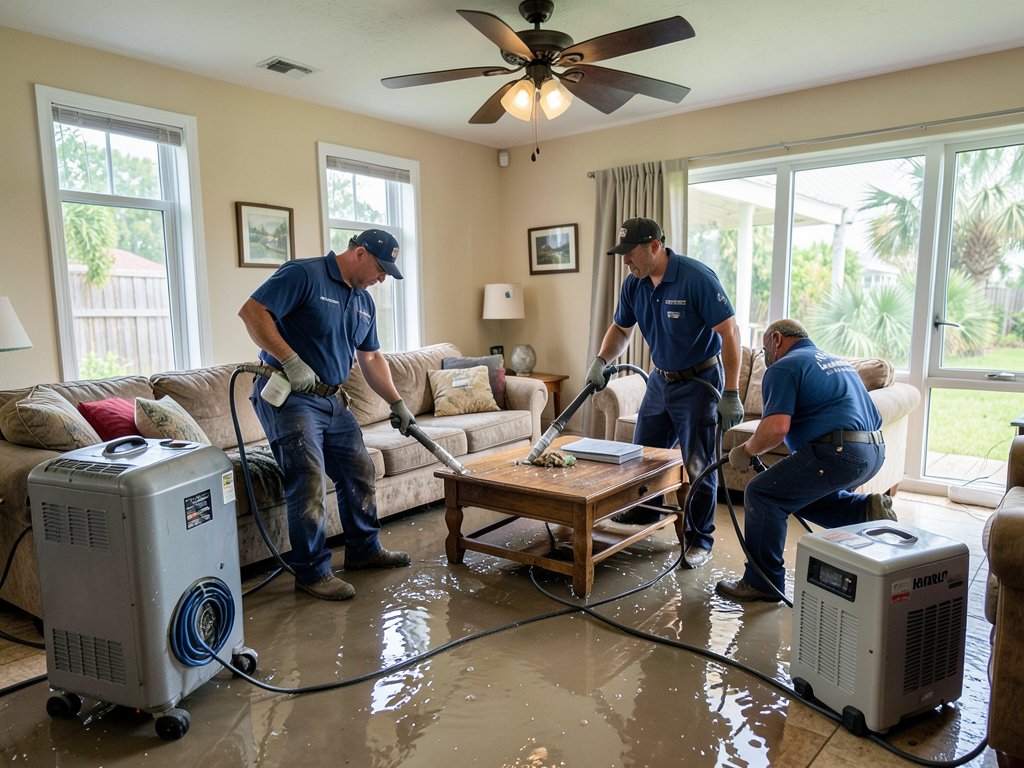
Raw sewage cleanup starts with immediate containment. We isolate the affected area to prevent cross-contamination to clean zones of your home. Our technicians wear hazmat suits, respirators, and waterproof boots because sewage exposure can cause serious illness. We shut off the water source if the backup stems from a broken supply line or failed ejector pump.

Extraction comes next. We use truck-mounted vacuum systems that pull thousands of gallons per hour, removing standing sewage water down to the concrete slab or subfloor. Standard wet vacs cannot handle Category 3 waste. This requires industrial equipment with sealed containment tanks that prevent aerosolization of pathogens during transport.

After extraction, we remove all non-salvageable materials. Carpet pad, drywall below the waterline, and baseboards must go because porous materials absorb sewage and cannot be fully sanitized. We document everything with photos for your insurance adjuster. Most homeowners policies cover sudden sewage backups but not gradual seepage from poor maintenance.

Sanitization follows demolition. We apply EPA-registered antimicrobial solutions to all hard surfaces, studs, and subflooring. These hospital-grade disinfectants kill 99.9% of bacteria, viruses, and fungi on contact. Then we set up hydroxyl generators or ozone machines to sanitize the air and treat surfaces cleaning solutions cannot reach.

The final phase is structural drying. We place commercial dehumidifiers and air movers throughout the affected space to pull moisture from wood framing and concrete. We monitor moisture levels daily with thermal imaging and penetrating moisture meters until readings return to normal. This prevents mold growth that shows up two to three days after sewage exposure.

What Happens During Your Sewage Emergency Call

Sewage Backup Cleanup in Tampa – Expert Raw Sewage Removal When Minutes Matter
01

Immediate Dispatch and Assessment

When you call our emergency line, we dispatch a crew to your property within 60 minutes. Our technician conducts a contamination assessment to identify the sewage source, measure the spread area, and determine affected materials. We classify the damage severity using IICRC S500 standards and create a containment plan before any work begins. You receive a detailed scope outline before we start extraction.
02

Extraction and Decontamination

We extract all standing sewage using truck-mounted vacuum systems, then remove contaminated materials like carpet, pad, and drywall. Our team applies antimicrobial treatments to all exposed surfaces and structural elements. We bag and seal all sewage-damaged materials in biohazard containers for proper disposal. Air scrubbers with HEPA filtration run continuously during this phase to capture airborne pathogens and control odors throughout your home.
03

Structural Drying and Verification

We install industrial dehumidifiers and air movers to dry framing, subfloors, and concrete slabs. Our technicians take daily moisture readings using thermal cameras and penetrating probes. Once all materials reach normal moisture content, we perform final ATP testing to verify microbial load meets safe reoccupancy standards. You receive documentation showing your home is safe for reconstruction and habitation before we remove equipment.

Why Tampa Homeowners Choose Fortress for Sewage Emergencies

Sewage backups require specialized knowledge of Tampa's plumbing infrastructure and local contamination risks. We understand how the city's combined sewer overflow system works and which neighborhoods face the highest backup risk during storm surge events. Our crews know the difference between a main line stoppage and a municipal system failure, which determines liability and insurance coverage.

We hold IICRC certification in Applied Microbial Remediation, the industry standard for biohazard cleanup. Most water damage companies lack this credential because it requires specialized training in pathogen identification, sanitization chemistry, and exposure prevention. Our technicians complete annual bloodborne pathogen training and follow OSHA protocols for Category 3 water contamination.

Response speed matters in sewage situations. We staff crews 24 hours a day because sewage damage accelerates fast in Tampa's climate. Our average response time sits under 60 minutes for emergencies in Westchase, New Tampa, South Tampa, and Brandon. We arrive with containment barriers, extraction equipment, and antimicrobial supplies already loaded.

We work directly with your insurance carrier to document the loss and justify the scope. Sewage claims require detailed contamination mapping and material testing that adjusters expect before approving payment. We photograph moisture readings, contamination spread patterns, and affected materials. Our estimates break down costs by category so you understand what insurance covers versus out-of-pocket expenses.

You need a company that treats sewage cleanup as the serious health emergency it is. We do not take shortcuts on sanitization or try to save materials that should be removed. Your family's safety comes before minimizing demo costs.

What to Expect During Sewage Backup Cleanup

Emergency Response Time

We guarantee arrival within 60 minutes for sewage emergencies anywhere in the Tampa metro area. Our dispatch team answers calls 24 hours a day, 365 days a year, including holidays. When you call, we ask targeted questions about the contamination source, spread area, and whether you have standing water. This helps us bring the right equipment on the first trip. We never make you wait until morning when sewage is actively contaminating your living space. Speed directly impacts how much demolition is required and whether mold takes hold.

Contamination Assessment Protocol

Our initial assessment identifies the contamination category, affected materials, and spread pattern. We use moisture meters and thermal imaging to find hidden saturation in wall cavities and under flooring. You receive a written scope that outlines what must be removed, what can be saved, and the sanitization protocol we will follow. We test sewage pH levels and document findings with photos and diagrams for your insurance claim. This assessment takes 30 to 45 minutes and costs nothing if you proceed with our cleanup services.

Final Sanitization Standards

We do not consider the job complete until ATP testing confirms microbial levels meet safe reoccupancy standards. ATP meters measure living bacteria on surfaces in real time, giving you objective proof that sanitization worked. We provide a clearance certificate showing your home passed microbial testing before we remove drying equipment. All hard surfaces receive two rounds of EPA-registered disinfectant with appropriate dwell time. Air scrubbers run for a minimum of 72 hours to capture airborne pathogens. You receive detailed documentation of sanitization chemistry, contact times, and verification testing results.

Post-Cleanup Monitoring and Support

We schedule a follow-up visit 7 to 10 days after completing cleanup to verify no secondary issues have developed. This includes moisture testing and visual inspection for early mold growth. You receive care instructions for monitoring humidity levels and recognizing signs of incomplete drying. We provide direct contact information for your project manager in case questions arise during reconstruction. If you detect lingering odors or notice moisture reappearing, we return to investigate at no additional charge within 30 days of completion.

Frequently Asked Questions

You Have Questions,
We Have Answers

How much does sewage backup cleanup cost? +

Sewage backup cleanup costs in Tampa vary based on the extent of contamination, affected areas, and structural damage. Minor backups in a bathroom may run lower, while extensive flooding across multiple rooms or crawlspaces increases costs significantly. Factors include water extraction volume, antimicrobial treatment needs, demolition of contaminated drywall or flooring, and disposal fees for biohazard materials. Tampa's high humidity accelerates microbial growth, often requiring aggressive drying and dehumidification. Always get a detailed estimate that includes testing, containment, and post-cleanup verification. Most restoration companies offer direct insurance billing to ease the financial burden during an emergency.

Is it safe to stay in house after sewage backup? +

No. You should evacuate immediately after a sewage backup. Raw sewage contains dangerous bacteria, viruses, and parasites that pose serious health risks through inhalation, skin contact, or ingestion. Tampa's heat and humidity create ideal conditions for rapid pathogen multiplication, worsening contamination within hours. Children, elderly residents, and anyone with compromised immune systems face elevated risks. Do not attempt cleanup without proper personal protective equipment and professional-grade disinfectants. Stay out until certified technicians complete extraction, sanitization, air quality testing, and clearance verification. Your safety comes first. Temporary relocation protects your family while professionals restore your home to safe, habitable conditions.

Can carpet be cleaned after a sewer backup? +

Carpet exposed to sewage backup is usually non-salvageable and must be removed. Sewage is Category 3 water, the most contaminated classification, containing fecal matter, pathogens, and chemical contaminants that penetrate carpet fibers and padding deeply. Even professional extraction cannot guarantee complete pathogen removal from porous materials. Tampa's humidity further accelerates mold growth beneath carpets, creating secondary health hazards. Industry standards and health codes typically require disposal of sewage-contaminated carpets and padding. Hard flooring like tile or sealed concrete can sometimes be disinfected and saved. Attempting to clean sewage-soaked carpet yourself risks ongoing contamination and liability. Professional assessment determines what materials require replacement.

Is sewage backup a biohazard? +

Yes. Sewage backup is classified as a Category 3 biohazard, the highest contamination level in water damage restoration. It contains harmful bacteria like E. coli and Salmonella, viruses including Hepatitis A, parasites, fungi, and toxic chemicals. Direct contact causes infections, gastrointestinal illness, and respiratory problems. Airborne pathogens spread through Tampa's humid conditions, contaminating HVAC systems and porous surfaces throughout your property. Federal OSHA regulations mandate specific protocols for handling biohazardous sewage, including containment barriers, antimicrobial agents, PPE requirements, and specialized disposal procedures. Never treat sewage cleanup as ordinary water damage. Professional biohazard remediation protects your family's health and prevents long-term contamination risks that ordinary cleaning cannot address.

Does homeowners insurance cover sewage cleanup? +

Standard homeowners insurance typically excludes sewage backup unless you purchased separate sewer and drain backup coverage. This optional endorsement covers damage from sewer line failures, septic system overflows, and drain blockages. Without it, you pay out of pocket for cleanup, repairs, and contents replacement. Tampa homeowners should verify their policy details, as Florida's water table and aging infrastructure increase backup risks during heavy storms. The endorsement usually costs minimal additional premium but provides substantial protection. If you have coverage, document everything immediately with photos and contact your insurer before cleanup begins. Professional restoration companies often handle direct insurance billing and claims documentation to expedite the process.

Can I clean my sewer line myself? +

You can attempt minor drain clearing with a plunger or hand snake for simple clogs, but avoid DIY methods for actual sewage backups or main line blockages. Tampa's older neighborhoods often have clay pipes prone to root intrusion, offset joints, and collapses that require professional camera inspection and hydro jetting. Using chemical drain cleaners on sewage lines risks pipe damage and creates hazardous fumes when mixed with waste. Main sewer line work involves biohazard exposure, specialized equipment, and potential permit requirements. Misdiagnosing the problem wastes time while contamination spreads. Licensed plumbers have video inspection tools to identify exact blockage locations and appropriate solutions, whether clearing, repair, or replacement.

What are the symptoms of sewage sickness? +

Sewage exposure causes gastrointestinal symptoms including nausea, vomiting, diarrhea, stomach cramps, and fever, typically appearing within 24 to 72 hours. Respiratory symptoms include coughing, shortness of breath, and sinus infections from airborne pathogens. Skin contact may cause rashes, irritation, or infected wounds. Severe cases involve dehydration, high fever, and bacterial infections requiring medical intervention. Tampa's climate accelerates pathogen activity, increasing infection risks. Children, elderly individuals, and immunocompromised people face heightened dangers. If you experience symptoms after sewage exposure, seek medical attention immediately and inform your doctor about the exposure. Prevention requires proper protective equipment during cleanup and thorough decontamination of exposed skin. Never ignore symptoms or delay treatment.

Can sewage backup into a shower? +

Yes. Sewage can back up into showers, bathtubs, and any drain connected to your home's waste system. When main sewer lines clog or fail, wastewater seeks the lowest available drain opening. Ground-floor showers are particularly vulnerable in Tampa homes built on slab foundations. Multiple drains gurgling simultaneously, slow drainage throughout the house, or foul odors from shower drains signal potential main line problems. Tree roots, pipe collapses, and municipal sewer overflows during heavy storms frequently cause backup issues in older Tampa neighborhoods. If sewage appears in your shower, stop using all water fixtures immediately, evacuate the area, and call a licensed plumber for camera inspection before the problem worsens.

What happens if a septic tank is never pumped out? +

An unpumped septic tank eventually overflows, causing sewage backups into your home, yard surfacing, and groundwater contamination. Solid waste accumulates and blocks the outlet baffle, preventing proper drainage. Tampa's high water table worsens the problem, accelerating system failure during rainy season. You may notice slow drains, gurgling toilets, foul odors, or soggy drain field areas before complete failure. Neglected tanks also risk structural damage, requiring expensive replacement rather than routine pumping. The Florida Department of Health recommends pumping every three to five years depending on household size and usage. Regular maintenance prevents catastrophic failures, protects your property value, and avoids health code violations that can result in fines.

How to sanitize after sewage backup? +

Sanitizing after sewage backup requires EPA-registered antimicrobial disinfectants, not household cleaners. Professional remediation follows strict protocols including containment barriers, complete water extraction, removal of contaminated porous materials, HEPA air filtration, and application of hospital-grade disinfectants to all hard surfaces. Tampa's humidity demands aggressive structural drying with commercial dehumidifiers to prevent secondary mold growth. All affected areas need antimicrobial fogging and surfaces require minimum 10-minute disinfectant contact time. Disposal of contaminated materials follows biohazard regulations. Air quality testing verifies safe conditions before reoccupation. DIY sanitizing cannot achieve professional results or address hidden contamination in wall cavities, subfloors, or HVAC systems. Proper remediation protects long-term health and property value.

How Tampa's Aging Sewer Lines and Frequent Flooding Increase Sewage Backup Risk

Tampa's sewer infrastructure dates back to the 1920s in neighborhoods like Hyde Park and Ybor City, with clay and cast iron pipes that crack under pressure from tree roots and ground settling. The city's flat topography and high water table mean sewage has nowhere to drain during heavy rain events. When tropical storms dump 6 inches in three hours, the combined sewer system overflows and pushes raw sewage back through residential floor drains. Properties near Bayshore Boulevard and along the Hillsborough River face the highest backup frequency because they sit at the lowest elevation points in the drainage basin.

Local sewage remediation requires familiarity with Tampa's building codes and health department requirements for biohazard cleanup. The Hillsborough County Health Department mandates specific sanitization protocols and waste disposal procedures that out-of-state companies often miss. We maintain relationships with local plumbing contractors who specialize in sewer line repair and can respond quickly when your backup stems from a broken lateral connection. Our team knows which situations require city involvement versus private property fixes, saving you time and preventing compliance issues that delay insurance payment.
Water Damage Restoration Services in The Tampa Area

We proudly serve the entire Tampa area with rapid-response water damage restoration services. Whether you’re downtown, in the suburbs, or operating a business near the bay, our expert team is just minutes away. Use the map below to view our service zone or find our nearest location. We’re ready to respond wherever you need us. Your peace of mind is only a call or click away.

Address:
Fortress Water Damage Restoration Tampa, 4830 W Kennedy Blvd #600, Tampa, FL, 33609

Additional Services We Offer

Our news updates

Latest Articles & News from The Blogs

How Professional Grade Sensors Find Hidden Pockets of Water in Tampa Heights Walls When moisture seeps into the walls of…

How Professional Grade Sensors Find Hidden Pockets of Water in Tampa Heights Walls

How Professional Grade Sensors Find Hidden Pockets of Water in Tampa Heights Walls When moisture seeps into the walls of…

Why Every Westchase Homeowner Needs a Smart Leak Detection System in 2026

Westchase Homes Face Unique Water Risks Living in Westchase means dealing with Florida's high humidity and aging plumbing systems. Many…

The Hidden Health Risks of Lingering Floodwater in Your Ruskin Home

The Hidden Health Risks of Lingering Floodwater in Your Ruskin Home Floodwater in Ruskin homes carries more than just water.…

Contact Us

Raw sewage damages your home and threatens your health every minute it sits untreated. Call Fortress Water Damage Restoration Tampa now at (656) 219-8088 for immediate dispatch. Our crews are standing by 24 hours a day to contain the contamination and start professional cleanup.