





Menu

Hidden Moisture Detection in Tampa – Stop Mold Growth Before It Spreads Through Your Property

Advanced thermal imaging and moisture mapping technology locates trapped water behind walls, under floors, and in ceilings before structural damage or toxic mold threatens your Tampa home or business.

Slider Image 1
Slider Image 2
Slider Image 3
Slider Image 4
Slider Image 5
Slider Image 7
Slider Image 8
Slider Image 9
Slider Image 10
Slider Image 11

Why Hidden Water Damage Is a Silent Threat in Tampa Properties

You smell something musty in your hallway. Your water bill crept up last month. A ceiling stain appeared, then faded. These signs point to the same problem: water hiding where you cannot see it.

Tampa's humid subtropical climate creates the perfect environment for concealed water damage. When relative humidity regularly exceeds 70 percent, moisture trapped inside wall cavities or beneath tile floors never dries. It spreads. Within 48 hours, that trapped water becomes a mold incubation chamber.

The invisible leaks cause the most destruction. A pinhole leak in copper piping behind drywall can release gallons daily without visible evidence. Condensation from HVAC ducts in unconditioned attic spaces saturates insulation. Roof penetrations around vent stacks allow water intrusion during Tampa's afternoon thunderstorms, which drop an average of 46 inches of rain annually.

Detecting invisible leaks requires more than visual inspection. Water follows the path of least resistance. It travels along floor joists, seeps through mortar joints, and pools on vapor barriers you cannot access. By the time you see a water stain, the damage extends far beyond that visible mark.

Finding trapped water early prevents catastrophic problems. Subfloor rot. Electrical hazards. Respiratory issues from airborne mold spores. Structural framing that loses load-bearing capacity. These problems start small and hidden, then explode into five-figure restoration projects.

You need technology that sees what your eyes cannot. Locating concealed dampness before it compromises your property protects your investment and your health. The question is not whether hidden moisture exists in Tampa buildings. The question is how quickly you find it.

Why Hidden Water Damage Is a Silent Threat in Tampa Properties
How Professional Moisture Detection Technology Works

How Professional Moisture Detection Technology Works

Identifying unseen water intrusion requires a multi-tool approach. Each piece of equipment reveals different moisture signatures.

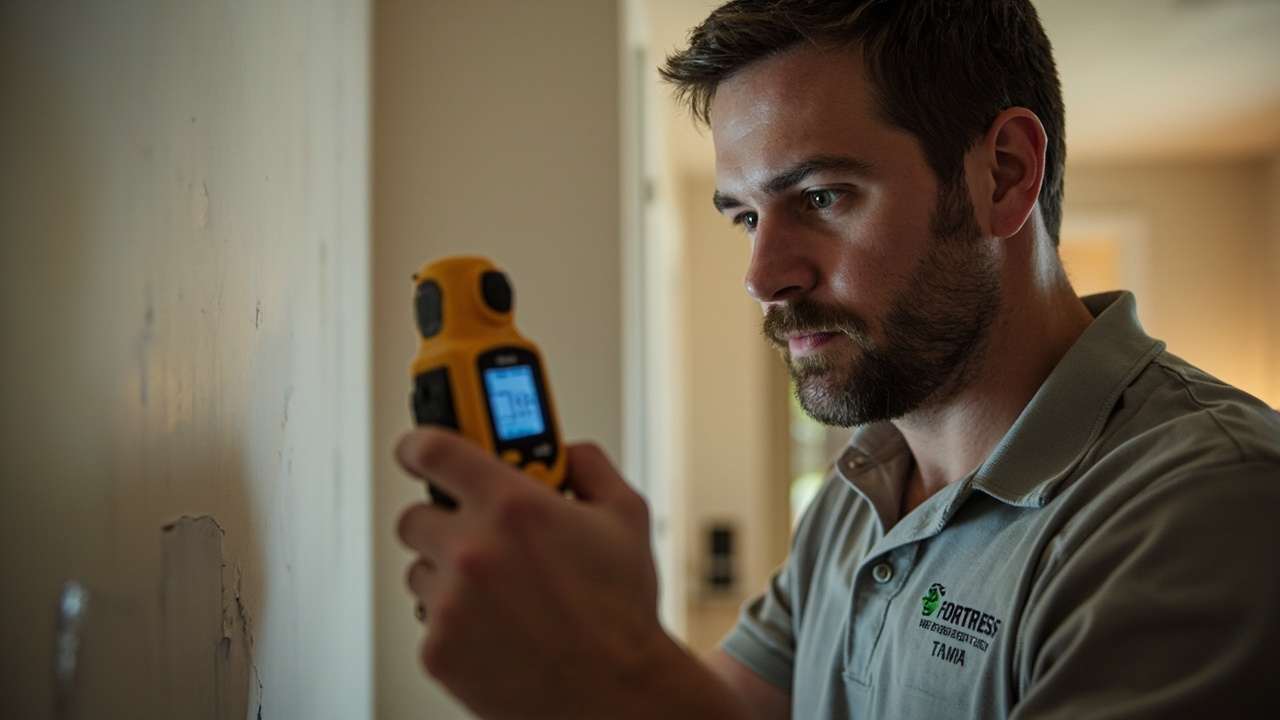
Thermal imaging cameras detect temperature differentials as small as 0.1 degrees Fahrenheit. Wet building materials conduct heat differently than dry materials. The camera displays this as color gradients on a screen. Cool spots behind walls indicate evaporative cooling from moisture. Hot spots suggest active leaks increasing surface temperature.

Infrared technology does not measure moisture directly. It identifies anomalies. We verify those anomalies with invasive moisture meters. Pin-type meters drive electrodes into suspected areas, measuring electrical resistance. Water conducts electricity. The meter quantifies moisture content as a percentage. Wood framing above 20 percent moisture content supports mold growth. We document exact readings.

Non-invasive meters use electromagnetic waves to scan up to three-quarters of an inch deep without penetrating surfaces. These devices identify moisture gradients across large wall sections quickly, pinpointing where invasive testing should focus.

Hygrometers measure ambient humidity and calculate dew point. When surface temperatures drop below dew point, condensation forms. This data explains why moisture accumulates in specific locations, even without leaks.

Spotting hidden water damage also requires understanding building assemblies. Water trapped between a tile shower pan and cement board presents differently than moisture in exterior stucco over wood sheathing. We correlate moisture readings with construction methods common to Tampa homes built in different decades.

Fortress Water Damage Restoration Tampa combines this technology with pattern recognition. We know how water behaves in concrete block construction with stucco veneer. We understand how Tampa's shallow water table affects slab foundations. Technology provides data. Experience interprets that data correctly.

What Happens During Your Moisture Detection Inspection

Hidden Moisture Detection in Tampa – Stop Mold Growth Before It Spreads Through Your Property
01

Initial Site Assessment

We walk your property and listen to your concerns. You describe the symptoms: musty odors, higher utility bills, unexplained stains. We note these areas and expand the inspection zone. Water rarely stays where it enters. We check adjacent rooms, floors above and below, and spaces sharing plumbing or HVAC systems. This creates a comprehensive inspection map before we deploy equipment.
02

Technology-Based Scanning

We scan suspect areas with thermal imaging first, identifying temperature anomalies. Non-invasive moisture meters follow, confirming elevated readings. Pin meters verify the extent and depth of moisture penetration in critical areas. We photograph all readings and infrared images, building a documented moisture map. This reveals not just where water exists, but migration patterns showing the source. Each reading gets logged with location and depth.
03

Detailed Findings Report

You receive a written report within 24 hours. It includes annotated photos, moisture readings, affected square footage, and source identification. We explain what repairs are necessary and which areas require monitoring but not immediate action. If insurance claims are involved, this documentation provides the evidence adjusters need. You get a roadmap showing exactly what is wrong and what fixes the problem permanently.

Why Tampa Property Owners Trust Local Moisture Detection Experts

Generic moisture inspections miss Tampa-specific problems. National franchises train technicians on textbook scenarios. They overlook regional construction methods and climate factors that affect how water behaves in your building.

Tampa properties built before 1980 often use concrete block construction with stucco exteriors. Water penetrates stucco through hairline cracks, then gets trapped against the block. This creates hidden reservoirs that gravity feeds down through wall cavities. Technicians unfamiliar with this assembly miss the moisture pooling at floor level while focusing on the entry point higher up.

Homes in neighborhoods like Hyde Park, Seminole Heights, and Tampa Palms face different moisture challenges based on age and construction type. Pier and beam foundations common in older Hyde Park homes allow airflow that reduces trapped moisture but creates condensation problems in crawl spaces. Slab-on-grade construction in newer developments concentrates moisture issues at the slab edge where stucco meets concrete.

Tampa's afternoon thunderstorm pattern dumps intense rain in short bursts. This overwhelms inadequate gutter systems and drives water sideways into wall penetrations. We know which roof and wall details fail first under these conditions. We check those areas even when homeowners report problems elsewhere.

Fortress Water Damage Restoration Tampa understands local building codes and how they evolved. Properties permitted under different code cycles have different moisture vulnerabilities. We know what to look for based on your home's permit date.

Insurance claims in Florida require specific documentation. We provide the moisture mapping, photographic evidence, and technical reports that satisfy adjuster requirements. Our reports get approvals. We work with the same local adjusters repeatedly. They trust our findings because our data is accurate and comprehensive.

You need someone who knows how Tampa buildings fail. We do.

What to Expect From Professional Moisture Detection Services

Same-Day Response Times

We understand hidden moisture becomes visible damage quickly in Tampa's humidity. You call us, we schedule an inspection within hours, not days. Most residential inspections take 90 minutes to two hours depending on property size and complexity. Commercial buildings require more time, but we provide preliminary findings on-site before we leave. You do not wait days wondering if the problem is serious. We arrive equipped with all diagnostic tools, so there are no return trips to "bring the right equipment." Time matters when moisture is actively damaging your property.

Comprehensive Moisture Mapping

Your inspection includes thermal imaging of all suspect areas, moisture meter readings at multiple depths, and humidity measurements documenting ambient conditions. We do not just find one leak and stop. We trace moisture migration paths to identify every affected area. You receive floor plans marked with moisture zones, color-coded by severity. Photographs document every reading. If additional investigation areas emerge during scanning, we expand the inspection scope immediately. You get the complete picture of moisture presence in your property, not just confirmation of the obvious problem you already identified.

Actionable Remediation Plans

Detection means nothing without a solution. Your report includes prioritized remediation steps. We separate urgent repairs from monitoring situations. You learn which problems require immediate demolition and drying, which need source repairs before drying, and which areas simply need better ventilation or drainage improvements. We provide material recommendations for repairs that prevent recurrence. If your situation requires specialists like plumbers or roofers, we identify exactly what trades you need and what they should address. The goal is eliminating moisture permanently, not just documenting its presence.

Post-Remediation Verification

After repairs and drying, we return to verify moisture levels dropped to acceptable ranges. This clearance testing confirms the problem is resolved, not just covered up. We document final moisture readings and compare them to initial findings. This data proves to insurance companies, buyers, or tenants that remediation was successful. If moisture levels remain elevated, we identify why before you close walls or replace finishes. Some restoration companies skip this step. We include it because hidden moisture should stay gone after we find it. Verification protects everyone.

Frequently Asked Questions

You Have Questions,
We Have Answers

Why does my phone say moisture detected when there is no moisture? +

Your phone's moisture sensor triggers from humidity, condensation, or charging port debris. Tampa's high humidity can cause false positives, especially if you move from air conditioning to outdoor heat. Lint, dust, or corrosion in the charging port also trips the sensor. Clean the port gently with a dry toothbrush or compressed air. Let the phone sit in a cool, dry room for 30 minutes. If the warning persists after cleaning and drying, the sensor may be faulty and need professional repair. Avoid charging until the warning clears to prevent damage.

Is there a tool to detect moisture in walls? +

Yes. Professional moisture meters detect hidden water in walls without cutting them open. Pin-type meters use metal probes that penetrate drywall to measure electrical resistance in the material. Pinless meters use electromagnetic sensors to scan deeper layers without surface damage. Thermal imaging cameras detect temperature differences caused by evaporating moisture. In Tampa homes, inspectors use these tools to find roof leaks, plumbing failures, and air conditioning condensation issues behind finished walls. DIY moisture meters exist, but professional-grade equipment provides accurate readings for insurance documentation and remediation planning.

How to find where moisture is coming from in a house? +

Start by inspecting common entry points. Check roof flashing around chimneys and vents, examine window and door seals, and look for foundation cracks. In Tampa, air conditioning condensate lines frequently clog and overflow inside walls. Check attic insulation for water stains. Run water in bathrooms and kitchens while someone watches below for drips. Turn off all water fixtures and check your meter. If it moves, you have an active leak. Look for discolored drywall, peeling paint, or warped flooring. Professional moisture mapping with thermal cameras pinpoints hidden sources quickly.

Do moisture Readers really work? +

Yes, when used correctly. Professional moisture meters accurately detect water content in building materials. Pin-type meters measure electrical resistance, pinless models use radiofrequency signals. Both provide reliable data for water damage assessment. Accuracy depends on calibration, material type, and operator skill. Cheap consumer models often give inconsistent readings. In Tampa's humid climate, meters must account for ambient moisture versus actual water intrusion. Professionals cross-reference meter readings with thermal imaging and visual inspection. The technology works, but interpretation requires training. Proper moisture detection prevents mold growth and structural damage in Florida homes.

How do I fix a moisture detected glitch? +

The moisture warning is not a glitch if your device detects actual humidity or debris. First, power off your phone completely. Clean the charging port with compressed air or a dry brush. Place the phone in a room with low humidity for one to two hours. Do not use rice, which leaves dust. If you recently exposed the phone to Tampa's rain or high humidity, allow more drying time. Restart the device. If the warning appears without cause after thorough drying and cleaning, reset the USB settings in developer options or contact manufacturer support.

How to get rid of Samsung moisture Warning? +

Turn off your Samsung phone. Inspect the charging port for lint, sand, or corrosion. Use compressed air to blow out debris. Avoid metal objects that damage connectors. Let the phone dry in a cool, dry space for 30 to 60 minutes. Tampa's humidity can trigger false alerts when moving between environments. Restart the device. If the warning persists, try a wireless charger temporarily. You can dismiss the warning in settings under Battery and Device Care, but only if you confirm the port is completely dry. Charging a wet port causes permanent damage and voids warranties.

How to tell if water is behind drywall? +

Look for discoloration, soft spots, or bulging drywall. Press the wall gently. Wet areas feel spongy or cool to touch. Paint may bubble, crack, or peel. Baseboards warp or separate from walls. You may smell musty odors even without visible mold. In Tampa homes, check walls near bathrooms, kitchens, and exterior-facing surfaces after heavy rain. Water stains appear yellow or brown. Use a moisture meter to confirm. Tap the wall. Wet drywall sounds dull compared to dry areas. Catching water damage early prevents mold growth and structural rot.

How long can drywall be wet before mold? +

Mold begins growing within 24 to 48 hours after drywall gets wet. Tampa's heat and humidity accelerate this timeline. Once mold colonizes drywall paper, removal becomes necessary because cleaning does not eliminate embedded spores. The clock starts when water contacts the surface, not when you discover it. Hidden leaks cause the most damage because mold spreads behind walls before you notice. Act immediately if drywall gets soaked. Remove standing water, run dehumidifiers, and increase airflow. Professional drying equipment extracts moisture faster than fans alone. Delayed response turns a simple drywall repair into full remediation.

What do home inspectors use to detect moisture? +

Home inspectors use moisture meters and thermal imaging cameras. Pin-type meters insert probes into materials for direct readings. Pinless meters scan surfaces without damage. Infrared cameras detect temperature differences caused by evaporation and wet insulation. Some inspectors use hygrometers to measure ambient humidity levels. In Tampa, inspectors focus on air conditioning systems, attics, and crawl spaces where condensation accumulates. They document moisture levels with photos and written reports. These tools identify problems before visible damage appears. Professional equipment costs thousands, but accurate detection prevents expensive repairs and protects your investment.

What are the first signs of damp in a house? +

Watch for musty odors, especially in closets and bathrooms. You may see condensation on windows or walls. Paint and wallpaper peel or bubble. Wood trim swells or warps. Black spots appear on walls or ceilings. Floors feel damp or develop soft spots. In Tampa homes, check for efflorescence, a white chalky residue on concrete foundations from groundwater wicking upward. Mildew grows on fabrics and leather. Increased allergy symptoms indicate airborne mold spores. High humidity readings above 60 percent promote dampness. Early detection prevents structural damage and health issues.

How Tampa's Subtropical Climate Accelerates Hidden Moisture Problems

Tampa averages 246 days per year with measurable humidity above 70 percent. This persistent moisture prevents wet building materials from drying naturally. A slow leak in Phoenix might take weeks to cause mold growth. The same leak in Tampa produces visible mold colonies in 48 to 72 hours. Air conditioning systems compound the problem. When AC cools surfaces below the dew point, condensation forms continuously. This happens inside wall cavities around ductwork, on cold water pipes, and along exterior walls during summer months. Detecting invisible leaks in Tampa means understanding how mechanical systems interact with subtropical humidity. The moisture you smell often comes from condensation, not leaks. Both require different fixes.

Tampa's location along Hillsborough Bay and proximity to the Gulf of Mexico means salt air accelerates corrosion in plumbing systems. Copper pipes develop pinhole leaks earlier than in dry climates. These tiny failures release water slowly, creating concealed dampness that goes unnoticed for months. Local building departments updated codes after multiple hurricanes exposed construction weaknesses. Properties built to current standards have better moisture barriers, but older homes lack many of these protections. Fortress Water Damage Restoration Tampa knows which code cycles introduced vapor barriers, improved flashing details, and better drainage requirements. We inspect properties differently based on permit dates because construction standards changed the moisture vulnerabilities.
Water Damage Restoration Services in The Tampa Area

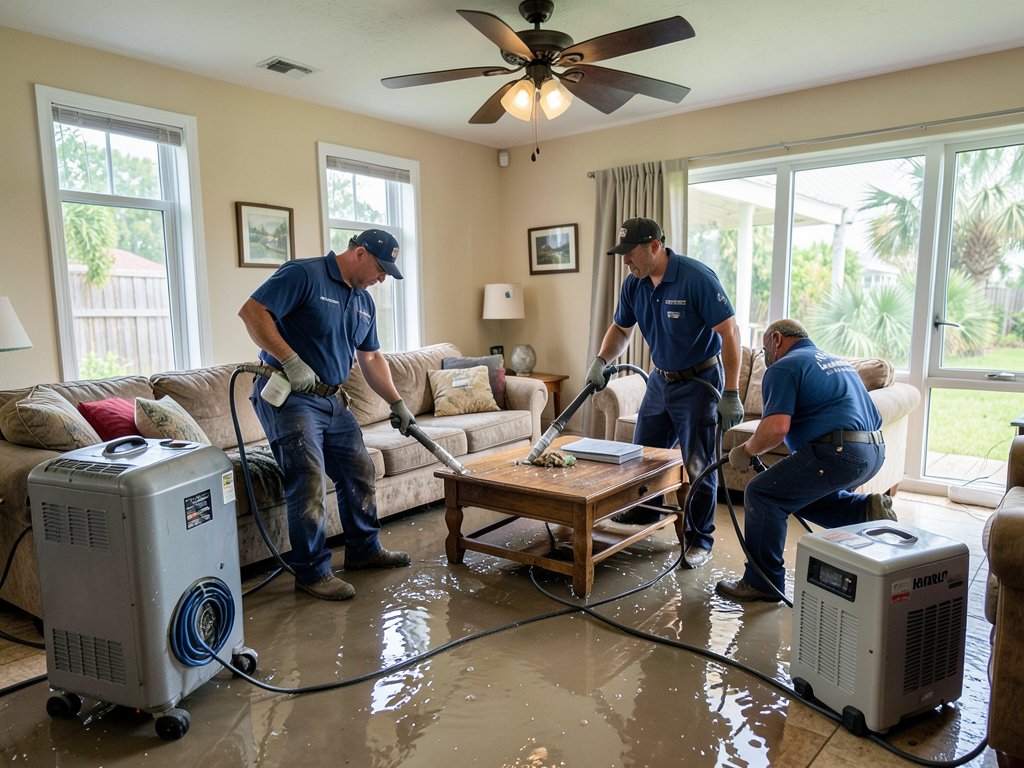
We proudly serve the entire Tampa area with rapid-response water damage restoration services. Whether you’re downtown, in the suburbs, or operating a business near the bay, our expert team is just minutes away. Use the map below to view our service zone or find our nearest location. We’re ready to respond wherever you need us. Your peace of mind is only a call or click away.

Address:
Fortress Water Damage Restoration Tampa, 4830 W Kennedy Blvd #600, Tampa, FL, 33609

Additional Services We Offer

Our news updates

Latest Articles & News from The Blogs

The First 4 Hours After a Pipe Bursts in Your Gibsonton House When water starts spraying from a broken pipe…

The First 4 Hours After a Pipe Bursts in Your Gibsonton House

The First 4 Hours After a Pipe Bursts in Your Gibsonton House When water starts spraying from a broken pipe…

A Homeowner Guide to Choosing the Best Dehumidifier for Humidity Control in Seffner

A Homeowner Guide to Choosing the Best Dehumidifier for Humidity Control in Seffner Living in Seffner means dealing with Florida’s…

Why Your Kids Keep Sneezing After a Small Leak in Your Seffner Home

Why Your Kids Keep Sneezing After a Small Leak in Your Seffner Home Your child wakes up sneezing again. You…

Contact Us

You suspect water is hiding somewhere in your property. Confirm it today. Call Fortress Water Damage Restoration Tampa at (656) 219-8088 for same-day moisture detection. We bring the technology to you, find every drop, and explain exactly what happens next.