


Menu

Choosing a Restoration Company in Tampa | Get Expert Guidance to Avoid the Wrong Hire

Learn the critical questions to ask before hiring a water damage contractor in Tampa, from verifying equipment capabilities to understanding response protocols during Florida's hurricane season.

Slider Image 1
Slider Image 2
Slider Image 3
Slider Image 4
Slider Image 5
Slider Image 7
Slider Image 8
Slider Image 9
Slider Image 10
Slider Image 11

Why Tampa's Climate Makes Vetting Restoration Contractors Critical

Tampa's subtropical climate creates perfect conditions for water damage year-round. Summer humidity often exceeds 75 percent, while hurricane season brings storm surge and wind-driven rain into neighborhoods from Ybor City to Westshore. When your property floods, you face a time-sensitive decision about selecting a water damage contractor.

The wrong choice costs you thousands. Inexperienced companies miss hidden moisture in wall cavities, leading to mold growth within 48 hours. Others lack thermal imaging equipment to detect moisture behind tile or under hardwood. Some contractors delay insurance documentation, putting your claim at risk.

Tampa residents deal with additional complications. Older homes in Hyde Park and Seminole Heights often have original plumbing and limited waterproofing. Commercial properties near Channelside face saltwater intrusion during king tides. Finding a reputable water damage company means identifying contractors who understand these local challenges.

The stakes increase during hurricane season. When dozens of properties flood simultaneously, unqualified contractors flood the market. They promise fast service but lack proper extraction equipment or structural drying knowledge. Hiring a water mitigation service without proper vetting leaves you with incomplete repairs and denied insurance claims.

You need a systematic approach to evaluating restoration companies before water damage turns into a structural nightmare. The right contractor responds within hours, documents everything for insurance, and uses commercial-grade dehumidifiers and air movers to prevent secondary damage.

Why Tampa's Climate Makes Vetting Restoration Contractors Critical
The Technical Checklist for How to Pick a Restoration Company

The Technical Checklist for How to Pick a Restoration Company

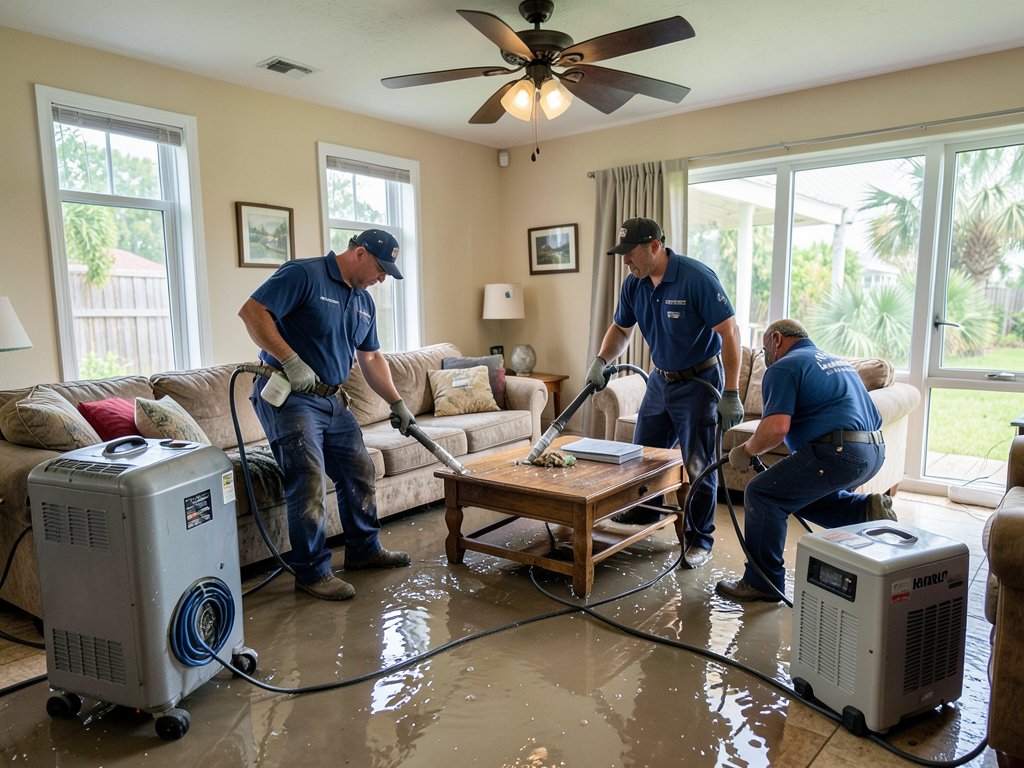
Vetting restoration contractors requires asking specific technical questions. Start with equipment inventory. Professional companies own truck-mounted extractors, not shop vacuums. They deploy low-grain refrigerant (LGR) dehumidifiers that pull moisture to 30 percent relative humidity, not consumer-grade units that stop at 50 percent.

Ask about moisture mapping protocols. Qualified contractors use penetrating and non-penetrating moisture meters to document wet materials. They take readings at multiple depths in walls and floors, creating moisture maps that track drying progress. This documentation protects your insurance claim and proves the job finished correctly.

Verify their understanding of psychrometrics. Restoration is applied science. Contractors must calculate grains per pound (GPP) and adjust equipment based on temperature and humidity readings. They should explain how they establish drying chambers using plastic sheeting and negative air pressure to contain moisture and prevent cross-contamination.

Insurance coordination separates professionals from amateurs. Quality companies photograph damage from multiple angles, maintain detailed work logs, and communicate directly with adjusters. They understand Xactimate pricing and document every step to support your claim. This matters in Tampa, where Citizens Property Insurance and regional carriers have specific documentation requirements.

Check their approach to concealed moisture. Water travels along wall studs and under flooring. Reputable contractors remove baseboards and drill inspection holes to verify hidden cavities dried completely. They refuse to declare a job complete until moisture readings match unaffected areas. Cutting corners here guarantees mold growth and structural rot within weeks.

Three Steps to Evaluate Any Restoration Contractor

Choosing a Restoration Company in Tampa | Get Expert Guidance to Avoid the Wrong Hire
01

Request Detailed References

Ask for three recent projects similar to your situation. Call these references and ask specific questions about response time, equipment used, and insurance coordination. Verify the contractor completed drying within industry standard timeframes (typically 3-5 days for structural drying). Ask if moisture readings were documented daily and if the final invoice matched the initial estimate.
02

Inspect Their Equipment

Visit their facility or ask to see equipment during the estimate. Professional companies maintain industrial dehumidifiers (40+ pint capacity), multiple air movers, hydroxyl generators for odor control, and thermal imaging cameras. Equipment should appear well-maintained with calibration tags visible. Older or consumer-grade equipment indicates a company cutting costs at your expense, which leads to incomplete drying.
03

Verify Documentation Standards

Ask to see a sample work file from a previous job. Quality contractors maintain photo logs, moisture reading charts, equipment placement diagrams, and daily progress notes. This documentation proves to insurance companies that drying followed IICRC S500 standards. Companies that cannot produce detailed records from past jobs will not document your project properly, jeopardizing your claim settlement.

Why Local Tampa Knowledge Matters When Selecting a Water Damage Contractor

Tampa's construction styles and weather patterns demand contractor experience with local conditions. Historic homes in Old Seminole Heights feature pier-and-beam foundations that require different drying techniques than concrete slab homes in New Tampa. Contractors unfamiliar with these construction methods miss moisture trapped in crawl spaces or beneath vapor barriers.

Fortress Water Damage Restoration Tampa understands how hurricane-force winds drive rain through seemingly intact roofs. We know Hillsborough County building codes for emergency repairs and can navigate permitting requirements that out-of-area contractors overlook. This local expertise prevents code violations that delay insurance payments or reduce settlement amounts.

Our familiarity with Tampa Bay's water table matters when flooding originates from groundwater intrusion rather than roof leaks. Properties near Hillsborough River or Bayshore Boulevard face different moisture challenges than inland neighborhoods. We adjust extraction and drying strategies based on your property's elevation, soil type, and proximity to tidal waterways.

We maintain relationships with local insurance adjusters who handle Tampa claims. This familiarity speeds documentation review and claim processing. We understand which carriers require specific forms or photos and can often resolve documentation questions with a single phone call instead of weeks of back-and-forth correspondence.

Tampa's mold growth timeline differs from drier climates. Our constant humidity means mold colonizes damp materials within 24-48 hours, not the 72-96 hours common in other regions. We mobilize equipment faster and monitor drying more aggressively because we understand this compressed timeline. National franchise operations often apply cookie-cutter protocols that fail in Tampa's climate, leading to mold remediation costs that proper drying would have prevented.

What to Expect When Hiring a Water Mitigation Service

Emergency Response Timeline

Professional restoration companies arrive within 2-4 hours of your call, regardless of time or day. This rapid response prevents water from soaking deeper into walls and subfloors. During initial arrival, technicians perform emergency services such as water extraction, tarp installation, or board-up to stop additional damage. They begin moisture documentation immediately, taking baseline readings that establish the scope of damage for insurance purposes. Response time directly impacts total restoration costs because delayed extraction allows water to compromise more materials.

Comprehensive Damage Assessment

Qualified contractors conduct room-by-room inspections using thermal cameras and moisture meters. They identify all affected materials, including hidden moisture behind walls and under flooring. This assessment classifies water damage by contamination level (clean water, gray water, or black water) and determines which materials can be dried versus those requiring removal. The assessment produces a detailed scope of work with timeline estimates. Contractors should explain their findings in clear terms and answer questions about the restoration process before beginning work.

Documented Drying Results

Professional drying takes 3-7 days depending on materials and damage extent. Technicians visit daily to record moisture readings, adjust equipment, and photograph progress. Drying completes when moisture content in affected materials matches readings from unaffected areas of your property. You receive a complete documentation package including moisture logs, equipment placement records, and final photos. This documentation proves to insurance carriers that restoration followed industry standards, supporting full claim payment without disputes about incomplete work.

Post-Restoration Support

Quality restoration companies remain available after equipment removal. They coordinate with reconstruction contractors to ensure repairs begin promptly. Many offer moisture monitoring visits 30-60 days post-restoration to verify no hidden moisture reappeared. This follow-up catches problems before visible mold growth occurs. Reputable contractors stand behind their work, addressing any moisture-related concerns that emerge during reconstruction. They maintain records of your project for years, providing documentation if you sell your property or need to reference the restoration during future insurance claims.

Frequently Asked Questions

You Have Questions,
We Have Answers

How do I choose a restoration company? +

Check for IICRC certification, which ensures technicians follow industry standards for water extraction and structural drying. Verify the company carries proper liability insurance and workers' compensation. In Tampa, ask about experience with hurricane damage and Florida's high humidity conditions. Request references from recent jobs in your neighborhood. Confirm they offer 24/7 emergency response and work directly with your insurance carrier. A local company familiar with Hillsborough County building codes and Tampa's older housing stock will handle your claim more efficiently. Look for transparency in pricing and a clear written estimate before work begins.

What is the average profit margin for a restoration company? +

Restoration companies typically operate on 10-20% net profit margins after covering labor, equipment, insurance, and vehicle costs. Margins vary based on job type. Emergency water extraction runs leaner due to 24/7 staffing requirements. Mold remediation and reconstruction projects often yield higher margins. In Tampa's competitive market, companies balance fair pricing with the overhead of maintaining expensive moisture detection equipment and rapid response capabilities. Material costs fluctuate with supplier relationships. Larger franchises may have higher overhead but benefit from brand recognition. Independent operators often work with tighter margins but offer more flexible pricing.

What is the average cost of remediation? +

Remediation costs depend entirely on damage extent, not company profit margins. Water damage extraction for a single room starts around a few hundred dollars, while whole-home drying with structural repairs runs into thousands. Mold remediation pricing factors in containment area size, material removal, and air filtration needs. In Tampa, flood damage from storms or humidity-related issues drives costs up due to prolonged moisture exposure. Insurance typically covers sudden incidents like burst pipes. Get itemized estimates that separate emergency mitigation from reconstruction. Costs vary widely based on your specific situation, materials affected, and required drying time.

Is Servpro a good restoration company? +

Servpro operates as a national franchise with consistent training standards and established insurance relationships. Their brand recognition means reliable service protocols and equipment access. However, individual franchise quality varies by owner and local staff. In Tampa, you will find multiple Servpro locations with different response times and customer service approaches. They handle insurance claims efficiently due to established carrier relationships. Consider comparing them against local independent companies who may offer more personalized service and competitive pricing. Check reviews for the specific Servpro franchise serving your Tampa neighborhood, not just the national brand reputation.

What not to tell a contractor? +

Never inflate damage descriptions or hide pre-existing conditions from your restoration contractor. Avoid discussing settlement amounts or insurance coverage limits, which can affect pricing. Do not suggest cutting corners on safety protocols or drying times to save money. Incomplete drying leads to mold growth in Tampa's humid climate. Avoid making verbal agreements about price changes without written documentation. Do not withhold access to affected areas or delay decision-making, which extends mitigation time and increases costs. Never ask contractors to misrepresent dates or causes of damage on insurance paperwork. Clear, honest communication protects both parties and ensures proper restoration.

Who is the alternative to ServPro? +

Tampa has multiple local restoration companies offering similar services to Servpro. Independent operators often provide more personalized attention and competitive pricing without franchise fees. Look for IICRC-certified firms with strong Google reviews from Tampa neighborhoods. Companies familiar with Florida building codes and hurricane damage patterns understand local challenges better than national chains. Paul Davis Restoration and PuroClean operate as regional alternatives with franchise support but smaller footprints. Local independents typically maintain direct relationships with area insurance adjusters and understand Hillsborough County permitting requirements. Compare response times, equipment quality, and insurance carrier partnerships when evaluating alternatives. Check Better Business Bureau ratings for Tampa-specific locations.

How much money do you need to start a restoration company? +

Starting a restoration company requires significant capital investment. Basic equipment including moisture meters, air movers, dehumidifiers, and extraction units costs $25,000 to $50,000. Add a cargo van or truck, insurance policies (general liability and workers' compensation), IICRC training certifications, and business licensing. In Tampa, factor in higher insurance costs due to hurricane exposure. Most startups need $75,000 to $150,000 to operate professionally with proper equipment and coverage. Undercapitalized companies cut corners on equipment quality or insurance, putting your property at risk. Established companies have invested in thermal imaging cameras, truck-mounted extraction systems, and backup equipment to handle multiple simultaneous jobs.

Is a 50% profit margin too much? +

A 50% profit margin is unusually high for restoration work and suggests pricing problems. Industry standards run 10-20% net profit after expenses. If a contractor's margin seems excessive, you are likely overpaying or they are cutting costs somewhere dangerous. Tampa's competitive market keeps pricing reasonable. High margins might indicate inadequate insurance coverage, unlicensed labor, or substandard equipment. However, do not confuse markup with profit. Contractors mark up materials and labor to cover overhead, insurance, vehicle costs, and equipment depreciation. Focus on total cost competitiveness and service quality rather than margin speculation. Request detailed estimates that itemize labor, materials, and equipment separately.

Who is the biggest restoration company? +

Servpro and Paul Davis Restoration rank among the largest restoration franchises nationally by location count. Belfor operates as the biggest private restoration contractor, handling large commercial and catastrophic loss projects. However, size does not determine quality for residential work in Tampa. Large national companies excel at catastrophic response and insurance carrier relationships. Local independent operators often provide superior customer service and personalized attention for single-family homes. The biggest company may not be the best fit for your specific water damage situation. Focus on local reputation, IICRC certification, response time, and Tampa-specific experience rather than national market share when choosing a restoration partner.

What are the three types of remediation? +

The three main remediation types address different contaminants. Mold remediation removes fungal growth through containment, HEPA filtration, and material removal. Water damage remediation extracts standing water and dries structures to prevent secondary damage. Fire and smoke remediation removes soot, odors, and structural damage from combustion. In Tampa, mold remediation is particularly common due to high humidity and moisture intrusion from storms. Each type requires specialized equipment and techniques. Water remediation focuses on rapid extraction and dehumidification. Mold remediation demands negative air pressure and containment barriers. Fire remediation involves thermal fogging and ozone treatment. IICRC certification ensures technicians understand protocols for each remediation category.

How Tampa's Hurricane Season Impacts Finding a Reputable Water Damage Company

Tampa faces annual hurricane threats from June through November, creating surge demand for restoration services when storms make landfall. This seasonal pattern floods the market with out-of-state contractors who lack knowledge of Florida building codes and local insurance requirements. Storm-chasing companies often disappear before completing work, leaving homeowners with unfinished projects and disputed insurance claims. Selecting a water damage contractor before hurricane season means establishing a relationship with a local company that will prioritize existing clients during emergencies. Properties in evacuation zones like Davis Islands or Bayshore Beautiful require contractors familiar with storm surge patterns and saltwater damage protocols that differ from freshwater flooding.

Tampa's restoration industry includes companies that have served Hillsborough County for decades alongside temporary operations that appear after each major storm. Fortress Water Damage Restoration Tampa maintains a local presence year-round, not just during disaster seasons. We understand Hillsborough County's emergency permitting process and maintain relationships with local building inspectors who expedite necessary approvals. Our equipment stays in Tampa, ready for immediate deployment rather than being shipped from distant warehouses. This local commitment means faster response times and accountability that matters when your property needs immediate attention during Florida's unpredictable weather patterns.
Water Damage Restoration Services in The Tampa Area

We proudly serve the entire Tampa area with rapid-response water damage restoration services. Whether you’re downtown, in the suburbs, or operating a business near the bay, our expert team is just minutes away. Use the map below to view our service zone or find our nearest location. We’re ready to respond wherever you need us. Your peace of mind is only a call or click away.

Address:
Fortress Water Damage Restoration Tampa, 4830 W Kennedy Blvd #600, Tampa, FL, 33609

Additional Services We Offer

Our news updates

Latest Articles & News from The Blogs

How Clogged Gutters and Downspouts Can Lead to a Flooded Living Room in Wooded Lutz Neighborhoods When heavy afternoon thunderstorms…

How Clogged Gutters and Downspouts Can Lead to a Flooded Living Room in Wooded Lutz Neighborhoods

How Clogged Gutters and Downspouts Can Lead to a Flooded Living Room in Wooded Lutz Neighborhoods When heavy afternoon thunderstorms…

Why You Should Never Use Bleach to Clean Up Mold After a Leak in Your Tampa Palms Home

Why You Should Never Use Bleach to Clean Up Mold After a Leak in Your Tampa Palms Home When you…

Dealing With Water Damage in Your Backyard ADU or Guest House in Seminole Heights

Dealing With Water Damage in Your Backyard ADU or Guest House in Seminole Heights Water damage in a Seminole Heights…

Contact Us

Do not hire a restoration company without asking the right questions. Call Fortress Water Damage Restoration Tampa at (656) 219-8088 for a free consultation on evaluating contractors. We explain what equipment and documentation your project requires, helping you make an informed decision when water damage strikes your Tampa property.