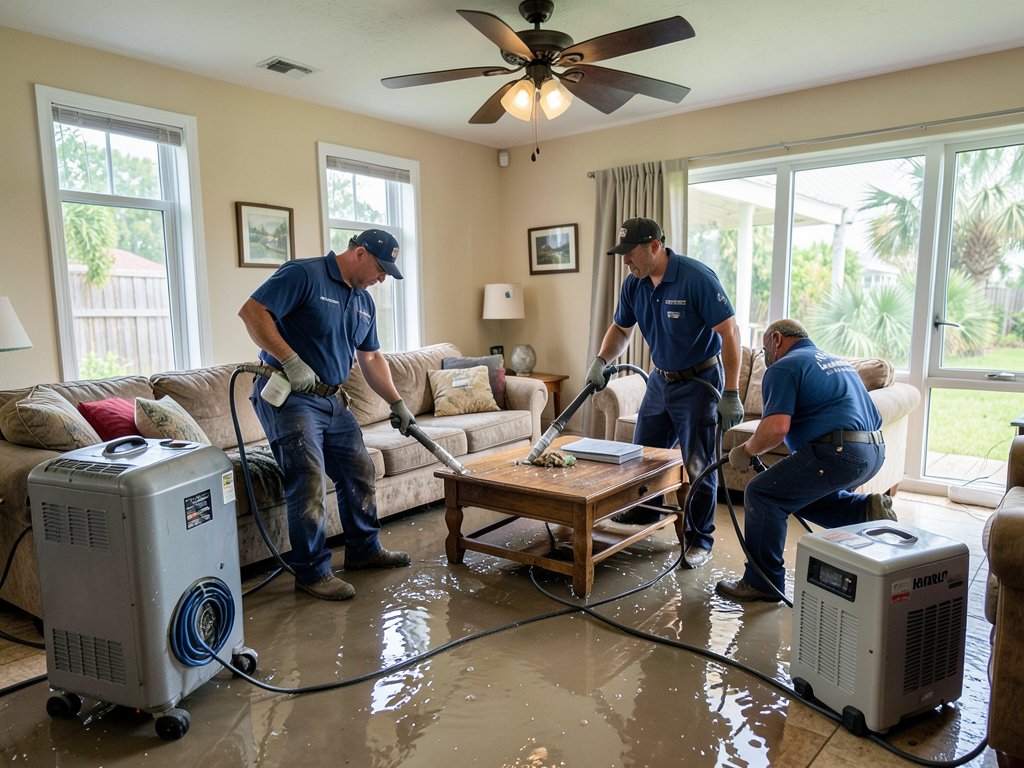







Tampa's year-round humidity creates a perfect breeding ground for mold and bacterial growth after a toilet overflow. The average relative humidity in Tampa hovers between 70 and 75 percent, which means moisture does not evaporate naturally. It lingers. When sewage water soaks into porous materials like drywall, wood studs, or subflooring, the combination of high humidity and organic waste accelerates microbial colonization. Without aggressive drying and dehumidification, you will see mold growth within 48 hours. That is why emergency toilet water extraction must be followed immediately by controlled drying. You cannot just open windows and hope for the best in Tampa's climate.
Local restoration companies that understand Tampa's environmental challenges know how to compensate for high ambient humidity during the drying process. We use commercial-grade dehumidifiers rated for Florida's climate, not residential units designed for arid regions. We also understand local building construction methods, particularly in older Tampa neighborhoods where homes were built with wood framing and minimal vapor barriers. These structures require more aggressive drying protocols than modern construction. Working with a local team means working with technicians who have restored hundreds of Tampa homes and know what works in this environment.