





Menu

Mold Remediation & Removal in Tampa – Certified Abatement for Humid Gulf Coast Homes

Fortress Water Damage Restoration Tampa uses EPA-registered protocols and thermal imaging to eliminate hidden mold colonies thriving in Tampa's 75% average humidity, protecting your property value and your family's respiratory health.

Slider Image 1
Slider Image 2
Slider Image 3
Slider Image 4
Slider Image 5
Slider Image 7
Slider Image 8
Slider Image 9
Slider Image 10
Slider Image 11

Why Tampa's Climate Creates a Year-Round Mold Emergency

Tampa's subtropical climate is a mold incubator. With average humidity hovering between 70% and 85% year-round, your home becomes a breeding ground for Aspergillus, Penicillium, and Stachybotrys chartarum the moment moisture gets trapped in your walls, crawlspace, or attic. The Gulf Coast rainy season from June through September dumps over 30 inches of rain, and even minor roof leaks or foundation seepage give spores everything they need to colonize drywall, insulation, and subflooring within 24 to 48 hours.

You smell it first. That musty, earthy odor in your guest bathroom or garage. Then you see the dark patches creeping across your ceiling or the fuzzy texture spreading behind your baseboards. By the time visible growth appears, the contamination has often penetrated deeper than surface cleaning can reach. Household bleach does not kill mold on porous materials. It only bleaches the surface while the roots (hyphae) continue spreading through drywall paper and wood studs.

Tampa homeowners face specific mold challenges tied to our geography. Older homes in Hyde Park and Seminole Heights were built before modern vapor barriers became standard. Concrete slab foundations common in Westchase and New Tampa wick moisture up through microcracks. AC condensation lines clog with algae in our heat, flooding drain pans and soaking ceiling drywall. Storm surge from Tampa Bay during hurricanes introduces contaminated floodwater that requires professional mold decontamination, not just drying.

Mold mitigation requires containment barriers, negative air pressure, HEPA filtration, and antimicrobial treatments. DIY efforts spread spores through your HVAC system and cross-contaminate unaffected rooms. Professional mold removal protects your investment and stops the health risks before they escalate into chronic respiratory issues.

Why Tampa's Climate Creates a Year-Round Mold Emergency
How Professional Mold Abatement Stops Contamination at the Source

How Professional Mold Abatement Stops Contamination at the Source

Effective mold cleanup services start with diagnostic precision, not guesswork. We use thermal imaging cameras to detect temperature differentials behind walls and ceilings where hidden moisture feeds active colonies. A wall that looks clean may register 18% moisture content on a pin-type meter, well above the 15% threshold where mold thrives. We also deploy borescope cameras through small drill holes to visually confirm growth inside wall cavities before cutting into drywall unnecessarily.

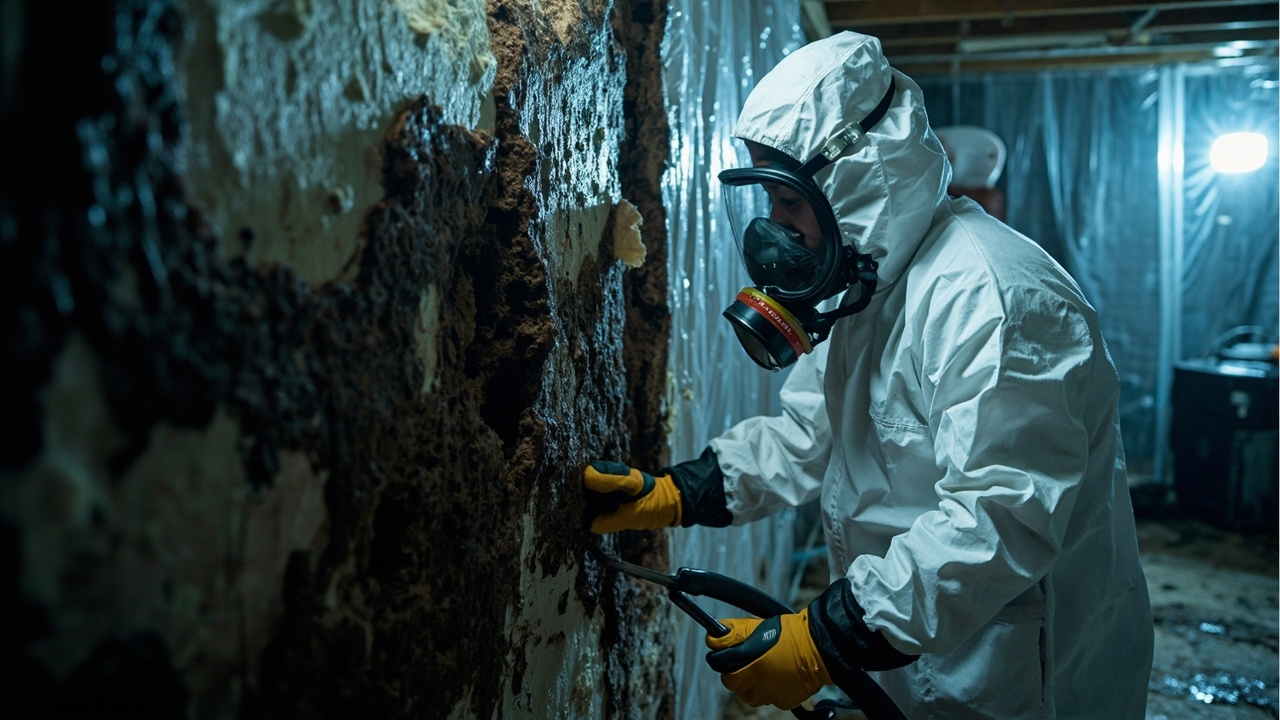
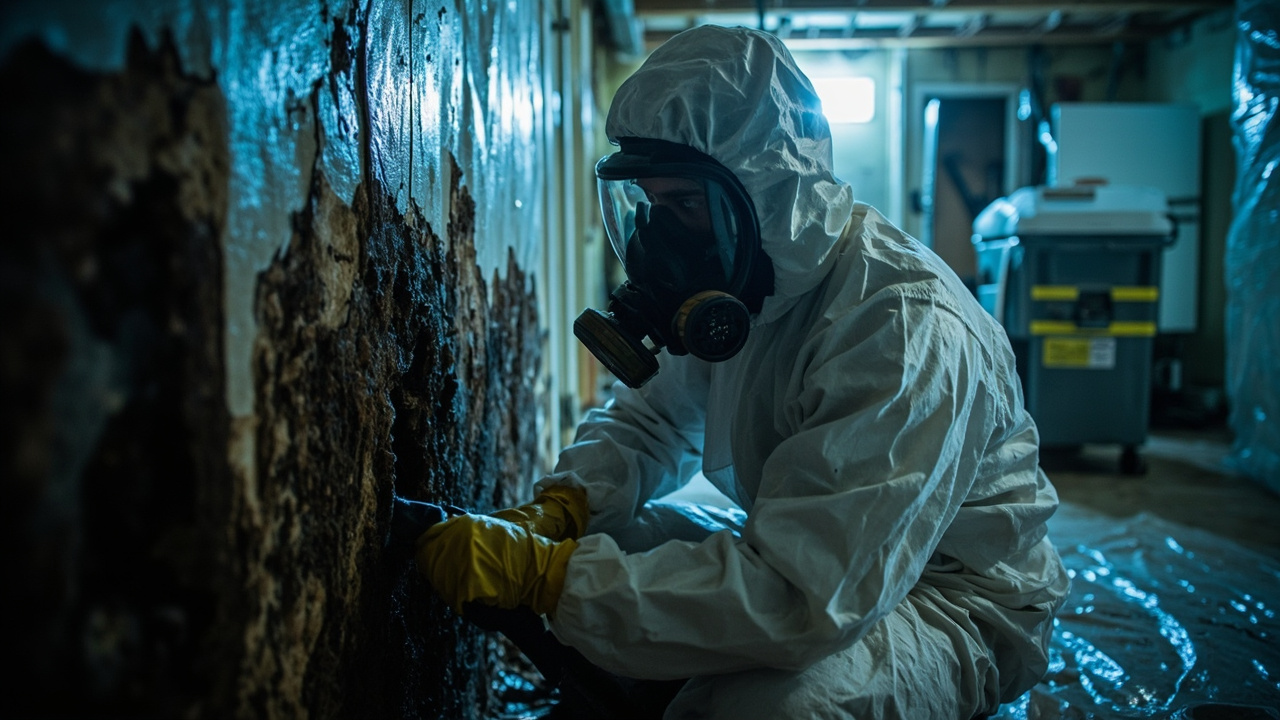
Containment comes next. We seal off the work area with 6-mil polyethylene sheeting and create negative air pressure using HEPA-filtered air scrubbers vented outside. This prevents spores from migrating into clean areas during demolition. Workers wear full Tyvek suits, N95 respirators, and gloves. We remove contaminated materials like drywall, insulation, and baseboards in sealed bags, not trash cans that vent spores back into your home.

After demolition, we treat all structural surfaces with EPA-registered antimicrobial solutions. Wood framing gets wire-brushed to remove surface hyphae, then coated with encapsulant to prevent future growth. We dry the structure to below 12% moisture content using commercial dehumidifiers and air movers, confirmed with daily moisture readings. Only then do we clear the area for reconstruction.

Mold decontamination also addresses the source. We identify the water intrusion point, whether it is a leaking shower pan, a failed roof boot around a plumbing vent, or condensation from an oversized AC unit short-cycling in cooling mode. Removing mold without fixing the water problem guarantees it returns within months. We coordinate with licensed plumbers and roofers when needed to ensure the repair is permanent.

Final clearance testing uses air sampling and surface swabs analyzed by a third-party lab. We provide you with the lab report showing spore counts within normal ranges before we consider the job complete.

What Happens During Your Mold Remediation Project

Mold Remediation & Removal in Tampa – Certified Abatement for Humid Gulf Coast Homes
01

Inspection and Moisture Mapping

We assess the full scope of contamination using moisture meters, thermal imaging, and visual inspection of hidden areas like attics, crawlspaces, and wall cavities. You receive a detailed remediation plan with photos, moisture readings, and affected material lists. We document everything for your insurance claim and explain what gets removed versus what gets treated in place.
02

Containment and Removal

We isolate the contaminated area with plastic barriers and negative air machines, then remove all porous materials harboring mold growth. Non-porous surfaces like metal studs and concrete get HEPA-vacuumed and treated with antimicrobial solutions. We dry the structure to safe moisture levels using industrial dehumidifiers and confirm readings daily. The work area stays sealed until clearance testing confirms the space is safe.
03

Clearance and Prevention

A third-party environmental hygienist performs air quality testing to verify spore counts meet acceptable standards. We provide the lab report and a scope of work summary for your records. Before reconstruction begins, we walk you through the moisture control improvements made to prevent recurrence, whether that involves better attic ventilation, vapor barriers, or drainage corrections around your foundation.

Why Tampa Property Owners Trust Fortress for Mold Mitigation

Mold remediation is not a side hustle for a handyman with a Shop-Vac. It requires training in containment protocols, PPE use, and fungal biology. Fortress Water Damage Restoration Tampa holds certifications from the Institute of Inspection, Cleaning and Restoration Certification (IICRC) in Applied Microbial Remediation, the industry standard for professional mold abatement. Our technicians understand the difference between allergenic, pathogenic, and toxigenic molds and how containment strategies change based on the species and contamination level.

We also understand Tampa's building codes and environmental regulations. The City of Tampa requires permits for mold remediation projects exceeding 10 contiguous square feet, and Hillsborough County has specific disposal requirements for contaminated materials. We pull permits, coordinate inspections, and ensure compliance so you do not face code violations or insurance claim denials due to improper documentation.

Our familiarity with Tampa's housing stock gives us an edge. We know that homes in Palma Ceia often have plaster walls that require different removal techniques than drywall. We recognize that the concrete block construction common in Town 'N' Country and Egypt Lake-Leto traps moisture differently than wood-frame homes in South Tampa. We have worked in bungalows from the 1920s with knob-and-tube wiring and new construction in Wesley Chapel with spray foam insulation, and we adapt our containment and drying strategies accordingly.

We also move fast. Mold spreads exponentially, doubling its surface area every 24 to 48 hours under ideal conditions. We provide same-day assessments for emergency calls and start containment within 24 hours of approval. Our equipment inventory includes enough dehumidifiers, air scrubbers, and containment materials to handle projects from single-bathroom contaminations to whole-house flooding scenarios.

You get transparent communication. We explain what we find, why it happened, and how we fix it without technical jargon meant to confuse. We document everything with photos, moisture logs, and post-remediation reports. You know exactly what was done and why.

What to Expect During Your Mold Removal Project

Emergency Response Time

We answer calls 24 hours a day, 7 days a week. You can reach us at (656) 219-8088 anytime, and a trained technician responds, not an answering service. We schedule inspections the same day or next morning, depending on when you call. Once you approve the scope of work, we mobilize containment and demolition crews within 24 hours. Most residential projects take 3 to 7 days from containment to clearance, depending on the size of the affected area and drying time. We do not leave equipment running unsupervised. Our technicians visit daily to adjust dehumidifiers, check moisture levels, and update you on progress.

Comprehensive Mold Assessment

Your assessment begins with a visual inspection of all accessible areas, including attics, crawlspaces, mechanical rooms, and any space showing water stains or odors. We use thermal imaging to detect hidden moisture and moisture meters to quantify saturation levels in drywall, insulation, and framing. If contamination is suspected inside walls or HVAC ducts, we use borescope cameras to confirm before cutting access panels. You receive a written report with photos, moisture readings, and a room-by-room breakdown of affected materials. We also explain the likely source of moisture intrusion and what repairs are needed to prevent recurrence.

Restored Indoor Air Quality

The goal is not just to remove visible mold but to restore your home to safe spore levels. After demolition and treatment, we run HEPA air scrubbers for 48 to 72 hours to capture airborne spores released during the work. We HEPA-vacuum all surfaces, including floors, ceiling joists, and exposed framing. A third-party lab tests air samples and surface swabs to verify spore counts meet or exceed clearance standards before we authorize reconstruction. You receive the lab report showing your home is safe for occupancy. The musty odor is gone, and you can breathe without worry.

Post-Remediation Monitoring

We provide a detailed summary of work performed, including before-and-after photos, moisture logs, and the third-party clearance report. We also walk you through the moisture control improvements made, whether that involves improved attic ventilation, crawlspace encapsulation recommendations, or gutter corrections. We offer a follow-up inspection 30 days after project completion to verify moisture levels remain stable and no new growth has appeared. While we do not offer warranties on mold remediation (because recurrence depends on future water intrusion, which we cannot control), we stand behind our workmanship and containment protocols. If you experience a new water event, we respond immediately to prevent secondary contamination.

Frequently Asked Questions

You Have Questions,
We Have Answers

How much does it cost to remove mold? +

Mold removal costs in Tampa range from a few hundred dollars for small isolated areas to several thousand for extensive contamination. The price depends on the size of the affected area, the type of mold, and accessibility. Tampa's high humidity accelerates growth, often increasing project scope. Structural damage from moisture intrusion adds costs. Most companies charge per square foot after inspection. Insurance may cover mold if it resulted from a covered peril like burst pipes. Get multiple quotes and ask for detailed breakdowns. Avoid companies that quote over the phone without inspecting your property first.

What is the difference between mold removal and mold remediation? +

Mold removal means physically scrubbing and eliminating visible mold from surfaces. Mold remediation is a comprehensive process that addresses the root cause. Remediation includes containment, air filtration, removing contaminated materials, treating affected areas with antimicrobials, and fixing the moisture problem that caused growth. In Tampa's humid climate, simply removing visible mold without addressing moisture sources guarantees it returns. Professional remediation reduces spore counts to safe levels and prevents recurrence. Removal is a step within remediation, not a standalone solution. Think of removal as treating symptoms while remediation cures the disease.

How much should it cost to remove mold? +

Expect to pay between $500 and $6,000 for mold removal in Tampa, with most homeowners spending around $2,000 to $3,500. Small bathroom projects may cost $500 to $1,500. Crawl space or attic remediation runs $1,500 to $4,000. Whole-home contamination from flooding can exceed $10,000. Tampa's older homes with poor ventilation often have hidden growth behind walls, increasing costs. The price includes inspection, containment, removal, disposal, and moisture control. Beware of unusually low quotes. Proper remediation requires specialized equipment like negative air machines and HEPA vacuums. Cutting corners risks your health and future regrowth.

Is professional mold removal worth it? +

Yes. Professional mold removal is worth it when contamination exceeds 10 square feet or involves HVAC systems. Tampa's year-round humidity creates ideal conditions for toxic mold species like Stachybotrys. Professionals use containment barriers to prevent spore spread during removal, which DIY efforts often miss. They identify hidden moisture sources and structural damage you cannot see. Certified technicians follow IICRC protocols to protect your health. Improper removal spreads spores throughout your home, worsening indoor air quality. Insurance companies often require professional documentation. The upfront cost prevents costly health issues and protects your home's value.

What kills mold permanently? +

Nothing kills mold permanently without addressing moisture. Antimicrobial agents, bleach, hydrogen peroxide, and concrobium kill surface mold temporarily. However, Tampa's 75 percent average humidity ensures regrowth if you do not fix leaks, improve ventilation, or control indoor moisture. Mold needs water to survive. Professionals use EPA-registered fungicides and encapsulants after removing contaminated materials. They install dehumidifiers and repair moisture intrusion points. Porous materials like drywall and insulation must be removed because spores penetrate deep into fibers. Surface treatments on porous materials fail. Permanent elimination requires environmental control, not just chemical application.

Can a house recover from mold? +

Yes. Houses recover from mold through proper remediation and moisture control. Tampa homes frequently experience mold after hurricanes, plumbing failures, or roof leaks. Recovery requires removing contaminated materials, treating structural components, and eliminating moisture sources. Air quality testing confirms successful remediation. The key is acting quickly. Mold spreads fast in Tampa's humid climate. Structural wood can be treated and saved if caught early. Extensive rot requires replacement. After remediation, maintain indoor humidity below 60 percent using dehumidifiers and proper ventilation. Many Tampa homes built in the 1970s and 1980s have recovered completely from severe contamination.

Can I remediate mold myself? +

You can remediate mold yourself only if the affected area is smaller than 10 square feet and does not involve HVAC systems. Small bathroom patches or window condensation spots qualify. Wear N95 respirators, gloves, and eye protection. Use detergent and water, not bleach on porous surfaces. However, Tampa's climate makes DIY risky. Hidden growth behind walls and in crawl spaces is common due to high humidity. Disturbing mold without containment spreads spores throughout your home. You cannot access professional equipment like negative air machines. Toxic species require professional handling. If you smell musty odors or see widespread growth, hire certified technicians.

Why is mold remediation so expensive? +

Mold remediation costs reflect specialized labor, equipment, and disposal requirements. Certified technicians undergo extensive training. Projects require negative air machines, HEPA vacuums, air scrubbers, containment barriers, and protective gear. Tampa's humidity demands thorough moisture mapping using thermal cameras and moisture meters. Contaminated materials need sealed disposal following EPA guidelines. Testing before and after remediation adds costs but ensures safety. Labor is intensive because technicians remove drywall, insulation, and flooring carefully to prevent spore spread. Liability insurance for mold work is expensive. Cutting corners risks health lawsuits. You pay for expertise, equipment, and protocols that protect your family.

How long should you stay out of house after mold remediation? +

You can typically return home immediately after professional mold remediation in Tampa, but wait 24 to 48 hours if extensive chemical treatments were used. Professionals conduct post-remediation air quality testing to confirm safe spore levels before clearance. If containment barriers were used properly, unaffected rooms remain safe during work. Sensitive individuals, young children, or those with respiratory conditions should wait for test results showing spore counts below 500 per cubic meter. Ventilate the home thoroughly before returning. Your remediator provides specific guidance based on project scope. Never re-enter during active remediation without proper respiratory protection.

Can mold be fully removed from a house? +

Yes. Mold can be fully removed from houses through professional remediation. The process eliminates visible growth and reduces airborne spores to normal background levels found outdoors. Tampa homes achieve full removal by removing contaminated porous materials like drywall and insulation, treating structural wood with antimicrobials, and controlling moisture sources. Post-remediation testing confirms success. However, mold spores exist everywhere naturally. Full removal means reducing levels to safe concentrations, not creating a sterile environment. The key is preventing regrowth through humidity control below 60 percent, fixing leaks promptly, and ensuring proper ventilation in Tampa's humid climate.

How Tampa's Humidity and Storm Surge Make Mold Decontamination More Complex

Tampa sits at the intersection of the Gulf of Mexico and Hillsborough Bay, creating a microclimate where humidity rarely drops below 60% even in winter. The air holds so much moisture that condensation forms on cold surfaces like AC vents and toilet tanks year-round. This persistent dampness accelerates mold growth cycles, turning a small leak into a full contamination event faster than in drier climates. Storm surge from hurricanes introduces contaminated seawater into homes, requiring Category 3 water damage protocols that include antimicrobial treatments for sewage and marine bacteria, not just mold. Homes in Ballast Point, Davis Islands, and Harbor Island face elevated flood risk, making preventive moisture control and rapid response critical to avoiding chronic mold issues.

Tampa's older neighborhoods like Ybor City and West Tampa contain homes built before modern building codes required vapor barriers and proper crawlspace ventilation. These structures trap moisture and create ideal conditions for hidden mold growth that spreads undetected for months. Professional mold abatement in these homes requires careful navigation of historical preservation guidelines while still achieving proper containment and drying. Fortress Water Damage Restoration Tampa understands these local challenges. We have worked with Tampa's Building Department on permitting and inspections for hundreds of remediation projects. We know which materials meet Florida Building Code and how to document work for insurance claims processed through carriers familiar with Gulf Coast water damage patterns.
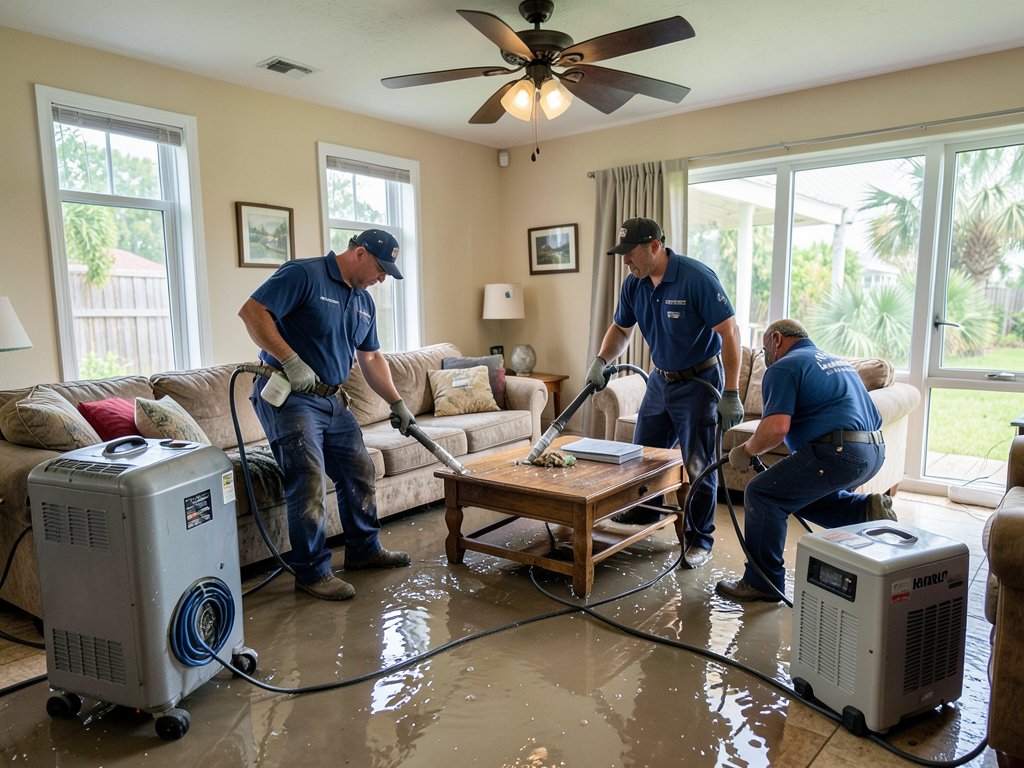
Water Damage Restoration Services in The Tampa Area

We proudly serve the entire Tampa area with rapid-response water damage restoration services. Whether you’re downtown, in the suburbs, or operating a business near the bay, our expert team is just minutes away. Use the map below to view our service zone or find our nearest location. We’re ready to respond wherever you need us. Your peace of mind is only a call or click away.

Address:
Fortress Water Damage Restoration Tampa, 4830 W Kennedy Blvd #600, Tampa, FL, 33609

Additional Services We Offer

Our news updates

Latest Articles & News from The Blogs

How Clogged Gutters and Downspouts Can Lead to a Flooded Living Room in Wooded Lutz Neighborhoods When heavy afternoon thunderstorms…

How Clogged Gutters and Downspouts Can Lead to a Flooded Living Room in Wooded Lutz Neighborhoods

How Clogged Gutters and Downspouts Can Lead to a Flooded Living Room in Wooded Lutz Neighborhoods When heavy afternoon thunderstorms…

Why You Should Never Use Bleach to Clean Up Mold After a Leak in Your Tampa Palms Home

Why You Should Never Use Bleach to Clean Up Mold After a Leak in Your Tampa Palms Home When you…

Dealing With Water Damage in Your Backyard ADU or Guest House in Seminole Heights

Dealing With Water Damage in Your Backyard ADU or Guest House in Seminole Heights Water damage in a Seminole Heights…

Contact Us

Call (656) 219-8088 now for a same-day mold assessment. Fortress Water Damage Restoration Tampa is standing by 24/7 to contain contamination, remove affected materials, and restore safe indoor air quality to your property. Do not wait until the problem doubles in size.