





Menu

Soggy Insulation in Tampa – Fast Diagnosis and Complete Removal Before Mold Takes Hold

From attics to crawl spaces, we identify the source of water intrusion, remove saturated insulation, and restore your home's thermal barrier before structural damage and health hazards spiral out of control in Tampa's humid climate.

Slider Image 1
Slider Image 2
Slider Image 3
Slider Image 4
Slider Image 5
Slider Image 7
Slider Image 8
Slider Image 9
Slider Image 10
Slider Image 11

Why Tampa Homes Struggle with Wet Insulation Year-Round

Tampa's combination of afternoon thunderstorms, high humidity, and flat rooflines creates perfect conditions for insulation failure. When water enters your attic through damaged flashing, missing shingles, or condensation buildup in your HVAC system, fiberglass and cellulose insulation act like giant sponges. The material holds moisture against wood framing, drywall, and electrical wiring for weeks.

You notice the symptoms first. A musty smell that won't leave. Brown stains spreading across your ceiling. Your AC running constantly but never cooling properly. These are signs that damp insulation has lost its R-value and started feeding mold colonies in your attic space.

In neighborhoods near Old Tampa Bay and Hillsborough River, homes built before 2000 often have inadequate attic ventilation. When summer heat bakes your roof to 150 degrees, any moisture trapped in soaked insulation turns your attic into a steam room. The water vapor migrates down through ceiling penetrations, creating new leak points that compound the original problem.

Saturated insulation also adds significant weight to ceiling joists never designed to support it. A standard attic bay holding 400 square feet of wet fiberglass can add 800 pounds of load. The structural stress causes ceiling sag and drywall cracks that homeowners often mistake for foundation settlement.

The real danger is what you cannot see. Water damaged insulation creates an oxygen-rich environment where black mold, Aspergillus, and Stachybotrys thrive. Once established, these colonies release spores throughout your HVAC system, contaminating every room in your house.

Why Tampa Homes Struggle with Wet Insulation Year-Round
How We Remove Soggy Insulation Without Spreading Contamination

How We Remove Soggy Insulation Without Spreading Contamination

Removing wet insulation requires containment protocols that most general contractors skip. Before we touch a single batt, we establish negative air pressure in the affected space using HEPA-filtered air scrubbers. This prevents mold spores and fiberglass particles from migrating into your living areas during removal.

We document moisture levels using thermal imaging cameras and pin-type meters. This reveals the full extent of water intrusion, including secondary saturation in wall cavities and floor joists. Many homeowners discover their soggy insulation problem extends far beyond the visible stain on their ceiling.

Our crews bag and remove saturated insulation in sealed contractor bags, treating the material as contaminated waste. We never use shop vacs or blowers that aerosolize mold spores. Every surface that contacted damp insulation gets treated with antimicrobial agents rated for porous building materials.

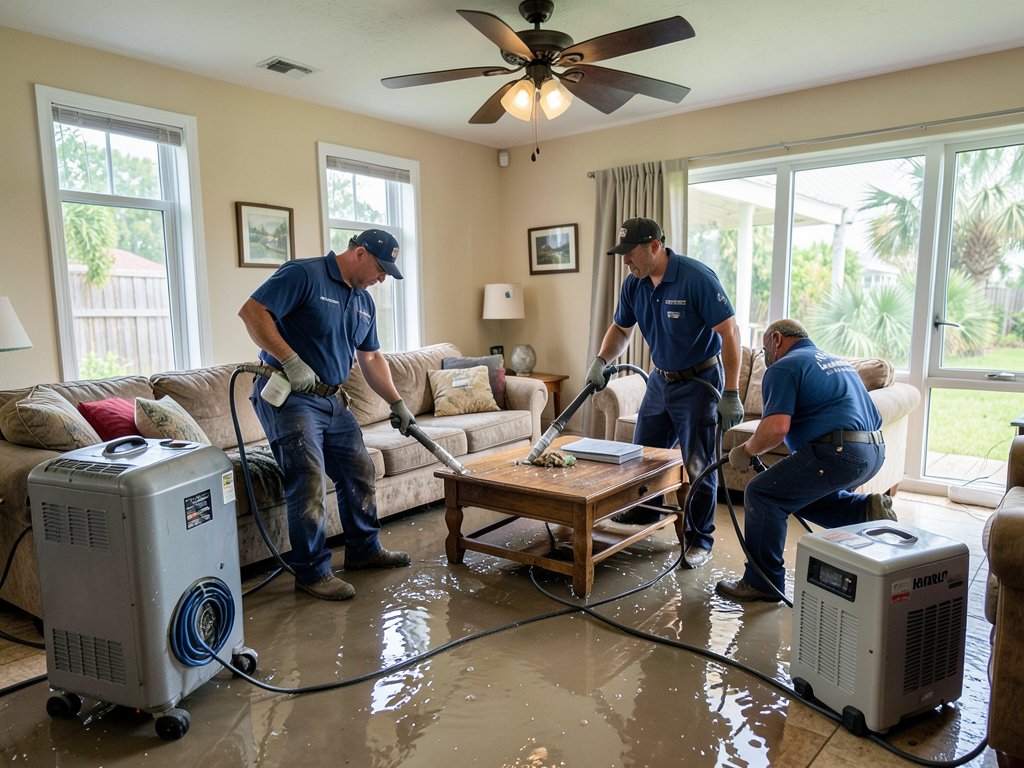
The structural cavity must reach below 16 percent moisture content before new insulation goes in. We use commercial dehumidifiers and high-velocity air movers to dry framing lumber, often for 3-5 days depending on saturation depth. Rushing this step traps residual moisture and guarantees mold regrowth within 60 days.

We also identify and repair the water source. A roof leak needs flashing repair or shingle replacement. HVAC condensation requires drain line cleaning and proper slope adjustment. Without fixing the intrusion point, new insulation will fail just as quickly as the old material.

Fortress Water Damage Restoration Tampa coordinates with your insurance adjuster throughout the process. We provide detailed photo documentation, moisture readings, and material inventories that support your claim and prevent disputes over scope or coverage.

What Happens During Emergency Insulation Removal

Soggy Insulation in Tampa – Fast Diagnosis and Complete Removal Before Mold Takes Hold
01

Initial Containment Setup

We seal off the work area with 6-mil polyethylene sheeting and establish negative air pressure using HEPA air scrubbers. This containment prevents cross-contamination to unaffected areas. We identify all moisture zones using infrared cameras and document the affected square footage. Every penetration point gets sealed, including return air vents and ceiling access panels that could spread airborne particles during demo.
02

Safe Material Extraction

Crews manually remove soaked insulation in sections, bagging material immediately to prevent fiber dispersion. We check underlying surfaces for hidden moisture using pin meters at multiple depths. Any structural member reading above 19 percent gets flagged for extended drying. Electrical wiring gets inspected for water damage or compromised insulation jackets. We document findings with photos tagged to specific locations for insurance and repair planning.
03

Structural Drying and Verification

Industrial dehumidifiers and air movers run continuously until all framing reaches safe moisture levels. We take daily readings and adjust equipment placement based on drying curves. Antimicrobial treatment follows complete drydown. Final clearance testing confirms the space is ready for new insulation installation. You receive a detailed moisture log showing starting conditions, daily progress, and final readings that prove proper remediation.

Why Tampa Homeowners Choose Local Water Damage Specialists

National restoration franchises follow corporate playbooks written for generic climate zones. They miss the nuances that matter in Tampa. Our technicians understand that homes in Seminole Heights have different ventilation challenges than properties near MacDill Air Force Base. We know which roofing contractors cut corners on flashing details and which HVAC companies properly pitch condensate lines.

Tampa's building codes require specific R-values based on your home's age and location. Homes built after the 2017 Florida Building Code update need R-30 in attics, while older properties may have R-19 or less. We match replacement insulation to current code requirements, which often means upgrading beyond what you had originally. This improves energy efficiency and satisfies insurance requirements for like-kind replacement.

We also navigate the insurance process differently. Tampa property policies have specific exclusions around gradual water damage and maintenance-related losses. Our documentation separates sudden water intrusion from long-term seepage, which determines whether your claim gets approved or denied. We have worked with every major carrier operating in Hillsborough County and understand their adjuster expectations.

Local relationships matter when water damage extends beyond insulation. We coordinate directly with Tampa-licensed roofers, electricians, and HVAC contractors who respond quickly and honor our project timelines. You get one point of contact instead of managing four separate vendors who blame each other when problems arise.

Fortress Water Damage Restoration Tampa carries general liability and workers compensation coverage through Florida-admitted carriers. We pull permits when required by Hillsborough County and schedule inspections that satisfy code enforcement. Many out-of-area companies skip these steps, leaving you liable when the next buyer orders a home inspection.

What You Can Expect From Start to Finish

Emergency Response Time

We dispatch crews within 2 hours for active water intrusion affecting insulation. Our trucks carry containment supplies, moisture meters, and air scrubbers so we start mitigation immediately upon arrival. For non-emergency situations discovered during home inspections or energy audits, we schedule detailed assessments within 24 hours. You receive a written scope of work within 48 hours that breaks down removal, drying, treatment, and replacement costs by line item. Most residential projects move from discovery to final inspection in 5-7 days once insurance approval comes through.

Comprehensive Moisture Assessment

Our initial inspection uses thermal imaging to identify temperature differentials that indicate hidden moisture. We take moisture readings at 12-16 locations across the affected area, documenting readings in wood framing, drywall, and insulation material. The assessment includes attic ventilation evaluation, roof deck inspection from below, and HVAC condensate line testing. You receive a color-coded moisture map showing saturation zones and recommended treatment boundaries. This documentation supports insurance claims and provides a baseline for tracking drying progress throughout the project.

Complete Restoration Standards

Final moisture readings must show all structural materials below 16 percent before we install replacement insulation. We provide third-party lab results for any mold sampling performed during remediation. New insulation meets or exceeds current Florida Building Code R-value requirements for your climate zone. All work areas get HEPA vacuumed and antimicrobial treated before closeout. You receive a project binder containing moisture logs, photo documentation, material invoices, and compliance certificates. This documentation transfers with your home and satisfies disclosure requirements during future sales.

Post-Remediation Monitoring

We schedule a 30-day follow-up inspection to verify moisture levels remain stable and no new water intrusion has occurred. If we identify the source as roof damage or HVAC malfunction, we provide a 12-month callback list outlining maintenance tasks that prevent recurrence. Any structural repairs performed during remediation come with material and labor coverage through our subcontractors. The specific terms depend on the scope of work and materials used. We also provide referrals to energy auditors who can verify your home's thermal performance improved after insulation replacement.

Frequently Asked Questions

You Have Questions,
We Have Answers

Will wet insulation ever dry out? +

Wet insulation rarely dries completely, especially in Tampa's humid climate. Fiberglass and cellulose hold moisture like a sponge. Even if the surface feels dry, trapped water deep inside creates a breeding ground for mold and bacteria. The material also loses its R-value permanently once saturated. In Tampa's heat and humidity, wet insulation compounds the problem by promoting microbial growth within 24 to 48 hours. You need professional extraction and removal. Attempting to air-dry insulation in your attic or crawl space wastes time and risks structural damage. Replace saturated insulation immediately to restore energy efficiency and indoor air quality.

Will mold grow in wet insulation? +

Yes, mold grows rapidly in wet insulation. Tampa's average humidity hovers around 75 percent, creating ideal conditions for mold spores to colonize damp cellulose or fiberglass within 24 to 48 hours. Once mold takes hold, it spreads throughout your attic or walls, releasing airborne spores into your HVAC system. You may notice musty odors or respiratory symptoms before seeing visible growth. Fiberglass batts trap moisture between fibers, while blown cellulose becomes a sponge. Both materials must be removed and replaced after water intrusion. Delaying removal allows mold colonies to expand, increasing remediation costs and health risks for your household.

Does loft insulation need replacing if it gets wet? +

Yes, loft insulation must be replaced after water exposure. Wet insulation loses its thermal resistance and becomes a mold incubator. In Tampa, where attic temperatures exceed 130 degrees in summer, damp insulation accelerates decay in roof decking and framing. Cellulose insulation absorbs water quickly and rarely dries without professional intervention. Fiberglass batts compress when wet, reducing their effectiveness permanently. Simply drying out your loft does not restore insulation performance or eliminate mold spores embedded in the material. Remove saturated insulation, address the water source, treat affected wood, and install fresh material to restore energy efficiency and prevent structural damage.

How to tell if insulation has water damage? +

Check for discoloration, sagging, or a musty odor. Wet insulation appears darker than surrounding material and feels heavy or compressed. Fiberglass batts droop between joists, while cellulose forms clumps. In Tampa attics, water stains on roof decking or rafters signal active leaks. You may notice higher energy bills as wet insulation loses R-value. Mold growth appears as black, green, or white patches. If your attic smells earthy or damp, moisture has compromised the insulation. Use a moisture meter to measure water content in suspect areas. Readings above 20 percent indicate saturation requiring immediate removal and replacement.

How long does it take for mold to grow on wet insulation? +

Mold begins growing on wet insulation within 24 to 48 hours in Tampa's humid environment. Spores are always present in the air, waiting for moisture and organic material to activate. Cellulose insulation, made from recycled paper, provides an ideal food source. Fiberglass batts trap moisture and dust, creating perfect conditions for colonization. Temperature accelerates growth. Tampa attics reach 130 degrees in summer, speeding mold reproduction. Once established, colonies spread quickly through insulation layers and into drywall or wood framing. Early removal prevents widespread contamination. Do not wait for visible mold. If insulation gets wet, remove it within 24 hours to avoid microbial amplification.

How to fix wet insulation? +

Remove and replace wet insulation immediately. First, identify and repair the water source, whether roof leak, plumbing failure, or condensation. In Tampa, roof leaks from storm damage are common culprits. Wear protective gear including respirator, gloves, and coveralls. Bag saturated insulation in heavy-duty plastic and dispose of it properly. Dry all affected framing and sheathing using fans and dehumidifiers. Treat wood surfaces with antimicrobial solution to kill mold spores. Inspect for structural damage before installing new insulation. Do not attempt to dry and reuse old material. Professional water damage restoration ensures thorough drying, mold prevention, and code-compliant reinstallation.

Can you get sick from moldy insulation? +

Yes, moldy insulation causes respiratory illness, allergic reactions, and chronic sinus problems. Mold spores become airborne and circulate through your HVAC system, affecting every room. You may experience coughing, wheezing, headaches, or skin irritation. Immunocompromised individuals, children, and elderly residents face greater health risks. Black mold produces mycotoxins that trigger severe reactions. In Tampa's sealed, air-conditioned homes, contaminated insulation continuously releases spores into living spaces. Symptoms worsen over time as mold colonies expand. If you suspect moldy insulation, vacate affected areas and hire certified mold remediation professionals. Do not disturb moldy material yourself, as disturbance releases concentrated spore clouds.

Why is it hard to sell a house with spray foam insulation? +

Spray foam insulation raises buyer concerns about moisture trapping, removal difficulty, and inspection access. Closed-cell foam creates a vapor barrier that can trap water inside wall cavities if the building envelope fails. In Tampa, where humidity infiltration is constant, improper spray foam installation blocks natural drying pathways. Buyers worry about hidden roof leaks or plumbing failures festering behind foam. Removal is destructive and expensive, requiring demolition of drywall or sheathing. Home inspectors cannot assess framing condition beneath foam. Lenders may flag homes with spray foam if installation lacks proper documentation. These factors reduce marketability and complicate appraisals, making sales harder.

How do Japanese bathrooms not get mold? +

Japanese bathrooms use integrated waterproofing, superior ventilation, and quick-drying materials. The entire bathroom is a sealed wet room with sloped floors and floor drains. Walls feature waterproof panels instead of drywall. Powerful exhaust fans and heated floors accelerate drying after use. Japanese homes prioritize cross-ventilation and dehumidification. Tampa builders can learn from this approach. Our humid climate demands aggressive moisture control. Most American bathrooms rely on drywall and tile, which trap moisture behind surfaces. Japanese design eliminates hidden cavities where mold grows. Their bathrooms dry completely between uses, preventing the chronic dampness that plagues Tampa homes with inadequate ventilation systems.

Should wet attic insulation be removed? +

Yes, remove wet attic insulation immediately. Saturated material loses thermal performance and promotes mold growth throughout your roof structure. In Tampa, where attic temperatures and humidity create a greenhouse effect, wet insulation accelerates wood rot in rafters and decking. The added weight can stress ceiling joists. Moisture wicks into adjacent dry insulation, expanding the affected area daily. Attempting to dry insulation in place fails because Tampa's ambient humidity prevents thorough drying. Remove all compromised material, dry the structure completely, treat wood surfaces for mold, repair the water source, and install fresh insulation. Delaying removal compounds damage and increases restoration costs.

How Tampa's Humidity and Storm Patterns Accelerate Insulation Failure

Tampa averages 87 days per year with measurable rainfall and maintains 74 percent average humidity year-round. This constant moisture pressure means any roof penetration or HVAC condensation leak saturates insulation within 48 hours instead of the week-long timeline seen in dry climates. Afternoon thunderstorms dump 2-3 inches in under an hour, overwhelming poorly maintained gutters and sending water into soffit vents. Once fiberglass batts absorb this moisture, Tampa's heat index keeps them damp for weeks, even without additional water intrusion. The combination creates ideal conditions for rapid mold colonization that spreads faster than homeowners realize.

Hillsborough County requires licensed contractors for any work affecting structural systems or building envelopes. We maintain active registrations with the Construction Industry Licensing Board and carry the required bonding for restoration work in Tampa. Our technicians complete IICRC training in water damage restoration and applied structural drying, which exceeds minimum Florida licensing requirements. When we document moisture readings and remediation protocols, local insurance adjusters recognize our reports meet industry standards for claim substantiation. This local credibility prevents the back-and-forth disputes that delay out-of-state contractors and leave homeowners waiting months for claim resolution.
Water Damage Restoration Services in The Tampa Area

We proudly serve the entire Tampa area with rapid-response water damage restoration services. Whether you’re downtown, in the suburbs, or operating a business near the bay, our expert team is just minutes away. Use the map below to view our service zone or find our nearest location. We’re ready to respond wherever you need us. Your peace of mind is only a call or click away.

Address:
Fortress Water Damage Restoration Tampa, 4830 W Kennedy Blvd #600, Tampa, FL, 33609

Additional Services We Offer

Our news updates

Latest Articles & News from The Blogs

The First 4 Hours After a Pipe Bursts in Your Gibsonton House When water starts spraying from a broken pipe…

The First 4 Hours After a Pipe Bursts in Your Gibsonton House

The First 4 Hours After a Pipe Bursts in Your Gibsonton House When water starts spraying from a broken pipe…

A Homeowner Guide to Choosing the Best Dehumidifier for Humidity Control in Seffner

A Homeowner Guide to Choosing the Best Dehumidifier for Humidity Control in Seffner Living in Seffner means dealing with Florida’s…

Why Your Kids Keep Sneezing After a Small Leak in Your Seffner Home

Why Your Kids Keep Sneezing After a Small Leak in Your Seffner Home Your child wakes up sneezing again. You…

Contact Us

Wet insulation creates new problems every day it remains in your attic or crawl space. Call Fortress Water Damage Restoration Tampa now at (656) 219-8088 for same-day assessment and containment. We work directly with your insurance company to expedite approval and start removal immediately.