
Fixing a Water Damaged Ceiling in Your Town ‘n’ Country Home Before it Collapses
Water damage to your ceiling is more than an eyesore. It can signal a serious structural problem that puts your home at risk. In Town ‘n’ Country, where many homes have older roofing and HVAC systems, ceiling leaks are common. If left unchecked, water can weaken drywall, rot wooden joists, and lead to dangerous collapse. The good news is that with quick action and the right repair process, you can save your ceiling and protect your home.
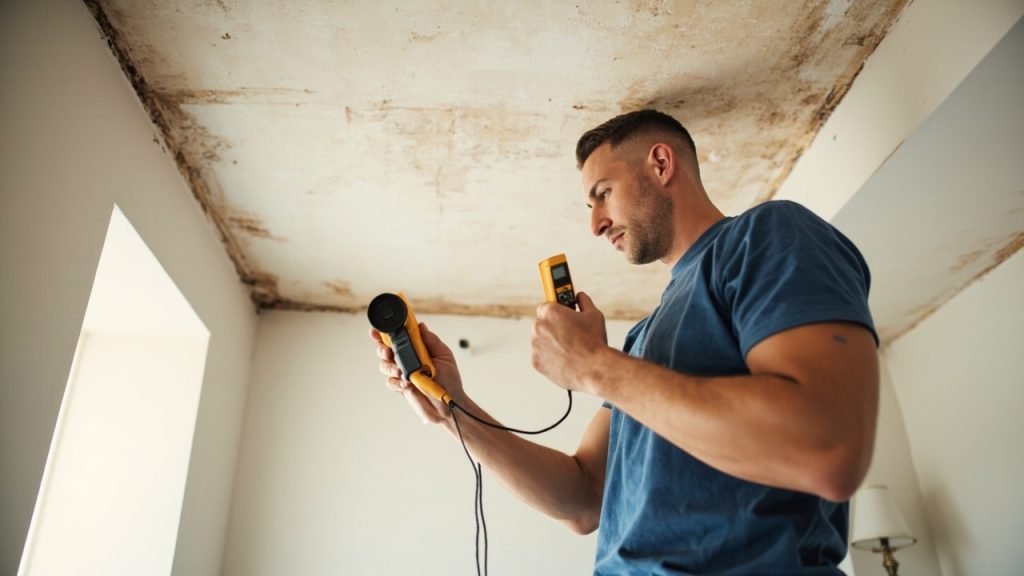
The first step is knowing the warning signs. Water spots on your ceiling often mean a leak is already active. You might see yellow or brown stains, bubbling paint, or areas that feel soft to the touch. In some cases, you will notice sagging or a visible dip in the ceiling surface. These are red flags that the ceiling’s structure is compromised. Mold growth is another serious sign. In Florida’s humid climate, mold can begin forming within 24 to 48 hours of water exposure. If you see black, green, or white fuzzy patches, it is time to act.
Understanding the source of the leak is critical. In Town ‘n’ Country homes, the most common culprits are roof damage, HVAC condensation, and plumbing failures. Roof leaks often happen during the rainy season or after a storm, especially if shingles or flashing are damaged. HVAC systems can leak when drain lines clog or the condensate pan cracks. Plumbing leaks from bathrooms or kitchens on upper floors can slowly drip down into the ceiling below. Each source requires a different repair approach, so identifying the cause helps you avoid repeated damage.
Why Florida’s Climate Makes Ceiling Damage Worse
Tampa’s high humidity and frequent storms create a perfect storm for ceiling damage. When water enters your home, the warm, moist air keeps materials wet longer. This delays drying and gives mold more time to grow. Sandy soil in many Town ‘n’ Country neighborhoods can also cause foundation settling, which may lead to cracks in walls and ceilings that let in moisture. Homes near the coast face additional salt air exposure, which can corrode metal fasteners and weaken structures over time.
Older homes in the area often have flat or low-slope roofs that are more prone to pooling water. If the roof’s drainage system is not working well, water can back up and seep under shingles or flashing. This is especially true after heavy rains or hurricanes. Even a small leak can turn into a big problem if it goes unnoticed for weeks or months.
The Professional Repair Process
Fixing a water damaged ceiling is not just about patching the drywall. A full restoration involves several steps to ensure the problem is solved and your home is safe. Here is what a professional process looks like:
- Emergency Inspection and Containment
Technicians assess the damage, locate the leak source, and stop further water intrusion. If needed, they tarp the roof or shut off water supply.
- Water Extraction and Drying
Using industrial pumps and vacuums, they remove standing water. High-powered air movers and dehumidifiers dry the ceiling cavity and surrounding materials.
- Mold Remediation
If mold is present, technicians follow IICRC S520 standards to safely remove contaminated materials and treat the area with antimicrobial solutions.
- Structural Repair or Replacement
Damaged drywall, insulation, and framing are removed and replaced. This step ensures the ceiling is strong and stable.
- Texture Matching and Painting
The repaired area is textured to match the original ceiling finish, then painted for a seamless look.
Skipping any of these steps can lead to recurring problems. For example, simply patching drywall without fixing the leak or drying the cavity will only delay the next failure. Mold left behind can spread and cause health issues. That is why professional restoration follows strict industry standards.
Common Ceiling Types in Town ‘n’ Country Homes
The type of ceiling you have affects the repair process and cost. Many older homes in Town ‘n’ Country feature popcorn ceilings, which were popular in the 1970s and 1980s. These textured ceilings can hide water damage until it becomes severe. Removing and replacing popcorn texture requires special care, especially if the material contains asbestos.
Knockdown and smooth ceilings are also common. Smooth ceilings show water stains and cracks more easily, making damage more visible but sometimes easier to repair. Tray and vaulted ceilings add complexity because they often involve multiple levels and angles. In multi-story condos near the Courtney Campbell Causeway, plumbing leaks from upper units can cause ceiling damage on lower floors.
Matching the original texture is key to a good repair. Professionals use tools like spray hoppers and texture brushes to recreate the look of your existing ceiling. This step is often overlooked by DIYers but makes a big difference in the final appearance.
DIY vs. Professional Repair: When to Call for Help
Some minor ceiling stains can be handled with a simple patch and paint job. But there are clear signs that you need a professional:
- The ceiling is sagging or feels soft
- You see mold or smell a musty odor
- The leak source is unknown or hard to reach
- The damage covers a large area
- You have a popcorn or textured ceiling that needs repair
Professional repair costs more upfront but saves money in the long run by preventing repeat damage. A small patch job might cost a few hundred dollars, while a full ceiling replacement can run into the thousands. However, if the damage is severe or mold is present, the higher cost is worth the peace of mind.
Insurance and Restoration in Town ‘n’ Country
Most homeowner insurance policies cover sudden and accidental water damage, such as a burst pipe or storm-related roof leak. However, they usually do not cover slow leaks or damage from lack of maintenance. When you file a claim, the insurance adjuster will want to see documentation of the damage and proof that you took steps to prevent further loss.
Professional restoration companies can help with the claims process. They provide detailed reports, photos, and estimates that insurance companies require. In some cases, they can even bill the insurance company directly, reducing your out-of-pocket costs. This is especially helpful in emergency situations when you need repairs fast.
Preventing Future Ceiling Damage
Once your ceiling is repaired, taking steps to prevent future leaks is important. Here are some practical tips:
- Inspect your roof annually for missing shingles or damaged flashing
- Clean gutters and downspouts to ensure proper drainage
- Check HVAC drain lines for clogs and schedule regular maintenance
- Look for signs of plumbing leaks under sinks and around toilets
- Use a dehumidifier in rooms with poor ventilation
Regular maintenance can catch small problems before they become big ones. In Florida’s climate, it is also wise to have your home inspected after major storms or hurricanes.
Local Resources and Help
If you live in Town ‘n’ Country, you are close to several resources that can help with ceiling damage. The Hillsborough County Building Department can provide information on local building codes and permit requirements. The Florida Department of Business and Professional Regulation licenses mold remediation contractors, so you can verify a company’s credentials before hiring.
For emergency help, local restoration companies offer 24/7 response. Many have teams stationed throughout Tampa Bay, including in nearby neighborhoods like Westchase and Citrus Park. This means faster arrival times and quicker action to prevent further damage.
Frequently Asked Questions
How long does it take to repair a water damaged ceiling?
The time depends on the extent of the damage. A small patch might take a day, while a full ceiling replacement can take several days. Drying time is often the longest part of the process.
Can I just paint over a water stain?
Painting over a stain without fixing the underlying problem will only hide the damage temporarily. The leak will likely return, and mold can continue to grow.
Is mold always present with ceiling leaks?
Not always, but it is very common in Florida’s humid climate. If water sits for more than 24 to 48 hours, mold can begin to grow.
Will my insurance cover the repair?
It depends on your policy and the cause of the damage. Sudden events like storms or burst pipes are usually covered, but slow leaks or lack of maintenance are not.
What should I do if my ceiling is sagging?
A sagging ceiling is a sign of serious structural damage. Avoid the area and call a professional immediately to prevent collapse.
Act Fast to Protect Your Home
Water damaged ceilings are more than a cosmetic issue. In Town ‘n’ Country, where many homes are older and the climate is humid, ceiling leaks can quickly lead to structural failure and mold growth. The key is to act fast. If you see signs of water damage, do not wait. Call a professional restoration company to inspect, repair, and restore your ceiling before it collapses.
Need help now? Call Fortress Water Damage Restoration Tampa at (656) 219-8088 for 24/7 emergency service. Our team is ready to respond quickly and get your home back to normal.
{
“@context”: “https://schema.org”,
“@type”: “BlogPosting”,
“headline”: “Fixing a Water Damaged Ceiling in Your Town ‘n’ Country Home Before it Collapses”,
“description”: “Ceiling leaks in Town ‘n’ Country homes can cause collapse if not addressed quickly. Learn the warning signs, repair process, and when to call for emergency help.”,
“wordCount”: 1520,
“datePublished”: “2026-02-12T12:37:00.000Z”,
“dateModified”: “2026-02-12T12:37:00.000Z”,
“inLanguage”: “en-US”,
“mainEntityOfPage”: {
“@type”: “WebPage”,
“@id”: “https://fortresswaterdamagerestorationtampa.com”
},
“publisher”: {
“@type”: “LocalBusiness”,
“name”: “Fortress Water Damage Restoration Tampa”,
“url”: “https://fortresswaterdamagerestorationtampa.com”
},
“author”: {
“@type”: “Organization”,
“name”: “Fortress Water Damage Restoration Tampa”,
“url”: “https://fortresswaterdamagerestorationtampa.com”
},
“image”: {
“@type”: “ImageObject”,
“url”: “https://fortresswaterdamagerestorationtampa.com/wp-content/uploads/2026/03/fixing-a-water-damaged-ceiling-in-your-town-n-coun-1.jpg”
}
}
{
“@context”: “https://schema.org”,
“@type”: “LocalBusiness”,
“name”: “Fortress Water Damage Restoration Tampa”,
“url”: “https://fortresswaterdamagerestorationtampa.com”,
“address”: {
“@type”: “PostalAddress”,
“addressLocality”: “Tampa”
},
“areaServed”: {
“@type”: “City”,
“name”: “Tampa”
}
}
{
“@context”: “https://schema.org”,
“@type”: “FAQPage”,
“mainEntity”: [
{
“@type”: “Question”,
“name”: “How long does it take to repair a water damaged ceiling?”,
“acceptedAnswer”: {
“@type”: “Answer”,
“text”: “The time depends on the extent of the damage. A small patch might take a day, while a full ceiling replacement can take several days. Drying time is often the longest part of the process.”
}
},
{
“@type”: “Question”,
“name”: “Can I just paint over a water stain?”,
“acceptedAnswer”: {
“@type”: “Answer”,
“text”: “Painting over a stain without fixing the underlying problem will only hide the damage temporarily. The leak will likely return, and mold can continue to grow.”
}
},
{
“@type”: “Question”,
“name”: “Is mold always present with ceiling leaks?”,
“acceptedAnswer”: {
“@type”: “Answer”,
“text”: “Not always, but it is very common in Florida’s humid climate. If water sits for more than 24 to 48 hours, mold can begin to grow.”
}
},
{
“@type”: “Question”,
“name”: “Will my insurance cover the repair?”,
“acceptedAnswer”: {
“@type”: “Answer”,
“text”: “It depends on your policy and the cause of the damage. Sudden events like storms or burst pipes are usually covered, but slow leaks or lack of maintenance are not.”
}
},
{
“@type”: “Question”,
“name”: “What should I do if my ceiling is sagging?”,
“acceptedAnswer”: {
“@type”: “Answer”,
“text”: “A sagging ceiling is a sign of serious structural damage. Avoid the area and call a professional immediately to prevent collapse.”
}
}
]
}
{
“@context”: “https://schema.org”,
“@type”: “HowTo”,
“name”: “How to Fix a Water Damaged Ceiling”,
“step”: [
{
“@type”: “HowToStep”,
“position”: 1,
“name”: “Emergency Inspection and Containment”,
“text”: “Technicians assess the damage, locate the leak source, and stop further water intrusion. If needed, they tarp the roof or shut off water supply.”
},
{
“@type”: “HowToStep”,
“position”: 2,
“name”: “Water Extraction and Drying”,
“text”: “Using industrial pumps and vacuums, they remove standing water. High-powered air movers and dehumidifiers dry the ceiling cavity and surrounding materials.”
},
{
“@type”: “HowToStep”,
“position”: 3,
“name”: “Mold Remediation”,
“text”: “If mold is present, technicians follow IICRC S520 standards to safely remove contaminated materials and treat the area with antimicrobial solutions.”
},
{
“@type”: “HowToStep”,
“position”: 4,
“name”: “Structural Repair or Replacement”,
“text”: “Damaged drywall, insulation, and framing are removed and replaced. This step ensures the ceiling is strong and stable.”
},
{
“@type”: “HowToStep”,
“position”: 5,
“name”: “Texture Matching and Painting”,
“text”: “The repaired area is textured to match the original ceiling finish, then painted for a seamless look.”
}
],
“image”: “https://fortresswaterdamagerestorationtampa.com/wp-content/uploads/2026/03/fixing-a-water-damaged-ceiling-in-your-town-n-coun-1.jpg”
}
{
“@context”: “https://schema.org”,
“@type”: “BreadcrumbList”,
“itemListElement”: [
{
“@type”: “ListItem”,
“position”: 1,
“name”: “Home”,
“item”: “https://fortresswaterdamagerestorationtampa.com”
},
{
“@type”: “ListItem”,
“position”: 2,
“name”: “Blog”,
“item”: “https://fortresswaterdamagerestorationtampa.com/blog”
},
{
“@type”: “ListItem”,
“position”: 3,
“name”: “Fixing a Water Damaged Ceiling in Your Town ‘n’ Country Home Before it Collapses”
}
]
}
{
“@context”: “https://schema.org”,
“@type”: “Service”,
“serviceType”: “Water Damage Restoration”,
“provider”: {
“@type”: “LocalBusiness”,
“name”: “Fortress Water Damage Restoration Tampa”,
“url”: “https://fortresswaterdamagerestorationtampa.com”
},
“areaServed”: {
“@type”: “City”,
“name”: “Tampa”
},
“description”: “Ceiling leaks in Town ‘n’ Country homes can cause collapse if not addressed quickly. Learn the warning signs, repair process, and when to call for emergency help.”
}