





Menu

Attic Water Damage Cleanup in Tampa | Expert Restoration Before Mold Takes Hold

Fortress Water Damage Restoration Tampa specializes in attic water damage cleanup, stopping hidden moisture from destroying insulation, framing, and air quality before structural decay sets in.

Slider Image 1
Slider Image 2
Slider Image 3
Slider Image 4
Slider Image 5
Slider Image 7
Slider Image 8
Slider Image 9
Slider Image 10
Slider Image 11

Why Tampa Attics Are Ground Zero for Hidden Water Damage

Tampa's subtropical climate creates a perfect storm for attic water damage. Afternoon thunderstorms dump rain at rates exceeding two inches per hour. Wind-driven rain penetrates roof penetrations and aging flashing. High humidity levels hover near 75 percent year-round, meaning wet insulation never fully dries on its own.

Most homeowners discover attic water damage weeks after the initial leak. By then, soaked insulation has compressed, ceiling joists show early rot, and mold spores have colonized the space. The problem compounds during hurricane season when roof damage goes unnoticed until interior stains appear.

Tampa's older housing stock, particularly in neighborhoods like Seminole Heights and Hyde Park, features original roofing systems past their serviceable life. These homes suffer from deteriorated roof decking, compromised valley flashing, and inadequate attic ventilation. When water enters, it spreads laterally through insulation before dripping onto ceilings below.

Attic water removal services must address both visible pooling and absorbed moisture. Wet cellulose or fiberglass insulation holds water like a sponge. Standard fans cannot dry these materials. Without proper attic leak cleanup, moisture migrates into wall cavities, creating secondary damage sites throughout your home.

Attic flood restoration requires immediate action. Within 48 hours, mold growth begins. Within one week, wood framing loses structural integrity. The longer you wait, the more extensive the attic water damage repair becomes. Tampa homeowners need rapid response teams who understand local construction methods and weather patterns.

Why Tampa Attics Are Ground Zero for Hidden Water Damage
How Professional Attic Water Damage Restoration Actually Works

How Professional Attic Water Damage Restoration Actually Works

Effective attic water damage cleanup starts with source identification. Our technicians inspect roof penetrations, plumbing vents, HVAC condensate lines, and soffit ventilation. We use thermal imaging cameras to map moisture patterns invisible to the naked eye. This technology reveals wet insulation, damp framing, and hidden leaks behind ductwork.

We measure moisture content using pin-type and non-invasive meters. Wood framing should read below 16 percent moisture content. Readings above 20 percent indicate active water intrusion requiring immediate extraction. We document baseline conditions before beginning attic water removal services, creating a moisture map that guides our drying strategy.

Containment prevents cross-contamination. We seal attic access points and establish negative air pressure using HEPA-filtered air scrubbers. This stops mold spores from spreading into living spaces during cleanup. For contaminated water sources like sewage backups or long-term leaks, we follow IICRC S520 protocols for mold remediation.

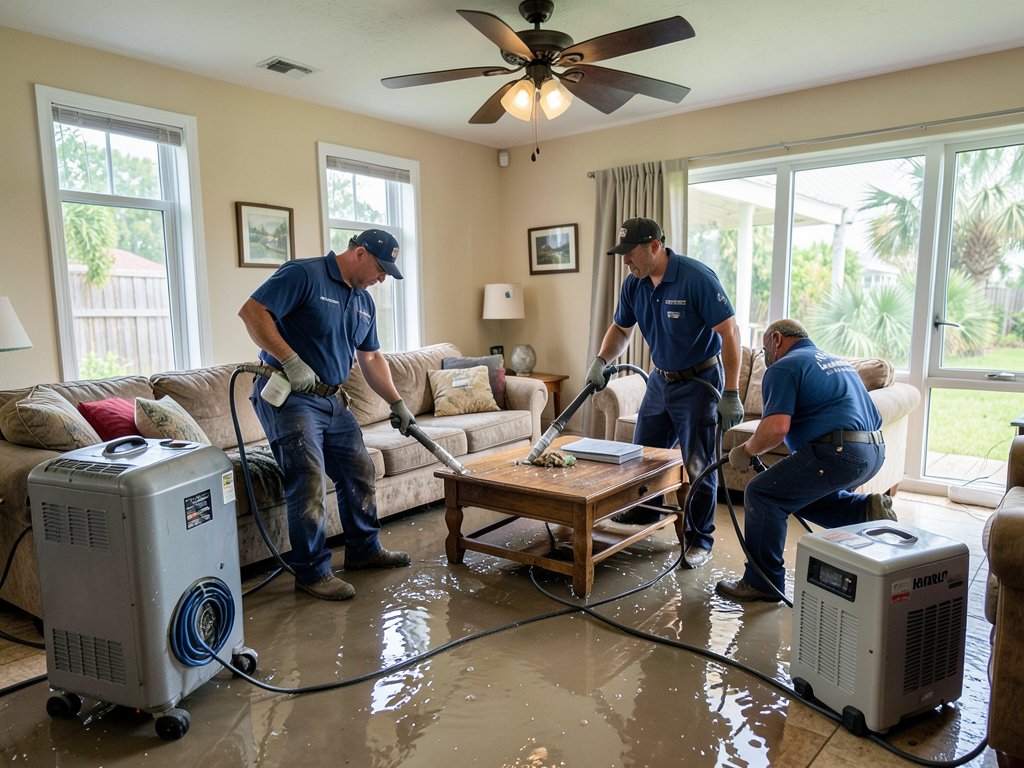
Water extraction uses truck-mounted pumps for standing water and commercial dehumidifiers for absorbed moisture. We remove soaked insulation immediately since drying it in place takes weeks and promotes microbial growth. Structural drying targets wood framing, using focused airflow and low-grain refrigerant dehumidifiers to pull moisture from dense materials.

Tampa's humidity requires aggressive drying. We monitor conditions twice daily, adjusting equipment placement based on moisture readings. Drying typically takes three to five days for framing and seven to ten days for complete structural stabilization. We verify dry conditions before reconstruction begins, preventing trapped moisture that leads to callbacks months later.

What Happens During Your Attic Water Damage Cleanup

Attic Water Damage Cleanup in Tampa | Expert Restoration Before Mold Takes Hold
01

Emergency Assessment and Containment

We arrive within two hours of your call, climbing into your attic to locate active leaks and assess damage extent. Our technicians photograph conditions, measure moisture levels in framing and insulation, and identify the water source. We stop ongoing leaks with emergency tarping or temporary repairs, then seal off the attic to prevent contamination of living areas.
02

Water Extraction and Material Removal

We extract standing water using pumps and vacuums, then remove saturated insulation that cannot be salvaged. Wet drywall, contaminated materials, and damaged sheathing get bagged and removed from your property. We expose structural framing to allow proper drying and treat affected wood with antimicrobial solutions. Industrial dehumidifiers and air movers begin the drying process immediately after extraction completes.
03

Structural Drying and Verification

We monitor moisture levels daily until wood framing reaches normal levels below 16 percent. Equipment runs continuously, with technicians adjusting airflow patterns based on drying progress. Final verification uses moisture meters and thermal imaging to confirm complete drying. We provide documentation showing moisture readings returned to normal, giving you proof the attic is ready for insulation replacement and any necessary repairs.

Why Tampa Property Owners Choose Fortress Water Damage Restoration

Tampa's unique construction challenges require local knowledge. Our technicians understand how concrete block homes with hip roofs behave differently than wood-frame structures with gabled attics. We know which neighborhoods have original 1920s clay tile roofing versus modern architectural shingles. This matters because water intrusion patterns differ based on roof design and building materials.

We work directly with insurance adjusters who handle claims in Hillsborough County. Our estimates follow Xactimate pricing, the industry standard software that insurers use. We document damage with detailed photos, moisture readings, and scope narratives that support your claim. Many Tampa homeowners discover their insurance covers more than expected when proper documentation proves the damage extent.

Fortress Water Damage Restoration Tampa maintains relationships with local roofing contractors, electricians, and HVAC technicians. Attic water damage often affects multiple systems. We coordinate repairs so your roof gets patched, damaged wiring gets replaced, and contaminated ductwork gets cleaned in a logical sequence. You get one point of contact instead of juggling multiple contractors.

Our equipment stays on your property until drying completes. Some companies pull equipment early to start the next job. We leave dehumidifiers and air movers running 24/7, monitored by our technicians who adjust settings based on real-time moisture readings. This approach prevents callbacks for incomplete drying that shows up weeks later as mold growth or musty odors.

We understand Tampa's permit requirements for structural repairs. When water damage affects roof sheathing or ceiling joists, repairs require building permits. We handle permit applications and coordinate inspections, ensuring work meets Florida Building Code requirements. This protects your home's value and prevents issues during future real estate transactions.

What to Expect During Attic Water Damage Cleanup

Response Time and Availability

We answer emergency calls 24 hours daily, including weekends and holidays. Most Tampa homeowners get a technician on-site within two hours of calling. Our trucks carry extraction equipment, moisture meters, and emergency tarps. We begin containment and water removal immediately, not the next business day. For insurance claims, we provide same-day estimates and start the drying process before your adjuster visits. Quick response prevents secondary damage that increases repair scope and extends timelines. Every hour matters when dealing with water-saturated insulation and wet framing. Our dispatch system prioritizes attic emergencies because we know how quickly mold colonizes in Tampa's humid conditions.

Initial Inspection and Scope Development

Our assessment begins with thermal imaging to map moisture patterns throughout your attic. We check the entire space, not just the obvious wet spot, because water travels along framing and spreads through insulation. Technicians probe wood members with moisture meters, testing rafters, joists, and sheathing at multiple points. We inspect roof penetrations, examine flashing details, and trace the water path back to its source. You receive a written scope detailing affected materials, required demolition, and estimated drying time. We explain what stays and what goes, helping you understand why some materials can dry in place while others need immediate removal. This transparency prevents surprise costs and scope changes mid-project.

Final Results and Quality Standards

Complete drying means wood framing reads below 16 percent moisture content and no visible staining or odors remain. We verify results using multiple measurement methods before calling the job complete. You receive a final moisture report showing before and after readings at each test location. This documentation proves your attic returned to normal conditions. Affected areas get treated with antimicrobial solutions to prevent future mold growth. We photograph final conditions for your records and insurance file. The attic will be ready for new insulation installation, with all structural repairs coordinated and completed. Our goal is returning your attic to pre-loss condition, not just making it look better.

Post-Cleanup Support and Monitoring

After equipment removal, we provide guidance on preventing future attic water damage. This includes maintenance recommendations for your roof, suggestions for improving attic ventilation, and signs to watch for that indicate new leaks. We offer follow-up inspections at 30 and 90 days to verify the attic remains dry and no secondary issues developed. If you detect musty odors or new staining within six months, we return to investigate at no charge. Our relationship continues beyond the final invoice. We want Tampa homeowners confident their attic water damage got resolved completely, not temporarily patched. You can call with questions about insulation replacement, roofing contractors, or suspicious moisture months after we finish.

Frequently Asked Questions

You Have Questions,
We Have Answers

How to fix water damage in an attic? +

First, stop the water source. For Tampa homes, this often means tarping a roof leak or shutting off a burst pipe. Remove standing water with wet vacuums or pumps. Pull out soaked insulation immediately because Tampa's humidity accelerates mold growth within 24 to 48 hours. Set up commercial dehumidifiers and air movers to dry structural wood, sheathing, and framing. Inspect for hidden moisture in rafters and joists using moisture meters. Treat affected wood with antimicrobial solutions. Replace damaged insulation and repair roof penetrations. Professional restoration ensures thorough drying and prevents secondary damage in Florida's humid climate.

Does homeowners insurance cover attic remediation? +

Most homeowners policies cover sudden and accidental water damage, like burst pipes or storm-related roof leaks. However, coverage excludes gradual damage from neglected maintenance or wear and tear. In Tampa, hurricane deductibles may apply if wind caused the roof breach. Flood damage requires separate flood insurance through NFIP or private carriers. Read your policy's water damage exclusions carefully. Document everything with photos before cleanup begins. Many Tampa restoration companies work directly with insurers to streamline claims. If your attic damage stems from a covered peril, your policy typically pays for restoration, minus your deductible.

How much does it cost to repair water damage in the attic? +

Attic water damage repair in Tampa ranges widely based on severity. Minor leaks affecting small areas might cost a few hundred dollars for drying and spot insulation replacement. Moderate damage with structural drying, mold treatment, and insulation replacement typically runs higher. Severe cases requiring rafter repair, sheathing replacement, and extensive mold remediation cost significantly more. Tampa's high humidity can escalate costs if moisture spreads undetected. Insurance often covers sudden damage, reducing your out-of-pocket expense to your deductible. Get a detailed estimate that includes water extraction, structural drying, antimicrobial treatment, and material replacement before work begins.

How likely is mold after water damage? +

Mold becomes highly likely after attic water damage if moisture lingers beyond 48 hours. Tampa's year-round heat and humidity create perfect conditions for rapid mold colonization on wood, insulation, and sheathing. Porous materials like fiberglass or cellulose insulation absorb water quickly and rarely dry properly without professional intervention. Even if surfaces look dry, hidden moisture in roof decking or rafters feeds mold growth. You need industrial dehumidifiers, air movers, and moisture meters to verify complete drying. Without proper remediation, expect mold in 72 hours or less. Professional restoration drastically reduces this risk through controlled drying protocols.

What is the 7 and 7 rule for attics? +

The 7 and 7 rule requires attic ventilation of one square foot of net free vent area for every 150 square feet of attic floor space, split evenly between intake and exhaust vents. This means half your ventilation should be low (soffit vents) and half high (ridge or gable vents). In Tampa, proper ventilation is critical because trapped heat and humidity accelerate roof deterioration and promote mold growth after water intrusion. Inadequate airflow prevents moisture from escaping, worsening water damage. If your attic lacks proper ventilation, moisture problems compound quickly in Florida's subtropical climate.

Will homeowners insurance cover water damage from a roof leak? +

Homeowners insurance typically covers water damage from sudden roof leaks caused by covered perils like wind, hail, or falling trees. In Tampa, hurricane damage falls under windstorm coverage but may carry a separate percentage deductible. Insurance will not cover leaks from poor maintenance, worn shingles, or gradual deterioration. If you knew about roof issues and delayed repairs, your claim may be denied. Document the damage immediately with photos and contact your insurer within 24 hours. Most policies pay for interior water damage and contents but may limit roof repair to actual cash value based on age.

How much does it cost to remediate an attic? +

Attic remediation costs in Tampa vary by damage extent and contamination type. Water damage remediation with drying, insulation removal, and antimicrobial treatment typically costs less than full mold remediation requiring containment, air scrubbing, and extensive material removal. Minor water intrusion affecting limited areas costs significantly less than widespread contamination from prolonged leaks. Tampa's humidity can escalate remediation scope if moisture spreads undetected. Insurance often covers sudden water damage remediation, reducing your expense to your deductible. Professional estimates should include moisture mapping, containment if needed, antimicrobial treatment, structural drying, insulation replacement, and air quality testing.

What not to say during a home insurance claim? +

Never speculate about damage timelines or admit neglect. Avoid saying the leak existed for months or that you delayed repairs. Do not exaggerate losses or minimize damage. Never say you are unsure when damage started. In Tampa, avoid blaming hurricane damage if wind speeds did not reach your policy threshold. Do not accept the first settlement without professional assessment. Never sign releases before restoration is complete. Stick to facts and documented evidence. Let professionals provide technical assessments. Do not provide recorded statements without reviewing your policy first. Simple honesty works, but do not volunteer information that weakens your claim.

Does insurance cover black mold in the attic? +

Black mold coverage depends on the water source. If mold resulted from a covered peril like a sudden roof leak or burst pipe, most Tampa homeowners policies cover remediation. However, mold from gradual leaks, poor ventilation, or maintenance neglect is typically excluded. Many Florida policies cap mold coverage at specific limits unless you purchase additional mold endorsements. Document the initial water damage immediately and remediate quickly. Insurers expect prompt mitigation. If you delayed cleanup and mold spread, they may deny coverage. Review your policy's mold exclusions and coverage limits before filing a claim.

Will homeowners pay for water damage? +

Homeowners insurance covers water damage from sudden and accidental events like burst pipes, appliance failures, or storm-related roof leaks. Tampa policies typically exclude gradual damage from maintenance neglect, seepage, or foundation issues. Flood damage requires separate flood insurance. Wind-driven rain during hurricanes may be covered under windstorm provisions, but check your deductible structure. Insurance pays for structural repairs and damaged contents after you meet your deductible. File claims immediately and document everything with photos. Prompt mitigation is required to prevent secondary damage. Review your policy's water damage exclusions and understand what qualifies as a covered peril.

How Tampa's Hurricane Season Amplifies Attic Water Damage Risks

Tampa's location on Florida's Gulf Coast puts homes directly in the path of tropical systems from June through November. Hurricane-force winds lift shingles, crack roof tiles, and tear flashing loose from penetrations. Rain falls horizontally during these storms, driving water under materials that normally shed moisture. Attic leaks that start during hurricanes often go unnoticed for days while homeowners deal with yard cleanup and power outages. By the time you climb into the attic, insulation has absorbed gallons of water and mold growth has begun. The combination of wind-driven rain and extended moisture exposure makes post-storm attic water damage restoration more complex than typical leak repairs. Quick professional assessment after major weather events prevents minor roof damage from becoming structural disasters.

Tampa's building codes evolved after Hurricane Andrew, requiring stronger roof attachments and improved flashing details. Homes built before 1995 lack these protections, making older neighborhoods like Beach Park and Wellswood particularly vulnerable to wind-driven attic flooding. Local water damage restoration companies understand these construction differences and adjust their approach accordingly. We know which roof designs fail first during storms and where to look for hidden damage after wind events. This local expertise matters when documenting insurance claims because adjusters need proof that storm damage caused the leak, not deferred maintenance. Choosing a Tampa-based attic water damage cleanup company means working with technicians who understand local weather patterns, construction methods, and insurance claim processes specific to Florida's Gulf Coast.
Water Damage Restoration Services in The Tampa Area

We proudly serve the entire Tampa area with rapid-response water damage restoration services. Whether you’re downtown, in the suburbs, or operating a business near the bay, our expert team is just minutes away. Use the map below to view our service zone or find our nearest location. We’re ready to respond wherever you need us. Your peace of mind is only a call or click away.

Address:
Fortress Water Damage Restoration Tampa, 4830 W Kennedy Blvd #600, Tampa, FL, 33609

Additional Services We Offer

Our news updates

Latest Articles & News from The Blogs

How Clogged Gutters and Downspouts Can Lead to a Flooded Living Room in Wooded Lutz Neighborhoods When heavy afternoon thunderstorms…

How Clogged Gutters and Downspouts Can Lead to a Flooded Living Room in Wooded Lutz Neighborhoods

How Clogged Gutters and Downspouts Can Lead to a Flooded Living Room in Wooded Lutz Neighborhoods When heavy afternoon thunderstorms…

Why You Should Never Use Bleach to Clean Up Mold After a Leak in Your Tampa Palms Home

Why You Should Never Use Bleach to Clean Up Mold After a Leak in Your Tampa Palms Home When you…

Dealing With Water Damage in Your Backyard ADU or Guest House in Seminole Heights

Dealing With Water Damage in Your Backyard ADU or Guest House in Seminole Heights Water damage in a Seminole Heights…

Contact Us

Call Fortress Water Damage Restoration Tampa now at (656) 219-8088 for immediate attic water damage cleanup. Our technicians respond to Tampa homes within two hours, 24/7. Stop mold growth and structural damage before repair costs multiply.