





Menu

Allergic Reactions in Home in Tampa – Expert Diagnosis and Permanent Mold Remediation

We identify hidden moisture sources driving your allergic reactions in home, eliminate contaminated materials, and restore air quality in Tampa properties using thermal imaging and HEPA filtration systems.

Slider Image 1
Slider Image 2
Slider Image 3
Slider Image 4
Slider Image 5
Slider Image 7
Slider Image 8
Slider Image 9
Slider Image 10
Slider Image 11

Why Tampa Homes Trigger Persistent Allergy Symptoms Year-Round

You wake up with a scratchy throat. Your eyes water when you walk into certain rooms. Your kids cough more at home than anywhere else. These are not seasonal allergies. These are household mold allergies triggered by Tampa's relentless humidity and hidden water intrusion.

Tampa's average relative humidity sits above 70 percent most of the year. When indoor humidity exceeds 60 percent, mold spores colonize drywall, insulation, and HVAC ducts within 48 hours. Your air conditioner cycles constantly but cannot dehumidify fast enough. Condensation forms behind baseboards. Roof leaks from summer storms go unnoticed for weeks. The result is indoor mold symptoms that mimic chronic respiratory infections.

Water damage allergy triggers do not resolve with antihistamines. You are inhaling spore fragments, mycotoxins, and volatile organic compounds released by active fungal growth. Aspergillus and Penicillium species thrive in Tampa's climate. They colonize damp wood framing, wet insulation batts, and soaked ceiling tiles. Every time your HVAC system kicks on, it disperses these allergens through your ductwork.

Mildew allergic reactions escalate when moisture problems persist. A slow plumbing leak under your kitchen sink creates a perfect breeding ground. A clogged gutter overflows during afternoon thunderstorms and saturates your exterior wall cavity. These hidden moisture sources feed mold colonies you cannot see. The mold exposure symptoms intensify because the contamination spreads through porous building materials. Your home becomes a bioreactor for allergens.

You cannot fix this problem with bleach and a sponge. Surface cleaning does not address contaminated insulation or colonized drywall. Professional water damage assessment identifies the moisture source, maps the extent of contamination, and removes affected materials to restore air quality.

Why Tampa Homes Trigger Persistent Allergy Symptoms Year-Round
How We Eliminate Allergen Sources and Restore Indoor Air Quality

How We Eliminate Allergen Sources and Restore Indoor Air Quality

We do not guess where mold is growing. We use infrared thermal imaging cameras to detect temperature differentials behind walls and above ceilings. Wet building materials show up as cold spots because water evaporation creates measurable temperature drops. This technology reveals hidden moisture intrusion without demolition. We map the exact boundaries of water damage before we remove a single piece of drywall.

Moisture meters confirm findings. We take readings at multiple depths in framing lumber, drywall, and subfloor materials. A reading above 16 percent moisture content in wood indicates active water intrusion. Anything above 19 percent supports fungal growth. We document these readings to establish the scope of remediation and verify dryness after restoration.

Containment prevents cross-contamination during demo. We build negative air pressure chambers using polyethylene sheeting and HEPA-filtered air scrubbers. This setup exhausts contaminated air outside while preventing spore migration into clean areas of your home. Technicians wear respirators rated for mold remediation. We bag and seal all contaminated materials before transport through living spaces.

Controlled demolition removes affected building materials. We do not save moldy drywall or soaked insulation. If the material held moisture long enough to grow mold, it comes out. We cut back to dry framing and inspect the cavity for hidden contamination. Structural lumber gets HEPA-vacuumed and treated with antimicrobial solutions.

HEPA air filtration runs continuously during and after demo. Our air scrubbers cycle the entire room volume multiple times per hour. They capture particulates down to 0.3 microns, including mold spores, dust, and construction debris. We leave these units running for 72 hours post-restoration to ensure air quality meets clearance standards. This is not cosmetic work. This is forensic remediation that removes allergen sources permanently.

What Happens During Your Mold and Allergen Remediation

Allergic Reactions in Home in Tampa – Expert Diagnosis and Permanent Mold Remediation
01

Moisture Source Investigation

We inspect your property with thermal cameras and moisture meters to locate active water intrusion. We check attic spaces for roof leaks, inspect crawl spaces for groundwater seepage, and test HVAC condensate lines for backups. We photograph every moisture anomaly and document readings. You receive a detailed assessment report that maps contamination and identifies the root cause of your indoor mold symptoms before any demolition begins.
02

Contaminated Material Removal

We establish containment barriers and negative air pressure to isolate the work zone. Technicians remove water-damaged drywall, insulation, baseboards, and any porous materials that held moisture. We cut back to clean, dry framing. Structural lumber gets HEPA-vacuumed and treated with antimicrobial agents. All debris is double-bagged and removed through containment chambers. We do not track contaminated materials through your living spaces. This phase eliminates the physical source of your water damage allergy triggers.
03

Air Quality Restoration

HEPA air scrubbers run continuously during and after material removal to capture airborne spores and particulates. We dry all structural cavities to below 16 percent moisture content using commercial dehumidifiers. After 72 hours of continuous air filtration, we conduct visual clearance inspections. You receive post-remediation documentation showing your home meets safe moisture levels. The result is verified air quality that stops mold exposure symptoms and protects your family from ongoing mildew allergic reactions.

Why Tampa Property Owners Choose Fortress Water Damage Restoration for Allergy Issues

Generic mold companies spray disinfectant and repaint. That approach fails in Tampa because it ignores the moisture problem. We address the root cause. Our technicians understand how Tampa's subtropical climate interacts with building science. We know that homes built on slab foundations are prone to capillary moisture wicking through concrete. We know that attic temperatures exceeding 140 degrees in summer create severe condensation when humid air contacts cold ductwork. We know that Tampa's afternoon thunderstorms deliver two inches of rain in 30 minutes, overwhelming undersized gutters and saturating wall cavities.

This local knowledge matters. A plumbing leak in Tampa behaves differently than one in Phoenix. High ambient humidity slows evaporation. Water stays trapped in building materials longer, giving mold more time to colonize. Our remediation protocols account for this. We use commercial dehumidifiers calibrated for Florida's humidity load. We verify structural drying to lower moisture thresholds because we know fungal growth accelerates here.

We work with local building codes and insurance adjusters daily. We understand Florida's strict mold remediation standards and the documentation requirements for insurance claims. We photograph conditions before and after. We log moisture readings. We provide detailed scope-of-work reports that satisfy adjusters and prevent claim denials. This experience protects you from out-of-pocket expenses and delays.

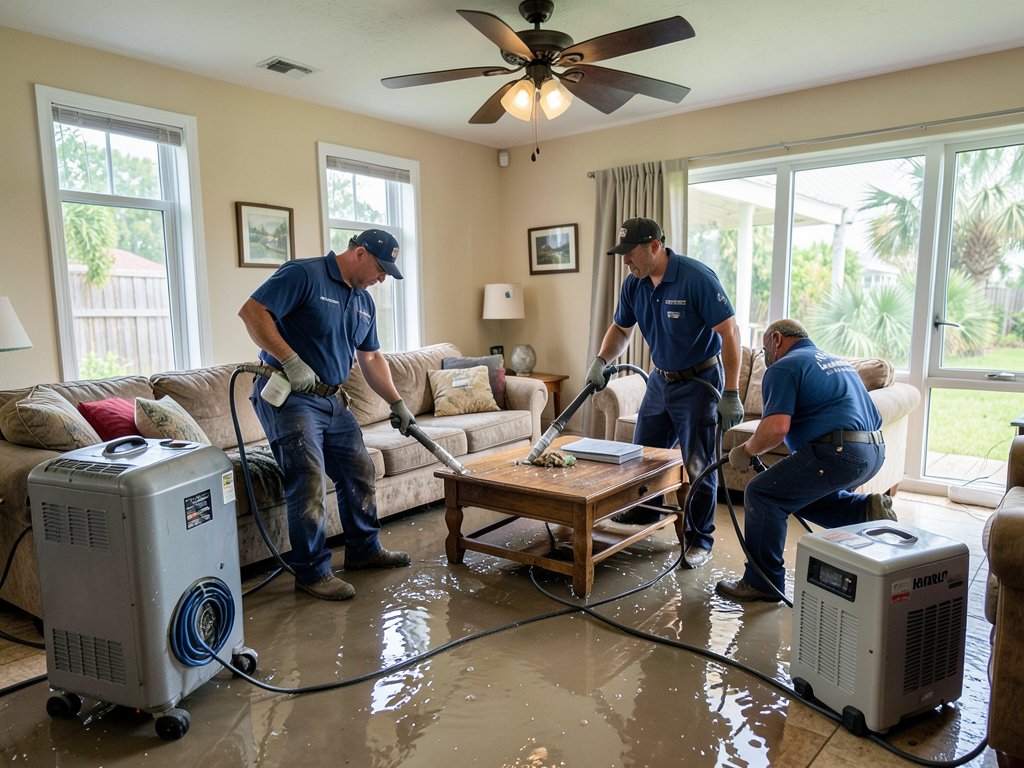
Our equipment fleet includes thermal imaging cameras, industrial air movers, commercial dehumidifiers, and HEPA air scrubbers. We own this equipment. We do not rent it or delay your project waiting for availability. When you call, we arrive with the tools to diagnose moisture intrusion, establish containment, and begin remediation the same day. Speed matters because every hour of delay allows mold colonies to expand and your household mold allergies to worsen.

We do not subcontract. Our trained technicians handle every phase of your project. This eliminates miscommunication and ensures quality control. You deal with the same project manager from assessment through final clearance. That continuity builds trust and accelerates resolution.

What to Expect During Mold Remediation and Allergy Relief

Emergency Response and Assessment

We arrive within two hours for emergency water damage and schedule non-emergency mold assessments within 24 hours. Initial inspections take 60 to 90 minutes. We use thermal imaging and moisture meters to map contamination. You receive a written assessment with photographs, moisture readings, and a detailed scope of work before we begin demolition. We explain findings in plain language and answer every question. This transparency eliminates surprises and helps you make informed decisions about your property.

Detailed Moisture and Mold Investigation

We inspect all potential moisture entry points including roofs, plumbing systems, HVAC condensate lines, windows, and foundation perimeters. We check attic ventilation and crawl space conditions. We take moisture readings in walls, floors, and ceilings adjacent to water sources. If you report specific rooms where allergic reactions worsen, we prioritize those areas. We document every finding with photographs and readings. This thoroughness identifies hidden problems that other companies miss. You receive a comprehensive report that serves as a roadmap for remediation and helps prevent future issues.

Verified Contamination-Free Environment

Remediation is complete when moisture levels drop below 16 percent and visual inspections confirm no mold growth. We run HEPA air scrubbers for 72 hours post-demolition to capture residual spores. We wipe down all hard surfaces in the remediation zone with HEPA vacuums. We verify that containment barriers prevented cross-contamination to other areas of your home. You receive post-remediation documentation including final moisture readings and photographs. Most clients report noticeable improvement in allergy symptoms within one week of completed remediation.

Ongoing Moisture Management Guidance

We provide written recommendations for preventing future moisture intrusion. This includes HVAC maintenance schedules, dehumidifier sizing guidance, and gutter maintenance protocols specific to Tampa's rainfall patterns. We explain how to monitor indoor humidity levels and recognize early warning signs of water intrusion. If your property requires plumbing repairs, roof work, or HVAC upgrades to address underlying moisture problems, we coordinate with trusted local contractors. We follow up 30 days after project completion to verify your satisfaction and answer additional questions. Our goal is permanent resolution, not repeat business.

Frequently Asked Questions

You Have Questions,
We Have Answers

What could be causing allergies in my house? +

Tampa homes face unique allergen challenges due to high humidity and year-round warmth. Common culprits include dust mites thriving in bedding and upholstery, mold spores growing in damp bathrooms or HVAC systems, pet dander from cats and dogs, and pollen entering through windows and doors. Florida's humidity also promotes cockroach populations, whose droppings trigger reactions. Check behind appliances, under sinks, and inside air conditioning units for hidden moisture. Poor ventilation traps allergens indoors. If your home has water damage from Tampa's frequent afternoon storms, mold growth can spread quickly within 24-48 hours.

How do I find out what I'm allergic to in my house? +

Start by tracking when symptoms worsen. Notice if sneezing increases in certain rooms or after specific activities. Visit an allergist for skin prick tests or blood work to identify specific triggers. You can also conduct a room-by-room inspection: look for visible mold in bathrooms, check HVAC filters for dust buildup, examine mattresses for dust mite evidence, and note pet access areas. Tampa's humidity makes bathroom exhaust fans critical. Consider professional mold testing if you smell mustiness or have had roof leaks. An elimination approach helps too by removing potential triggers one at a time and monitoring your response.

How do you treat an allergic cough? +

First, identify and remove the allergen source. Use over-the-counter antihistamines to reduce immune response. A humidifier can soothe irritated airways, though Tampa residents should monitor indoor humidity to avoid mold growth above 60 percent. Honey from local sources may help with pollen-related coughs. Stay hydrated and elevate your head while sleeping. If coughing persists beyond two weeks, worsens at night, or produces discolored mucus, see a doctor. Chronic allergic coughs often indicate untreated asthma or sinus drainage. Avoid Tampa's outdoor allergens during high pollen counts by keeping windows closed and showering after being outside.

Why am I having allergic reactions all of a sudden? +

Sudden allergic reactions often stem from environmental changes rather than new allergies developing overnight. Tampa homes may experience sudden mold growth after heavy rains or hurricane season flooding. Your HVAC system could be circulating new contaminants if filters are clogged. Recent home repairs might have disturbed dust or exposed hidden mold. Stress and illness can lower your immune threshold, making existing allergens suddenly problematic. Seasonal pollen shifts affect Tampa differently than northern climates, with oak and ragweed peaking at unexpected times. New pets, furniture, or carpeting introduce fresh allergen sources. Check for recent water leaks or changes in ventilation patterns.

What is the most common indoor allergy? +

Dust mites rank as the most common indoor allergen nationwide and particularly in Tampa. These microscopic bugs thrive in Florida's humidity, living in mattresses, pillows, carpets, and upholstered furniture. They feed on dead skin cells and reproduce rapidly in warm, moist environments. Tampa's year-round warmth means no winter die-off like colder climates experience. Dust mite droppings contain proteins that trigger sneezing, congestion, and asthma symptoms. You cannot see them without magnification, but their presence is nearly universal in Florida homes. Controlling humidity below 50 percent and washing bedding weekly in hot water reduces populations significantly.

Can mold cause allergic reactions? +

Yes, mold is a major allergen trigger. Tampa's humid subtropical climate creates ideal mold growth conditions. Mold spores become airborne and cause sneezing, congestion, eye irritation, and respiratory distress. Black mold, mildew, and other species grow on damp surfaces within 24-48 hours after water exposure. Common locations include bathrooms, air conditioning systems, window sills, and anywhere water damage occurred. Some people develop severe reactions, including breathing difficulty and skin rashes. Florida's afternoon thunderstorms and occasional flooding make homes vulnerable. If you smell musty odors or see discoloration on walls and ceilings, you likely have active mold growth requiring professional assessment.

Can I test my house for allergies? +

You can test your home for specific allergens using DIY kits or professional services. Mold test kits available at hardware stores collect air or surface samples you mail to labs. Dust mite tests check bedding for allergen levels. However, professional indoor air quality assessments provide comprehensive analysis. Tampa residents should prioritize testing after water damage, visible mold discovery, or persistent unexplained symptoms. HVAC inspections reveal duct contamination. Allergy testing on yourself through a doctor gives faster answers than environmental testing alone. If Tampa's humidity has caused past water intrusion, professional mold inspection identifies hidden growth behind walls or under flooring.

Do air purifiers help with allergies? +

Air purifiers with HEPA filters effectively remove airborne allergens like pollen, pet dander, and mold spores. They capture particles as small as 0.3 microns, reducing your exposure while indoors. For Tampa homes, purifiers help combat outdoor pollen entering through doors and windows. They work best in sealed rooms where air circulates through the filter multiple times hourly. However, purifiers cannot remove dust mites living in bedding or mold growing on surfaces. They supplement other control methods like humidity management and regular cleaning. Choose units sized appropriately for your room square footage and replace filters as directed for continued effectiveness.

What are dust mite allergy symptoms? +

Dust mite allergies mimic cold symptoms but persist year-round in Tampa. You may experience sneezing, runny or stuffy nose, itchy or watery eyes, and postnasal drip. Many people notice symptoms worsen at night or upon waking because mites concentrate in bedding. Coughing, facial pressure, and itchy throat are common. Some develop skin reactions like eczema. Asthma sufferers may experience wheezing, chest tightness, and breathing difficulty. Unlike seasonal allergies, dust mite symptoms remain constant in Florida's humid climate. If antihistamines provide temporary relief and symptoms intensify in your bedroom, dust mites are likely responsible.

When to worry about allergy cough? +

Seek medical attention if your allergy cough lasts beyond three weeks, worsens instead of improves, or disrupts sleep. Warning signs include coughing up blood, fever above 101 degrees, chest pain, shortness of breath, or wheezing. If over-the-counter treatments fail after one week, consult a doctor. Tampa residents should worry if coughing follows water damage or visible mold discovery, as mold exposure can cause serious respiratory issues. Children, elderly individuals, and those with asthma need earlier evaluation. A persistent cough may indicate complications like sinus infections, bronchitis, or undiagnosed asthma requiring prescription treatment.

How Tampa's Humidity and Storm Patterns Intensify Indoor Allergy Triggers

Tampa receives 46 inches of rain annually, with 60 percent falling between June and September. Afternoon thunderstorms dump two to three inches in under an hour, overwhelming drainage systems and saturating building envelopes. When exterior walls absorb this moisture, it migrates through stucco and brick into wall cavities where insulation holds water like a sponge. Combined with year-round humidity above 70 percent, this creates perfect conditions for household mold allergies. Aspergillus and Stachybotrys species colonize wet building materials within 48 hours. Your HVAC system recirculates these spores, triggering mold exposure symptoms that persist despite air filters and cleaning. Tampa's climate turns minor water intrusion into chronic indoor air quality problems faster than arid climates. Professional moisture mapping and contaminated material removal are the only permanent solutions.

Fortress Water Damage Restoration Tampa has remediated mold and water damage across Hillsborough County for years. We understand local construction methods, from concrete block homes in Seminole Heights to wood-frame properties in South Tampa. We know how Florida Building Code requirements affect remediation scope and documentation. We work with local insurance adjusters daily and understand their documentation requirements for mold claims. Our technicians receive ongoing training in Florida-specific moisture management and mold remediation protocols. When you hire a local company with deep Tampa experience, you get faster diagnosis, appropriate remediation techniques, and accountability. We live and work in this community. Our reputation depends on permanent solutions, not quick fixes that fail when the next storm hits.
Water Damage Restoration Services in The Tampa Area

We proudly serve the entire Tampa area with rapid-response water damage restoration services. Whether you’re downtown, in the suburbs, or operating a business near the bay, our expert team is just minutes away. Use the map below to view our service zone or find our nearest location. We’re ready to respond wherever you need us. Your peace of mind is only a call or click away.

Address:
Fortress Water Damage Restoration Tampa, 4830 W Kennedy Blvd #600, Tampa, FL, 33609

Additional Services We Offer

Our news updates

Latest Articles & News from The Blogs

The First 4 Hours After a Pipe Bursts in Your Gibsonton House When water starts spraying from a broken pipe…

The First 4 Hours After a Pipe Bursts in Your Gibsonton House

The First 4 Hours After a Pipe Bursts in Your Gibsonton House When water starts spraying from a broken pipe…

A Homeowner Guide to Choosing the Best Dehumidifier for Humidity Control in Seffner

A Homeowner Guide to Choosing the Best Dehumidifier for Humidity Control in Seffner Living in Seffner means dealing with Florida’s…

Why Your Kids Keep Sneezing After a Small Leak in Your Seffner Home

Why Your Kids Keep Sneezing After a Small Leak in Your Seffner Home Your child wakes up sneezing again. You…

Contact Us

Call Fortress Water Damage Restoration Tampa at (656) 219-8088 for immediate mold assessment. We diagnose hidden moisture sources, remove contaminated materials, and restore safe air quality. Stop treating symptoms. Eliminate the cause. Call now.