





Menu

Does Insurance Cover Mold in Tampa? Your Complete Coverage Guide from Local Restoration Experts

Get clear answers about homeowners insurance mold coverage in Tampa, including when property insurance pays for mold removal and how to navigate mold remediation insurance claims successfully.

Slider Image 1
Slider Image 2
Slider Image 3
Slider Image 4
Slider Image 5
Slider Image 7
Slider Image 8
Slider Image 9
Slider Image 10
Slider Image 11

Why Tampa Homeowners Face Unique Mold Insurance Challenges

Tampa's subtropical climate creates the perfect environment for mold growth. With average humidity levels above 70% and temperatures that rarely drop below 60 degrees, your home faces year-round mold risk. The question is not whether mold can grow, but whether your homeowners insurance mold coverage will pay when it does.

The answer is frustrating. Most property insurance mold coverage comes with significant limitations. Insurance companies in Florida typically cover mold only when it results from a covered peril like a burst pipe or storm damage. If mold develops from long-term humidity, poor ventilation, or gradual water intrusion, your policy probably excludes it.

Tampa residents near the Hillsborough River, Davis Islands, or Bayshore Boulevard face additional challenges. Proximity to water increases ambient humidity. Older homes in Hyde Park or Seminole Heights often have ventilation systems that cannot keep pace with moisture loads. When these factors combine, mold appears fast.

Understanding is mold damage covered by insurance requires reading your policy declarations page. Look for mold exclusions, sublimits (often capped at $10,000), and the definition of sudden and accidental water damage. Most claims denials stem from insurers arguing the damage was gradual, not sudden.

The timeline matters. If a pipe bursts on Monday and you discover mold on Friday, does home insurance pay for mold removal? Probably yes. If you ignored a slow leak for six months, the answer changes. Documentation and response speed directly impact mold remediation insurance claims approval.

Why Tampa Homeowners Face Unique Mold Insurance Challenges
How Insurance Adjusters Evaluate Mold Claims in Tampa

How Insurance Adjusters Evaluate Mold Claims in Tampa

Insurance adjusters use specific criteria to determine mold remediation insurance claims eligibility. They assess causation first. Did a covered event cause the water intrusion? A hurricane qualifies. Condensation from an undersized HVAC system does not.

Next, they evaluate your response. Florida requires policyholders to mitigate damage promptly. If you knew about water damage and delayed calling a restoration company, the insurer can reduce or deny your claim. Adjusters examine moisture meter readings, take photos, and interview you about discovery dates.

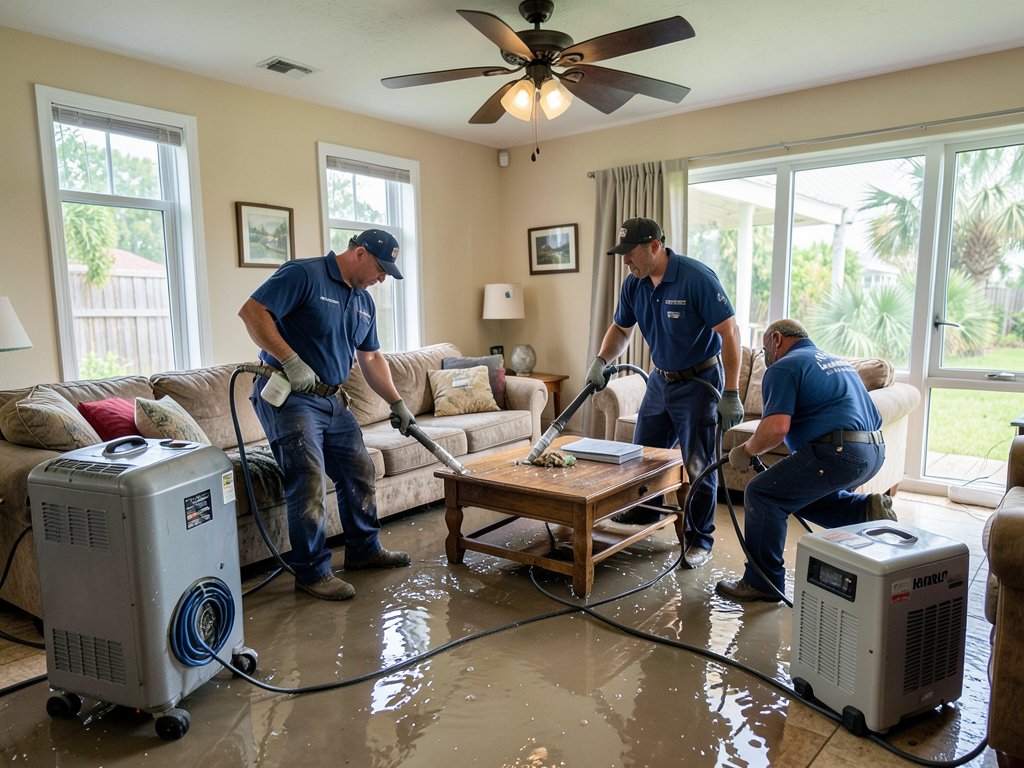
Fortress Water Damage Restoration Tampa documents every step. We use thermal imaging cameras to map water migration patterns. We photograph wall cavities before and after remediation. We provide written reports that explain the moisture source, affected materials, and remediation protocol. This documentation supports your claim.

Adjusters also check for pre-existing conditions. If they find old water stains or previous mold growth, they argue the current damage is not new. We counter this by clearly distinguishing new damage from old. We mark affected areas with reference photos and moisture readings that prove recent water intrusion.

The policy sublimit becomes critical. Even when homeowners insurance mold coverage applies, most Florida policies cap mold claims between $10,000 and $25,000. Extensive contamination can exceed this limit. We provide detailed scope-of-work estimates that help you understand out-of-pocket exposure before remediation begins.

Some policies offer mold endorsements that increase coverage limits. These cost extra but provide valuable protection in high-humidity climates like Tampa. Review your policy annually. Many homeowners discover inadequate coverage only after filing a claim.

How Mold Insurance Claims Actually Work in Tampa

Does Insurance Cover Mold in Tampa? Your Complete Coverage Guide from Local Restoration Experts
01

Initial Damage Assessment

We arrive within hours to assess water damage and mold contamination. Our technicians use moisture meters and thermal cameras to identify affected areas. We document the water source, extent of damage, and probable cause. This initial report becomes the foundation for your insurance claim. We photograph everything and take detailed notes that satisfy adjuster requirements.
02

Insurance Documentation Package

We prepare a comprehensive documentation package for your insurer. This includes moisture mapping, photos with measurements, detailed scope of work, and cost estimates. We identify which damages fall under sudden and accidental water intrusion versus gradual deterioration. This separation helps adjusters approve covered portions while clearly identifying excluded work. Most homeowners lack the technical vocabulary to present claims effectively.
03

Claim Negotiation Support

We communicate directly with adjusters when you authorize us. We explain remediation protocols, justify equipment choices, and defend our estimates. If the adjuster questions line items, we provide industry standard references. We do not perform unauthorized work. You approve all services before we proceed. Our goal is maximizing your legitimate claim while maintaining ethical standards that protect your long-term insurability.

Why Tampa Homeowners Trust Local Mold Insurance Expertise

National restoration chains lack Tampa-specific insurance knowledge. They do not understand how Florida Statute 627.7073 affects mold claims. They do not know that Hillsborough County requires specific permits for containment barriers during mold remediation. These gaps cost you money and claim approval rates.

Fortress Water Damage Restoration Tampa has negotiated with every major insurance carrier operating in Hillsborough County. We know which adjusters require IICRC S520 protocol documentation. We know which carriers automatically deny claims over certain thresholds. We know when to recommend a public adjuster versus handling the claim ourselves.

Our familiarity with Tampa building codes matters. Homes in Palma Ceia use different construction methods than new builds in New Tampa. Older homes often have plaster walls that require specialized drying. Concrete block construction, common throughout Tampa, wicks water differently than wood frame. Adjusters respect restoration companies that understand these variables.

We also know local environmental factors influence coverage decisions. Homes near Tampa Bay experience salt air corrosion that can complicate water damage claims. Properties in flood zones face different policy exclusions than homes in Zone X. We help you understand which perils your policy actually covers before you file a claim.

Many Tampa homeowners make critical mistakes during water damage events. They throw away damaged materials before the adjuster photographs them. They start repairs before getting approval. They fail to document pre-loss conditions. We prevent these errors. Our 24-hour emergency response ensures proper protocols from minute one. This attention to detail directly impacts claim outcomes.

What to Expect When Filing a Mold Insurance Claim

Claim Timeline and Response Speed

Report water damage to your insurer within 24 hours. Most policies require immediate notification. The adjuster typically schedules an inspection within 48 to 72 hours. While waiting, we begin emergency mitigation to prevent mold growth. Florida law allows policyholders to take reasonable steps to prevent further damage. We document all mitigation work with photos and detailed logs. This protects you if the insurer later disputes your response timeline. Full claim resolution averages 30 to 90 days depending on contamination extent and whether the insurer disputes causation.

The Inspection and Testing Process

Adjusters bring moisture meters and cameras but rarely perform mold testing. They rely on visual inspection and your restoration company's assessment. If you want independent verification, hire a certified mold assessor before remediation begins. Florida requires mold assessors to hold separate licenses from remediators. We cannot perform both functions. The assessor identifies mold species and contamination levels through air and surface sampling. These reports carry significant weight with adjusters. Testing costs typically run $300 to $600 but can strengthen disputed claims substantially.

Coverage Approval and Payment

Insurers issue initial payments based on actual cash value, which deducts depreciation. You receive full replacement cost value after completing repairs and submitting invoices. This two-step payment process frustrates many homeowners. If your claim hits the policy sublimit, you receive only that amount regardless of actual remediation costs. We provide upfront estimates that account for potential sublimit caps. You know your financial exposure before work begins. We accept assignment of benefits only when homeowners specifically request it. This keeps you in control of your claim.

Post-Remediation Verification and Prevention

After remediation, we conduct clearance testing through an independent assessor. This proves mold levels have returned to normal. The clearance report becomes part of your claim documentation and protects you if mold reappears. We also identify the root cause. If poor ventilation caused the problem, we recommend corrections. If a plumbing defect was responsible, we document it. Insurance covers the damage but not the underlying defect. Understanding this distinction prevents future claim denials. We provide maintenance recommendations that reduce your mold risk going forward.

Frequently Asked Questions

You Have Questions,
We Have Answers

Should I tell my insurance company about mold? +

Yes, you should report mold to your insurer if it stems from a sudden covered event like a burst pipe or storm damage. In Tampa, high humidity and frequent storms create conditions where water damage can quickly turn into mold. Document everything with photos and timestamps before filing. Do not wait. Mold spreads fast in Florida's climate. Your policy likely requires prompt notification of damage. Failing to report can void your claim. However, if the mold results from long-term neglect or maintenance issues, your insurer may deny coverage. Always review your policy language first.

Can you claim on house insurance for mold? +

You can claim mold damage if it results from a covered peril. Most Tampa homeowners policies cover mold when it follows sudden water damage like roof leaks during hurricanes or plumbing failures. Policies typically exclude mold from gradual issues like poor ventilation or chronic leaks you ignored. Florida insurers often cap mold remediation at $10,000 unless you purchased additional coverage. Read your declarations page. The key is proving the mold came from an acute event, not neglect. Always document the initial water damage immediately to strengthen your claim.

What types of mold does insurance cover? +

Insurance covers mold that results from covered perils like sudden pipe bursts, appliance malfunctions, or storm damage. In Tampa, wind-driven rain during hurricanes often causes hidden moisture intrusion that leads to mold. Your policy covers the resulting mold if you act quickly. Insurers exclude mold from maintenance neglect, humidity issues, or flooding without separate flood insurance. Black mold, toxic mold, and other species are treated the same under most policies. The mold type does not matter. The cause does. Review your policy's mold endorsement for specific limits and exclusions.

What is an example of a mold claim? +

A common mold claim in Tampa involves a homeowner discovering black mold behind drywall after a slow roof leak from storm damage. The homeowner noticed water stains on the ceiling after a heavy rain, then found extensive mold growth during inspection. The insurer covered the claim because the roof leak was sudden and storm-related. The policy paid for mold remediation, drywall replacement, and roof repair up to the mold sub-limit. The claim was approved because the homeowner documented the timeline and acted immediately after discovering the damage.

How expensive is mold removal? +

Mold removal costs vary widely based on affected square footage and contamination severity. Small jobs under 10 square feet may cost a few hundred dollars. Extensive mold behind walls or in crawlspaces can run several thousand. Tampa's humidity means mold spreads aggressively, often increasing costs. Professional remediation includes containment, air scrubbing, material removal, and antimicrobial treatment. Costs also depend on structural damage repairs. Your insurance mold sub-limit typically caps between $10,000 and $25,000 unless you purchased higher coverage. Always get written estimates from licensed remediation contractors before starting work.

Will my rates go up if I file a mold claim? +

Filing a mold claim can impact your rates, but not always immediately. Florida insurers consider claims history when renewing policies. Multiple claims within three years may trigger rate increases or non-renewal. However, one mold claim from a covered event like storm damage typically has less impact than repeated water damage claims. Tampa homeowners face higher premiums due to hurricane risk already. Your rate increase depends on your insurer, claim amount, and overall claims history. Weigh the claim payout against potential premium hikes. Small mold issues may cost less to handle out of pocket.

What are my rights if my insurance denies a mold claim? +

If your insurer denies your mold claim, request a written explanation citing specific policy language. Review your policy and compare it to the denial reason. You can file an internal appeal with your insurance company. If that fails, contact the Florida Department of Financial Services to file a complaint. You also have the right to hire a public adjuster or attorney to dispute the denial. In Tampa, many denials stem from disputes over causation. Document everything. Get independent mold testing and water damage assessments to prove your claim meets coverage requirements.

What are the signs of mold in a house? +

Watch for musty odors, visible dark spots on walls or ceilings, and warped or discolored drywall. Tampa's humidity makes bathrooms, attics, and crawlspaces prime mold zones. You may notice increased allergy symptoms like coughing or watery eyes. Check behind furniture and under sinks for hidden growth. Water stains or bubbling paint signal moisture problems. Condensation on windows or pipes creates mold-friendly conditions. After storms, inspect roof joints and window seals for leaks. Any persistent dampness in Florida invites mold within 24 to 48 hours. Address water issues immediately.

How much compensation can I get for mold? +

Compensation depends on your policy's mold sub-limit and the extent of damage. Most Tampa homeowners policies cap mold coverage between $10,000 and $25,000. You receive payment for remediation costs, damaged materials, and sometimes temporary housing if the home is uninhabitable. Your compensation covers actual expenses up to your limit, minus your deductible. If mold causes structural damage from a covered peril, additional coverage may apply. Document all costs with receipts. Insurers pay actual cash value or replacement cost depending on your policy type. Higher mold limits require endorsements purchased before the loss.

How to get homeowners insurance to pay for mold? +

To get your insurer to pay, prove the mold resulted from a sudden covered event. Document the initial water damage with photos, timestamps, and detailed notes. In Tampa, act immediately after storms or plumbing failures. Hire a licensed professional to assess damage and provide written reports linking mold to the covered peril. Submit all documentation with your claim. Reference specific policy language that supports coverage. If your insurer delays or denies, escalate with written appeals. Work with a public adjuster if needed. The key is proving causation and timing to meet policy requirements.

How Tampa's Humidity Affects Mold Insurance Coverage Decisions

Tampa's average relative humidity exceeds 75% during summer months. When indoor humidity stays above 60% for extended periods, mold grows on organic materials without any water intrusion event. Insurance adjusters know this. They scrutinize Tampa mold claims more aggressively than claims from drier climates. If your HVAC system cannot maintain indoor humidity below 55%, adjusters argue the mold resulted from maintenance neglect, not a covered peril. Homes in South Tampa near Bayshore often battle this issue due to proximity to the bay and prevailing winds that push moisture inland. Proper dehumidification becomes your first line of defense against claim denials.

Fortress Water Damage Restoration Tampa understands how local adjusters evaluate claims. We work with homeowners throughout Carrollwood, Temple Terrace, and Westchase where different microclimates create unique challenges. Our technicians hold IICRC certifications in water damage restoration and applied microbial remediation. We follow Florida-specific protocols that satisfy both insurance requirements and state regulations. When you call us first, we document conditions correctly from the beginning. This attention to detail has helped hundreds of Tampa families maximize their insurance recovery while avoiding the claim denials that plague DIY approaches.
Water Damage Restoration Services in The Tampa Area

We proudly serve the entire Tampa area with rapid-response water damage restoration services. Whether you’re downtown, in the suburbs, or operating a business near the bay, our expert team is just minutes away. Use the map below to view our service zone or find our nearest location. We’re ready to respond wherever you need us. Your peace of mind is only a call or click away.

Address:
Fortress Water Damage Restoration Tampa, 4830 W Kennedy Blvd #600, Tampa, FL, 33609

Additional Services We Offer

Our news updates

Latest Articles & News from The Blogs

The First 4 Hours After a Pipe Bursts in Your Gibsonton House When water starts spraying from a broken pipe…

The First 4 Hours After a Pipe Bursts in Your Gibsonton House

The First 4 Hours After a Pipe Bursts in Your Gibsonton House When water starts spraying from a broken pipe…

A Homeowner Guide to Choosing the Best Dehumidifier for Humidity Control in Seffner

A Homeowner Guide to Choosing the Best Dehumidifier for Humidity Control in Seffner Living in Seffner means dealing with Florida’s…

Why Your Kids Keep Sneezing After a Small Leak in Your Seffner Home

Why Your Kids Keep Sneezing After a Small Leak in Your Seffner Home Your child wakes up sneezing again. You…

Contact Us

Do not let insurance confusion delay your mold remediation. Call Fortress Water Damage Restoration Tampa now at (656) 219-8088. We provide free insurance claim consultations and emergency response 24 hours a day. Protect your home and your claim.