





Menu

Swollen Baseboards & Trim in Tampa – Expert Diagnosis and Permanent Repair Solutions

Fortress Water Damage Restoration Tampa identifies the hidden moisture sources causing your swollen baseboards and delivers comprehensive repairs that address both visible damage and underlying water intrusion problems.

Slider Image 1
Slider Image 2
Slider Image 3
Slider Image 4
Slider Image 5
Slider Image 7
Slider Image 8
Slider Image 9
Slider Image 10
Slider Image 11

Why Tampa Homes Are Especially Vulnerable to Baseboard Swelling

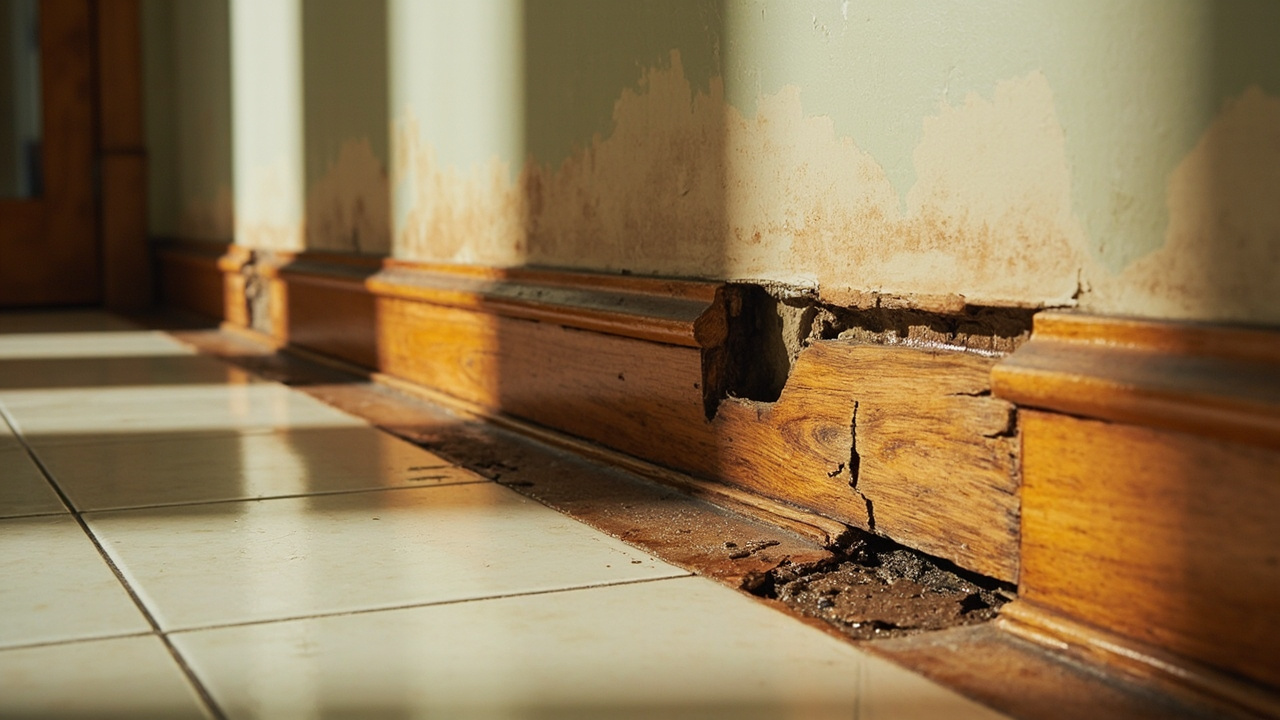
You notice the telltale signs first along your hallway or bathroom. The baseboards look puffy. The paint is cracking. The trim separates from the wall. These are not cosmetic issues. They are warning signs of active moisture intrusion.

Tampa's subtropical climate creates a perfect storm for water damaged baseboards. Year-round humidity hovers between 70 and 90 percent. Add frequent afternoon thunderstorms, occasional tropical systems, and the reality that most Tampa homes sit on sandy soil with high water tables, and you have constant moisture pressure against your foundation and walls.

Most baseboards in Tampa are made from MDF or finger-jointed pine. These materials absorb water like a sponge. When moisture infiltrates through foundation cracks, plumbing leaks, or condensation buildup, the wood fibers expand. You get warped baseboard molding that buckles outward. You see expanded MDF trim that crumbles when you press it. The damage spreads fast.

The problem is rarely the baseboard itself. The real issue is where the water is coming from. A slow slab leak can saturate concrete for months before you notice moisture swollen baseboards in your living room. Poor exterior grading sends rainwater toward your foundation instead of away from it. HVAC condensate lines clog and overflow behind walls. Each scenario requires a different fix.

Ignoring bloated wood trim invites mold growth, structural rot, and termite attraction. The longer moisture sits, the more expensive the repair becomes. What starts as a baseboard issue becomes a wall cavity problem, then a framing issue.

Why Tampa Homes Are Especially Vulnerable to Baseboard Swelling
How We Identify and Eliminate the Moisture Source

How We Identify and Eliminate the Moisture Source

Most contractors see swollen baseboards and assume the solution is simple. Rip out the trim, let it dry, install new molding. That approach ignores the root cause. The new baseboards will swell again in six months.

We use thermal imaging cameras to map temperature differentials behind your walls. Cold spots indicate active moisture. We deploy pin-type and pinless moisture meters to measure water content in the substrate, not just the surface. We check vapor emission levels in concrete slabs using calcium chloride tests when we suspect slab moisture.

Our technicians inspect the exterior grading around your foundation. We look for negative slopes that direct water toward the house instead of away. We examine weep screed clearance and identify any stucco or siding that terminates below grade. These are common violations in older Tampa neighborhoods like Seminole Heights and Hyde Park, where homes were built before modern drainage standards.

We trace plumbing lines under slabs using acoustic leak detection equipment. A pinhole leak in a copper supply line can release gallons of water per day into the sand beneath your foundation. The moisture wicks upward through capillary action and saturates the bottom plate of your walls. Your baseboards absorb it from behind.

We inspect HVAC systems for condensate line blockages, drain pan failures, and duct leaks. In Tampa's cooling season, which runs nearly year-round, air handlers produce significant condensate. A clogged line or cracked pan floods the wall cavity.

Once we isolate the moisture source, we design a remediation plan. That might include exterior drainage correction, slab leak repair, plumbing rerouting, or HVAC system fixes. Only after we control the water do we address the cosmetic damage.

Our Three-Stage Approach to Baseboard Restoration

Swollen Baseboards & Trim in Tampa – Expert Diagnosis and Permanent Repair Solutions
01

Moisture Source Isolation

We conduct a full moisture mapping survey using thermal imaging and moisture meters to identify where water is entering your home. This includes checking exterior drainage, testing plumbing lines, inspecting HVAC condensate systems, and examining foundation integrity. We document moisture levels in walls, floors, and subfloors to establish the full scope of intrusion before any demolition begins.
02

Controlled Drying and Remediation

We remove water damaged baseboards and expose affected wall cavities. Industrial dehumidifiers and air movers create controlled airflow to dry framing, insulation, and drywall to safe moisture levels. We monitor drying progress daily using moisture meters until readings return to baseline. If mold is present, we perform contained remediation following IICRC S520 standards before proceeding to reconstruction.
03

Permanent Material Replacement

We install moisture-resistant materials designed for Tampa's climate. This includes PVC or primed finger-jointed pine baseboards treated with water-resistant primers. We seal all joints and apply caulking at floor transitions to prevent future moisture wicking. Final paint coats use low-permeability finishes that resist humidity absorption. The result is trim that performs long-term in high-moisture environments.

Why Tampa Homeowners Choose Fortress Water Damage Restoration

We understand Tampa construction. Homes built in the 1950s through 1980s used different foundation designs than modern construction. Older homes in neighborhoods like Palma Ceia and Beach Park often have shallow stem wall foundations with minimal vapor barriers. Water intrusion patterns differ from newer builds on monolithic slabs with integrated moisture protection.

We know local soil conditions. Tampa sits on sand with a seasonal water table that rises during the wet season from June through September. Homes in low-lying areas near the Hillsborough River or Tampa Bay experience higher groundwater pressure. This affects how we approach drainage correction and moisture mitigation.

Our team recognizes the signs of Tampa-specific problems. We see the aftermath of tropical systems that drive wind-blown rain into wall assemblies. We identify the unique mold species that thrive in Florida's climate. We understand how galvanic corrosion in older copper plumbing accelerates pinhole leaks in homes with high chlorine or chloramine levels in municipal water.

We work directly with insurance adjusters who handle Florida claims. We document moisture intrusion using industry-standard protocols that satisfy carrier requirements. Our estimates include line-item details that align with Xactimate pricing, which most adjusters use for claim evaluations.

You get transparent communication throughout the process. We explain what we find, why it matters, and what the repair involves. No upselling. No scare tactics. Just honest assessment and professional execution.

We staff locally. Our technicians live in Tampa. They respond quickly because they are already in your area. They understand your concerns because they face the same climate challenges in their own homes.

What the Repair Process Looks Like

Response Time and Availability

We dispatch technicians within two hours for emergency water intrusion. For non-emergency baseboard damage, we schedule initial assessments within 24 hours of your call. Our teams work six days per week to accommodate your availability. Most moisture assessments take 60 to 90 minutes. We provide a written scope of work and cost estimate before any remediation begins. You decide whether to proceed after reviewing the full plan and pricing.

Initial Assessment and Testing

Our technicians arrive with thermal cameras, moisture meters, and documentation equipment. We inspect all affected areas plus adjacent spaces to map the full extent of moisture intrusion. We test drywall, framing, and flooring. We photograph damage and create moisture maps that show readings at multiple locations. This data establishes baseline conditions and helps us track drying progress. You receive a detailed assessment report that explains what we found and why it happened.

Quality of Finished Work

We match existing profiles and finishes wherever possible. If your home has custom millwork or discontinued trim styles, we source matching materials or have pieces custom-milled. Paint matching uses computerized color analysis to blend new finishes with existing walls. Joints are caulked with paintable, flexible sealants that accommodate seasonal wood movement. Final inspections confirm moisture levels remain within acceptable ranges and all cosmetic details meet professional standards.

Post-Repair Monitoring and Prevention

We provide moisture monitoring recommendations for the first 30 days after completion. This includes specific areas to watch and warning signs that indicate recurring problems. We explain maintenance steps you can take to prevent future moisture intrusion, including gutter cleaning schedules, exterior caulking inspections, and HVAC condensate line flushing. If we repaired a plumbing leak or drainage issue, we recommend follow-up inspections at six-month intervals to verify the fix remains effective.

Frequently Asked Questions

You Have Questions,
We Have Answers

How to fix a swollen baseboard? +

First, find and fix the moisture source. Swollen baseboards mean hidden water damage. In Tampa's humid climate, this could be a roof leak, plumbing failure, or poor grading around your foundation. Remove the damaged section and let the wall cavity dry completely using fans and dehumidifiers. Check for mold growth behind the baseboard before installing new trim. If the swelling is minor and the wood dries flat, you can sand and repaint. If the baseboard remains warped or shows soft spots, replace it entirely. Do not paint over swollen trim. You will trap moisture and create bigger problems.

What is the 7 rule for baseboards? +

The seven rule states that seven inches is the minimum height for baseboards in standard eight-foot rooms. This proportion balances visual weight and makes trim look intentional rather than skimpy. In Tampa homes with higher ceilings, common in newer construction, you can go taller. Nine to twelve-inch baseboards work well in rooms with nine to ten-foot ceilings. The rule helps you avoid baseboards that look either too chunky or too thin. Match baseboard height to door casing width for a cohesive look. Most Tampa homes use five to seven-inch baseboards as the standard.

Why do baseboards swell? +

Baseboards swell when wood fibers absorb moisture and expand. In Tampa, high humidity and water intrusion are the main culprits. Leaking pipes behind walls, AC condensation, roof leaks, and ground moisture can all saturate trim. MDF baseboards swell faster and worse than solid wood because the compressed fibers act like a sponge. Once MDF swells, it does not return to normal. Florida's summer humidity alone can cause minor expansion, but visible swelling means active water damage. Baseboards sit against exterior walls and concrete slabs, making them vulnerable to moisture wicking up from the foundation or condensation on cold surfaces.

How to tell if baseboard has water damage? +

Look for visible swelling where the baseboard bulges or buckles away from the wall. Check for soft spots by pressing the trim. Damaged wood feels spongy instead of firm. Discoloration shows as dark stains, waterlines, or yellowing. Paint may bubble, crack, or peel in affected areas. Run your hand along the baseboard to feel for texture changes or rough patches. Smell the area near the floor. Musty odors indicate hidden moisture or mold. In Tampa homes, check baseboards along exterior walls and near bathrooms first. Use a moisture meter to confirm. Readings above 20 percent mean you have water damage requiring professional assessment.

What is the average cost to replace baseboards? +

Replacing baseboards in Tampa typically costs between materials and labor combined. MDF baseboards run cheaper than solid wood or PVC options. Labor accounts for most of the expense. Rooms with complex layouts, multiple corners, or tall ceilings cost more. Removing and disposing of old trim adds to the total. PVC baseboards resist Tampa's humidity better than wood but cost more upfront. If you need drywall repair or mold remediation before installing new trim, expect additional charges. Get three quotes from local contractors. Prices vary based on trim style, room size, and whether you need painting included. Quality installation matters more than cheap materials.

How to shrink swollen wood? +

You cannot reliably shrink swollen wood back to its original state. Once wood fibers expand from moisture, they distort permanently. MDF and particleboard never return to normal after swelling. Solid wood may shrink slightly as it dries, but warping and surface damage remain. You can try drying the wood slowly with dehumidifiers and fans in a controlled environment, but expect visible defects. Sanding down high spots works only if swelling is minimal. In Tampa's humid climate, dried wood will swell again during the next moisture event if you do not fix the underlying water source. Replacement is the reliable fix for swollen trim.

What is the new trend for baseboards? +

Taller baseboards are the current trend, with seven to nine-inch heights replacing older five-inch standards. Clean, simple profiles dominate over ornate Victorian styles. Square-edge baseboards in modern homes create a minimalist look. PVC and composite materials are gaining popularity in Tampa because they resist humidity and moisture damage better than wood. White and off-white finishes remain standard, but some homeowners now match baseboards to wall color for a seamless look. Flush baseboards that sit even with the wall surface are appearing in contemporary designs. The trend focuses on durability and low maintenance rather than decorative detail.

What are common baseboard installation mistakes? +

Skipping wall prep is the biggest mistake. Uneven drywall causes gaps between the baseboard and wall. Not caulking the top edge leaves visible shadows and allows moisture penetration. Improper miter cuts at corners create gaps that show poorly. Nailing too high leaves the baseboard loose at the bottom. Not accounting for floor height differences causes baseboards to sit uneven. Using the wrong adhesive or no adhesive on concrete walls in Tampa homes leads to trim pulling away. Painters often install baseboards before flooring, creating incorrect reveals. Not priming MDF before installation allows moisture absorption. Each mistake shows and reduces the trim's lifespan.

What is the trim trend for 2025? +

The 2025 trim trend moves toward simplicity and functionality. Flat-panel baseboards with minimal detailing are replacing traditional profiles. Thicker baseboards in the eight to ten-inch range create bold horizontal lines without ornate shaping. Matching trim color to walls for a monochrome look is growing. Dark baseboards in charcoal or black provide contrast in modern spaces. In Tampa, moisture-resistant materials like PVC and vinyl-wrapped MDF are becoming standard choices. Built-in reveals between baseboard and floor replace quarter-round shoe molding. The trend emphasizes clean lines, durability, and easier maintenance. Decorative complexity is out. Architectural minimalism is in.

Will a swollen wood floor go back to normal? +

No. Swollen wood floors rarely return to normal after water damage. Wood expands when wet and may shrink somewhat as it dries, but cupping, crowning, and edge lifting usually remain. Engineered flooring with plywood cores handles moisture better than solid hardwood but still shows permanent damage. Laminate flooring swells at the core and never recovers. In Tampa's climate, quick drying within 48 hours gives you the best chance of minimal damage. Even then, expect finish damage, staining, and slight warping. Subfloor damage complicates recovery. Professional water extraction and controlled drying help, but replacement is often the only real fix for swollen flooring.

How Tampa's Wet Season Accelerates Baseboard Damage

Tampa receives 46 inches of rain annually, with 65 percent falling between June and September. Afternoon thunderstorms dump two to three inches in under an hour. This overwhelms gutters, saturates soil, and raises the water table. Homes without proper exterior drainage or functional gutters experience water infiltration at the foundation level. The moisture travels upward through capillary action in concrete and masonry, saturating the bottom plates of walls. Your baseboards absorb this moisture from behind, swelling and warping even when no visible leak exists inside your home.

Fortress Water Damage Restoration Tampa has worked in every major neighborhood across Hillsborough County. We understand the construction differences between Craftsman bungalows in Seminole Heights, mid-century ranch homes in Town 'N' Country, and newer construction in New Tampa. We know which areas experience seasonal flooding and which have chronic drainage problems due to flat topography. Our technicians recognize the signs of Tampa-specific moisture problems and deliver solutions that account for local climate realities and building practices.
Water Damage Restoration Services in The Tampa Area

We proudly serve the entire Tampa area with rapid-response water damage restoration services. Whether you’re downtown, in the suburbs, or operating a business near the bay, our expert team is just minutes away. Use the map below to view our service zone or find our nearest location. We’re ready to respond wherever you need us. Your peace of mind is only a call or click away.

Address:
Fortress Water Damage Restoration Tampa, 4830 W Kennedy Blvd #600, Tampa, FL, 33609

Additional Services We Offer

Our news updates

Latest Articles & News from The Blogs

How Clogged Gutters and Downspouts Can Lead to a Flooded Living Room in Wooded Lutz Neighborhoods When heavy afternoon thunderstorms…

How Clogged Gutters and Downspouts Can Lead to a Flooded Living Room in Wooded Lutz Neighborhoods

How Clogged Gutters and Downspouts Can Lead to a Flooded Living Room in Wooded Lutz Neighborhoods When heavy afternoon thunderstorms…

Why You Should Never Use Bleach to Clean Up Mold After a Leak in Your Tampa Palms Home

Why You Should Never Use Bleach to Clean Up Mold After a Leak in Your Tampa Palms Home When you…

Dealing With Water Damage in Your Backyard ADU or Guest House in Seminole Heights

Dealing With Water Damage in Your Backyard ADU or Guest House in Seminole Heights Water damage in a Seminole Heights…

Contact Us

Swollen baseboards indicate active moisture intrusion. The longer you wait, the more extensive the damage becomes. Call Fortress Water Damage Restoration Tampa at (656) 219-8088 for a professional assessment. We identify the source, stop the water, and restore your home correctly.