
Keeping Your Pets Safe from Toxic Mold After a Flooding Event in Tampa Heights
When floodwater recedes in Tampa Heights the danger for pets is far from over. Mold spores begin growing within 24 to 48 hours in Florida’s humid climate and many of the toxins that form can cause serious respiratory or neurological issues in cats and dogs. Standing water also hides hazards like sharp debris sewage and displaced wildlife. This guide shows you how to keep your pet safe during every stage of recovery from the first moments after a flood to the final professional cleanup. Expert Water Extraction and Drying for Davis Islands Waterfront Homes.
Immediate Steps for Pet Safety Following a Flood in Tampa
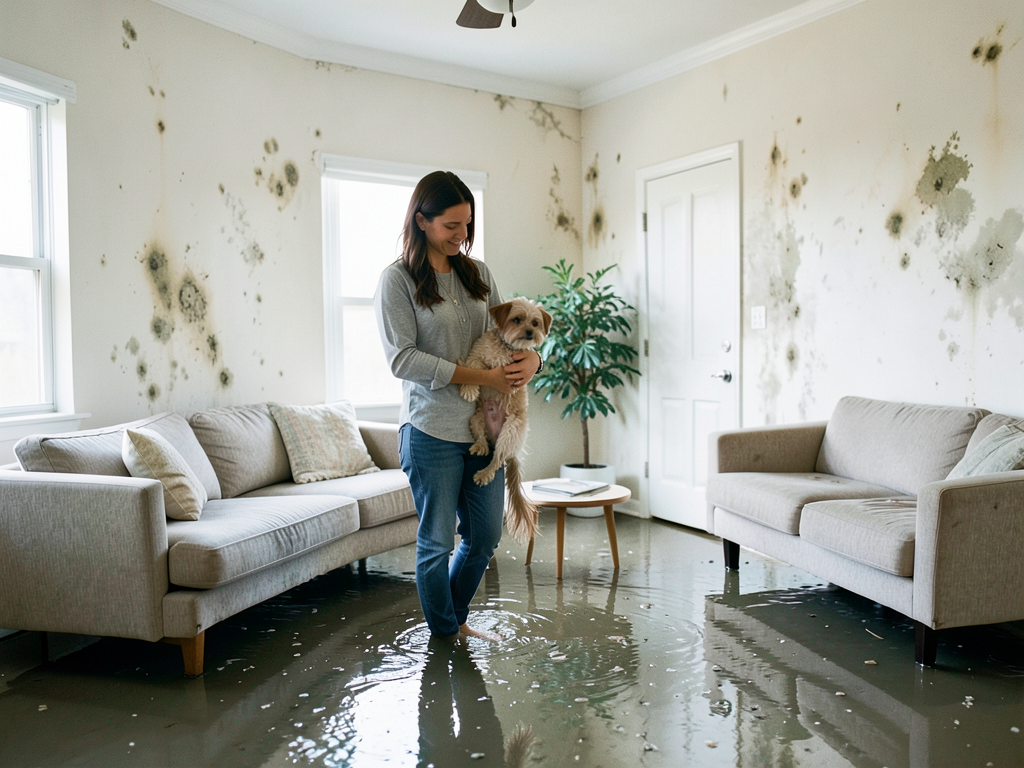
The first hours after a flood are the most dangerous for pets. Water can rise quickly in low-lying Tampa neighborhoods like Tampa Heights and Seminole Heights. If you have not already evacuated bring your pet to a safe elevated location. Avoid letting them walk through standing water which may contain sharp objects bacteria or chemical runoff from nearby businesses along Florida Avenue. Getting Your Water Damage Insurance Claim Approved in Tampa (And Who to Call First).
Check your home for structural hazards before allowing pets back inside. Wet flooring can collapse under a pet’s weight and exposed wiring creates a shock risk. Secure doors and broken fences to prevent escape. If your pet is microchipped make sure your contact information is current in case they get lost in the chaos.
Hidden Health Risks in Floodwater and Debris
Floodwater in Tampa often contains more than just rainwater. Category 3 water or black water can carry sewage pesticides and fuel. This type of contamination poses a high risk for pets who may drink from puddles or lick their paws after walking through affected areas. Common Florida pathogens like Leptospira bacteria thrive in warm standing water and can cause kidney failure in dogs.
Blue-green algae blooms can also form in pooled water during Florida’s warm months. These toxins are deadly to pets even in small amounts. Fire ants and displaced snakes are another post-flood hazard. Fire ants form floating rafts in floodwater and deliver painful venomous stings to curious paws. Fixing a Water Damaged Ceiling in Your Town ‘n’ Country Home Before it Collapses.
| Hazard Type | Common in Tampa | Symptoms in Pets |
|---|---|---|
| Leptospirosis | Yes – in floodwater | Fever, vomiting, jaundice |
| Blue-green algae | Yes – in stagnant pools | Seizures, drooling, collapse |
| Fire ant stings | Yes – after flooding | Swelling, pain, allergic shock |
Post-Flood Mold and Pet Respiratory Health
Mold grows aggressively in Tampa’s 80-plus percent humidity. Within two days of water exposure species like Stachybotrys chartarum or black mold can release spores into the air. Pets inhale these spores at a much faster rate than humans because they spend more time near the floor where spore concentration is highest. Cats and dogs can develop chronic bronchitis or asthma-like symptoms after prolonged exposure.
Signs of mold-related distress in pets include frequent sneezing coughing or labored breathing. Some animals may also show signs of skin irritation or lethargy. If you notice these symptoms contact a veterinarian immediately. Keep pets out of affected areas until professional drying and air scrubbing are complete.
Professional Restoration: Making Your Tampa Home Pet-Safe Again
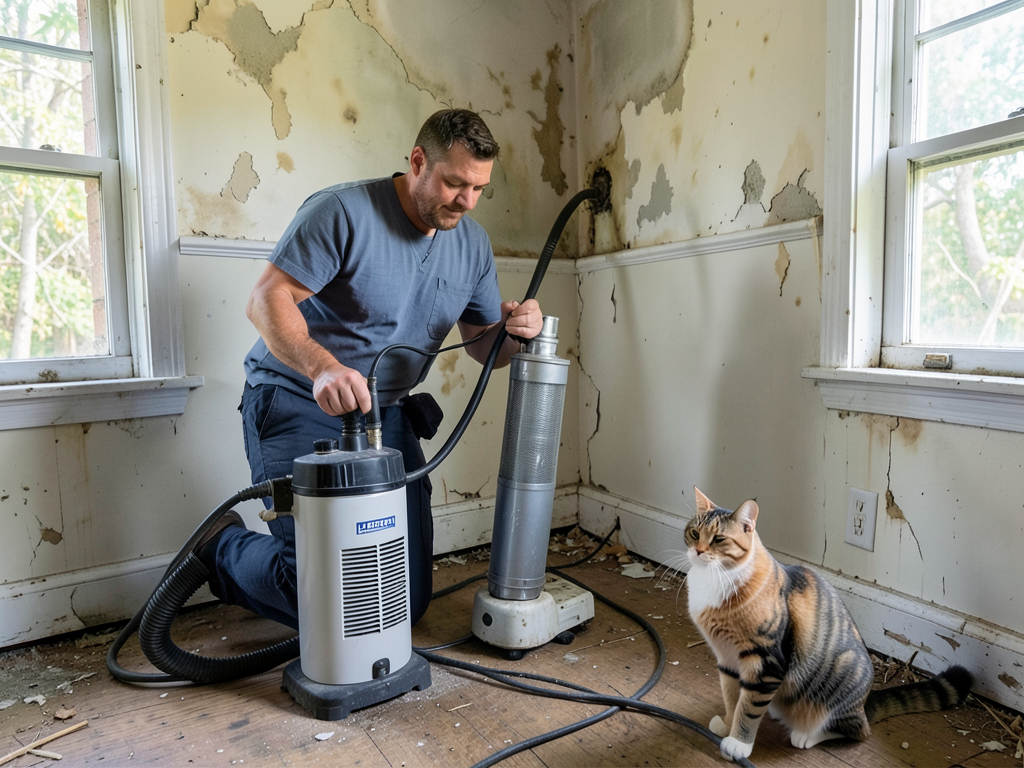
DIY cleanup cannot match the effectiveness of professional-grade equipment in Florida’s climate. Industrial dehumidifiers pull moisture from deep inside walls and subfloors where mold can hide. Antimicrobial treatments used by certified technicians are designed to be pet-safe once dry but powerful enough to kill mold at the spore level.
HEPA air scrubbers filter out 99. 97 percent of airborne particles including mold spores and pet dander. This is critical in homes with immune-compromised animals or flat-faced breeds like pugs and bulldogs that are prone to breathing issues. Professional drying also prevents recurring moisture problems that could harm your pet months later. EPA Mold Cleanup Guidelines.
Local Resources for Tampa Pet Owners
Hillsborough County Animal Services can help with pet evacuation and temporary sheltering during major floods. The ASPCA also provides a pet safety mobile app with emergency checklists and vet locator tools. Keep a list of 24-hour emergency vets in your phone such as BluePearl Pet Hospital in South Tampa or Tampa Bay Veterinary Emergency Service.
If your home is not yet safe for pets consider short-term boarding at facilities like The Doggie Bag or Pet Paradise Tampa. These locations often have backup generators and emergency plans for natural disasters. Always have a pet go-bag ready with food, medications, leash, and vaccination records.
- Wait for Official Clearance
Do not enter until local authorities or your restoration team confirms it is safe.
- Check for Structural Damage
Look for sagging ceilings, soft floors, and exposed wires before letting pets inside.
- Test Air Quality
Use a hygrometer to confirm indoor humidity is below 60 percent.
- Clean All Surfaces
Wash floors and pet bedding with pet-safe disinfectant.
- Monitor Pet Behavior
Watch for coughing, sneezing, or unusual lethargy in the first 48 hours.
Frequently Asked Questions
How soon can mold grow after a flood in Tampa?
Mold can begin forming within 24 to 48 hours in Tampa’s humid climate. Fast professional drying is the best way to prevent growth.
Is it safe to clean up floodwater myself if I have pets?
DIY cleanup is risky because floodwater may contain bacteria or chemicals harmful to pets. Professional restoration ensures safe removal and drying. Water Damage Restoration Ruskin.
What are signs my pet was exposed to mold?
Sneezing, coughing, labored breathing, skin irritation, or lethargy can all indicate mold exposure. Contact a vet if symptoms appear.
Can I use bleach to clean mold if I have pets?
Bleach can leave harmful residues and strong fumes. Pet-safe antimicrobial products used by professionals are a better choice.
Where can I board my pet during restoration?
Facilities like Pet Paradise Tampa or The Doggie Bag offer short-term boarding with emergency plans in place.
Flood recovery in Tampa Heights is a race against mold growth and chemical hazards. Protecting your pet means acting fast to remove standing water control humidity and block access to contaminated areas. Professional restoration teams use industrial drying and HEPA filtration to make your home safe again. If you need help now call Fortress Water Damage Restoration Tampa at (656) 219-8088. We respond 24/7 with pet-safe equipment and expert care. For more information, visit CDC on Leptospirosis.
You may also find this helpful. The Pro Guide to Using Air Scrubbers During a Tampa Mold Remediation Project.
{
“@context”: “https://schema.org”,
“@type”: “BlogPosting”,
“headline”: “Keeping Your Pets Safe from Toxic Mold After a Flooding Event in Tampa Heights”,
“description”: “Protect your pets from mold and flood hazards in Tampa Heights. Learn expert safety steps, cleaning tips, and when to call for professional restoration help.”,
“wordCount”: 1067,
“datePublished”: “2026-06-04T11:58:00.000Z”,
“dateModified”: “2026-06-04T11:58:00.000Z”,
“inLanguage”: “en-US”,
“mainEntityOfPage”: {
“@type”: “WebPage”,
“@id”: “https://fortresswaterdamagerestorationtampa.com”
},
“publisher”: {
“@type”: “LocalBusiness”,
“name”: “Fortress Water Damage Restoration Tampa”,
“url”: “https://fortresswaterdamagerestorationtampa.com”
},
“author”: {
“@type”: “Organization”,
“name”: “Fortress Water Damage Restoration Tampa”,
“url”: “https://fortresswaterdamagerestorationtampa.com”
},
“image”: {
“@type”: “ImageObject”,
“url”: “https://fortresswaterdamagerestorationtampa.com/wp-content/uploads/2026/03/keeping-your-pets-safe-from-toxic-mold-after-a-flo-1.png”
}
}
{
“@context”: “https://schema.org”,
“@type”: “LocalBusiness”,
“name”: “Fortress Water Damage Restoration Tampa”,
“url”: “https://fortresswaterdamagerestorationtampa.com”,
“address”: {
“@type”: “PostalAddress”,
“addressLocality”: “Tampa”
},
“areaServed”: {
“@type”: “City”,
“name”: “Tampa”
}
}
{
“@context”: “https://schema.org”,
“@type”: “FAQPage”,
“mainEntity”: [
{
“@type”: “Question”,
“name”: “How soon can mold grow after a flood in Tampa?”,
“acceptedAnswer”: {
“@type”: “Answer”,
“text”: “Mold can begin forming within 24 to 48 hours in Tampa’s humid climate. Fast professional drying is the best way to prevent growth.”
}
},
{
“@type”: “Question”,
“name”: “Is it safe to clean up floodwater myself if I have pets?”,
“acceptedAnswer”: {
“@type”: “Answer”,
“text”: “DIY cleanup is risky because floodwater may contain bacteria or chemicals harmful to pets. Professional restoration ensures safe removal and drying. Water Damage Restoration Ruskin.”
}
},
{
“@type”: “Question”,
“name”: “What are signs my pet was exposed to mold?”,
“acceptedAnswer”: {
“@type”: “Answer”,
“text”: “Sneezing, coughing, labored breathing, skin irritation, or lethargy can all indicate mold exposure. Contact a vet if symptoms appear.”
}
},
{
“@type”: “Question”,
“name”: “Can I use bleach to clean mold if I have pets?”,
“acceptedAnswer”: {
“@type”: “Answer”,
“text”: “Bleach can leave harmful residues and strong fumes. Pet-safe antimicrobial products used by professionals are a better choice.”
}
},
{
“@type”: “Question”,
“name”: “Where can I board my pet during restoration?”,
“acceptedAnswer”: {
“@type”: “Answer”,
“text”: “Facilities like Pet Paradise Tampa or The Doggie Bag offer short-term boarding with emergency plans in place.”
}
}
]
}
{
“@context”: “https://schema.org”,
“@type”: “HowTo”,
“name”: “How to Re-enter a Flooded Home with Pets”,
“step”: [
{
“@type”: “HowToStep”,
“position”: 1,
“name”: “Wait for Official Clearance”,
“text”: “Do not enter until local authorities or your restoration team confirms it is safe.”
},
{
“@type”: “HowToStep”,
“position”: 2,
“name”: “Check for Structural Damage”,
“text”: “Look for sagging ceilings, soft floors, and exposed wires before letting pets inside.”
},
{
“@type”: “HowToStep”,
“position”: 3,
“name”: “Test Air Quality”,
“text”: “Use a hygrometer to confirm indoor humidity is below 60 percent.”
},
{
“@type”: “HowToStep”,
“position”: 4,
“name”: “Clean All Surfaces”,
“text”: “Wash floors and pet bedding with pet-safe disinfectant.”
},
{
“@type”: “HowToStep”,
“position”: 5,
“name”: “Monitor Pet Behavior”,
“text”: “Watch for coughing, sneezing, or unusual lethargy in the first 48 hours.”
}
],
“image”: “https://fortresswaterdamagerestorationtampa.com/wp-content/uploads/2026/03/keeping-your-pets-safe-from-toxic-mold-after-a-flo-1.png”
}
{
“@context”: “https://schema.org”,
“@type”: “BreadcrumbList”,
“itemListElement”: [
{
“@type”: “ListItem”,
“position”: 1,
“name”: “Home”,
“item”: “https://fortresswaterdamagerestorationtampa.com”
},
{
“@type”: “ListItem”,
“position”: 2,
“name”: “Blog”,
“item”: “https://fortresswaterdamagerestorationtampa.com/blog”
},
{
“@type”: “ListItem”,
“position”: 3,
“name”: “Keeping Your Pets Safe from Toxic Mold After a Flooding Event in Tampa Heights”
}
]
}
{
“@context”: “https://schema.org”,
“@type”: “Service”,
“serviceType”: “Water Damage Restoration”,
“provider”: {
“@type”: “LocalBusiness”,
“name”: “Fortress Water Damage Restoration Tampa”,
“url”: “https://fortresswaterdamagerestorationtampa.com”
},
“areaServed”: {
“@type”: “City”,
“name”: “Tampa”
},
“description”: “Protect your pets from mold and flood hazards in Tampa Heights. Learn expert safety steps, cleaning tips, and when to call for professional restoration help.”
}