
The Pro Guide to Using Air Scrubbers During a Tampa Mold Remediation Project
When Tampa homeowners face a mold problem the first question often centers on the mysterious machines humming in the corner of the containment zone. Those industrial air scrubbers serve as the invisible barrier between a controlled cleanup and a spore-filled disaster. Understanding their function proves essential for anyone navigating the mold remediation process in Florida’s high-humidity environment. The Carrollwood Homeowner Guide to Fast Mold Removal and Testing.
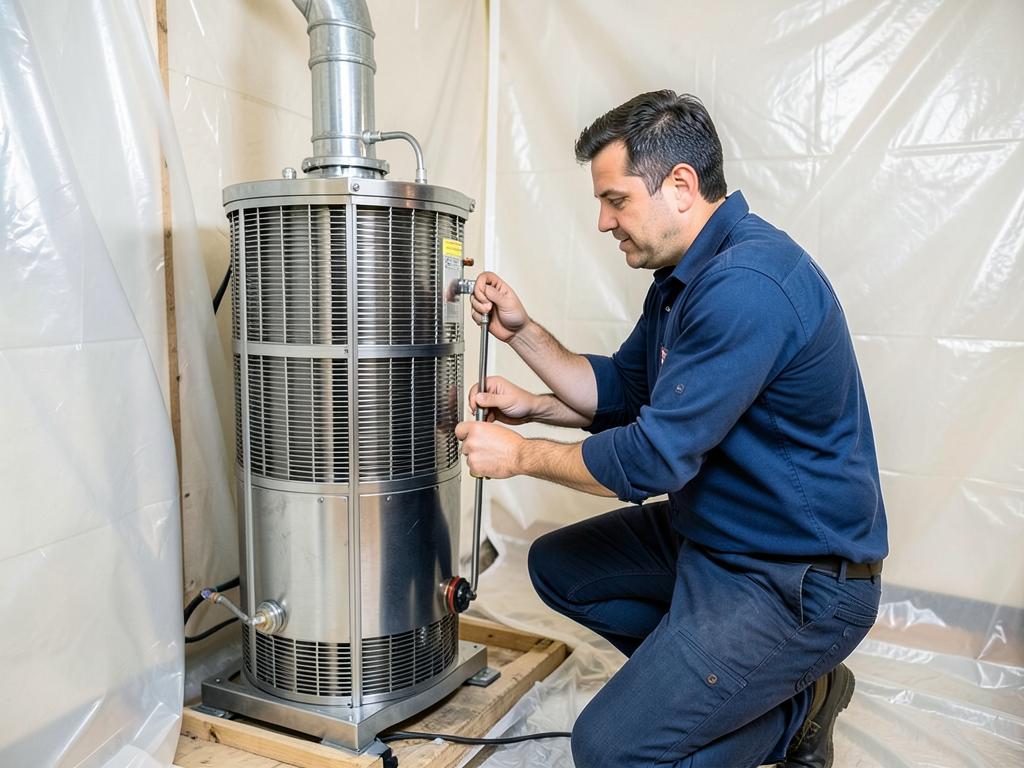
How Air Scrubbers Actually Work
An air scrubber does not simply move air around. It pulls contaminated air through multiple filtration stages capturing particles as small as 0.3 microns with 99.97% efficiency. The heart of the system relies on HEPA filters that trap mold spores along with dust pollen and other allergens. Most units also include pre-filters to catch larger debris and activated carbon filters to absorb odors and volatile organic compounds. EPA Mold Resources.
The physics behind the process matters. As contaminated air enters the machine a powerful fan creates negative pressure inside the containment area. This pressure differential prevents spores from escaping through gaps or doorways. Without this containment strategy mold remediation becomes an exercise in spreading contamination rather than removing it.
The Science of Negative Air Pressure
Negative air pressure forms the foundation of professional mold remediation. When an air scrubber runs it pulls more air out of the containment area than enters. This creates a slight vacuum effect that keeps spores confined to the work zone. Any air that escapes must pass through the HEPA filter first ensuring nothing escapes unfiltered.
Technicians calculate the required air changes per hour based on room volume. A typical bedroom might need 6 to 8 air changes hourly while larger areas require proportionally more filtration. The cubic feet per minute rating on the equipment determines whether it can handle the space. Undersized units fail to maintain negative pressure leading to cross-contamination.
Air Scrubber vs. Home Air Purifier
Many Tampa homeowners wonder if their retail air purifier can substitute for professional equipment. The answer remains clear. Home units lack the power and filtration capacity needed for active remediation. A residential purifier might process 200 to 400 cubic feet per minute while industrial scrubbers handle 500 to 2000 CFM. The difference in scale proves critical when dealing with active mold colonies.
Additionally professional units run continuously for days rather than hours. They feature sealed cabinets that prevent bypass around the filters. The pre-filter systems extend HEPA life in contaminated environments. These differences translate directly to containment effectiveness and worker safety.
Why Tampa’s Climate Makes Air Scrubbers Essential
Tampa’s climate creates unique challenges for mold remediation. Average humidity levels exceed 70% year-round with summer months pushing past 80%. This moisture-rich air carries more spores and provides ideal conditions for mold growth. When remediation begins the ambient humidity can interfere with drying and containment efforts.
Air scrubbers help manage this moisture challenge. As they filter air they also contribute to moisture removal. The constant air movement prevents stagnant pockets where humidity concentrates. This proves especially important in concrete block construction common throughout Tampa neighborhoods like Seminole Heights and Palma Ceia where moisture can hide in wall cavities for extended periods.
Where Air Scrubbers Fit in the Remediation Timeline
Professional remediation follows a specific sequence where air scrubbers play multiple roles. The process begins with inspection and moisture mapping. Once containment barriers go up the scrubbers activate immediately. They run continuously through the physical removal phase where technicians use antimicrobial treatments and remove contaminated materials.
The final phase involves post-remediation verification. Air scrubbers continue running while clearance testing takes place. This ensures the indoor air quality meets safety standards before removing containment barriers. The entire process often spans three to five days depending on the extent of contamination.
Calculating Required Equipment
Determining the right number and size of air scrubbers involves basic calculations. First measure the containment area in cubic feet by multiplying length times width times height. Next decide on the desired air changes per hour. For mold remediation 6 ACH serves as a minimum standard.
The formula becomes: (Room Volume x ACH) ÷ 60 = Required CFM. For example a 20 by 15 foot room with 8 foot ceilings contains 2400 cubic feet. At 6 ACH the calculation yields 240 CFM. A single standard unit handles this easily. Larger spaces or higher contamination levels may require multiple units.
Pre-Filters Carbon Filters and HEPA Stages
Industrial air scrubbers employ a three-stage filtration approach. The first stage uses pre-filters to capture large particles like drywall dust and insulation fibers. These extend the life of more expensive HEPA filters. The second stage often includes activated carbon that absorbs odors and VOCs released during demolition and cleaning.
The final HEPA stage provides the critical mold spore capture. True HEPA filters must meet specific standards for particle removal. Some units offer ULPA filters for even finer filtration though these reduce airflow and may not be necessary for typical mold remediation. The filter loading rate determines replacement schedules during extended projects.
Florida Mold Remediation Licensing Requirements
Florida law requires specific licensing for mold remediation work. The Florida Department of Business and Professional Regulation oversees the Mold Related Services licensing. Companies must maintain separate assessor and remediator licenses to prevent conflicts of interest. This regulatory framework ensures proper testing and remediation procedures.
The licensing requirements directly impact air scrubber usage. Licensed remediators must follow IICRC S520 standards which mandate negative pressure containment for mold remediation. This makes air scrubbers not just recommended but legally required for professional work. Homeowners should verify licensing before hiring any remediation company. IICRC S520 Standards.
Post-Remediation Air Quality Testing
Clearance testing determines whether remediation succeeded. Licensed assessors collect air samples from both the containment area and outside the home. They compare spore counts and types to establish whether levels have returned to normal. The air scrubbers continue running during this testing to ensure stable conditions.
Testing looks for both viable and non-viable spores. Dead spores can still trigger allergies and must be removed through HEPA vacuuming and cleaning. The goal is not sterilization but returning to normal fungal ecology. This means spore counts similar to outdoor levels without active growth.
Common Tampa Home Construction Types
Tampa’s diverse housing stock affects remediation approaches. Concrete block construction common in older neighborhoods like Hyde Park and Beach Park presents different challenges than wood frame homes in newer developments. Block walls can trap moisture in the cores requiring specialized drying techniques.
Spanish Mediterranean and Florida Ranch styles popular in areas like Palma Ceia and Culbreath Isles often feature tile roofs and stucco exteriors. These materials can hide water intrusion points that lead to mold growth in attics or wall cavities. Air scrubbers help manage the spread when these hidden problems surface during renovation work. Expert Water Extraction and Drying for Davis Islands Waterfront Homes.
Preventing Cross-Contamination During Remediation
Cross-contamination represents the biggest risk in mold remediation. Without proper containment spores spread to unaffected areas creating new problems. Air scrubbers form the first line of defense by maintaining negative pressure. Physical barriers like polyethylene sheeting provide the second layer of protection.
Technicians establish clean rooms for equipment storage and personal protective equipment changes. They use HEPA vacuums for all surface cleaning rather than standard vacuums that would redistribute spores. The air scrubbers continue running during all phases to ensure the pressure differential remains constant.
Energy Considerations and Operating Costs
Industrial air scrubbers consume significant electricity during extended operations. A typical unit draws 10 to 15 amps at 120 volts. Running multiple units for several days impacts utility bills. However the cost pales compared to the expense of failed remediation requiring repeat work.
Some remediation companies use energy-efficient models with variable speed fans that adjust to contamination levels. These units maintain effective filtration while reducing power consumption. The energy cost typically adds $50 to $100 to a standard residential remediation project.
Noise Levels and Occupant Considerations
Air scrubbers generate substantial noise during operation. Units produce 50 to 70 decibels depending on speed settings. This level compares to a normal conversation or background music. For occupied homes the noise becomes a consideration especially in bedrooms or home offices.
Technicians often schedule noisier operations during daytime hours when occupants are away. Some companies offer quieter models for sensitive environments though these typically provide less airflow. The noise represents a temporary inconvenience compared to the health risks of incomplete remediation.
Maintenance During Extended Operations
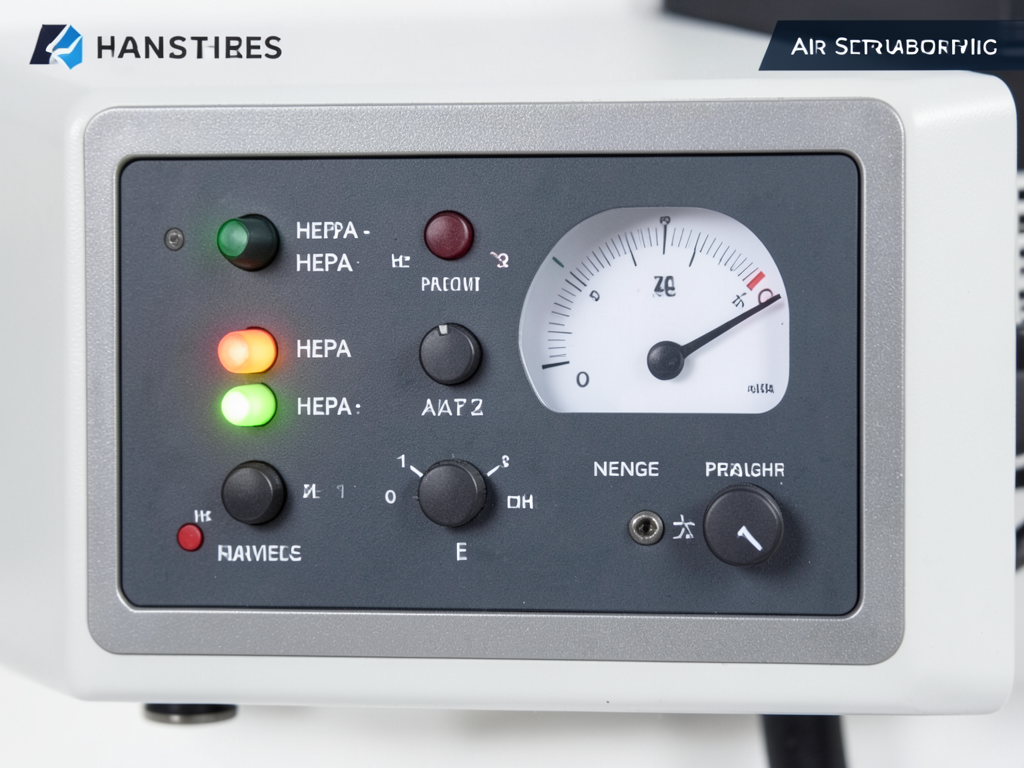
Air scrubbers require monitoring throughout remediation projects. Technicians check filter pressure gauges daily to ensure proper airflow. As filters load with contaminants the pressure drop indicates when replacement becomes necessary. Ignoring these signs reduces effectiveness and can lead to containment failure.
Pre-filters may need replacement every 24 to 48 hours in heavily contaminated environments. HEPA filters typically last longer but require inspection for tears or bypass. The activated carbon filters lose effectiveness as they absorb chemicals and must be replaced based on odor levels rather than pressure readings.
DIY Limitations and Safety Concerns
Small mold problems under 10 square feet may allow DIY approaches. However air scrubbers remain beyond most homeowners’ capabilities. The equipment costs thousands of dollars to purchase and requires training for proper setup. Rental units often lack the power needed for effective containment.
More importantly DIY remediation poses health risks. Mold exposure can trigger respiratory problems and allergic reactions. Without proper containment DIY efforts often spread contamination throughout the home. The cost savings rarely justify the health and property risks involved.
Insurance Coverage Considerations
Most homeowner insurance policies cover mold remediation when caused by covered water damage events. However they may limit coverage for humidity-related mold growth or neglect. Air scrubber usage falls under standard remediation procedures and should be covered when the underlying damage qualifies. Getting Your Water Damage Insurance Claim Approved in Tampa (And Who to Call First).
Homeowners should document all remediation steps including air scrubber deployment. This documentation supports insurance claims and demonstrates professional procedures were followed. Some companies provide detailed logs showing equipment operation times and filter changes for insurance purposes.
Environmental Impact and Disposal
Used filters from mold remediation contain captured spores and must be handled as contaminated waste. HEPA filters go into sealed bags before disposal to prevent spore release. The plastic housing and metal components often qualify for recycling though contamination concerns may limit this option.
Energy consumption during operation creates carbon emissions though the environmental impact remains small compared to the health benefits of proper remediation. Some companies use solar-powered charging stations for their equipment to reduce the carbon footprint of restoration work.
Future Technology Developments
Air scrubber technology continues evolving with improvements in filter efficiency and energy consumption. New designs incorporate smart sensors that adjust fan speeds based on contamination levels. Some units now feature IoT connectivity allowing remote monitoring of pressure differentials and filter status.
UV-C light integration in some models provides additional pathogen control though its effectiveness for mold spores remains debated. The trend moves toward more automated systems that require less manual monitoring while maintaining or improving performance standards.
Frequently Asked Questions
How long do air scrubbers need to run during mold remediation?
Air scrubbers typically run continuously for the entire remediation process which often spans three to five days. They activate when containment barriers go up and continue running through post-remediation testing. The exact duration depends on the extent of contamination and the size of the affected area.
Do air scrubbers kill mold or just remove it from the air?
Air scrubbers capture and remove mold spores from the air but do not kill them. The HEPA filters trap spores which remain viable until the filters are properly disposed of. Physical removal of mold growth through cleaning and removal of contaminated materials remains necessary for complete remediation.
Can I use a regular air purifier instead of an industrial air scrubber?
No. Home air purifiers lack the power and filtration capacity needed for active mold remediation. They typically process much less air volume and lack the negative pressure capabilities essential for containment. Professional air scrubbers are specifically designed for the demands of remediation work.
How much do air scrubbers cost to rent or purchase?
Industrial air scrubbers cost $1,000 to $2,000 to purchase and $150 to $300 per day to rent. Most remediation projects require multiple units running for several days, making professional services more cost-effective than DIY rental for most homeowners.
What certifications should a mold remediation company have?
Companies should hold Florida Mold Related Services licenses from the Department of Business and Professional Regulation. Look for IICRC certification and technicians trained in S520 standards. Proper licensing ensures they follow required procedures including air scrubber usage for negative pressure containment.
How do I know if the air scrubbers are working properly?
Technicians use pressure gauges to monitor negative pressure maintenance. They also track filter loading through pressure differential readings. Visual inspection shows the plastic sheeting being pulled slightly inward toward the containment area, indicating proper negative pressure. Air quality testing confirms effectiveness.
Are air scrubbers noisy and do they use a lot of electricity?
Air scrubbers produce 50 to 70 decibels of noise, similar to a normal conversation. They draw 10 to 15 amps each, adding $50 to $100 to typical project electricity costs. The temporary noise and energy use prove worthwhile for the health protection they provide.
What happens to the filters after the remediation is complete?
Used filters contain captured mold spores and must be handled as contaminated waste. Technicians seal them in bags before removal and disposal according to local regulations. The units themselves get cleaned and sanitized before returning to service.
Taking the Next Step
Mold remediation requires professional equipment and expertise to ensure complete and safe removal. Air scrubbers form the invisible barrier that protects your home and family during the cleanup process. Understanding their role helps homeowners make informed decisions when facing mold problems.. Read more about Emergency Water Cleanup Strategies for High Volume Restaurants in Ybor City.
For professional mold remediation in Tampa including proper air scrubber deployment contact our certified team. We follow all Florida licensing requirements and IICRC standards to ensure your home returns to a safe, healthy condition. Call (656) 219-8088 for immediate assistance with your mold concerns.
{
“@context”: “https://schema.org”,
“@type”: “BlogPosting”,
“headline”: “The Pro Guide to Using Air Scrubbers During a Tampa Mold Remediation Project”,
“description”: “Learn how industrial air scrubbers create negative pressure to contain mold spores during professional remediation in Tampa’s humid climate. Expert guide.”,
“wordCount”: 2366,
“datePublished”: “2026-05-24T09:17:00.000Z”,
“dateModified”: “2026-05-24T09:17:00.000Z”,
“inLanguage”: “en-US”,
“mainEntityOfPage”: {
“@type”: “WebPage”,
“@id”: “https://fortresswaterdamagerestorationtampa.com”
},
“publisher”: {
“@type”: “LocalBusiness”,
“name”: “Fortress Water Damage Restoration Tampa”,
“url”: “https://fortresswaterdamagerestorationtampa.com”
},
“author”: {
“@type”: “Organization”,
“name”: “Fortress Water Damage Restoration Tampa”,
“url”: “https://fortresswaterdamagerestorationtampa.com”
},
“image”: {
“@type”: “ImageObject”,
“url”: “https://fortresswaterdamagerestorationtampa.com/wp-content/uploads/2026/03/the-pro-guide-to-using-air-scrubbers-during-a-tamp-1.png”
}
}
{
“@context”: “https://schema.org”,
“@type”: “LocalBusiness”,
“name”: “Fortress Water Damage Restoration Tampa”,
“url”: “https://fortresswaterdamagerestorationtampa.com”,
“address”: {
“@type”: “PostalAddress”,
“addressLocality”: “Tampa”
},
“areaServed”: {
“@type”: “City”,
“name”: “Tampa”
}
}
{
“@context”: “https://schema.org”,
“@type”: “FAQPage”,
“mainEntity”: [
{
“@type”: “Question”,
“name”: “How long do air scrubbers need to run during mold remediation?”,
“acceptedAnswer”: {
“@type”: “Answer”,
“text”: “Air scrubbers typically run continuously for the entire remediation process which often spans three to five days. They activate when containment barriers go up and continue running through post-remediation testing. The exact duration depends on the extent of contamination and the size of the affected area.”
}
},
{
“@type”: “Question”,
“name”: “Do air scrubbers kill mold or just remove it from the air?”,
“acceptedAnswer”: {
“@type”: “Answer”,
“text”: “Air scrubbers capture and remove mold spores from the air but do not kill them. The HEPA filters trap spores which remain viable until the filters are properly disposed of. Physical removal of mold growth through cleaning and removal of contaminated materials remains necessary for complete remediation.”
}
},
{
“@type”: “Question”,
“name”: “Can I use a regular air purifier instead of an industrial air scrubber?”,
“acceptedAnswer”: {
“@type”: “Answer”,
“text”: “No. Home air purifiers lack the power and filtration capacity needed for active mold remediation. They typically process much less air volume and lack the negative pressure capabilities essential for containment. Professional air scrubbers are specifically designed for the demands of remediation work.”
}
},
{
“@type”: “Question”,
“name”: “How much do air scrubbers cost to rent or purchase?”,
“acceptedAnswer”: {
“@type”: “Answer”,
“text”: “Industrial air scrubbers cost $1,000 to $2,000 to purchase and $150 to $300 per day to rent. Most remediation projects require multiple units running for several days, making professional services more cost-effective than DIY rental for most homeowners.”
}
},
{
“@type”: “Question”,
“name”: “What certifications should a mold remediation company have?”,
“acceptedAnswer”: {
“@type”: “Answer”,
“text”: “Companies should hold Florida Mold Related Services licenses from the Department of Business and Professional Regulation. Look for IICRC certification and technicians trained in S520 standards. Proper licensing ensures they follow required procedures including air scrubber usage for negative pressure containment.”
}
},
{
“@type”: “Question”,
“name”: “How do I know if the air scrubbers are working properly?”,
“acceptedAnswer”: {
“@type”: “Answer”,
“text”: “Technicians use pressure gauges to monitor negative pressure maintenance. They also track filter loading through pressure differential readings. Visual inspection shows the plastic sheeting being pulled slightly inward toward the containment area, indicating proper negative pressure. Air quality testing confirms effectiveness.”
}
},
{
“@type”: “Question”,
“name”: “Are air scrubbers noisy and do they use a lot of electricity?”,
“acceptedAnswer”: {
“@type”: “Answer”,
“text”: “Air scrubbers produce 50 to 70 decibels of noise, similar to a normal conversation. They draw 10 to 15 amps each, adding $50 to $100 to typical project electricity costs. The temporary noise and energy use prove worthwhile for the health protection they provide.”
}
},
{
“@type”: “Question”,
“name”: “What happens to the filters after the remediation is complete?”,
“acceptedAnswer”: {
“@type”: “Answer”,
“text”: “Used filters contain captured mold spores and must be handled as contaminated waste. Technicians seal them in bags before removal and disposal according to local regulations. The units themselves get cleaned and sanitized before returning to service.”
}
}
]
}
{
“@context”: “https://schema.org”,
“@type”: “BreadcrumbList”,
“itemListElement”: [
{
“@type”: “ListItem”,
“position”: 1,
“name”: “Home”,
“item”: “https://fortresswaterdamagerestorationtampa.com”
},
{
“@type”: “ListItem”,
“position”: 2,
“name”: “Blog”,
“item”: “https://fortresswaterdamagerestorationtampa.com/blog”
},
{
“@type”: “ListItem”,
“position”: 3,
“name”: “The Pro Guide to Using Air Scrubbers During a Tampa Mold Remediation Project”
}
]
}
{
“@context”: “https://schema.org”,
“@type”: “Service”,
“serviceType”: “Water Damage Restoration”,
“provider”: {
“@type”: “LocalBusiness”,
“name”: “Fortress Water Damage Restoration Tampa”,
“url”: “https://fortresswaterdamagerestorationtampa.com”
},
“areaServed”: {
“@type”: “City”,
“name”: “Tampa”
},
“description”: “Learn how industrial air scrubbers create negative pressure to contain mold spores during professional remediation in Tampa’s humid climate. Expert guide.”
}