
How Long Does it Actually Take to Dry Out a Water Damaged Home in Tampa?
Water damage in Tampa homes moves fast. With Florida’s high humidity and frequent storms, moisture spreads through walls, floors, and ceilings within hours. Most homeowners want one simple answer: how long until my house is dry and safe again? Expert Water Extraction and Drying for Davis Islands Waterfront Homes.
The truth depends on several factors specific to Tampa’s climate and your home’s construction. A clean water leak from a broken pipe in a concrete block home in Westchase might dry in 3-4 days. A sewage backup in a wood-framed home in Seminole Heights could take 7-10 days or longer. Understanding these variables helps you plan and know what to expect. Getting Your Water Damage Insurance Claim Approved in Tampa (And Who to Call First).
Professional water damage restoration follows a systematic process. Each phase has its own timeline based on the water category, building materials, and environmental conditions. Tampa’s 80%+ humidity means drying takes longer than in drier climates. The goal isn’t just surface dryness—it’s complete structural moisture removal to prevent mold growth within the critical 24-48 hour window. Fixing a Water Damaged Ceiling in Your Town ‘n’ Country Home Before it Collapses.
Water Damage Categories That Affect Your Timeline
Water damage falls into three categories that determine the restoration approach and duration: Water Damage Restoration Ruskin.
| Category | Description | Typical Drying Time |
|---|---|---|
| Category 1 | Clean water from broken pipes, supply lines, or rainwater | 3-5 days |
| Category 2 | Gray water from washing machines, dishwashers, or AC condensate | 4-6 days |
| Category 3 | Black water from sewage, flooding, or standing water | 7-10+ days |
Category 3 water requires complete removal of contaminated materials like carpet, drywall, and insulation. This demolition and reconstruction extends the timeline significantly. Tampa’s frequent afternoon thunderstorms can complicate Category 1 and 2 situations by adding humidity that slows evaporation.. Read more about Managing the Complexities of Water Damage in a Downtown Tampa High-Rise Condo.
Water Damage Classes and Their Impact
Beyond water category, the class of damage affects drying time. Classes describe how much water has been absorbed and the size of the affected area:. Read more about Your Step by Step Guide to Water Damage Recovery in New Tampa.
| Class | Description | Typical Drying Time |
|---|---|---|
| Class 1 | Minimal absorption, affecting part of a room | 2-3 days |
| Class 2 | Wet carpet and padding, wicking up walls 12-24 inches | 3-5 days |
| Class 3 | Water comes from above, saturating ceilings, walls, insulation | 4-7 days |
| Class 4 | Specialty drying situations with hardwood, concrete, or crawl spaces | 7-10+ days |
Class 4 situations are common in older Tampa neighborhoods like Hyde Park where historic homes have plaster walls and hardwood floors. These materials absorb water deeply and release it slowly, requiring specialized drying equipment and techniques.
The Five-Phase Restoration Timeline
Professional water damage restoration follows a five-phase process. Each phase has its own duration based on the severity and type of damage:
Phase 1: Emergency Response and Assessment (Hours 1-4)
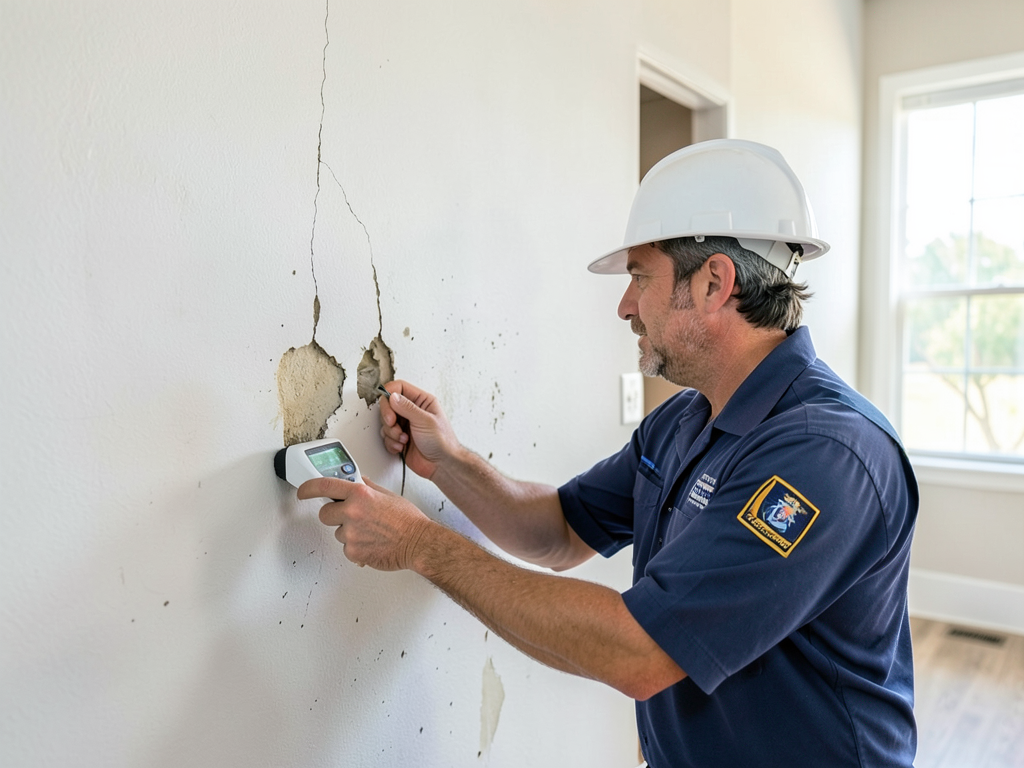
The first 24 hours are critical. A certified technician arrives within 60 minutes of your call to assess the damage using moisture meters and thermal imaging cameras. They identify the water source, categorize the damage, and create a drying plan. This phase includes stopping active leaks and preventing further water spread.. Read more about Why Regular Box Fans Won’t Prevent Mold After a Pipe Bursts in Your Seffner Home.
In Tampa’s humid climate, this initial assessment determines whether you’re facing a quick dry-out or a major reconstruction project. The technician checks for hidden moisture in walls, under flooring, and in crawl spaces—areas where Tampa’s high water table can complicate drying.. Read more about Three Simple Ways to Check if Your Drywall is Still Wet Inside.
Phase 2: Water Extraction and Mitigation (Day 1)
High-powered truck-mounted extraction units remove standing water. For a typical Tampa home, this process takes 2-6 hours depending on the water volume. Technicians use specialized tools like water claws for carpet and weighted extractors for hardwood floors.
During extraction, crews begin removing damaged materials. This might include pulling up wet carpet, cutting out saturated drywall, or removing insulation. The goal is to eliminate materials that can’t be dried effectively and would harbor mold growth.
Phase 3: Structural Drying and Dehumidification (Days 2-5)
This is the longest phase. Industrial-grade dehumidifiers and air movers create a controlled drying environment. In Tampa’s 80%+ humidity, these machines must work harder and longer than in drier climates.
Low-grain refrigerant (LGR) dehumidifiers pull moisture from the air, while air movers circulate dry air across wet surfaces. The process typically runs 72-120 hours continuously. Moisture readings are taken daily to track progress.
Concrete slab foundations common in Tampa homes absorb water slowly but release it even more slowly. Hardwood floors in historic Ybor City bungalows may require specialized drying mats that apply suction to extract moisture from between boards.. Read more about The Real Difference Between Category One and Category Three Water Damage in Thonotosassa.
Phase 4: Cleaning and Sanitizing (Concurrent with Phase 3)
While drying equipment runs, technicians clean and sanitize affected areas. This includes applying antimicrobial treatments to prevent mold growth and using HEPA air scrubbers to remove airborne contaminants. EPA Mold Guidelines.
For Category 3 water damage, this phase includes complete disinfection of all surfaces. Tampa’s warm climate means mold spores are always present, making thorough sanitization critical to prevent secondary damage.
Phase 5: Reconstruction and Repairs (Week 1 to Month 1)
Once moisture readings confirm the structure is dry, reconstruction begins. This phase varies dramatically based on damage extent. Replacing a section of drywall might take a day. Rebuilding a water-damaged kitchen could take weeks.
In Tampa’s coastal areas, reconstruction often includes addressing water damage to exterior stucco, replacing damaged siding, or repairing roof leaks that caused the initial damage. Building permits may be required for major repairs.
Tampa’s Climate Impact on Drying Times
Tampa’s subtropical climate creates unique challenges for water damage restoration. The high humidity means the air is already saturated with moisture, slowing evaporation. Here’s how local conditions affect your timeline:
| Climate Factor | Impact on Drying Time | Typical Adjustment |
|---|---|---|
| High Humidity (80%+) | Slows evaporation significantly | +1-2 days |
| Summer Heat | Can speed surface drying but trap moisture inside | Variable |
| Afternoon Thunderstorms | Adds humidity, can restart drying process | +1-3 days |
| High Water Table | Complicates crawl space and slab drying | +2-4 days |
During hurricane season, restoration companies in Tampa operate at maximum capacity. A Category 3 water event might take 2-3 times longer to resolve due to equipment availability and the volume of simultaneous emergencies.
Common Tampa Building Materials and Their Drying Characteristics
Tampa’s architecture influences restoration timelines. Common building materials in the area have different moisture absorption and release rates:
- Concrete Block (CMU): Absorbs water slowly but releases it very slowly. Typical drying time: 5-7 days.
- Stucco: Porous exterior finish that can trap moisture behind it. May require removal to dry properly.
- Hardwood Floors: Common in historic Tampa homes. Can warp if dried too quickly. Typical drying: 4-6 days with specialized equipment.
- Carpet and Pad: Absorbs water quickly, dries slowly. Usually requires removal and replacement.
- Plaster Walls: Found in older Tampa neighborhoods. Dries slower than drywall but can often be saved.
Modern Tampa homes built after 2000 often have moisture barriers and improved ventilation that can speed drying. However, energy-efficient construction can also trap moisture, requiring longer dehumidification periods.
Insurance and Documentation Timeline
Insurance claims add another layer to the restoration timeline. Most Tampa homeowners insurance policies cover sudden water damage but not gradual leaks or flood damage (which requires separate flood insurance). The Carrollwood Homeowner Guide to Fast Mold Removal and Testing.
The claims process typically follows this pattern:
- Initial Contact
Notify your insurance company within 24 hours of discovering damage.
- Adjuster Inspection
Insurance adjuster visits within 2-5 days to assess damage.
- Estimate Approval
2-7 days for claim approval after adjuster submits report.
- Payment Processing
5-10 business days for claim payment to process.
Professional restoration companies in Tampa typically bill insurance directly, reducing your out-of-pocket expenses. However, you may need to pay your deductible upfront.
Can You Stay in Your Home During Restoration?
Whether you can remain in your Tampa home during restoration depends on several factors:
Safe to Stay: Category 1 water damage affecting only part of the home, minimal demolition required, and no health risks present.
Consider Temporary Housing: Category 2 or 3 water damage, major demolition required, loud equipment operation, or if anyone in the home has respiratory issues.
The noise from air movers and dehumidifiers runs 24/7 and can make staying in the home uncomfortable. Additionally, the equipment increases electricity usage significantly.
Preventing Extended Restoration Times
You can help speed up the restoration process with these actions:
- Call professionals immediately. Every hour of delay increases drying time.
- Turn off HVAC systems to prevent spreading moisture or contaminants.
- Move furniture and valuables to unaffected areas if safe to do so.
- Document damage with photos for insurance purposes.
- Avoid using fans or opening windows, which can spread contamination.
Tampa homeowners should also be aware of the mold risk. Florida’s warm, humid climate means mold can begin growing within 24-48 hours of water exposure. Professional remediation becomes necessary if mold is present, adding time and cost to the project.
When to Expect Your Home to Be Fully Restored
Here’s a realistic timeline for a typical Tampa water damage scenario:
| Timeline | Milestone | What’s Complete |
|---|---|---|
| Day 1 | Emergency Response | Assessment, water extraction, damage containment |
| Day 2-5 | Structural Drying | Equipment running, daily moisture monitoring |
| Day 5-7 | Cleaning/Sanitizing | Antimicrobial treatment, air scrubbing |
| Day 7-14 | Reconstruction Begins | Material replacement, repairs start |
| Week 2-4 | Final Repairs | Painting, flooring, finishing touches |
Most Tampa homes are fully restored within 2-4 weeks for moderate damage. Severe cases involving structural repairs or mold remediation can extend to 6-8 weeks.
Choosing the Right Restoration Company in Tampa
Not all restoration companies are equal. Look for these qualifications when selecting a Tampa water damage restoration company:
- IICRC certification for water damage restoration technicians
- 24/7 emergency response availability
- Experience with Tampa’s specific building types and climate challenges
- Direct insurance billing capabilities
- Local references from Tampa neighborhoods
Companies familiar with Tampa’s building codes, permit requirements, and common construction methods can complete restoration more efficiently. They understand that a 1950s bungalow in Seminole Heights requires different handling than a 2020 concrete block home in New Tampa.
Frequently Asked Questions
How quickly should I call for water damage restoration?
Call within the first hour of discovering water damage. The first 24 hours are critical for preventing mold growth and minimizing structural damage. Most Tampa restoration companies offer 24/7 emergency response.
Will my insurance cover all restoration costs?
Most homeowners insurance covers sudden, accidental water damage from internal sources like burst pipes. It typically doesn’t cover flood damage, gradual leaks, or maintenance issues. Review your policy or contact your agent for specifics.
How can I tell if my home is completely dry?
Professional moisture meters are the only reliable way to confirm dryness. Visual inspection and touch aren’t sufficient. Your restoration company should provide documentation showing moisture levels in affected materials.
What’s the biggest mistake homeowners make after water damage?
The biggest mistake is waiting too long to call professionals. Many homeowners try to handle water damage themselves, not realizing moisture has spread to hidden areas. This delay often leads to mold growth and higher restoration costs.
How does Tampa’s hurricane season affect restoration timelines?
During hurricane season (June-November), restoration companies operate at maximum capacity. Response times may be longer, and equipment availability can be limited. Category 3 water events may take 2-3 times longer to resolve due to the volume of simultaneous emergencies.
Water damage restoration in Tampa requires understanding the unique challenges of Florida’s climate, building materials, and seasonal weather patterns. While every situation is different, knowing the typical phases and timelines helps you make informed decisions during a stressful time.
The key to successful restoration is immediate professional response. Don’t wait to see if the problem resolves itself—water damage only gets worse with time. Professional restoration companies in Tampa have the equipment, experience, and local knowledge to return your home to its pre-loss condition as quickly as possible.
For emergency water damage restoration in Tampa, call Fortress Water Damage Restoration at (656) 219-8088. Our certified technicians are ready to respond 24/7 and can typically arrive within 60 minutes of your call. We understand Tampa’s unique restoration challenges and work directly with your insurance company to make the process as smooth as possible. For more information, visit FEMA Hurricane Preparedness.
{
“@context”: “https://schema.org”,
“@type”: “BlogPosting”,
“headline”: “How Long Does it Actually Take to Dry Out a Water Damaged Home in Tampa?”,
“description”: “Discover exact timelines for water damage restoration in Tampa homes. Learn how Florida humidity affects drying times and when your home will be safe again.”,
“wordCount”: 2015,
“datePublished”: “2026-04-29T13:07:00.000Z”,
“dateModified”: “2026-04-29T13:07:00.000Z”,
“inLanguage”: “en-US”,
“mainEntityOfPage”: {
“@type”: “WebPage”,
“@id”: “https://fortresswaterdamagerestorationtampa.com”
},
“publisher”: {
“@type”: “LocalBusiness”,
“name”: “Fortress Water Damage Restoration Tampa”,
“url”: “https://fortresswaterdamagerestorationtampa.com”
},
“author”: {
“@type”: “Organization”,
“name”: “Fortress Water Damage Restoration Tampa”,
“url”: “https://fortresswaterdamagerestorationtampa.com”
},
“image”: {
“@type”: “ImageObject”,
“url”: “https://fortresswaterdamagerestorationtampa.com/wp-content/uploads/2026/03/how-long-does-it-actually-take-to-dry-out-a-water-1.png”
}
}
{
“@context”: “https://schema.org”,
“@type”: “LocalBusiness”,
“name”: “Fortress Water Damage Restoration Tampa”,
“url”: “https://fortresswaterdamagerestorationtampa.com”,
“address”: {
“@type”: “PostalAddress”,
“addressLocality”: “Tampa”
},
“areaServed”: {
“@type”: “City”,
“name”: “Tampa”
}
}
{
“@context”: “https://schema.org”,
“@type”: “FAQPage”,
“mainEntity”: [
{
“@type”: “Question”,
“name”: “Can You Stay in Your Home During Restoration?”,
“acceptedAnswer”: {
“@type”: “Answer”,
“text”: “Whether you can remain in your Tampa home during restoration depends on several factors:”
}
},
{
“@type”: “Question”,
“name”: “How quickly should I call for water damage restoration?”,
“acceptedAnswer”: {
“@type”: “Answer”,
“text”: “Call within the first hour of discovering water damage. The first 24 hours are critical for preventing mold growth and minimizing structural damage. Most Tampa restoration companies offer 24/7 emergency response.”
}
},
{
“@type”: “Question”,
“name”: “Will my insurance cover all restoration costs?”,
“acceptedAnswer”: {
“@type”: “Answer”,
“text”: “Most homeowners insurance covers sudden, accidental water damage from internal sources like burst pipes. It typically doesn’t cover flood damage, gradual leaks, or maintenance issues. Review your policy or contact your agent for specifics.”
}
},
{
“@type”: “Question”,
“name”: “How can I tell if my home is completely dry?”,
“acceptedAnswer”: {
“@type”: “Answer”,
“text”: “Professional moisture meters are the only reliable way to confirm dryness. Visual inspection and touch aren’t sufficient. Your restoration company should provide documentation showing moisture levels in affected materials.”
}
},
{
“@type”: “Question”,
“name”: “What’s the biggest mistake homeowners make after water damage?”,
“acceptedAnswer”: {
“@type”: “Answer”,
“text”: “The biggest mistake is waiting too long to call professionals. Many homeowners try to handle water damage themselves, not realizing moisture has spread to hidden areas. This delay often leads to mold growth and higher restoration costs.”
}
},
{
“@type”: “Question”,
“name”: “How does Tampa’s hurricane season affect restoration timelines?”,
“acceptedAnswer”: {
“@type”: “Answer”,
“text”: “During hurricane season (June-November), restoration companies operate at maximum capacity. Response times may be longer, and equipment availability can be limited. Category 3 water events may take 2-3 times longer to resolve due to the volume of simultaneous emergencies.”
}
}
]
}
{
“@context”: “https://schema.org”,
“@type”: “HowTo”,
“name”: “Insurance Claims Process”,
“step”: [
{
“@type”: “HowToStep”,
“position”: 1,
“name”: “Initial Contact”,
“text”: “Notify your insurance company within 24 hours of discovering damage.”
},
{
“@type”: “HowToStep”,
“position”: 2,
“name”: “Adjuster Inspection”,
“text”: “Insurance adjuster visits within 2-5 days to assess damage.”
},
{
“@type”: “HowToStep”,
“position”: 3,
“name”: “Estimate Approval”,
“text”: “2-7 days for claim approval after adjuster submits report.”
},
{
“@type”: “HowToStep”,
“position”: 4,
“name”: “Payment Processing”,
“text”: “5-10 business days for claim payment to process.”
}
],
“image”: “https://fortresswaterdamagerestorationtampa.com/wp-content/uploads/2026/03/how-long-does-it-actually-take-to-dry-out-a-water-1.png”
}
{
“@context”: “https://schema.org”,
“@type”: “BreadcrumbList”,
“itemListElement”: [
{
“@type”: “ListItem”,
“position”: 1,
“name”: “Home”,
“item”: “https://fortresswaterdamagerestorationtampa.com”
},
{
“@type”: “ListItem”,
“position”: 2,
“name”: “Blog”,
“item”: “https://fortresswaterdamagerestorationtampa.com/blog”
},
{
“@type”: “ListItem”,
“position”: 3,
“name”: “How Long Does it Actually Take to Dry Out a Water Damaged Home in Tampa?”
}
]
}
{
“@context”: “https://schema.org”,
“@type”: “Service”,
“serviceType”: “Water Damage Restoration”,
“provider”: {
“@type”: “LocalBusiness”,
“name”: “Fortress Water Damage Restoration Tampa”,
“url”: “https://fortresswaterdamagerestorationtampa.com”
},
“areaServed”: {
“@type”: “City”,
“name”: “Tampa”
},
“description”: “Discover exact timelines for water damage restoration in Tampa homes. Learn how Florida humidity affects drying times and when your home will be safe again.”
}