
Three Simple Ways to Check if Your Drywall is Still Wet Inside
When water seeps into your Tampa home’s walls the damage often hides behind paint and plaster. A small ceiling stain or damp carpet edge can signal serious moisture trapped inside drywall that you cannot see. This guide shows you three straightforward ways to check for hidden wetness before it turns into mold or structural failure. Expert Water Extraction and Drying for Davis Islands Waterfront Homes.
Why Tampa Homes Face Unique Moisture Challenges
Tampa’s subtropical climate creates conditions where water damage escalates quickly. Our average humidity sits above 75 percent year-round and summer thunderstorms dump inches of rain in hours. When water enters your walls through roof leaks foundation cracks or plumbing failures the gypsum core absorbs moisture like a sponge. Paint acts as a vapor barrier trapping that water inside where it cannot dry naturally. Getting Your Water Damage Insurance Claim Approved in Tampa (And Who to Call First).
In older neighborhoods like Seminole Heights and West Tampa many homes built in the 1950s and 1960s have plaster walls that behave differently than modern drywall but still trap moisture. The sandy soil common across Hillsborough County allows groundwater to migrate toward foundations especially during our rainy season from June through September. Fixing a Water Damaged Ceiling in Your Town ‘n’ Country Home Before it Collapses.
Three Ways to Check for Hidden Moisture
1. The Visual Inspection Method
Start with your eyes. Look for these warning signs that water has penetrated your walls:
- Paint bubbling or blistering especially near baseboards or ceiling corners
- Yellow brown water stains that grow larger over days
- Peeling wallpaper or paint that feels soft to touch
- White chalky deposits called efflorescence on painted surfaces
- Dark spots that appear wet even when the surface feels dry
In Tampa’s climate these signs often appear first in north facing walls that receive less direct sunlight. The University of South Florida campus area homes frequently show moisture damage on shaded exterior walls where evaporation happens slowly.. Read more about How to Read a Professional Moisture Meter Like a Restoration Expert.
2. The Touch and Smell Test
Your hands and nose provide valuable information. Press firmly on suspicious areas with your fingertips. Drywall should feel uniformly firm. If it feels spongy or gives under pressure you likely have moisture damage.
Sniff the area carefully. Water trapped behind paint creates conditions for mold growth within 24 to 48 hours in Tampa’s humidity. You might detect a musty odor that smells like wet cardboard or earth. This smell comes from microbial volatile organic compounds released by growing mold colonies.
Pay attention to temperature differences. Wet drywall often feels cooler than surrounding dry areas because evaporation draws heat away. Run your hand across the surface and notice any cold spots.
3. The Professional Moisture Meter Test
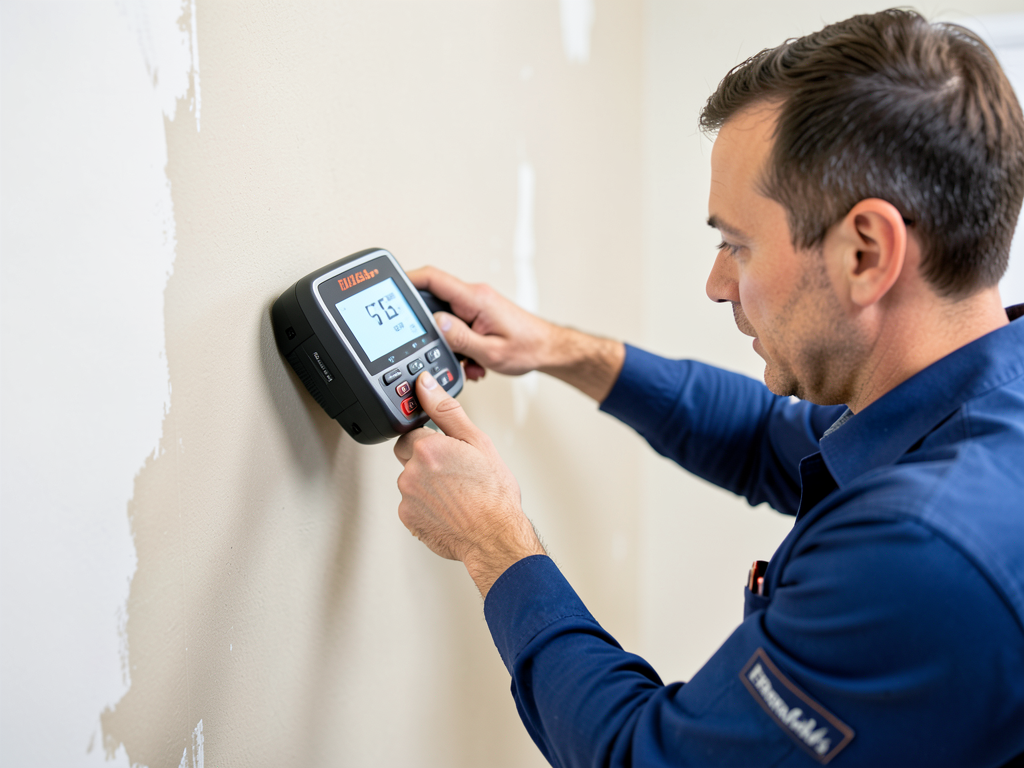
Moisture meters provide the most accurate way to detect hidden water. Two main types exist:. Read more about The Hidden Reason Why Mold Grows in Beach Park Walk In Closets.
| Meter Type | How It Works | Best For |
|---|---|---|
| Pin Type | Pushes two metal pins into material measuring electrical resistance | Pinpointing exact moisture levels in wood and drywall |
| Pinless | Uses electromagnetic sensors to scan without damage | Quick scanning of large wall areas |
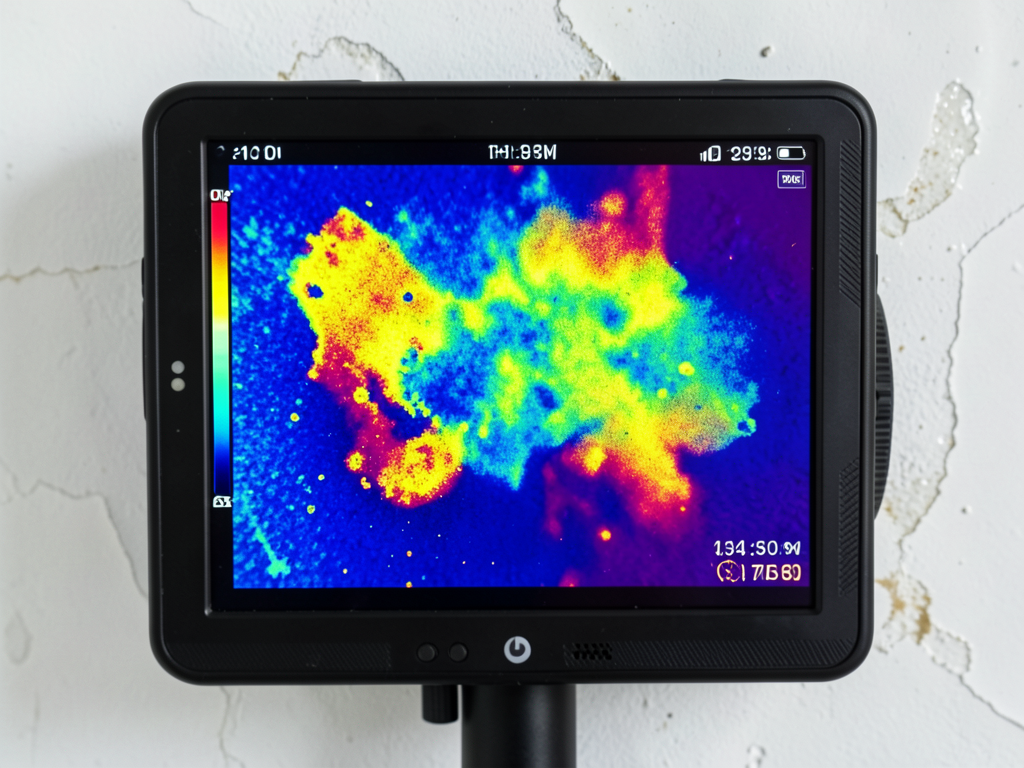
Healthy drywall typically reads below 12 percent moisture content. Readings above 16 percent indicate active water intrusion. Some Tampa restoration professionals use thermal imaging cameras that detect temperature differences caused by moisture. These tools reveal wet areas behind paint without any physical contact.
You can rent basic moisture meters from hardware stores but interpreting results takes experience. A reading of 20 percent might seem alarming but could be normal for a bathroom wall after a shower. Context matters.
Common Sources of Hidden Water in Tampa Homes
Understanding where water comes from helps you prevent damage. In Brandon and Riverview neighborhoods with many 1980s and 1990s homes common culprits include:
- A/C condensate drain line backups releasing water into walls
- Hot water heater leaks in garages or utility closets
- Roof damage from hurricane season winds allowing rain intrusion
- Foundation cracks from soil settling common in new developments
- Plumbing supply line failures in walls especially in older homes
Florida building code requires specific waterproofing measures but many homes built before 2002 lack modern moisture barriers. Homes in flood prone areas like parts of South Tampa near the bay face additional risks during tropical storms.
When DIY Checks Are Not Enough
Sometimes hidden moisture requires professional attention. Call experts if you notice:
- Water spreading across multiple rooms or floors
- Visible mold growth of any kind
- Structural sagging or warping in walls or ceilings
- Electrical issues near water damaged areas
- Persistent musty odors after cleaning visible water
Professional restoration follows IICRC S500 standards for water damage mitigation. This industry standard requires specific drying times temperature controls and moisture content verification that most homeowners cannot achieve with household fans. The Carrollwood Homeowner Guide to Fast Mold Removal and Testing.
Preventing Future Moisture Problems
After addressing current issues take steps to prevent recurrence. In Tampa’s climate these measures prove especially important:
- Install or repair gutters to direct water away from foundations
- Maintain your A/C drain line with annual cleaning
- Check roof condition annually especially after hurricane season
- Use dehumidifiers in problem areas during humid months
- Seal foundation cracks with hydraulic cement
Many Tampa homeowners install smart water sensors near water heaters and under sinks. These devices alert you to leaks through smartphone apps before major damage occurs.
Health and Safety Considerations
Hidden moisture creates more than structural problems. Mold exposure can trigger respiratory issues especially in children elderly and people with asthma. Common Tampa molds include:
- Aspergillus species that grow on damp drywall
- Penicillium molds that produce musty odors
- Stachybotrys chartarum the toxic black mold that thrives in cellulose materials
The CDC recommends removing moldy materials rather than cleaning them when contamination exceeds ten square feet. Attempting to dry moldy materials yourself often spreads spores throughout your home. CDC mold facts.
Insurance and Documentation
Florida homeowners insurance typically covers sudden water damage but not gradual leaks. Document your findings with photos and moisture readings if you plan to file a claim. Insurance companies often require proof of the damage source and extent.. Read more about Finding the Source of a Mystery Water Leak in Your FishHawk Townhome Wall.
Keep records of when you first noticed problems and what steps you took. This documentation helps establish the timeline for insurance adjusters. Some Tampa restoration companies provide free inspections that generate documentation useful for claims.
DIY vs Professional Assessment Comparison
| Aspect | DIY Check | Professional Assessment |
|---|---|---|
| Cost | Free to $50 for basic tools | $150 to $400 for comprehensive inspection |
| Accuracy | Good for obvious signs | High with specialized equipment |
| Time Required | 30 minutes to 2 hours | 1 to 3 hours |
| Risk of Missing Issues | High for hidden problems | Low with thermal imaging |
| Insurance Documentation | Basic photos only | Detailed reports with readings |
Frequently Asked Questions
How long does it take for mold to grow in wet drywall?
Mold can begin growing within 24 to 48 hours in Tampa’s humid climate. The combination of moisture organic material in drywall and warm temperatures creates ideal conditions for rapid mold colonization.
Can I just paint over water damaged drywall?
No. Painting over wet or damaged drywall traps moisture inside creating conditions for mold growth and structural weakening. The damage will worsen and eventually show through new paint.
What moisture reading indicates a problem?
Readings above 16 percent moisture content in drywall indicate active water intrusion. Readings between 12 and 16 percent suggest borderline conditions requiring monitoring.
Should I remove wet drywall myself?
Small areas under ten square feet might be manageable if you wear proper protective equipment. Larger areas or visible mold growth should be handled by professionals following IICRC safety standards.
Take Action Before Small Problems Become Big Expenses
Hidden moisture in your walls can escalate from a minor nuisance to a major restoration project in days. The three checks outlined here help you catch problems early when repair costs stay manageable. Remember that Tampa’s climate works against you by accelerating mold growth and slowing natural drying. EPA mold information.
If your visual inspection touch test or moisture meter readings suggest water intrusion do not wait. Professional assessment costs less than emergency restoration after mold spreads or drywall collapses. Most Tampa restoration companies offer same day inspections for urgent situations. Urgent Washing Machine Overflow Cleanup Services in Citrus Park.
Need help interpreting your findings or suspect hidden water damage? Call Fortress Water Damage Restoration Tampa at (656) 219-8088. Our certified technicians use professional grade moisture detection equipment and provide honest assessments of what you are facing. We serve homeowners throughout Tampa Brandon Riverview and surrounding communities with 24/7 emergency response.
Early detection saves money protects your family’s health and prevents the stress of major home repairs. Take five minutes today to check your walls. Your future self will thank you.
{
“@context”: “https://schema.org”,
“@type”: “BlogPosting”,
“headline”: “Three Simple Ways to Check if Your Drywall is Still Wet Inside”,
“description”: “Learn three DIY methods to detect hidden moisture in your Tampa drywall before mold takes hold. Expert tips from local restoration specialists.”,
“wordCount”: 1452,
“datePublished”: “2026-04-27T09:35:00.000Z”,
“dateModified”: “2026-04-27T09:35:00.000Z”,
“inLanguage”: “en-US”,
“mainEntityOfPage”: {
“@type”: “WebPage”,
“@id”: “https://fortresswaterdamagerestorationtampa.com”
},
“publisher”: {
“@type”: “LocalBusiness”,
“name”: “Fortress Water Damage Restoration Tampa”,
“url”: “https://fortresswaterdamagerestorationtampa.com”
},
“author”: {
“@type”: “Organization”,
“name”: “Fortress Water Damage Restoration Tampa”,
“url”: “https://fortresswaterdamagerestorationtampa.com”
},
“image”: {
“@type”: “ImageObject”,
“url”: “https://fortresswaterdamagerestorationtampa.com/wp-content/uploads/2026/03/three-simple-ways-to-check-if-your-drywall-is-stil-1.png”
}
}
{
“@context”: “https://schema.org”,
“@type”: “LocalBusiness”,
“name”: “Fortress Water Damage Restoration Tampa”,
“url”: “https://fortresswaterdamagerestorationtampa.com”,
“address”: {
“@type”: “PostalAddress”,
“addressLocality”: “Tampa”
},
“areaServed”: {
“@type”: “City”,
“name”: “Tampa”
}
}
{
“@context”: “https://schema.org”,
“@type”: “FAQPage”,
“mainEntity”: [
{
“@type”: “Question”,
“name”: “How long does it take for mold to grow in wet drywall?”,
“acceptedAnswer”: {
“@type”: “Answer”,
“text”: “Mold can begin growing within 24 to 48 hours in Tampa’s humid climate. The combination of moisture organic material in drywall and warm temperatures creates ideal conditions for rapid mold colonization.”
}
},
{
“@type”: “Question”,
“name”: “Can I just paint over water damaged drywall?”,
“acceptedAnswer”: {
“@type”: “Answer”,
“text”: “No. Painting over wet or damaged drywall traps moisture inside creating conditions for mold growth and structural weakening. The damage will worsen and eventually show through new paint.”
}
},
{
“@type”: “Question”,
“name”: “Should I remove wet drywall myself?”,
“acceptedAnswer”: {
“@type”: “Answer”,
“text”: “Small areas under ten square feet might be manageable if you wear proper protective equipment. Larger areas or visible mold growth should be handled by professionals following IICRC safety standards.”
}
}
]
}
{
“@context”: “https://schema.org”,
“@type”: “BreadcrumbList”,
“itemListElement”: [
{
“@type”: “ListItem”,
“position”: 1,
“name”: “Home”,
“item”: “https://fortresswaterdamagerestorationtampa.com”
},
{
“@type”: “ListItem”,
“position”: 2,
“name”: “Blog”,
“item”: “https://fortresswaterdamagerestorationtampa.com/blog”
},
{
“@type”: “ListItem”,
“position”: 3,
“name”: “Three Simple Ways to Check if Your Drywall is Still Wet Inside”
}
]
}
{
“@context”: “https://schema.org”,
“@type”: “Service”,
“serviceType”: “Water Damage Restoration”,
“provider”: {
“@type”: “LocalBusiness”,
“name”: “Fortress Water Damage Restoration Tampa”,
“url”: “https://fortresswaterdamagerestorationtampa.com”
},
“areaServed”: {
“@type”: “City”,
“name”: “Tampa”
},
“description”: “Learn three DIY methods to detect hidden moisture in your Tampa drywall before mold takes hold. Expert tips from local restoration specialists.”
}