
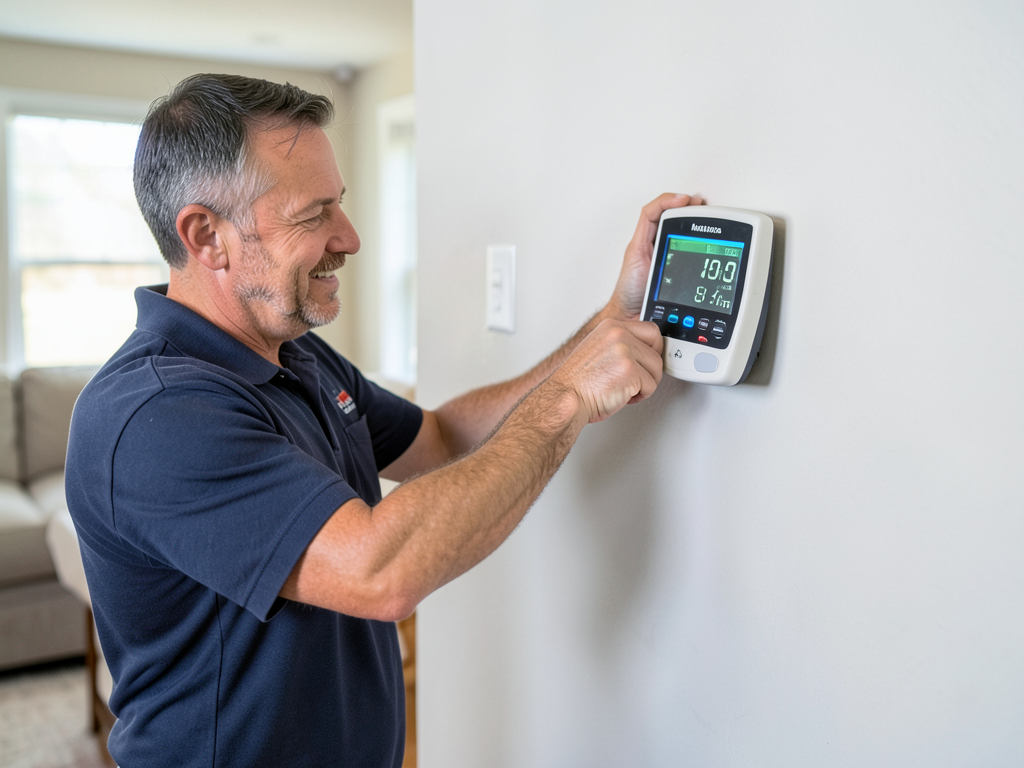
How to Read a Professional Moisture Meter Like a Restoration Expert
You find a dark spot on your ceiling in South Tampa. Your finger feels slightly damp. You grab a moisture meter from the hardware store and the screen shows 18%. Now what? That number alone does not tell you much without context.. Read more about Why Moisture Trapped in Concrete Block Walls is a Major Risk for Sulphur Springs Homes.
Reading a professional moisture meter is not about memorizing a single number. It is about understanding what that number means for your specific wall in your specific home in Tampa’s specific climate. This guide breaks down exactly how restoration experts interpret those readings and when you should call for help. Expert Water Extraction and Drying for Davis Islands Waterfront Homes.
Why Moisture Readings Matter in Tampa Homes
Tampa’s subtropical climate creates unique challenges for homeowners. Our average relative humidity sits between 70 and 80 percent year-round. That constant moisture in the air means your drywall might naturally read higher than someone living in Arizona. The Carrollwood Homeowner Guide to Fast Mold Removal and Testing.
When water from a leak burst pipe or storm enters your home it compounds this baseline moisture. Left unchecked that water creates perfect conditions for mold growth within 24 to 48 hours. The tricky part is knowing whether that 18% reading shows normal Tampa humidity or active water intrusion. Getting Your Water Damage Insurance Claim Approved in Tampa (And Who to Call First).
Understanding Moisture Content Basics
Moisture content (MC) measures the amount of water in a material compared to its dry weight. For drywall this gets expressed as a percentage. Most restoration professionals use the Wood Moisture Equivalent (WME) scale even for gypsum board because it provides consistent reference points. Fixing a Water Damaged Ceiling in Your Town ‘n’ Country Home Before it Collapses.
Normal drywall in Tampa typically reads between 5% and 12% when properly acclimated to our climate. Readings above 12% do not automatically mean you have a problem but they warrant investigation. The key is establishing your home’s dry standard first.
Pin vs. Pinless Meters: What’s the Difference
Pin-type meters use two metal probes that penetrate the material. They measure electrical resistance between the pins. Water conducts electricity better than drywall so higher readings indicate more moisture. These give you precise readings at specific depths but leave tiny holes. Water Damage Restoration Ruskin.
Pinless meters use electromagnetic sensors to scan through the surface without damage. They detect moisture in a cone-shaped area about half an inch to one inch deep. These work faster and will not mar your walls but they can be affected by surface moisture or nearby metal.. Read more about How Professional Grade Sensors Find Hidden Pockets of Water in Tampa Heights Walls.
Restoration experts often use both. Pin meters verify problem areas found by pinless scanning. For initial inspections many technicians start with non-invasive scanning to map moisture patterns across large wall sections.
The Dry Standard: Your Baseline for Comparison
Before you can determine if a reading is problematic you need to know what is normal for your specific wall. This is called the dry standard. It is the moisture content of an unaffected area in the same room under the same conditions.
To establish this test a section of wall at least five feet away from any visible water damage. Take readings in a few different spots and average them. This becomes your baseline. A reading 5 percentage points above your dry standard suggests active moisture.
Keep in mind that different wall assemblies read differently. Exterior walls might naturally read higher due to insulation or vapor barriers. Interior partition walls often show lower readings. Bathrooms and laundry areas typically run higher due to regular humidity exposure.. Read more about Why Restoring Plaster Walls in Old West Tampa Homes Is Different Than Standard Drywall.
Moisture Reading Zones: When to Worry
Restoration professionals use a simple zone system to categorize moisture readings:
| Moisture Zone | Reading Range | What It Means |
|---|---|---|
| Safe Zone | 5% – 12% | Normal for Tampa drywall |
| Caution Zone | 13% – 16% | Monitor investigate source |
| Action Zone | 17% – 19% | Mold risk increasing dry immediately |
| Critical Zone | 20%+ | Active mold growth likely call professional |
The 17% threshold matters because that is where most building materials become conducive to mold growth. At 20% and above you are entering the range where visible mold can develop within 24 hours in Tampa’s climate.
Common Causes of High Readings in Tampa
Not every high reading means you have a leak. Several factors can elevate moisture levels:
- Seasonal humidity spikes during summer months
- AC condensate drain line backups near walls
- Roof leaks that only manifest during heavy rains
- Plumbing supply line failures inside walls
- Foundation moisture migration in slab homes
- Improper vapor barrier installation
In older South Tampa neighborhoods many homes built before 1980 have different moisture characteristics than newer construction. These homes often lack modern vapor barriers and may show naturally higher baseline readings.
Step-by-Step: How to Test Your Walls
Follow these steps to get accurate readings:
- Prepare the Surface
Remove outlet covers and ensure the wall surface is clean and dry. Surface moisture can skew pinless readings.
- Establish Your Dry Standard
Test an unaffected area at least five feet from any visible damage. Take three readings and average them.
- Map the Problem Area
Take readings every 12 inches across the affected zone. Mark readings on the wall with pencil.
- Check for Patterns
Look for moisture gradients. Readings that decrease as you move away from a central point often indicate a source location.
- Document Everything
Write down all readings with their locations. This helps track changes over time and assists professionals if you need to call for help.
Green Board vs. Standard Drywall Readings
Many Tampa homes use green board (moisture-resistant drywall) in bathrooms and laundry areas. This material handles moisture differently than standard gypsum board.
Green board typically reads 2-3 percentage points lower than standard drywall at the same moisture level because of its water-resistant additives. However once water penetrates the paper facing it can trap moisture inside the core making drying more difficult.
For green board the caution zone starts around 11% and the critical zone begins at 17%. The mold growth threshold remains similar but the material’s resistance to surface moisture gives you slightly more time to respond.
Professional Tools Beyond Basic Meters
Restoration experts use additional tools to verify moisture readings:
EPA mold guidelines recommend using multiple detection methods for accurate assessment. Professional moisture meters often include features like data logging Bluetooth connectivity and built-in psychrometric calculators.
Thermal imaging cameras detect temperature differences that often indicate moisture presence. They can scan large areas quickly and identify hidden problems behind walls without any physical contact.
Pinless meters with deeper scanning capabilities can detect moisture up to 1.5 inches deep useful for finding problems behind tile or thick plaster walls common in older Tampa neighborhoods.
When to Call a Restoration Professional
Call for professional help if you see these warning signs:
- Readings consistently above 17% in multiple locations
- Moisture patterns that spread over time
- Visible water stains or discoloration
- Musty odors that persist after cleaning
- Readings that return within days after DIY drying
Professional restoration teams use industrial-grade equipment that can dry walls from the inside out. They also have moisture meters with greater accuracy and can establish true dry standards for your specific building materials.
In Tampa’s climate waiting even 48 hours can mean the difference between simple drying and full mold remediation. The cost of professional assessment is minimal compared to extensive repairs if problems worsen.
Preventing Moisture Problems in Tampa Homes
Prevention starts with understanding your home’s moisture dynamics. Here are key strategies:
| Prevention Strategy | Implementation | Frequency |
|---|---|---|
| AC Maintenance | Clean condensate lines check drain pans | Every 6 months |
| Roof Inspection | Check flashing shingles vent boots | Annually before rainy season |
| Gutter Cleaning | Remove debris check downspout connections | Quarterly |
| Plumbing Check | Inspect supply lines check for corrosion | Annually |
Pay special attention during hurricane season. Even small roof damage can let in significant moisture during our frequent afternoon thunderstorms. Homes in flood-prone areas near the Hillsborough River should consider additional moisture barriers. Hillsborough River.
Understanding Your Insurance Coverage
Most homeowners insurance covers sudden water damage from burst pipes or storm-related leaks. However damage from long-term moisture problems or flooding often requires separate flood insurance.
Document your moisture readings with photos and notes. This documentation helps when filing claims and proves the extent of damage. Many restoration companies work directly with insurance providers to streamline the claims process.
Keep in mind that insurance companies often require prompt mitigation of damage. Waiting too long can reduce your coverage or shift costs to you.
Local Building Considerations for Tampa
Tampa’s building codes address moisture management differently than other regions. The Florida Building Code includes specific requirements for:
- Moisture barriers in exterior walls
- Roof underlayment standards
- AC condensate drain requirements
- Flood zone construction methods
Homes in historic districts may have different moisture characteristics due to their construction methods. These older homes often use lath and plaster instead of modern drywall requiring different moisture assessment approaches.
Newer construction in areas like Westchase or New Tampa typically includes better moisture management systems but they are not immune to problems. Improper installation or material defects can still lead to moisture issues.
Frequently Asked Questions
What is the best moisture meter for homeowners?
For basic home use a quality pinless meter with calibration settings for drywall works well. Look for models with digital displays and the ability to switch between materials. Professional restoration teams use more advanced tools but a homeowner meter helps identify problems early.
How often should I check moisture levels?
Test any time you notice water stains musty odors or after significant weather events. For proactive monitoring check vulnerable areas like bathrooms laundry rooms and exterior walls every six months. After our hurricane season is an ideal time for a comprehensive check.
Can I dry wet drywall myself?
For small areas with readings under 17% you can try DIY drying with fans and dehumidifiers. However if readings remain high after 48 hours or the affected area exceeds 10 square feet call professionals. Improper drying can trap moisture and lead to mold growth.
Why do my readings fluctuate throughout the day?
Temperature and humidity changes affect moisture readings. Readings often run higher in the afternoon when humidity peaks and lower in the morning. For consistent comparisons test at the same time of day and under similar conditions.
Take Action Today
Understanding moisture meter readings empowers you to catch water damage early. In Tampa’s humid climate that early detection can save thousands in repairs and prevent serious mold problems.
If your readings fall in the caution or action zones do not wait. Mold can establish itself within 24 to 48 hours in our climate. Professional assessment costs far less than extensive remediation later.
Call Fortress Water Damage Restoration Tampa for expert moisture assessment and rapid response water damage restoration. Our certified technicians use professional-grade equipment to accurately diagnose moisture problems and implement effective drying solutions.
Whether you are in South Tampa Northdale or anywhere in the Greater Tampa Bay area we are ready to help 24/7. Do not let hidden moisture compromise your home’s safety and your family’s health. Call now for peace of mind and professional results.
{
“@context”: “https://schema.org”,
“@type”: “BlogPosting”,
“headline”: “How to Read a Professional Moisture Meter Like a Restoration Expert”,
“description”: “Learn how restoration experts read moisture meters in Tampa’s humid climate. Discover when high readings signal problems and when to call professionals.”,
“wordCount”: 1847,
“datePublished”: “2026-05-16T07:20:00.000Z”,
“dateModified”: “2026-05-16T07:20:00.000Z”,
“inLanguage”: “en-US”,
“mainEntityOfPage”: {
“@type”: “WebPage”,
“@id”: “https://fortresswaterdamagerestorationtampa.com”
},
“publisher”: {
“@type”: “LocalBusiness”,
“name”: “Fortress Water Damage Restoration Tampa”,
“url”: “https://fortresswaterdamagerestorationtampa.com”
},
“author”: {
“@type”: “Organization”,
“name”: “Fortress Water Damage Restoration Tampa”,
“url”: “https://fortresswaterdamagerestorationtampa.com”
},
“image”: {
“@type”: “ImageObject”,
“url”: “https://fortresswaterdamagerestorationtampa.com/wp-content/uploads/2026/03/how-to-read-a-professional-moisture-meter-like-a-r-1.png”
}
}
{
“@context”: “https://schema.org”,
“@type”: “LocalBusiness”,
“name”: “Fortress Water Damage Restoration Tampa”,
“url”: “https://fortresswaterdamagerestorationtampa.com”,
“address”: {
“@type”: “PostalAddress”,
“addressLocality”: “Tampa”
},
“areaServed”: {
“@type”: “City”,
“name”: “Tampa”
}
}
{
“@context”: “https://schema.org”,
“@type”: “FAQPage”,
“mainEntity”: [
{
“@type”: “Question”,
“name”: “What is the best moisture meter for homeowners?”,
“acceptedAnswer”: {
“@type”: “Answer”,
“text”: “For basic home use a quality pinless meter with calibration settings for drywall works well. Look for models with digital displays and the ability to switch between materials. Professional restoration teams use more advanced tools but a homeowner meter helps identify problems early.”
}
},
{
“@type”: “Question”,
“name”: “How often should I check moisture levels?”,
“acceptedAnswer”: {
“@type”: “Answer”,
“text”: “Test any time you notice water stains musty odors or after significant weather events. For proactive monitoring check vulnerable areas like bathrooms laundry rooms and exterior walls every six months. After our hurricane season is an ideal time for a comprehensive check.”
}
},
{
“@type”: “Question”,
“name”: “Can I dry wet drywall myself?”,
“acceptedAnswer”: {
“@type”: “Answer”,
“text”: “For small areas with readings under 17% you can try DIY drying with fans and dehumidifiers. However if readings remain high after 48 hours or the affected area exceeds 10 square feet call professionals. Improper drying can trap moisture and lead to mold growth.”
}
},
{
“@type”: “Question”,
“name”: “Why do my readings fluctuate throughout the day?”,
“acceptedAnswer”: {
“@type”: “Answer”,
“text”: “Temperature and humidity changes affect moisture readings. Readings often run higher in the afternoon when humidity peaks and lower in the morning. For consistent comparisons test at the same time of day and under similar conditions.”
}
}
]
}
{
“@context”: “https://schema.org”,
“@type”: “HowTo”,
“name”: “How to Test Wall Moisture”,
“step”: [
{
“@type”: “HowToStep”,
“position”: 1,
“name”: “Prepare the Surface”,
“text”: “Remove outlet covers and ensure the wall surface is clean and dry. Surface moisture can skew pinless readings.”
},
{
“@type”: “HowToStep”,
“position”: 2,
“name”: “Establish Your Dry Standard”,
“text”: “Test an unaffected area at least five feet from any visible damage. Take three readings and average them.”
},
{
“@type”: “HowToStep”,
“position”: 3,
“name”: “Map the Problem Area”,
“text”: “Take readings every 12 inches across the affected zone. Mark readings on the wall with pencil.”
},
{
“@type”: “HowToStep”,
“position”: 4,
“name”: “Check for Patterns”,
“text”: “Look for moisture gradients. Readings that decrease as you move away from a central point often indicate a source location.”
},
{
“@type”: “HowToStep”,
“position”: 5,
“name”: “Document Everything”,
“text”: “Write down all readings with their locations. This helps track changes over time and assists professionals if you need to call for help.”
}
],
“image”: “https://fortresswaterdamagerestorationtampa.com/wp-content/uploads/2026/03/how-to-read-a-professional-moisture-meter-like-a-r-1.png”
}
{
“@context”: “https://schema.org”,
“@type”: “BreadcrumbList”,
“itemListElement”: [
{
“@type”: “ListItem”,
“position”: 1,
“name”: “Home”,
“item”: “https://fortresswaterdamagerestorationtampa.com”
},
{
“@type”: “ListItem”,
“position”: 2,
“name”: “Blog”,
“item”: “https://fortresswaterdamagerestorationtampa.com/blog”
},
{
“@type”: “ListItem”,
“position”: 3,
“name”: “How to Read a Professional Moisture Meter Like a Restoration Expert”
}
]
}
{
“@context”: “https://schema.org”,
“@type”: “Service”,
“serviceType”: “Water Damage Restoration”,
“provider”: {
“@type”: “LocalBusiness”,
“name”: “Fortress Water Damage Restoration Tampa”,
“url”: “https://fortresswaterdamagerestorationtampa.com”
},
“areaServed”: {
“@type”: “City”,
“name”: “Tampa”
},
“description”: “Learn how restoration experts read moisture meters in Tampa’s humid climate. Discover when high readings signal problems and when to call professionals.”
}