
Why Restoring Plaster Walls in Old West Tampa Homes Is Different Than Standard Drywall
Old West Tampa homes built before 1940 often feature original plaster walls that require completely different restoration techniques than modern drywall. The three-coat plaster system with wood lath creates unique challenges when water damage occurs. Expert Water Extraction and Drying for Davis Islands Waterfront Homes.
When water infiltrates these historic walls, the damage extends beyond surface stains. The plaster can delaminate from the lath, creating hollow sections that sound different when tapped. The lime-based materials absorb moisture differently than gypsum drywall, often trapping water deep within the wall cavity. Getting Your Water Damage Insurance Claim Approved in Tampa (And Who to Call First).
Fortress Water Damage Restoration understands these distinctions. Our technicians use specialized moisture meters calibrated for plaster’s density and employ industrial-grade dehumidifiers designed for high-density materials. The restoration process requires careful attention to preserve the wall’s structural integrity while preventing secondary issues like mold growth in Tampa’s humid climate. Fixing a Water Damaged Ceiling in Your Town ‘n’ Country Home Before it Collapses.
The approach differs significantly from standard drywall repair. Instead of simply cutting out damaged sections, plaster restoration often involves re-bonding loose plaster to the lath using specialized adhesives or carefully removing and replacing entire sections to match the original texture and finish. EPA Lead-Safe Renovation Requirements.
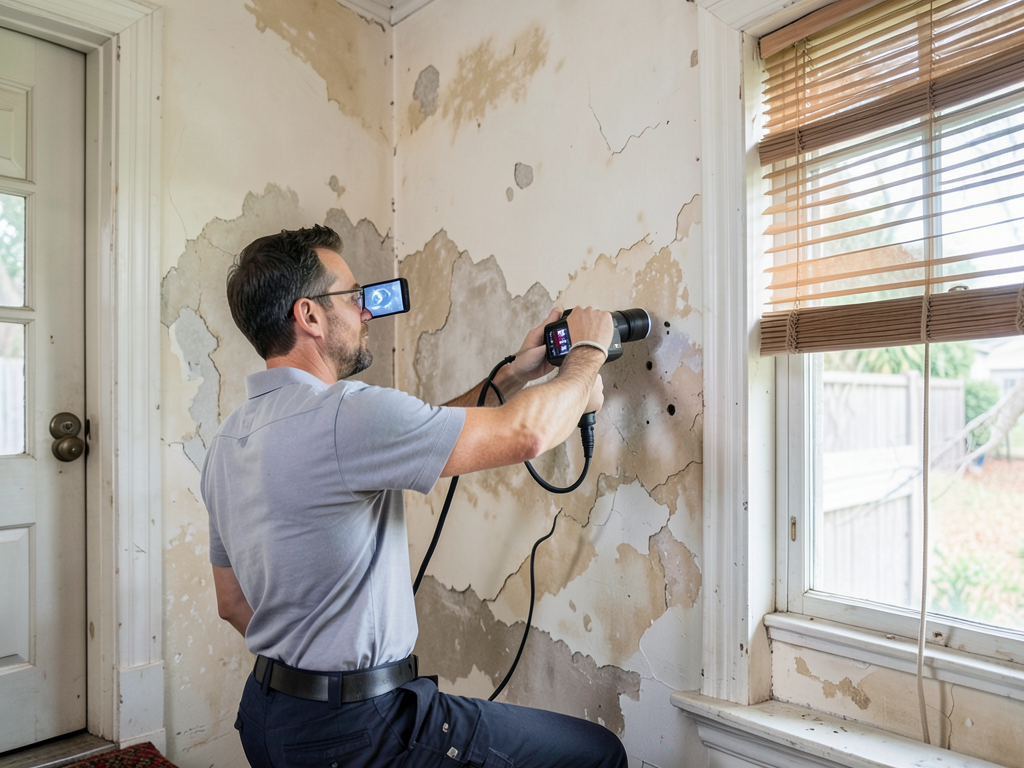
Understanding the Unique Challenges of Historic Plaster
Historic plaster walls in Old West Tampa present restoration challenges that standard drywall never encounters. The material composition alone creates significant differences in how water affects the structure. Water Damage Restoration Ruskin.
Traditional plaster consists of three distinct layers: the scratch coat, brown coat, and finish coat. Each layer serves a specific purpose and responds differently to moisture exposure. The scratch coat provides mechanical adhesion to the wood lath, while the brown coat builds thickness and strength. The finish coat delivers the smooth surface you see.
When water penetrates these layers, it travels differently than through drywall. The plaster absorbs moisture like a sponge, creating hidden damage that extends far beyond visible stains. This absorption characteristic means drying times increase substantially compared to drywall restoration.
Wood lath backing adds another complexity layer. The narrow wood strips nailed to studs provide the mechanical key for plaster adhesion. When water damages this system, the plaster loses its structural support, creating hollow-sounding areas that indicate separation from the lath.
Efflorescence represents another plaster-specific issue. When water moves through the plaster, it carries dissolved salts to the surface. As moisture evaporates, these salts crystallize as white powdery deposits. This phenomenon never occurs with drywall since gypsum doesn’t contain these minerals.
The three-coat system also means damage patterns vary by depth. Surface water affects only the finish coat, while deeper moisture penetration can compromise all three layers. This variability requires different restoration approaches depending on which layers sustain damage.
Common Water Damage Scenarios in Historic Homes
Old West Tampa homes face several water damage scenarios that particularly affect plaster walls. Understanding these situations helps homeowners recognize when professional restoration becomes necessary. The Carrollwood Homeowner Guide to Fast Mold Removal and Testing.
Roof leaks represent the most destructive water source for plaster walls. Water traveling down wall cavities can affect multiple rooms before becoming visible. By the time brown stains appear on ceilings or walls, the damage often extends through several plaster layers.
Plumbing failures within walls create another common scenario. Old galvanized pipes corrode from the inside, developing pinhole leaks that slowly saturate surrounding plaster. These slow leaks often go unnoticed until significant damage occurs, creating perfect conditions for mold growth in Tampa’s humid environment.
Hurricane-driven rain presents unique challenges for plaster walls. Wind-driven water can penetrate through hairline cracks in exterior stucco or around windows, traveling behind plaster layers. The combination of wind pressure and water volume overwhelms standard drainage paths, forcing moisture deeper into wall assemblies.
Air conditioning condensate line backups frequently damage plaster in homes throughout Tampa. When condensate drains clog, water overflows into wall cavities, saturating plaster from within. This scenario often affects multiple walls simultaneously, creating widespread damage that requires comprehensive restoration.
Foundation issues in older homes can cause plaster damage through hydrostatic pressure. Water accumulating around foundations creates pressure that forces moisture through masonry or concrete block walls, eventually affecting interior plaster surfaces. This scenario often manifests as bubbling or flaking near floor level.
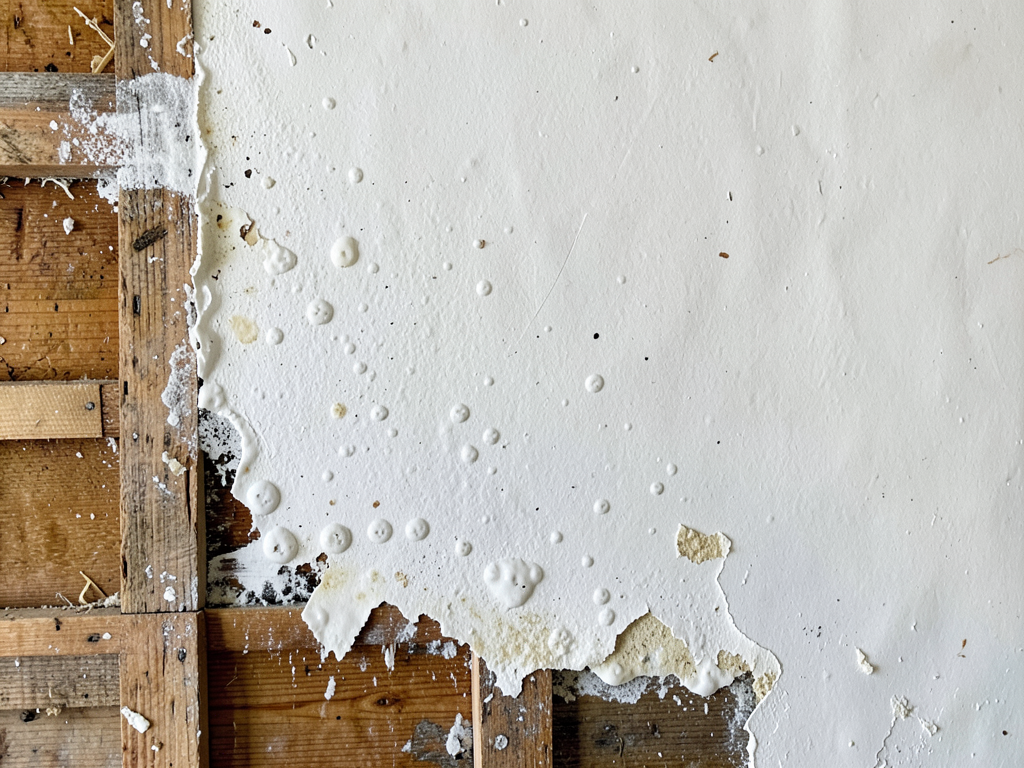
The Restoration Process: Why Plaster Requires Specialized Approach
Restoring water-damaged plaster walls requires a systematic approach that differs fundamentally from drywall repair. The process begins with comprehensive assessment using specialized tools designed for historic materials.
Moisture mapping represents the critical first step. Standard moisture meters work poorly on plaster due to its density and mineral content. Technicians use penetrating moisture meters with specialized probes that can accurately measure moisture content within plaster layers without causing excessive damage.
Thermal imaging helps identify moisture patterns that aren’t visible to the naked eye. Water changes the thermal properties of plaster, creating temperature differences that thermal cameras detect. This technology reveals the full extent of damage, often showing moisture migration paths that extend far beyond visible stains.
The drying phase requires industrial-grade equipment operated at specific settings. Standard dehumidifiers work too aggressively on plaster, potentially causing additional damage through rapid moisture removal. Low-grain refrigerant (LGR) dehumidifiers operated at controlled settings remove moisture gradually, preventing stress fractures in the plaster.
Structural stabilization often becomes necessary when plaster delaminates from lath. This process involves injecting specialized adhesives through small holes drilled in the plaster surface. The adhesive flows between the plaster and lath, re-establishing the mechanical bond that water damage disrupted.
Surface repair follows stabilization when needed. Small areas of damaged finish coat can be patched using materials formulated to match historic plaster properties. These patching compounds cure at rates similar to original plaster, preventing differential shrinkage that creates visible repair lines.
Texture matching represents one of the most challenging aspects of plaster restoration. Historic plaster often features hand-troweled textures that vary by era and craftsman. Modern texture sprays rarely match these patterns accurately. Skilled technicians use traditional troweling techniques to recreate authentic textures.
The final finishing phase involves multiple steps. After texture matching, surfaces require appropriate primers designed for plaster’s alkaline pH. Standard drywall primers often fail on plaster surfaces, leading to adhesion problems and premature paint failure.
Tampa Climate Considerations for Plaster Restoration
Tampa’s climate creates unique challenges for plaster wall restoration that don’t exist in other regions. The combination of high humidity, temperature fluctuations, and storm exposure affects both the damage patterns and restoration approaches.
Relative humidity levels consistently exceeding 80% in summer months significantly impact drying times. While drywall might dry in 3-4 days under ideal conditions, plaster walls often require 7-10 days or longer to reach acceptable moisture levels. This extended timeline affects project scheduling and temporary housing needs for residents.
Afternoon thunderstorms common to Tampa create sudden moisture exposure scenarios. These quick-moving storms can overwhelm aging roof flashing or window seals, allowing water intrusion that affects plaster walls before homeowners notice the problem. The rapid temperature changes that follow these storms can cause plaster to expand and contract, potentially worsening existing damage.
Hurricane season from June through November presents the most severe challenges. Storm surge and driving rain can affect entire neighborhoods simultaneously, creating high demand for restoration services. Plaster walls in flood-prone areas like West Tampa often sustain damage from both direct water exposure and elevated ambient humidity levels that persist for weeks after storms pass.
The high water table common to Tampa area affects foundation-related plaster damage. Water accumulating around foundations creates hydrostatic pressure that forces moisture through basement or crawl space walls, eventually affecting interior plaster. This scenario requires addressing both the water source and the plaster damage simultaneously.
Mold growth presents accelerated risks in Tampa’s climate. While mold can develop on drywall within 24-48 hours of water exposure, plaster’s alkaline nature provides some resistance. However, once plaster’s surface pH drops due to prolonged moisture exposure, mold can establish itself within similar timeframes. This rapid growth potential makes immediate professional intervention critical.
Temperature variations between air-conditioned interiors and hot outdoor conditions create condensation risks. When cool interior surfaces contact warm, humid air, condensation forms on plaster walls. This condensation can reactivate previously dried water damage, causing stains to reappear or new damage to develop in adjacent areas.
Health and Safety Considerations for Historic Plaster
Water-damaged plaster walls in homes built before 1978 require specific safety protocols due to potential lead-based paint and asbestos-containing materials. These hazards make DIY restoration dangerous and often illegal without proper certification.
Lead paint represents the primary concern for plaster walls in Old West Tampa homes. Any disturbance of painted surfaces through sanding, scraping, or demolition can release lead dust. Lead exposure causes serious health effects, particularly in children and pregnant women. The EPA’s Renovation, Repair, and Painting (RRP) Rule requires certification for contractors working on pre-1978 homes.
Asbestos may be present in plaster or joint compounds used in homes built before the 1980s. While less common in plaster than in other building materials, asbestos-containing plaster does exist in some historic Tampa homes. Laboratory testing provides the only reliable method for confirming asbestos presence.
Mold remediation in plaster walls requires specific approaches different from drywall. The porous nature of plaster allows mold to penetrate deeper than surface mold on drywall. Simple surface cleaning rarely eliminates mold in plaster. Professional remediation often involves HEPA vacuuming, antimicrobial treatments, and in some cases, removal of extensively contaminated sections.
Structural integrity assessment becomes critical when dealing with extensive water damage. Water can weaken plaster to the point where sections become unstable and pose falling hazards. Professional assessment determines whether damaged areas require stabilization or complete removal for safety.
Air quality testing helps verify successful restoration. After water damage and remediation work, air samples can confirm that mold spore counts return to normal levels. This testing provides documentation for insurance purposes and ensures the restored space is safe for occupancy.
Personal protective equipment requirements increase for plaster restoration compared to drywall work. N95 respirators provide inadequate protection when disturbing lead paint or asbestos. Half-face respirators with P100 filters, disposable coveralls, and eye protection become necessary for safe work practices.
Proper disposal of debris from plaster restoration requires following hazardous waste regulations when lead or asbestos is present. These materials cannot be disposed of in standard construction waste containers. Licensed hazardous waste handlers must transport and process contaminated debris according to federal and state regulations.
Cost Factors and Insurance Considerations
Plaster wall restoration costs significantly more than drywall repair due to specialized labor requirements and material costs. Understanding these factors helps homeowners make informed decisions about restoration versus replacement.
Labor represents the largest cost component for plaster restoration. Skilled craftsmen familiar with historic materials command premium rates due to the specialized knowledge required. A simple drywall patch might take one technician one hour, while matching historic plaster texture could require a specialist working several hours to achieve acceptable results.
Material costs vary substantially based on damage extent and repair approach. Small patches using modern plaster compounds cost less than recreating original three-coat systems with historically accurate materials. Some restoration projects require custom-mixed plaster formulations to match existing wall properties and appearance.
Insurance coverage for plaster restoration depends on the damage cause and policy specifics. Standard homeowners policies typically cover sudden, accidental water damage but may exclude damage from maintenance issues or gradual deterioration. The matching statute in Florida insurance law (Florida Statute 626.9744) requires insurers to replace damaged plaster with materials that match the undamaged portions in quality and appearance.
Documentation requirements increase for historic plaster claims. Insurance adjusters often require detailed damage assessments, material specifications, and contractor qualifications to approve restoration work. This documentation process can extend claim settlement times compared to standard drywall damage claims.
Permit requirements may apply to extensive plaster restoration work. While minor repairs often proceed without permits, projects involving structural modifications or electrical/plumbing work within walls typically require building permits. Permit costs and inspection requirements add to overall project timelines and expenses.
Alternative accommodation costs factor into total restoration expenses. Extended drying times for plaster walls often necessitate temporary housing during restoration. These costs, while sometimes covered by insurance, represent significant out-of-pocket expenses for homeowners without adequate coverage.
Long-term value preservation provides the strongest argument for proper plaster restoration. Original plaster walls contribute to historic home value and character. Improper repairs using incompatible materials can actually decrease property values and create future restoration challenges that cost more to address.
Frequently Asked Questions
Can I repair water-damaged plaster walls myself?
DIY plaster repair poses significant risks, especially in homes built before 1978. Lead paint and potential asbestos require professional handling. Additionally, improper repair techniques can cause further damage or create safety hazards. Professional restoration ensures proper structural repair and preserves historic character.
How long does plaster wall restoration take?
Restoration timelines vary based on damage extent and drying requirements. Small patches might complete in 2-3 days, while extensive damage requiring full wall restoration can take 1-2 weeks. Tampa’s high humidity extends drying times significantly compared to drier climates, with plaster walls often requiring 7-10 days to reach acceptable moisture levels.
Will insurance cover plaster wall restoration?
Most homeowners insurance policies cover sudden, accidental water damage to plaster walls. However, coverage depends on your specific policy terms and the damage cause. Gradual deterioration from maintenance issues typically isn’t covered. Florida’s matching statute requires insurers to replace damaged plaster with matching materials, but documentation and contractor qualifications often affect claim approval.
How can I tell if my plaster walls have water damage?
Water damage signs in plaster include bubbling or peeling paint, brown or yellow stains, soft spots when pressed, and hollow-sounding areas when tapped. White powdery deposits (efflorescence) indicate water movement through the plaster. However, hidden damage often exists before visible signs appear, making professional moisture assessment valuable for early detection.
What’s the difference between plaster and drywall restoration costs?
Plaster restoration typically costs 2-3 times more than comparable drywall repair. The specialized labor, material requirements, and extended drying times drive these higher costs. However, proper plaster restoration preserves historic home value and character, while improper repairs using incompatible materials can decrease property values and create future problems.
Should I replace plaster with drywall during restoration?
Replacing original plaster with drywall significantly impacts historic home value and character. Modern drywall lacks the sound dampening, thermal mass, and aesthetic qualities of traditional plaster. Additionally, plaster walls often contain structural elements integrated with the lath system that drywall cannot replicate. Professional restoration preserves these benefits while addressing water damage.
How does Tampa’s humidity affect plaster restoration?
Tampa’s high humidity (often exceeding 80%) substantially extends plaster drying times compared to drier climates. Standard drying equipment can damage plaster if operated too aggressively, requiring specialized low-grain dehumidifiers operated at controlled settings. The extended drying timeline affects project scheduling and may necessitate temporary housing during restoration.
What safety precautions are needed for plaster restoration?
Plaster restoration in pre-1978 homes requires lead-safe work practices, including HEPA filtration, containment barriers, and proper personal protective equipment. Testing for asbestos may be necessary before disturbing plaster materials. Professional restoration companies maintain required certifications and follow EPA, OSHA, and state regulations for hazardous material handling.
- Damage Assessment
Technicians use moisture meters and thermal imaging to map water damage extent. This step identifies hidden damage and determines restoration approach.
- Moisture Control
Industrial-grade dehumidifiers and air movers establish controlled drying environment. Equipment settings specifically calibrated for plaster’s density and moisture retention characteristics.
- Structural Stabilization
Inject specialized adhesives through small holes to re-bond delaminated plaster to wood lath. This process restores structural integrity without complete removal.
- Surface Repair
Apply patching compounds formulated to match historic plaster properties. Multiple layers ensure proper thickness and prevent differential shrinkage.
- Texture Matching
Skilled technicians use traditional troweling techniques to recreate authentic plaster textures. This step requires significant expertise to achieve seamless integration.
- Finishing and Priming
Apply primers designed for plaster’s alkaline pH, followed by appropriate finish coatings. This final step ensures proper adhesion and long-term durability.
Water damage to plaster walls in Old West Tampa homes requires specialized knowledge and techniques that standard restoration companies often lack. The three-coat plaster system, wood lath backing, and historic material properties create restoration challenges that demand professional expertise.
Fortress Water Damage Restoration brings years of experience handling historic plaster restoration throughout Tampa’s older neighborhoods. Our technicians understand the unique properties of traditional plaster materials and employ restoration techniques that preserve both structural integrity and historic character.
When water damages your plaster walls, immediate professional assessment prevents secondary damage and ensures proper restoration. The combination of Tampa’s high humidity and plaster’s moisture retention characteristics creates conditions where delayed response leads to mold growth, structural weakening, and more extensive damage.
Don’t risk improper restoration that could decrease your home’s value or create future problems. Contact Fortress Water Damage Restoration at (656) 219-8088 for expert assessment and restoration of your water-damaged plaster walls. Our team provides 24/7 emergency response throughout Tampa, including Old West Tampa, Seminole Heights, and surrounding historic neighborhoods.
Proper plaster restoration preserves your home’s historic character while ensuring safe, durable walls for years to come. Trust the experts who understand the unique requirements of historic plaster restoration in Tampa’s challenging climate. For more information, visit IICRC S500 Water Damage Restoration Standards.
{
“@context”: “https://schema.org”,
“@type”: “BlogPosting”,
“headline”: “Why Restoring Plaster Walls in Old West Tampa Homes Is Different Than Standard Drywall”,
“description”: “Learn why plaster wall restoration in Old West Tampa requires specialized techniques. Fortress Water Damage Restoration handles historic plaster with expert care.”,
“wordCount”: 2890,
“datePublished”: “2026-04-17T12:29:00.000Z”,
“dateModified”: “2026-04-17T12:29:00.000Z”,
“inLanguage”: “en-US”,
“mainEntityOfPage”: {
“@type”: “WebPage”,
“@id”: “https://fortresswaterdamagerestorationtampa.com”
},
“publisher”: {
“@type”: “LocalBusiness”,
“name”: “Fortress Water Damage Restoration Tampa”,
“url”: “https://fortresswaterdamagerestorationtampa.com”
},
“author”: {
“@type”: “Organization”,
“name”: “Fortress Water Damage Restoration Tampa”,
“url”: “https://fortresswaterdamagerestorationtampa.com”
},
“image”: {
“@type”: “ImageObject”,
“url”: “https://fortresswaterdamagerestorationtampa.com/wp-content/uploads/2026/03/why-restoring-plaster-walls-in-old-west-tampa-home-1.png”
}
}
{
“@context”: “https://schema.org”,
“@type”: “LocalBusiness”,
“name”: “Fortress Water Damage Restoration Tampa”,
“url”: “https://fortresswaterdamagerestorationtampa.com”,
“address”: {
“@type”: “PostalAddress”,
“addressLocality”: “Tampa”
},
“areaServed”: {
“@type”: “City”,
“name”: “Tampa”
}
}
{
“@context”: “https://schema.org”,
“@type”: “FAQPage”,
“mainEntity”: [
{
“@type”: “Question”,
“name”: “Can I repair water-damaged plaster walls myself?”,
“acceptedAnswer”: {
“@type”: “Answer”,
“text”: “DIY plaster repair poses significant risks, especially in homes built before 1978. Lead paint and potential asbestos require professional handling. Additionally, improper repair techniques can cause further damage or create safety hazards. Professional restoration ensures proper structural repair and preserves historic character.”
}
},
{
“@type”: “Question”,
“name”: “How long does plaster wall restoration take?”,
“acceptedAnswer”: {
“@type”: “Answer”,
“text”: “Restoration timelines vary based on damage extent and drying requirements. Small patches might complete in 2-3 days, while extensive damage requiring full wall restoration can take 1-2 weeks. Tampa’s high humidity extends drying times significantly compared to drier climates, with plaster walls often requiring 7-10 days to reach acceptable moisture levels.”
}
},
{
“@type”: “Question”,
“name”: “Will insurance cover plaster wall restoration?”,
“acceptedAnswer”: {
“@type”: “Answer”,
“text”: “Most homeowners insurance policies cover sudden, accidental water damage to plaster walls. However, coverage depends on your specific policy terms and the damage cause. Gradual deterioration from maintenance issues typically isn’t covered. Florida’s matching statute requires insurers to replace damaged plaster with matching materials, but documentation and contractor qualifications often affect claim approval.”
}
},
{
“@type”: “Question”,
“name”: “How can I tell if my plaster walls have water damage?”,
“acceptedAnswer”: {
“@type”: “Answer”,
“text”: “Water damage signs in plaster include bubbling or peeling paint, brown or yellow stains, soft spots when pressed, and hollow-sounding areas when tapped. White powdery deposits (efflorescence) indicate water movement through the plaster. However, hidden damage often exists before visible signs appear, making professional moisture assessment valuable for early detection.”
}
},
{
“@type”: “Question”,
“name”: “What’s the difference between plaster and drywall restoration costs?”,
“acceptedAnswer”: {
“@type”: “Answer”,
“text”: “Plaster restoration typically costs 2-3 times more than comparable drywall repair. The specialized labor, material requirements, and extended drying times drive these higher costs. However, proper plaster restoration preserves historic home value and character, while improper repairs using incompatible materials can decrease property values and create future problems.”
}
},
{
“@type”: “Question”,
“name”: “Should I replace plaster with drywall during restoration?”,
“acceptedAnswer”: {
“@type”: “Answer”,
“text”: “Replacing original plaster with drywall significantly impacts historic home value and character. Modern drywall lacks the sound dampening, thermal mass, and aesthetic qualities of traditional plaster. Additionally, plaster walls often contain structural elements integrated with the lath system that drywall cannot replicate. Professional restoration preserves these benefits while addressing water damage.”
}
},
{
“@type”: “Question”,
“name”: “How does Tampa’s humidity affect plaster restoration?”,
“acceptedAnswer”: {
“@type”: “Answer”,
“text”: “Tampa’s high humidity (often exceeding 80%) substantially extends plaster drying times compared to drier climates. Standard drying equipment can damage plaster if operated too aggressively, requiring specialized low-grain dehumidifiers operated at controlled settings. The extended drying timeline affects project scheduling and may necessitate temporary housing during restoration.”
}
},
{
“@type”: “Question”,
“name”: “What safety precautions are needed for plaster restoration?”,
“acceptedAnswer”: {
“@type”: “Answer”,
“text”: “Plaster restoration in pre-1978 homes requires lead-safe work practices, including HEPA filtration, containment barriers, and proper personal protective equipment. Testing for asbestos may be necessary before disturbing plaster materials. Professional restoration companies maintain required certifications and follow EPA, OSHA, and state regulations for hazardous material handling.”
}
}
]
}
{
“@context”: “https://schema.org”,
“@type”: “HowTo”,
“name”: “Steps for Plaster Wall Restoration”,
“step”: [
{
“@type”: “HowToStep”,
“position”: 1,
“name”: “Damage Assessment”,
“text”: “Technicians use moisture meters and thermal imaging to map water damage extent. This step identifies hidden damage and determines restoration approach.”
},
{
“@type”: “HowToStep”,
“position”: 2,
“name”: “Moisture Control”,
“text”: “Industrial-grade dehumidifiers and air movers establish controlled drying environment. Equipment settings specifically calibrated for plaster’s density and moisture retention characteristics.”
},
{
“@type”: “HowToStep”,
“position”: 3,
“name”: “Structural Stabilization”,
“text”: “Inject specialized adhesives through small holes to re-bond delaminated plaster to wood lath. This process restores structural integrity without complete removal.”
},
{
“@type”: “HowToStep”,
“position”: 4,
“name”: “Surface Repair”,
“text”: “Apply patching compounds formulated to match historic plaster properties. Multiple layers ensure proper thickness and prevent differential shrinkage.”
},
{
“@type”: “HowToStep”,
“position”: 5,
“name”: “Texture Matching”,
“text”: “Skilled technicians use traditional troweling techniques to recreate authentic plaster textures. This step requires significant expertise to achieve seamless integration.”
},
{
“@type”: “HowToStep”,
“position”: 6,
“name”: “Finishing and Priming”,
“text”: “Apply primers designed for plaster’s alkaline pH, followed by appropriate finish coatings. This final step ensures proper adhesion and long-term durability.”
}
],
“image”: “https://fortresswaterdamagerestorationtampa.com/wp-content/uploads/2026/03/why-restoring-plaster-walls-in-old-west-tampa-home-1.png”
}
{
“@context”: “https://schema.org”,
“@type”: “BreadcrumbList”,
“itemListElement”: [
{
“@type”: “ListItem”,
“position”: 1,
“name”: “Home”,
“item”: “https://fortresswaterdamagerestorationtampa.com”
},
{
“@type”: “ListItem”,
“position”: 2,
“name”: “Blog”,
“item”: “https://fortresswaterdamagerestorationtampa.com/blog”
},
{
“@type”: “ListItem”,
“position”: 3,
“name”: “Why Restoring Plaster Walls in Old West Tampa Homes Is Different Than Standard Drywall”
}
]
}
{
“@context”: “https://schema.org”,
“@type”: “Service”,
“serviceType”: “Water Damage Restoration”,
“provider”: {
“@type”: “LocalBusiness”,
“name”: “Fortress Water Damage Restoration Tampa”,
“url”: “https://fortresswaterdamagerestorationtampa.com”
},
“areaServed”: {
“@type”: “City”,
“name”: “Tampa”
},
“description”: “Learn why plaster wall restoration in Old West Tampa requires specialized techniques. Fortress Water Damage Restoration handles historic plaster with expert care.”
}