
How Thermal Imaging Cameras Find Hidden Moisture in Old West Tampa Bungalows
Water damage in Tampa’s historic West Tampa bungalows often hides behind plaster walls and beneath original hardwood floors. The subtropical humidity accelerates mold growth within 24-48 hours of moisture exposure. Traditional inspection methods require destructive testing—cutting into walls to find the source. Thermal imaging cameras now provide a non-invasive alternative that maps moisture patterns without demolition. Expert Water Extraction and Drying for Davis Islands Waterfront Homes.

How Infrared Thermography Works in Tampa Homes
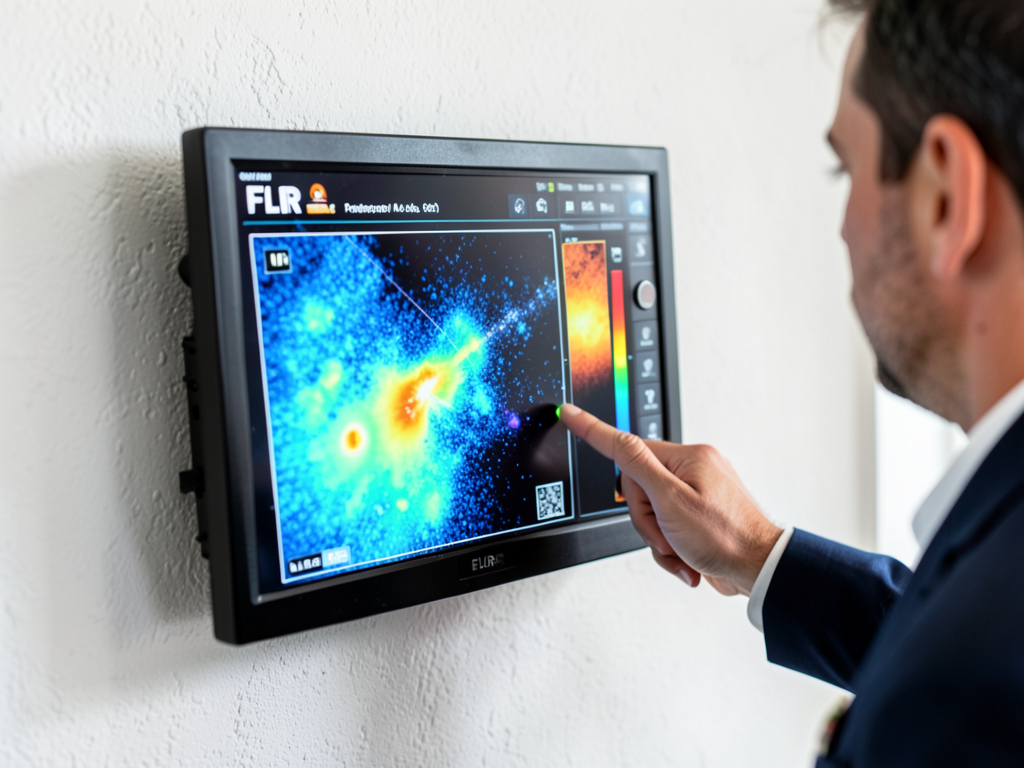
Infrared thermography detects temperature differences caused by evaporative cooling from moisture. When water evaporates from building materials, it cools the surface by several degrees. A FLIR thermal camera captures these temperature variations as color gradients—blue and purple indicating cooler, potentially wet areas against warmer dry surfaces. Getting Your Water Damage Insurance Claim Approved in Tampa (And Who to Call First).
The technology works because water conducts heat differently than dry materials. A wet section of drywall may read 5-10°F cooler than adjacent dry areas. This temperature differential becomes visible on the thermal display even when the surface appears normal to the naked eye. Fixing a Water Damaged Ceiling in Your Town ‘n’ Country Home Before it Collapses.
Humidity levels in Tampa often exceed 80% relative humidity. This high ambient moisture can affect thermal readings. Professional technicians account for this by establishing baseline temperatures and using moisture meters to verify thermal anomalies. The combination of thermal imaging and moisture verification provides accurate moisture mapping.
Common Moisture Sources in West Tampa Bungalows
West Tampa’s historic bungalows built between 1920-1950 face specific moisture challenges. The original plaster walls absorb water more readily than modern drywall. Many homes have galvanized pipes that corrode from the inside out. When these pipes fail, water travels along the path of least resistance—often behind walls before emerging in unexpected locations. Water Damage Restoration Ruskin.
Roof leaks represent another common issue. The original clay tile roofs on many West Tampa homes develop hairline cracks over decades. Water seeps through these cracks and travels along rafters before dripping into wall cavities. By the time water appears as a ceiling stain, the actual leak point may be 10-15 feet away.. Read more about How to Tell if Your Carrollwood Home Has a Slab Leak or Just a Plumbing Issue.
Window and door frames in older homes often lack proper flashing. During Tampa’s frequent afternoon thunderstorms, wind-driven rain penetrates these gaps. The moisture accumulates in wall cavities where it remains undetected until mold colonies establish themselves. Thermal imaging can locate these intrusion points without removing trim or siding.. Read more about Why Your Windows Leak During Tropical Storms in Westshore and What to Do Next.
Slab Leak Detection in Tampa’s Concrete Foundations
Many West Tampa homes sit on concrete slab foundations. These slabs develop cracks over time due to soil settlement and hydrostatic pressure. Water from broken pipes beneath the slab rises through these cracks. The moisture spreads laterally through the porous concrete before appearing as floor discoloration.
Thermal cameras detect slab leaks by identifying temperature anomalies in the floor surface. Cold water from a broken pipe creates a distinct thermal pattern that appears as a cool spot on the camera display. The technician maps this pattern to determine the leak’s location relative to walls and fixtures.
Hot water slab leaks create the opposite thermal signature. The escaping hot water warms the surrounding concrete, creating a warm spot visible on the thermal display. This temperature difference helps technicians distinguish between cold and hot water leaks without excavation.
The Thermal Imaging Inspection Process
- Initial Assessment
The technician evaluates the property’s construction type, age, and visible moisture signs. This information guides camera settings and inspection priorities.
- Camera Calibration
The FLIR camera adjusts for ambient temperature, humidity, and surface emissivity. Proper calibration ensures accurate temperature readings.
- Systematic Scanning
The technician methodically scans walls, ceilings, and floors using overlapping passes. Each scan captures thermal data that builds a complete moisture map.
- Moisture Verification
Thermal anomalies receive verification with moisture meters. This step confirms whether temperature differences indicate actual moisture or other factors.
- Documentation
The technician creates a detailed report with thermal images, moisture readings, and recommended remediation steps. This documentation assists with insurance claims.
Benefits of Non-Destructive Testing
Traditional moisture detection often requires removing drywall or flooring to access suspected problem areas. This destructive testing creates additional repair costs and extends project timelines. Thermal imaging eliminates this step by identifying moisture locations before any demolition begins. EPA mold information.
The non-invasive approach preserves historic building materials. Many West Tampa bungalows feature original plaster walls with unique textures and finishes. These materials cannot be easily replicated if damaged during invasive testing. Thermal imaging protects these architectural elements while still locating moisture problems.
Insurance companies increasingly accept thermal imaging reports as documentation for water damage claims. The visual evidence provides clear proof of moisture location and extent. This documentation often accelerates claim approval and reduces disputes over coverage.
Preventing Mold Growth with Early Detection
Mold requires moisture, organic material, and appropriate temperature to grow. Tampa’s warm climate provides ideal conditions for rapid mold colonization. Once established, mold colonies can spread throughout wall cavities via airborne spores.
Thermal imaging detects moisture before visible mold appears. This early detection allows for targeted drying and remediation before extensive mold growth occurs. The cost difference between early intervention and full mold remediation often exceeds 70%.
Common mold-prone areas in West Tampa homes include behind kitchen cabinets, beneath bathroom vanities, and within wall cavities adjacent to plumbing fixtures. These areas trap moisture and restrict airflow, creating ideal mold growth conditions. Thermal cameras identify these moisture pockets before mold becomes visible.
Local Building Considerations
West Tampa’s historic district contains homes built with materials and techniques no longer in common use. The original plaster walls contain horsehair reinforcement and lime-based compounds. These materials absorb and retain moisture differently than modern gypsum board.
The neighborhood’s clay soil experiences significant moisture content fluctuations. During rainy seasons, the soil expands and creates hydrostatic pressure against foundation walls. This pressure forces moisture through hairline cracks. Thermal imaging detects these moisture intrusion patterns before structural damage occurs.
Many West Tampa homes lack modern vapor barriers. Moisture from the ground migrates through concrete slabs and into living spaces. This upward moisture movement creates condensation on cooler surfaces during air conditioning season. Thermal cameras identify these condensation patterns for targeted remediation.. Read more about Is it a Roof Leak or Just Attic Condensation in Your Lutz Home?.
Insurance Documentation and Claims
Insurance adjusters require detailed documentation for water damage claims. Thermal imaging reports provide this documentation through visual evidence of moisture extent and location. The reports include temperature differentials, moisture meter readings, and photographic evidence.
Many insurance companies now recognize thermal imaging as standard practice for water damage assessment. The technology provides objective evidence that supports claim validity. This recognition often results in faster claim processing and more comprehensive coverage.
The documentation also establishes the water damage timeline. Insurance policies typically cover sudden damage but not gradual deterioration. Thermal imaging can help distinguish between recent and long-term moisture exposure through pattern analysis and material condition assessment.
Emergency Response Times in West Tampa
Water damage requires immediate attention in Tampa’s humid climate. Mold can begin growing within 24-48 hours of moisture exposure. Professional thermal imaging services offer 24/7 emergency response to minimize damage and restoration costs.
Response times from West Tampa typically range from 30-90 minutes depending on traffic conditions and current workload. The technician arrives with a fully equipped thermal imaging system and moisture detection tools. This rapid response prevents secondary damage and reduces overall restoration costs.
Emergency services include immediate moisture mapping, source identification, and temporary water mitigation. The technician provides a preliminary assessment and recommends immediate actions to prevent further damage while the full restoration plan develops.
Comparison of Detection Methods
| Detection Method | Accuracy | Cost | Intrusiveness | Time Required |
|---|---|---|---|---|
| Thermal Imaging | High | $$ | Non-invasive | 1-2 hours |
| Moisture Meters Only | Medium | $ | Minimal | 2-3 hours |
| Destructive Testing | Very High | $$$ | High | 4-8 hours + repairs |
| Acoustic Detection | Medium-High | $$ | Minimal | 2-4 hours |
Cost Factors for Thermal Imaging Services
Thermal imaging costs vary based on property size, complexity, and urgency. A typical residential inspection in West Tampa ranges from $350-$750. Emergency services command premium rates due to immediate availability requirements.
Commercial properties or larger homes may require multiple technicians and specialized equipment. These inspections can range from $1,000-$3,000 depending on square footage and inspection scope. The investment often pays for itself through accurate moisture location and reduced demolition costs.
Some insurance policies cover thermal imaging when performed as part of a water damage claim. The coverage depends on policy terms and the specific circumstances of the damage. Many homeowners find that the diagnostic value justifies the out-of-pocket expense regardless of insurance coverage. The Carrollwood Homeowner Guide to Fast Mold Removal and Testing.
Equipment Specifications and Capabilities
| Equipment Feature | Specification | Benefit |
|---|---|---|
| Thermal Sensitivity | 0.05°C | Detects minute temperature differences |
| Resolution | 320×240 pixels | Clear image quality for detailed analysis |
| Temperature Range | -20°C to 650°C | Handles extreme temperature conditions |
| Field of View | 24° x 18° | Covers large areas efficiently |
Professional Certification Requirements
Thermal imaging technicians require specific certifications beyond standard water damage restoration credentials. The Level I Thermography Certification from the Infrared Training Center demonstrates competency in thermal camera operation and data interpretation.
Additional certifications include Water Damage Restoration Technician (WRT) and Applied Structural Drying (ASD) from the IICRC. These credentials ensure technicians understand moisture behavior in building materials and proper drying techniques.
Florida requires specific licensing for mold assessment and remediation. Technicians performing thermal imaging for mold-related issues must hold appropriate state licenses. This regulatory compliance protects homeowners and ensures professional service delivery.
Environmental Factors Affecting Readings
Tampa’s climate creates unique challenges for thermal imaging. High humidity affects surface temperature readings and can mask moisture patterns. Professional technicians adjust camera settings and interpretation methods to account for these environmental factors.
Direct sunlight heats building surfaces, creating false thermal signatures. Inspections during early morning or late afternoon hours provide more accurate readings. Technicians also account for HVAC operation, which creates temperature differentials unrelated to moisture.
Seasonal variations affect thermal imaging results. Winter months in Tampa bring cooler temperatures that enhance moisture detection. Summer humidity requires more careful interpretation of thermal data. Year-round experience in local conditions ensures accurate results regardless of season.
Integration with Complete Restoration Services
Thermal imaging represents the diagnostic phase of water damage restoration. Once moisture locations are identified, the restoration process begins with water extraction, drying, and repairs. The thermal data guides these subsequent steps by showing exactly where moisture exists.
Professional restoration companies integrate thermal imaging into their complete service offering. This integration ensures seamless transition from detection to remediation. The same technician who performs the thermal inspection often oversees the complete restoration process.
The comprehensive approach reduces project timelines and costs. Rather than coordinating multiple contractors, homeowners work with a single company that handles everything from initial detection through final repairs. This streamlined process provides better communication and accountability.
Frequently Asked Questions
How accurate is thermal imaging for finding water leaks?
Thermal imaging provides high accuracy when performed by certified technicians using professional-grade equipment. The technology detects temperature differences caused by evaporative cooling from moisture. Accuracy rates typically exceed 90% when combined with moisture meter verification.
Can thermal cameras see through walls?
No. Thermal cameras detect surface temperature differences. They cannot see through solid materials. The cameras identify patterns on the surface that indicate what might exist behind walls based on temperature differentials caused by moisture.
How long does a thermal imaging inspection take?
A typical residential inspection takes 1-2 hours depending on property size and complexity. The technician systematically scans all accessible areas, verifies findings with moisture meters, and creates a detailed report. Larger properties or commercial buildings may require additional time.
Will my insurance cover thermal imaging services?
Many insurance policies cover thermal imaging when performed as part of a water damage claim. The coverage depends on your specific policy terms and the circumstances of the damage. Some policies consider thermal imaging a standard diagnostic tool for water damage assessment.
What areas do you serve in West Tampa?
We serve all of West Tampa including the historic district, MacFarlane Park, and surrounding neighborhoods. Our service area extends to adjacent communities like Seminole Heights, Hyde Park, and downtown Tampa. Emergency response is available throughout the greater Tampa Bay area.
Call for Professional Thermal Imaging Services
Water damage in your West Tampa bungalow requires immediate professional attention. The combination of historic construction and Tampa’s humid climate creates perfect conditions for hidden moisture problems. Thermal imaging provides the accurate, non-destructive detection needed to protect your home and prevent extensive damage.
Our certified technicians use professional-grade FLIR thermal cameras and moisture detection equipment. We provide detailed reports suitable for insurance claims and complete restoration planning. Emergency service is available 24/7 throughout West Tampa and the greater Tampa Bay area.
Don’t wait for visible water damage to appear. Early detection through thermal imaging can save thousands in repair costs and prevent mold growth. Call (656) 219-8088 now for professional thermal imaging services in West Tampa. Our team will respond quickly to assess your property and provide immediate recommendations for protecting your home.
Protect your historic bungalow with professional thermal imaging technology. Contact us today to schedule your inspection and take the first step toward complete water damage restoration. For more information, visit FEMA hurricane preparedness.
{
“@context”: “https://schema.org”,
“@type”: “BlogPosting”,
“headline”: “How Thermal Imaging Cameras Find Hidden Moisture in Old West Tampa Bungalows”,
“description”: “Discover how FLIR thermal cameras detect hidden water leaks behind walls in West Tampa’s historic bungalows without destructive testing. Call (656) 219-8088 for 24/7 service.”,
“wordCount”: 2191,
“datePublished”: “2026-04-04T07:20:00.000Z”,
“dateModified”: “2026-04-04T07:20:00.000Z”,
“inLanguage”: “en-US”,
“mainEntityOfPage”: {
“@type”: “WebPage”,
“@id”: “https://fortresswaterdamagerestorationtampa.com”
},
“publisher”: {
“@type”: “LocalBusiness”,
“name”: “Fortress Water Damage Restoration Tampa”,
“url”: “https://fortresswaterdamagerestorationtampa.com”
},
“author”: {
“@type”: “Organization”,
“name”: “Fortress Water Damage Restoration Tampa”,
“url”: “https://fortresswaterdamagerestorationtampa.com”
},
“image”: {
“@type”: “ImageObject”,
“url”: “https://fortresswaterdamagerestorationtampa.com/wp-content/uploads/2026/03/how-thermal-imaging-cameras-find-hidden-moisture-i-1.png”
}
}
{
“@context”: “https://schema.org”,
“@type”: “LocalBusiness”,
“name”: “Fortress Water Damage Restoration Tampa”,
“url”: “https://fortresswaterdamagerestorationtampa.com”,
“address”: {
“@type”: “PostalAddress”,
“addressLocality”: “Tampa”
},
“areaServed”: {
“@type”: “City”,
“name”: “Tampa”
}
}
{
“@context”: “https://schema.org”,
“@type”: “FAQPage”,
“mainEntity”: [
{
“@type”: “Question”,
“name”: “How accurate is thermal imaging for finding water leaks?”,
“acceptedAnswer”: {
“@type”: “Answer”,
“text”: “Thermal imaging provides high accuracy when performed by certified technicians using professional-grade equipment. The technology detects temperature differences caused by evaporative cooling from moisture. Accuracy rates typically exceed 90% when combined with moisture meter verification.”
}
},
{
“@type”: “Question”,
“name”: “Can thermal cameras see through walls?”,
“acceptedAnswer”: {
“@type”: “Answer”,
“text”: “No. Thermal cameras detect surface temperature differences. They cannot see through solid materials. The cameras identify patterns on the surface that indicate what might exist behind walls based on temperature differentials caused by moisture.”
}
},
{
“@type”: “Question”,
“name”: “How long does a thermal imaging inspection take?”,
“acceptedAnswer”: {
“@type”: “Answer”,
“text”: “A typical residential inspection takes 1-2 hours depending on property size and complexity. The technician systematically scans all accessible areas, verifies findings with moisture meters, and creates a detailed report. Larger properties or commercial buildings may require additional time.”
}
},
{
“@type”: “Question”,
“name”: “Will my insurance cover thermal imaging services?”,
“acceptedAnswer”: {
“@type”: “Answer”,
“text”: “Many insurance policies cover thermal imaging when performed as part of a water damage claim. The coverage depends on your specific policy terms and the circumstances of the damage. Some policies consider thermal imaging a standard diagnostic tool for water damage assessment.”
}
},
{
“@type”: “Question”,
“name”: “What areas do you serve in West Tampa?”,
“acceptedAnswer”: {
“@type”: “Answer”,
“text”: “We serve all of West Tampa including the historic district, MacFarlane Park, and surrounding neighborhoods. Our service area extends to adjacent communities like Seminole Heights, Hyde Park, and downtown Tampa. Emergency response is available throughout the greater Tampa Bay area.”
}
}
]
}
{
“@context”: “https://schema.org”,
“@type”: “HowTo”,
“name”: “Thermal Imaging Inspection Process”,
“step”: [
{
“@type”: “HowToStep”,
“position”: 1,
“name”: “Initial Assessment”,
“text”: “The technician evaluates the property’s construction type, age, and visible moisture signs. This information guides camera settings and inspection priorities.”
},
{
“@type”: “HowToStep”,
“position”: 2,
“name”: “Camera Calibration”,
“text”: “The FLIR camera adjusts for ambient temperature, humidity, and surface emissivity. Proper calibration ensures accurate temperature readings.”
},
{
“@type”: “HowToStep”,
“position”: 3,
“name”: “Systematic Scanning”,
“text”: “The technician methodically scans walls, ceilings, and floors using overlapping passes. Each scan captures thermal data that builds a complete moisture map.”
},
{
“@type”: “HowToStep”,
“position”: 4,
“name”: “Moisture Verification”,
“text”: “Thermal anomalies receive verification with moisture meters. This step confirms whether temperature differences indicate actual moisture or other factors.”
},
{
“@type”: “HowToStep”,
“position”: 5,
“name”: “Documentation”,
“text”: “The technician creates a detailed report with thermal images, moisture readings, and recommended remediation steps. This documentation assists with insurance claims.”
}
],
“image”: “https://fortresswaterdamagerestorationtampa.com/wp-content/uploads/2026/03/how-thermal-imaging-cameras-find-hidden-moisture-i-1.png”
}
{
“@context”: “https://schema.org”,
“@type”: “BreadcrumbList”,
“itemListElement”: [
{
“@type”: “ListItem”,
“position”: 1,
“name”: “Home”,
“item”: “https://fortresswaterdamagerestorationtampa.com”
},
{
“@type”: “ListItem”,
“position”: 2,
“name”: “Blog”,
“item”: “https://fortresswaterdamagerestorationtampa.com/blog”
},
{
“@type”: “ListItem”,
“position”: 3,
“name”: “How Thermal Imaging Cameras Find Hidden Moisture in Old West Tampa Bungalows”
}
]
}
{
“@context”: “https://schema.org”,
“@type”: “Service”,
“serviceType”: “Water Damage Restoration”,
“provider”: {
“@type”: “LocalBusiness”,
“name”: “Fortress Water Damage Restoration Tampa”,
“url”: “https://fortresswaterdamagerestorationtampa.com”
},
“areaServed”: {
“@type”: “City”,
“name”: “Tampa”
},
“description”: “Discover how FLIR thermal cameras detect hidden water leaks behind walls in West Tampa’s historic bungalows without destructive testing. Call (656) 219-8088 for 24/7 service.”
}