
Why Your Kids Keep Sneezing After a Small Leak in Your Seffner Home
Your child wakes up sneezing again. You notice the cough has not gone away for weeks. You have tried allergy medicine but nothing seems to help. The answer might be hiding in your walls.
Small water leaks in Seffner homes create the perfect environment for mold growth. Florida’s high humidity combined with even tiny moisture sources can trigger ongoing health problems for your family. Expert Water Extraction and Drying for Davis Islands Waterfront Homes.
When water seeps into drywall or under flooring from a small leak it stays damp. This creates an ideal breeding ground for mold spores which multiply rapidly in our warm humid climate. Within 24 to 48 hours of a leak mold can begin growing and releasing spores into your indoor air. Getting Your Water Damage Insurance Claim Approved in Tampa (And Who to Call First).
Your kids keep sneezing because they breathe in these mold spores every day. The symptoms mimic seasonal allergies but they will not improve until you address the source.
How Mold Affects Children’s Health
Children breathe faster than adults and their immune systems are still developing. This makes them more vulnerable to airborne irritants like mold spores.
Common symptoms of mold exposure in children include:
- Persistent sneezing and runny nose
- Coughing that worsens at night
- Watery itchy eyes
- Sore throat
- Skin rashes or irritation
- Worsening asthma symptoms
These symptoms often get worse when your HVAC system runs. That is because your air conditioner circulates air throughout your home spreading mold spores from the source to every room.
Common Water Leak Sources in Seffner Homes
Seffner’s mix of older and newer homes each have specific vulnerabilities to water damage. Understanding where leaks commonly occur helps you identify potential problems early. Fixing a Water Damaged Ceiling in Your Town ‘n’ Country Home Before it Collapses.
Under-sink plumbing connections often develop slow leaks over time. The constant moisture under your kitchen or bathroom sink creates perfect conditions for mold growth behind cabinets.
Water supply lines to toilets washing machines and ice makers can develop pinhole leaks. These tiny leaks might only produce a few drops per minute but that is enough moisture for mold to thrive. Urgent Washing Machine Overflow Cleanup Services in Citrus Park.
Roof leaks around vents chimneys or damaged shingles allow water to enter your attic. Once water reaches attic insulation it stays damp for extended periods creating widespread mold growth.
Window and door frames in older Seffner homes often have failing seals. Rain water can seep through these gaps and into wall cavities where it remains trapped.
AC condensate drain lines clog frequently in our area due to algae growth. When these lines back up water overflows into your walls or ceiling creating hidden moisture problems.
Why Seffner’s Climate Creates Mold Problems
Seffner experiences average relative humidity levels between 74% and 89% throughout the year. This constant moisture in the air means materials never fully dry out once they get wet.
Our warm temperatures year-round keep mold spores active. Unlike northern climates where cold winters slow mold growth here mold can multiply any month of the year.
Afternoon thunderstorms common in Seffner from June through September create pressure on aging roofs and windows. Even small vulnerabilities can lead to significant water intrusion during these heavy rain events.
The sandy soil in Hillsborough County allows water to move quickly through the ground. This can cause foundation issues in some Seffner homes leading to basement or crawl space moisture problems. Hillsborough County Health Department.
Many homes in the Mango area and surrounding Seffner neighborhoods were built in the 1970s and 1980s. These homes often have aging plumbing and roofing materials that are more susceptible to leaks.
Identifying Hidden Mold in Your Home
Visible mold represents only a small portion of the problem. Mold often grows behind walls under flooring and in attic spaces where you cannot see it.
A musty odor that persists even after cleaning indicates active mold growth somewhere in your home. This smell comes from microbial volatile organic compounds released by growing mold colonies.
Water stains on ceilings walls or floors suggest past or current moisture problems. Even if the leak stopped the moisture already present can sustain mold growth.
Peeling bubbling or cracking paint often indicates moisture behind the surface. This trapped moisture creates conditions for mold to grow unseen.
Condensation on windows or cold surfaces shows your home has excess humidity. High indoor humidity levels support mold growth even without active leaks.
If your symptoms improve when you leave home for several days this strongly suggests an indoor air quality issue like mold rather than seasonal allergies.
The Mold Testing Process
Professional mold testing determines what types of mold are present and at what concentrations. This information guides effective remediation strategies.
Air sampling captures mold spores present in your indoor air. This test compares indoor spore counts to outdoor levels to identify problems.
Surface sampling collects mold from visible growth or from surfaces where mold is suspected. This identifies specific mold species present.
Bulk sampling removes pieces of building materials for laboratory analysis. This test determines if materials need removal during remediation.
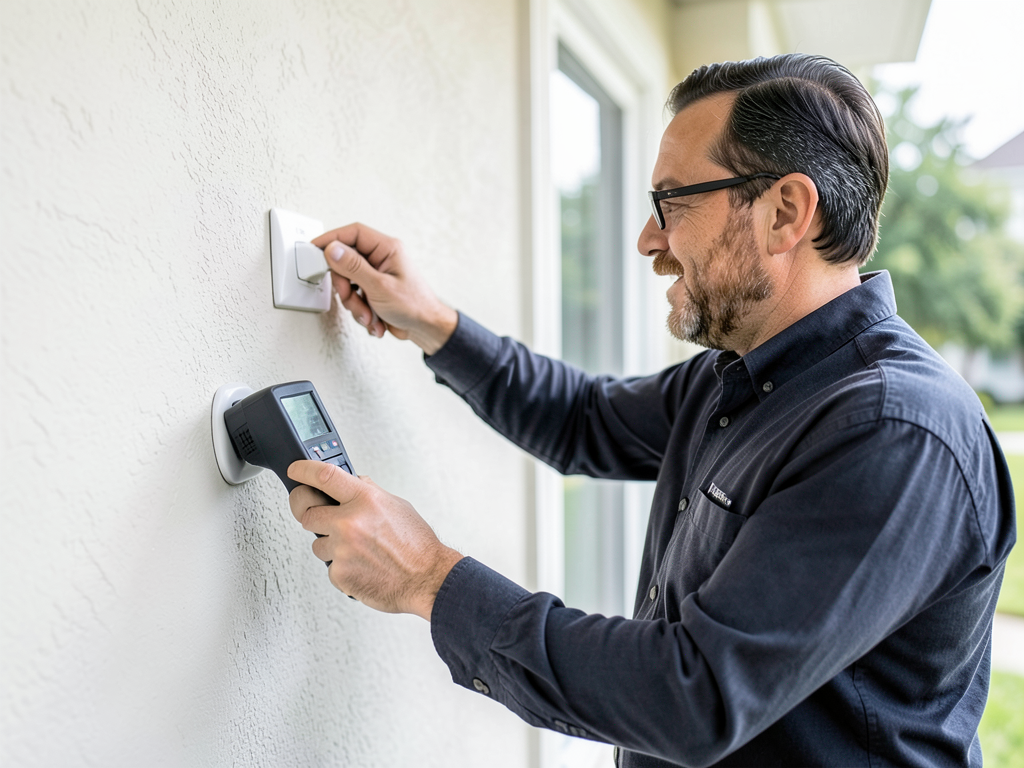
Moisture mapping uses specialized tools to detect water in building materials. This identifies the extent of water damage and potential mold growth areas.
Professional inspectors follow IICRC S520 standards for mold assessment. These guidelines ensure thorough accurate testing and reporting.
Mold Remediation vs. DIY Cleaning
Many homeowners try cleaning visible mold with bleach or store-bought products. This approach often makes the problem worse. The Carrollwood Homeowner Guide to Fast Mold Removal and Testing.
Cleaning only removes surface mold. It does not address mold growing inside materials or address the moisture source that allowed growth.
Disturbing mold colonies releases millions of additional spores into your air. This can spread contamination throughout your home.
Professional remediation follows a specific process:
- Contain the affected area using plastic sheeting and negative air pressure
- Remove contaminated materials following EPA guidelines
- Clean remaining surfaces with HEPA filtration
- Apply antimicrobial treatments to prevent regrowth
- Verify completion with post-remediation testing
Professionals wear proper personal protective equipment to avoid exposure. They also use specialized equipment like HEPA air scrubbers and commercial dehumidifiers. EPA Mold Resources.
The cost of professional remediation varies based on the extent of contamination but typically ranges from $500 for small areas to $5000+ for whole-home projects.
Preventing Future Mold Growth
Controlling moisture is the key to preventing mold growth in your Seffner home. This requires ongoing attention to potential water sources.
Maintain indoor humidity below 60% using dehumidifiers or your air conditioning system. In our climate this often means running dehumidifiers year-round.
Fix leaks immediately when discovered. Even small drips can create conditions for mold growth within 48 hours.
Ensure proper ventilation in bathrooms kitchens and laundry areas. Use exhaust fans that vent to the outside not just into your attic.
Keep HVAC systems well-maintained with regular filter changes and annual professional servicing. Clean ducts prevent mold spores from circulating through your home.
Direct water away from your home’s foundation with properly functioning gutters and downspouts. Grade soil so water flows away from your house.
Inspect your roof annually and after major storms. Replace damaged shingles and flashing promptly to prevent water intrusion.
When to Call a Professional
Certain situations require immediate professional attention to protect your family’s health and your home’s structure.
Call immediately if you notice:
- Visible mold covering more than 10 square feet
- Water damage affecting multiple rooms
- Musty odors throughout your home
- Health symptoms that improve when away from home
- Recent major water events like flooding or roof leaks
Professional restoration companies offer 24/7 emergency response. They can begin water extraction and drying within hours of your call preventing further damage.
Insurance companies often require professional assessment for significant water damage claims. Proper documentation helps ensure your claim is processed smoothly.
Professionals can identify hidden moisture sources using thermal imaging and moisture meters. This prevents recurring problems after cleanup.
Health Recovery After Mold Remediation
Once the mold source is eliminated and your home is properly cleaned most people experience symptom improvement within days to weeks.
Your body needs time to clear accumulated mold spores from your respiratory system. This process happens naturally as you breathe clean air.
Continue using any prescribed allergy medications during recovery. Your doctor can help determine when to reduce or stop these medications.
Consider using HEPA air purifiers during and after remediation to capture remaining airborne particles. This speeds the recovery process.
Deep cleaning all soft surfaces like carpets and upholstery removes trapped spores. Professional cleaning services use specialized equipment for thorough results.
Replace HVAC filters frequently during the first month after remediation. This prevents captured spores from being recirculated through your home.
Local Resources for Seffner Residents
Seffner residents have access to specific resources for dealing with water damage and mold issues.
The Hillsborough County Health Department provides information about indoor air quality and mold concerns. They offer guidance for homeowners dealing with suspected mold problems.
Local building inspectors understand the specific construction types common in Seffner neighborhoods. They can identify potential moisture intrusion points in your home.
Many Seffner homes are served by specific water districts that maintain infrastructure records. These records can help identify if plumbing issues are widespread in your area.
Local restoration companies familiar with Seffner’s housing stock understand the unique challenges of our area’s climate and construction methods.
Community resources like neighborhood associations often share information about contractors who have successfully handled similar issues in your specific area.
Understanding Your Insurance Coverage
Homeowner insurance policies vary significantly in how they handle water damage and mold claims.
Sudden accidental water damage like burst pipes is typically covered. However gradual leaks that develop over time may be excluded as maintenance issues.
Mold remediation coverage varies widely. Some policies exclude mold entirely while others cover it only if caused by a covered water damage event.
Document damage thoroughly with photos and videos before beginning cleanup. This documentation is crucial for insurance claims.
Keep receipts for any emergency measures you take like water extraction or temporary repairs. These costs may be reimbursable.
Work with your insurance adjuster to understand what is covered before beginning extensive repairs. Some policies require specific procedures or approved contractors.
Consider consulting a public adjuster for significant claims. They work on your behalf to maximize your settlement.
Long-Term Home Maintenance Strategies
Preventing water damage requires ongoing attention to your home’s systems and structure.
Create a seasonal inspection checklist for your home. Include roof gutters plumbing and HVAC systems.
Install water leak detectors near high-risk areas like water heaters washing machines and under sinks. These devices alert you to problems before significant damage occurs.
Consider upgrading older plumbing fixtures and connections. Materials like polybutylene piping common in 1970s homes are prone to failure.
Maintain proper drainage around your home’s foundation. This prevents water from seeping into crawl spaces or basements.
Schedule regular HVAC maintenance to ensure proper drainage and prevent condensate line clogs. Clean coils and drain pans reduce moisture problems.
Educate family members about water conservation and leak prevention. Simple habits like not overloading washing machines can prevent many common leaks.
Taking Action Today
Your family’s health depends on addressing indoor air quality issues promptly. Every day of exposure to mold spores can worsen symptoms and lead to more serious health problems.
Start by identifying potential moisture sources in your home. Check under sinks around windows and in attic spaces for signs of water intrusion.
Monitor your family’s symptoms and note when they worsen or improve. This information helps professionals identify the scope of potential problems.
Do not wait for visible mold to appear. By the time you see it the problem has often spread throughout your home’s structure.
Professional assessment can identify problems before they become severe. Early intervention saves money and protects your family’s health.
Remember that mold remediation is an investment in your family’s wellbeing. The cost of professional cleanup is minimal compared to ongoing medical expenses and decreased quality of life from persistent symptoms.
Your kids deserve to breathe clean healthy air in their own home. Taking action today creates a healthier environment for your entire family.
Frequently Asked Questions
How quickly does mold grow after a water leak?
Mold can begin growing within 24 to 48 hours after water exposure. In Seffner’s warm humid climate mold grows even faster often becoming visible within 3 to 5 days of a leak.
Can mold grow behind walls without any visible signs?
Yes mold commonly grows inside wall cavities under flooring and in attic spaces. You might have significant mold growth without any visible signs until the problem becomes severe.
How do I know if my child’s symptoms are from mold or seasonal allergies?
Mold allergy symptoms persist year-round and often worsen indoors. Seasonal allergies typically follow pollen patterns and improve when away from home. If symptoms continue regardless of outdoor conditions suspect indoor mold.
Is black mold more dangerous than other types of mold?
All molds can cause health problems especially for children with allergies or asthma. While Stachybotrys chartarum (black mold) produces mycotoxins all mold types should be treated seriously and removed professionally.
How much does professional mold remediation cost in Seffner?
Costs vary based on the extent of contamination. Small areas might cost $500 to $1500 while whole-home remediation can range from $3000 to $10000. Most homeowners insurance covers sudden water damage but mold coverage varies by policy.
Can I stay in my home during mold remediation?
For small contained projects you might stay home with proper containment. However for extensive remediation your family should temporarily relocate to avoid exposure to disturbed mold spores during the cleanup process. For more information, visit CDC Mold Information.
{
“@context”: “https://schema.org”,
“@type”: “BlogPosting”,
“headline”: “Why Your Kids Keep Sneezing After a Small Leak in Your Seffner Home”,
“description”: “Persistent sneezing after a small leak? Learn how mold affects children’s health in Seffner homes and what you can do to protect your family.”,
“wordCount”: 2304,
“datePublished”: “2026-04-11T05:20:00.000Z”,
“dateModified”: “2026-04-11T05:20:00.000Z”,
“inLanguage”: “en-US”,
“mainEntityOfPage”: {
“@type”: “WebPage”,
“@id”: “https://fortresswaterdamagerestorationtampa.com”
},
“publisher”: {
“@type”: “LocalBusiness”,
“name”: “Fortress Water Damage Restoration Tampa”,
“url”: “https://fortresswaterdamagerestorationtampa.com”
},
“author”: {
“@type”: “Organization”,
“name”: “Fortress Water Damage Restoration Tampa”,
“url”: “https://fortresswaterdamagerestorationtampa.com”
},
“image”: {
“@type”: “ImageObject”,
“url”: “https://fortresswaterdamagerestorationtampa.com/wp-content/uploads/2026/03/why-your-kids-keep-sneezing-after-a-small-leak-in-1.png”
}
}
{
“@context”: “https://schema.org”,
“@type”: “LocalBusiness”,
“name”: “Fortress Water Damage Restoration Tampa”,
“url”: “https://fortresswaterdamagerestorationtampa.com”,
“address”: {
“@type”: “PostalAddress”,
“addressLocality”: “Tampa”
},
“areaServed”: {
“@type”: “City”,
“name”: “Tampa”
}
}
{
“@context”: “https://schema.org”,
“@type”: “FAQPage”,
“mainEntity”: [
{
“@type”: “Question”,
“name”: “How quickly does mold grow after a water leak?”,
“acceptedAnswer”: {
“@type”: “Answer”,
“text”: “Mold can begin growing within 24 to 48 hours after water exposure. In Seffner’s warm humid climate mold grows even faster often becoming visible within 3 to 5 days of a leak.”
}
},
{
“@type”: “Question”,
“name”: “Can mold grow behind walls without any visible signs?”,
“acceptedAnswer”: {
“@type”: “Answer”,
“text”: “Yes mold commonly grows inside wall cavities under flooring and in attic spaces. You might have significant mold growth without any visible signs until the problem becomes severe.”
}
},
{
“@type”: “Question”,
“name”: “How do I know if my child’s symptoms are from mold or seasonal allergies?”,
“acceptedAnswer”: {
“@type”: “Answer”,
“text”: “Mold allergy symptoms persist year-round and often worsen indoors. Seasonal allergies typically follow pollen patterns and improve when away from home. If symptoms continue regardless of outdoor conditions suspect indoor mold.”
}
},
{
“@type”: “Question”,
“name”: “Is black mold more dangerous than other types of mold?”,
“acceptedAnswer”: {
“@type”: “Answer”,
“text”: “All molds can cause health problems especially for children with allergies or asthma. While Stachybotrys chartarum (black mold) produces mycotoxins all mold types should be treated seriously and removed professionally.”
}
},
{
“@type”: “Question”,
“name”: “How much does professional mold remediation cost in Seffner?”,
“acceptedAnswer”: {
“@type”: “Answer”,
“text”: “Costs vary based on the extent of contamination. Small areas might cost $500 to $1500 while whole-home remediation can range from $3000 to $10000. Most homeowners insurance covers sudden water damage but mold coverage varies by policy.”
}
},
{
“@type”: “Question”,
“name”: “Can I stay in my home during mold remediation?”,
“acceptedAnswer”: {
“@type”: “Answer”,
“text”: “For small contained projects you might stay home with proper containment. However for extensive remediation your family should temporarily relocate to avoid exposure to disturbed mold spores during the cleanup process. For more information, visit CDC Mold Information.”
}
}
]
}
{
“@context”: “https://schema.org”,
“@type”: “BreadcrumbList”,
“itemListElement”: [
{
“@type”: “ListItem”,
“position”: 1,
“name”: “Home”,
“item”: “https://fortresswaterdamagerestorationtampa.com”
},
{
“@type”: “ListItem”,
“position”: 2,
“name”: “Blog”,
“item”: “https://fortresswaterdamagerestorationtampa.com/blog”
},
{
“@type”: “ListItem”,
“position”: 3,
“name”: “Why Your Kids Keep Sneezing After a Small Leak in Your Seffner Home”
}
]
}
{
“@context”: “https://schema.org”,
“@type”: “Service”,
“serviceType”: “Water Damage Restoration”,
“provider”: {
“@type”: “LocalBusiness”,
“name”: “Fortress Water Damage Restoration Tampa”,
“url”: “https://fortresswaterdamagerestorationtampa.com”
},
“areaServed”: {
“@type”: “City”,
“name”: “Tampa”
},
“description”: “Persistent sneezing after a small leak? Learn how mold affects children’s health in Seffner homes and what you can do to protect your family.”
}