
Why Wet Fiberglass Insulation Must Be Replaced After a Keystone Roof Leak
Finding wet insulation in your Keystone attic after a roof leak creates an urgent situation that demands immediate professional attention. The humid Tampa climate transforms what might seem like a minor moisture problem into a serious threat to your home’s structural integrity and your family’s health. Urgent Washing Machine Overflow Cleanup Services in Citrus Park.
Keystone’s subtropical environment means attics stay warm and damp for much of the year. When fiberglass insulation becomes saturated from roof leaks common during Tampa’s afternoon thunderstorms, the material loses its ability to regulate temperature and creates perfect conditions for mold growth within 24 to 48 hours.
Why Wet Insulation Becomes a Health Hazard
Wet fiberglass insulation in Keystone homes presents multiple dangers that extend far beyond simple water damage. The material’s composition makes it particularly problematic when exposed to moisture. Expert Water Extraction and Drying for Davis Islands Waterfront Homes.
Fiberglass batts are designed to trap air pockets that create thermal resistance. When water fills these spaces, the R-value drops by up to 40 percent even with minimal moisture exposure. More critically, the damp environment becomes a breeding ground for mold spores that thrive in Florida’s high humidity levels. Florida Building Code Information.
Common mold species found in wet insulation include Stachybotrys chartarum (black mold) and Aspergillus, both of which release mycotoxins that can cause respiratory issues, allergic reactions, and other health problems. The confined attic space in Keystone’s typical ranch-style homes means these spores can quickly spread through your home’s ventilation system.
Beyond health concerns, wet insulation creates structural risks. The added weight of water-saturated material can stress ceiling joists and drywall, potentially leading to ceiling collapse. In Keystone’s older homes built in the 1970s and 1980s, this weight-bearing capacity may already be compromised by decades of settling. Getting Your Water Damage Insurance Claim Approved in Tampa (And Who to Call First).
The Science Behind Insulation Degradation
Understanding why wet insulation cannot simply be dried and reused requires examining the material’s physical properties. Fiberglass insulation consists of fine glass fibers arranged to create air pockets that resist heat transfer.
When water penetrates these fibers, several critical changes occur: Fixing a Water Damaged Ceiling in Your Town ‘n’ Country Home Before it Collapses.
- The glass fibers clump together, destroying the uniform air pockets essential for thermal resistance
- Moisture creates pathways for heat transfer, reducing the material’s effectiveness by up to 50 percent
- Organic contaminants in the water feed mold and bacteria growth
- The material’s structural integrity weakens, making it prone to crumbling and releasing glass particles
Even if the insulation appears dry on the surface, moisture trapped deep within the material continues to support microbial growth. The high humidity in Keystone attics, often exceeding 80 percent during summer months, prevents thorough drying even with industrial equipment.
Research from the Department of Energy shows that once insulation loses more than 5 percent of its weight to moisture, it cannot return to its original R-value performance. This means partial drying provides no real benefit and leaves your home vulnerable to energy loss and moisture-related damage. EPA Mold Information.
Professional Removal Process for Keystone Homes
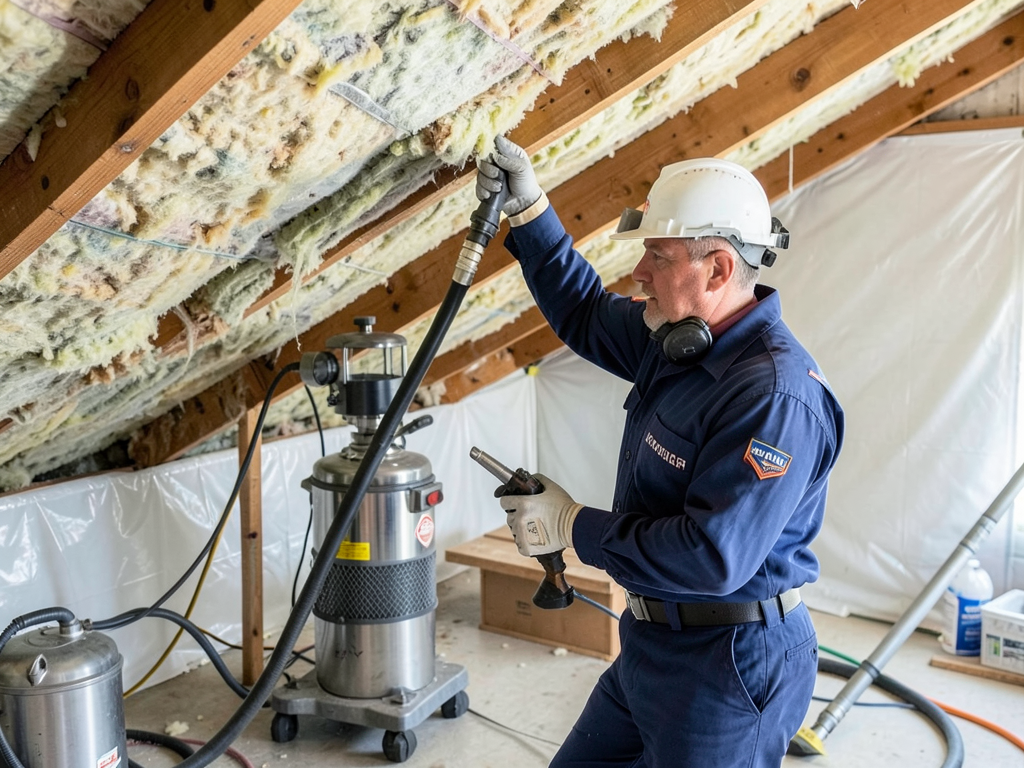
Removing wet insulation requires specialized equipment and safety protocols that go beyond simple cleanup. Professional restoration teams follow strict procedures to protect your home and ensure complete moisture elimination.. Read more about How to Clean Up and Restore an Outdoor Kitchen in Keystone After a Storm.
The process begins with a comprehensive inspection using thermal imaging cameras to identify all moisture-affected areas. Keystone’s concrete block construction with stucco exteriors can mask water intrusion, making thermal detection essential for finding hidden damage.
Professional removal involves:
- Containment Setup
Negative air pressure chambers prevent mold spores from spreading to living areas during removal.
- HEPA Vacuum Extraction
Industrial vacuums with HEPA filtration capture loose fiberglass particles and mold spores.
- Material Removal
Wet insulation is carefully bagged in vapor-tight containment bags for proper disposal.
- Antimicrobial Treatment
EPA-registered antimicrobials treat all affected surfaces to prevent future mold growth.
- Structural Drying
Dehumidifiers and air movers reduce ambient moisture to below 50 percent.
- Final Inspection
Moisture meters verify complete drying before new insulation installation.
The entire process typically takes 2 to 3 days for a standard Keystone attic, depending on the extent of water damage and the home’s construction style. Homes near Keystone Road and Race Track Road often have similar attic configurations that affect removal efficiency.
Comparing Insulation Types After Water Exposure
Not all insulation materials respond the same way to water damage. Understanding these differences helps homeowners make informed decisions about replacement options. The Carrollwood Homeowner Guide to Fast Mold Removal and Testing.
| Insulation Type | Water Absorption | Mold Resistance | Salvageable? |
|---|---|---|---|
| Fiberglass Batts | High | Low | No |
| Blown Cellulose | Very High | Very Low | No |
| Spray Foam | Very Low | High | Sometimes |
| Mineral Wool | Moderate | Moderate | Rarely |
Spray foam insulation offers the best water resistance due to its closed-cell structure, but even this material can harbor mold if contaminated with organic matter. For Keystone homeowners considering upgrades, spray foam provides superior moisture protection but requires professional installation and costs significantly more than traditional fiberglass.
Insurance Considerations for Keystone Homeowners
Understanding your insurance coverage for wet insulation replacement can prevent unexpected expenses. Most Florida homeowners’ policies cover sudden and accidental water damage, including roof leaks that affect insulation.
Key insurance factors for Keystone residents include:
- Policy deductibles that typically range from $1,000 to $2,500 for water damage claims
- Coverage limitations for mold damage, often capped at $10,000
- Requirements for professional documentation of damage extent
- Time limits for filing claims after discovering water damage
Documenting damage thoroughly improves claim approval chances. Take photos of wet insulation, water stains, and any visible mold growth. Keep receipts for emergency services like roof tarping that prevent further damage.
Many Keystone homeowners find that the cost of professional insulation replacement, typically $1.50 to $3.50 per square foot, falls within their insurance coverage when properly documented. However, gradual damage from long-term roof leaks may be excluded from coverage.
Preventing Future Insulation Problems
After replacing wet insulation, implementing preventive measures protects your investment and prevents recurring issues. Keystone’s weather patterns create specific challenges that require targeted solutions.
Roof maintenance forms the first line of defense. Schedule professional inspections twice yearly, particularly before and after hurricane season. Look for damaged flashing around chimneys and vents, which are common leak points in Keystone’s older homes.
Attic ventilation improvements help manage moisture levels. Install ridge vents and soffit vents to create continuous airflow that prevents humidity buildup. In Keystone’s humid climate, proper ventilation can reduce attic temperatures by 20 to 30 degrees and prevent condensation on insulation.
Consider upgrading to mold-resistant insulation materials if you’ve experienced repeated moisture problems. Some newer products include antimicrobial treatments that inhibit mold growth even when exposed to moisture.
Regular gutter cleaning prevents water backup that can force moisture under roof shingles. Keystone’s mature oak trees drop leaves year-round, making quarterly gutter maintenance essential.
Local Building Code Requirements
Keystone falls under Hillsborough County building jurisdiction, which follows Florida Building Code requirements for insulation replacement. These codes ensure proper installation and energy efficiency.
Current requirements include:
- Minimum R-30 insulation for attics in Hillsborough County
- Proper vapor barrier installation to prevent moisture migration
- Fire safety ratings for insulation materials
- Permits for work affecting structural components
Professional restoration companies familiar with local codes can handle permit requirements and ensure your replacement meets all current standards. This protects your home’s value and ensures compliance with insurance company requirements.
Building permits typically cost $100 to $300 depending on project scope and are required for any work that affects structural integrity or involves electrical or plumbing modifications in the attic space.
Health Risks Specific to Florida’s Climate
Florida’s unique environmental conditions create health risks that extend beyond typical water damage concerns. The combination of heat, humidity, and biological activity accelerates problems that might remain dormant in other climates.
Termites and other wood-destroying insects are attracted to wet insulation and the moisture it indicates. These pests can cause extensive structural damage that compounds the original water problem. Keystone’s proximity to wooded areas increases termite pressure on homes.
Florida’s high humidity levels mean that even small amounts of moisture in insulation create conditions favorable for dust mites, which can trigger allergies and asthma. The confined attic space allows these populations to grow rapidly before becoming noticeable in living areas.
Standing water from roof leaks can also attract mosquitoes, creating both nuisance and disease transmission risks. The Aedes mosquitoes common in Florida can breed in as little as one teaspoon of standing water.
Professional restoration addresses these biological hazards through comprehensive treatment protocols that go beyond simple moisture removal. This includes treating for pests, applying antimicrobial solutions, and ensuring proper ventilation to prevent future moisture accumulation.
Cost Factors for Insulation Replacement
Several factors influence the total cost of replacing wet insulation in Keystone homes. Understanding these variables helps homeowners budget appropriately and make informed decisions.
Primary cost factors include:
- Square footage of affected area
- Type of insulation selected for replacement
- Accessibility of attic space
- Extent of mold remediation required
- Need for additional repairs like drywall replacement
Basic fiberglass batt replacement in a standard Keystone attic typically ranges from $1,500 to $3,000. However, costs can exceed $5,000 for extensive mold remediation, spray foam installation, or when structural repairs are needed.
Insurance coverage often offsets these costs for sudden damage events. Many restoration companies work directly with insurance providers to streamline the claims process and reduce out-of-pocket expenses for homeowners.
Energy efficiency upgrades during replacement can provide long-term savings. Upgrading from standard R-19 to R-30 insulation can reduce cooling costs by 10 to 15 percent annually in Florida’s climate, potentially saving $200 to $400 per year.
Professional vs. DIY Removal Considerations
While DIY removal might seem cost-effective, professional restoration offers significant advantages that protect your home and health. The risks of improper removal often exceed potential savings.
Professional restoration teams have specialized equipment including industrial HEPA vacuums, negative air machines, and moisture detection tools that homeowners cannot access. These tools ensure complete removal and prevent cross-contamination of living spaces.
Safety considerations make professional removal essential. Fiberglass particles can cause skin irritation, respiratory issues, and eye damage. Mold spores released during removal can spread throughout your home, creating widespread contamination that requires extensive remediation.
Proper disposal of contaminated materials requires following hazardous waste protocols. Professional companies handle this process, ensuring compliance with environmental regulations and preventing illegal dumping.
Most importantly, professional restoration includes moisture source identification and correction. Simply removing wet insulation without addressing the underlying leak guarantees recurring problems. Restoration experts identify and repair water intrusion sources as part of their comprehensive service.
Emergency Response Timeline
When you discover wet insulation, following a specific timeline maximizes damage control and minimizes costs. Every hour counts in preventing mold growth and structural damage.
Within the first 24 hours:
- Identify and stop the water source if possible
- Document damage with photos and videos
- Cover exposed areas with tarps to prevent additional water intrusion
- Contact your insurance company to report the damage
Within 48 hours:
- Arrange professional inspection and assessment
- Begin moisture removal if safe to do so
- Start the insurance claim process
Beyond 48 hours:
- Mold growth becomes likely and spreads rapidly
- Structural damage risks increase significantly
- Restoration costs escalate due to additional damage
Professional restoration companies offer 24/7 emergency response because they understand these critical timelines. Fast action can mean the difference between simple insulation replacement and extensive mold remediation costing thousands more.
Frequently Asked Questions
How can I tell if my insulation is wet?
Wet insulation often feels heavy, clumpy, or has visible water stains. You might notice sagging ceiling areas, musty odors, or increased energy bills. Professional moisture meters can detect moisture levels as low as 5 percent, which is invisible to the naked eye.
Can I just dry out wet insulation instead of replacing it?
No. Once insulation becomes wet, it loses its thermal resistance properties permanently. Even if dried, the material’s structure is compromised and it becomes a breeding ground for mold. Replacement is the only safe and effective solution.
How long does wet insulation replacement take?
Most residential projects take 2 to 3 days from start to finish. This includes inspection, removal, drying, treatment, and new installation. Larger or more complex jobs may require additional time, especially if mold remediation is needed.
Will my insurance cover wet insulation replacement?
Most homeowners’ policies cover sudden and accidental water damage, including insulation replacement. However, coverage varies by policy. Contact your insurance provider to understand your specific coverage and any applicable deductibles.
What type of insulation should I choose for replacement?
Fiberglass batts remain the most cost-effective option for most homeowners. However, if you’ve had repeated moisture issues, consider spray foam or mold-resistant fiberglass. Your restoration professional can recommend the best option based on your home’s specific needs.
Protect Your Keystone Home Today
Wet insulation represents an immediate threat to your home’s safety, efficiency, and value. The humid Tampa climate means problems escalate rapidly, turning what might seem like a minor issue into a major health and structural concern.
Don’t wait for visible mold growth or ceiling damage to appear. If you’ve experienced a roof leak or suspect moisture in your attic insulation, professional assessment is essential. The cost of immediate action pales in comparison to the expenses of mold remediation, structural repairs, and potential health issues that develop from delayed response.
Professional restoration teams understand the unique challenges of Keystone’s climate and construction styles. They bring specialized equipment, safety protocols, and insurance navigation experience that ensures your home receives comprehensive care.
Call (656) 219-8088 now for 24/7 emergency response. Our certified technicians will assess your situation, provide a detailed plan, and begin work immediately to protect your home and family from the dangers of wet insulation.
Fast action today prevents expensive problems tomorrow. Your Keystone home deserves professional care that addresses both immediate moisture issues and long-term prevention strategies.
{
“@context”: “https://schema.org”,
“@type”: “BlogPosting”,
“headline”: “Why Wet Fiberglass Insulation Must Be Replaced After a Keystone Roof Leak”,
“description”: “Learn why wet fiberglass insulation in Keystone homes requires immediate replacement after roof leaks. Discover Tampa-specific risks and professional solutions.”,
“wordCount”: 2314,
“datePublished”: “2026-05-19T14:06:00.000Z”,
“dateModified”: “2026-05-19T14:06:00.000Z”,
“inLanguage”: “en-US”,
“mainEntityOfPage”: {
“@type”: “WebPage”,
“@id”: “https://fortresswaterdamagerestorationtampa.com”
},
“publisher”: {
“@type”: “LocalBusiness”,
“name”: “Fortress Water Damage Restoration Tampa”,
“url”: “https://fortresswaterdamagerestorationtampa.com”
},
“author”: {
“@type”: “Organization”,
“name”: “Fortress Water Damage Restoration Tampa”,
“url”: “https://fortresswaterdamagerestorationtampa.com”
},
“image”: {
“@type”: “ImageObject”,
“url”: “https://fortresswaterdamagerestorationtampa.com/wp-content/uploads/2026/03/why-wet-fiberglass-insulation-must-be-replaced-aft-1.png”
}
}
{
“@context”: “https://schema.org”,
“@type”: “LocalBusiness”,
“name”: “Fortress Water Damage Restoration Tampa”,
“url”: “https://fortresswaterdamagerestorationtampa.com”,
“address”: {
“@type”: “PostalAddress”,
“addressLocality”: “Tampa”
},
“areaServed”: {
“@type”: “City”,
“name”: “Tampa”
}
}
{
“@context”: “https://schema.org”,
“@type”: “FAQPage”,
“mainEntity”: [
{
“@type”: “Question”,
“name”: “How can I tell if my insulation is wet?”,
“acceptedAnswer”: {
“@type”: “Answer”,
“text”: “Wet insulation often feels heavy, clumpy, or has visible water stains. You might notice sagging ceiling areas, musty odors, or increased energy bills. Professional moisture meters can detect moisture levels as low as 5 percent, which is invisible to the naked eye.”
}
},
{
“@type”: “Question”,
“name”: “Can I just dry out wet insulation instead of replacing it?”,
“acceptedAnswer”: {
“@type”: “Answer”,
“text”: “No. Once insulation becomes wet, it loses its thermal resistance properties permanently. Even if dried, the material’s structure is compromised and it becomes a breeding ground for mold. Replacement is the only safe and effective solution.”
}
},
{
“@type”: “Question”,
“name”: “How long does wet insulation replacement take?”,
“acceptedAnswer”: {
“@type”: “Answer”,
“text”: “Most residential projects take 2 to 3 days from start to finish. This includes inspection, removal, drying, treatment, and new installation. Larger or more complex jobs may require additional time, especially if mold remediation is needed.”
}
},
{
“@type”: “Question”,
“name”: “Will my insurance cover wet insulation replacement?”,
“acceptedAnswer”: {
“@type”: “Answer”,
“text”: “Most homeowners’ policies cover sudden and accidental water damage, including insulation replacement. However, coverage varies by policy. Contact your insurance provider to understand your specific coverage and any applicable deductibles.”
}
},
{
“@type”: “Question”,
“name”: “What type of insulation should I choose for replacement?”,
“acceptedAnswer”: {
“@type”: “Answer”,
“text”: “Fiberglass batts remain the most cost-effective option for most homeowners. However, if you’ve had repeated moisture issues, consider spray foam or mold-resistant fiberglass. Your restoration professional can recommend the best option based on your home’s specific needs.”
}
}
]
}
{
“@context”: “https://schema.org”,
“@type”: “HowTo”,
“name”: “Professional Wet Insulation Removal Process”,
“step”: [
{
“@type”: “HowToStep”,
“position”: 1,
“name”: “Containment Setup”,
“text”: “Negative air pressure chambers prevent mold spores from spreading to living areas during removal.”
},
{
“@type”: “HowToStep”,
“position”: 2,
“name”: “HEPA Vacuum Extraction”,
“text”: “Industrial vacuums with HEPA filtration capture loose fiberglass particles and mold spores.”
},
{
“@type”: “HowToStep”,
“position”: 3,
“name”: “Material Removal”,
“text”: “Wet insulation is carefully bagged in vapor-tight containment bags for proper disposal.”
},
{
“@type”: “HowToStep”,
“position”: 4,
“name”: “Antimicrobial Treatment”,
“text”: “EPA-registered antimicrobials treat all affected surfaces to prevent future mold growth.”
},
{
“@type”: “HowToStep”,
“position”: 5,
“name”: “Structural Drying”,
“text”: “Dehumidifiers and air movers reduce ambient moisture to below 50 percent.”
},
{
“@type”: “HowToStep”,
“position”: 6,
“name”: “Final Inspection”,
“text”: “Moisture meters verify complete drying before new insulation installation.”
}
],
“image”: “https://fortresswaterdamagerestorationtampa.com/wp-content/uploads/2026/03/why-wet-fiberglass-insulation-must-be-replaced-aft-1.png”
}
{
“@context”: “https://schema.org”,
“@type”: “BreadcrumbList”,
“itemListElement”: [
{
“@type”: “ListItem”,
“position”: 1,
“name”: “Home”,
“item”: “https://fortresswaterdamagerestorationtampa.com”
},
{
“@type”: “ListItem”,
“position”: 2,
“name”: “Blog”,
“item”: “https://fortresswaterdamagerestorationtampa.com/blog”
},
{
“@type”: “ListItem”,
“position”: 3,
“name”: “Why Wet Fiberglass Insulation Must Be Replaced After a Keystone Roof Leak”
}
]
}
{
“@context”: “https://schema.org”,
“@type”: “Service”,
“serviceType”: “Water Damage Restoration”,
“provider”: {
“@type”: “LocalBusiness”,
“name”: “Fortress Water Damage Restoration Tampa”,
“url”: “https://fortresswaterdamagerestorationtampa.com”
},
“areaServed”: {
“@type”: “City”,
“name”: “Tampa”
},
“description”: “Learn why wet fiberglass insulation in Keystone homes requires immediate replacement after roof leaks. Discover Tampa-specific risks and professional solutions.”
}