
Why the Reconstruction Phase Matters Just as Much as Water Mitigation for Your Property
When water damage strikes your Tampa home the clock starts ticking. The first 24 to 48 hours determine whether you face a quick cleanup or a months-long rebuild. Most homeowners understand the need for emergency water extraction and drying. Few realize that the reconstruction phase carries equal weight for protecting your property’s value and your family’s health. Expert Water Extraction and Drying for Davis Islands Waterfront Homes.
Water mitigation removes the immediate threat. Reconstruction restores your home to its pre-loss condition. Both phases require specialized skills but reconstruction demands a different set of expertise including structural repair permits and building code compliance specific to Hillsborough County. Hillsborough County Building Department.
Living in Tampa means dealing with unique moisture challenges. Our high humidity and frequent storms create perfect conditions for secondary damage if reconstruction is rushed or incomplete. Understanding this full process helps you make informed decisions when disaster strikes. Water Damage Restoration Ruskin.
The Critical Difference Between Mitigation and Reconstruction
Water mitigation focuses on stopping the source and removing standing water. Technicians deploy industrial pumps extractors and dehumidifiers to dry affected areas within 72 hours. This phase prevents mold growth and stabilizes the structure. Getting Your Water Damage Insurance Claim Approved in Tampa (And Who to Call First).
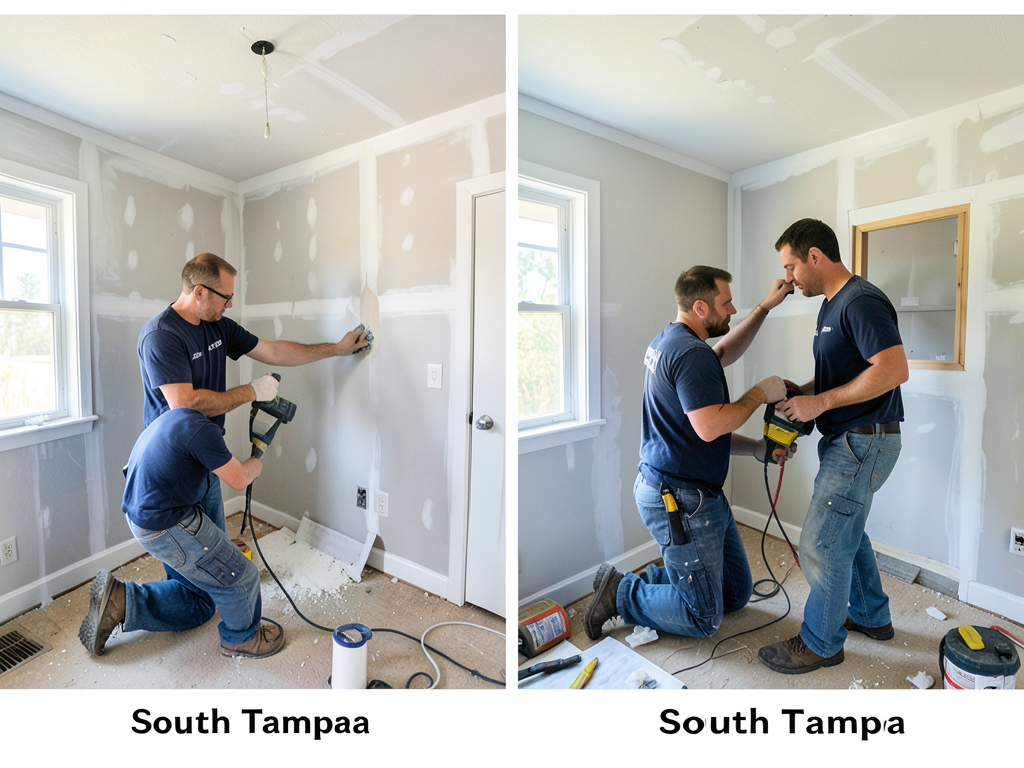
Reconstruction begins after mitigation proves successful. This phase involves removing damaged materials rebuilding structural elements and restoring finishes. Think of mitigation as emergency surgery and reconstruction as the rehabilitation that follows.. Read more about Disclosing Past Water Damage When Selling Your House in Brandon.
The transition between phases matters. Starting reconstruction too early traps moisture in walls and floors. Waiting too long allows secondary damage to spread. Professional coordination ensures each phase completes before the next begins.. Read more about The Difference Between Hiring a National Franchise and a Local Tampa Restoration Team.
Tampa’s Unique Reconstruction Challenges
Florida’s climate creates specific hurdles for reconstruction. Our 80 percent average humidity means materials take longer to dry. Standard drywall installation schedules from northern states fail here. Local contractors must adjust timelines and techniques. Florida Building Code.
Hillsborough County enforces strict building codes for flood-prone areas. Reconstruction projects require permits even for interior repairs if they affect structural elements. Working with contractors familiar with these requirements prevents costly delays.
South Tampa homes built in the 1950s and 1960s present another challenge. Many contain asbestos or lead paint requiring specialized handling during demolition. Brandon’s newer developments face different issues with engineered wood products that swell when exposed to moisture.. Read more about Why Water Damaged Wood in South Tampa Homes Attracts Subterranean Termites.
The Step-by-Step Reconstruction Process
Successful reconstruction follows a logical sequence. Each step builds on the previous one ensuring structural integrity and code compliance.
- Structural Assessment
Technicians inspect framing subflooring and load-bearing elements for hidden damage. Moisture meters and thermal imaging reveal problems behind walls. This assessment determines which materials need replacement versus repair.
- Demolition and Debris Removal
Damaged drywall insulation and flooring come out first. Contractors seal off unaffected areas to prevent dust spread. Proper disposal follows Hillsborough County regulations especially for materials containing hazardous substances.. Read more about Why Wet Fiberglass Insulation Must Be Replaced After a Keystone Roof Leak.
- Structural Repairs
Contractors replace rotted studs repair subflooring and reinforce weakened connections. This phase may require structural engineer approval for major repairs. All work meets current Florida Building Code standards.
- Plumbing and Electrical Updates
Water damage often reveals outdated or unsafe systems. This phase upgrades plumbing electrical and HVAC components as needed. Licensed tradespeople handle these specialized tasks. Fixing a Water Damaged Ceiling in Your Town ‘n’ Country Home Before it Collapses.
- Moisture Barrier Installation
Before rebuilding contractors install vapor barriers and waterproofing membranes. These prevent future moisture intrusion especially important in our humid climate. Proper installation protects your investment long-term.
- Finish Installation
New drywall flooring cabinetry and trim go in. Contractors match existing finishes when possible. This phase transforms the space from construction zone to livable area.
- Final Inspection and Cleanup
Local inspectors verify code compliance. Contractors perform final cleaning removing construction dust and debris. Your home returns to normal use.
Common Reconstruction Scenarios in Tampa
Different water damage types require different reconstruction approaches. Understanding these scenarios helps you anticipate the scope of work needed.
Burst pipe damage in Carrollwood often affects multiple rooms since plumbing runs through walls. Reconstruction involves replacing damaged drywall flooring and sometimes cabinetry. The water spreads quickly through engineered wood products common in newer homes. The Carrollwood Homeowner Guide to Fast Mold Removal and Testing.
Storm surge in South Tampa requires more extensive reconstruction. Salt water causes accelerated corrosion requiring replacement of metal components. The high pressure forces water into wall cavities making thorough drying impossible without demolition.
A/C condensate line backups create unique problems. The slow leak often goes unnoticed for weeks. By the time discovered mold growth requires specialized remediation before reconstruction can begin. This scenario commonly affects Brandon townhomes where units share walls.. Read more about How Tree Roots Lead to Sewer Backups in Older Seminole Heights Properties.
Category 3 water from sewage backups demands complete reconstruction of affected areas. Porous materials like carpet and drywall cannot be adequately disinfected. Contractors must remove and replace everything the contaminated water touched.
Timeline Expectations for Reconstruction
Reconstruction duration varies based on damage extent and material availability. Small bathroom repairs might take one week. Whole-house reconstruction after major flooding often requires three to six months.
Permit approval adds time to the schedule. Hillsborough County processes residential permits in five to ten business days under normal circumstances. Emergency permits for health and safety issues move faster but still require documentation.
Material lead times affect reconstruction pace. Supply chain issues continue impacting availability of items like windows doors and specialty flooring. Contractors should provide realistic timelines accounting for these factors.
Weather impacts outdoor reconstruction work. Tampa’s rainy season June through September can delay roofing siding and exterior painting. Contractors schedule indoor work during these months when possible.
Insurance Coordination During Reconstruction
Most homeowners insurance covers sudden accidental water damage. However coverage varies significantly between policies. Some exclude flood damage requiring separate National Flood Insurance Program policies.
Insurance companies typically pay for both mitigation and reconstruction. However they may use software to estimate repair costs which often undervalue local labor rates. Experienced contractors know how to document damage properly ensuring fair compensation.
Public adjusters help when insurance disputes arise. These professionals advocate for homeowners during the claims process. Their services cost a percentage of the settlement but often result in higher payouts.
Keep detailed records throughout reconstruction. Save all receipts communications and before/after photos. These documents support your claim and help resolve disputes quickly.
Choosing the Right Reconstruction Contractor
Not all contractors handle reconstruction after water damage. Look for firms with specific experience in this type of work. General contractors without water damage restoration experience often miss critical issues.
Verify licenses and insurance before hiring. Florida requires contractors performing structural work to hold appropriate licenses. Ask for proof of general liability and workers compensation insurance.
Request references from similar projects. Contact past clients to learn about their experiences. Were timelines met. Did the work meet expectations. How were problems handled.
Review contracts carefully. They should specify scope of work payment schedule and timeline. Avoid contractors demanding large upfront payments. Standard practice involves incremental payments tied to completion milestones.
Communication matters during reconstruction. Choose contractors who explain processes clearly and respond promptly to questions. This transparency reduces stress during an already difficult time.
Preventing Future Water Damage
Reconstruction offers opportunity to prevent future problems. Consider upgrades that protect your home from water damage.
Install water detection systems that shut off supply lines when leaks occur. These devices prevent small leaks from becoming major floods. Smart home integration allows remote monitoring and control.
Upgrade to moisture-resistant materials in high-risk areas. Cement board in bathrooms luxury vinyl plank flooring and mold-resistant drywall cost more initially but save money long-term.
Improve drainage around your home’s foundation. Proper grading and functional gutters direct water away from your house. This simple step prevents many common water damage scenarios.
Schedule regular maintenance for plumbing HVAC and roofing systems. Small investments in prevention cost far less than emergency reconstruction.
Local Building Code Considerations
Hillsborough County enforces Florida Building Code requirements for reconstruction. These codes address structural integrity energy efficiency and safety standards.
Elevation requirements apply in flood zones. Reconstruction must maintain or improve your home’s flood protection level. This often means raising electrical outlets and HVAC equipment above base flood elevation.
Mold prevention features matter in our climate. Building codes now require specific ventilation and moisture control measures especially in bathrooms and laundry areas.
Energy efficiency upgrades may be mandatory during reconstruction. Windows doors and insulation must meet current standards. These requirements increase upfront costs but reduce utility bills.
Accessibility modifications might be required based on your home’s location and use. These ensure compliance with Americans with Disabilities Act guidelines where applicable.
Cost Factors in Reconstruction
Reconstruction costs vary widely based on damage extent material choices and labor requirements. Understanding cost factors helps you budget appropriately.
Square footage affects total cost but not always linearly. Small bathrooms cost more per square foot than large living rooms due to fixture and finish requirements.
Material selection dramatically impacts budget. Standard carpet and vinyl cost less than engineered hardwood or natural stone. However lower-cost materials may not withstand future moisture exposure as well.
Labor rates in Tampa run higher than national averages due to demand and cost of living. Skilled tradespeople command premium rates especially for specialized water damage reconstruction work.
Permit fees add to project costs. Hillsborough County charges based on project value with minimums around $100 for small repairs. Complex projects may require multiple permits increasing fees.
Unexpected discoveries during reconstruction often increase costs. Rotted framing hidden mold or outdated electrical systems require additional work beyond initial estimates.
Reconstruction vs. Replacement Decisions
Not everything damaged by water needs replacement. Understanding when to repair versus replace saves money without compromising quality.
Structural elements deserve careful evaluation. Engineered wood beams exposed to water may regain strength after proper drying. However particleboard loses integrity permanently and requires replacement.
Finish materials offer more flexibility. Solid wood cabinets may warp but often return to shape after controlled drying. Laminate cabinets delaminate irreversibly requiring replacement.
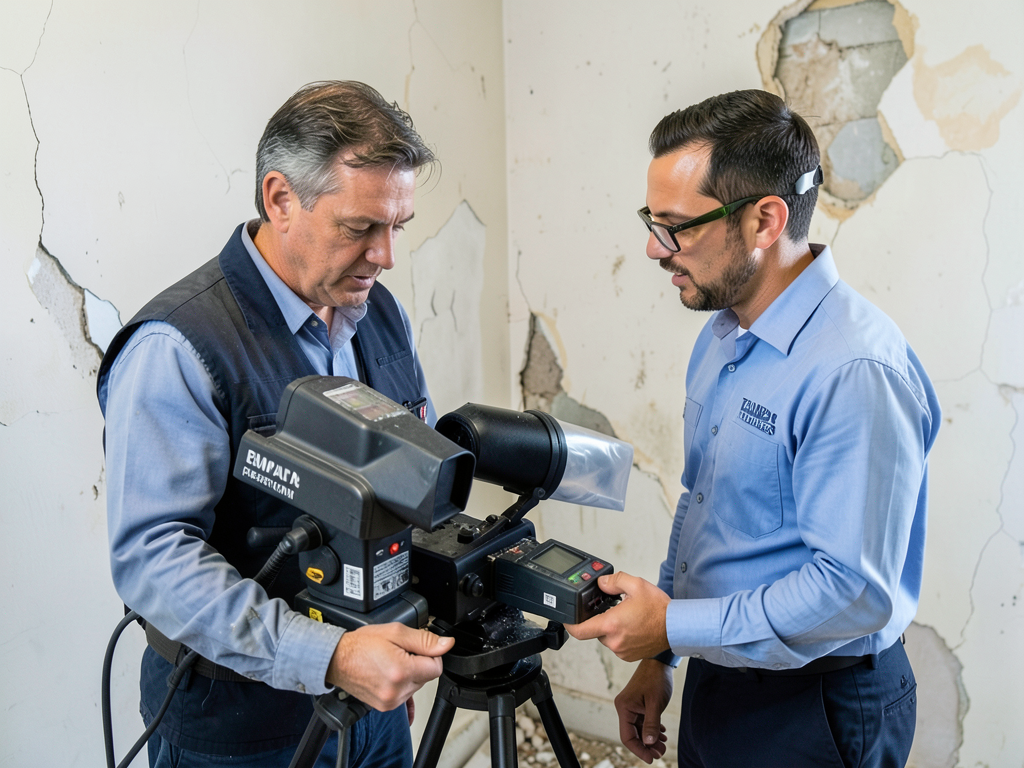
Testing determines material salvageability. Moisture meters surface hardness tests and visual inspection reveal whether materials can be restored. Professional assessment prevents costly mistakes.
Cost-benefit analysis guides decisions. Sometimes replacement costs less than extensive repair efforts especially for older materials. Newer materials often provide better moisture resistance improving future protection.
The Value of Professional Reconstruction
DIY reconstruction seems tempting for handy homeowners. However water damage reconstruction involves complexities that challenge even experienced DIYers.
Hidden damage poses the biggest risk. What looks like minor water stains may indicate extensive rot or mold behind walls. Professionals use diagnostic tools revealing problems DIY methods miss.
Code compliance requires specialized knowledge. Building permits inspections and approved materials lists change frequently. Professional contractors stay current ensuring your reconstruction meets all requirements.
Insurance complications arise from improper reconstruction. Work that doesn’t meet code or creates new problems may void coverage. Professional reconstruction provides documentation supporting your insurance position.
Time efficiency matters during reconstruction. Professionals complete work faster using proper tools and techniques. This minimizes disruption to your life and reduces temporary housing costs if needed.
Environmental Considerations
Reconstruction generates significant waste. Responsible contractors recycle materials when possible and dispose of hazardous waste properly.
Construction debris often contains materials suitable for recycling. Metals wood and cardboard comprise much of demolition waste. Recycling reduces landfill impact and sometimes provides tax benefits.
Hazardous materials require special handling. Asbestos lead paint and certain treated woods cannot go in regular dumpsters. Professional contractors have relationships with certified disposal facilities.
Sustainable reconstruction options benefit both environment and homeowner. Energy-efficient windows upgraded insulation and water-saving fixtures reduce utility costs while minimizing environmental impact.
Indoor air quality matters during and after reconstruction. Proper dust control and ventilation protect your family’s health. Low-VOC materials reduce harmful chemical exposure.
Moving Forward After Reconstruction
Successful reconstruction restores more than your home’s structure. It returns your sense of security and normalcy after a traumatic event.
Quality reconstruction should be invisible. Visitors shouldn’t notice where damage occurred. Professional work matches existing finishes and integrates seamlessly with unaffected areas.
Document your reconstruction project thoroughly. Keep all permits inspections and warranties. This documentation helps if future problems arise and supports your home’s value for resale.
Learn from the experience. Many homeowners implement prevention measures after reconstruction. These improvements provide peace of mind and protect your investment.
Support local businesses during reconstruction. Tampa’s economy benefits when you choose local contractors suppliers and service providers. These relationships often provide better service and accountability.
Remember reconstruction takes time. Quality work cannot be rushed without compromising results. Trust your contractor’s timeline and communicate concerns promptly if delays seem excessive.
Your home represents more than shelter. It holds memories and provides comfort for your family. Proper reconstruction preserves these intangible values while restoring physical structure.
Frequently Asked Questions
How long does water damage reconstruction typically take in Tampa?
Reconstruction timelines vary based on damage extent but most projects take two to six months. Small repairs might finish in one week while whole-house reconstruction after major flooding often requires three to six months. Permit approval material availability and weather all affect the schedule.
Does homeowners insurance cover water damage reconstruction?
Most standard homeowners policies cover sudden accidental water damage including reconstruction costs. However coverage varies significantly. Flood damage from external sources typically requires separate National Flood Insurance Program coverage. Review your policy or consult your insurance agent for specifics.
What permits are required for water damage reconstruction in Hillsborough County?
Hillsborough County requires permits for most reconstruction work affecting structural elements plumbing or electrical systems. Even interior repairs may need permits if they impact load-bearing walls or safety systems. Permit requirements depend on project scope and home location within flood zones.
How can I prevent mold growth during reconstruction?
Professional contractors use moisture meters thermal imaging and proper drying techniques to ensure materials reach safe moisture levels before reconstruction begins. They install vapor barriers use mold-resistant materials and maintain proper ventilation throughout the process. These steps prevent mold growth during reconstruction.
Should I stay in my home during reconstruction?
Whether you can stay depends on reconstruction scope and your comfort level with construction disruption. Whole-house projects often require temporary relocation due to dust noise and lack of functioning utilities. Your contractor can advise based on your specific situation and local building code requirements.
Water damage reconstruction requires expertise patience and attention to detail. By understanding this process you can make informed decisions protecting your home and your family’s well-being.
Ready to start your reconstruction journey. Call Fortress Water Damage Restoration Tampa at (656) 219-8088 for professional assessment and expert reconstruction services serving South Tampa Brandon and all of Hillsborough County.
{
“@context”: “https://schema.org”,
“@type”: “BlogPosting”,
“headline”: “Why the Reconstruction Phase Matters Just as Much as Water Mitigation for Your Property”,
“description”: “Discover why water damage reconstruction is essential for Tampa properties after mitigation. Learn the full rebuild process from local experts serving South Tampa and Brandon.”,
“wordCount”: 2431,
“datePublished”: “2026-05-01T15:39:00.000Z”,
“dateModified”: “2026-05-01T15:39:00.000Z”,
“inLanguage”: “en-US”,
“mainEntityOfPage”: {
“@type”: “WebPage”,
“@id”: “https://fortresswaterdamagerestorationtampa.com”
},
“publisher”: {
“@type”: “LocalBusiness”,
“name”: “Fortress Water Damage Restoration Tampa”,
“url”: “https://fortresswaterdamagerestorationtampa.com”
},
“author”: {
“@type”: “Organization”,
“name”: “Fortress Water Damage Restoration Tampa”,
“url”: “https://fortresswaterdamagerestorationtampa.com”
},
“image”: {
“@type”: “ImageObject”,
“url”: “https://fortresswaterdamagerestorationtampa.com/wp-content/uploads/2026/03/why-the-reconstruction-phase-matters-just-as-much-1.png”
}
}
{
“@context”: “https://schema.org”,
“@type”: “LocalBusiness”,
“name”: “Fortress Water Damage Restoration Tampa”,
“url”: “https://fortresswaterdamagerestorationtampa.com”,
“address”: {
“@type”: “PostalAddress”,
“addressLocality”: “Tampa”
},
“areaServed”: {
“@type”: “City”,
“name”: “Tampa”
}
}
{
“@context”: “https://schema.org”,
“@type”: “FAQPage”,
“mainEntity”: [
{
“@type”: “Question”,
“name”: “How long does water damage reconstruction typically take in Tampa?”,
“acceptedAnswer”: {
“@type”: “Answer”,
“text”: “Reconstruction timelines vary based on damage extent but most projects take two to six months. Small repairs might finish in one week while whole-house reconstruction after major flooding often requires three to six months. Permit approval material availability and weather all affect the schedule.”
}
},
{
“@type”: “Question”,
“name”: “Does homeowners insurance cover water damage reconstruction?”,
“acceptedAnswer”: {
“@type”: “Answer”,
“text”: “Most standard homeowners policies cover sudden accidental water damage including reconstruction costs. However coverage varies significantly. Flood damage from external sources typically requires separate National Flood Insurance Program coverage. Review your policy or consult your insurance agent for specifics.”
}
},
{
“@type”: “Question”,
“name”: “What permits are required for water damage reconstruction in Hillsborough County?”,
“acceptedAnswer”: {
“@type”: “Answer”,
“text”: “Hillsborough County requires permits for most reconstruction work affecting structural elements plumbing or electrical systems. Even interior repairs may need permits if they impact load-bearing walls or safety systems. Permit requirements depend on project scope and home location within flood zones.”
}
},
{
“@type”: “Question”,
“name”: “How can I prevent mold growth during reconstruction?”,
“acceptedAnswer”: {
“@type”: “Answer”,
“text”: “Professional contractors use moisture meters thermal imaging and proper drying techniques to ensure materials reach safe moisture levels before reconstruction begins. They install vapor barriers use mold-resistant materials and maintain proper ventilation throughout the process. These steps prevent mold growth during reconstruction.”
}
},
{
“@type”: “Question”,
“name”: “Should I stay in my home during reconstruction?”,
“acceptedAnswer”: {
“@type”: “Answer”,
“text”: “Whether you can stay depends on reconstruction scope and your comfort level with construction disruption. Whole-house projects often require temporary relocation due to dust noise and lack of functioning utilities. Your contractor can advise based on your specific situation and local building code requirements.”
}
}
]
}
{
“@context”: “https://schema.org”,
“@type”: “HowTo”,
“name”: “Water Damage Reconstruction Process”,
“step”: [
{
“@type”: “HowToStep”,
“position”: 1,
“name”: “Structural Assessment”,
“text”: “Technicians inspect framing subflooring and load-bearing elements for hidden damage. Moisture meters and thermal imaging reveal problems behind walls. This assessment determines which materials need replacement versus repair.”
},
{
“@type”: “HowToStep”,
“position”: 2,
“name”: “Demolition and Debris Removal”,
“text”: “Damaged drywall insulation and flooring come out first. Contractors seal off unaffected areas to prevent dust spread. Proper disposal follows Hillsborough County regulations especially for materials containing hazardous substances.”
},
{
“@type”: “HowToStep”,
“position”: 3,
“name”: “Structural Repairs”,
“text”: “Contractors replace rotted studs repair subflooring and reinforce weakened connections. This phase may require structural engineer approval for major repairs. All work meets current Florida Building Code standards.”
},
{
“@type”: “HowToStep”,
“position”: 4,
“name”: “Plumbing and Electrical Updates”,
“text”: “Water damage often reveals outdated or unsafe systems. This phase upgrades plumbing electrical and HVAC components as needed. Licensed tradespeople handle these specialized tasks. Fixing a Water Damaged Ceiling in Your Town ‘n’ Country Home Before it Collapses.”
},
{
“@type”: “HowToStep”,
“position”: 5,
“name”: “Moisture Barrier Installation”,
“text”: “Before rebuilding contractors install vapor barriers and waterproofing membranes. These prevent future moisture intrusion especially important in our humid climate. Proper installation protects your investment long-term.”
},
{
“@type”: “HowToStep”,
“position”: 6,
“name”: “Finish Installation”,
“text”: “New drywall flooring cabinetry and trim go in. Contractors match existing finishes when possible. This phase transforms the space from construction zone to livable area.”
},
{
“@type”: “HowToStep”,
“position”: 7,
“name”: “Final Inspection and Cleanup”,
“text”: “Local inspectors verify code compliance. Contractors perform final cleaning removing construction dust and debris. Your home returns to normal use.”
}
],
“image”: “https://fortresswaterdamagerestorationtampa.com/wp-content/uploads/2026/03/why-the-reconstruction-phase-matters-just-as-much-1.png”
}
{
“@context”: “https://schema.org”,
“@type”: “BreadcrumbList”,
“itemListElement”: [
{
“@type”: “ListItem”,
“position”: 1,
“name”: “Home”,
“item”: “https://fortresswaterdamagerestorationtampa.com”
},
{
“@type”: “ListItem”,
“position”: 2,
“name”: “Blog”,
“item”: “https://fortresswaterdamagerestorationtampa.com/blog”
},
{
“@type”: “ListItem”,
“position”: 3,
“name”: “Why the Reconstruction Phase Matters Just as Much as Water Mitigation for Your Property”
}
]
}
{
“@context”: “https://schema.org”,
“@type”: “Service”,
“serviceType”: “Water Damage Restoration”,
“provider”: {
“@type”: “LocalBusiness”,
“name”: “Fortress Water Damage Restoration Tampa”,
“url”: “https://fortresswaterdamagerestorationtampa.com”
},
“areaServed”: {
“@type”: “City”,
“name”: “Tampa”
},
“description”: “Discover why water damage reconstruction is essential for Tampa properties after mitigation. Learn the full rebuild process from local experts serving South Tampa and Brandon.”
}