
Why Silverfish and Cockroaches Love Your Water Damaged Seffner Kitchen
When you spot silverfish scurrying across your kitchen floor or notice cockroaches emerging from under the sink in your Seffner home you might wonder what’s attracting them. The answer often lies in the hidden moisture from water damage. These pests need water to survive and your damp kitchen creates the perfect environment for them to thrive. Expert Water Extraction and Drying for Davis Islands Waterfront Homes.
Seffner’s humid climate combined with water leaks creates ideal conditions for pest infestations. Whether it’s a slow drip under the dishwasher or moisture from a recent flood these water sources draw in unwanted visitors. Understanding this connection between water damage and pest problems helps you take the right steps to protect your home. Getting Your Water Damage Insurance Claim Approved in Tampa (And Who to Call First).
Before you reach for bug spray consider that eliminating the water source might be the most effective solution. Water damage restoration professionals can identify and fix moisture problems that pest control alone cannot solve. This approach addresses both the immediate pest issue and prevents future infestations. Fixing a Water Damaged Ceiling in Your Town ‘n’ Country Home Before it Collapses.
Common Pests That Thrive in Water Damaged Kitchens
Several pests specifically target water-damaged areas in Seffner kitchens. Knowing which ones you’re dealing with helps you understand the severity of your moisture problem. Water Damage Restoration Ruskin.
American Cockroaches
American cockroaches often called Palmetto bugs are one of the most common water-loving pests in Seffner. These large reddish-brown insects can grow up to two inches long. They prefer warm moist environments and are frequently found near water sources like leaky pipes under sinks or behind refrigerators.
These pests are nocturnal and excellent at hiding. You might only see one or two during the day but dozens could be nesting in your walls. They can survive a month without food but only a week without water making your damp kitchen irresistible.
Silverfish
Silverfish are small wingless insects with a fish-like appearance and silvery-gray color. They thrive in high humidity environments above 75 percent. Your water-damaged kitchen provides perfect conditions for these pests.
Silverfish feed on carbohydrates particularly starches and sugars. They damage books papers and even wallpaper glue. You’ll often find them in dark moist areas like under sinks in cabinets or near water heaters. Their presence indicates consistent moisture problems that need addressing.
Carpenter Ants
Carpenter ants are attracted to damp rotting wood. If your kitchen has water damage from a leak these ants might establish colonies in the affected areas. Unlike termites they don’t eat wood but excavate it to build nests.
These ants are larger than most household ants ranging from 1/4 to 1/2 inch. You might see them foraging for food or notice small piles of wood shavings called frass near their nesting sites. Their presence often indicates structural water damage that requires immediate attention.
Termites
Subterranean termites are drawn to moisture-damaged wood. Florida’s warm humid climate makes Seffner particularly vulnerable to termite infestations especially when water damage is present. These pests can cause extensive structural damage if left untreated.
Termites need moisture to survive and water-damaged wood provides both food and water. You might notice mud tubes on foundation walls or see swarmers (winged termites) around windows. Early detection is crucial since termites work silently and can compromise your home’s structural integrity.
How Water Damage Creates Perfect Pest Habitats
Water damage transforms your kitchen from an inhospitable environment into a pest paradise. Understanding this process helps you recognize the urgency of addressing moisture problems.
Moisture Provides Essential Resources
All living organisms need water to survive. Pests are no exception. When your kitchen has water damage from leaks floods or condensation it creates a reliable water source that attracts pests from surrounding areas.
Even small amounts of moisture can sustain pest populations. A slow drip under the sink or condensation on pipes provides enough water for cockroaches to thrive. Silverfish need humidity levels above 75 percent which water-damaged areas easily provide.
Water Damage Creates Hiding Places
Water-damaged materials become soft and porous creating ideal hiding spots for pests. Waterlogged drywall loses its structural integrity making it easy for pests to burrow and nest. This damage also creates dark secluded areas where pests feel safe from predators.
Damaged cabinets and flooring provide additional harborage. Water causes wood to swell and warp creating gaps and crevices where pests can hide. These damaged areas also make it easier for pests to access food sources stored in your kitchen.
Mold Growth Attracts Additional Pests
Where there’s water damage there’s often mold. Many pests actually feed on mold and mildew. Booklice and mold mites thrive in these conditions. These tiny pests are often mistaken for dust or dirt but their presence indicates serious moisture problems.
Mold also attracts pests that feed on other insects. Spiders and centipedes move in to prey on the mold-feeding pests creating a complex ecosystem in your water-damaged kitchen. This food chain makes it even harder to eliminate the infestation without addressing the moisture source.
Identifying Water Damage That Attracts Pests
Recognizing the signs of water damage helps you catch problems before they become severe pest infestations. Here are the most common indicators to watch for in your Seffner kitchen.
Visual Signs of Water Damage
Water damage often shows visible signs before you notice pest problems. Look for discolored patches on walls or ceilings especially yellow or brown stains. These indicate water has penetrated building materials.
Bubbling or peeling paint and wallpaper suggest moisture behind the surface. Warped or buckling flooring particularly near appliances or under sinks indicates water exposure. Check for soft spots when pressing on walls or cabinets these areas feel spongy due to water damage.
Musty Odors
A persistent musty smell in your kitchen often indicates hidden moisture problems. This odor comes from mold and mildew growth which develops within 24 to 48 hours of water exposure. The smell might be stronger near appliances or in cabinets.
Even if you don’t see visible water damage a musty odor suggests moisture is present somewhere. This hidden moisture creates ideal conditions for pests even if you can’t immediately identify the water source.
Condensation and Humidity
Excessive condensation on windows or pipes indicates high humidity levels in your kitchen. While Seffner’s climate naturally has high humidity indoor humidity should stay between 30 and 50 percent. Higher levels suggest moisture problems.
Check for condensation on the inside of cabinets especially those near exterior walls. This moisture creates perfect conditions for silverfish and other humidity-loving pests. Use a hygrometer to monitor humidity levels if you suspect problems.
Pest Sightings
Seeing pests particularly during daylight hours often indicates a significant infestation. Cockroaches are nocturnal so daytime sightings suggest overcrowding in their hiding places. This overcrowding often results from expanding populations supported by available water sources.
Finding shed skins egg cases or droppings near water sources confirms pest activity. These signs combined with any moisture indicators suggest you have both water damage and pest problems that need professional attention.

The Restoration Process: Eliminating Both Water and Pests
Professional water damage restoration addresses the root cause of pest infestations. This comprehensive approach ensures pests won’t return after treatment.
Inspection and Assessment
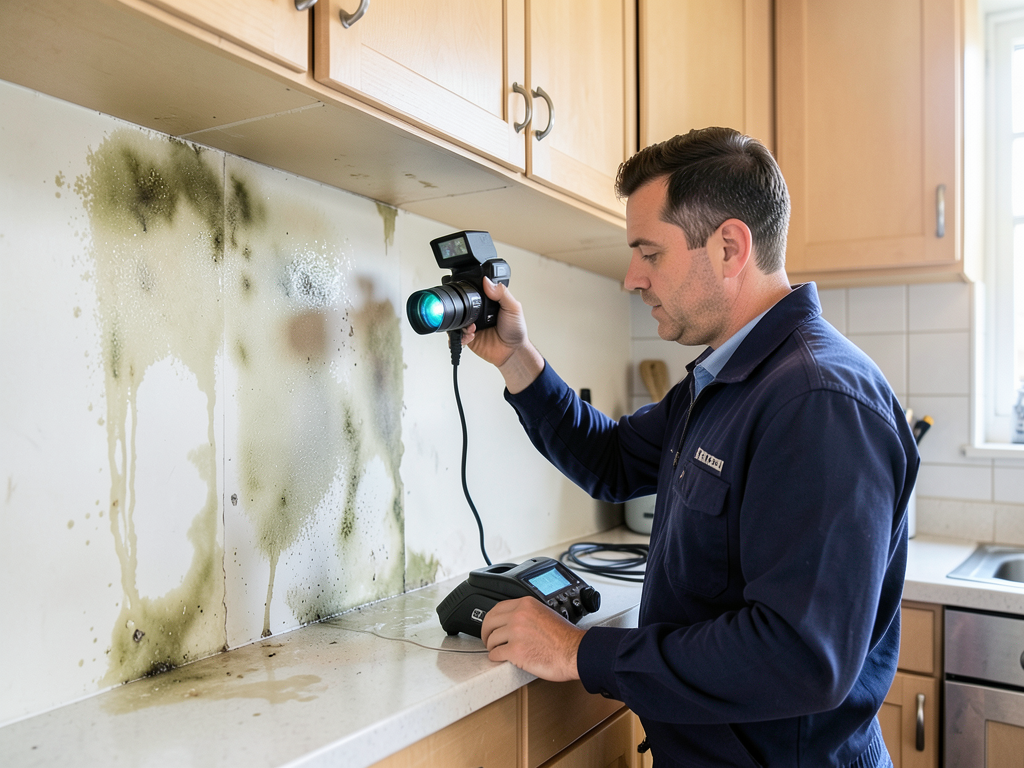
Restoration professionals use moisture meters and thermal imaging cameras to detect hidden water damage. These tools identify moisture behind walls under floors and in other concealed areas where pests might be hiding.
Technicians assess the extent of water damage and identify all affected materials. This thorough evaluation ensures no moisture sources remain that could support pest populations. The assessment also includes checking for existing pest activity and damage.
Water Extraction and Drying
Standing water requires immediate removal using industrial pumps and vacuums. After extraction powerful air movers and dehumidifiers dry affected areas. This process typically takes three to five days depending on the damage extent.
Proper drying prevents mold growth which would attract additional pests. Restoration professionals monitor moisture levels throughout the drying process ensuring complete elimination of all moisture sources that could support pest populations.
Removal of Damaged Materials
Water-damaged materials that cannot be salvaged must be removed. This includes saturated drywall insulation and flooring. These materials often harbor pests and their eggs making removal essential for complete pest elimination.
Removal also eliminates potential nesting sites. Pests often establish colonies in damaged materials making their removal a critical step in breaking the pest life cycle. This step ensures pests cannot reestablish themselves in your kitchen.
Cleaning and Sanitization
Professional cleaning removes contaminants left by both water damage and pests. This includes sanitizing surfaces to eliminate bacteria and pathogens. Special attention goes to areas where pests were active including their droppings and shed skins.
Cleaning also removes food sources that might attract pests. This comprehensive sanitization ensures your kitchen is not only dry but also clean and pest-resistant. Some restoration companies offer antimicrobial treatments for added protection.
Repair and Restoration
Once areas are dry and clean repairs begin. This might include replacing drywall installing new flooring or repairing cabinets. These repairs restore your kitchen’s functionality while eliminating the conditions that attracted pests. EPA Mold Information.
Restoration professionals can also identify and fix the source of water damage preventing future moisture problems. This might involve repairing plumbing fixing roof leaks or improving ventilation. Addressing these issues ensures pests won’t return due to new moisture problems.
Preventing Future Pest Problems
After restoration preventing future pest problems requires ongoing vigilance. These strategies help maintain a pest-free kitchen in your Seffner home.
Regular Inspections
Conduct monthly inspections of your kitchen looking for signs of moisture or pest activity. Check under sinks around appliances and in cabinets. Early detection allows you to address problems before they become severe infestations.
Pay attention to changes in your home’s smell or any new pest sightings. These could indicate developing moisture problems. Regular inspections help you catch issues while they’re still manageable without professional intervention.
Moisture Control
Maintain indoor humidity between 30 and 50 percent using dehumidifiers if necessary. This range discourages pest activity while remaining comfortable for humans. In Seffner’s humid climate this might require year-round humidity management.
Fix leaks immediately no matter how small. A dripping faucet or small pipe leak provides enough water for pests to survive. Regular plumbing maintenance prevents these moisture sources from developing into larger problems.
Proper Ventilation
Ensure your kitchen has adequate ventilation particularly around appliances that produce moisture. Use exhaust fans when cooking and consider installing additional ventilation in problem areas. Proper airflow helps prevent condensation and moisture buildup.
Check that vents are clean and unobstructed. Blocked vents can cause moisture to accumulate in walls and ceilings creating hidden areas where pests can thrive. Regular vent maintenance is essential for moisture control.
Sealing Entry Points
Pests can enter through surprisingly small openings. Seal cracks and gaps around pipes windows and doors using appropriate materials. Pay special attention to areas where utilities enter your home as these often provide pest access routes.
Repair damaged screens and ensure doors close tightly. While sealing doesn’t address moisture problems it prevents new pests from entering your home. Combined with moisture control this creates a comprehensive pest prevention strategy.
When to Call Professionals
While some moisture problems can be handled independently severe water damage and pest infestations require professional help. Knowing when to call experts saves you time money and frustration.
Extent of Damage
Call professionals when water damage affects large areas or multiple rooms. Extensive damage requires specialized equipment and expertise to properly dry and restore. Professionals also have the training to identify hidden damage that might not be immediately visible.
Large-scale water damage often indicates problems with your home’s structure or plumbing. These issues require professional assessment and repair to prevent recurrence. DIY attempts on major damage often lead to incomplete drying and recurring problems.
Persistent Pest Problems
If you’ve tried DIY pest control without success the underlying moisture problem likely persists. Professional restoration addresses this root cause while pest control only treats symptoms. This comprehensive approach provides lasting solutions rather than temporary relief.
Multiple pest species or severe infestations indicate established populations supported by available resources. These situations require professional intervention to break the pest life cycle and eliminate all harborage areas.
Health Concerns
Call professionals when you notice mold growth or experience health symptoms like respiratory issues or allergic reactions. Mold can develop within 24 to 48 hours of water exposure and poses serious health risks. Professional remediation ensures safe removal of mold and contaminated materials.
Pest infestations can also trigger allergies and asthma. Professional restoration eliminates both moisture and pests creating a healthier home environment. This is particularly important for households with children elderly individuals or people with compromised immune systems.
Insurance Considerations
Many insurance policies require professional assessment and documentation for water damage claims. DIY attempts might void coverage or complicate the claims process. Professional restoration companies work directly with insurance providers ensuring proper documentation and coverage.
Professionals also provide detailed estimates and documentation needed for insurance claims. This expertise helps you navigate the claims process and ensures you receive appropriate compensation for restoration work.
Local Factors Affecting Water Damage and Pests in Seffner
Seffner’s unique location and climate create specific challenges for homeowners dealing with water damage and pests. Understanding these local factors helps you better protect your home. The Carrollwood Homeowner Guide to Fast Mold Removal and Testing.
Climate Considerations
Seffner experiences high humidity levels throughout the year often exceeding 80 percent. This constant moisture in the air creates ideal conditions for both water damage and pest activity. Even without active leaks humidity alone can cause condensation and moisture problems in your kitchen.
Summer thunderstorms and hurricane season bring heavy rainfall that can overwhelm drainage systems and cause flooding. These weather events often reveal existing vulnerabilities in your home’s water management systems. Regular maintenance becomes crucial during these high-risk seasons.
Soil and Foundation Issues
Seffner’s soil composition includes clay and sandy mixtures that affect how water moves around your home. Clay soil expands when wet creating pressure on foundation walls. This pressure can cause cracks that allow water intrusion and provide pest entry points.
The area’s high water table means groundwater is often close to the surface. This proximity increases the risk of basement or crawl space flooding during heavy rains. These below-grade areas often harbor moisture problems that affect your entire home.
Local Building Practices
Many Seffner homes were built during rapid development periods using construction methods that may not meet current moisture management standards. Older homes might lack proper vapor barriers or have outdated plumbing that’s prone to leaks.
Local building codes have evolved to address moisture management but many existing homes predate these requirements. Understanding your home’s construction era helps you identify potential vulnerabilities to water damage and pest intrusion.
Common Local Pest Species
Seffner’s climate supports specific pest species that thrive in our area. Besides the common cockroaches and silverfish we also deal with Florida carpenter ants which are particularly problematic in our humid environment. These ants establish satellite colonies in wall voids and are drawn to moisture-damaged wood.
Formosan termites are another local concern. These aggressive termites need moisture to survive and are particularly attracted to water-damaged wood. Their presence often indicates underlying moisture problems that require immediate attention.
Cost Factors for Professional Restoration
Understanding the factors that affect restoration costs helps you prepare for professional intervention. While specific prices vary these considerations influence your final investment.
Damage Extent
The size of the affected area directly impacts restoration costs. Small areas under 100 square feet typically cost less to restore than extensive damage affecting multiple rooms. The depth of water penetration also affects pricing since water in walls and floors requires more extensive remediation.
Category of water damage influences costs. Clean water from supply lines costs less to remediate than contaminated water from sewage backups or flooding. Contaminated water requires additional safety measures and disposal procedures increasing overall expenses.
Materials and Finishes
The types of materials affected influence restoration complexity and cost. Hardwood flooring requires specialized drying techniques while laminate flooring often needs replacement. Custom cabinetry and high-end finishes increase restoration costs due to their value and complexity.
Age and condition of existing materials affect whether items can be restored or must be replaced. Older materials might not withstand restoration processes requiring complete replacement. This factor particularly affects historic homes in areas like Ybor City.
Accessibility
Hard-to-reach areas increase restoration costs due to additional labor and equipment needs. Water in crawl spaces behind walls or under cabinets requires more time and specialized equipment to access and remediate. Limited access also extends project duration affecting overall costs.
Multi-story homes or properties with complex layouts may require additional equipment and labor to properly address water damage throughout the structure. These factors influence both equipment needs and project duration.
Urgency and Timing
Emergency services outside normal business hours typically cost more due to overtime rates and immediate response requirements. However the additional cost often proves worthwhile since rapid response prevents further damage and reduces overall restoration needs.
Seasonal demand affects pricing with peak hurricane season often seeing higher rates due to increased demand for restoration services. Planning ahead and establishing relationships with restoration companies can help manage these cost variations.
Frequently Asked Questions
How quickly do pests appear after water damage occurs?
Pests can appear within days of water damage occurring. Cockroaches may show up within 72 hours as they search for new water sources. Silverfish populations establish more slowly but can become noticeable within two to three weeks if humidity remains high. The exact timeline depends on nearby pest populations and the extent of available moisture.
Can I handle water damage and pest problems myself?
Small isolated moisture problems might be manageable with DIY approaches but significant water damage requires professional equipment and expertise. Consumer-grade dehumidifiers cannot match the drying power of professional equipment. Additionally DIY attempts often miss hidden moisture that continues supporting pest populations. Professional assessment ensures complete moisture elimination.
Will pest control alone solve my problem?
No pest control alone provides only temporary relief. Killing existing pests doesn’t eliminate the moisture that attracted them. New pests will continue entering your home as long as moisture remains available. Professional restoration addresses the root cause while pest control might be used as a supplementary measure after moisture elimination.
How can I tell if I have termites versus water damage?
Both conditions can cause similar visible damage but have different indicators. Termite damage often includes mud tubes on foundation walls discarded wings near windows and hollow-sounding wood when tapped. Water damage typically shows staining warping or soft spots without the mud tubes. Professional inspection using moisture meters and termite detection tools provides definitive identification.
Does homeowner’s insurance cover pest damage from water leaks?
Insurance coverage varies significantly by policy and circumstances. Sudden accidental water damage is often covered but gradual leaks causing pest damage might be excluded as maintenance issues. Some policies cover secondary damage like mold growth if the initial water damage is covered. Review your specific policy and consult with your insurance provider about coverage details.
How long does professional restoration take?
Restoration timelines vary based on damage extent but typical projects follow this pattern: initial assessment (1 day) water extraction and drying (3-5 days) removal of damaged materials (1-2 days) cleaning and sanitization (1-2 days) repairs and restoration (variable). Complete restoration often takes one to two weeks but complex cases might require longer. Your restoration company should provide specific timelines after initial assessment.
What should I do immediately after discovering water damage?
First ensure safety by turning off electricity if water contacts outlets or appliances. Stop the water source if possible by shutting off the main valve. Remove valuable items from affected areas. Document damage with photos for insurance purposes. Contact a professional restoration company immediately since rapid response prevents further damage and pest attraction. Avoid DIY cleanup attempts that might spread contamination or miss hidden moisture.
Take Action Against Water Damage and Pests
Don’t let water damage and pests take over your Seffner kitchen. The connection between moisture and pest infestations means you need a comprehensive solution that addresses both problems simultaneously. Professional restoration eliminates the moisture that attracts pests while repairing the damage they’ve caused.
Fortress Water Damage Restoration understands the unique challenges Seffner homeowners face with our humid climate and common pest species. Our team uses advanced moisture detection equipment and industrial drying technology to ensure complete elimination of all water sources that could support pest populations.
Whether you’re dealing with a current infestation or want to prevent future problems our comprehensive approach addresses both immediate concerns and long-term prevention. We serve not just Seffner but surrounding communities including Brandon and Plant City providing rapid emergency response when you need it most.
Don’t wait until pests have established colonies in your water-damaged kitchen. Early intervention prevents extensive damage and makes restoration more affordable. Contact Fortress Water Damage Restoration today at (656) 219-8088 for 24/7 emergency service. Our experienced technicians will assess your situation provide a clear plan and restore your kitchen to a pest-free dry condition.
Your home deserves professional care that addresses both water damage and pest prevention. Trust the local experts who understand Seffner’s unique challenges and provide lasting solutions. Call us now to schedule your inspection and take the first step toward a dry pest-free kitchen.
- Identify the Problem
Look for signs of moisture damage and pest activity. Check under sinks around appliances and in cabinets for water stains pest droppings or unusual odors.
- Stop the Water Source
Fix leaks shut off water to affected areas or address flooding sources. This prevents further damage and removes the primary attractant for pests.
- Call Professionals
Professional restoration companies have the equipment and expertise to properly dry affected areas and identify hidden moisture that DIY methods miss.
- Allow Complete Drying
Professional drying typically takes 3-5 days. Rushing this process leaves moisture that continues supporting pest populations.
- Repair and Restore
Replace damaged materials fix structural issues and address any pest entry points discovered during the restoration process.
- Implement Prevention
Maintain proper humidity levels fix new leaks promptly and conduct regular inspections to prevent recurrence of both water damage and pest problems. For more information, visit CDC Mold FAQs. For more information, visit IICRC S500 Standards.
{
“@context”: “https://schema.org”,
“@type”: “BlogPosting”,
“headline”: “Why Silverfish and Cockroaches Love Your Water Damaged Seffner Kitchen”,
“description”: “Learn why pests thrive in water-damaged kitchens and how to stop infestations in Seffner. Call Fortress Water Damage Restoration at (656) 219-8088 for 24/7 emergency service.”,
“wordCount”: 3723,
“datePublished”: “2026-06-26T10:37:00.000Z”,
“dateModified”: “2026-06-26T10:37:00.000Z”,
“inLanguage”: “en-US”,
“mainEntityOfPage”: {
“@type”: “WebPage”,
“@id”: “https://fortresswaterdamagerestorationtampa.com”
},
“publisher”: {
“@type”: “LocalBusiness”,
“name”: “Fortress Water Damage Restoration Tampa”,
“url”: “https://fortresswaterdamagerestorationtampa.com”
},
“author”: {
“@type”: “Organization”,
“name”: “Fortress Water Damage Restoration Tampa”,
“url”: “https://fortresswaterdamagerestorationtampa.com”
},
“image”: {
“@type”: “ImageObject”,
“url”: “https://fortresswaterdamagerestorationtampa.com/wp-content/uploads/2026/03/why-silverfish-and-cockroaches-love-your-water-dam-1.png”
}
}
{
“@context”: “https://schema.org”,
“@type”: “LocalBusiness”,
“name”: “Fortress Water Damage Restoration Tampa”,
“url”: “https://fortresswaterdamagerestorationtampa.com”,
“address”: {
“@type”: “PostalAddress”,
“addressLocality”: “Tampa”
},
“areaServed”: {
“@type”: “City”,
“name”: “Tampa”
}
}
{
“@context”: “https://schema.org”,
“@type”: “FAQPage”,
“mainEntity”: [
{
“@type”: “Question”,
“name”: “How quickly do pests appear after water damage occurs?”,
“acceptedAnswer”: {
“@type”: “Answer”,
“text”: “Pests can appear within days of water damage occurring. Cockroaches may show up within 72 hours as they search for new water sources. Silverfish populations establish more slowly but can become noticeable within two to three weeks if humidity remains high. The exact timeline depends on nearby pest populations and the extent of available moisture.”
}
},
{
“@type”: “Question”,
“name”: “Can I handle water damage and pest problems myself?”,
“acceptedAnswer”: {
“@type”: “Answer”,
“text”: “Small isolated moisture problems might be manageable with DIY approaches but significant water damage requires professional equipment and expertise. Consumer-grade dehumidifiers cannot match the drying power of professional equipment. Additionally DIY attempts often miss hidden moisture that continues supporting pest populations. Professional assessment ensures complete moisture elimination.”
}
},
{
“@type”: “Question”,
“name”: “Will pest control alone solve my problem?”,
“acceptedAnswer”: {
“@type”: “Answer”,
“text”: “No pest control alone provides only temporary relief. Killing existing pests doesn’t eliminate the moisture that attracted them. New pests will continue entering your home as long as moisture remains available. Professional restoration addresses the root cause while pest control might be used as a supplementary measure after moisture elimination.”
}
},
{
“@type”: “Question”,
“name”: “How can I tell if I have termites versus water damage?”,
“acceptedAnswer”: {
“@type”: “Answer”,
“text”: “Both conditions can cause similar visible damage but have different indicators. Termite damage often includes mud tubes on foundation walls discarded wings near windows and hollow-sounding wood when tapped. Water damage typically shows staining warping or soft spots without the mud tubes. Professional inspection using moisture meters and termite detection tools provides definitive identification.”
}
},
{
“@type”: “Question”,
“name”: “Does homeowner’s insurance cover pest damage from water leaks?”,
“acceptedAnswer”: {
“@type”: “Answer”,
“text”: “Insurance coverage varies significantly by policy and circumstances. Sudden accidental water damage is often covered but gradual leaks causing pest damage might be excluded as maintenance issues. Some policies cover secondary damage like mold growth if the initial water damage is covered. Review your specific policy and consult with your insurance provider about coverage details.”
}
},
{
“@type”: “Question”,
“name”: “How long does professional restoration take?”,
“acceptedAnswer”: {
“@type”: “Answer”,
“text”: “Restoration timelines vary based on damage extent but typical projects follow this pattern: initial assessment (1 day) water extraction and drying (3-5 days) removal of damaged materials (1-2 days) cleaning and sanitization (1-2 days) repairs and restoration (variable). Complete restoration often takes one to two weeks but complex cases might require longer. Your restoration company should provide specific timelines after initial assessment.”
}
},
{
“@type”: “Question”,
“name”: “What should I do immediately after discovering water damage?”,
“acceptedAnswer”: {
“@type”: “Answer”,
“text”: “First ensure safety by turning off electricity if water contacts outlets or appliances. Stop the water source if possible by shutting off the main valve. Remove valuable items from affected areas. Document damage with photos for insurance purposes. Contact a professional restoration company immediately since rapid response prevents further damage and pest attraction. Avoid DIY cleanup attempts that might spread contamination or miss hidden moisture.”
}
}
]
}
{
“@context”: “https://schema.org”,
“@type”: “HowTo”,
“name”: “Steps to Address Water Damage and Pest Problems”,
“step”: [
{
“@type”: “HowToStep”,
“position”: 1,
“name”: “Identify the Problem”,
“text”: “Look for signs of moisture damage and pest activity. Check under sinks around appliances and in cabinets for water stains pest droppings or unusual odors.”
},
{
“@type”: “HowToStep”,
“position”: 2,
“name”: “Stop the Water Source”,
“text”: “Fix leaks shut off water to affected areas or address flooding sources. This prevents further damage and removes the primary attractant for pests.”
},
{
“@type”: “HowToStep”,
“position”: 3,
“name”: “Call Professionals”,
“text”: “Professional restoration companies have the equipment and expertise to properly dry affected areas and identify hidden moisture that DIY methods miss.”
},
{
“@type”: “HowToStep”,
“position”: 4,
“name”: “Allow Complete Drying”,
“text”: “Professional drying typically takes 3-5 days. Rushing this process leaves moisture that continues supporting pest populations.”
},
{
“@type”: “HowToStep”,
“position”: 5,
“name”: “Repair and Restore”,
“text”: “Replace damaged materials fix structural issues and address any pest entry points discovered during the restoration process.”
},
{
“@type”: “HowToStep”,
“position”: 6,
“name”: “Implement Prevention”,
“text”: “Maintain proper humidity levels fix new leaks promptly and conduct regular inspections to prevent recurrence of both water damage and pest problems. For more information, visit CDC Mold FAQs. For more information, visit IICRC S500 Standards.”
}
],
“image”: “https://fortresswaterdamagerestorationtampa.com/wp-content/uploads/2026/03/why-silverfish-and-cockroaches-love-your-water-dam-1.png”
}
{
“@context”: “https://schema.org”,
“@type”: “BreadcrumbList”,
“itemListElement”: [
{
“@type”: “ListItem”,
“position”: 1,
“name”: “Home”,
“item”: “https://fortresswaterdamagerestorationtampa.com”
},
{
“@type”: “ListItem”,
“position”: 2,
“name”: “Blog”,
“item”: “https://fortresswaterdamagerestorationtampa.com/blog”
},
{
“@type”: “ListItem”,
“position”: 3,
“name”: “Why Silverfish and Cockroaches Love Your Water Damaged Seffner Kitchen”
}
]
}
{
“@context”: “https://schema.org”,
“@type”: “Service”,
“serviceType”: “Water Damage Restoration”,
“provider”: {
“@type”: “LocalBusiness”,
“name”: “Fortress Water Damage Restoration Tampa”,
“url”: “https://fortresswaterdamagerestorationtampa.com”
},
“areaServed”: {
“@type”: “City”,
“name”: “Tampa”
},
“description”: “Learn why pests thrive in water-damaged kitchens and how to stop infestations in Seffner. Call Fortress Water Damage Restoration at (656) 219-8088 for 24/7 emergency service.”
}