
Understanding Water Damage Responsibility in Tampa Rentals
When water starts pouring through your ceiling in a Ybor City loft, panic sets in fast. The first question racing through your mind isn’t about restoration techniques—it’s “Who pays for this?” Understanding the legal framework can save you thousands of dollars and weeks of stress. Expert Water Extraction and Drying for Davis Islands Waterfront Homes.
Florida law provides clear guidelines for water damage responsibility in rental properties, but the devil is in the details. The humid Tampa climate means water damage happens more frequently here than in other parts of the country, making this knowledge essential for every renter and landlord in the area. Florida Statute 83.51.
Florida Statute 83.51: The Foundation of Landlord Responsibility
Florida Statute 83.51 establishes the “implied warranty of habitability” that every landlord must maintain. This law requires landlords to keep rental properties in a condition fit for human habitation, which includes proper plumbing, roofing, and structural integrity.
The statute specifically mandates that landlords must comply with building codes, maintain all systems in good working order, and keep the premises free from vermin infestation. When it comes to water damage, this means the landlord is responsible for maintaining the roof, plumbing pipes, and any structural elements that could allow water intrusion. Getting Your Water Damage Insurance Claim Approved in Tampa (And Who to Call First).
However, the law also places duties on tenants. You must use the property in a reasonable manner, keep it clean and sanitary, and promptly notify the landlord of any defects or needed repairs. Failure to report a small leak can turn a minor repair into a major reconstruction project, potentially shifting financial responsibility.
When the Landlord is Liable: Habitability and Structural Failures
Landlords bear financial responsibility for water damage when the source originates from their maintained systems or structures. Common scenarios include: Fixing a Water Damaged Ceiling in Your Town ‘n’ Country Home Before it Collapses.
- Roof leaks from aging or storm-damaged roofing materials
- Burst pipes in walls or ceilings due to material failure
- Plumbing system failures in walls or under floors
- Foundation cracks allowing groundwater intrusion
- AC condensate line backups affecting multiple units
In Ybor City’s historic buildings, many constructed in the early 1900s, these issues are particularly common. The area’s high water table and frequent afternoon thunderstorms create perfect conditions for water intrusion through aging foundations and roofs. Water Damage Restoration Ruskin.
Under Florida law, landlords must repair these issues within a reasonable time after receiving written notice. If they fail to do so, tenants may have grounds to withhold rent or terminate the lease. However, this doesn’t automatically mean the landlord pays for all resulting damage—the cause matters significantly. Water Damage Restoration Cost 2026.
When the Tenant is Liable: Negligence and Failure to Report
Tenants become financially responsible when their actions or inactions cause or worsen water damage. This includes:. Read more about Managing the Complexities of Water Damage in a Downtown Tampa High-Rise Condo.
- Overflowing sinks or toilets due to improper use
- Leaving windows open during rainstorms
- Neglecting to report visible leaks that worsen over time
- Installing appliances improperly or modifying plumbing without permission
- Causing plumbing clogs through improper disposal of materials
The key factor is negligence. If you knew about a problem and failed to report it, courts may hold you partially responsible for the resulting damage. This is especially true in Tampa’s climate, where a small leak can become a major mold infestation within 24-48 hours due to high humidity levels.. Read more about Dealing With Humidity Damage in Channelside High Rise Condos When the AC Fails.
Your lease agreement may also specify additional responsibilities. Some Ybor City landlords include clauses requiring tenants to maintain certain appliances or handle minor repairs under a specific dollar amount. Always read your lease carefully before signing.
Common Water Damage Scenarios in Tampa Rentals
Tampa’s unique climate and building characteristics create specific water damage patterns that affect who pays for restoration. Understanding these scenarios helps you prepare and respond appropriately.
AC Condensate Line Backups
Florida’s heat means air conditioning runs almost year-round. When condensate lines back up, they can cause significant water damage to ceilings and walls. In multi-unit buildings common in Ybor City, a backup in one unit can affect the unit below.
Responsibility depends on the source. If the backup results from a clogged main line maintained by the landlord, they typically pay. If it’s caused by a dirty filter or neglected maintenance by the tenant, the tenant may be liable.
Hurricane and Storm-Related Damage
Tampa’s vulnerability to hurricanes creates unique challenges. When a storm damages your roof and causes interior water damage, the landlord is generally responsible for structural repairs. However, if you failed to secure windows or left personal property in areas prone to flooding, you might bear responsibility for damage to your belongings.
Most landlord insurance policies cover structural damage from named storms, but they don’t cover tenant belongings. This is where renter’s insurance becomes crucial.
Burst Pipes and Plumbing Failures
Older Ybor City buildings often have aging plumbing systems. When pipes burst due to material failure or freezing (yes, it happens occasionally in Tampa), the landlord typically pays for structural repairs. However, if the burst results from tenant actions like pouring grease down drains or hanging items from pipes, the tenant may be liable.
The timing of discovery also matters. A pipe that bursts while you’re home and can shut off the water immediately causes less damage than one that leaks for days while you’re on vacation.
The Role of Insurance: Renter’s vs. Landlord Policies
Understanding the difference between renter’s insurance and landlord insurance is crucial for determining who pays for what in water damage scenarios.
| Coverage Type | Landlord Insurance (DP-3) | Renter’s Insurance (HO-4) |
|---|---|---|
| Building Structure | ✓ Covers walls, roof, floors | ✗ Tenant responsibility |
| Personal Belongings | ✗ Only landlord’s items | ✓ Covers tenant’s property |
| Temporary Housing | ✓ Loss of use coverage | ✓ Additional living expenses |
| Water Damage Source | Sudden/accidental only | Sudden/accidental only |
| Mold Coverage | Limited, often excluded | Limited, often excluded |
Most landlord policies in Tampa cover sudden and accidental water damage but exclude gradual damage or damage from neglected maintenance. This means if a small leak goes unreported for months, the landlord’s insurance might deny the claim, leaving you potentially responsible for repairs.
Renter’s insurance, typically costing $15-30 per month in Tampa, covers your personal belongings and often includes liability protection if you accidentally cause water damage to the unit below you. Given Tampa’s high humidity and mold risks, this coverage is essential.
Immediate Steps to Take When Water Damage Occurs
When you discover water damage in your Ybor City apartment, your actions in the first 24-48 hours can significantly impact who pays for restoration and how much damage occurs. Here’s what to do:
- Stop the Water Source
Locate the main water shut-off valve, typically in a utility closet or near the water heater. Turning off the water prevents additional damage while you determine the source.
- Document Everything
Take photos and videos of all damaged areas before cleaning up anything. Document the water’s extent, affected belongings, and any visible damage to walls, floors, or ceilings. This documentation is crucial for insurance claims.
- Notify Your Landlord Immediately
Send written notice via email or text message, then follow up with a formal letter. Florida law requires tenants to provide written notice of defects, and this documentation protects you if disputes arise later.
- Mitigate Further Damage
Move undamaged belongings to dry areas, use fans to circulate air, and place buckets under active leaks. However, don’t make permanent repairs without landlord approval, as this could affect insurance claims.
- Review Your Lease Agreement
Check for clauses about maintenance responsibilities, repair procedures, and insurance requirements. Some leases specify who handles emergency repairs and under what conditions.
In Tampa’s climate, acting within the first 24-48 hours is critical. Mold can begin growing on damp surfaces within this timeframe, potentially creating additional liability issues and health concerns. The longer water sits, the more expensive restoration becomes.
How Professional Restoration Protects Both Parties
Professional water damage restoration companies like Fortress Water Damage Restoration Tampa play a crucial role in determining liability and ensuring proper repairs. Their expertise helps establish the cause of damage, which directly impacts who pays for restoration.
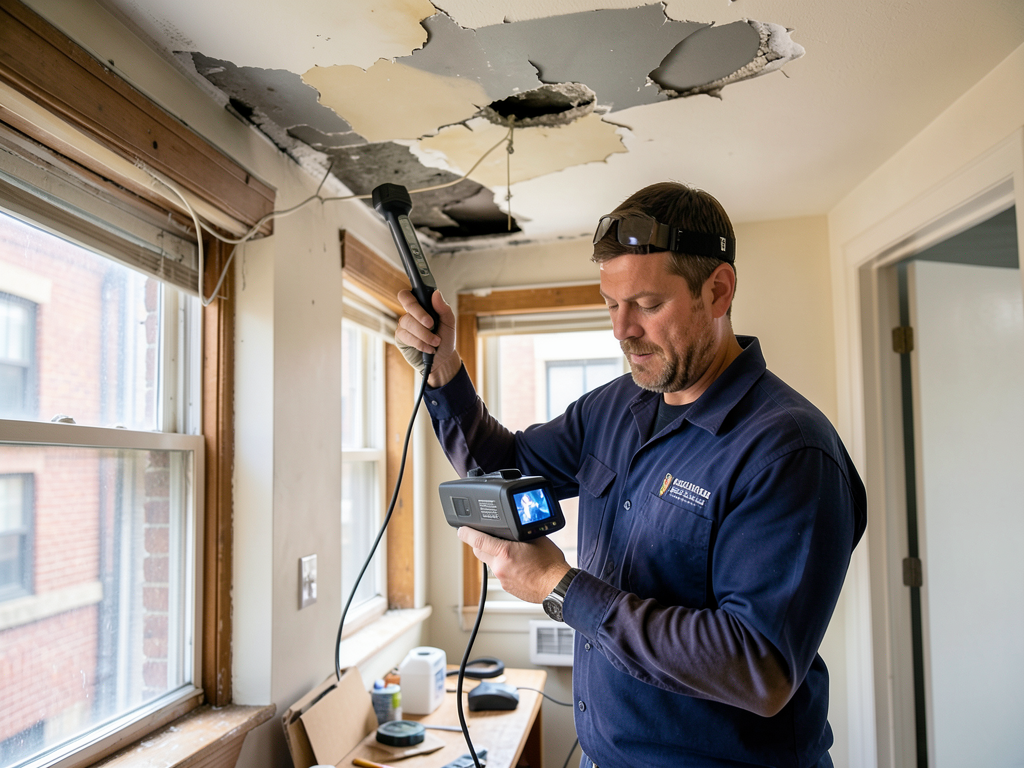
Certified technicians use moisture meters, thermal imaging, and other diagnostic tools to determine the water’s source and how long it has been present. This information is vital for insurance claims and liability determination. For instance, if they find mold growth behind walls, it suggests the leak has been present for weeks or months, potentially shifting responsibility to the tenant for failing to report it.
Professional restoration also ensures repairs meet Florida building codes and IICRC S500 standards for water damage restoration. This is particularly important in Ybor City’s historic district, where renovations must comply with specific preservation guidelines. IICRC S500 Standards.
Restoration companies typically work directly with insurance adjusters to document damage, provide cost estimates, and ensure all necessary repairs are included in the claim. This coordination can prevent disputes between tenants and landlords about what repairs are necessary and who should pay.. Read more about The Pros and Cons of Working With a Public Adjuster for Your Tampa Water Claim.
Security Deposits and Water Damage Deductions
Florida law allows landlords to deduct from security deposits for damages beyond normal wear and tear. Water damage can be a contentious issue because the line between normal wear and excessive damage isn’t always clear.
Landlords must provide an itemized list of damages and their costs within 30 days of move-out. For water damage, this might include:
- Repair costs for damaged flooring, drywall, or cabinetry
- Mold remediation expenses if negligence is proven
- Painting or refinishing costs for water-stained surfaces
- Replacement costs for irreparably damaged fixtures
However, landlords cannot deduct for normal wear and tear, which includes minor scuffs, small nail holes, or gradual fading from sunlight. A small water spot that appeared over months of normal use might be considered wear and tear, while a large stain from an overflowing bathtub would likely be excessive damage.
If you disagree with deductions, you have the right to dispute them in small claims court. Documentation becomes crucial here—photos from move-in, maintenance requests, and professional assessments can support your case.
Preventing Water Damage: Tenant Best Practices
While you can’t control every water damage scenario, many issues are preventable with proper maintenance and awareness. Here are practices that protect both you and your security deposit:
- Regularly inspect under sinks and around appliances for signs of moisture
- Clean AC filters monthly and ensure condensate lines flow freely
- Never pour grease or coffee grounds down drains
- Use exhaust fans when cooking or showering to reduce humidity
- Report even minor leaks immediately—small problems become expensive quickly
- Keep windows closed during rainstorms, especially in historic Ybor City buildings
- Know the location of your water shut-off valve
Prevention is always cheaper than restoration. A $100 plumbing service call to fix a small leak is far less expensive than the thousands of dollars required to repair water-damaged drywall, flooring, and potential mold remediation.
Legal Resources and When to Seek Help
If you’re involved in a water damage dispute with your landlord, several resources can help you understand your rights and options. The Florida Bar Association provides free legal resources for tenants, and Hillsborough County Legal Aid offers assistance to qualifying residents.
For immediate emergencies, the City of Tampa Building Department can inspect properties for code violations that may be contributing to water damage. If your landlord refuses to make necessary repairs, you may file a complaint with the department, which can compel repairs through code enforcement.
In cases of severe neglect or uninhabitable conditions, Florida’s “constructive eviction” doctrine may allow you to break your lease without penalty. However, this is a complex legal area, and you should consult with an attorney before taking this step.
Remember that documentation is your best defense. Keep copies of all communications with your landlord, maintenance requests, and any professional assessments of damage. This paper trail can be invaluable if disputes escalate to legal proceedings.
Frequently Asked Questions
Who pays for water damage if I accidentally caused it?
If you caused the water damage through negligence or intentional actions, you’re typically responsible for repairs. This might include damage to your belongings and potentially damage to the building structure. Your renter’s insurance liability coverage may help, but you’ll likely need to pay any deductible.
Can my landlord charge me for water damage to my personal belongings?
No, your landlord’s insurance only covers the building structure, not your personal property. You need renter’s insurance to protect your belongings from water damage, theft, fire, and other perils. Without it, you’ll bear the full cost of replacing damaged items.
How long does my landlord have to fix water damage in Florida?
Florida law requires landlords to make repairs within a “reasonable time” after receiving written notice. For water damage that affects habitability (like lack of running water or severe leaks), courts often consider 7-14 days reasonable. For minor issues, up to 30 days may be acceptable.
Will my security deposit be forfeited for water damage?
Not necessarily. Your landlord can only deduct for damages beyond normal wear and tear. If the damage resulted from normal use or pre-existing conditions, they cannot charge you. However, if you caused the damage through negligence, they can deduct repair costs from your deposit.
Should I file an insurance claim for water damage?
Consider filing a claim if the damage exceeds your deductible and you’re not at fault. However, frequent claims can increase your insurance rates. For minor damage under $1,000, it might be better to handle repairs directly, especially if liability is unclear.
Take Action: Protect Yourself from Water Damage Liability
Water damage in your Ybor City rental doesn’t have to become a financial nightmare. Understanding your rights and responsibilities under Florida law gives you the power to protect yourself and your belongings. Remember these key points:
- Document everything—photos, videos, and written communications are crucial
- Report problems immediately, no matter how small they seem
- Maintain renter’s insurance to protect your belongings and provide liability coverage
- Know your lease terms and Florida’s landlord-tenant laws
- Act quickly when damage occurs to prevent escalation
When water damage strikes, time is your enemy. Mold can begin growing within 24-48 hours in Tampa’s humid climate, turning a simple leak into a major health hazard and expensive remediation project. Don’t wait to address water issues.
If you’re facing water damage in your Ybor City apartment or loft, contact Fortress Water Damage Restoration Tampa immediately at (656) 219-8088. Our certified technicians are available 24/7 to assess damage, work with your insurance company, and restore your property to pre-loss condition. We understand Tampa’s unique climate challenges and building characteristics, ensuring repairs that last in Florida’s demanding environment.
Don’t let water damage drain your bank account or ruin your living space. Take control by understanding your rights, maintaining proper insurance, and partnering with restoration professionals who know Ybor City inside and out. Your home deserves expert care, and you deserve peace of mind knowing who pays for what when water damage occurs.
{
“@context”: “https://schema.org”,
“@type”: “BlogPosting”,
“headline”: “Who Pays for Water Damage in a Rented Ybor City Apartment or Loft?”,
“description”: “Confused about who pays for water damage in your Ybor City rental? Learn your rights under Florida law, insurance requirements, and when to call for emergency restoration.”,
“wordCount”: 2480,
“datePublished”: “2026-04-25T09:36:00.000Z”,
“dateModified”: “2026-04-25T09:36:00.000Z”,
“inLanguage”: “en-US”,
“mainEntityOfPage”: {
“@type”: “WebPage”,
“@id”: “https://fortresswaterdamagerestorationtampa.com”
},
“publisher”: {
“@type”: “LocalBusiness”,
“name”: “Fortress Water Damage Restoration Tampa”,
“url”: “https://fortresswaterdamagerestorationtampa.com”
},
“author”: {
“@type”: “Organization”,
“name”: “Fortress Water Damage Restoration Tampa”,
“url”: “https://fortresswaterdamagerestorationtampa.com”
},
“image”: {
“@type”: “ImageObject”,
“url”: “https://fortresswaterdamagerestorationtampa.com/wp-content/uploads/2026/03/who-pays-for-water-damage-in-a-rented-ybor-city-ap-1.png”
}
}
{
“@context”: “https://schema.org”,
“@type”: “LocalBusiness”,
“name”: “Fortress Water Damage Restoration Tampa”,
“url”: “https://fortresswaterdamagerestorationtampa.com”,
“address”: {
“@type”: “PostalAddress”,
“addressLocality”: “Tampa”
},
“areaServed”: {
“@type”: “City”,
“name”: “Tampa”
}
}
{
“@context”: “https://schema.org”,
“@type”: “FAQPage”,
“mainEntity”: [
{
“@type”: “Question”,
“name”: “Who pays for water damage if I accidentally caused it?”,
“acceptedAnswer”: {
“@type”: “Answer”,
“text”: “If you caused the water damage through negligence or intentional actions, you’re typically responsible for repairs. This might include damage to your belongings and potentially damage to the building structure. Your renter’s insurance liability coverage may help, but you’ll likely need to pay any deductible.”
}
},
{
“@type”: “Question”,
“name”: “Can my landlord charge me for water damage to my personal belongings?”,
“acceptedAnswer”: {
“@type”: “Answer”,
“text”: “No, your landlord’s insurance only covers the building structure, not your personal property. You need renter’s insurance to protect your belongings from water damage, theft, fire, and other perils. Without it, you’ll bear the full cost of replacing damaged items.”
}
},
{
“@type”: “Question”,
“name”: “Will my security deposit be forfeited for water damage?”,
“acceptedAnswer”: {
“@type”: “Answer”,
“text”: “Not necessarily. Your landlord can only deduct for damages beyond normal wear and tear. If the damage resulted from normal use or pre-existing conditions, they cannot charge you. However, if you caused the damage through negligence, they can deduct repair costs from your deposit.”
}
},
{
“@type”: “Question”,
“name”: “Should I file an insurance claim for water damage?”,
“acceptedAnswer”: {
“@type”: “Answer”,
“text”: “Consider filing a claim if the damage exceeds your deductible and you’re not at fault. However, frequent claims can increase your insurance rates. For minor damage under $1,000, it might be better to handle repairs directly, especially if liability is unclear.”
}
}
]
}
{
“@context”: “https://schema.org”,
“@type”: “HowTo”,
“name”: “Emergency Water Damage Response”,
“step”: [
{
“@type”: “HowToStep”,
“position”: 1,
“name”: “Stop the Water Source”,
“text”: “Locate the main water shut-off valve, typically in a utility closet or near the water heater. Turning off the water prevents additional damage while you determine the source.”
},
{
“@type”: “HowToStep”,
“position”: 2,
“name”: “Document Everything”,
“text”: “Take photos and videos of all damaged areas before cleaning up anything. Document the water’s extent, affected belongings, and any visible damage to walls, floors, or ceilings. This documentation is crucial for insurance claims.”
},
{
“@type”: “HowToStep”,
“position”: 3,
“name”: “Notify Your Landlord Immediately”,
“text”: “Send written notice via email or text message, then follow up with a formal letter. Florida law requires tenants to provide written notice of defects, and this documentation protects you if disputes arise later.”
},
{
“@type”: “HowToStep”,
“position”: 4,
“name”: “Mitigate Further Damage”,
“text”: “Move undamaged belongings to dry areas, use fans to circulate air, and place buckets under active leaks. However, don’t make permanent repairs without landlord approval, as this could affect insurance claims.”
},
{
“@type”: “HowToStep”,
“position”: 5,
“name”: “Review Your Lease Agreement”,
“text”: “Check for clauses about maintenance responsibilities, repair procedures, and insurance requirements. Some leases specify who handles emergency repairs and under what conditions.”
}
],
“image”: “https://fortresswaterdamagerestorationtampa.com/wp-content/uploads/2026/03/who-pays-for-water-damage-in-a-rented-ybor-city-ap-1.png”
}
{
“@context”: “https://schema.org”,
“@type”: “BreadcrumbList”,
“itemListElement”: [
{
“@type”: “ListItem”,
“position”: 1,
“name”: “Home”,
“item”: “https://fortresswaterdamagerestorationtampa.com”
},
{
“@type”: “ListItem”,
“position”: 2,
“name”: “Blog”,
“item”: “https://fortresswaterdamagerestorationtampa.com/blog”
},
{
“@type”: “ListItem”,
“position”: 3,
“name”: “Who Pays for Water Damage in a Rented Ybor City Apartment or Loft?”
}
]
}
{
“@context”: “https://schema.org”,
“@type”: “Service”,
“serviceType”: “Water Damage Restoration”,
“provider”: {
“@type”: “LocalBusiness”,
“name”: “Fortress Water Damage Restoration Tampa”,
“url”: “https://fortresswaterdamagerestorationtampa.com”
},
“areaServed”: {
“@type”: “City”,
“name”: “Tampa”
},
“description”: “Confused about who pays for water damage in your Ybor City rental? Learn your rights under Florida law, insurance requirements, and when to call for emergency restoration.”
}