
The Warning Signs of Hidden Mold Growing Under Your Wallpaper in Bayshore Beautiful
Tampa’s high humidity creates the perfect conditions for mold to grow unseen behind wallpaper. In Bayshore Beautiful’s older homes with vintage wallcoverings, moisture often becomes trapped between the wall and decorative paper creating a hidden greenhouse effect. This guide shows you exactly what to look for before mold spreads through your walls.. Read more about The Home Buyer Guide to Spotting Hidden Water Damage During a Westchase Open House.
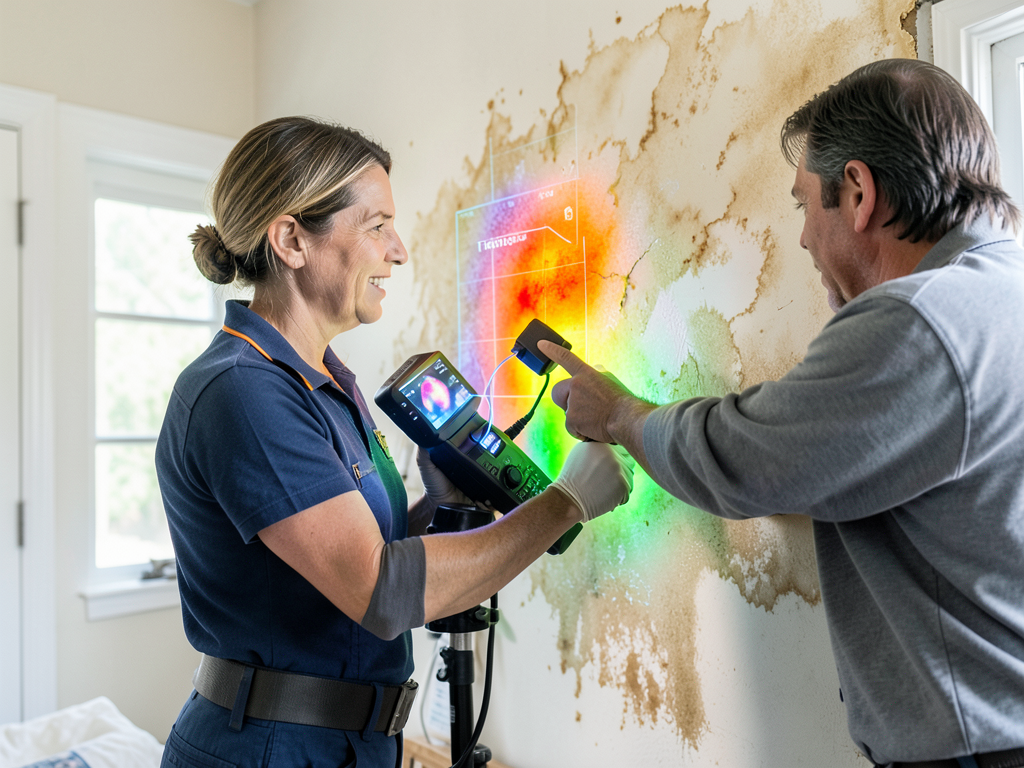
Visual Indicators of Hidden Mold Growth
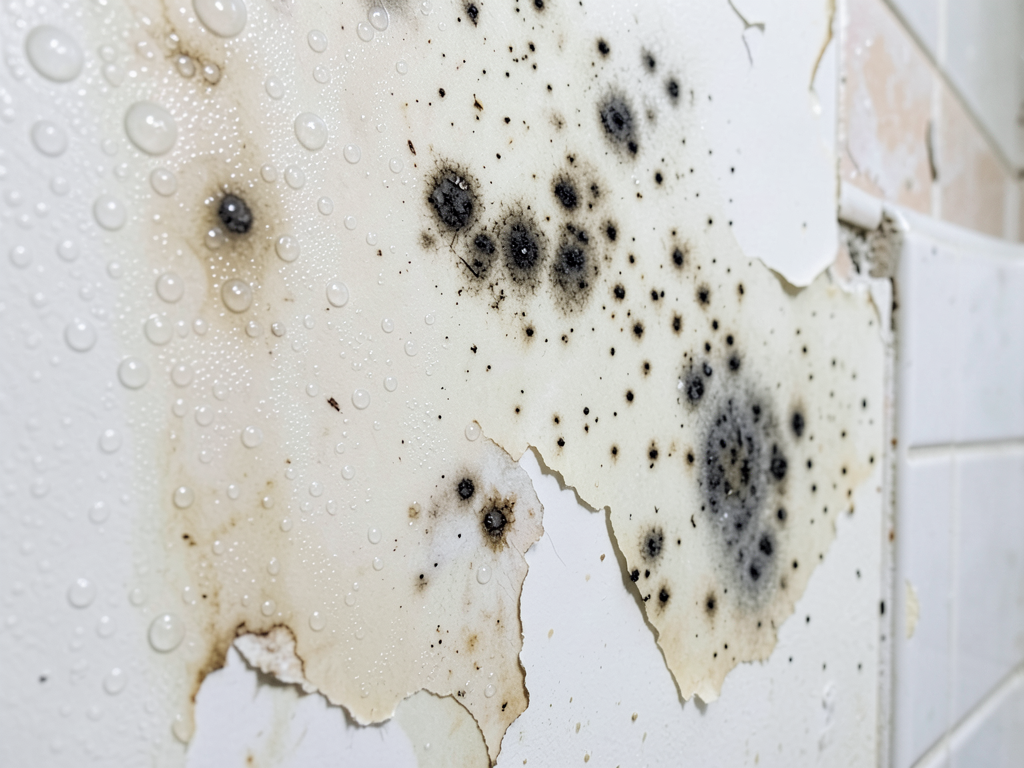
The first signs often appear as subtle changes in your wallpaper’s appearance. Bubbling or peeling sections indicate moisture has separated the adhesive from the wall surface. This separation creates the perfect environment for mold spores to take hold and multiply. EPA Mold Resources.
Look for areas where wallpaper develops an alligator-like texture with multiple small cracks and raised sections. These irregular patterns suggest moisture expansion beneath the surface. Dark spots or discoloration ranging from yellow to black may indicate mold colonies growing behind the paper.
Pink staining commonly appears in bathrooms and kitchens. This color often comes from Serratia marcescens bacteria rather than mold but still signals excessive moisture. True mold growth typically shows as black, green, or brown patches that may spread outward from a central point.
The ‘Musty’ Factor: Olfactory Signs
Your nose often detects mold problems before your eyes. A persistent earthy or damp smell that lingers even after cleaning indicates mold releasing microbial volatile organic compounds. These mVOCs create the characteristic musty odor associated with hidden mold growth.
The smell intensifies in humid conditions or when your HVAC system runs. As air circulates through wall cavities it carries these compounds into living spaces. You might notice the odor becomes stronger in certain rooms or near specific walls suggesting localized mold growth.
Unlike typical household odors that dissipate with ventilation, mold-related smells persist. They often return within hours after airing out a room. This persistence indicates an active mold colony releasing continuous emissions rather than a temporary moisture issue.
Health Symptoms Associated with Hidden Mold
Hidden mold affects your health through airborne spores and mVOCs. Residents often experience symptoms that worsen when spending time in affected rooms. These reactions occur even when mold remains completely invisible behind wallpaper.
Common symptoms include persistent coughing, sneezing, and nasal congestion that improves when leaving the house. Some people develop skin irritation or unexplained rashes. Others report frequent headaches or difficulty concentrating while indoors.
People with asthma or allergies typically experience more severe reactions. Wheezing, shortness of breath, and chest tightness may indicate mold spore exposure. Children, elderly individuals, and those with compromised immune systems face higher risks from prolonged exposure.
Document when symptoms occur and which rooms trigger them. This information helps identify problem areas and determines whether professional testing becomes necessary. Keep track of seasonal patterns since humidity fluctuations can intensify mold-related health effects.
Why Wallpaper is a Magnet for Mold in Florida
Florida’s climate creates unique challenges for wallcoverings. Our average relative humidity exceeds 70% year-round, often reaching 90% during summer months. This moisture-rich air penetrates building materials and becomes trapped behind wallpaper.
Vinyl wallpaper acts as a vapor barrier preventing moisture from escaping. When warm humid air contacts cool interior walls it creates condensation. This moisture becomes trapped between the vinyl surface and drywall creating ideal conditions for mold growth.
Traditional wallpaper adhesives contain organic materials that serve as food sources for mold. Wheat paste and cellulose-based glues break down in humid conditions. As these adhesives deteriorate they release nutrients that fuel mold colony expansion.
Many Bayshore Beautiful homes built before 1980 used wallpaper directly applied to drywall without proper sealing. Modern building codes require vapor barriers and moisture-resistant materials but older construction methods left walls vulnerable to moisture intrusion and subsequent mold growth.
Professional Inspection vs. DIY Testing
Attempting to inspect behind wallpaper yourself often makes problems worse. Peeling back sections releases thousands of mold spores into the air. These spores spread throughout your home contaminating previously unaffected areas.
Professional inspectors use specialized equipment to detect hidden moisture without damaging walls. Thermal imaging cameras identify temperature variations indicating moisture presence. Moisture meters measure water content within wall materials without requiring physical access. Expert Water Extraction and Drying for Davis Islands Waterfront Homes.
Air quality testing samples indoor air for mold spore concentrations. Elevated levels suggest active mold growth even when visual signs remain hidden. Surface sampling from wall cavities provides definitive identification of mold species present.
Professionals follow containment protocols preventing cross-contamination during inspections. They wear protective equipment and use negative air pressure systems to capture airborne spores. This approach protects your home while accurately diagnosing the extent of mold problems.
Immediate Steps for Tampa Residents
If you suspect hidden mold behind wallpaper take immediate action to prevent spread. Stop using HVAC systems in affected areas since they can distribute spores throughout your home. Seal off rooms showing signs of moisture or mold growth.
Document visible signs with photographs before making any changes. Note dates when symptoms began and track weather conditions during symptom onset. This information helps professionals assess the scope and timeline of mold growth.
Avoid using bleach or other cleaning products on suspected mold areas. These chemicals can actually promote mold growth by adding moisture and creating environments where certain mold species thrive. They also give false confidence that the problem has been addressed.
Contact certified mold remediation specialists who understand Florida’s unique climate challenges. They can assess whether moisture comes from roof leaks common in older Bayshore Beautiful homes or from high humidity levels affecting multiple properties in your area.
Common Moisture Sources in Tampa Homes
Identifying moisture sources prevents recurring mold problems. Roof leaks often go unnoticed until water travels through walls and appears as stains on interior surfaces. In Bayshore Beautiful’s historic homes, aging roof materials and flashing failures create entry points for water. Getting Your Water Damage Insurance Claim Approved in Tampa (And Who to Call First).
Plumbing leaks within walls provide constant moisture for mold growth. Small drips from supply lines or drain pipes create localized high humidity zones. These slow leaks may go undetected for months while mold establishes colonies behind wallpaper.
AC condensate lines commonly back up in Florida’s heat. When these drain lines clog, water overflows into wall cavities and ceiling spaces. The combination of moisture and cool temperatures creates perfect mold-growing conditions. Fixing a Water Damaged Ceiling in Your Town ‘n’ Country Home Before it Collapses.
Foundation moisture migration affects slab-on-grade homes common throughout Tampa. High water tables and sandy soil allow groundwater to wick through concrete foundations. This moisture rises through walls creating conditions favorable for mold growth at lower wall levels. Water Damage Restoration Ruskin.
Mold-Resistant Wallpaper Options
Modern wallcoverings offer better moisture resistance than traditional papers. Vinyl-coated papers provide a moisture barrier while remaining more breathable than solid vinyl. These materials allow some vapor transmission preventing condensation buildup.
Non-woven wallpapers use synthetic fibers that resist moisture absorption. These materials dry quickly when exposed to humidity preventing the prolonged moisture contact that promotes mold growth. They also allow walls to breathe reducing trapped moisture concerns.
Commercial-grade wallcoverings designed for humid environments incorporate antimicrobial treatments. These additives inhibit mold and mildew growth on the wallpaper surface. While not foolproof, they provide an additional defense against moisture-related problems.
Proper installation remains critical regardless of wallpaper type. Professional installers use moisture-resistant primers and sealants creating barriers between walls and wallcoverings. They also ensure proper overlap and seam sealing preventing moisture intrusion at vulnerable points.
Health Risks of Hidden Mold Exposure
Prolonged exposure to hidden mold creates various health concerns. Mycotoxins produced by certain mold species can cause neurological symptoms including memory problems, mood changes, and chronic fatigue. These effects often persist even after leaving the affected environment.
Respiratory issues represent the most common health impact. Mold spores irritate airways causing inflammation and increased mucus production. This irritation can trigger asthma attacks or create new respiratory sensitivities in previously healthy individuals.
Immune system responses to mold exposure vary among individuals. Some people develop hypersensitivity pneumonitis, an immune-mediated condition causing lung inflammation. Others experience systemic inflammatory responses affecting multiple body systems.
Children face particular risks from mold exposure. Their developing respiratory systems and higher respiratory rates increase their exposure relative to body size. Long-term exposure during critical developmental periods may contribute to chronic health conditions later in life.
Dangers of DIY Removal Without Containment
Removing moldy wallpaper without proper containment spreads contamination throughout your home. Each square foot of affected wallpaper can release millions of spores when disturbed. These microscopic particles remain airborne for days settling on every surface in your home.
Improper removal techniques often create larger problems than the original mold growth. Scraping or peeling wallpaper without moisture control releases both spores and mold fragments. These particles contain allergens and potentially toxic compounds that spread through your HVAC system.
DIY remediation frequently fails to address underlying moisture sources. Without identifying and correcting water intrusion causes, mold returns within weeks of removal. This cycle of removal and regrowth creates ongoing exposure and property damage.
Professional remediation follows established protocols minimizing spread and ensuring complete removal. Technicians use HEPA filtration, negative air pressure, and containment barriers protecting unaffected areas. They also address moisture sources preventing future growth.
Moisture Mapping Technology
Advanced moisture detection helps identify hidden problems before they become severe. Infrared cameras reveal temperature differences indicating moisture presence. Wet areas appear cooler than surrounding materials since evaporation creates cooling effects.
Pin-type moisture meters measure electrical resistance within materials. Higher moisture content reduces resistance allowing accurate quantification of water levels within walls. These readings help determine whether materials require replacement or can be dried in place.
Radio frequency moisture scanners detect moisture through non-invasive scanning. These devices identify moisture pockets without requiring physical penetration of wall surfaces. They prove particularly useful for scanning large areas quickly identifying problem zones.
Professional moisture mapping creates comprehensive documentation of affected areas. This information guides remediation planning ensuring all impacted materials receive appropriate treatment. It also provides baseline measurements for verifying successful drying after remediation.
When to Call a Professional
Certain situations require immediate professional intervention. If you discover extensive mold growth covering more than 10 square feet professional remediation becomes necessary. Large areas require specialized equipment and containment procedures beyond DIY capabilities.
Health symptoms affecting multiple household members indicate serious contamination requiring professional assessment. When symptoms improve away from home but worsen upon return this pattern suggests significant indoor air quality problems needing expert evaluation.
Visible water damage combined with musty odors suggests active moisture intrusion requiring professional investigation. Water stains, bubbling paint, or soft drywall indicate structural moisture problems that extend beyond surface mold growth.
Insurance coverage considerations often make professional involvement worthwhile. Many policies require certified assessments for mold-related claims. Professional documentation supports insurance processes ensuring proper coverage for necessary remediation work.
Prevention Strategies for Tampa Homes
Preventing mold growth requires controlling moisture levels throughout your home. Maintain indoor humidity between 30-50% using dehumidifiers during humid months. This range inhibits mold growth while remaining comfortable for occupants.
Improve ventilation in moisture-prone areas like bathrooms and kitchens. Install exhaust fans vented to exterior rather than attic spaces. Run these fans during and after activities generating moisture such as showering or cooking.
Address roof and plumbing leaks immediately upon discovery. Even small leaks create conditions supporting mold growth within 24-48 hours. Regular inspections of roof areas, plumbing connections, and AC components help identify problems early.
Consider mold-resistant building materials when renovating or repairing. Moisture-resistant drywall, antimicrobial paints, and treated lumber provide additional protection in high-humidity environments. These materials cost more initially but prevent expensive remediation later.
Local Building Considerations
Bayshore Beautiful’s historic homes present unique challenges for mold prevention. Many properties built before 1980 lack modern moisture barriers and vapor retarders. Original construction methods allowed walls to breathe but also permitted moisture migration.
Mediterranean Revival and Florida Ranch style homes common in the area feature thick plaster walls that can trap moisture. When these walls experience water intrusion from roof leaks or foundation issues, drying occurs slowly creating extended periods favorable for mold growth.
Concrete block construction prevalent in newer Tampa homes provides some moisture resistance but also creates condensation points. Temperature differentials between cool interior spaces and warm exterior walls during summer months generate condensation within wall cavities.
Local soil conditions affect foundation moisture levels. High water tables in low-lying areas near the bay can cause groundwater to contact foundation walls. This contact creates moisture migration through concrete and masonry materials affecting interior wall conditions.
Cost Factors for Professional Remediation
Several factors influence mold remediation costs in Tampa homes. The extent of visible mold and hidden contamination determines labor requirements and equipment needs. Small localized problems cost less than widespread contamination affecting multiple rooms.
Material types requiring removal affect overall expenses. Removing and replacing drywall costs less than addressing mold within wood framing or concrete block walls. Some materials can be cleaned and salvaged while others require complete replacement.
Containment requirements increase costs for extensive mold problems. Large areas needing isolation require additional barrier materials, negative air machines, and extended setup time. Complex containment setups protect unaffected areas but add to project expenses.
Post-remediation verification testing ensures successful completion but adds to total costs. Air quality testing and surface sampling confirm mold levels return to normal ranges. This verification provides documentation for insurance purposes and homeowner peace of mind. The Carrollwood Homeowner Guide to Fast Mold Removal and Testing.
Frequently Asked Questions
How quickly does mold grow under wallpaper after water exposure?
Mold can begin growing within 24-48 hours after moisture exposure. Under wallpaper conditions provide ideal environments with trapped moisture and limited air circulation. Colonies can establish and spread significantly within one week of initial water contact.
Can I paint over moldy wallpaper to seal it in?
Painting over moldy wallpaper does not solve the problem. Paint cannot kill established mold colonies and may actually trap moisture worsening conditions. The mold continues growing beneath the paint surface and may eventually cause paint to peel or bubble.
What’s the difference between mildew and mold under wallpaper?
Mildew typically appears as white or gray powdery growth on surfaces. True mold under wallpaper usually appears as colored spots or patches in black, green, or brown shades. Mildew grows on surfaces while mold penetrates materials creating deeper structural damage.
Does homeowners insurance cover mold removal in Tampa?
Insurance coverage varies by policy and cause of mold growth. Sudden water damage from covered perils like burst pipes often includes mold remediation. However, long-term moisture problems or flooding typically require separate flood insurance or mold endorsements for coverage.
How can I test for mold without removing wallpaper?
Professional testing uses air sampling and surface swabs to detect mold presence without damaging walls. Moisture meters and thermal imaging identify problem areas. Some companies offer borescopes that examine wall cavities through small drilled holes minimizing damage while providing visual confirmation.
Is all black mold toxic?
Not all black mold produces mycotoxins. While Stachybotrys chartarum receives attention for potential toxicity, many harmless mold species appear black. Professional testing identifies specific species and determines whether toxic compounds are present rather than assuming based on color alone.
How long does professional mold remediation take?
Small projects may complete in one day while extensive contamination can require several days. The process includes containment setup, material removal, cleaning, and verification testing. Additional time allows for proper drying and ensures complete elimination before containment removal.
Can mold return after professional remediation?
Mold can return if underlying moisture problems persist. Successful remediation addresses both visible mold and moisture sources. Without correcting water intrusion causes, new mold colonies establish within weeks of treatment. Ongoing humidity control prevents recurrence.
What health symptoms indicate mold exposure rather than allergies?
Mold exposure symptoms often worsen in specific locations and improve away from home. Unlike seasonal allergies, mold symptoms may occur year-round and intensify in humid conditions. Multiple household members experiencing similar symptoms suggests environmental rather than individual allergic responses.
How much does mold testing cost in Tampa?
Basic air quality testing typically costs $300-500 for standard residential properties. Comprehensive testing including multiple samples and laboratory analysis ranges from $500-1500. Prices vary based on property size, number of samples needed, and testing scope required.
Professional Resources and Standards
Professional mold remediation follows established industry standards. The IICRC S520 Standard provides guidelines for mold removal procedures, containment requirements, and verification protocols. Certified technicians complete specialized training understanding these standards and local building code requirements. IICRC Standards.
Florida maintains specific licensing requirements for mold assessors and remediators. The Florida Department of Business and Professional Regulation oversees these certifications ensuring practitioners meet state competency standards. Always verify credentials before hiring mold remediation services.
EPA guidelines recommend professional intervention for mold areas exceeding 10 square feet. These recommendations reflect the complexity of proper containment and the risks of cross-contamination during DIY removal attempts. Professional services provide documentation meeting insurance and real estate transaction requirements.
Local building departments may require permits for extensive mold remediation involving structural modifications. These permits ensure work meets current building codes and passes required inspections. Compliance protects property values and ensures remediation work meets safety standards.
Taking Action Against Hidden Mold
Hidden mold behind wallpaper represents both a health hazard and potential property damage risk. Early detection through recognizing warning signs prevents extensive contamination and reduces remediation costs. Understanding the relationship between Tampa’s climate and moisture problems helps homeowners take preventive measures.
Professional assessment provides accurate diagnosis of mold problems without spreading contamination. Certified technicians use specialized equipment identifying moisture sources and contamination extent. This information guides effective remediation plans addressing both visible mold and underlying causes.
Don’t wait for visible mold growth or health symptoms to worsen. If you notice bubbling wallpaper, persistent musty odors, or unexplained health issues in your Bayshore Beautiful home, professional evaluation can identify problems early. Early intervention prevents structural damage and protects your family’s health.
Fortress Water Damage Restoration Tampa provides 24/7 emergency response for mold and moisture problems throughout the Tampa Bay area. Our certified technicians understand local building methods and climate challenges specific to Bayshore Beautiful and surrounding neighborhoods. We offer free assessments to identify potential problems before they become severe.
Call Fortress Water Damage Restoration Tampa now at (656) 219-8088 for immediate assistance with hidden mold concerns. Our team responds within 60 minutes providing professional evaluation and remediation solutions. Protect your home and family from the dangers of hidden mold growth today.
- Inspect Visual Signs
Check for bubbling, peeling, or alligator-like texture on wallpaper surfaces. Look for dark spots or discoloration that may indicate moisture problems behind the paper.
- Detect Odors
Notice persistent musty or earthy smells that don’t dissipate with cleaning or ventilation. These odors often indicate active mold growth releasing microbial compounds.
- Monitor Health Symptoms
Track respiratory issues, skin irritation, or unexplained headaches that worsen in specific rooms. Document when symptoms occur and which areas trigger reactions.
- Check Moisture Sources
Identify potential water intrusion points including roof leaks, plumbing problems, or AC condensate issues. Address these sources to prevent mold growth conditions.
- Professional Assessment
Contact certified mold inspectors for comprehensive evaluation using thermal imaging and moisture meters. Professional testing identifies problems without spreading contamination. For more information, visit CDC Mold Information.
{
“@context”: “https://schema.org”,
“@type”: “BlogPosting”,
“headline”: “The Warning Signs of Hidden Mold Growing Under Your Wallpaper in Bayshore Beautiful”,
“description”: “Discover the hidden mold warning signs under wallpaper in Tampa’s humid climate. Learn to identify bubbling, odors, and health risks before they spread.”,
“wordCount”: 3203,
“datePublished”: “2026-06-18T09:14:00.000Z”,
“dateModified”: “2026-06-18T09:14:00.000Z”,
“inLanguage”: “en-US”,
“mainEntityOfPage”: {
“@type”: “WebPage”,
“@id”: “https://fortresswaterdamagerestorationtampa.com”
},
“publisher”: {
“@type”: “LocalBusiness”,
“name”: “Fortress Water Damage Restoration Tampa”,
“url”: “https://fortresswaterdamagerestorationtampa.com”
},
“author”: {
“@type”: “Organization”,
“name”: “Fortress Water Damage Restoration Tampa”,
“url”: “https://fortresswaterdamagerestorationtampa.com”
},
“image”: {
“@type”: “ImageObject”,
“url”: “https://fortresswaterdamagerestorationtampa.com/wp-content/uploads/2026/03/the-warning-signs-of-hidden-mold-growing-under-you-1.png”
}
}
{
“@context”: “https://schema.org”,
“@type”: “LocalBusiness”,
“name”: “Fortress Water Damage Restoration Tampa”,
“url”: “https://fortresswaterdamagerestorationtampa.com”,
“address”: {
“@type”: “PostalAddress”,
“addressLocality”: “Tampa”
},
“areaServed”: {
“@type”: “City”,
“name”: “Tampa”
}
}
{
“@context”: “https://schema.org”,
“@type”: “FAQPage”,
“mainEntity”: [
{
“@type”: “Question”,
“name”: “How quickly does mold grow under wallpaper after water exposure?”,
“acceptedAnswer”: {
“@type”: “Answer”,
“text”: “Mold can begin growing within 24-48 hours after moisture exposure. Under wallpaper conditions provide ideal environments with trapped moisture and limited air circulation. Colonies can establish and spread significantly within one week of initial water contact.”
}
},
{
“@type”: “Question”,
“name”: “Can I paint over moldy wallpaper to seal it in?”,
“acceptedAnswer”: {
“@type”: “Answer”,
“text”: “Painting over moldy wallpaper does not solve the problem. Paint cannot kill established mold colonies and may actually trap moisture worsening conditions. The mold continues growing beneath the paint surface and may eventually cause paint to peel or bubble.”
}
},
{
“@type”: “Question”,
“name”: “What’s the difference between mildew and mold under wallpaper?”,
“acceptedAnswer”: {
“@type”: “Answer”,
“text”: “Mildew typically appears as white or gray powdery growth on surfaces. True mold under wallpaper usually appears as colored spots or patches in black, green, or brown shades. Mildew grows on surfaces while mold penetrates materials creating deeper structural damage.”
}
},
{
“@type”: “Question”,
“name”: “Does homeowners insurance cover mold removal in Tampa?”,
“acceptedAnswer”: {
“@type”: “Answer”,
“text”: “Insurance coverage varies by policy and cause of mold growth. Sudden water damage from covered perils like burst pipes often includes mold remediation. However, long-term moisture problems or flooding typically require separate flood insurance or mold endorsements for coverage.”
}
},
{
“@type”: “Question”,
“name”: “How can I test for mold without removing wallpaper?”,
“acceptedAnswer”: {
“@type”: “Answer”,
“text”: “Professional testing uses air sampling and surface swabs to detect mold presence without damaging walls. Moisture meters and thermal imaging identify problem areas. Some companies offer borescopes that examine wall cavities through small drilled holes minimizing damage while providing visual confirmation.”
}
},
{
“@type”: “Question”,
“name”: “Is all black mold toxic?”,
“acceptedAnswer”: {
“@type”: “Answer”,
“text”: “Not all black mold produces mycotoxins. While Stachybotrys chartarum receives attention for potential toxicity, many harmless mold species appear black. Professional testing identifies specific species and determines whether toxic compounds are present rather than assuming based on color alone.”
}
},
{
“@type”: “Question”,
“name”: “How long does professional mold remediation take?”,
“acceptedAnswer”: {
“@type”: “Answer”,
“text”: “Small projects may complete in one day while extensive contamination can require several days. The process includes containment setup, material removal, cleaning, and verification testing. Additional time allows for proper drying and ensures complete elimination before containment removal.”
}
},
{
“@type”: “Question”,
“name”: “Can mold return after professional remediation?”,
“acceptedAnswer”: {
“@type”: “Answer”,
“text”: “Mold can return if underlying moisture problems persist. Successful remediation addresses both visible mold and moisture sources. Without correcting water intrusion causes, new mold colonies establish within weeks of treatment. Ongoing humidity control prevents recurrence.”
}
},
{
“@type”: “Question”,
“name”: “What health symptoms indicate mold exposure rather than allergies?”,
“acceptedAnswer”: {
“@type”: “Answer”,
“text”: “Mold exposure symptoms often worsen in specific locations and improve away from home. Unlike seasonal allergies, mold symptoms may occur year-round and intensify in humid conditions. Multiple household members experiencing similar symptoms suggests environmental rather than individual allergic responses.”
}
},
{
“@type”: “Question”,
“name”: “How much does mold testing cost in Tampa?”,
“acceptedAnswer”: {
“@type”: “Answer”,
“text”: “Basic air quality testing typically costs $300-500 for standard residential properties. Comprehensive testing including multiple samples and laboratory analysis ranges from $500-1500. Prices vary based on property size, number of samples needed, and testing scope required.”
}
}
]
}
{
“@context”: “https://schema.org”,
“@type”: “HowTo”,
“name”: “How to Identify Hidden Mold Under Wallpaper”,
“step”: [
{
“@type”: “HowToStep”,
“position”: 1,
“name”: “Inspect Visual Signs”,
“text”: “Check for bubbling, peeling, or alligator-like texture on wallpaper surfaces. Look for dark spots or discoloration that may indicate moisture problems behind the paper.”
},
{
“@type”: “HowToStep”,
“position”: 2,
“name”: “Detect Odors”,
“text”: “Notice persistent musty or earthy smells that don’t dissipate with cleaning or ventilation. These odors often indicate active mold growth releasing microbial compounds.”
},
{
“@type”: “HowToStep”,
“position”: 3,
“name”: “Monitor Health Symptoms”,
“text”: “Track respiratory issues, skin irritation, or unexplained headaches that worsen in specific rooms. Document when symptoms occur and which areas trigger reactions.”
},
{
“@type”: “HowToStep”,
“position”: 4,
“name”: “Check Moisture Sources”,
“text”: “Identify potential water intrusion points including roof leaks, plumbing problems, or AC condensate issues. Address these sources to prevent mold growth conditions.”
},
{
“@type”: “HowToStep”,
“position”: 5,
“name”: “Professional Assessment”,
“text”: “Contact certified mold inspectors for comprehensive evaluation using thermal imaging and moisture meters. Professional testing identifies problems without spreading contamination. For more information, visit CDC Mold Information.”
}
],
“image”: “https://fortresswaterdamagerestorationtampa.com/wp-content/uploads/2026/03/the-warning-signs-of-hidden-mold-growing-under-you-1.png”
}
{
“@context”: “https://schema.org”,
“@type”: “BreadcrumbList”,
“itemListElement”: [
{
“@type”: “ListItem”,
“position”: 1,
“name”: “Home”,
“item”: “https://fortresswaterdamagerestorationtampa.com”
},
{
“@type”: “ListItem”,
“position”: 2,
“name”: “Blog”,
“item”: “https://fortresswaterdamagerestorationtampa.com/blog”
},
{
“@type”: “ListItem”,
“position”: 3,
“name”: “The Warning Signs of Hidden Mold Growing Under Your Wallpaper in Bayshore Beautiful”
}
]
}
{
“@context”: “https://schema.org”,
“@type”: “Service”,
“serviceType”: “Water Damage Restoration”,
“provider”: {
“@type”: “LocalBusiness”,
“name”: “Fortress Water Damage Restoration Tampa”,
“url”: “https://fortresswaterdamagerestorationtampa.com”
},
“areaServed”: {
“@type”: “City”,
“name”: “Tampa”
},
“description”: “Discover the hidden mold warning signs under wallpaper in Tampa’s humid climate. Learn to identify bubbling, odors, and health risks before they spread.”
}