Comparing Water Mitigation and Water Restoration (Which One Do You Actually Need?)
When water invades your Tampa home or business the clock starts ticking. You face a critical decision: stop the damage now or fix what happened later. Many people use the terms water mitigation and water restoration interchangeably but they represent two very different phases of recovery. Understanding the difference could save you thousands of dollars and prevent dangerous mold growth in Tampa’s humid climate. Expert Water Extraction and Drying for Davis Islands Waterfront Homes.
Water damage does not wait. In Tampa’s 90 percent humidity mold can begin growing within 24 to 48 hours. The longer water sits the more your walls floors and personal belongings deteriorate. This guide breaks down exactly what each service does when you need it and how to choose the right contractor for your situation. Getting Your Water Damage Insurance Claim Approved in Tampa (And Who to Call First).
What is Water Mitigation?
Water mitigation is the emergency response phase. It focuses on stopping water damage from getting worse. When a pipe bursts or storm surge floods your property mitigation crews arrive fast to extract standing water remove wet materials and begin drying the structure. Fixing a Water Damaged Ceiling in Your Town ‘n’ Country Home Before it Collapses.
Mitigation teams use industrial-grade equipment like truck-mounted water extractors high-velocity air movers and commercial dehumidifiers. They also perform moisture mapping with infrared cameras to find hidden water behind walls or under floors. The goal is to stabilize the environment and prevent secondary damage such as mold growth or structural weakening. Water Damage Restoration Ruskin.
In Tampa mitigation often means dealing with specific local challenges. Sandy soil allows water to migrate quickly through foundations. High water tables in areas like South Tampa can cause crawlspace flooding even without major storms. Concrete block construction common in Florida homes requires specialized drying techniques to prevent trapped moisture in CMU walls.
What is Water Restoration?
Water restoration is the repair and rebuild phase. Once mitigation crews have dried the structure and stopped further damage restoration teams step in to return your property to pre-loss condition.
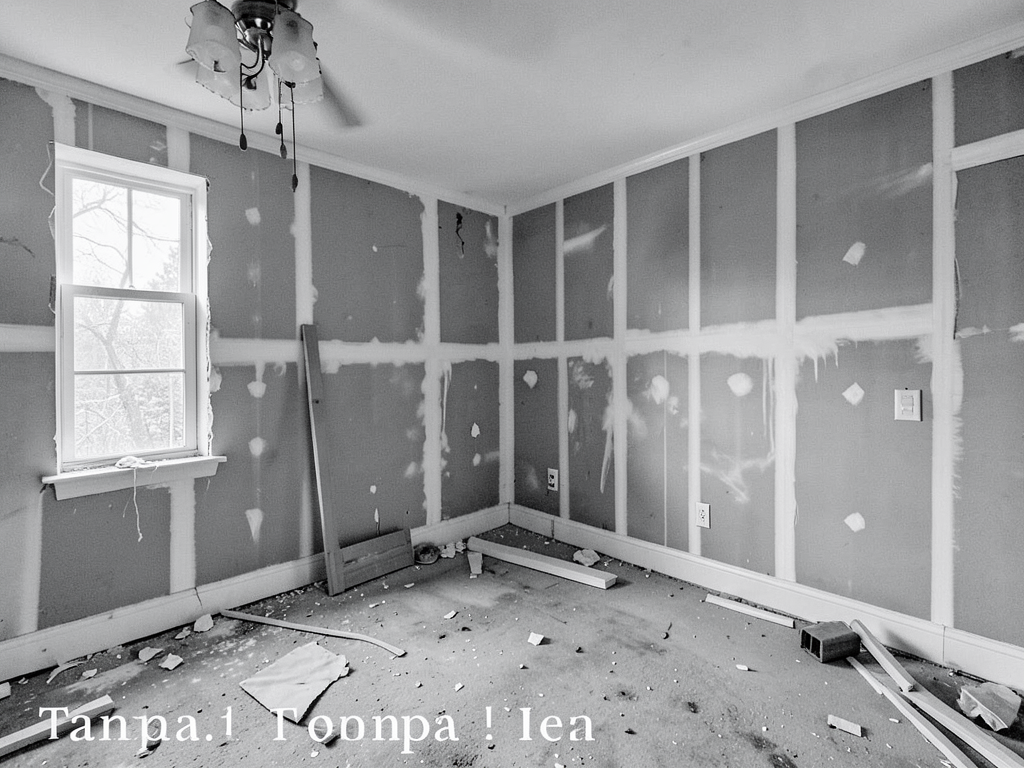
Restoration work includes replacing damaged drywall installing new flooring repairing or replacing cabinets and reconstructing any structural elements that were removed during mitigation. This phase also involves painting refinishing surfaces and reinstalling fixtures.
Restoration requires different expertise than mitigation. While mitigation focuses on emergency response restoration involves carpentry plumbing electrical work and finish trades. Many Tampa homeowners discover that their insurance covers mitigation but requires separate approval for restoration work especially when dealing with older homes in historic districts like Ybor City. The Carrollwood Homeowner Guide to Fast Mold Removal and Testing.
Key Differences Between Mitigation and Restoration
| Factor | Water Mitigation | Water Restoration |
|---|---|---|
| Primary Goal | Stop damage from spreading | Repair and rebuild |
| Timeline | Emergency response within 1-2 hours | Days to weeks after mitigation |
| Equipment Used | Extractors dehumidifiers air movers | Carpentry tools paint sprayers |
| Insurance Coverage | Usually covered immediately | Requires separate approval |
| Certifications Needed | IICRC WRT ASD | General contractor license |
Why Tampa’s Climate Changes Everything
Tampa’s subtropical climate creates unique challenges for both mitigation and restoration. The combination of high humidity frequent storms and aging infrastructure means water damage scenarios here differ significantly from other parts of the country.
During hurricane season storm surge can bring salt water into homes creating Category 3 water damage situations. Salt water is more corrosive than fresh water and requires specialized cleaning and drying procedures. In areas like Davis Islands and South Tampa where elevation is minimal even moderate storm surge can cause extensive damage.
Tampa’s afternoon thunderstorms often overwhelm older storm drain systems particularly in established neighborhoods like Hyde Park and Seminole Heights. When drains back up water can enter homes through floor drains or foundation cracks. This type of flooding often contains contaminants requiring Category 2 or 3 mitigation procedures.
The rapid mold growth potential in Tampa cannot be overstated. While most of the country allows 48 to 72 hours before mold becomes a serious concern Tampa’s humidity means mold can establish colonies in as little as 24 hours. This compressed timeline makes immediate mitigation response critical.
Common Water Damage Scenarios in Tampa
Understanding your specific situation helps determine whether you need mitigation restoration or both. Here are common scenarios Tampa residents face:
- Pipe Burst in Winter – Rare but when temperatures drop frozen pipes can burst. This creates clean water damage requiring immediate mitigation to prevent mold growth in the following humid weeks.
- A/C Condensate Line Backup – Tampa’s year-round air conditioning means constant condensate production. When drain lines clog water can overflow into walls and ceilings creating slow leaks that go unnoticed for weeks.
- Storm Surge Flooding – Category 1 storms can push salt water into low-lying areas. This contaminated water requires specialized cleaning and often destroys flooring and drywall.
- Roof Leaks During Afternoon Storms – Tampa’s frequent thunderstorms can expose roof vulnerabilities. Water entering through compromised flashing or damaged shingles can cause extensive ceiling and wall damage.
- Foundation Water Migration – Sandy soil and high water tables mean water can seep through foundation cracks even without heavy rain. This often affects basements and crawlspaces in older homes.
The Cost Factor: Mitigation vs. Restoration
Understanding potential costs helps you prepare for the recovery process. While exact prices vary based on damage extent here are typical cost ranges for Tampa properties.
| Service Type | Typical Cost Range | Factors Affecting Cost |
|---|---|---|
| Water Mitigation | $1,500 – $6,000 | Water category square footage response time |
| Water Restoration | $5,000 – $30,000+ | Materials needed permit requirements |
| Mold Remediation | $500 – $6,000 | Affected area type of mold |
| Content Cleaning | $200 – $2,000 | Item quantity damage level |
Mitigation costs are generally lower because they involve emergency response rather than reconstruction. However delaying mitigation to save money often results in much higher restoration costs later. A $2,000 mitigation job that prevents $15,000 in restoration work represents significant savings.
Insurance Considerations for Tampa Residents
Florida’s insurance market creates unique considerations for water damage recovery. Many Tampa homeowners discover their standard policies have specific exclusions or limitations for water damage.
Most policies cover sudden and accidental water damage like burst pipes but may exclude gradual damage from maintenance issues. A/C condensate line backups often fall into gray areas requiring specific endorsements. Flood damage from storm surge requires separate National Flood Insurance Program coverage.
When filing claims documentation becomes critical. Professional mitigation companies provide detailed moisture reports and drying logs that insurance companies require for reimbursement. Without proper documentation you may face denied claims or reduced payouts.
Some Tampa residents encounter Assignment of Benefits (AOB) agreements where contractors take over insurance claim rights. While this can simplify the process it may limit your control over repair decisions and potentially affect future insurance premiums.
Choosing the Right Contractor
Not all water damage companies handle both mitigation and restoration effectively. Some specialize only in emergency response while others focus on reconstruction. Understanding these differences helps you choose the right partner.
For mitigation look for IICRC certifications specifically Water Damage Restoration Technician (WRT) and Applied Structural Drying (ASD) credentials. These certifications ensure technicians understand proper drying science and equipment usage. IICRC Water Damage Restoration Standards.
For restoration verify general contractor licensing in Florida. Restoration work often requires permits especially when affecting structural elements or electrical systems. Ask about experience with local building codes and permit requirements.
Consider whether you want one company handling both phases or separate specialists. Single-source companies offer continuity but may have conflicts of interest in recommending restoration work. Specialized companies might provide more objective mitigation assessments.
Prevention Strategies for Tampa Homes
While you cannot prevent all water damage some strategies reduce your risk in Tampa’s challenging environment.
Regular A/C maintenance prevents condensate line issues. Schedule annual inspections and clean drain lines quarterly. Install secondary drain pans with float switches that shut off the system when water accumulates.
Roof inspections before hurricane season identify vulnerabilities. Check flashing seals and shingle condition. Clean gutters and downspouts to ensure proper water diversion away from your foundation.
Foundation waterproofing helps in areas with high water tables. Seal foundation cracks install French drains and ensure proper grading slopes away from your home. These measures prove especially important in neighborhoods like New Tampa where development has altered natural water flow patterns.
Install water sensors near potential problem areas. Modern smart home systems can alert you to leaks through smartphone apps allowing faster response even when you are away from home.
Emergency Response Timeline
Understanding the emergency timeline helps you make better decisions during a crisis. Here is what typically happens:
- Discovery
You notice water damage through visible signs sounds or moisture detection. Time is critical at this stage.
- Initial Assessment
Professional evaluation determines water category extent and safety hazards. This assessment guides the response strategy.
- Water Extraction
Industrial equipment removes standing water. This step prevents further migration and secondary damage.
- Demolition
Damaged materials that cannot be saved are removed. This includes wet drywall insulation and flooring.
- Drying
Dehumidifiers and air movers run continuously for several days. Moisture levels are monitored daily.
- Final Assessment
Moisture readings confirm the structure is dry. This verification is essential for insurance and safety.
When to Call for Help
Knowing when to call professionals versus handling cleanup yourself saves time and prevents complications. Here are clear guidelines:
Call immediately if water affects multiple rooms covers more than 10 square feet involves contaminated water or you cannot identify the source. Also call if water contacts electrical systems creates structural hazards or affects valuable items.
Small clean water spills under 10 square feet might be manageable with shop vacs fans and dehumidifiers. However even small leaks can create hidden damage requiring professional assessment.
Remember that DIY efforts often miss hidden moisture. Water travels along the path of least resistance finding its way into wall cavities under flooring and through insulation. What appears as a small problem often represents much larger hidden damage.
The Bottom Line for Tampa Residents
Water mitigation stops damage from spreading while water restoration repairs what happened. In Tampa’s humid climate the difference between these services often means the difference between a quick recovery and a long expensive nightmare.
Mitigation is always the first response. It prevents mold growth protects your home’s structure and creates the foundation for successful restoration. Restoration cannot happen effectively without proper mitigation first.
Choose contractors with local experience who understand Tampa’s specific challenges. Look for proper certifications insurance and references from other Tampa residents. Ask about their experience with your home’s construction type whether concrete block stucco or wood frame.
Most importantly act fast. Every hour water sits increases damage and mold risk. When water invades your Tampa home do not wait to see if it will dry on its own. Professional help can mean the difference between a minor inconvenience and a major reconstruction project.
Frequently Asked Questions
How long does water mitigation take in Tampa?
Initial water extraction and setup typically takes 4 to 8 hours. The drying process usually requires 3 to 5 days with equipment running continuously. Final moisture verification adds another 1 to 2 days. Total mitigation time is usually 5 to 7 days depending on the extent of damage and building materials affected.
Will my insurance cover both mitigation and restoration?
Most policies cover sudden and accidental water damage including mitigation costs. Restoration coverage depends on your specific policy and the cause of damage. Gradual damage from maintenance issues often has limited coverage. Always document damage thoroughly and work with contractors who provide detailed insurance documentation.
Can I stay in my home during water mitigation?
This depends on damage extent and safety considerations. If only one area is affected and no electrical hazards exist you might stay elsewhere in the home. However the noise from equipment and restricted access to affected areas often makes temporary relocation more comfortable. Your mitigation company can advise based on your specific situation.
How do I know if I have mold after water damage?
Visible mold growth indicates a problem but mold often grows hidden behind walls or under flooring. Musty odors warped materials and health symptoms like increased allergies can signal hidden mold. Professional moisture testing and thermal imaging can detect problem areas before mold becomes visible.
What should I do first when I discover water damage?
Stop the water source if possible and ensure electrical safety. Remove valuable items from affected areas. Document damage with photos for insurance. Then call a professional mitigation company immediately. Do not wait to see if it will dry on its own as this often leads to much worse damage.

Take Action Now
Water damage waits for no one. In Tampa’s humid climate every hour matters. Whether you need emergency water mitigation or comprehensive restoration our team understands the unique challenges Tampa homes face.
Do not risk your home’s structure or your family’s health. Call our 24/7 emergency response team now at (656) 219-8088. We will assess your situation provide immediate recommendations and begin the recovery process before secondary damage occurs.
Time matters. Your home matters. Your peace of mind matters. Call now and let our Tampa water damage experts handle your emergency with the urgency and expertise it demands. For more information, visit FEMA Flood Insurance Information.
{
“@context”: “https://schema.org”,
“@type”: “BlogPosting”,
“headline”: “Comparing Water Mitigation and Water Restoration (Which One Do You Actually Need?)”,
“description”: “Learn the difference between water mitigation and restoration in Tampa. Find out which service you need after flooding, leaks, or storm damage. Call 24/7 for help.”,
“wordCount”: 2209,
“datePublished”: “2026-04-01T11:34:00.000Z”,
“dateModified”: “2026-04-01T11:34:00.000Z”,
“inLanguage”: “en-US”,
“mainEntityOfPage”: {
“@type”: “WebPage”,
“@id”: “https://fortresswaterdamagerestorationtampa.com”
},
“publisher”: {
“@type”: “LocalBusiness”,
“name”: “Fortress Water Damage Restoration Tampa”,
“url”: “https://fortresswaterdamagerestorationtampa.com”
},
“author”: {
“@type”: “Organization”,
“name”: “Fortress Water Damage Restoration Tampa”,
“url”: “https://fortresswaterdamagerestorationtampa.com”
},
“image”: {
“@type”: “ImageObject”,
“url”: “https://fortresswaterdamagerestorationtampa.com/wp-content/uploads/2026/03/comparing-water-mitigation-and-water-restoration-w-1.png”
}
}
{
“@context”: “https://schema.org”,
“@type”: “LocalBusiness”,
“name”: “Fortress Water Damage Restoration Tampa”,
“url”: “https://fortresswaterdamagerestorationtampa.com”,
“address”: {
“@type”: “PostalAddress”,
“addressLocality”: “Tampa”
},
“areaServed”: {
“@type”: “City”,
“name”: “Tampa”
}
}
{
“@context”: “https://schema.org”,
“@type”: “FAQPage”,
“mainEntity”: [
{
“@type”: “Question”,
“name”: “What is Water Mitigation?”,
“acceptedAnswer”: {
“@type”: “Answer”,
“text”: “Water mitigation is the emergency response phase. It focuses on stopping water damage from getting worse. When a pipe bursts or storm surge floods your property mitigation crews arrive fast to extract standing water remove wet materials and begin drying the structure. Fixing a Water Damaged Ceiling in Your Town ‘n’ Country Home Before it Collapses.”
}
},
{
“@type”: “Question”,
“name”: “What is Water Restoration?”,
“acceptedAnswer”: {
“@type”: “Answer”,
“text”: “Water restoration is the repair and rebuild phase. Once mitigation crews have dried the structure and stopped further damage restoration teams step in to return your property to pre-loss condition.”
}
},
{
“@type”: “Question”,
“name”: “How long does water mitigation take in Tampa?”,
“acceptedAnswer”: {
“@type”: “Answer”,
“text”: “Initial water extraction and setup typically takes 4 to 8 hours. The drying process usually requires 3 to 5 days with equipment running continuously. Final moisture verification adds another 1 to 2 days. Total mitigation time is usually 5 to 7 days depending on the extent of damage and building materials affected.”
}
},
{
“@type”: “Question”,
“name”: “Will my insurance cover both mitigation and restoration?”,
“acceptedAnswer”: {
“@type”: “Answer”,
“text”: “Most policies cover sudden and accidental water damage including mitigation costs. Restoration coverage depends on your specific policy and the cause of damage. Gradual damage from maintenance issues often has limited coverage. Always document damage thoroughly and work with contractors who provide detailed insurance documentation.”
}
},
{
“@type”: “Question”,
“name”: “Can I stay in my home during water mitigation?”,
“acceptedAnswer”: {
“@type”: “Answer”,
“text”: “This depends on damage extent and safety considerations. If only one area is affected and no electrical hazards exist you might stay elsewhere in the home. However the noise from equipment and restricted access to affected areas often makes temporary relocation more comfortable. Your mitigation company can advise based on your specific situation.”
}
},
{
“@type”: “Question”,
“name”: “What should I do first when I discover water damage?”,
“acceptedAnswer”: {
“@type”: “Answer”,
“text”: “Stop the water source if possible and ensure electrical safety. Remove valuable items from affected areas. Document damage with photos for insurance. Then call a professional mitigation company immediately. Do not wait to see if it will dry on its own as this often leads to much worse damage.”
}
}
]
}
{
“@context”: “https://schema.org”,
“@type”: “HowTo”,
“name”: “Emergency Water Damage Response”,
“step”: [
{
“@type”: “HowToStep”,
“position”: 1,
“name”: “Discovery”,
“text”: “You notice water damage through visible signs sounds or moisture detection. Time is critical at this stage.”
},
{
“@type”: “HowToStep”,
“position”: 2,
“name”: “Initial Assessment”,
“text”: “Professional evaluation determines water category extent and safety hazards. This assessment guides the response strategy.”
},
{
“@type”: “HowToStep”,
“position”: 3,
“name”: “Water Extraction”,
“text”: “Industrial equipment removes standing water. This step prevents further migration and secondary damage.”
},
{
“@type”: “HowToStep”,
“position”: 4,
“name”: “Demolition”,
“text”: “Damaged materials that cannot be saved are removed. This includes wet drywall insulation and flooring.”
},
{
“@type”: “HowToStep”,
“position”: 5,
“name”: “Drying”,
“text”: “Dehumidifiers and air movers run continuously for several days. Moisture levels are monitored daily.”
},
{
“@type”: “HowToStep”,
“position”: 6,
“name”: “Final Assessment”,
“text”: “Moisture readings confirm the structure is dry. This verification is essential for insurance and safety.”
}
],
“image”: “https://fortresswaterdamagerestorationtampa.com/wp-content/uploads/2026/03/comparing-water-mitigation-and-water-restoration-w-1.png”
}
{
“@context”: “https://schema.org”,
“@type”: “BreadcrumbList”,
“itemListElement”: [
{
“@type”: “ListItem”,
“position”: 1,
“name”: “Home”,
“item”: “https://fortresswaterdamagerestorationtampa.com”
},
{
“@type”: “ListItem”,
“position”: 2,
“name”: “Blog”,
“item”: “https://fortresswaterdamagerestorationtampa.com/blog”
},
{
“@type”: “ListItem”,
“position”: 3,
“name”: “Comparing Water Mitigation and Water Restoration (Which One Do You Actually Need?)”
}
]
}
{
“@context”: “https://schema.org”,
“@type”: “Service”,
“serviceType”: “Water Damage Restoration”,
“provider”: {
“@type”: “LocalBusiness”,
“name”: “Fortress Water Damage Restoration Tampa”,
“url”: “https://fortresswaterdamagerestorationtampa.com”
},
“areaServed”: {
“@type”: “City”,
“name”: “Tampa”
},
“description”: “Learn the difference between water mitigation and restoration in Tampa. Find out which service you need after flooding, leaks, or storm damage. Call 24/7 for help.”
}