
Why You Should Never Use Bleach to Clean Up Mold After a Leak in Your Tampa Palms Home
When you spot black spots creeping up your bathroom wall after a leak in your Tampa Palms home, your first instinct might be to grab the bleach under the sink. The familiar white bottle promises to kill anything it touches. But that promise falls apart when you understand what mold really is and how it grows inside your walls.
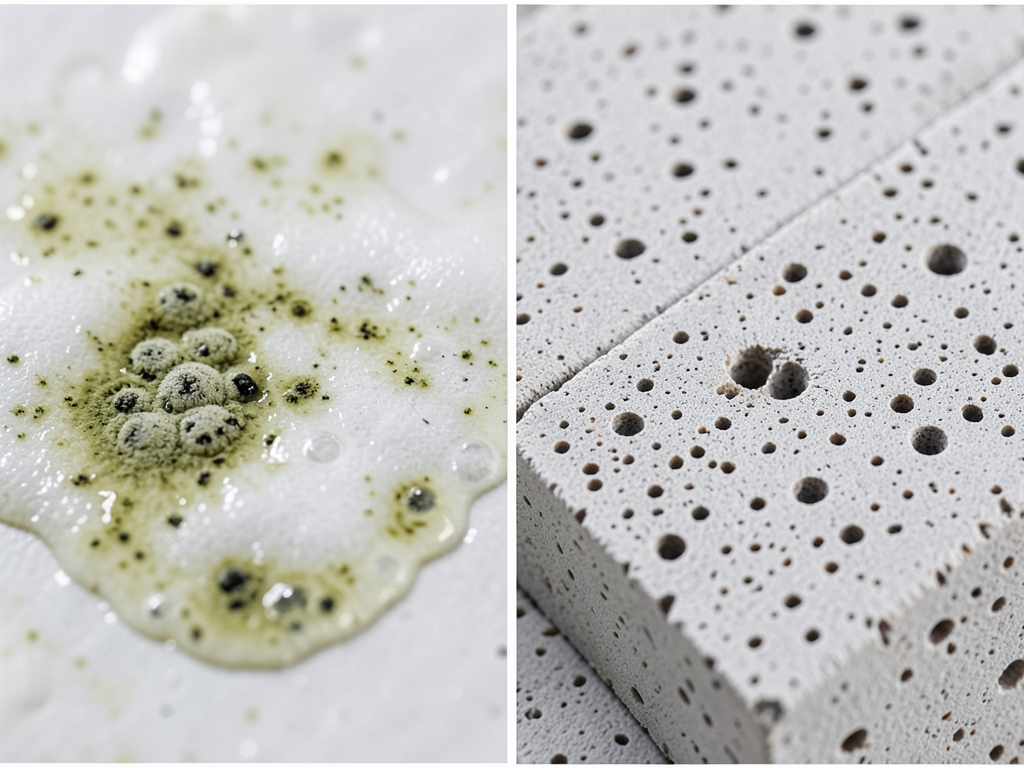
Mold in Tampa homes isn’t just a surface problem. The fuzzy black or green patches you see are actually the fruiting bodies of a much larger organism. Beneath that surface, mold sends out root-like structures called hyphae that dig deep into porous materials like drywall, wood, and ceiling tiles. These roots can extend several inches beyond what you can see with your eyes.
The Florida climate makes this problem worse. Tampa’s humidity often hovers above 80 percent, creating perfect conditions for mold to thrive. When you spray bleach on a mold colony, you’re dealing with a living organism that has evolved to survive in exactly these conditions. The bleach might kill some surface spores, but it leaves the deeper structure intact and ready to regrow.
Here’s the real problem with bleach. The active ingredient in household bleach is sodium hypochlorite. This chemical has a large molecular structure that cannot penetrate deep into porous surfaces. When you spray bleach on moldy drywall, the solution stays on the surface. The water in the bleach solution, however, does penetrate. This water actually feeds the mold roots, allowing them to grow stronger while the surface looks clean. Expert Water Extraction and Drying for Davis Islands Waterfront Homes.

The Science Behind Bleach’s Failure
Understanding why bleach fails requires looking at the chemistry. Sodium hypochlorite molecules are too large to penetrate porous materials. Think of trying to push a basketball through a sponge. The ball stays on top while water seeps through. That’s exactly what happens with bleach on your walls. Getting Your Water Damage Insurance Claim Approved in Tampa (And Who to Call First).
The water content in bleach typically ranges from 90 to 95 percent. When this water soaks into drywall or wood, it creates the perfect environment for mold to continue growing. The mold roots absorb this moisture and continue their expansion beneath the surface. Within days or weeks, the mold reappears, often looking worse than before. Fixing a Water Damaged Ceiling in Your Town ‘n’ Country Home Before it Collapses.
This phenomenon is called the “bleach rebound effect.” You clean the surface, it looks white and clean, but the mold is actually growing stronger underneath. When it finally breaks through again, it often appears more aggressive because it had more time and resources to develop.
Dangerous Chemistry You Don’t Expect
Beyond its ineffectiveness, bleach creates serious safety hazards during mold cleanup. Many homeowners don’t realize that mixing bleach with other common household cleaners can produce toxic gases. If you’ve used ammonia-based cleaners on the same surface, combining them with bleach creates chloramine vapors. These gases can cause severe respiratory distress, chest pain, and even pneumonia. The Carrollwood Homeowner Guide to Fast Mold Removal and Testing.
Mixing bleach with acidic cleaners like vinegar or some toilet bowl cleaners produces chlorine gas. This gas was used as a chemical weapon in World War I. Even small amounts can cause coughing, breathing problems, burning eyes, and nausea. In confined spaces like bathrooms or closets, these concentrations can become dangerous very quickly.
The Centers for Disease Control warns that bleach fumes can irritate your eyes, skin, and respiratory tract. When you’re already dealing with mold spores in the air, adding chemical irritants creates a double health hazard. Professional remediators wear full protective equipment for good reason.
Why Tampa’s Climate Makes Bleach Even Worse
Tampa’s subtropical climate creates unique challenges for mold remediation. The city experiences high humidity year-round, with summer months often exceeding 90 percent relative humidity. This constant moisture in the air means that any water you add to a surface stays there longer. Water Damage Restoration Ruskin.
When you use bleach in a Tampa home, the water it leaves behind doesn’t evaporate quickly. Instead, it remains in your walls, providing continuous moisture for mold growth. The warm temperatures accelerate this process. Mold can begin growing within 24 to 48 hours in these conditions.
Local building materials also contribute to the problem. Many Tampa homes built in the 1970s and 1980s used paper-faced drywall and pine framing. These materials are highly porous and provide excellent food sources for mold. The combination of porous materials, high humidity, and bleach’s water content creates a perfect storm for mold regrowth.
Consider the typical Tampa summer afternoon thunderstorm. These storms dump significant moisture into the air, raising humidity levels even further. If you’ve just cleaned mold with bleach, this additional moisture in the environment helps feed any remaining mold roots in your walls.
What Actually Works: Professional Remediation Methods
Professional mold remediation uses completely different principles than household cleaning. Instead of trying to kill mold on the surface, professionals address the entire colony, including the roots that extend into building materials.
The first step involves identifying the moisture source. Whether it’s a roof leak, plumbing problem, or high humidity, you cannot solve a mold problem without addressing why it grew in the first place. In Tampa homes, this often means fixing air conditioning condensate lines, repairing roof flashing, or improving ventilation in attics and crawl spaces. EPA Mold Resources.
Professional remediators use EPA-registered fungicides that are specifically formulated to penetrate porous surfaces. These chemicals have smaller molecular structures than sodium hypochlorite, allowing them to reach mold roots. They also contain ingredients that continue working after application, preventing regrowth.
Containment is another critical difference. When professionals work on mold, they seal off the affected area using plastic sheeting and create negative air pressure. This prevents mold spores from spreading to other parts of your home during the removal process.
The Proper Remediation Process Step by Step
- Assessment and Moisture Detection
Technicians use moisture meters and thermal imaging cameras to find all affected areas. What looks like a small spot on the surface might indicate extensive damage inside the wall.
- Containment Setup
Heavy plastic sheeting creates containment barriers. HEPA-filtered air scrubbers create negative pressure to prevent spore migration.
- Removal of Affected Materials
Porous materials like drywall, insulation, and carpet that cannot be salvaged are removed and properly disposed of according to Florida regulations.
- Cleaning and Treatment
Non-porous surfaces are cleaned with professional-grade antimicrobials. HEPA vacuuming removes loose spores and debris.
- Drying and Dehumidification
Industrial dehumidifiers and air movers dry the structure to safe moisture levels. This prevents new mold growth.
- Post-Remediation Verification
Third-party testing confirms that mold levels have returned to normal and the area is safe for reoccupation.
Comparing DIY Bleach vs Professional Methods
| Factor | DIY Bleach Method | Professional Remediation |
|---|---|---|
| Surface Penetration | Stays on surface only | Reaches mold roots |
| Moisture Added | 90-95% water content | Removes moisture |
| Spore Containment | None – spreads spores | Complete containment |
| Safety Equipment | None required | Full PPE required |
| Effectiveness Duration | Days to weeks | Permanent when source fixed |
| Cost Range | $5-20 for supplies | $500-15,000 depending on scope |
Common Tampa Mold Scenarios Where Bleach Fails
Understanding where bleach consistently fails helps you recognize when professional help is needed. In Tampa Palms, several situations commonly require expert intervention.
Roof leaks create ideal conditions for mold growth in attics and ceiling cavities. When water travels through your roof decking and insulation, it creates hidden mold colonies. Bleach cannot reach these areas, and the constant moisture from Florida’s afternoon storms keeps the problem active.. Read more about The Warning Signs of Hidden Mold Growing Under Your Wallpaper in Bayshore Beautiful.
Air conditioning condensate line backups are extremely common in Tampa homes. These backups create slow leaks that can go unnoticed for months. By the time you see mold on your ceiling or wall, the colony inside is already extensive. The cool, damp environment near your A/C unit provides perfect mold growing conditions.
Window and door leaks allow humid outdoor air to enter your home continuously. Over time, this moisture creates mold growth around frames and in wall cavities. The constant supply of humid air from Tampa’s climate means these problems worsen steadily without intervention.
Flooding from tropical storms or hurricanes introduces contaminated water that carries mold spores throughout your home. This water penetrates deep into porous materials, and the extended drying time in humid conditions allows mold to establish itself before surfaces appear dry.
The Cost of Waiting vs Acting Now
Many Tampa homeowners delay professional mold remediation because they’re concerned about costs. However, waiting almost always increases the total expense. Mold grows exponentially, and what might cost $500 to address in the first week can cost $5,000 or more after a month of growth.
Consider a small bathroom mold problem. If caught early, you might need to replace a section of drywall and treat the framing. Wait three months, and you could be dealing with mold in adjacent rooms, damaged cabinetry, and potential structural issues with wall studs.
Health costs are another factor many people overlook. Mold exposure can trigger allergies, asthma attacks, and other respiratory issues. In Florida’s already challenging air quality environment, adding mold to the equation can significantly impact your family’s health and medical expenses.
Insurance coverage also becomes more complicated with delayed action. Many policies require prompt mitigation of damage. If you wait too long and the damage spreads, you might find yourself responsible for costs that could have been covered if addressed immediately.
Finding Qualified Help in Tampa
When you need professional mold remediation in Tampa Palms or surrounding areas like Carrollwood or Northdale, look for specific qualifications. The Institute of Inspection Cleaning and Restoration Certification (IICRC) offers specialized training in mold remediation. Companies with IICRC-certified technicians have demonstrated knowledge of proper procedures and safety protocols.
Florida requires specific licensing for mold remediation contractors. The Florida Department of Business and Professional Regulation oversees these licenses, ensuring contractors meet state standards for training and insurance. Always verify a company’s license status before hiring.
Local experience matters significantly in Tampa. Companies familiar with the area understand the unique challenges of Florida’s climate, common building practices in older neighborhoods, and the specific mold species that thrive in our humidity. They can also navigate local building codes and insurance requirements more effectively.
Ask potential contractors about their testing procedures, containment methods, and warranty policies. Reputable companies provide detailed documentation of their work and offer guarantees on their remediation services. They should also be willing to explain their process in terms you can understand.
Preventing Future Mold Growth
After addressing active mold problems, prevention becomes your next priority. In Tampa’s climate, this requires ongoing attention to moisture control and building maintenance.
Maintain indoor humidity levels between 30 and 50 percent. This range discourages mold growth while remaining comfortable for occupants. Use dehumidifiers in problem areas like basements, crawl spaces, and bathrooms. Empty and clean these devices regularly to prevent them from becoming mold sources themselves.
Fix leaks promptly, whether they’re from plumbing, roofing, or windows. Even small leaks can create significant mold problems over time in Tampa’s humid environment. Check under sinks, around toilets, and near appliances regularly for signs of moisture.
Improve ventilation in high-moisture areas. Use exhaust fans in bathrooms and kitchens that vent to the outside, not just into your attic. Ensure your clothes dryer vents properly to the exterior. Consider installing whole-house ventilation systems if your home feels consistently damp.
Keep your air conditioning system well-maintained. Clean or replace filters monthly during heavy use periods. Have your system serviced annually to ensure proper operation and drainage. Consider UV light systems that can kill mold spores in your HVAC system.
Understanding Your Insurance Coverage
Mold damage coverage varies significantly among insurance policies. Many standard homeowner policies exclude mold damage or have strict limitations. Understanding your coverage before you need it can save you from unexpected expenses.
Policies typically cover mold damage if it results from a covered peril, such as a burst pipe or storm damage. However, they often exclude mold that develops from ongoing humidity, condensation, or maintenance issues. This distinction is crucial in Tampa, where humidity is constant.
Some insurance companies offer mold endorsements that provide additional coverage for a higher premium. These endorsements might cover mold remediation costs that would otherwise be excluded. If you live in an older home or have had previous moisture issues, this additional coverage might be worth considering.
Document everything if you experience water damage. Take photos, keep receipts for emergency repairs, and notify your insurance company promptly. Many policies have time limits for reporting damage, and prompt action can make the difference between coverage and denial.
Frequently Asked Questions
Can I use vinegar instead of bleach for mold cleanup?
Vinegar can kill some mold species on non-porous surfaces, but it has similar limitations to bleach. The acetic acid in vinegar doesn’t penetrate porous materials well, and like bleach, it contains water that can feed mold roots. For small surface mold on glass or tile, vinegar might help, but it won’t solve deeper problems.
How quickly does mold grow after water damage in Tampa?
In Tampa’s warm, humid climate, mold can begin growing within 24 to 48 hours after water exposure. Some species, particularly those common in Florida homes, can establish visible colonies in as little as three days. This rapid growth is why prompt water extraction and drying are critical.
Is all black mold toxic?
Not all black mold is the toxic Stachybotrys species, but you cannot identify mold type by color alone. Many harmless molds appear black, while some toxic species can be green, white, or other colors. The CDC recommends treating all mold as potentially hazardous and avoiding direct contact or disturbance of colonies. CDC Mold Information.
How much does professional mold remediation cost in Tampa?
Costs vary widely based on the extent of damage, ranging from $500 for small bathroom areas to $10,000 or more for whole-house remediation. Factors affecting cost include the size of the affected area, materials that need replacement, and whether testing is required. Most companies provide free inspections and estimates.
Can I stay in my home during mold remediation?
For small areas under 10 square feet, you might be able to remain in your home with proper containment. However, larger remediation projects typically require temporary relocation, especially if mold is in critical areas like HVAC systems or if anyone in the household has respiratory issues or compromised immune systems.
Taking Action: Your Next Steps
Finding mold in your Tampa Palms home after a leak doesn’t have to mean a massive renovation project. The key is recognizing when DIY methods won’t work and getting professional help before the problem escalates. Every day you wait allows mold to spread deeper into your home’s structure.
Start by containing the area if possible. Close doors, turn off HVAC systems that might spread spores, and avoid disturbing visible mold colonies. Document what you see with photos for insurance purposes. Then contact a qualified mold remediation professional who understands Tampa’s unique climate challenges.
Professional assessment can determine the full extent of your mold problem and provide a clear plan for remediation. This evaluation typically includes moisture mapping to find hidden damage and air quality testing to measure spore levels throughout your home.
Remember that successful mold remediation addresses both the symptoms and the underlying causes. In Tampa’s humid climate, this means fixing moisture sources, improving ventilation, and sometimes making building modifications to prevent future problems. The investment in proper remediation protects both your home’s value and your family’s health.
Don’t let mold compromise your home’s safety or your family’s wellbeing. Contact Fortress Water Damage Restoration at (656) 219-8088 for a comprehensive mold assessment. Our IICRC-certified technicians understand Tampa’s unique mold challenges and provide effective, lasting solutions. We serve Tampa Palms and all surrounding communities with 24/7 emergency response and transparent pricing. Your home deserves professional care, not temporary fixes that make problems worse.
{
“@context”: “https://schema.org”,
“@type”: “BlogPosting”,
“headline”: “Why You Should Never Use Bleach to Clean Up Mold After a Leak in Your Tampa Palms Home”,
“description”: “Discover why bleach fails to kill mold in Tampa homes and learn the professional methods that actually work. Call Fortress Water Damage Restoration at (656) 219-8088.”,
“wordCount”: 2663,
“datePublished”: “2026-07-02T14:11:00.000Z”,
“dateModified”: “2026-07-02T14:11:00.000Z”,
“inLanguage”: “en-US”,
“mainEntityOfPage”: {
“@type”: “WebPage”,
“@id”: “https://fortresswaterdamagerestorationtampa.com”
},
“publisher”: {
“@type”: “LocalBusiness”,
“name”: “Fortress Water Damage Restoration Tampa”,
“url”: “https://fortresswaterdamagerestorationtampa.com”
},
“author”: {
“@type”: “Organization”,
“name”: “Fortress Water Damage Restoration Tampa”,
“url”: “https://fortresswaterdamagerestorationtampa.com”
},
“image”: {
“@type”: “ImageObject”,
“url”: “https://fortresswaterdamagerestorationtampa.com/wp-content/uploads/2026/03/why-you-should-never-use-bleach-to-clean-up-mold-a-1.png”
}
}
{
“@context”: “https://schema.org”,
“@type”: “LocalBusiness”,
“name”: “Fortress Water Damage Restoration Tampa”,
“url”: “https://fortresswaterdamagerestorationtampa.com”,
“address”: {
“@type”: “PostalAddress”,
“addressLocality”: “Tampa”
},
“areaServed”: {
“@type”: “City”,
“name”: “Tampa”
}
}
{
“@context”: “https://schema.org”,
“@type”: “FAQPage”,
“mainEntity”: [
{
“@type”: “Question”,
“name”: “Can I use vinegar instead of bleach for mold cleanup?”,
“acceptedAnswer”: {
“@type”: “Answer”,
“text”: “Vinegar can kill some mold species on non-porous surfaces, but it has similar limitations to bleach. The acetic acid in vinegar doesn’t penetrate porous materials well, and like bleach, it contains water that can feed mold roots. For small surface mold on glass or tile, vinegar might help, but it won’t solve deeper problems.”
}
},
{
“@type”: “Question”,
“name”: “How quickly does mold grow after water damage in Tampa?”,
“acceptedAnswer”: {
“@type”: “Answer”,
“text”: “In Tampa’s warm, humid climate, mold can begin growing within 24 to 48 hours after water exposure. Some species, particularly those common in Florida homes, can establish visible colonies in as little as three days. This rapid growth is why prompt water extraction and drying are critical.”
}
},
{
“@type”: “Question”,
“name”: “Is all black mold toxic?”,
“acceptedAnswer”: {
“@type”: “Answer”,
“text”: “Not all black mold is the toxic Stachybotrys species, but you cannot identify mold type by color alone. Many harmless molds appear black, while some toxic species can be green, white, or other colors. The CDC recommends treating all mold as potentially hazardous and avoiding direct contact or disturbance of colonies. CDC Mold Information.”
}
},
{
“@type”: “Question”,
“name”: “How much does professional mold remediation cost in Tampa?”,
“acceptedAnswer”: {
“@type”: “Answer”,
“text”: “Costs vary widely based on the extent of damage, ranging from $500 for small bathroom areas to $10,000 or more for whole-house remediation. Factors affecting cost include the size of the affected area, materials that need replacement, and whether testing is required. Most companies provide free inspections and estimates.”
}
},
{
“@type”: “Question”,
“name”: “Can I stay in my home during mold remediation?”,
“acceptedAnswer”: {
“@type”: “Answer”,
“text”: “For small areas under 10 square feet, you might be able to remain in your home with proper containment. However, larger remediation projects typically require temporary relocation, especially if mold is in critical areas like HVAC systems or if anyone in the household has respiratory issues or compromised immune systems.”
}
}
]
}
{
“@context”: “https://schema.org”,
“@type”: “HowTo”,
“name”: “Professional Mold Remediation Process”,
“step”: [
{
“@type”: “HowToStep”,
“position”: 1,
“name”: “Assessment and Moisture Detection”,
“text”: “Technicians use moisture meters and thermal imaging cameras to find all affected areas. What looks like a small spot on the surface might indicate extensive damage inside the wall.”
},
{
“@type”: “HowToStep”,
“position”: 2,
“name”: “Containment Setup”,
“text”: “Heavy plastic sheeting creates containment barriers. HEPA-filtered air scrubbers create negative pressure to prevent spore migration.”
},
{
“@type”: “HowToStep”,
“position”: 3,
“name”: “Removal of Affected Materials”,
“text”: “Porous materials like drywall, insulation, and carpet that cannot be salvaged are removed and properly disposed of according to Florida regulations.”
},
{
“@type”: “HowToStep”,
“position”: 4,
“name”: “Cleaning and Treatment”,
“text”: “Non-porous surfaces are cleaned with professional-grade antimicrobials. HEPA vacuuming removes loose spores and debris.”
},
{
“@type”: “HowToStep”,
“position”: 5,
“name”: “Drying and Dehumidification”,
“text”: “Industrial dehumidifiers and air movers dry the structure to safe moisture levels. This prevents new mold growth.”
},
{
“@type”: “HowToStep”,
“position”: 6,
“name”: “Post-Remediation Verification”,
“text”: “Third-party testing confirms that mold levels have returned to normal and the area is safe for reoccupation.”
}
],
“image”: “https://fortresswaterdamagerestorationtampa.com/wp-content/uploads/2026/03/why-you-should-never-use-bleach-to-clean-up-mold-a-1.png”
}
{
“@context”: “https://schema.org”,
“@type”: “BreadcrumbList”,
“itemListElement”: [
{
“@type”: “ListItem”,
“position”: 1,
“name”: “Home”,
“item”: “https://fortresswaterdamagerestorationtampa.com”
},
{
“@type”: “ListItem”,
“position”: 2,
“name”: “Blog”,
“item”: “https://fortresswaterdamagerestorationtampa.com/blog”
},
{
“@type”: “ListItem”,
“position”: 3,
“name”: “Why You Should Never Use Bleach to Clean Up Mold After a Leak in Your Tampa Palms Home”
}
]
}
{
“@context”: “https://schema.org”,
“@type”: “Service”,
“serviceType”: “Water Damage Restoration”,
“provider”: {
“@type”: “LocalBusiness”,
“name”: “Fortress Water Damage Restoration Tampa”,
“url”: “https://fortresswaterdamagerestorationtampa.com”
},
“areaServed”: {
“@type”: “City”,
“name”: “Tampa”
},
“description”: “Discover why bleach fails to kill mold in Tampa homes and learn the professional methods that actually work. Call Fortress Water Damage Restoration at (656) 219-8088.”
}