





Menu

Efflorescence on Concrete in Tampa – Expert Diagnosis and Permanent Water Damage Solutions

Fortress Water Damage Restoration Tampa identifies the moisture source behind white powder on concrete and eliminates it before crystalline deposits damage your foundation or slab.

Slider Image 1
Slider Image 2
Slider Image 3
Slider Image 4
Slider Image 5
Slider Image 7
Slider Image 8
Slider Image 9
Slider Image 10
Slider Image 11

Why Tampa Concrete Develops White Powder and Salt Deposits

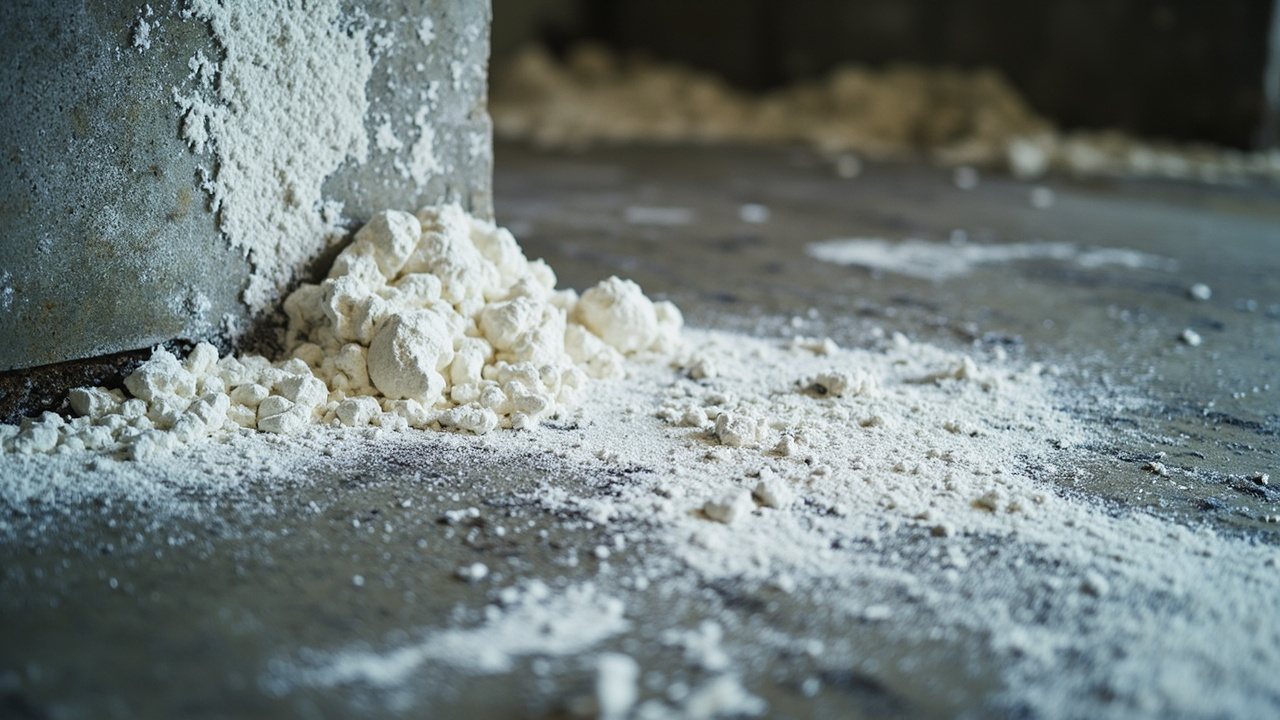
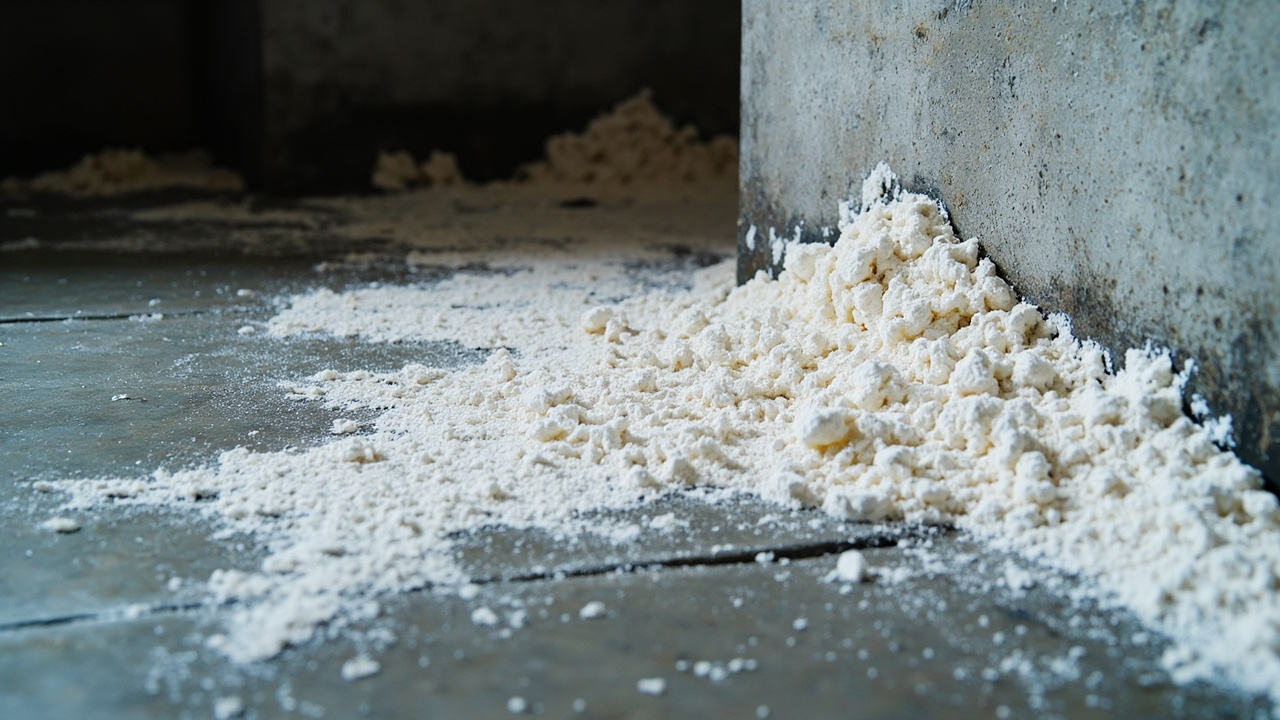
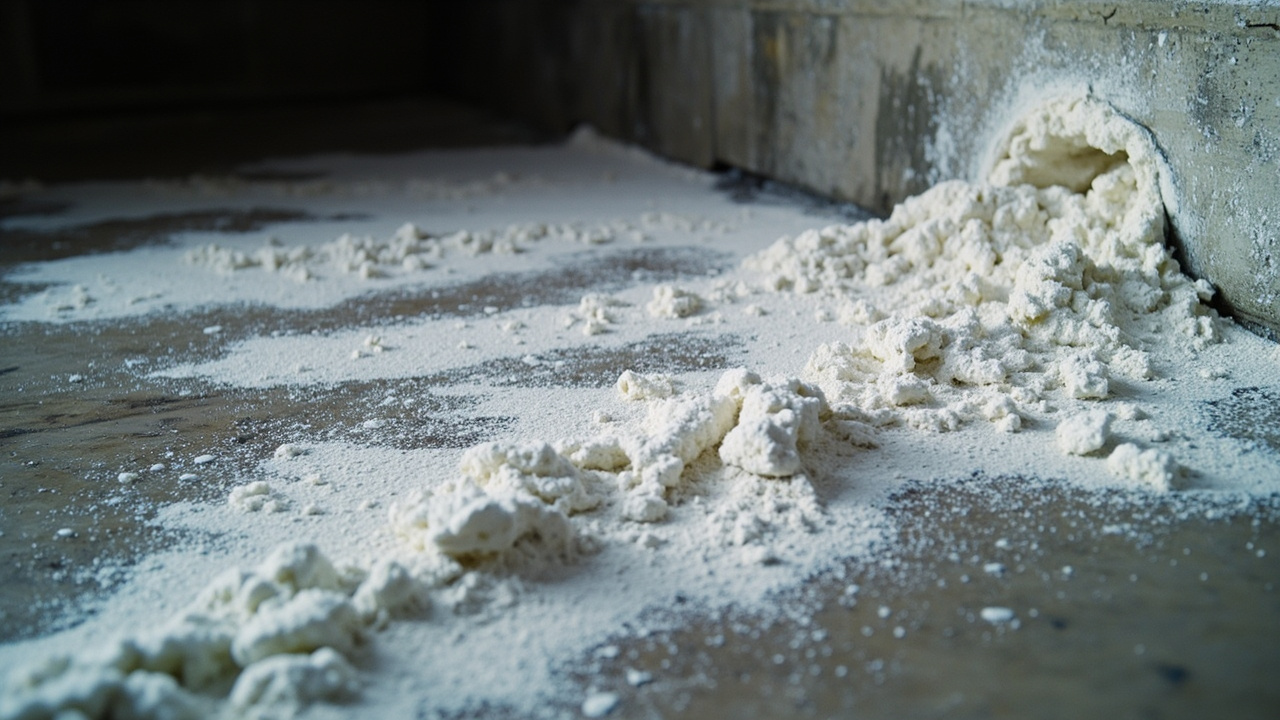
You walk into your garage, warehouse, or basement and notice a chalky white residue spreading across your concrete floor. That white powder on concrete is efflorescence, and it signals a moisture problem beneath the surface.

Tampa's humid subtropical climate creates perfect conditions for efflorescence. The area receives over 46 inches of rain annually, and the water table sits high across most of Hillsborough County. When groundwater or rainwater penetrates concrete slabs, it dissolves mineral salts embedded in the cement matrix. As the water evaporates through the surface, those dissolved minerals crystallize into the white residue on concrete you see.

The concrete salt deposits are not just cosmetic. They indicate active water intrusion. In South Tampa's historic neighborhoods like Hyde Park and Palma Ceia, older foundations built on sandy soils absorb moisture easily. In newer developments east of I-75, rapid construction sometimes means improper grading or missing vapor barriers, allowing water to wick upward through the slab.

The crystalline deposits on concrete you see today will worsen without intervention. As water continues cycling through the concrete, it carries more mineral salts to the surface. Over time, this process weakens the concrete structure, creates spalling, and can lead to structural instability.

Efflorescence means water is moving through your concrete. That movement brings mold risk, foundation degradation, and potential indoor air quality problems. The longer you wait, the more expensive the fix becomes.

Why Tampa Concrete Develops White Powder and Salt Deposits
How We Eliminate Efflorescence and Stop the Moisture Source

How We Eliminate Efflorescence and Stop the Moisture Source

Scrubbing away mineral salts on concrete does nothing to fix the underlying problem. The white powder will return within weeks if the moisture source remains active. Our approach targets the cause, not the symptom.

We start with moisture mapping using thermal imaging and hygrometers to identify where water enters the slab. In Tampa, common entry points include failed French drains, broken exterior foundation drains, improper lot grading, and rising water tables during summer rainy season. We also test for hydrostatic pressure, which pushes groundwater upward through concrete pores.

Once we locate the source, we deploy targeted solutions. For exterior water intrusion, we install or repair perimeter drainage systems and ensure downspouts discharge at least 10 feet from the foundation. For rising damp through the slab, we apply penetrating sealers or install subslab drainage systems with sump pumps.

If the slab lacks a vapor barrier, which is common in pre-1980s Tampa construction, we apply topical moisture mitigation coatings rated for hydrostatic pressure. These products bond chemically with the concrete and block vapor transmission without trapping moisture inside the slab.

We also address secondary damage. If efflorescence has caused spalling or surface delamination, we remove compromised concrete and apply structural repair mortars. For severe cases where water has compromised rebar, we expose the steel, treat it with corrosion inhibitors, and rebuild the concrete cover.

You get a written scope detailing the moisture source, the repair strategy, and expected outcomes. We do not guess. We measure, diagnose, and fix the root cause so the white powder does not return.

What Happens When You Call Us About Concrete Efflorescence

Efflorescence on Concrete in Tampa – Expert Diagnosis and Permanent Water Damage Solutions
01

Moisture Source Identification

We arrive with thermal cameras and moisture meters to map water movement through your slab. You see exactly where water enters, whether from exterior drainage failure, a broken pipe beneath the slab, or hydrostatic pressure from the water table. We test multiple points across the affected area and document moisture gradients. This data drives the entire repair strategy and eliminates guesswork about why crystalline deposits formed.
02

Water Intrusion Correction

We stop the water before treating the concrete. This might mean regrading soil around the foundation, installing a perimeter drain, repairing broken plumbing, or applying exterior waterproofing membranes. For slabs without vapor barriers, we inject or apply moisture-blocking sealers rated for the specific hydrostatic pressure your slab faces. We do not move forward until the water source is controlled and verified through follow-up moisture readings.
03

Surface Restoration and Prevention

Once moisture levels drop, we remove existing salt deposits using mechanical cleaning and neutralizing treatments. If the concrete surface has spalled or delaminated, we apply repair mortars and reseal the surface. You receive documentation showing pre-repair and post-repair moisture levels, plus maintenance guidance to prevent recurrence. We verify the slab stays dry over a monitoring period before closing the project, so you know the fix holds.

Why Tampa Property Owners Trust Fortress Water Damage Restoration

Efflorescence is not a DIY fix. You need someone who understands how water moves through Tampa's specific soil types, who knows the difference between surface condensation and subslab hydrostatic pressure, and who has access to commercial-grade moisture mitigation systems.

Fortress Water Damage Restoration Tampa has worked across Hillsborough County, from the waterfront properties in Davis Islands to the inland commercial districts near the airport. We understand how Tampa's high water table, summer thunderstorms, and aging infrastructure combine to create chronic moisture problems in concrete slabs.

We do not subcontract diagnosis or waterproofing. Our technicians hold certifications in moisture assessment and use calibrated equipment to measure vapor emissions, relative humidity within the slab, and hydrostatic pressure. This precision matters because applying the wrong sealer or missing an exterior drainage issue means the white powder returns in six months.

We also understand local building practices. Many Tampa homes built before the 1990s lack proper vapor barriers beneath slabs. Newer construction in developments like New Tampa or Westchase sometimes suffers from poor lot grading due to rapid building schedules. We have seen both scenarios dozens of times and know how to adapt solutions to the specific construction era and site conditions.

You get transparent communication. We explain what we find, why it happened, and what it takes to fix it permanently. No upselling. No scare tactics. Just accurate diagnosis and competent execution.

When you hire us, you are hiring a team that has solved efflorescence problems in Tampa's unique environment for years. We know what works here because we have tested it, refined it, and verified the results.

What You Can Expect During the Efflorescence Repair Process

Rapid Response and Scheduling

We typically schedule initial assessments within 24 to 48 hours of your call. Efflorescence is not always an emergency, but the underlying water intrusion can cause progressive damage if ignored. We prioritize properties with active flooding, structural concerns, or commercial operations at risk. For standard residential cases, you receive a confirmed appointment time and a clear outline of what to expect during the visit. Most assessments take 60 to 90 minutes depending on the size of the affected area and complexity of the moisture source.

Comprehensive Moisture Assessment

Our technicians use thermal imaging to detect temperature differentials that indicate moisture movement and calibrated moisture meters to measure water content at multiple depths within the slab. We also test for vapor emissions using calcium chloride tests or relative humidity probes if you plan to install flooring over the concrete. You receive a written report showing moisture readings, identified water sources, and photographic documentation. This report supports insurance claims and provides a baseline for verifying repair effectiveness. We explain findings in plain language so you understand exactly what is happening beneath your slab.

Permanent Moisture Elimination

The goal is to stop efflorescence from returning. We verify moisture levels have dropped to acceptable thresholds before considering the job complete. For exterior drainage corrections, this might mean monitoring the slab through one or two rain events to confirm water no longer intrudes. For sealed slabs, we retest vapor emissions after the sealer cures. You see measurable proof that the repair worked. The concrete stays dry, the white powder does not return, and you can confidently install flooring, store materials, or use the space without worrying about recurring moisture damage.

Post-Repair Documentation and Guidance

You receive a final report documenting all repairs, moisture readings before and after, and photos of completed work. We also provide maintenance recommendations specific to your property, such as gutter cleaning schedules, grading checks, or periodic moisture testing if you operate in a high-risk area near the Hillsborough River or Tampa Bay. If you plan to install flooring, we certify the slab meets manufacturer moisture requirements. This documentation protects your investment and provides proof of professional remediation if you sell the property or file an insurance claim for related damage.

Frequently Asked Questions

You Have Questions,
We Have Answers

Is efflorescence on concrete a problem? +

Efflorescence itself is not structurally damaging. It is a cosmetic issue caused by water-soluble salts migrating to the concrete surface. However, it signals a bigger problem: moisture intrusion. In Tampa's humid climate with frequent afternoon storms, efflorescence often points to poor drainage, hydrostatic pressure, or foundation cracks allowing groundwater penetration. While the white powder won't weaken your slab, ignoring the underlying water problem can lead to mold growth, spalling concrete, and structural compromise over time. Treat efflorescence as a warning sign, not just a cleaning task.

How to fix efflorescence in concrete? +

Remove efflorescence with a stiff brush and water first. For stubborn deposits, use a mild acid cleaner like diluted white vinegar or a commercial efflorescence remover. Scrub the affected area, rinse thoroughly, and let it dry completely. In Tampa, high humidity slows drying, so use fans or dehumidifiers. This is only a temporary fix. You must identify and stop the moisture source causing it. Check for gutter problems, poor grading around your foundation, or plumbing leaks. Without addressing the water intrusion, efflorescence will return within weeks.

Can you seal concrete over efflorescence? +

No. Sealing over efflorescence traps salts beneath the surface and causes the sealer to fail, bubble, or peel within months. The salts continue migrating and push against the sealer from below. You must remove all efflorescence completely and eliminate the moisture source before applying any sealer. In Tampa, where humidity stays above 70 percent year-round, concrete must be bone-dry before sealing. Wait at least 72 hours after cleaning, longer during rainy season. Test moisture levels with a moisture meter. Premature sealing locks in the problem instead of solving it.

Should efflorescence be removed? +

Yes. Removing efflorescence is necessary before any repair, sealing, or coating work. While the salt deposits themselves are harmless, they prevent proper adhesion of sealers, paints, and waterproofing membranes. In Tampa, where moisture levels are high, untreated efflorescence accelerates surface degradation through repeated wet-dry cycles. The salts expand when wet and contract when dry, creating micro-cracks that worsen over time. Remove it promptly to assess the true condition of your concrete and address the water intrusion causing the deposit. Cleaning is step one, stopping the moisture is step two.

How do professionals remove efflorescence? +

Professionals use mechanical removal combined with chemical cleaners. They start with wire brushing or pressure washing to remove loose deposits, then apply specialized acidic cleaners designed for masonry. After scrubbing, they rinse thoroughly and test concrete pH to ensure neutrality. The key difference is professionals locate the moisture source using thermal imaging or moisture meters. In Tampa, where groundwater tables are high and limestone bedrock holds water, they check for hydrostatic pressure, foundation cracks, and drainage failures. They fix the cause, not just the symptom. Surface cleaning without moisture control is wasted effort.

What is the 20/30/40 rule in concrete? +

The 20/30/40 rule refers to proper concrete curing timeframes under ideal conditions. Concrete reaches 20 percent strength in 24 hours, 30 percent in three days, and 40 percent in seven days. Full cure takes 28 days. In Tampa's hot, humid climate, improper curing accelerates water evaporation and weakens the surface, making concrete more porous and prone to efflorescence. High temperatures and afternoon thunderstorms disrupt the curing process. Concrete must stay moist during the first week to develop proper density. Poor curing creates pathways for water and salts to migrate, increasing efflorescence risk.

Does efflorescence indicate water damage? +

Yes. Efflorescence is direct evidence of water moving through concrete. The white salt deposits form when water dissolves minerals inside the concrete or soil beneath it, then evaporates at the surface, leaving crystallized salts behind. In Tampa, where annual rainfall exceeds 50 inches and the water table sits close to the surface, efflorescence commonly signals foundation drainage problems, poor waterproofing, or hydrostatic pressure from saturated soil. If you see efflorescence on basement walls, garage floors, or exterior slabs, investigate immediately. The water causing it can lead to mold, wood rot, and structural damage.

How do I stop efflorescence from coming back? +

Stop the water source. Efflorescence returns as long as moisture moves through the concrete. In Tampa, focus on exterior drainage first. Regrade soil away from your foundation with a minimum two percent slope. Extend downspouts at least six feet from the building. Repair foundation cracks with hydraulic cement or epoxy injection. Install or repair exterior waterproofing membranes on below-grade walls. Inside, use vapor barriers under slabs and dehumidifiers in enclosed spaces. For persistent problems, install French drains or sump pumps to lower groundwater pressure. Surface treatments alone fail without controlling the water supply feeding the efflorescence.

Should I buy a house with efflorescence? +

Efflorescence alone should not stop you from buying, but investigate the cause before closing. In Tampa, where most homes sit on shallow slabs and limestone bedrock, minor efflorescence in garages or patios is common and fixable. However, extensive efflorescence on foundation walls, inside the home, or paired with cracks signals serious moisture problems. Hire a structural engineer or water damage specialist to assess the source. Check for inadequate drainage, poor construction, or high water tables. Factor repair costs into your offer. Efflorescence is a symptom. The real question is whether the underlying water damage is manageable or expensive.

Does Drylok stop efflorescence? +

Drylok and similar waterproof paints do not stop efflorescence. They are surface coatings that block water from penetrating inward, but they do not stop water already inside the concrete from migrating outward. If moisture and salts are present beneath the Drylok, the coating will bubble, peel, and fail. In Tampa's humid environment, Drylok only works after you remove all efflorescence and eliminate the moisture source. Even then, it is a cosmetic barrier, not a structural waterproofing solution. For below-grade walls or areas with active water intrusion, exterior waterproofing and drainage corrections are necessary first.

How Tampa's Water Table and Rainfall Patterns Fuel Efflorescence

Tampa sits on the Gulf Coastal Plain with a shallow water table that fluctuates seasonally. During the summer rainy season from June through September, the region receives intense thunderstorms that can drop several inches of rain in hours. This saturates the sandy soils common across Hillsborough County and raises the water table to within a few feet of the surface. Concrete slabs without proper vapor barriers absorb this groundwater through capillary action, dissolving mineral salts and creating the white powder on concrete you see in garages, warehouses, and basements. Properties near Old Tampa Bay, the Hillsborough River, or low-lying areas like Town 'n' Country face even higher risk due to proximity to surface water and poor natural drainage.

Fortress Water Damage Restoration Tampa has worked with commercial property managers in Ybor City, homeowners in Carrollwood, and industrial facilities near Port Tampa Bay. We understand how local construction practices, soil types, and seasonal weather patterns combine to create chronic efflorescence problems. Our team stays current on Florida Building Code requirements for moisture protection and vapor barrier installation, which have evolved significantly since the 1980s. When you hire a local team that has diagnosed hundreds of efflorescence cases across Tampa's diverse neighborhoods, you get solutions tailored to your specific soil conditions, water table depth, and building age. That local expertise means fewer callbacks and repairs that actually last.
Water Damage Restoration Services in The Tampa Area

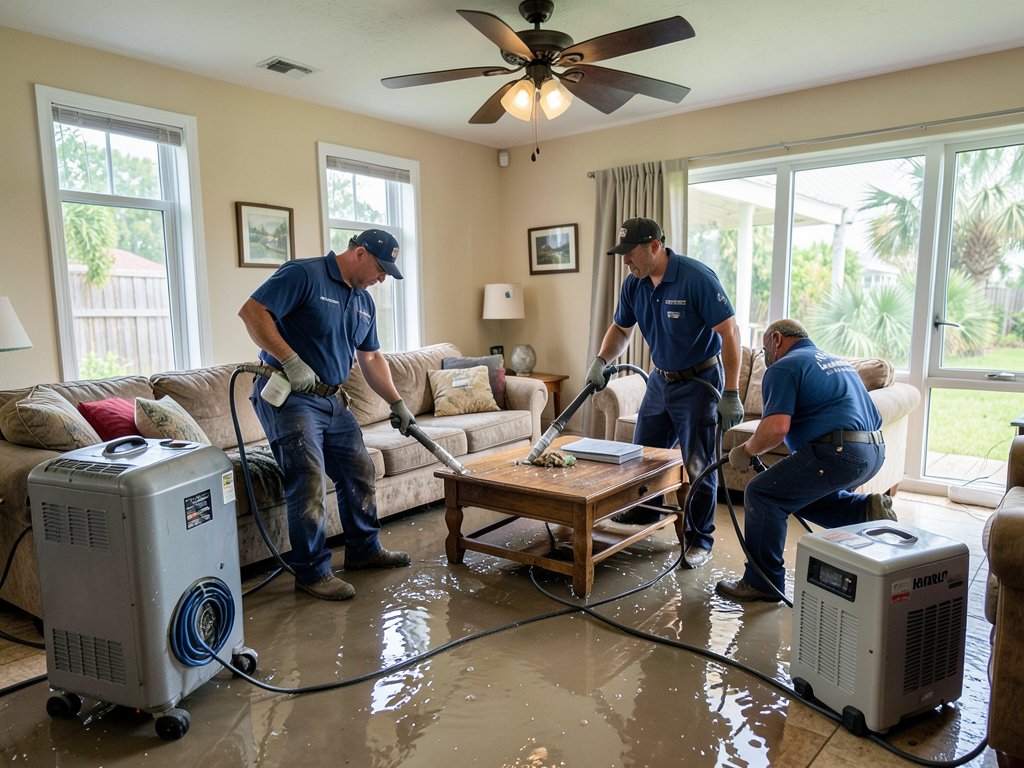
We proudly serve the entire Tampa area with rapid-response water damage restoration services. Whether you’re downtown, in the suburbs, or operating a business near the bay, our expert team is just minutes away. Use the map below to view our service zone or find our nearest location. We’re ready to respond wherever you need us. Your peace of mind is only a call or click away.

Address:
Fortress Water Damage Restoration Tampa, 4830 W Kennedy Blvd #600, Tampa, FL, 33609

Additional Services We Offer

Our news updates

Latest Articles & News from The Blogs

The First 4 Hours After a Pipe Bursts in Your Gibsonton House When water starts spraying from a broken pipe…

The First 4 Hours After a Pipe Bursts in Your Gibsonton House

The First 4 Hours After a Pipe Bursts in Your Gibsonton House When water starts spraying from a broken pipe…

A Homeowner Guide to Choosing the Best Dehumidifier for Humidity Control in Seffner

A Homeowner Guide to Choosing the Best Dehumidifier for Humidity Control in Seffner Living in Seffner means dealing with Florida’s…

Why Your Kids Keep Sneezing After a Small Leak in Your Seffner Home

Why Your Kids Keep Sneezing After a Small Leak in Your Seffner Home Your child wakes up sneezing again. You…

Contact Us

Call Fortress Water Damage Restoration Tampa at (656) 219-8088 for a professional moisture assessment. We identify the water source, stop the intrusion, and eliminate the white powder permanently. Do not wait until spalling starts.