



Menu

Wet Carpet & Padding in Tampa – Fast Extraction Prevents Mold and Structural Damage

Professional removal of soaked carpeting and underlay protects your home from hidden moisture damage, bacterial growth, and subfloor deterioration common in Tampa's high-humidity environment.

Slider Image 1
Slider Image 2
Slider Image 3
Slider Image 4
Slider Image 5
Slider Image 7
Slider Image 8
Slider Image 9
Slider Image 10
Slider Image 11

Why Wet Carpet and Padding Are Dangerous in Tampa Homes

You step onto your carpet and water squishes up around your foot. That sinking feeling in your stomach is justified. What you cannot see beneath that saturated carpet and cushion is worse than what you can feel.

Tampa's humidity hovers between 70 and 90 percent year-round. When water infiltrates your flooring, that moisture does not evaporate. It spreads. Within 24 to 48 hours, mold colonies begin forming in the water damaged carpet and pad. The spores release into your air. You breathe them. Your children breathe them.

The padding acts like a sponge. It holds gallons of water against your subfloor. If you have a pier and beam foundation common in neighborhoods like Hyde Park or Seminole Heights, that moisture seeps into wooden joists. Wood swells. Wood rots. Structural integrity weakens.

Concrete slab foundations in newer Tampa developments face a different threat. Water trapped beneath flooded carpet and underpad creates hydrostatic pressure. Salts from the concrete leach into the padding. When the water finally dries, crystalline deposits remain. These salts are hygroscopic. They pull humidity from Tampa's air back into your flooring, creating a cycle of dampness that never fully resolves.

Bacteria thrive in wet carpet underlayment. E. coli, salmonella, and other pathogens from sewage backups or contaminated floodwater colonize the fibers. You cannot sanitize carpet once it has been contaminated by Category 2 or Category 3 water. Professional extraction and disposal become necessary.

The longer you wait, the worse it gets. What starts as a localized issue spreads through capillary action. Wall cavities wick moisture upward. Baseboards warp. Drywall softens. The repair bill multiplies.

Why Wet Carpet and Padding Are Dangerous in Tampa Homes
How We Extract Water from Soaked Carpeting and Underlay

How We Extract Water from Soaked Carpeting and Underlay

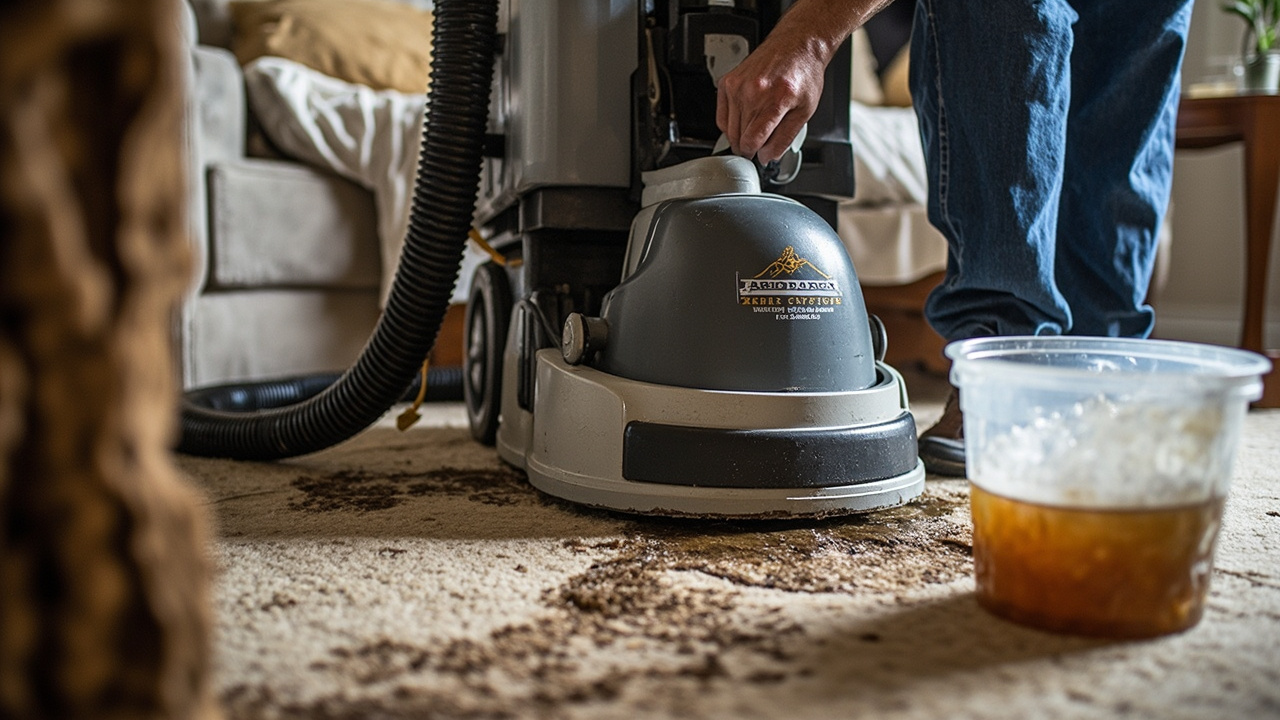
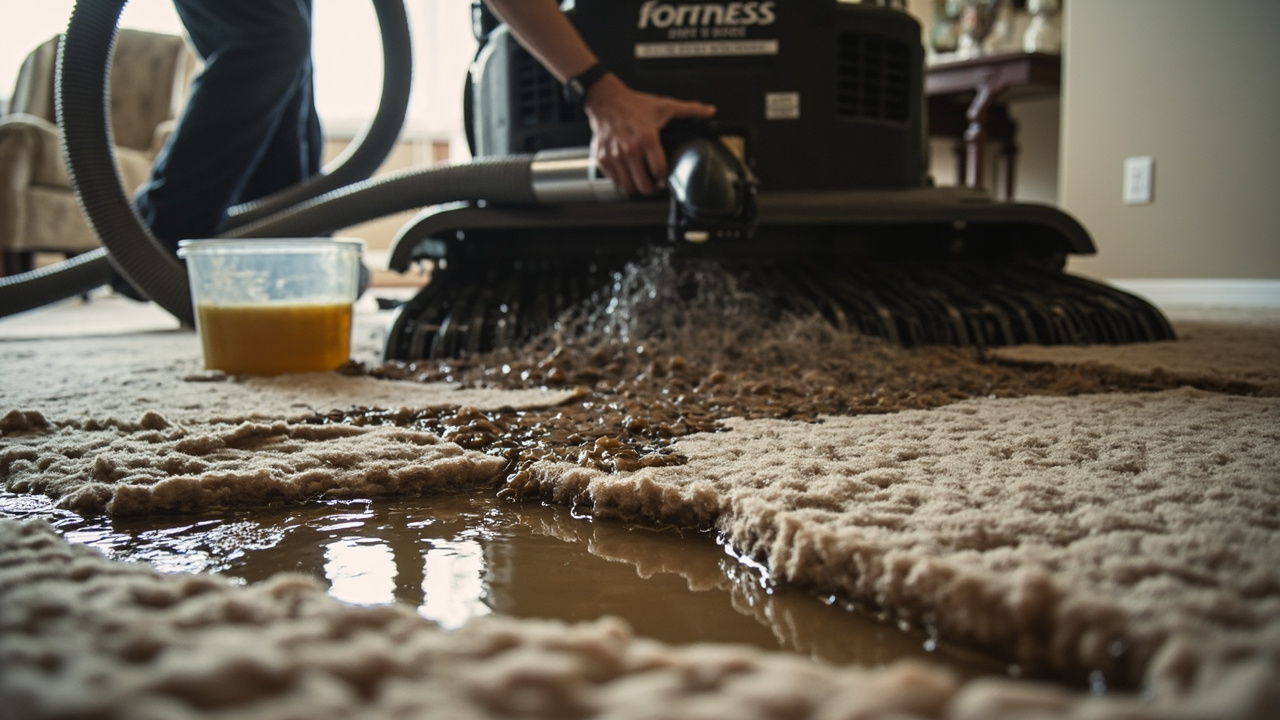
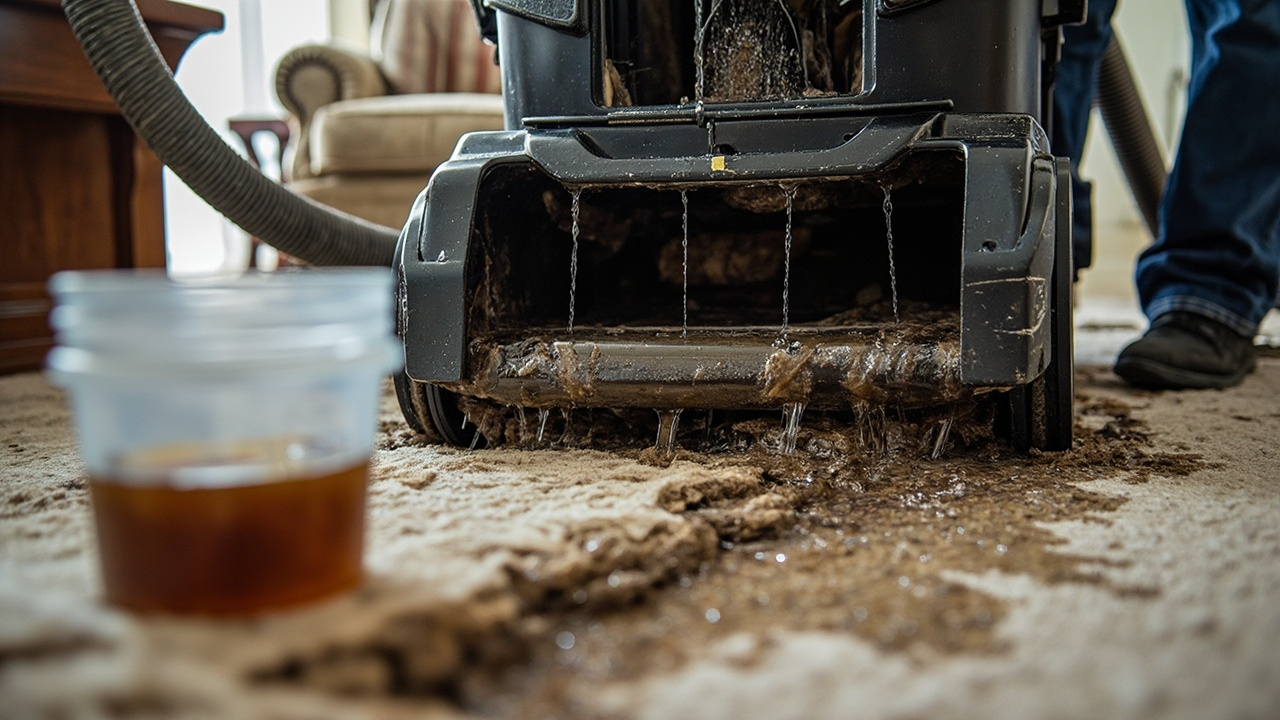
We do not use shop vacuums and hope for the best. Our truck-mounted extraction units generate 500 to 600 inches of water lift. That suction force pulls water from deep within carpet fibers and the cushion beneath. We make multiple passes in overlapping patterns to ensure complete saturation removal.

Carpet edges get pulled back from tack strips. We inspect the padding separately. If the padding is polyurethane foam, it holds water like a sponge and must be removed. If it is a rebond product, the same applies. Felt padding disintegrates when wet. Rubber padding releases volatile compounds as it degrades. None of these materials can be salvaged once fully saturated.

We use thermal imaging cameras to map moisture distribution. Cold spots on the camera screen indicate trapped water. We mark these areas and target them with focused extraction. This technology prevents guesswork.

After extraction, we assess the subfloor. Moisture meters give us exact readings. Wood subfloors above 16 percent moisture content require drying equipment. Concrete slabs above 4 percent on the calcium chloride test need dehumidification. We place air movers in a controlled airflow pattern to accelerate evaporation. Commercial dehumidifiers remove moisture from the air before it redeposits into materials.

We do not rely on air movement alone. Desiccant dehumidifiers work better in Tampa's humid conditions than refrigerant models. They remove moisture regardless of ambient temperature and humidity levels. We monitor progress with daily moisture readings and adjust equipment placement as needed.

Antimicrobial treatments get applied to subfloors and tack strips after drying. This prevents mold growth during the reconstruction phase. We document everything with photos and moisture logs for your insurance claim.

What Happens During Emergency Carpet Water Removal

Wet Carpet & Padding in Tampa – Fast Extraction Prevents Mold and Structural Damage
01

Initial Assessment and Source Control

We arrive and immediately identify the water source. A burst supply line gets shut off. A leaking appliance gets disconnected. If the source is still active, no extraction work can begin. We stop the flow first. Then we walk the affected area with moisture detection equipment to map the full extent of saturation. You get a clear explanation of what needs removal and why.
02

Extraction and Material Removal

Truck-mounted extractors connect to our hoses. We begin pulling water from the flooded carpet and underpad using high-pressure wands. Carpet edges lift away from walls. Padding gets rolled and removed. Furniture moves to dry areas or onto blocks to prevent further damage. Everything soaked beyond recovery goes into disposal bins. Subfloor inspection follows immediately to determine drying requirements and structural integrity.
03

Drying and Verification

Air movers and dehumidifiers run continuously. We return daily to take moisture readings from subfloors and surrounding materials. Drying time depends on material type and saturation level. Wood subfloors take longer than concrete. When all readings fall within acceptable ranges, equipment gets removed. You receive documentation showing the structure returned to pre-loss moisture levels. The space is ready for new flooring installation.

Why Tampa Homeowners Choose Fortress Water Damage Restoration Tampa

We operate in Tampa full time. We know the difference between a ranch home in Town 'N' Country built on a slab and a Craftsman bungalow in Old Seminole Heights with a crawl space. Foundation types dictate drying strategy. We adjust our approach based on what is actually under your carpet.

Tampa's building codes changed after Hurricane Andrew. Homes built before 1992 have different construction standards than newer properties. Older homes often have wooden subfloors that require longer drying times and careful monitoring to prevent warping. Newer concrete slabs need different equipment and techniques. We have worked in both types hundreds of times.

Insurance companies operate on documented evidence. We provide thermal imaging photos, daily moisture logs, and psychrometric readings that satisfy claims adjusters. Our reports follow IICRC S500 standards. Adjusters recognize our documentation and approve claims faster. You get paid. We get paid. The project moves forward without delays.

We do not subcontract work to random crews. Our technicians train on water damage mitigation year-round. They understand how Tampa's humidity affects drying times. They know when to use desiccant dehumidifiers instead of refrigerant models. They recognize the signs of secondary damage before it becomes catastrophic.

Speed matters with water damage. We answer calls 24 hours a day. A technician arrives within 60 to 90 minutes anywhere in Hillsborough County. Equipment gets deployed immediately. The difference between calling us at 2 a.m. versus waiting until 9 a.m. can mean the difference between drying your subfloor and replacing it.

We communicate clearly. You get updates on drying progress. You get explanations of what we find. You get honest assessments of what can be saved and what cannot. No surprises. No upselling. Just professional water damage restoration done right.

What to Expect When You Call for Wet Carpet Removal

Response Time and Availability

We dispatch a crew within 60 to 90 minutes of your call, day or night. Water damage does not wait for business hours. Neither do we. Our trucks carry extraction equipment, air movers, dehumidifiers, and moisture detection tools. We arrive ready to work. The sooner extraction begins, the less secondary damage occurs. If you call us at 3 a.m. because you discovered flooding, a technician will be at your door before sunrise. We operate across Tampa, from Westchase to Brandon, Carrollwood to Riverview.

Inspection and Moisture Mapping

We start with a visual inspection of affected areas, then use thermal imaging cameras and moisture meters to map saturation levels. You see the same readings we see. We explain what the numbers mean and what actions they require. If your subfloor reads 20 percent moisture content, we explain why it needs drying equipment and how long that will take. If contamination is present, we explain the health risks and disposal requirements. The assessment takes 20 to 30 minutes. You receive a written scope of work before any equipment gets placed.

Drying Results and Quality Control

Drying takes between three and seven days depending on material type, saturation level, and ambient conditions. We monitor progress daily with moisture meters and adjust equipment placement as needed. You do not pay for guesswork. When moisture levels reach acceptable standards, we document final readings and remove equipment. Your subfloor will be dry, sanitized, and ready for new flooring. We provide a completion certificate showing all areas returned to normal moisture levels. This documentation protects you if mold issues arise later from incomplete drying by another company.

Insurance Coordination and Documentation

We photograph everything before, during, and after the restoration process. Daily moisture logs track drying progress. Thermal images show hidden moisture. Equipment placement diagrams document our mitigation strategy. This documentation package goes directly to your insurance adjuster. Most claims get approved within 7 to 10 days when proper documentation exists. We can bill your insurance company directly or work with you on out-of-pocket costs. Either way, you receive copies of all reports for your records. Clear documentation prevents claim denials and speeds up payment.

Frequently Asked Questions

You Have Questions,
We Have Answers

Is carpet padding ruined if it gets wet? +

Yes, carpet padding is usually ruined once it gets wet. Padding is made from porous foam or fiber materials that absorb water like a sponge. In Tampa's humid climate, saturated padding becomes a breeding ground for mold and bacteria within 24 to 48 hours. Even if the surface carpet dries, the padding underneath stays damp and traps moisture against the subfloor. This leads to odors, structural damage, and health risks. Most restoration professionals recommend removing and replacing wet padding rather than attempting to dry it. Salvaging wet padding rarely works and often costs more in long-term damage than immediate replacement.

How to dry out wet carpet padding? +

Drying wet carpet padding requires professional extraction equipment. First, pull back the carpet and remove the soaked padding completely. Use commercial air movers and dehumidifiers to dry the subfloor and the underside of the carpet. In Tampa's high humidity, ambient air drying does not work. You need controlled airflow and moisture removal. If the padding was contaminated by sewage or floodwater, discard it immediately. Clean water damage might allow you to dry the carpet itself, but padding should still be replaced. Attempting to dry padding in place traps moisture and encourages mold growth in Tampa's warm conditions.

How long can carpet stay wet before mold? +

Carpet can stay wet for 24 to 48 hours before mold starts growing. Tampa's heat and humidity accelerate this timeline. Mold spores are always present in the air, but they need moisture and warmth to colonize. Once carpet stays damp beyond two days, mold begins spreading through fibers and into padding. The clock starts the moment water soaks the carpet. Quick action is critical. Extract standing water immediately, pull up carpet to expose padding, and run dehumidifiers to drop indoor humidity below 50 percent. Waiting beyond 48 hours almost guarantees mold contamination and requires professional remediation.

What to do if water gets under carpet? +

If water gets under your carpet, act fast. Pull back the carpet from the edges to expose the padding and subfloor. Remove all wet padding immediately because it cannot be effectively dried in place. Extract standing water with a wet vacuum or call a water damage professional if the area is large. Set up air movers and dehumidifiers to dry the subfloor and carpet backing. In Tampa, you are fighting high ambient humidity, so proper equipment is essential. Check for mold growth after 24 hours. If the water came from a contaminated source like sewage or flooding, discard the carpet and padding entirely.

Can mold grow under carpet padding? +

Yes, mold grows under carpet padding quickly in Tampa. Padding is porous and holds moisture against the subfloor, creating a dark, damp environment where mold thrives. You may not see mold on the carpet surface, but it spreads unseen underneath. Tampa's humidity gives mold spores everything they need to colonize within 48 hours of water exposure. Once mold takes hold under padding, it spreads to the subfloor and releases spores into your indoor air. Musty odors, respiratory issues, and visible staining are common signs. Removing wet padding immediately is the only way to prevent hidden mold growth.

Will wet carpet dry on its own? +

No, wet carpet will not dry properly on its own in Tampa. High humidity slows evaporation, and moisture trapped in padding or backing stays damp for days or weeks. Even if the surface feels dry, the underlayers remain wet, promoting mold growth and odors. Relying on air circulation alone is ineffective. You need professional-grade dehumidifiers and air movers to control moisture levels and airflow. Without intervention, wet carpet becomes a health hazard. Tampa's climate makes ambient drying nearly impossible. If your carpet gets soaked, remove padding, extract water, and use mechanical drying equipment to prevent long-term damage.

Can carpet be saved after water damage? +

Carpet can sometimes be saved after water damage if you act within 24 to 48 hours. The key factors are water source, saturation depth, and response time. Clean water from a supply line is easier to remediate than contaminated floodwater or sewage. You must remove all padding, extract standing water, and dry the carpet thoroughly using commercial equipment. In Tampa's humid climate, natural drying does not work. If mold has started growing or the water was contaminated, replacement is safer. Older carpet or heavily saturated carpet is rarely worth saving. Quick professional intervention gives you the best chance.

What are signs of mold in carpet? +

Signs of mold in carpet include a persistent musty odor, visible dark spots or discoloration, and increased allergy symptoms like sneezing or coughing. You may notice the carpet feels damp even days after water exposure. In Tampa's humidity, mold often grows under the carpet or in padding where you cannot see it. Check along baseboards and in corners where airflow is limited. If you pull back the carpet and see black, green, or white patches on the backing or padding, mold has colonized. Respiratory irritation and worsening asthma are health indicators that hidden mold is releasing spores into your air.

Is it okay to sleep in a room with wet carpet? +

No, you should not sleep in a room with wet carpet. Wet carpet releases moisture into the air, raising indoor humidity and creating conditions for mold growth. Tampa's climate already challenges indoor air quality, and wet carpet makes it worse. Breathing in mold spores and airborne bacteria can trigger allergies, asthma, and respiratory infections. The damp environment also attracts pests. If the water came from sewage or flooding, the health risks multiply. Move to another room while the carpet is wet. Use dehumidifiers and air movers to dry the space quickly, and replace padding before returning to the room.

What kills mold in wet carpet? +

Killing mold in wet carpet requires removing the moisture source and treating affected areas with antimicrobial agents. Professionals use EPA-registered biocides designed for mold remediation. Household bleach can kill surface mold on hard surfaces but does not penetrate carpet fibers or padding effectively. In Tampa's humid conditions, surface treatments alone fail because mold roots deep into porous materials. The best solution is removing and replacing contaminated padding, then treating the carpet backing and subfloor with professional-grade disinfectants. Thorough drying with dehumidifiers prevents regrowth. DIY solutions rarely eliminate mold completely, and improper treatment can spread spores throughout your home.

How Tampa's Humidity and Storm Patterns Make Wet Carpet Emergencies Worse

Tampa receives 46 inches of rain annually, with the heaviest downpours occurring between June and September. Afternoon thunderstorms dump two to three inches of water in under an hour. Older neighborhoods with inadequate drainage see water pooling against foundation walls. That water finds its way inside through cracks, gaps around plumbing penetrations, and failed waterproofing membranes. Once water saturates your carpet and cushion, Tampa's 75 to 90 percent humidity prevents natural evaporation. The moisture stays trapped in your flooring materials, creating perfect conditions for mold growth and bacterial contamination.

Tampa sits at sea level with a high water table. Many homes in South Tampa, Palma Ceia, and Bayshore Beautiful deal with periodic groundwater intrusion during heavy rain events. When street drains overflow, water backs up through foundation drains and perimeter drainage systems. This contaminated water carries bacteria, chemicals, and organic waste. Professional extraction and antimicrobial treatment become necessary to protect your family's health. Local restoration companies that understand Tampa's unique water table issues know how to address subsurface moisture and prevent recurring problems.
Water Damage Restoration Services in The Tampa Area

We proudly serve the entire Tampa area with rapid-response water damage restoration services. Whether you’re downtown, in the suburbs, or operating a business near the bay, our expert team is just minutes away. Use the map below to view our service zone or find our nearest location. We’re ready to respond wherever you need us. Your peace of mind is only a call or click away.

Address:
Fortress Water Damage Restoration Tampa, 4830 W Kennedy Blvd #600, Tampa, FL, 33609

Additional Services We Offer

Our news updates

Latest Articles & News from The Blogs

Lorem ipsum dolor sit amet. Aut expedita quaerat quo eligendi numquam et laudantium perspiciatis qui minima expedita rem consequatur ducimus.…

Test Blog 4

Lorem ipsum dolor sit amet. Aut expedita quaerat quo eligendi numquam et laudantium perspiciatis qui minima expedita rem consequatur ducimus.…

Test Blog 3

Lorem ipsum dolor sit amet. Aut expedita quaerat quo eligendi numquam et laudantium perspiciatis qui minima expedita rem consequatur ducimus.…

Test Blog 2

Lorem ipsum dolor sit amet. Aut expedita quaerat quo eligendi numquam et laudantium perspiciatis qui minima expedita rem consequatur ducimus.…

Contact Us

Water spreads and mold grows while you wait. Call Fortress Water Damage Restoration Tampa at (656) 219-8088 for immediate dispatch. Our crews respond 24/7 with truck-mounted extraction equipment and drying technology that stops damage before it becomes catastrophic.