
Saving Your Hardwood Floors After Water Damage in South Tampa
Water damage to hardwood floors in South Tampa homes requires immediate action. The humid Florida climate and historic wood types common in neighborhoods like Hyde Park and Palma Ceia create unique restoration challenges that demand specialized equipment and expertise.
When water saturates hardwood flooring the wood cells expand and contract at different rates. This causes cupping crowning or buckling that can destroy expensive flooring if not addressed within the first 24-48 hours. The sandy soil and high water table in South Tampa mean water migrates quickly through foundations making rapid response critical.
Professional restoration involves more than just drying the surface. Technicians must extract water from subfloors monitor moisture content with specialized meters and use industrial dehumidifiers to prevent mold growth in Tampa’s 80%+ humidity environment. The process can save floors that might otherwise require complete replacement.
Immediate Steps to Take When Hardwood Floors Get Wet
Quick action in the first few hours can mean the difference between saving your floors and costly replacement. Here are the critical steps to take while waiting for professional help.
- Stop the Water Source
Shut off the main water valve if the leak comes from plumbing. For roof leaks place buckets to catch water and move furniture away from affected areas.
- Remove Standing Water
Use towels mops or a wet vacuum to remove surface water. Do not use a regular household vacuum as it can cause electrical hazards.
- Increase Air Circulation
Turn on ceiling fans and box fans if electricity is safe. Open windows if outdoor humidity is lower than indoor levels though this is rare in Tampa.
- Document the Damage
Take photos and videos of all affected areas before any cleanup begins. This documentation helps with insurance claims.
- Remove Rugs and Furniture
Take wet area rugs outside to dry separately. Lift furniture onto blocks or aluminum foil to prevent staining of wet floors.
Professional Hardwood Floor Restoration Process
Professional restoration follows a systematic approach that addresses both visible and hidden moisture. The process typically takes 3-7 days depending on the extent of damage and wood type.
Moisture Assessment and Mapping
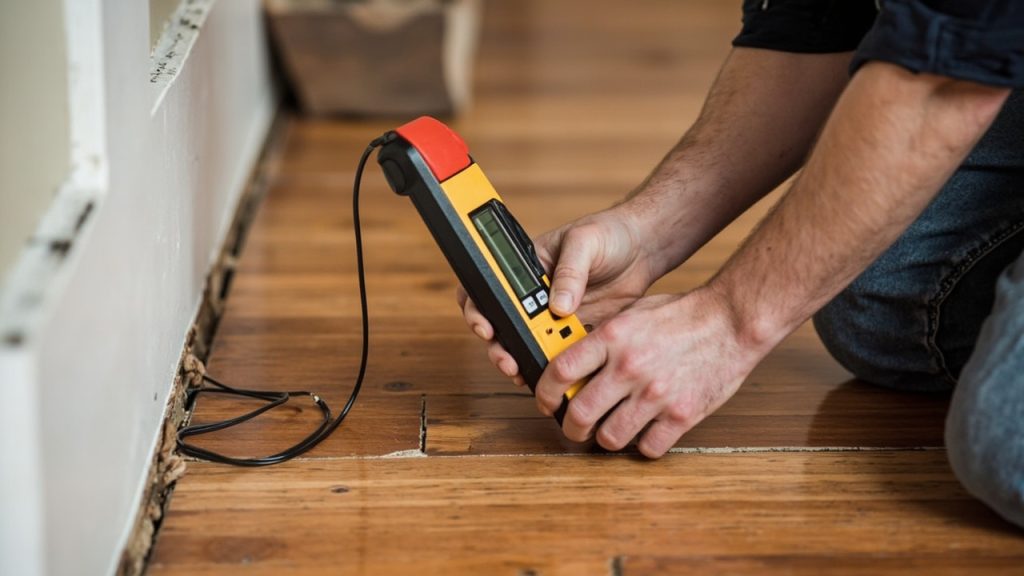
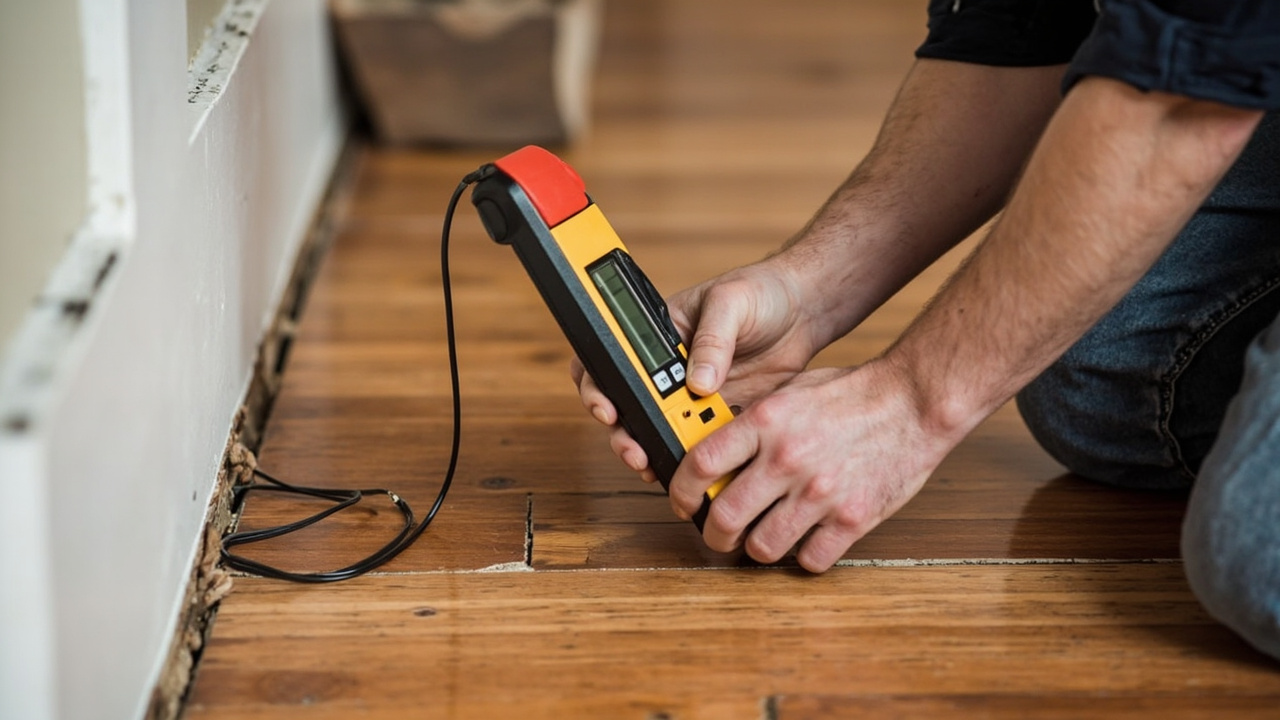
Technicians use moisture meters and thermal imaging cameras to detect water that has penetrated beyond the surface. This step is crucial because hardwood can hold moisture in the subfloor layers for weeks without visible signs.
Moisture content targets vary by wood species. Solid oak floors should reach 6-9% moisture content while engineered wood may require different targets. The specific gravity of South Tampa’s historic heart pine floors requires careful monitoring as this wood type is particularly sensitive to rapid drying.
Specialized Water Extraction
Professional extraction goes beyond surface water removal. Technicians use weighted extraction tools that compress the wood while removing water from the pores. This prevents further absorption and begins the drying process from the bottom up.
For severe cases technicians may need to remove baseboards to access wall cavities where water can hide. This is common in Davis Islands homes where storm surge can push water up through foundations.
Industrial Drying Equipment Setup
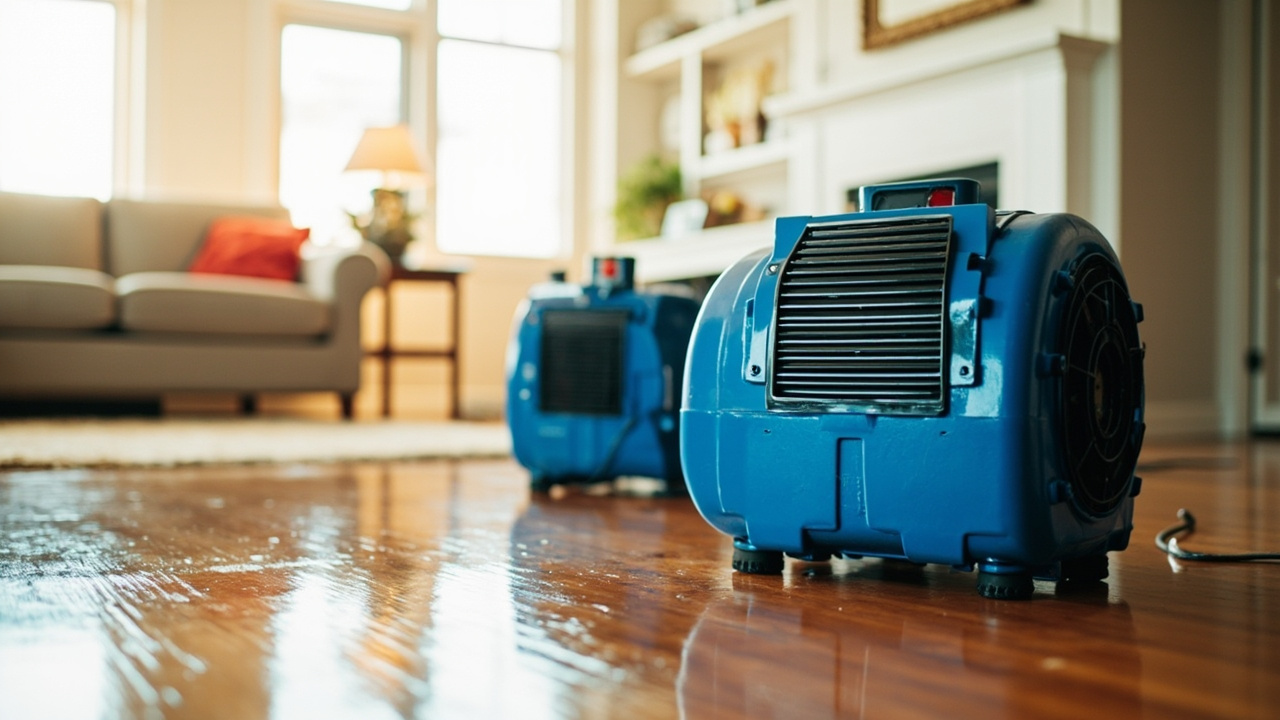
Professional drying uses a combination of equipment working in concert. High-volume air movers create airflow across the floor surface while LGR (Low Grain Refrigerant) dehumidifiers remove moisture from the air at a rate of 20-30 gallons per day.
Specialized systems like the Injectidry process force dry air beneath hardwood planks through small holes drilled in the floor. This targets moisture trapped in the subfloor without requiring complete floor removal.
Daily Moisture Monitoring
Technicians take moisture readings twice daily to track progress and adjust equipment placement. The goal is achieving uniform moisture content across the entire floor to prevent warping during the acclimation period.
Monitoring continues until wood reaches equilibrium with the home’s normal humidity levels. This prevents the floor from absorbing moisture again once furniture is replaced.
Common Hardwood Floor Problems in South Tampa
South Tampa’s historic homes built between 1920-1950 often feature heart pine or white oak flooring that reacts differently to water than modern engineered products. Understanding these differences helps determine the best restoration approach.
Cupping vs. Crowning
Cupping occurs when edges of wood planks rise higher than the center creating a concave shape. This happens when moisture comes from below the floor common in slab homes where water migrates up through the foundation.
Crowning is the opposite condition where the center of planks rises above the edges. This typically results from moisture introduced from above such as a roof leak or plumbing failure on an upper floor.
Both conditions can sometimes be corrected through proper drying though severe cases may require sanding and refinishing after the floor reaches proper moisture content.
Buckling and Warping
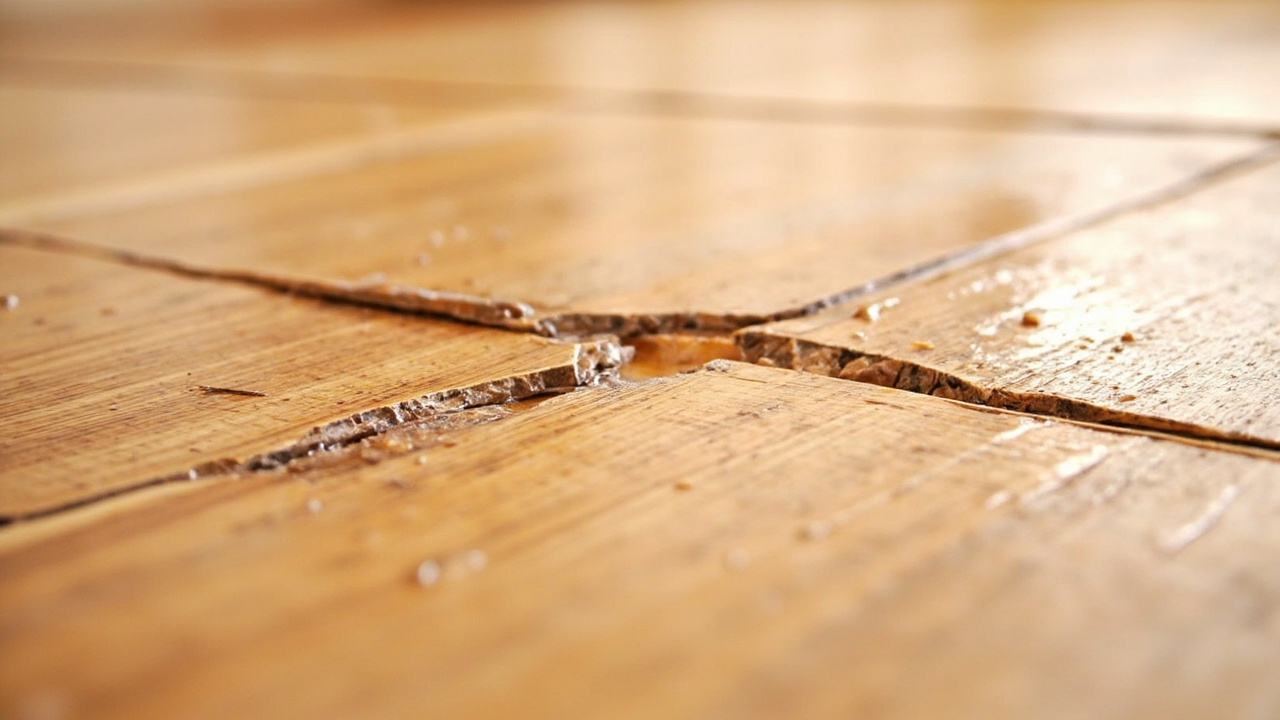
Buckling represents the most severe form of water damage where planks completely separate from the subfloor. This occurs when water exposure exceeds 24-48 hours and the wood swells beyond its elastic limit.
Minor warping can sometimes be corrected if caught early. Technicians use specialized weights and controlled humidity to gradually return warped boards to their original position.
Finish Damage
Water can cause finishes to cloud peel or separate from the wood surface. While this doesn’t always indicate structural damage it requires refinishing to restore appearance and protection.
Oil-based finishes tend to react differently to water than water-based products. Historic floors with original finishes may require specialized restoration techniques to match the original appearance.
South Tampa Climate Considerations
Tampa’s climate creates unique challenges for hardwood floor restoration. The combination of high humidity frequent storms and salt air near Bayshore Boulevard affects both the damage and the restoration process.
Humidity Impact
South Tampa experiences relative humidity levels above 80% during summer months. This high ambient moisture makes drying more difficult and increases the risk of mold growth within 24-48 hours of water exposure.
Professional restoration must account for these conditions by using dehumidifiers that can achieve low enough humidity levels to pull moisture from the wood effectively.
Historic Home Considerations
Many South Tampa homes in Hyde Park and Palma Ceia feature original hardwood floors from the 1920s-1940s. These floors often use heart pine or quarter-sawn white oak which have different moisture tolerances than modern flooring.
Historic homes may also have plaster walls and cypress subfloors that react differently to water than modern materials. Restoration requires understanding these older construction methods.
Foundation Types
South Tampa features primarily slab-on-grade construction though some historic homes have crawl spaces or raised foundations. Each foundation type affects how water moves through the structure and where it accumulates.
Slab homes are particularly vulnerable to water migration from the sides while crawl spaces can trap moisture underneath floors causing slow damage that goes unnoticed for months.
Restoration vs. Replacement Decision Guide
Deciding whether to restore or replace water-damaged hardwood depends on several factors. This guide helps homeowners understand when professional restoration is viable.
| Damage Factor | Restorable | Replacement Likely Needed |
|---|---|---|
| Water Exposure Time | < 24 hours | > 72 hours |
| Wood Type | Solid hardwood > 3/4 inch thick | Engineered wood laminate |
| Moisture Level | < 15% moisture content | > 20% moisture content |
| Visible Damage | Minor cupping no buckling | Severe buckling warping |
| Age of Floor | < 20 years old | > 50 years with extensive damage |
Cost Factors for Hardwood Floor Restoration
Restoration costs vary based on damage extent wood type and required equipment. Understanding these factors helps homeowners budget appropriately.
Size and Accessibility
Larger areas require more equipment and labor time. Hard-to-reach areas like second-story floors or rooms with limited access increase labor costs.
Historic homes with intricate floor patterns or borders require more careful work increasing restoration time and cost.
Equipment Requirements
Basic drying setups use air movers and dehumidifiers. Severe cases require specialized equipment like injectidry systems or desiccant dehumidifiers which increase daily rental costs.
Thermal imaging cameras and moisture meters are standard tools but advanced testing for specific wood species may require additional equipment.
Finish Considerations
Water-damaged finishes often require refinishing after proper drying. This adds to the total cost but is necessary for long-term protection.
Matching historic finishes or exotic wood species may require custom staining or specialized products increasing material costs.
Insurance Coverage for Hardwood Floor Water Damage
Insurance coverage depends on the water source and policy specifics. Understanding what’s covered helps homeowners navigate the claims process effectively.
Sudden vs. Gradual Damage
Most policies cover sudden water damage from burst pipes or appliance failures. Gradual damage from leaks or high humidity is often excluded.
Storm surge and flood damage require separate flood insurance which is crucial for homes near Bayshore Boulevard or in flood zones.
Documentation Requirements
Insurance companies require detailed documentation including photos moisture readings and professional assessments. This documentation should be collected immediately after damage occurs.
Keep all receipts for emergency services temporary housing and restoration work. These may be reimbursable under additional living expenses coverage.
Claim Process Timeline
Most policies require notification within 14 days of discovering damage. Delays can result in claim denial or reduced coverage.
Insurance adjusters typically inspect damage within 3-5 business days of claim filing. Having professional restoration companies present during inspections can help ensure accurate assessments.
Preventing Future Hardwood Floor Water Damage
After restoration implementing preventive measures protects your investment and reduces future risk. These steps are particularly important in South Tampa’s climate.
Plumbing Maintenance
Inspect supply lines to washing machines dishwashers and ice makers annually. Replace rubber hoses with braided stainless steel versions that resist bursting.
Check under sinks for signs of moisture or corrosion. Address small leaks immediately before they cause extensive damage.
Roof and Gutter Care
Clean gutters twice yearly to prevent overflow that can damage eaves and allow water intrusion. Ensure downspouts direct water at least 5 feet from foundation walls.
Inspect roof annually for missing shingles damaged flashing or deteriorated seals around vents and chimneys.
Humidity Control
Use dehumidifiers during summer months to maintain indoor humidity between 30-50%. This prevents wood expansion and contraction that can cause gaps or buckling.
Install humidity sensors that alert you to spikes that might indicate leaks or HVAC problems.
Frequently Asked Questions
How long does hardwood floor water damage take to show?
Visible damage typically appears within 12-24 hours of water exposure. Cupping or crowning may develop within days. Hidden damage in subfloors can take weeks to become apparent.
Can I sand and refinish water-damaged hardwood floors?
Sanding and refinishing is only possible after the floor reaches proper moisture content typically 6-9% for solid hardwood. Attempting to sand wet wood will cause further damage and warping.
How much does professional hardwood floor drying cost?
Drying costs range from $500-$2500 depending on area size equipment needed and damage extent. Severe cases requiring specialized equipment may cost more.
Will my insurance cover hardwood floor water damage?
Coverage depends on the water source and your policy. Sudden damage from plumbing failures is typically covered while gradual damage or flood damage often requires additional coverage.
How can I tell if my hardwood floors have water damage?
Signs include cupping crowning buckling dark spots musty odors or soft spots when walking. Moisture meters can detect hidden damage before visible signs appear.
Is it better to replace or restore water-damaged hardwood?
Restoration is usually better for solid hardwood floors with minimal damage caught early. Replacement may be necessary for engineered wood severe damage or floors with extensive mold growth.
How long does the restoration process take?
Professional drying typically takes 3-7 days. Additional time may be needed for repairs refinishing or waiting for proper moisture content before finishing work.
Can I walk on hardwood floors during the drying process?
Limit foot traffic during drying to prevent further damage. If walking is necessary wear clean socks and avoid dragging furniture or heavy objects across the floor.
Why Choose Professional Restoration in South Tampa
South Tampa’s unique climate and historic architecture require specialized knowledge that general contractors lack. Professional restoration companies understand the specific challenges of working with historic heart pine managing humidity levels and navigating insurance claims in Florida.
Professional restoration not only saves your floors but also prevents secondary damage like mold growth that can occur in Tampa’s humid environment. The investment in professional services often costs less than replacement while preserving the character of your home.
Emergency response teams can typically arrive within 60 minutes of your call beginning the critical first steps that determine whether your floors can be saved. This rapid response is essential given Florida’s mold growth timeline of 24-48 hours.
Don’t wait until minor water damage becomes major floor replacement. If your South Tampa hardwood floors have been exposed to water call for professional assessment immediately. The first 24 hours are critical for successful restoration.
{
“@context”: “https://schema.org”,
“@type”: “BlogPosting”,
“headline”: “Saving Your Hardwood Floors After Water Damage in South Tampa”,
“description”: “Expert guide to saving hardwood floors after water damage in South Tampa. Learn immediate steps, professional restoration, and prevention tips for Tampa’s humid climate.”,
“wordCount”: 2094,
“datePublished”: “2026-02-16T10:48:00.000Z”,
“dateModified”: “2026-02-16T10:48:00.000Z”,
“inLanguage”: “en-US”,
“mainEntityOfPage”: {
“@type”: “WebPage”,
“@id”: “https://fortresswaterdamagerestorationtampa.com”
},
“publisher”: {
“@type”: “LocalBusiness”,
“name”: “Fortress Water Damage Restoration Tampa”,
“url”: “https://fortresswaterdamagerestorationtampa.com”
},
“author”: {
“@type”: “Organization”,
“name”: “Fortress Water Damage Restoration Tampa”,
“url”: “https://fortresswaterdamagerestorationtampa.com”
},
“image”: {
“@type”: “ImageObject”,
“url”: “https://fortresswaterdamagerestorationtampa.com/wp-content/uploads/2026/03/saving-your-hardwood-floors-after-water-damage-in-1-1.jpg”
}
}
{
“@context”: “https://schema.org”,
“@type”: “LocalBusiness”,
“name”: “Fortress Water Damage Restoration Tampa”,
“url”: “https://fortresswaterdamagerestorationtampa.com”,
“address”: {
“@type”: “PostalAddress”,
“addressLocality”: “Tampa”
},
“areaServed”: {
“@type”: “City”,
“name”: “Tampa”
}
}
{
“@context”: “https://schema.org”,
“@type”: “FAQPage”,
“mainEntity”: [
{
“@type”: “Question”,
“name”: “How long does hardwood floor water damage take to show?”,
“acceptedAnswer”: {
“@type”: “Answer”,
“text”: “Visible damage typically appears within 12-24 hours of water exposure. Cupping or crowning may develop within days. Hidden damage in subfloors can take weeks to become apparent.”
}
},
{
“@type”: “Question”,
“name”: “Can I sand and refinish water-damaged hardwood floors?”,
“acceptedAnswer”: {
“@type”: “Answer”,
“text”: “Sanding and refinishing is only possible after the floor reaches proper moisture content typically 6-9% for solid hardwood. Attempting to sand wet wood will cause further damage and warping.”
}
},
{
“@type”: “Question”,
“name”: “How much does professional hardwood floor drying cost?”,
“acceptedAnswer”: {
“@type”: “Answer”,
“text”: “Drying costs range from $500-$2500 depending on area size equipment needed and damage extent. Severe cases requiring specialized equipment may cost more.”
}
},
{
“@type”: “Question”,
“name”: “Will my insurance cover hardwood floor water damage?”,
“acceptedAnswer”: {
“@type”: “Answer”,
“text”: “Coverage depends on the water source and your policy. Sudden damage from plumbing failures is typically covered while gradual damage or flood damage often requires additional coverage.”
}
},
{
“@type”: “Question”,
“name”: “How can I tell if my hardwood floors have water damage?”,
“acceptedAnswer”: {
“@type”: “Answer”,
“text”: “Signs include cupping crowning buckling dark spots musty odors or soft spots when walking. Moisture meters can detect hidden damage before visible signs appear.”
}
},
{
“@type”: “Question”,
“name”: “Is it better to replace or restore water-damaged hardwood?”,
“acceptedAnswer”: {
“@type”: “Answer”,
“text”: “Restoration is usually better for solid hardwood floors with minimal damage caught early. Replacement may be necessary for engineered wood severe damage or floors with extensive mold growth.”
}
},
{
“@type”: “Question”,
“name”: “How long does the restoration process take?”,
“acceptedAnswer”: {
“@type”: “Answer”,
“text”: “Professional drying typically takes 3-7 days. Additional time may be needed for repairs refinishing or waiting for proper moisture content before finishing work.”
}
},
{
“@type”: “Question”,
“name”: “Can I walk on hardwood floors during the drying process?”,
“acceptedAnswer”: {
“@type”: “Answer”,
“text”: “Limit foot traffic during drying to prevent further damage. If walking is necessary wear clean socks and avoid dragging furniture or heavy objects across the floor.”
}
}
]
}
{
“@context”: “https://schema.org”,
“@type”: “HowTo”,
“name”: “Emergency Hardwood Floor Water Damage Response”,
“step”: [
{
“@type”: “HowToStep”,
“position”: 1,
“name”: “Stop the Water Source”,
“text”: “Shut off the main water valve if the leak comes from plumbing. For roof leaks place buckets to catch water and move furniture away from affected areas.”
},
{
“@type”: “HowToStep”,
“position”: 2,
“name”: “Remove Standing Water”,
“text”: “Use towels mops or a wet vacuum to remove surface water. Do not use a regular household vacuum as it can cause electrical hazards.”
},
{
“@type”: “HowToStep”,
“position”: 3,
“name”: “Increase Air Circulation”,
“text”: “Turn on ceiling fans and box fans if electricity is safe. Open windows if outdoor humidity is lower than indoor levels though this is rare in Tampa.”
},
{
“@type”: “HowToStep”,
“position”: 4,
“name”: “Document the Damage”,
“text”: “Take photos and videos of all affected areas before any cleanup begins. This documentation helps with insurance claims.”
},
{
“@type”: “HowToStep”,
“position”: 5,
“name”: “Remove Rugs and Furniture”,
“text”: “Take wet area rugs outside to dry separately. Lift furniture onto blocks or aluminum foil to prevent staining of wet floors.”
}
],
“image”: “https://fortresswaterdamagerestorationtampa.com/wp-content/uploads/2026/03/saving-your-hardwood-floors-after-water-damage-in-1-1.jpg”
}
{
“@context”: “https://schema.org”,
“@type”: “BreadcrumbList”,
“itemListElement”: [
{
“@type”: “ListItem”,
“position”: 1,
“name”: “Home”,
“item”: “https://fortresswaterdamagerestorationtampa.com”
},
{
“@type”: “ListItem”,
“position”: 2,
“name”: “Blog”,
“item”: “https://fortresswaterdamagerestorationtampa.com/blog”
},
{
“@type”: “ListItem”,
“position”: 3,
“name”: “Saving Your Hardwood Floors After Water Damage in South Tampa”
}
]
}
{
“@context”: “https://schema.org”,
“@type”: “Service”,
“serviceType”: “Water Damage Restoration”,
“provider”: {
“@type”: “LocalBusiness”,
“name”: “Fortress Water Damage Restoration Tampa”,
“url”: “https://fortresswaterdamagerestorationtampa.com”
},
“areaServed”: {
“@type”: “City”,
“name”: “Tampa”
},
“description”: “Expert guide to saving hardwood floors after water damage in South Tampa. Learn immediate steps, professional restoration, and prevention tips for Tampa’s humid climate.”
}