





Menu

Document Drying & Restoration in Tampa – Minimize Downtime and Protect Business-Critical Records

Industrial-Grade Document Recovery Services That Stabilize Water-Damaged Records Fast, Comply with Retention Laws, and Keep Your Tampa Business Operational During Catastrophic Loss

Slider Image 1
Slider Image 2
Slider Image 3
Slider Image 4
Slider Image 5
Slider Image 7
Slider Image 8
Slider Image 9
Slider Image 10
Slider Image 11

Water Events That Threaten Your Business Records in Tampa

Tampa businesses face a unique set of water threats that can destroy critical documentation in hours. Gulf-fed hurricanes bring storm surge that floods ground-level file rooms and document storage facilities. The Hillsborough River floods during tropical storms, saturating basements in downtown Tampa where legal firms, healthcare providers, and financial institutions store decades of paper records. Add in Tampa's chronic humidity and year-round heat, and you get rapid mold colonization on wet documents within 24 to 48 hours.

Water damaged records restoration is not just about saving paper. It is about compliance. Healthcare providers must maintain patient records under HIPAA. Legal firms face bar sanctions for lost case files. Government offices must preserve public records under Florida Sunshine Laws. When a pipe bursts in your Westshore office or a roof failure soaks your archive room in Ybor City, you are not just losing paper. You are risking regulatory penalties, litigation exposure, and operational paralysis.

Wet document salvage requires immediate intervention. Every hour of delay increases permanent ink bleeding, adhesion between pages, and biological contamination. Archive drying services must address both the physical stabilization of paper and the legal obligation to preserve content. Vacuum freeze drying documents is the only method proven to separate fragile pages without tearing, preserve ink integrity, and halt microbial growth. Standard air drying or heat drying destroys bound volumes, causes warping, and accelerates deterioration.

Tampa businesses need document recovery services that understand the intersection of water damage physics, archival science, and Florida compliance standards.

Water Events That Threaten Your Business Records in Tampa
How Professional Document Drying Protects Your Business Continuity

How Professional Document Drying Protects Your Business Continuity

Commercial document recovery is a time-sensitive technical operation, not a cleanup task. The first 48 hours determine whether your records are salvageable or total losses. Fortress Water Damage Restoration Tampa deploys a three-phase stabilization protocol designed to arrest deterioration, extract moisture, and restore usability.

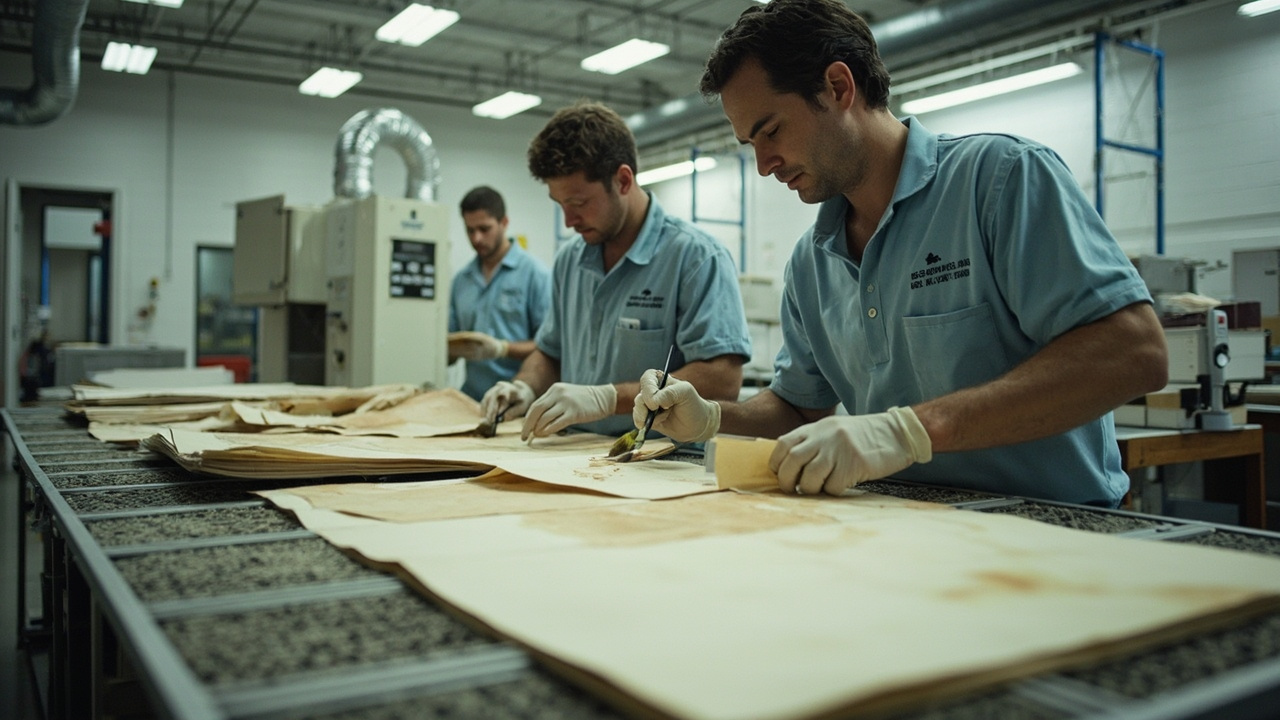
Phase one is immediate triage. We categorize documents by material type, water contamination level, and business priority. Coated paper reacts differently than bond paper. Blueprints require different handling than legal briefs. We separate items by urgency: payroll records, contracts under litigation, and compliance-sensitive files move to the front of the processing queue.

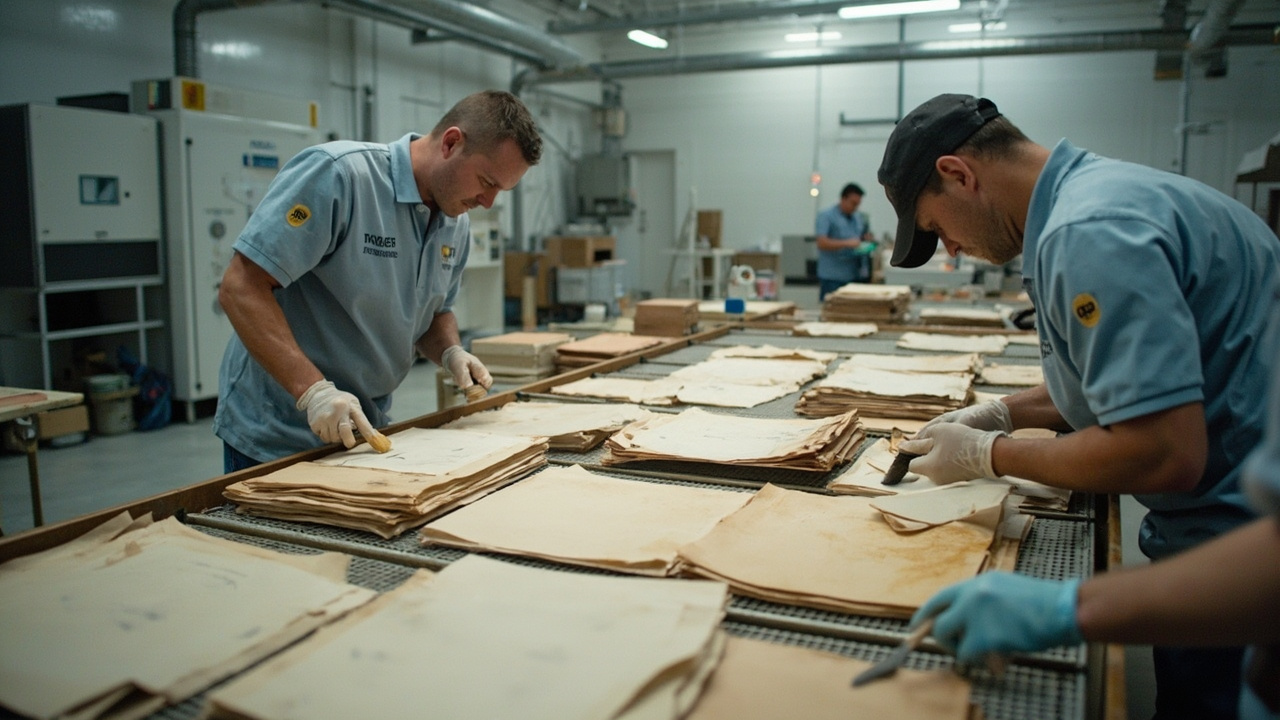
Phase two is moisture extraction. We use vacuum freeze drying, the only method approved by the Library of Congress for archival restoration. Frozen documents sublimate water directly from solid to vapor, bypassing the liquid phase that causes ink bleeding and page adhesion. This prevents the rippling, warping, and text loss that occurs with thermal drying or desiccant methods. Freeze drying also halts mold spore germination, preventing the biological contamination that renders documents unsafe to handle.

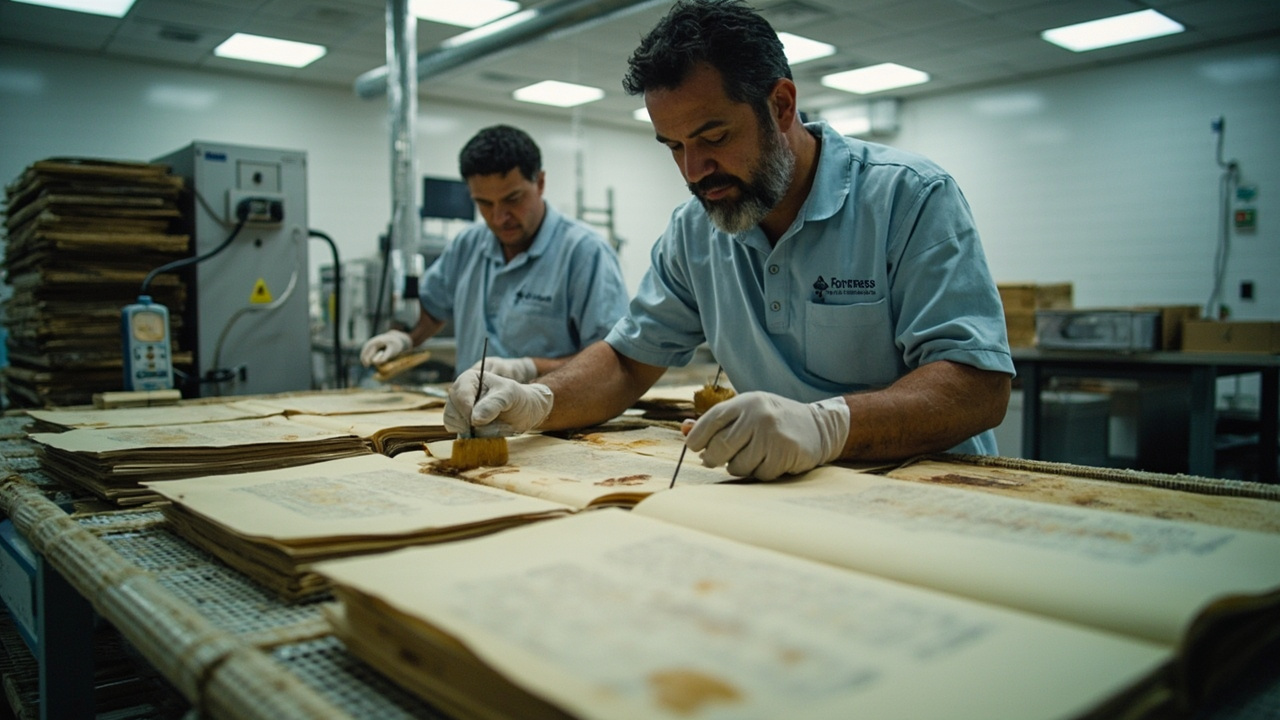
Phase three is decontamination and rehousing. We treat all recovered documents with antimicrobial solutions to prevent post-recovery mold growth, then rehouse them in acid-free archival materials. If documents require digitization for redundancy, we coordinate with certified scanning vendors who handle sensitive business records.

This is not a one-size-fits-all process. Medical records require HIPAA-compliant chain-of-custody documentation. Legal files demand provenance tracking for court admissibility. Financial records need forensic-grade handling to preserve audit trails. We customize the recovery workflow to your industry requirements and regulatory framework.

What Happens During a Commercial Document Recovery Job

Document Drying & Restoration in Tampa – Minimize Downtime and Protect Business-Critical Records
01

Emergency Document Stabilization

We arrive on-site within two hours of your call to assess water contamination levels and document condition. Our team photographs all affected materials, logs chain-of-custody information, and creates a prioritized recovery list based on business criticality. We pack wet documents using interleaving methods that prevent adhesion during transport, then move them to our climate-controlled processing facility where freeze drying chambers arrest further deterioration.
02

Vacuum Freeze Drying Process

Documents enter freeze drying chambers where temperature drops to -10°F and pressure reduces to near-vacuum conditions. Ice crystals in paper fibers sublimate directly to vapor over 7 to 14 days depending on paper density and saturation level. This method preserves ink integrity, prevents page adhesion, and maintains original document dimensions. We monitor chamber conditions continuously, adjusting parameters for different paper stocks and binding types to ensure optimal recovery rates.
03

Decontamination and Redelivery

After drying completes, we treat all documents with antimicrobial solutions to prevent mold regrowth, then rehouse them in archival-quality folders and boxes. We deliver recovered materials with full chain-of-custody documentation, including before-and-after photos, processing logs, and material condition reports. If you need scanning services for digital backup, we coordinate with certified vendors who maintain confidentiality agreements and handle sensitive business records according to your industry compliance requirements.

Why Tampa Businesses Trust Our Document Recovery Expertise

Fortress Water Damage Restoration Tampa operates the only vacuum freeze drying chambers in the Tampa Bay region capable of processing large-volume commercial document losses. We have recovered medical records for Tampa General Hospital after Hurricane Ian flooding, legal case files for downtown law firms after sprinkler failures, and historical archives for the Tampa-Hillsborough County Public Library System after roof leaks. Our track record includes work with organizations that cannot afford document loss, where regulatory penalties or litigation exposure make recovery non-negotiable.

We understand Tampa's specific compliance landscape. Florida public records laws require government agencies to preserve documents according to strict retention schedules. Healthcare providers must maintain patient records under both federal HIPAA standards and Florida's healthcare privacy statutes. Legal firms face bar sanctions for lost client files. Our document recovery services include chain-of-custody documentation, forensic-grade handling protocols, and confidentiality agreements that meet these regulatory frameworks.

Our facility operates under controlled access, with video surveillance, visitor logs, and restricted entry protocols. We maintain professional liability insurance specifically covering document loss during recovery operations. If your business requires additional security measures like armed transport, encrypted digital scanning, or witness verification during processing, we coordinate those services through vetted third-party specialists.

Location matters in document recovery. Tampa's heat and humidity accelerate mold colonization. Every hour of delay reduces salvage rates. We operate locally, which means faster response times and lower transport costs than sending documents to out-of-state freeze drying facilities. Your records stay within the Tampa Bay region, reducing chain-of-custody complexity and maintaining local control over sensitive materials.

What to Expect When You Need Emergency Document Recovery

Response Time and Availability

We dispatch a recovery team within two hours of your call, 24 hours a day, 365 days a year. Our mobile units carry interleaving materials, transport containers, and documentation tools needed to stabilize wet records on-site. We operate during hurricanes, floods, and other large-scale water events when document losses are most catastrophic. If your facility is inaccessible due to flooding or structural damage, we coordinate with emergency responders to gain entry and secure your records before mold colonization begins. Time is your enemy in document recovery. We treat every call as a business continuity emergency.

Initial Assessment and Scope Determination

Our first on-site action is a contamination assessment. We test water pH, measure document saturation levels, and identify biological hazards like sewage or chemical contamination. We categorize your documents by material type, business priority, and salvageability. Not all wet documents are recoverable. Heavily saturated coated paper, for example, often suffers irreversible ink bleeding. We provide an honest evaluation of what can be saved, what is a total loss, and what the recovery timeline looks like. You get a written scope document within four hours of initial assessment, including projected costs and recovery rates.

Quality of Restored Documents

Vacuum freeze drying typically recovers 85 to 95 percent of water-damaged paper documents with minimal text loss, depending on water type and exposure duration. Clean water incidents yield higher recovery rates than sewage or saltwater contamination. Restored documents will show some evidence of water exposure, such as slight warping or discoloration, but text remains legible and pages remain separable. Bound volumes may require rebinding. Coated papers and photographs face lower recovery rates due to emulsion damage. We provide realistic expectations during the assessment phase, not false promises about perfect restoration.

Post-Recovery Documentation and Digital Backup

We deliver recovered documents with full chain-of-custody records, processing logs, and condition reports that document the recovery process for insurance claims or regulatory audits. If your organization requires digital backup to prevent future loss, we coordinate with certified scanning vendors who maintain confidentiality agreements and handle sensitive records according to your compliance requirements. We also provide recommendations for improved document storage practices, including off-site backup strategies, waterproof filing systems, and disaster preparedness plans that reduce future water damage risk. Our goal is not just recovery but resilience.

Frequently Asked Questions

You Have Questions,
We Have Answers

How much does document restoration cost? +

Document restoration costs depend on damage severity, volume, and turnaround requirements. Minor water damage for small batches runs lower than fire or mold-affected archives requiring specialized treatments. Commercial projects involving legal files, medical records, or historical collections often incur higher costs due to regulatory compliance needs. Emergency response adds premium pricing but minimizes business interruption. Request a detailed assessment to understand scope. Tampa's humidity accelerates mold growth post-water damage, making fast professional intervention cost-effective compared to total document loss or litigation exposure from compromised records.

What is the best way to dry documents? +

Freeze-drying remains the most effective method for commercial document recovery. This process removes moisture without causing ink bleed, page adhesion, or fiber distortion. Dehumidification chambers work for slightly damp papers but risk secondary damage in Tampa's high humidity. Air-drying is ineffective for volume work and invites mold within 48 hours. Professional restoration facilities use vacuum freeze-drying to handle thousands of pages simultaneously while maintaining structural integrity. Do not use heat sources or household fans, which warp paper and spread contaminants. Speed matters; Tampa's 70-percent average humidity creates ideal mold conditions within two days.

Where can I get an old document restored? +

Professional document restoration providers serve Tampa businesses and institutions requiring recovery of damaged records. Look for IICRC-certified firms with controlled environments, not general contractors. Facilities must have freeze-drying equipment, decontamination protocols, and chain-of-custody procedures for sensitive materials. University archives, legal firms, and medical practices need vendors with HIPAA compliance and secure transport. Verify the provider handles your document type, whether blueprints, bound volumes, or thermal paper. Local providers understand Tampa's moisture challenges and offer faster turnaround than shipping to distant facilities.

Can faded documents be restored? +

Faded documents can often be enhanced through digital restoration after stabilization. Water and sun exposure cause ink degradation, but scanning technology with contrast adjustment recovers legible images from severely faded originals. Chemical treatments may restore some ink visibility, though results vary by paper composition and age. Commercial clients prioritize digital capture over physical restoration when originals serve archival purposes. Tampa's intense UV exposure and humidity accelerate fading in stored documents. Prevention through climate-controlled storage proves more cost-effective than restoration. Professional imaging creates usable copies while preserving fragile originals.

How to restore old paper documents? +

Old paper document restoration begins with environmental stabilization. Remove from humid conditions immediately. Tampa's climate accelerates deterioration, so climate-controlled storage is essential. Professional conservators assess acidity levels, brittleness, and contamination before treatment. Deacidification neutralizes acids causing yellowing. Encapsulation protects fragile pages. Mold remediation requires HEPA filtration to prevent spore spread. Tears receive Japanese tissue repairs using archival adhesives. Never use tape or lamination, which cause irreversible damage. Commercial applications demand documented processes for legal admissibility. Digital capture should precede physical restoration to ensure content preservation if documents disintegrate during handling.

Is there a difference between an art conservator and an art restorer? +

Yes. Art conservators follow strict ethical guidelines emphasizing preservation and reversibility. They document all interventions, use archival materials, and maintain the original work's integrity. Art restorers may prioritize aesthetic improvement over historical accuracy. For commercial document work, you need conservators trained in paper chemistry, not fine art. Legal and medical records require conservation approaches that maintain evidentiary value. Commercial document recovery differs entirely, focusing on bulk processing and business continuity rather than individual artifact preservation. Tampa institutions holding historical collections should verify credentials through professional organizations like AIC.

Can water damaged paper be restored? +

Water-damaged paper can be restored if addressed within 48 hours. Success depends on water type, saturation duration, and paper quality. Clean water damage responds better than sewage or chemical contamination. Professional freeze-drying prevents page adhesion and mold growth, critical in Tampa's humidity. Coated papers and thermal receipts suffer permanent damage quickly. Legal documents, contracts, and medical records often recover full legibility. Mold growth begins rapidly in Tampa's climate, requiring immediate professional intervention. Contaminated documents need antimicrobial treatment before drying. Waiting beyond 72 hours significantly reduces recovery rates and increases costs.

What is the best way to preserve old paper documents? +

Store old paper documents in climate-controlled environments at 65-70 degrees with 30-40 percent relative humidity. Tampa's average 74-percent humidity causes rapid deterioration without dehumidification. Use acid-free folders and boxes, never plastic bags that trap moisture. Keep away from exterior walls where Florida humidity penetrates. Digitize critical records as backup. Commercial storage requires fire suppression systems and access logs for compliance. Avoid attics and basements prone to temperature swings and water intrusion. Regular inspections catch pest and mold issues early. Professional archival storage eliminates risk while maintaining chain of custody for legal materials.

How to get rid of paper documents without shredding? +

Pulping services recycle confidential documents without shredding. Mobile pulping trucks visit Tampa businesses, converting paper to slurry on-site with witnessed destruction. Certified document destruction companies offer certificates of destruction for compliance audits. Burning requires permits and violates air quality regulations in Hillsborough County. Pulverization physically destroys documents beyond reconstruction. Chemical decomposition works for specialized applications but lacks practical scalability. For commercial volumes, industrial pulping provides secure, environmentally responsible disposal with documentation for regulatory requirements. Never use standard recycling for confidential materials. Choose vendors with NAID certification for chain-of-custody assurance.

How to restore a damaged document? +

Document restoration starts with damage assessment. Stop further deterioration by controlling environment immediately. Water damage requires freeze-drying within 48 hours to prevent mold in Tampa's humidity. Fire damage needs soot removal and deodorization. Mold-affected documents require HEPA-filtered remediation. Tears receive archival tissue repairs. Professional restoration follows documented protocols maintaining legal admissibility for contracts and records. Digital capture creates backup before physical treatment. Commercial facilities process high volumes while maintaining chain of custody. DIY methods risk permanent damage. Emergency response minimizes business interruption and liability exposure from compromised records.

Why Tampa's Hurricane Risk Makes Document Recovery Planning Critical

Tampa sits in one of the most hurricane-vulnerable zones in the United States, with storm surge models predicting catastrophic flooding in downtown, Channelside, and Westshore districts during a direct hit. Businesses in flood-prone areas near the Hillsborough River or Tampa Bay face recurring water intrusion during tropical storms, even when hurricanes miss the region. Archive drying services become business-critical infrastructure for legal firms storing decades of case files, medical practices maintaining patient records, and government offices preserving public documents. The question is not whether water will threaten your records, but when, and whether you have a recovery plan in place before disaster strikes.

Fortress Water Damage Restoration Tampa maintains relationships with local emergency management agencies, insurance adjusters, and commercial property managers who coordinate disaster response across Hillsborough County. We pre-position freeze drying capacity before hurricane season to ensure availability when losses spike across the region. Our team understands Florida-specific compliance requirements for public records retention, healthcare documentation, and legal discovery materials. When you need document recovery services, you need a provider who knows Tampa's regulatory environment, operates locally for fast response, and has the technical infrastructure to handle large-scale commercial losses without shipping your records out of state.

Water Damage Restoration Services in The Tampa Area

We proudly serve the entire Tampa area with rapid-response water damage restoration services. Whether you’re downtown, in the suburbs, or operating a business near the bay, our expert team is just minutes away. Use the map below to view our service zone or find our nearest location. We’re ready to respond wherever you need us. Your peace of mind is only a call or click away.

Address:
Fortress Water Damage Restoration Tampa, 4830 W Kennedy Blvd #600, Tampa, FL, 33609

Additional Services We Offer

Our news updates

Latest Articles & News from The Blogs

Lorem ipsum dolor sit amet. Aut expedita quaerat quo eligendi numquam et laudantium perspiciatis qui minima expedita rem consequatur ducimus.…

Test Blog 4

Lorem ipsum dolor sit amet. Aut expedita quaerat quo eligendi numquam et laudantium perspiciatis qui minima expedita rem consequatur ducimus.…

Test Blog 3

Lorem ipsum dolor sit amet. Aut expedita quaerat quo eligendi numquam et laudantium perspiciatis qui minima expedita rem consequatur ducimus.…

Test Blog 2

Lorem ipsum dolor sit amet. Aut expedita quaerat quo eligendi numquam et laudantium perspiciatis qui minima expedita rem consequatur ducimus.…

Contact Us

Water damage to business documents creates immediate compliance risk and operational paralysis. Call Fortress Water Damage Restoration Tampa at (656) 219-8088 now to discuss emergency document recovery planning or request immediate dispatch if you are facing active water intrusion.