
Dealing With a Clogged AC Drain Line and Water Damage in South Tampa
Your air conditioner just shut off and you hear dripping sounds from the ceiling. Water is pooling around your HVAC closet. This nightmare scenario happens to South Tampa homeowners more often than you might think.. Read more about Discreet Water Damage Restoration for High End Homes in Culbreath Isles.
Florida’s intense humidity creates perfect conditions for AC drain line clogs. When warm air meets cold evaporator coils, moisture condenses. This water needs somewhere to go. The condensate drain line carries it outside. But when that line gets blocked by algae, dirt, or debris, water backs up and overflows.. Read more about Discrete and Professional Water Damage Restoration for Culbreath Isles Estates.
The problem compounds in South Tampa’s older neighborhoods like Hyde Park and Palma Ceia where many homes have aging HVAC systems. These units work overtime in our subtropical climate. The constant moisture exposure creates ideal conditions for microbial growth inside drain lines.
Water damage from a clogged AC drain line spreads quickly. It soaks into drywall, warps hardwood floors, and creates perfect conditions for mold growth. In Tampa’s 80%+ humidity environment, mold can start growing within 24-48 hours of water exposure.
Understanding what causes these clogs and knowing the immediate steps to take can save you thousands in restoration costs. This guide walks you through everything you need to know about dealing with AC-related water damage specifically in South Tampa.
Immediate Steps to Take When Your AC Leaks
Time matters when you discover water leaking from your air conditioner. Every minute of delay increases the damage and restoration costs.
Turn off your AC system at the thermostat immediately. This stops more water from accumulating. If you can access your electrical panel safely, turn off power to the HVAC unit. Water and electricity create dangerous conditions.
Locate the source of the leak. Most AC units have a primary drain pan under the evaporator coil and a secondary emergency drain pan. Water might be coming from either location. The secondary pan often has a float switch that automatically shuts off the AC when it fills with water.
Remove standing water using towels, mops, or a wet vacuum if available. Focus on preventing water from spreading to adjacent rooms. Place buckets or containers under active leaks to catch dripping water.
Check your air filter. A dirty filter restricts airflow across the evaporator coil. This can cause the coil to freeze and then thaw, creating excess water that overwhelms the drain system. Replace the filter if it looks dirty.
Document everything with photos before cleanup begins. Take pictures of water levels, affected areas, and any visible damage. This documentation helps with insurance claims later.. Read more about Sanitary Sewage Cleanup and Toilet Overflow Repair in Palma Ceia.
Call a professional restoration company that understands South Tampa’s specific building construction. Many homes in areas like Beach Park and Culbreath Isles have concrete block construction with plaster walls that absorb water differently than wood-frame homes.
Why Tampa’s Humidity Makes AC Water Damage Dangerous
Tampa’s climate creates unique challenges for AC systems and water damage restoration. Our average relative humidity stays between 70-90% throughout the year. This constant moisture in the air affects everything from how quickly mold grows to how effectively we can dry out water-damaged materials.
The psychrometric properties of Tampa’s air mean that water doesn’t evaporate as quickly as it would in drier climates. When your AC drain line clogs and water spills onto flooring or drywall, the surrounding humid air prevents rapid evaporation. This extended drying time creates perfect conditions for microbial growth.
Temperature differentials also play a role. South Tampa homes often experience significant temperature swings between air-conditioned interiors and hot, humid exteriors. These temperature differences cause condensation on windows, pipes, and even inside walls. When combined with a leaking AC, this creates multiple moisture sources that compound the damage.
Many South Tampa homes were built before modern building codes required secondary drain pans and emergency shut-off switches. Homes in historic districts like Old Hyde Park often have original HVAC installations that weren’t designed for today’s cooling demands. These older systems are more prone to drain line clogs and overflow issues.
The soil conditions in South Tampa also affect water damage severity. Our sandy soil drains quickly but can also allow water to migrate through foundation walls. Water from a leaking AC can travel through concrete slabs and appear in unexpected places, making the source harder to identify.
Our 5-Step AC Water Damage Restoration Process
Professional water damage restoration requires specific training and equipment. The Institute of Inspection Cleaning and Restoration Certification (IICRC) sets industry standards for proper water damage mitigation. Here’s how certified technicians handle AC-related water damage in South Tampa homes.
- Emergency Response and Assessment
Our team arrives within 60 minutes of your call. We assess the extent of water migration using moisture meters and thermal imaging cameras. This helps identify hidden water in walls, under flooring, and in ceiling cavities. We check for structural damage and potential electrical hazards.
- Water Extraction and Removal
Using truck-mounted extraction units, we remove standing water from all affected areas. For AC leaks, we often find water has traveled through wall cavities or under flooring. We use specialized extraction tools to reach these hidden areas. The goal is to remove as much water as possible before structural drying begins.
- Demolition of Unsalvageable Materials
Some materials cannot be saved once water-damaged. We remove water-saturated drywall, insulation, and flooring materials that pose health risks or structural concerns. In South Tampa’s older homes, we often encounter plaster walls that require careful removal techniques to prevent additional damage.
- Structural Drying and Dehumidification
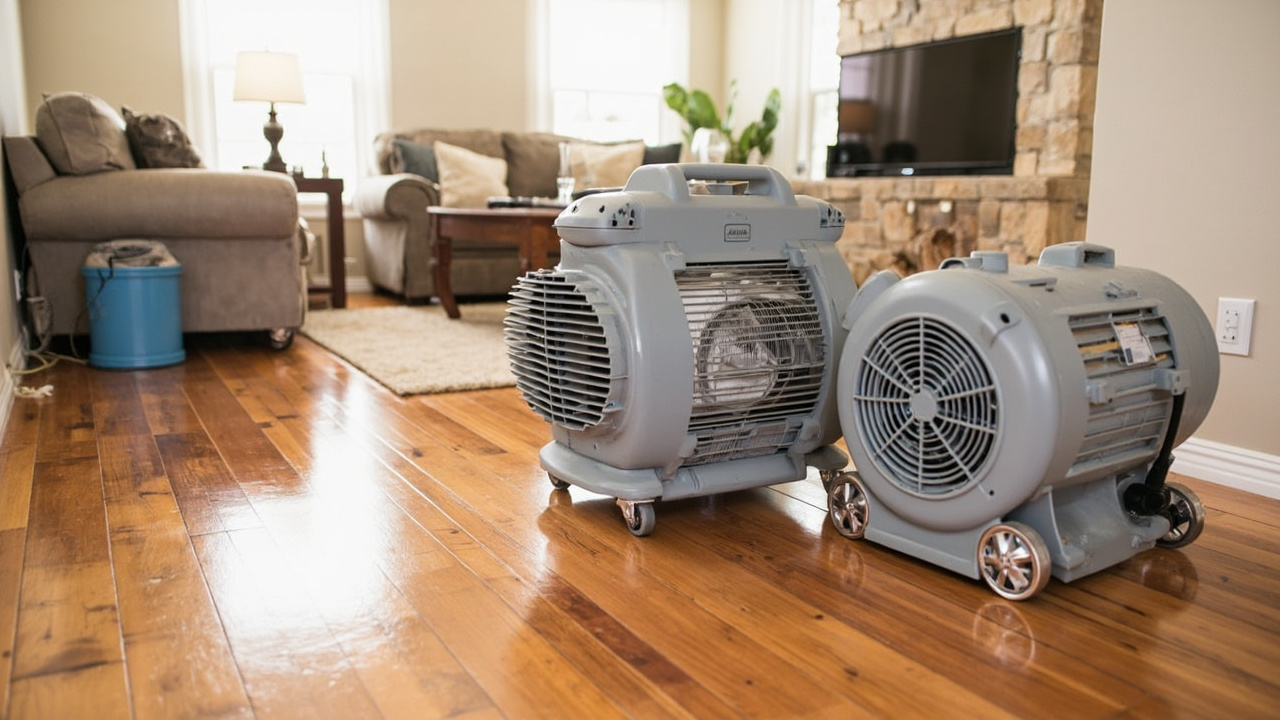
We set up industrial air movers and dehumidifiers to create optimal drying conditions. The equipment runs continuously for several days, removing moisture from building materials. We monitor progress daily using moisture meters to ensure materials return to acceptable drying standards. This step is critical in Tampa’s humid climate where natural evaporation would take weeks.
- Cleaning and Antimicrobial Treatment
After drying is complete, we clean all affected surfaces with EPA-registered antimicrobials. This prevents mold growth and eliminates any existing microbial contamination. We also address any odors that developed during the water damage event. The final step includes preparing the area for reconstruction.
Common Causes of HVAC Leaks in Florida Homes
Understanding what causes AC drain line clogs helps prevent future water damage. Several factors specific to Florida homes contribute to these failures.
Algae growth represents the most common cause of drain line clogs. The dark, moist environment inside condensate drain lines provides perfect conditions for algae to thrive. As algae colonies grow, they create blockages that prevent water from flowing to the exterior. This problem worsens in South Tampa’s older neighborhoods where drain lines may have never been cleaned or treated.
Improper installation causes many drain line failures. Some contractors install drain lines with insufficient slope, allowing water to pool instead of flowing freely. Others use undersized pipes that cannot handle the volume of condensate produced by modern high-efficiency AC units. Homes in newer South Tampa developments like Westshore may have better initial installations, but even these systems need regular maintenance.
Evaporator coil freezing creates sudden water damage events. When airflow across the coil is restricted by dirty filters or blocked vents, the coil temperature drops below freezing. Ice forms on the coil, and when the system cycles off, the ice melts rapidly, overwhelming the drain system. This often happens during heat waves when AC units work hardest.
Secondary drain pan failures compound the problem. Many South Tampa homes have secondary pans installed under air handlers as a safety measure. However, these pans can also clog or develop cracks over time. Some homeowners unknowingly seal overflow drain openings, preventing the secondary system from working properly.
Electrical issues with float switches cause unexpected failures. Modern AC systems often include float switches that shut off the unit when the secondary pan fills with water. But if these switches malfunction or are wired incorrectly, the AC continues running even when water is present, leading to major overflow damage.
Does Homeowners Insurance Cover AC Leak Damage?
Insurance coverage for AC-related water damage depends on several factors specific to your policy and the cause of the leak. Understanding these nuances helps you make informed decisions about restoration.
Sudden and accidental discharge coverage typically applies to AC leaks. If your drain line clogs unexpectedly and causes water damage, most standard homeowners policies cover the resulting damage to floors, walls, and personal property. However, they usually don’t cover the cost of repairing or replacing the AC unit itself.
Gradual damage from neglected maintenance often falls outside coverage. If the insurance company determines that algae buildup or lack of maintenance caused the clog, they might deny the claim. This makes regular AC maintenance crucial for both preventing damage and maintaining insurance coverage eligibility.
Secondary damage coverage varies significantly. While the initial water damage might be covered, secondary issues like mold growth often require additional endorsements or specific coverage. In Tampa’s humid climate, mold can develop quickly after water exposure, potentially creating additional claim complications.
Policy limits and deductibles affect your out-of-pocket costs. Even with coverage, you’ll typically pay a deductible before insurance applies. Some policies have separate deductibles for water damage claims. Understanding these details helps you evaluate whether filing a claim makes financial sense.
Documentation requirements are strict. Insurance companies require proof of sudden damage, not gradual deterioration. Photos, professional assessments, and maintenance records all support your claim. Working with a restoration company experienced in insurance documentation can streamline the claims process.
Frequently Asked Questions About AC Water Damage
How long does it take for mold to grow after an AC leak?
In Tampa’s humid climate, mold can begin growing within 24-48 hours of water exposure. The combination of moisture, organic materials like drywall and wood, and temperatures between 70-90 degrees creates ideal conditions for rapid mold colonization. This timeline underscores the importance of immediate water removal and professional drying.
Can I clean up AC water damage myself?
Small spills on non-porous surfaces might be manageable with DIY cleanup. However, water that has penetrated walls, flooring, or ceiling cavities requires professional equipment and expertise. Hidden moisture leads to mold growth, structural damage, and health hazards. Professional restoration ensures complete drying and prevents costly secondary damage.
What’s the difference between HVAC repair and water damage restoration?
HVAC repair fixes the mechanical problem causing the leak – clearing drain lines, replacing float switches, or repairing coils. Water damage restoration addresses the structural and health impacts of the water that already escaped. These are separate services requiring different expertise. A plumber might fix your AC, but you’ll still need restoration specialists to handle the water damage.
How much does AC water damage restoration cost?
Restoration costs vary based on damage extent, affected materials, and required demolition. A small bathroom leak might cost $1,000-2,000 to restore, while extensive damage affecting multiple rooms could exceed $10,000. Factors include demolition needs, drying time, material replacement, and antimicrobial treatments. Insurance coverage and policy deductibles significantly impact your final costs.
Should I turn off my AC if I see water around it?
Yes, turn off your AC immediately at the thermostat. Continuing to run a leaking system creates more water and potentially causes electrical hazards. Once the system is off, you can safely assess the situation and begin water removal. Keep the system off until a professional can inspect it and address the underlying cause.
Comparing AC Water Damage Scenarios in South Tampa
| Scenario | Common Causes | Typical Damage Areas | Restoration Timeline |
|---|---|---|---|
| Secondary Pan Overflow | Clogged drain line, float switch failure | Closet area, immediate surroundings | 2-3 days |
| Evaporator Coil Freeze | Dirty filter, blocked vents, low refrigerant | Multiple rooms, ceiling damage | 3-5 days |
| Primary Drain Line Failure | Algae growth, improper installation | Wall cavities, flooring, adjacent rooms | 4-7 days |
| System Age-Related | Corrosion, material degradation | Widespread, structural components | 5-10 days |
Prevention Tips for South Tampa Homeowners
Preventing AC drain line clogs saves you from emergency restoration costs and the stress of sudden water damage. These maintenance steps specifically address South Tampa’s climate challenges.
Schedule professional AC maintenance twice yearly. Spring maintenance prepares your system for summer cooling demands, while fall maintenance addresses any issues before the next cooling season. Professional technicians clean drain lines, check float switches, and identify potential problems before they cause damage.
Install a condensate safety switch if your system doesn’t have one. These devices automatically shut off your AC when the secondary pan fills with water, preventing overflow damage. Many South Tampa homes built before 2000 lack this critical safety feature.
Clean or replace air filters monthly during cooling season. Restricted airflow causes evaporator coils to freeze, creating sudden water overflow when the ice melts. This simple maintenance step prevents many AC-related water damage incidents.
Consider installing a whole-house dehumidifier. South Tampa’s high humidity means your AC works harder to remove moisture from the air. A dehumidifier reduces the cooling load and prevents excessive condensate production that can overwhelm drain systems.
Monitor your AC closet regularly. Check for signs of moisture, corrosion, or standing water. Early detection allows you to address problems before they cause major damage. Pay special attention during summer months when your system works hardest.
Upgrade older systems approaching the end of their service life. Most AC units last 10-15 years in Florida’s demanding climate. Older systems are more prone to drain line issues, coil problems, and overall reliability concerns that lead to water damage.
Why Choose Local South Tampa Restoration Experts
Water damage restoration requires understanding local building construction, climate conditions, and permitting requirements. South Tampa’s unique characteristics demand specialized knowledge that national chains often lack.
Our team understands the construction differences between South Tampa’s historic districts and newer developments. Homes in areas like Hyde Park often feature plaster walls and concrete block construction that require different drying techniques than wood-frame homes in newer neighborhoods.
We navigate local permitting requirements for restoration work. Some South Tampa neighborhoods have specific requirements for exterior modifications or demolition permits. Our experience with local regulations prevents delays and ensures compliance.
Our relationships with South Tampa insurance agents and adjusters streamline the claims process. We understand what documentation insurance companies require and can communicate effectively with adjusters to ensure proper claim handling.
We provide transparent pricing and detailed estimates before work begins. Unlike companies that hide costs until after assessment, we give you clear information about restoration expenses and insurance coverage implications.
Our rapid response capability means we arrive within 60 minutes anywhere in South Tampa. This quick response time is critical for preventing secondary damage and controlling restoration costs.
We use commercial-grade equipment specifically calibrated for Tampa’s humidity levels. Our dehumidifiers and air movers are sized appropriately for local conditions, ensuring optimal drying results.
Understanding the Restoration Timeline
Water damage restoration follows a predictable sequence, but timelines vary based on damage extent and building materials. Understanding this process helps you plan accordingly.
Emergency response and assessment typically takes 1-2 hours. During this phase, technicians evaluate damage extent, identify moisture migration patterns, and develop a restoration plan. They also address immediate safety concerns and begin water extraction.
Water extraction and demolition usually requires 1-2 days. The exact timeline depends on the volume of water and the extent of demolition needed. Some situations require removing only wet carpet, while others need extensive drywall removal.
Structural drying typically takes 3-5 days with professional equipment. This timeline assumes optimal conditions with industrial dehumidifiers and air movers running continuously. Natural drying would take weeks and likely result in mold growth.
Cleaning and antimicrobial treatment requires 1 day after drying completes. This step prevents mold growth and prepares surfaces for reconstruction. Some materials may need multiple cleaning treatments depending on contamination level.
Reconstruction timeline varies based on damage extent and material availability. Simple repairs might take a few days, while extensive reconstruction could require weeks. We provide detailed timelines specific to your situation.
Throughout the process, we maintain communication about progress and any changes to the timeline. Our goal is to restore your home as quickly as possible while ensuring thorough, professional results.
Take Action Before Minor Leaks Become Major Problems
Water damage from a clogged AC drain line can escalate from a minor inconvenience to a major restoration project within hours. The humid South Tampa climate accelerates every aspect of water damage, from material deterioration to mold growth.
If you’re experiencing AC-related water damage or want to prevent future problems, don’t wait. The longer water sits, the more extensive and expensive the restoration becomes. Our team understands South Tampa’s specific challenges and provides rapid, professional solutions.
Call us now at (656) 219-8088 for 24/7 emergency response. We’ll assess your situation, stop the water damage, and begin restoration immediately. Whether you need emergency water extraction, mold prevention, or complete reconstruction, we have the expertise and equipment to handle your AC water damage restoration needs.
Don’t let a simple drain line clog turn into a major restoration project. Take action now and protect your South Tampa home from water damage and mold growth.
Remember: Fast action prevents expensive restoration. Call (656) 219-8088 for immediate assistance with AC water damage in South Tampa.
Disclaimer: This information is for educational purposes only. Always consult with qualified professionals for specific advice regarding your situation.
{
“@context”: “https://schema.org”,
“@type”: “BlogPosting”,
“headline”: “Dealing With a Clogged AC Drain Line and Water Damage in South Tampa”,
“description”: “Learn how South Tampa’s humidity causes AC drain line clogs and water damage. Get expert restoration tips from local technicians who understand Tampa’s climate.”,
“wordCount”: 2846,
“datePublished”: “2026-02-17T10:23:00.000Z”,
“dateModified”: “2026-02-17T10:23:00.000Z”,
“inLanguage”: “en-US”,
“mainEntityOfPage”: {
“@type”: “WebPage”,
“@id”: “https://fortresswaterdamagerestorationtampa.com”
},
“publisher”: {
“@type”: “LocalBusiness”,
“name”: “Fortress Water Damage Restoration Tampa”,
“url”: “https://fortresswaterdamagerestorationtampa.com”
},
“author”: {
“@type”: “Organization”,
“name”: “Fortress Water Damage Restoration Tampa”,
“url”: “https://fortresswaterdamagerestorationtampa.com”
}
}
{
“@context”: “https://schema.org”,
“@type”: “LocalBusiness”,
“name”: “Fortress Water Damage Restoration Tampa”,
“url”: “https://fortresswaterdamagerestorationtampa.com”,
“address”: {
“@type”: “PostalAddress”,
“addressLocality”: “Tampa”
},
“areaServed”: {
“@type”: “City”,
“name”: “Tampa”
}
}
{
“@context”: “https://schema.org”,
“@type”: “FAQPage”,
“mainEntity”: [
{
“@type”: “Question”,
“name”: “Does Homeowners Insurance Cover AC Leak Damage?”,
“acceptedAnswer”: {
“@type”: “Answer”,
“text”: “Insurance coverage for AC-related water damage depends on several factors specific to your policy and the cause of the leak. Understanding these nuances helps you make informed decisions about restoration.”
}
},
{
“@type”: “Question”,
“name”: “How long does it take for mold to grow after an AC leak?”,
“acceptedAnswer”: {
“@type”: “Answer”,
“text”: “In Tampa’s humid climate, mold can begin growing within 24-48 hours of water exposure. The combination of moisture, organic materials like drywall and wood, and temperatures between 70-90 degrees creates ideal conditions for rapid mold colonization. This timeline underscores the importance of immediate water removal and professional drying.”
}
},
{
“@type”: “Question”,
“name”: “Can I clean up AC water damage myself?”,
“acceptedAnswer”: {
“@type”: “Answer”,
“text”: “Small spills on non-porous surfaces might be manageable with DIY cleanup. However, water that has penetrated walls, flooring, or ceiling cavities requires professional equipment and expertise. Hidden moisture leads to mold growth, structural damage, and health hazards. Professional restoration ensures complete drying and prevents costly secondary damage.”
}
},
{
“@type”: “Question”,
“name”: “What’s the difference between HVAC repair and water damage restoration?”,
“acceptedAnswer”: {
“@type”: “Answer”,
“text”: “HVAC repair fixes the mechanical problem causing the leak – clearing drain lines, replacing float switches, or repairing coils. Water damage restoration addresses the structural and health impacts of the water that already escaped. These are separate services requiring different expertise. A plumber might fix your AC, but you’ll still need restoration specialists to handle the water damage.”
}
},
{
“@type”: “Question”,
“name”: “How much does AC water damage restoration cost?”,
“acceptedAnswer”: {
“@type”: “Answer”,
“text”: “Restoration costs vary based on damage extent, affected materials, and required demolition. A small bathroom leak might cost $1,000-2,000 to restore, while extensive damage affecting multiple rooms could exceed $10,000. Factors include demolition needs, drying time, material replacement, and antimicrobial treatments. Insurance coverage and policy deductibles significantly impact your final costs.”
}
},
{
“@type”: “Question”,
“name”: “Should I turn off my AC if I see water around it?”,
“acceptedAnswer”: {
“@type”: “Answer”,
“text”: “Yes, turn off your AC immediately at the thermostat. Continuing to run a leaking system creates more water and potentially causes electrical hazards. Once the system is off, you can safely assess the situation and begin water removal. Keep the system off until a professional can inspect it and address the underlying cause.”
}
}
]
}
{
“@context”: “https://schema.org”,
“@type”: “HowTo”,
“name”: “AC Water Damage Restoration Process”,
“step”: [
{
“@type”: “HowToStep”,
“position”: 1,
“name”: “Emergency Response and Assessment”,
“text”: “Our team arrives within 60 minutes of your call. We assess the extent of water migration using moisture meters and thermal imaging cameras. This helps identify hidden water in walls, under flooring, and in ceiling cavities. We check for structural damage and potential electrical hazards.”
},
{
“@type”: “HowToStep”,
“position”: 2,
“name”: “Water Extraction and Removal”,
“text”: “Using truck-mounted extraction units, we remove standing water from all affected areas. For AC leaks, we often find water has traveled through wall cavities or under flooring. We use specialized extraction tools to reach these hidden areas. The goal is to remove as much water as possible before structural drying begins.”
},
{
“@type”: “HowToStep”,
“position”: 3,
“name”: “Demolition of Unsalvageable Materials”,
“text”: “Some materials cannot be saved once water-damaged. We remove water-saturated drywall, insulation, and flooring materials that pose health risks or structural concerns. In South Tampa’s older homes, we often encounter plaster walls that require careful removal techniques to prevent additional damage.”
},
{
“@type”: “HowToStep”,
“position”: 4,
“name”: “Structural Drying and Dehumidification”,
“text”: “We set up industrial air movers and dehumidifiers to create optimal drying conditions. The equipment runs continuously for several days, removing moisture from building materials. We monitor progress daily using moisture meters to ensure materials return to acceptable drying standards. This step is critical in Tampa’s humid climate where natural evaporation would take weeks.”
},
{
“@type”: “HowToStep”,
“position”: 5,
“name”: “Cleaning and Antimicrobial Treatment”,
“text”: “After drying is complete, we clean all affected surfaces with EPA-registered antimicrobials. This prevents mold growth and eliminates any existing microbial contamination. We also address any odors that developed during the water damage event. The final step includes preparing the area for reconstruction.”
}
]
}
{
“@context”: “https://schema.org”,
“@type”: “BreadcrumbList”,
“itemListElement”: [
{
“@type”: “ListItem”,
“position”: 1,
“name”: “Home”,
“item”: “https://fortresswaterdamagerestorationtampa.com”
},
{
“@type”: “ListItem”,
“position”: 2,
“name”: “Blog”,
“item”: “https://fortresswaterdamagerestorationtampa.com/blog”
},
{
“@type”: “ListItem”,
“position”: 3,
“name”: “Dealing With a Clogged AC Drain Line and Water Damage in South Tampa”
}
]
}
{
“@context”: “https://schema.org”,
“@type”: “Service”,
“serviceType”: “Water Damage Restoration”,
“provider”: {
“@type”: “LocalBusiness”,
“name”: “Fortress Water Damage Restoration Tampa”,
“url”: “https://fortresswaterdamagerestorationtampa.com”
},
“areaServed”: {
“@type”: “City”,
“name”: “Tampa”
},
“description”: “Learn how South Tampa’s humidity causes AC drain line clogs and water damage. Get expert restoration tips from local technicians who understand Tampa’s climate.”
}