Choosing the Most Reliable Water Damage Restoration Company in Tampa
Water damage hits fast in Tampa. A burst pipe, a failed water heater, or a tropical storm can flood your home within minutes. When this happens, you need a restoration company that answers your call immediately, understands Tampa’s humidity challenges, and can handle the entire project from water extraction to final reconstruction.
The difference between a mediocre restoration crew and a reliable one determines whether your home dries properly or develops hidden mold within 48 hours. This guide shows you exactly what to look for when choosing a water damage restoration company in Tampa.
What Makes a Water Damage Restoration Company Reliable in Tampa
Tampa’s climate creates unique restoration challenges that national franchises often underestimate. The area experiences humidity levels exceeding 80 percent year-round, combined with seasonal hurricane pressure from June through November. Sandy soil and a high water table mean water soaks into foundations rapidly. These factors demand contractors who understand local building styles, from 1920s bungalows with crawlspaces in Seminole Heights to modern slab-on-grade homes in South Tampa.
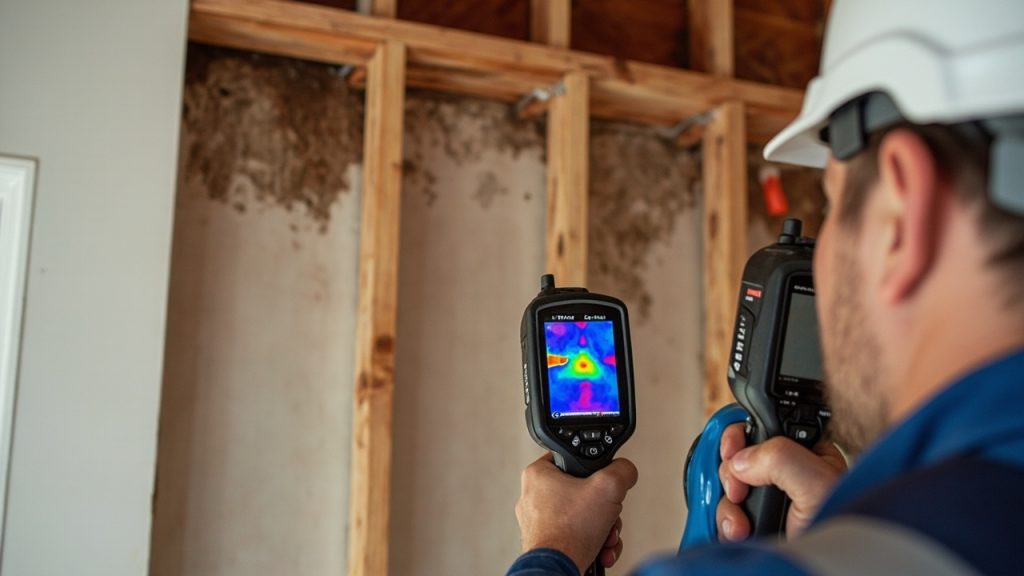
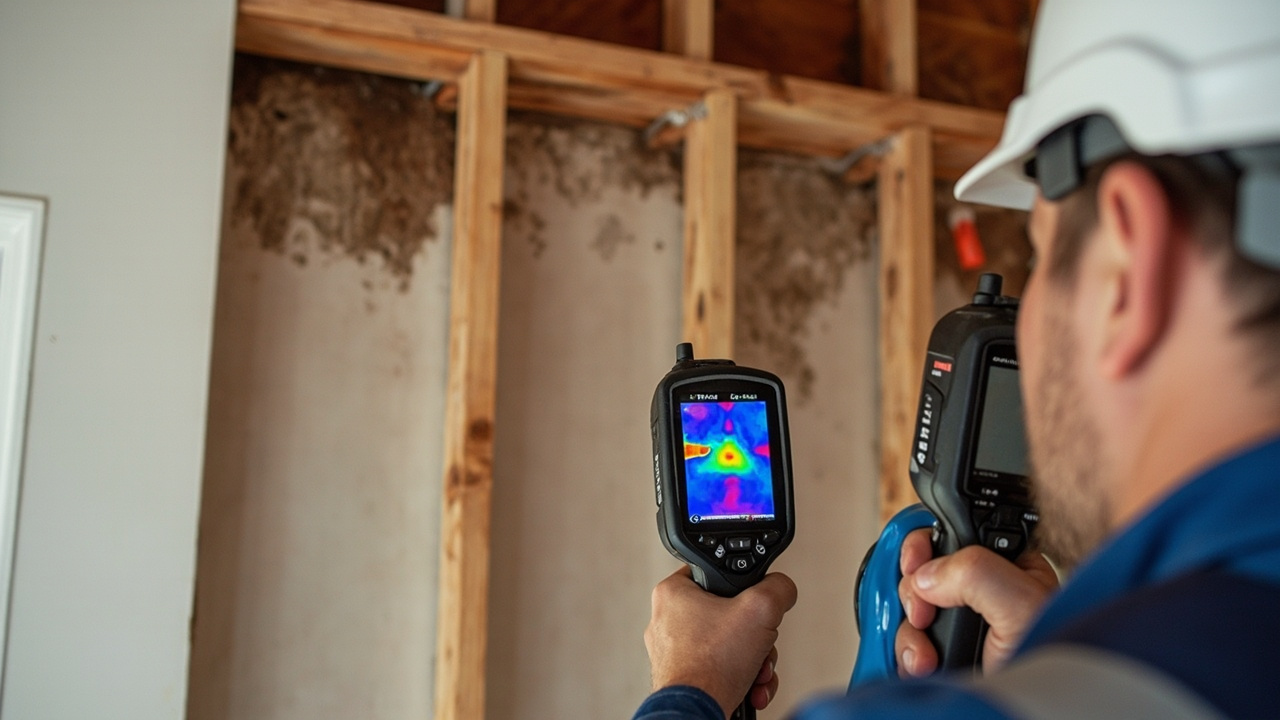
A reliable restoration company in Tampa does more than extract water. They manage the drying process using industrial dehumidification, detect moisture hidden inside walls with thermal imaging, coordinate directly with your insurance company, and restore structural elements like swollen baseboards to their original condition.
The best firms are IICRC certified. This means their technicians have completed rigorous training through the Institute of Inspection Cleaning and Restoration Certification and follow the S500 Standard for Professional Water Damage Restoration. IICRC certification proves the company understands psychrometry, the science of drying, as well as proper moisture detection and mold prevention protocols.
Speed and Availability Separate Good from Great
In the first few hours after water damage, speed matters more than price. Mold can begin growing within 24 to 48 hours in Tampa’s humid environment. A company that answers calls 24/7 and deploys crews in under 60 minutes prevents the damage from escalating.
When you call, listen for these signs of reliability.
- The dispatcher takes basic details and confirms a technician will contact you within 30 minutes with a response time estimate
- You reach a local office, not a national call center where the operator misunderstands Tampa’s geography
- The company has crews stationed across Seminole Heights and South Tampa so response times stay under 60 minutes
- The company offers immediate water mitigation advice while waiting for the crew to arrive
Ask directly. “What is your average response time in South Tampa?” If they cannot give you a specific number for your neighborhood, they lack local infrastructure.
Verify Licensing and Professional Credentials
Florida requires water damage restoration contractors to hold a state license. Look for firms with an active Florida Department of Business and Professional Regulation contractor license and a specific license number you can verify online. You can search the Florida DBPR license verification database to confirm active status before hiring.
Beyond the state license, the company should display these credentials.
| Credential | What It Means | How to Verify |
|---|---|---|
| IICRC Certification (WRT or ASD) | Technician completed advanced restoration and structural drying training | Ask for a copy of the tech’s current IICRC card. Check the IICRC directory online. |
| Florida Mold Remediation License (if handling Category 2 or 3 water) | Technician is trained to handle sewage or contaminated water safely | Verify through DBPR or ask for proof before any mold remediation starts |
| Insurance and Bonding | The company carries general liability and workers compensation insurance | Request a Certificate of Insurance. Call the insurance carrier to confirm coverage is active. |
If a company cannot produce these credentials, move on. You are not being difficult. You are protecting yourself from liability and incompetence.
The Water Damage Restoration Process Explained
Understanding the process helps you evaluate whether a company knows what it is doing. Water damage restoration unfolds in distinct phases, and a reliable firm can walk you through each one before starting work.
- Emergency Inspection and Assessment
The technician evaluates the extent of water damage using moisture meters and thermal imaging. They identify where water has penetrated walls, crawlspaces, and sub-floors. In Tampa, this step is critical because sandy soil and a high water table mean water travels deeper and faster than in other regions. The inspection determines whether the damage is Category 1 (clean water from a broken supply line), Category 2 (greywater with contaminants), or Category 3 (black water involving sewage). This classification drives the entire remediation strategy.
- Water Removal and Extraction
The crew deploys submersible pumps and truck-mounted extraction equipment to remove standing water. This phase must complete within the first 24 hours. Industrial wet vacuums remove water from carpets and padding. In South Tampa homes with slab-on-grade foundations, the crew may need to drill drainage points to prevent water from being trapped under concrete. Seminole Heights homes built before 1940 sit 18 to 24 inches above grade on wooden block piers. These require specialized extraction to prevent moisture from pooling in the crawlspace, especially after heavy rains.
- Drying and Dehumidification
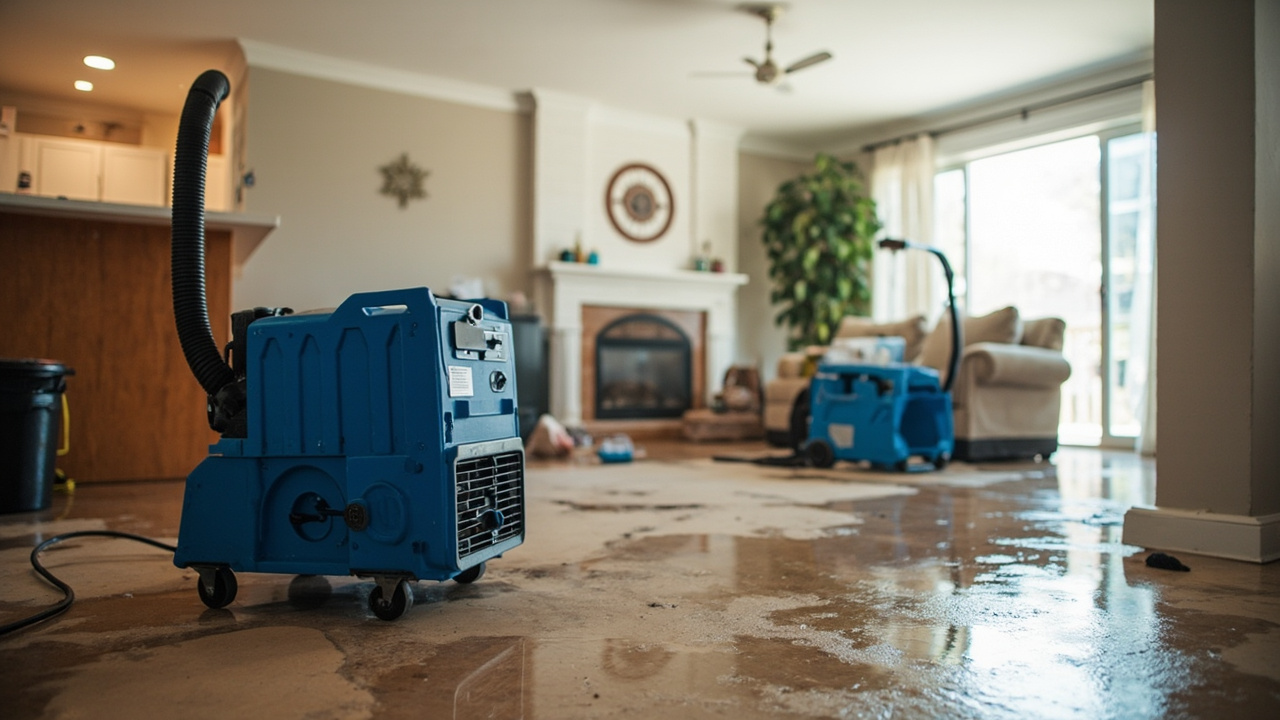
This is where Tampa’s climate makes all the difference. High ambient humidity means standard air circulation will not dry the home fast enough. Reliable companies deploy industrial-grade dehumidifiers rated for 200 to 300 pints per day, along with air movers positioned to push moist air toward dehumidifiers. The goal is to lower indoor humidity to 55 percent or lower within 72 hours. Moisture meters verify drying progress. This phase typically lasts 5 to 10 days depending on the extent of saturation.
- Cleaning and Sanitization
Once structural drying is complete, the crew cleans all affected surfaces with antimicrobial treatments. This prevents mold colonies from establishing in walls and under flooring. In Category 2 or Category 3 damage scenarios, professional decontamination is mandatory. Technicians may remove and replace insulation, drywall, or subflooring if saturation is severe.
- Restoration and Reconstruction
The final phase restores your home to pre-loss condition. This includes replacing drywall, installing new flooring, repainting, and addressing structural damage. For homes with wood trim and baseboards common in Seminole Heights, this phase involves carefully drying and restoring swollen baseboards without replacing them unnecessarily. A quality restoration company distinguishes between temporary drying damage and permanent structural loss.
How to Evaluate Insurance Coordination Capabilities
Most homeowners’ insurance in Florida covers water damage from sudden, accidental causes like burst pipes or appliance failures. Flood damage requires a separate flood insurance policy through the National Flood Insurance Program. A reliable restoration company understands this distinction and handles insurance coordination on your behalf.
Ask these questions before hiring.
- Do you offer direct billing to insurance, or will I have to pay out of pocket and submit a claim?
- Will you meet with my insurance adjuster and provide detailed scope-of-work documentation?
- Can you explain Florida’s Assignment of Benefits (AOB) rules and whether AOB makes sense for my claim?
- If my insurance denies coverage, do you have experience challenging denials or working with the homeowner’s appeal?
Companies offering direct billing demonstrate confidence in their work and reduce your financial stress during an emergency. They also have experience negotiating with major insurers like State Farm, Homeowners Choice, and United Insurance, which dominate the Tampa Bay market.
Red Flags That Signal an Unreliable Company
Certain warning signs tell you to avoid a contractor.
| Red Flag | Why It Matters |
|---|---|
| No 24/7 availability or long wait times | During hurricane season or summer thunderstorms in Tampa, water damage happens after hours. A company without round-the-clock service cannot meet emergency timelines. |
| Lack of IICRC certification or reluctance to discuss credentials | An IICRC-certified technician understands structural drying science. A company avoiding this question likely relies on trial-and-error methods. |
| No mention of thermal imaging or moisture detection equipment | Hidden moisture inside walls is invisible to the naked eye. Without proper detection, mold grows unseen. Budget companies skip this step. |
| Pressure to sign contracts before the adjuster inspects | Insurance fraud is real. A legitimate company waits for adjuster approval before finalizing the scope and costs. |
| References that are national franchises or out-of-state projects | You need a company with verifiable Tampa-area experience. Local references prove they understand South Tampa slab-on-grade homes and Seminole Heights crawlspaces. |
| Vague pricing or refusal to discuss costs | Legitimate companies provide transparent pricing breakdowns. Evasion suggests they will charge inflated rates once the work starts. |
Immediate Actions While Waiting for Professional Help
The actions you take before the restoration crew arrives significantly impact the final outcome and cost. Stop the water source by turning off the main water valve if the damage comes from a burst pipe or leaking appliance. For storm surge or rainwater, alert the crew to the source so they know what type of water they are handling. Move furniture and valuables away from standing water. Wet drywall and flooring can be salvaged, but upholstered items are often a total loss.
Open doors and windows if it is safe to do so to increase air circulation and slow mold growth. Tampa’s humidity means mold can establish in as little as 24 hours without action. Shut off power to affected zones at the circuit breaker. Risk of electrocution is high in wet areas. Take photos and video of all damage. Document standing water, saturated materials, and any visible damage for insurance purposes. Do not pull up carpet or remove drywall. The restoration crew needs to assess how deep the saturation extends. Removing materials prematurely can trap moisture and void your insurance coverage.
Local Expertise in Tampa’s Key Neighborhoods
Tampa’s neighborhoods have distinct architectural styles and vulnerabilities to water damage. A reliable restoration company has hands-on experience with your specific area.
In South Tampa, homes built on slab-on-grade concrete are prone to capillary moisture wicking through concrete footings into exterior walls. The high water table means drainage is sluggish after heavy rains. Standing water pools here due to undersized drainage pipes installed in 1920s construction standards. Crews need experience managing sub-slab water and preventing mold in confined spaces. They must understand how moisture migrates upward through the concrete slab and penetrates exterior walls.
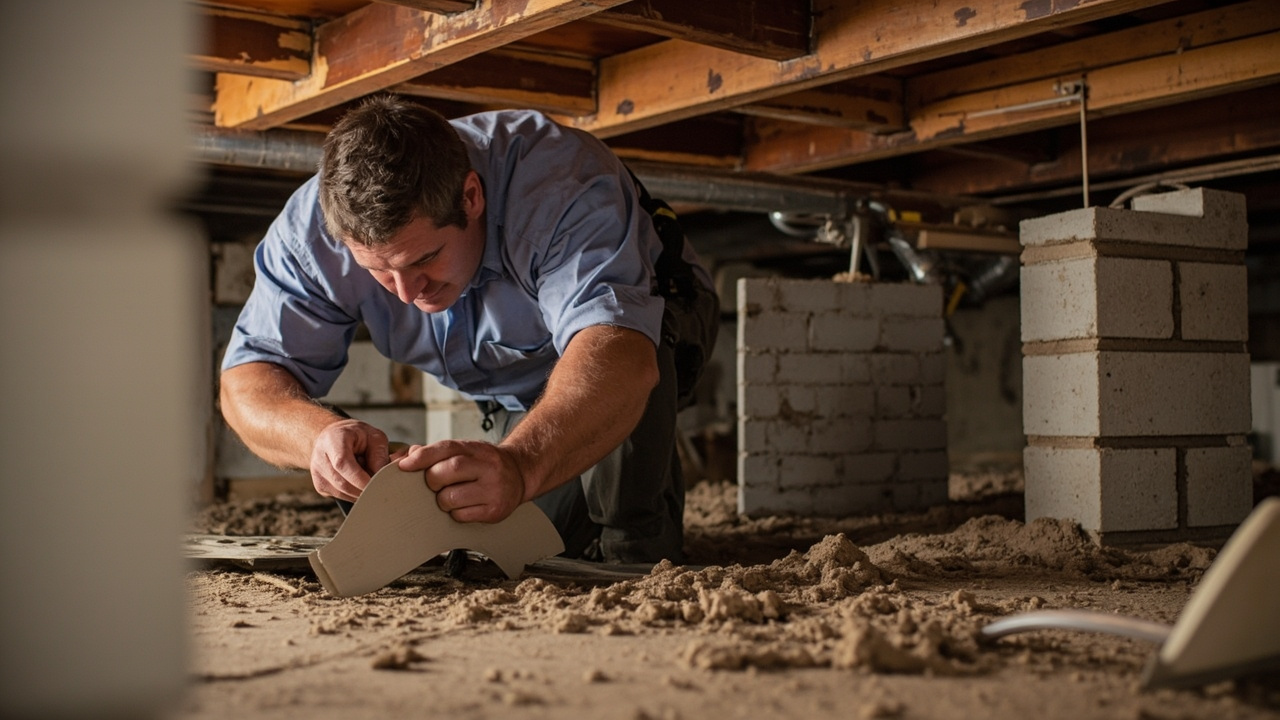
Seminole Heights bungalows from the 1920s have crawlspaces beneath wood framing. These crawlspaces sit 18 to 24 inches above grade with wooden block piers as the support system. Standing water pools here after heavy rains due to undersized drainage systems that predate modern storm water management. Mold and structural wood rot develop rapidly in these conditions. A company with Seminole Heights experience knows how to dehumidify crawlspaces using specialized equipment designed for low-clearance spaces and detect structural compromise before it becomes expensive.
Ask any contractor you interview. “What is your experience with water damage in South Tampa slab-on-grade homes? Have you handled Seminole Heights crawlspace remediation?” Their specific answers reveal whether they know your neighborhood or are guessing.
Why Local References and Project Photos Matter
A company claiming years of Tampa experience should provide project galleries and local references. Request before-and-after photos of actual jobs in your neighborhood or similar construction types. Ask for phone numbers of past clients willing to discuss the company’s work.
When you call a reference, ask these questions. How quickly did the crew respond to your emergency call? Did they communicate progress and next steps clearly? Were there hidden costs not included in the original estimate? How long from water damage to final restoration completion? Did insurance coverage issues arise and how did the company handle them? Would you hire this company again?
Understanding Costs and Transparency
Water damage restoration costs vary dramatically based on the extent of saturation, the materials damaged, and how quickly mitigation starts. A reliable company provides a detailed scope of work and itemized estimate before beginning major restoration.
The estimate should include line items for water extraction, dehumidification rental, demolition and removal, drying monitoring, labor, materials, mold remediation if needed, and reconstruction. If a company quotes a flat rate with vague descriptions, they are hiding assumptions that could inflate your final bill.
Ask about cost factors specific to your home. Homes with crawlspaces common in Seminole Heights have different drying costs than slab-on-grade homes common in South Tampa. A transparent company breaks down why costs differ based on your foundation type and building age.
Mold Remediation and Tampa-Specific Prevention Protocols
In Tampa’s climate, mold prevention is not optional. It is mandatory. Mold establishes rapidly in damp environments and poses health risks. A reliable restoration company includes mold prevention as part of the standard protocol. Ask whether the company includes antimicrobial treatment during the drying phase. This application kills mold spores and prevents colonies from forming in hidden spaces.
If mold is discovered during restoration, the company should have a Florida-licensed mold remediation specialist on staff or on call. Mold remediation in Florida requires specific licensing, not just general contractor status. The company should explain their approach to Category 2 and Category 3 water damage. These involve contaminated water from appliances or sewage, which demand specialized decontamination protocols. Improper handling creates serious health hazards and potential legal liability.
Tampa’s slab-on-grade homes are especially vulnerable to mold because capillary action pulls moisture from the soil through the concrete. A company with local expertise knows to address capillary moisture barriers, not just surface drying. This prevents recurring mold issues after the initial restoration.
Hurricane Season Preparedness and Post-Storm Response
Tampa experiences hurricane and tropical storm season from June through November. Reliable restoration companies prepare for this surge in demand and maintain resources to respond to mass events. During hurricane season, ask a potential contractor how they handle surge situations. Can they scale crews and equipment? Do they have partnerships with equipment rental companies to ensure dehumidifiers and air movers are available? Have they managed post-hurricane restoration for large numbers of simultaneous clients?
Companies that prepare for hurricane season typically maintain larger equipment inventories and have pre-arranged supply chains. This means they respond faster and deliver better results when storms hit. A company unprepared for hurricane season scrambles to source equipment and delays your restoration.
The Bottom Line for Choosing a Reliable Company
Your goal is a company that combines three things: immediate response, technical expertise, and local knowledge. IICRC certification proves expertise. 24/7 availability and sub-60-minute response times in your neighborhood prove readiness. Local references and Tampa-specific experience prove they understand your home and your environment.
Get multiple estimates. Compare not on price alone, but on scope, timeline, and the confidence each company projects about handling your specific situation. Ask direct questions about credentials, insurance coordination, and mold prevention. Trust your instinct about communication and transparency.
Water damage in Tampa demands speed and skill. The right restoration company stops the damage in its tracks, dries your home thoroughly despite the humidity, prevents hidden mold, and restores your home to its original condition. Start evaluating restoration companies before an emergency strikes. When water damage hits, you will be grateful to have already identified a trusted partner ready to respond within the hour.
{
“@context”: “https://schema.org”,
“@type”: “BlogPosting”,
“headline”: “Choosing the Most Reliable Water Damage Restoration Company in Tampa”,
“description”: “Find a trustworthy water damage restoration company in Tampa. Learn what credentials matter, how to evaluate response times, and what to avoid.”,
“wordCount”: 2473,
“datePublished”: “2026-03-13T09:19:00.000Z”,
“dateModified”: “2026-03-13T09:19:00.000Z”,
“inLanguage”: “en-US”,
“mainEntityOfPage”: {
“@type”: “WebPage”,
“@id”: “https://fortresswaterdamagerestorationtampa.com”
},
“publisher”: {
“@type”: “LocalBusiness”,
“name”: “Fortress Water Damage Restoration Tampa”,
“url”: “https://fortresswaterdamagerestorationtampa.com”
},
“author”: {
“@type”: “Organization”,
“name”: “Fortress Water Damage Restoration Tampa”,
“url”: “https://fortresswaterdamagerestorationtampa.com”
},
“image”: {
“@type”: “ImageObject”,
“url”: “https://fortresswaterdamagerestorationtampa.com/wp-content/uploads/2026/03/choosing-the-most-reliable-water-damage-restoratio-1.jpg”
}
}
{
“@context”: “https://schema.org”,
“@type”: “LocalBusiness”,
“name”: “Fortress Water Damage Restoration Tampa”,
“url”: “https://fortresswaterdamagerestorationtampa.com”,
“address”: {
“@type”: “PostalAddress”,
“addressLocality”: “Tampa”
},
“areaServed”: {
“@type”: “City”,
“name”: “Tampa”
}
}
{
“@context”: “https://schema.org”,
“@type”: “HowTo”,
“name”: “Water Damage Restoration Process”,
“step”: [
{
“@type”: “HowToStep”,
“position”: 1,
“name”: “Emergency Inspection and Assessment”,
“text”: “The technician evaluates the extent of water damage using moisture meters and thermal imaging. They identify where water has penetrated walls, crawlspaces, and sub-floors. In Tampa, this step is critical because sandy soil and a high water table mean water travels deeper and faster than in other regions. The inspection determines whether the damage is Category 1 (clean water from a broken supply line), Category 2 (greywater with contaminants), or Category 3 (black water involving sewage). This classification drives the entire remediation strategy.”
},
{
“@type”: “HowToStep”,
“position”: 2,
“name”: “Water Removal and Extraction”,
“text”: “The crew deploys submersible pumps and truck-mounted extraction equipment to remove standing water. This phase must complete within the first 24 hours. Industrial wet vacuums remove water from carpets and padding. In South Tampa homes with slab-on-grade foundations, the crew may need to drill drainage points to prevent water from being trapped under concrete. Seminole Heights homes built before 1940 sit 18 to 24 inches above grade on wooden block piers. These require specialized extraction to prevent moisture from pooling in the crawlspace, especially after heavy rains.”
},
{
“@type”: “HowToStep”,
“position”: 3,
“name”: “Drying and Dehumidification”,
“text”: “This is where Tampa’s climate makes all the difference. High ambient humidity means standard air circulation will not dry the home fast enough. Reliable companies deploy industrial-grade dehumidifiers rated for 200 to 300 pints per day, along with air movers positioned to push moist air toward dehumidifiers. The goal is to lower indoor humidity to 55 percent or lower within 72 hours. Moisture meters verify drying progress. This phase typically lasts 5 to 10 days depending on the extent of saturation.”
},
{
“@type”: “HowToStep”,
“position”: 4,
“name”: “Cleaning and Sanitization”,
“text”: “Once structural drying is complete, the crew cleans all affected surfaces with antimicrobial treatments. This prevents mold colonies from establishing in walls and under flooring. In Category 2 or Category 3 damage scenarios, professional decontamination is mandatory. Technicians may remove and replace insulation, drywall, or subflooring if saturation is severe.”
},
{
“@type”: “HowToStep”,
“position”: 5,
“name”: “Restoration and Reconstruction”,
“text”: “The final phase restores your home to pre-loss condition. This includes replacing drywall, installing new flooring, repainting, and addressing structural damage. For homes with wood trim and baseboards common in Seminole Heights, this phase involves carefully drying and restoring swollen baseboards without replacing them unnecessarily. A quality restoration company distinguishes between temporary drying damage and permanent structural loss.”
}
],
“image”: “https://fortresswaterdamagerestorationtampa.com/wp-content/uploads/2026/03/choosing-the-most-reliable-water-damage-restoratio-1.jpg”
}
{
“@context”: “https://schema.org”,
“@type”: “BreadcrumbList”,
“itemListElement”: [
{
“@type”: “ListItem”,
“position”: 1,
“name”: “Home”,
“item”: “https://fortresswaterdamagerestorationtampa.com”
},
{
“@type”: “ListItem”,
“position”: 2,
“name”: “Blog”,
“item”: “https://fortresswaterdamagerestorationtampa.com/blog”
},
{
“@type”: “ListItem”,
“position”: 3,
“name”: “Choosing the Most Reliable Water Damage Restoration Company in Tampa”
}
]
}
{
“@context”: “https://schema.org”,
“@type”: “Service”,
“serviceType”: “Water Damage Restoration”,
“provider”: {
“@type”: “LocalBusiness”,
“name”: “Fortress Water Damage Restoration Tampa”,
“url”: “https://fortresswaterdamagerestorationtampa.com”
},
“areaServed”: {
“@type”: “City”,
“name”: “Tampa”
},
“description”: “Find a trustworthy water damage restoration company in Tampa. Learn what credentials matter, how to evaluate response times, and what to avoid.”
}