
Fixing Water Damage From a Leaky Roof or AC Unit in Your Keystone Attic
Water dripping through your ceiling and pooling in your attic insulation creates a serious emergency in Tampa’s humid climate. A small roof leak or AC condensate line failure can escalate into major structural damage and toxic mold growth within 48 hours. This guide walks you through identifying the source of attic water damage and what immediate steps to take before professional restoration begins.
Common Sources of Attic Water Damage in Tampa Homes
Understanding where attic leaks originate helps you act quickly. Tampa’s combination of heavy summer storms and year-round heat creates unique vulnerabilities for attic spaces.
Roof Leaks From Storm Damage
High winds and driving rain during hurricane season can lift shingles or damage flashing around chimneys and vents. Even a small gap allows water to seep under roofing materials and travel along rafters before dripping onto your attic floor. Look for water stains on rafters or insulation near roof penetrations.
AC Condensate Line Failures
Florida’s heat means AC units run constantly during summer months. The condensate drain line can clog with algae or debris causing the drain pan to overflow. Since most AC units sit in attics above living spaces the water has nowhere to go except through your ceiling below. Check for standing water around your air handler or wet spots on nearby joists.
Plumbing Vent Stack Leaks
Vent pipes that exit through the roof can develop cracks in their rubber boots or flashing seals. These leaks often appear as small drips that gradually soak insulation over weeks. The moisture attracts pests and creates ideal conditions for mold colonies to establish.
Immediate Steps When You Discover Attic Water
Time matters when water enters your attic. Follow these steps to minimize damage while waiting for professional help.
- Stop the water source – If you can safely access your attic shut off the main water valve if the leak comes from plumbing. For roof leaks place buckets under active drips.
- Protect your living space – Move furniture away from ceiling stains. Place plastic sheeting over valuables if water is actively dripping through.
- Document everything – Take photos of water damage before touching anything. This documentation helps with insurance claims later.
- Improve ventilation – If safe turn on attic fans or open windows to reduce humidity. This slows mold growth but only if electricity is safe to use.
Professional Attic Water Damage Restoration Process
Professional restoration follows industry standards to ensure complete drying and prevent secondary damage. Here’s what to expect from a qualified Tampa restoration company.
Comprehensive Moisture Assessment
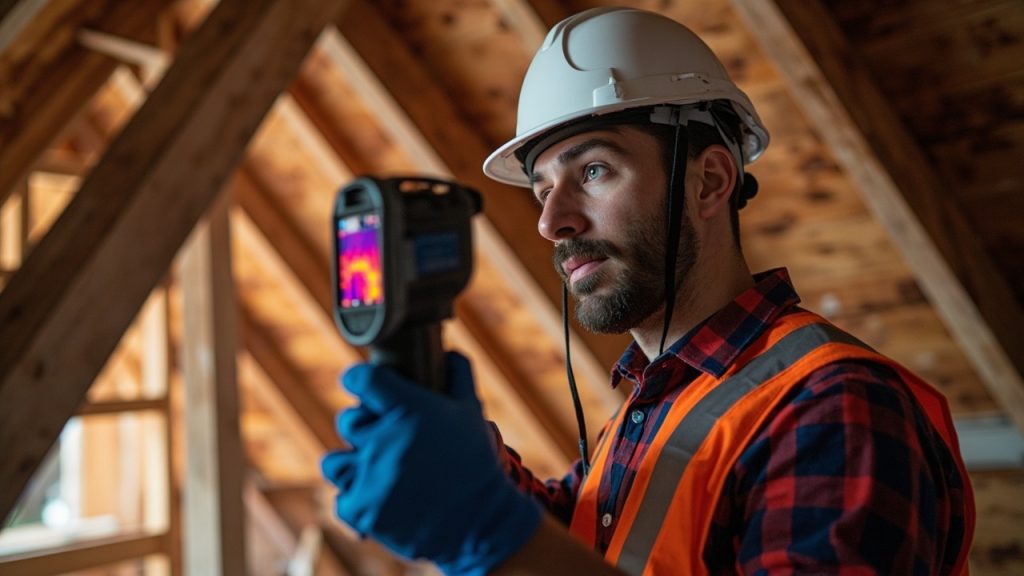
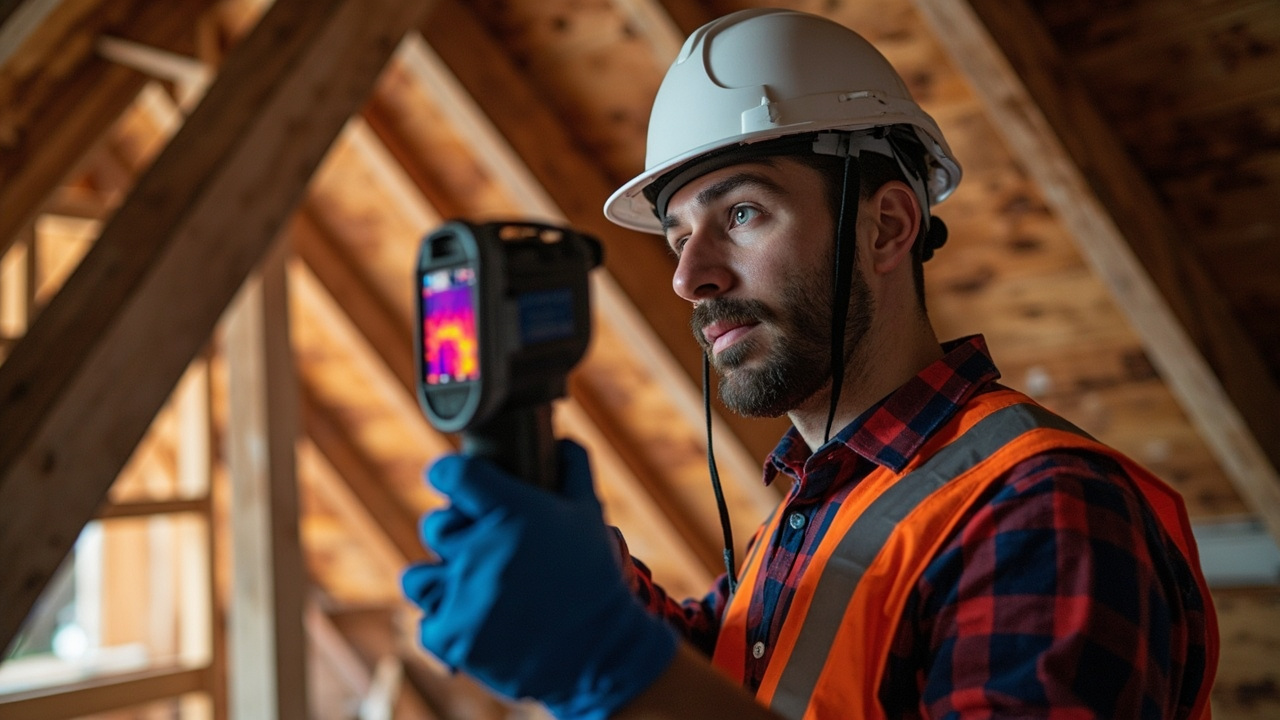
Technicians use moisture meters and thermal imaging cameras to detect hidden water in insulation and structural members. They check for moisture content in wood framing which should stay below 16% to prevent rot. The assessment includes checking for mold growth which can begin within 24-48 hours in Florida’s humidity.
Water Extraction and Insulation Removal
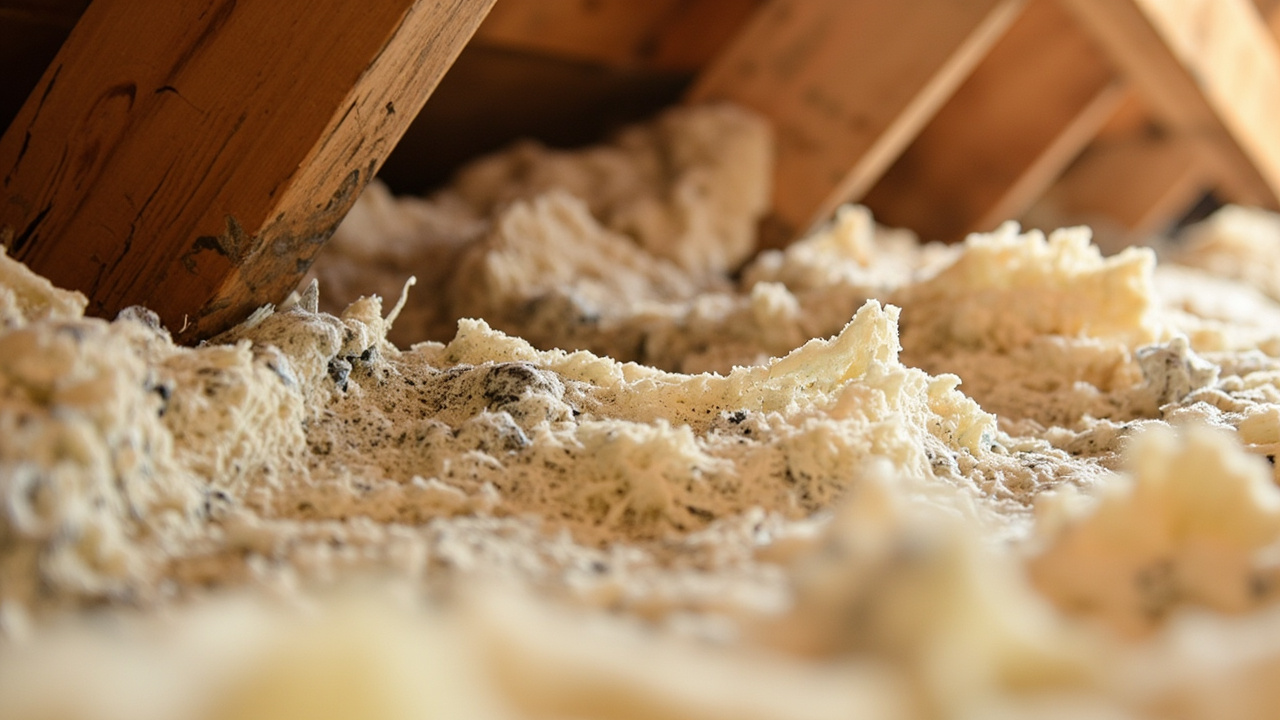
Wet insulation loses its R-value and becomes a breeding ground for mold. Technicians remove saturated fiberglass batts or blown-in cellulose insulation. They use commercial vacuums designed for insulation removal to prevent contamination of living spaces below.
Structural Drying With Industrial Equipment
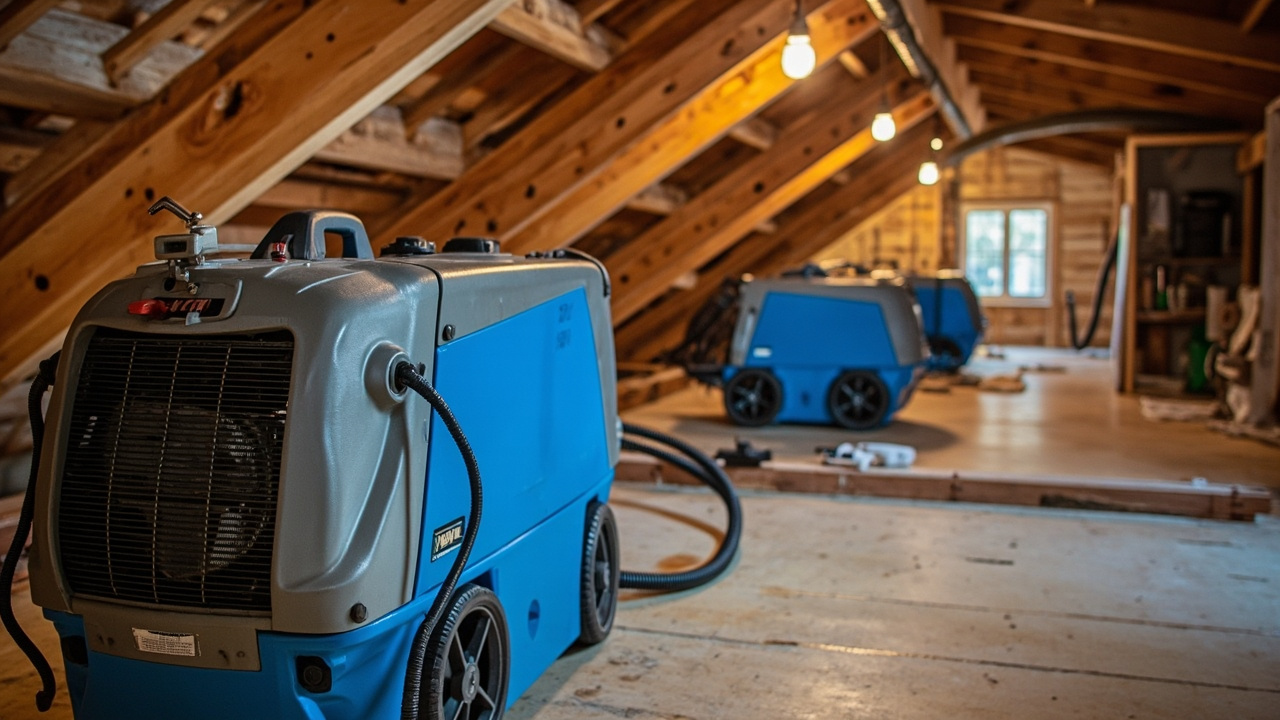
High-volume air movers and low-grain refrigerant dehumidifiers run continuously to remove moisture from wood and drywall. The process typically takes 3-5 days depending on the extent of saturation. Technicians monitor moisture levels daily to confirm drying progress.
Antimicrobial Treatment and Mold Prevention
After drying surfaces receive antimicrobial treatments to kill existing mold spores. HEPA air scrubbers run during restoration to capture airborne contaminants. This step is critical in Tampa where humidity can cause dormant spores to reactivate.
Insurance Considerations for Attic Water Damage
Understanding your coverage helps you make informed decisions during the restoration process. Most homeowner policies cover sudden water damage but exclude gradual leaks from maintenance issues.
What Insurance Typically Covers
Policies usually cover damage from sudden roof leaks caused by storms or AC condensate overflow. They pay for structural repairs water extraction and professional drying services. Coverage extends to damaged personal property in the affected area.
Common Coverage Exclusions
Insurance rarely covers damage from neglected maintenance like old roofs or clogged drain lines. They also exclude mold damage if it results from long-term moisture problems you should have addressed. Always review your policy’s specific exclusions.
Preventing Future Attic Water Damage
Regular maintenance prevents most attic water problems. These steps help you avoid emergency restoration costs.
AC Maintenance Schedule
Have your AC serviced twice yearly including condensate line cleaning. Technicians should check drain pan condition and ensure proper slope for water flow. Install a secondary drain pan with a float switch that shuts off the unit if primary drain clogs.
Roof Inspection Guidelines
Schedule professional roof inspections annually and after major storms. Check flashing around chimneys vents and skylights. Replace damaged shingles immediately rather than waiting for leaks to develop.
Attic Ventilation Improvements
Proper ventilation prevents moisture buildup that leads to condensation problems. Ensure soffit vents remain clear and that ridge vents or powered attic fans function correctly. In Tampa’s humidity good airflow is essential for preventing mold growth.
Cost Factors for Attic Water Damage Repair
Restoration costs vary based on damage extent and required repairs. Understanding these factors helps you budget appropriately.
| Damage Level | Typical Services Needed | Estimated Cost Range |
|---|---|---|
| Minor (1-2 rooms) | Water extraction, drying, minor repairs | $1,500 – $4,000 |
| Moderate (3-4 rooms) | Insulation removal, structural drying, mold treatment | $4,000 – $8,000 |
| Major (whole attic) | Complete restoration, reconstruction, extensive mold remediation | $8,000 – $15,000+ |
Factors affecting cost include accessibility of the attic, extent of mold growth, and whether structural repairs are needed. Insurance deductibles and coverage limits also impact your out-of-pocket expenses.
Local Tampa Neighborhoods We Serve
We provide rapid attic water damage restoration throughout the greater Tampa area. Our technicians understand the specific challenges of Florida’s climate and building styles.
Keystone residents benefit from our quick response times since we’re familiar with the area’s larger homes and complex roof designs. We also serve nearby communities like Citrus Park and Westchase where similar architectural features create comparable water damage risks.
Our team responds to emergency calls within 60 minutes throughout Hillsborough County. We understand that Tampa’s afternoon thunderstorms can cause sudden leaks requiring immediate attention to prevent extensive damage.
Why Choose Professional Restoration Over DIY
Many homeowners attempt to handle water damage themselves but miss critical steps that lead to bigger problems later.
Hidden Moisture Detection
Professional moisture meters detect water trapped in wall cavities and under flooring that homeowners cannot see. Missing this moisture leads to mold growth and structural rot months after the initial incident.
Proper Drying Equipment
Commercial-grade dehumidifiers and air movers remove moisture much faster than household fans. They also monitor humidity levels to ensure complete drying rather than just surface drying.
Mold Prevention Expertise
Tampa’s humidity makes mold growth almost inevitable without proper treatment. Professionals apply antimicrobial solutions and use HEPA filtration to prevent spores from spreading throughout your home.
Frequently Asked Questions
How quickly should I call for help when I find water in my attic?
Call immediately. Water damage worsens by the hour and mold can begin growing within 24-48 hours in Tampa’s humidity. Quick response prevents more expensive repairs later.
Can I stay in my home during attic restoration?
Usually yes for minor damage. For major restoration involving mold remediation you may need to temporarily relocate. Your restoration company will advise based on the specific situation.
Will my insurance cover the entire restoration cost?
Coverage depends on your policy and the damage cause. Most policies cover sudden damage from covered perils but exclude maintenance-related issues. Your restoration company can help document damage for your claim.
How long does complete attic restoration take?
Minor damage takes 2-3 days. Moderate damage with insulation removal takes 4-7 days. Major restoration with structural repairs can take 1-2 weeks depending on material availability and permit requirements.
Get Emergency Attic Water Damage Help Now
Don’t wait for water damage to spread through your Keystone home. Our certified technicians provide 24/7 emergency response throughout Tampa. We arrive within 60 minutes to assess damage and begin immediate mitigation.
Contact us today for a free inspection and damage assessment. We work directly with your insurance company to streamline the claims process and get your home restored quickly.
Call [PHONE_NUMBER] or submit our online contact form for immediate assistance. Your home deserves expert care from professionals who understand Tampa’s unique water damage challenges.
{
“@context”: “https://schema.org”,
“@type”: “BlogPosting”,
“headline”: “Fixing Water Damage From a Leaky Roof or AC Unit in Your Keystone Attic”,
“description”: “Expert attic water damage repair in Tampa. Fast response for roof leaks, AC condensate failures, and mold prevention in humid Florida attics.”,
“wordCount”: 1403,
“datePublished”: “2026-04-09T07:57:00.000Z”,
“dateModified”: “2026-04-09T07:57:00.000Z”,
“inLanguage”: “en-US”,
“mainEntityOfPage”: {
“@type”: “WebPage”,
“@id”: “https://fortresswaterdamagerestorationtampa.com”
},
“publisher”: {
“@type”: “LocalBusiness”,
“name”: “Fortress Water Damage Restoration Tampa”,
“url”: “https://fortresswaterdamagerestorationtampa.com”
},
“author”: {
“@type”: “Organization”,
“name”: “Fortress Water Damage Restoration Tampa”,
“url”: “https://fortresswaterdamagerestorationtampa.com”
},
“image”: {
“@type”: “ImageObject”,
“url”: “https://fortresswaterdamagerestorationtampa.com/wp-content/uploads/2026/03/fixing-water-damage-from-a-leaky-roof-or-ac-unit-i-1.jpg”
}
}
{
“@context”: “https://schema.org”,
“@type”: “LocalBusiness”,
“name”: “Fortress Water Damage Restoration Tampa”,
“url”: “https://fortresswaterdamagerestorationtampa.com”,
“address”: {
“@type”: “PostalAddress”,
“addressLocality”: “Tampa”
},
“areaServed”: {
“@type”: “City”,
“name”: “Tampa”
}
}
{
“@context”: “https://schema.org”,
“@type”: “FAQPage”,
“mainEntity”: [
{
“@type”: “Question”,
“name”: “How quickly should I call for help when I find water in my attic?”,
“acceptedAnswer”: {
“@type”: “Answer”,
“text”: “Call immediately. Water damage worsens by the hour and mold can begin growing within 24-48 hours in Tampa’s humidity. Quick response prevents more expensive repairs later.”
}
},
{
“@type”: “Question”,
“name”: “Can I stay in my home during attic restoration?”,
“acceptedAnswer”: {
“@type”: “Answer”,
“text”: “Usually yes for minor damage. For major restoration involving mold remediation you may need to temporarily relocate. Your restoration company will advise based on the specific situation.”
}
},
{
“@type”: “Question”,
“name”: “Will my insurance cover the entire restoration cost?”,
“acceptedAnswer”: {
“@type”: “Answer”,
“text”: “Coverage depends on your policy and the damage cause. Most policies cover sudden damage from covered perils but exclude maintenance-related issues. Your restoration company can help document damage for your claim.”
}
},
{
“@type”: “Question”,
“name”: “How long does complete attic restoration take?”,
“acceptedAnswer”: {
“@type”: “Answer”,
“text”: “Minor damage takes 2-3 days. Moderate damage with insulation removal takes 4-7 days. Major restoration with structural repairs can take 1-2 weeks depending on material availability and permit requirements.”
}
}
]
}
{
“@context”: “https://schema.org”,
“@type”: “BreadcrumbList”,
“itemListElement”: [
{
“@type”: “ListItem”,
“position”: 1,
“name”: “Home”,
“item”: “https://fortresswaterdamagerestorationtampa.com”
},
{
“@type”: “ListItem”,
“position”: 2,
“name”: “Blog”,
“item”: “https://fortresswaterdamagerestorationtampa.com/blog”
},
{
“@type”: “ListItem”,
“position”: 3,
“name”: “Fixing Water Damage From a Leaky Roof or AC Unit in Your Keystone Attic”
}
]
}
{
“@context”: “https://schema.org”,
“@type”: “Service”,
“serviceType”: “Water Damage Restoration”,
“provider”: {
“@type”: “LocalBusiness”,
“name”: “Fortress Water Damage Restoration Tampa”,
“url”: “https://fortresswaterdamagerestorationtampa.com”
},
“areaServed”: {
“@type”: “City”,
“name”: “Tampa”
},
“description”: “Expert attic water damage repair in Tampa. Fast response for roof leaks, AC condensate failures, and mold prevention in humid Florida attics.”
}