24/7 Emergency Water Damage Restoration in South Tampa
Water damage spreads fast. A burst pipe in your Hyde Park home or a storm surge breach at your Davis Islands condo soaks drywall, flooring, and structural framing within hours. Standing water increases mold risk exponentially under South Tampa’s intense humidity and high water table conditions. The longer water remains in your home, the more materials you lose and the faster mold colonizes damp surfaces.
You need someone on-site within 60 minutes who understands your neighborhood’s specific water intrusion risks. You need someone who talks directly to your insurance adjuster so you are not stuck with the bill. You need someone who knows how to dry out 1920s bungalows in Seminole Heights differently than modern slab-on-grade condos downtown. You need someone who recognizes that Hyde Park, Davis Islands, and Seminole Heights each face distinct mitigation challenges based on soil composition, foundation type, and water table depth.
Fortress Water Damage Restoration responds to South Tampa emergencies around the clock. Our crews arrive fast, extract standing water, and start the structural drying process before secondary damage spreads. We handle all the technical work and the insurance paperwork so you can focus on your family and property.
Why South Tampa Faces Unique Water Damage Risks
South Tampa’s geography creates specific flood vulnerabilities that homeowners across Tampa Bay often underestimate. The region sits on Myakka fine sand, the state soil of Florida, which drains quickly but also allows water to seep rapidly into foundations and crawlspaces. Combined with a water table that sits just 3 to 5 feet below the surface in many neighborhoods, seepage and capillary rise become constant threats. Hillsborough County soil surveys document that Seminole Heights contains Myakka sand with a water table at 24 to 36 inches below grade, while Davis Islands features more clay-based Immokalee soils with seasonal water tables at 18 to 30 inches below surface. These differences directly affect how quickly water wicks into foundations and how long structural drying takes.
The area’s stormwater infrastructure in South Tampa, particularly along Bayshore Boulevard and near the downtown peninsula, was built decades ago and backs up during heavy rainfall. When a tropical storm dumps 8 to 12 inches in a few hours, localized stormwater systems fail and water flows backward into homes through drains and low-lying entry points. Davis Islands and nearby waterfront neighborhoods experience storm surge flooding during Atlantic hurricane season with particular intensity due to their elevation relative to Tampa Bay’s mean high water.
Historic homes in Hyde Park sit on older foundations with crawlspaces that lack modern vapor barriers. Summer humidity levels in South Tampa regularly exceed 80 percent, meaning standing water and wet materials never fully dry without professional dehumidification equipment. A leak in a crawlspace that a contractor in another state might handle with a few fans becomes a full-scale mold remediation job in South Tampa within 48 hours.
Coastal areas near Davis Islands face salt-air corrosion on metal fasteners and increased risk of moisture wicking through stucco and masonry. FEMA flood zone maps classify Davis Islands as zone AE with a base flood elevation tied to Atlantic hurricane storm surge modeling. The surrounding waterfront zones experience higher surge risk during Atlantic hurricane season, which runs June 1 through November 30 each year. Review your property’s specific flood zone designation through the FEMA flood zone mapping tool to determine your risk category and insurance requirements.
The First 4 Hours Are Critical
The moment you discover standing water, burst pipes, or flooding, the clock starts. Drywall absorbs water within minutes. Hardwood flooring begins cupping and swelling in hours. Mold spores begin growing in 24 to 48 hours under South Tampa’s humid conditions.
Your first action is to stop the water source if it is safe to do so. Turn off the main water valve if the leak comes from a burst pipe. Move valuable items away from the wet zone. Then call for emergency water extraction immediately.
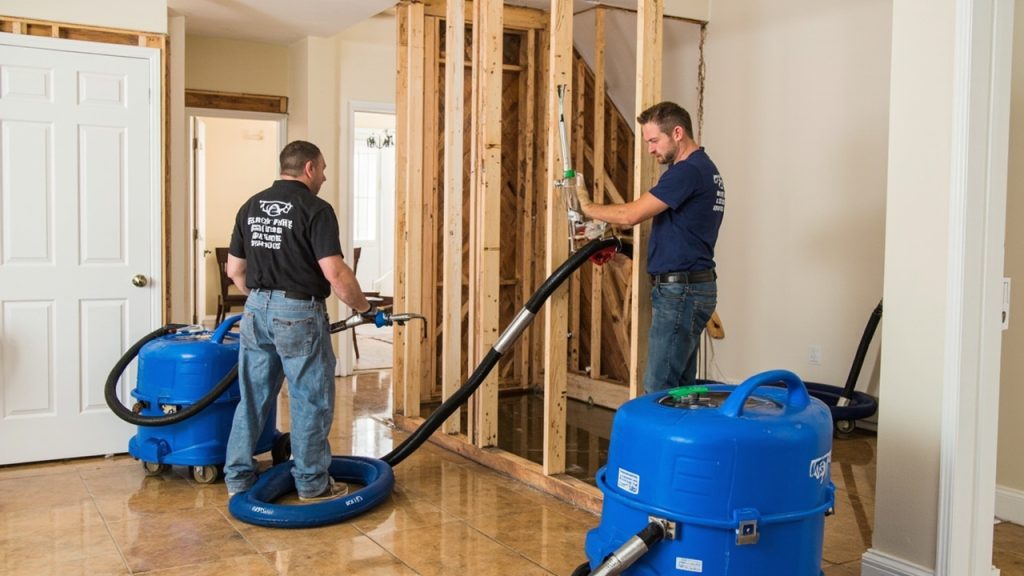
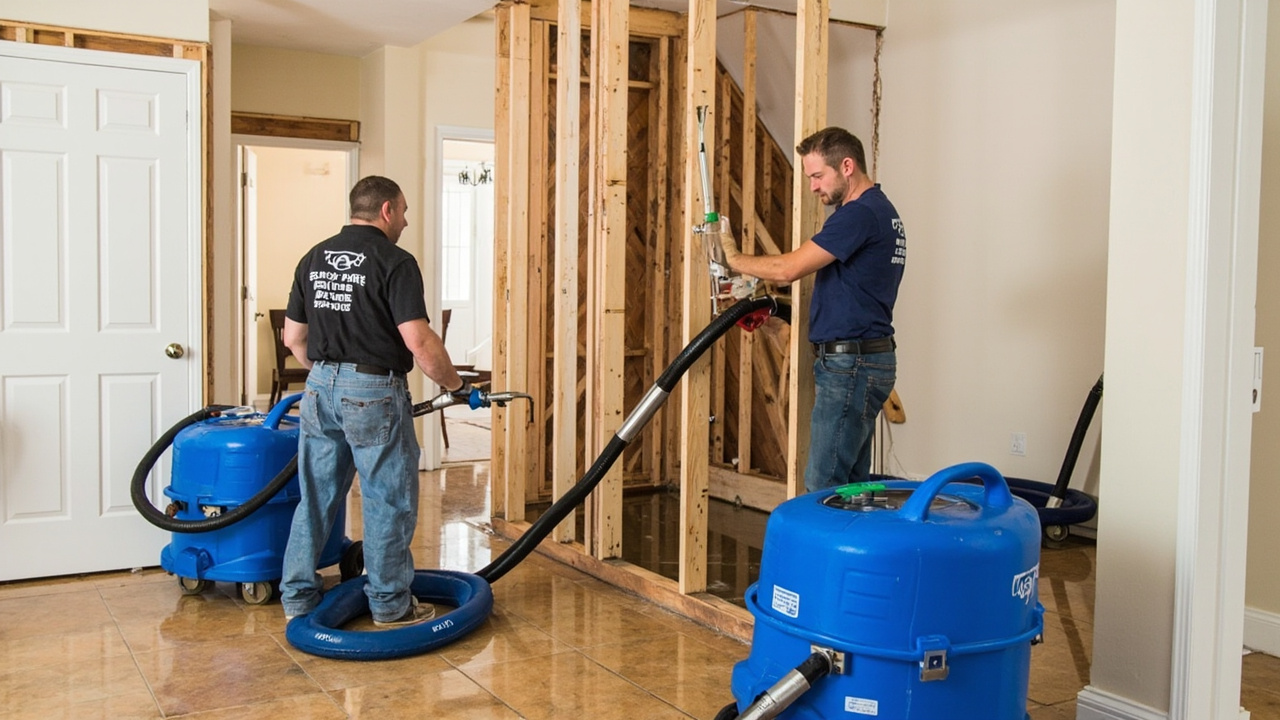
Professional extraction crews remove standing water using submersible pumps and wet vacuums. We extract water from crawlspaces, basements, and low-lying rooms first. We salvage materials where possible and document damage for your insurance claim. We set up dehumidifiers, air movers, and moisture monitoring equipment before we leave the site so drying continues 24/7.
Water Classification and What It Means for Your Home
Water damage falls into three categories, and the category determines how we treat contamination and which materials we salvage versus remove.
| Water Class | Source | Contamination Level | Treatment Approach |
|---|---|---|---|
| Category 1 | Clean water from burst supply lines, rainwater, or overflowing bathtubs | Sanitary, minimal biological risk | Extract, dry, clean, and restore materials. Most drywall and flooring can be saved. |
| Category 2 | Gray water from washing machines, dishwashers, sump pump overflow, or standing floodwater from outdoor sources | Moderate contamination. Contains microorganisms and chemical residue. | Extract, disinfect, dry. Some materials must be discarded. Professional sanitization required. |
| Category 3 | Blackwater from sewage backups, toilet overflows, or floodwater containing fecal matter and chemical waste | Severe contamination. Biohazard risk. | Full containment. Affected materials removed and disposed. Licensed biohazard remediation required. |
A storm surge that floods a Davis Islands home pulls salt water and debris from roadways, creating Category 2 water at minimum. Sewage backups in older South Tampa neighborhoods become Category 3 biohazard situations requiring full remediation protocols.
Our Emergency Restoration Process
- Inspection and Water Classification
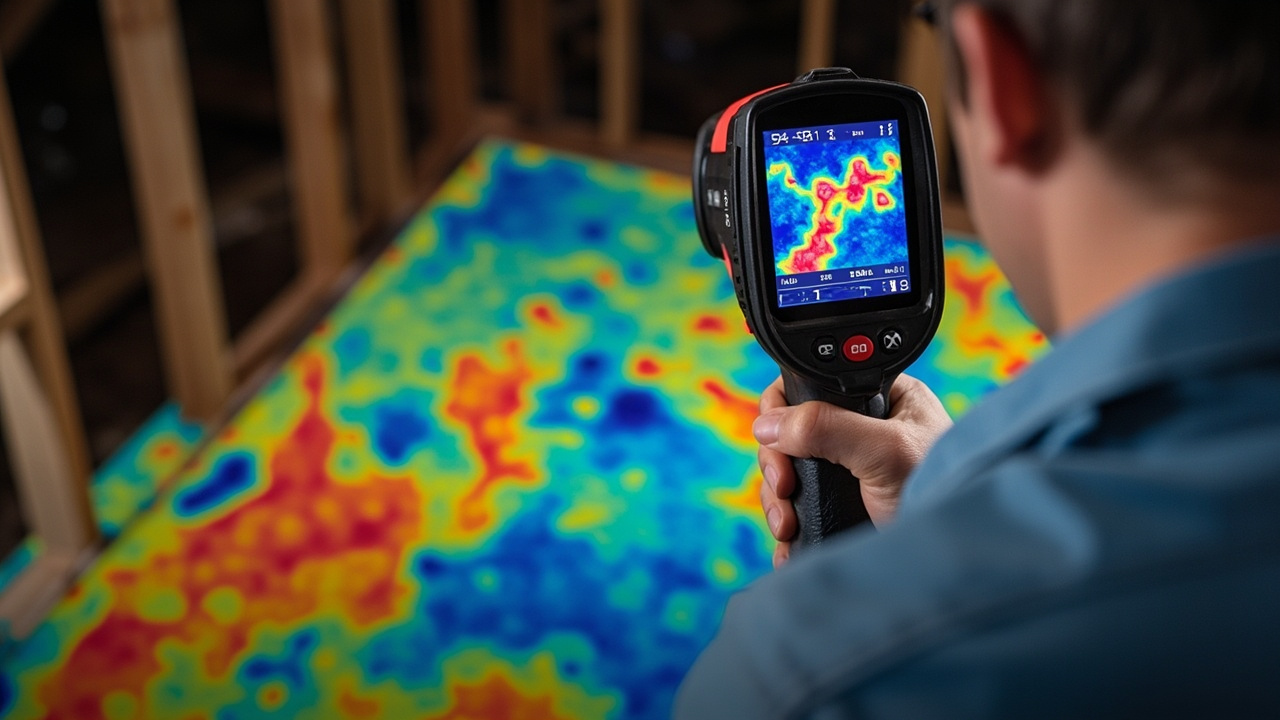
Our crews arrive with moisture detection equipment including thermal imaging and moisture meters. We assess the extent of saturation, identify the water source, and classify contamination level. We photograph all damage for your insurance file.
- Water Extraction
We deploy submersible pumps for standing water and truck-mounted extraction units for saturated materials. We extract water from walls, crawlspaces, and subfloors. We remove wet carpeting, padding, and salvageable hardwood flooring.
- Structural Drying and Dehumidification
We position air movers, dehumidifiers, and desiccant equipment throughout affected areas. We monitor moisture levels in framing, subflooring, and interior walls using calibrated meters. We adjust equipment placement daily to ensure complete drying. South Tampa’s humidity requires aggressive dehumidification for 5 to 7 days minimum.
- Cleaning and Sanitization
We clean all surfaces, walls, and salvaged materials with antimicrobial solutions appropriate to contamination level. We address odor using HEPA filtration and enzymatic treatments.
- Restoration and Reconstruction
We repair or replace drywall, flooring, trim, and cabinetry. We address swollen baseboards, cupped hardwood, and water-stained ceilings. We match existing finishes and restore your home to pre-loss condition.
Structural Drying Challenges in Historic South Tampa Homes
Hyde Park and Seminole Heights homes built in the 1920s through 1950s present drying challenges that modern construction does not. These homes often sit on concrete block or brick foundations with crawlspaces underneath. Capillary action pulls moisture up through the foundation into wooden subfloors and rim joists.
Many historic homes have plaster walls instead of drywall. Plaster absorbs water slowly but releases it even more slowly, requiring extended drying times. Older wood framing is often 2-inch thick material, meaning moisture penetrates deeper than in modern 1.5-inch framing.
Our crews recognize these differences. We inject dry air into crawlspaces using low-pressure blowers. We open wall cavities strategically to allow air circulation behind plaster and lath. We monitor wood moisture content in framing members to prevent rot and structural compromise.
Mold Prevention During and After Drying
Mold grows in moist environments within 24 to 48 hours under South Tampa’s humidity conditions. Prevention starts immediately with aggressive drying and continues through proper moisture management during the restoration phase.
We use HEPA filtration air scrubbers throughout the drying process to capture mold spores before they settle on surfaces. We monitor humidity levels continuously and maintain dehumidifiers until relative humidity drops below 50 percent. We apply antimicrobial treatments to materials that cannot be fully dried within the first 48 hours.
If mold appears during drying, we follow Florida Department of Business and Professional Regulation protocols. Licensed mold remediators conduct remediation work separately from water restoration, though we coordinate timing and containment procedures. We ensure your home is safe for reoccupancy before final restoration.
Managing Insurance Claims for South Tampa Properties
Your homeowners insurance covers sudden and accidental water damage from burst pipes, appliance failures, and weather events. Insurance does not cover damage from gradual leaks, poor maintenance, or flooding from external sources in most policies.
We work directly with State Farm, Progressive, United, Homeowners Choice, and other major carriers. We provide documentation, photographs, and damage reports that support your claim. We communicate with the adjuster so you understand the process and your coverage limits.
We bill your insurance directly for mitigation services in most cases, which means you avoid large out-of-pocket expenses during the emergency phase. We coordinate deductibles and coverage limits so your restoration stays within insurable limits.
| Insurance Scenario | Typical Coverage | Timeline for Claim | Your Role |
|---|---|---|---|
| Burst pipe or supply line leak inside home | Covered under sudden and accidental water damage clause | Adjuster visits within 3 to 5 business days | Report the loss, provide access, keep damaged items for inspection |
| Appliance failure (water heater, washing machine, dishwasher) | Covered if failure is sudden, not gradual deterioration | Adjuster visits within 3 to 5 business days | Maintain appliances to show you took care of equipment |
| Tropical storm water intrusion through roof, walls, or doors | Covered under windstorm or water damage clause if wind-driven | Adjuster visits within 3 to 5 business days, may require roof inspection | Document roof damage, provide photos of water entry points |
| Sump pump failure or slow groundwater seepage | Not covered. Sump pump failure and seepage are maintenance issues | Not applicable | Maintain sump pump, install backup power systems, handle cost yourself |
| External flooding from heavy rain or storm surge | Not covered by standard homeowners. Requires separate flood insurance from National Flood Insurance Program | Not applicable for standard policy | Purchase flood insurance if you live in flood zone, especially near Bayshore or Davis Islands |
South Tampa zip codes 33606, 33609, 33611, and 33629 include flood-prone areas. If your property is in a flood zone map, standard homeowners insurance does not cover external flooding. Federal flood insurance is required by mortgage lenders and provides coverage for damage from rising water outside your home. Areas within FEMA flood zones X and AE require flood insurance to obtain mortgage financing.
Addressing Swollen Baseboards and Water-Damaged Trim
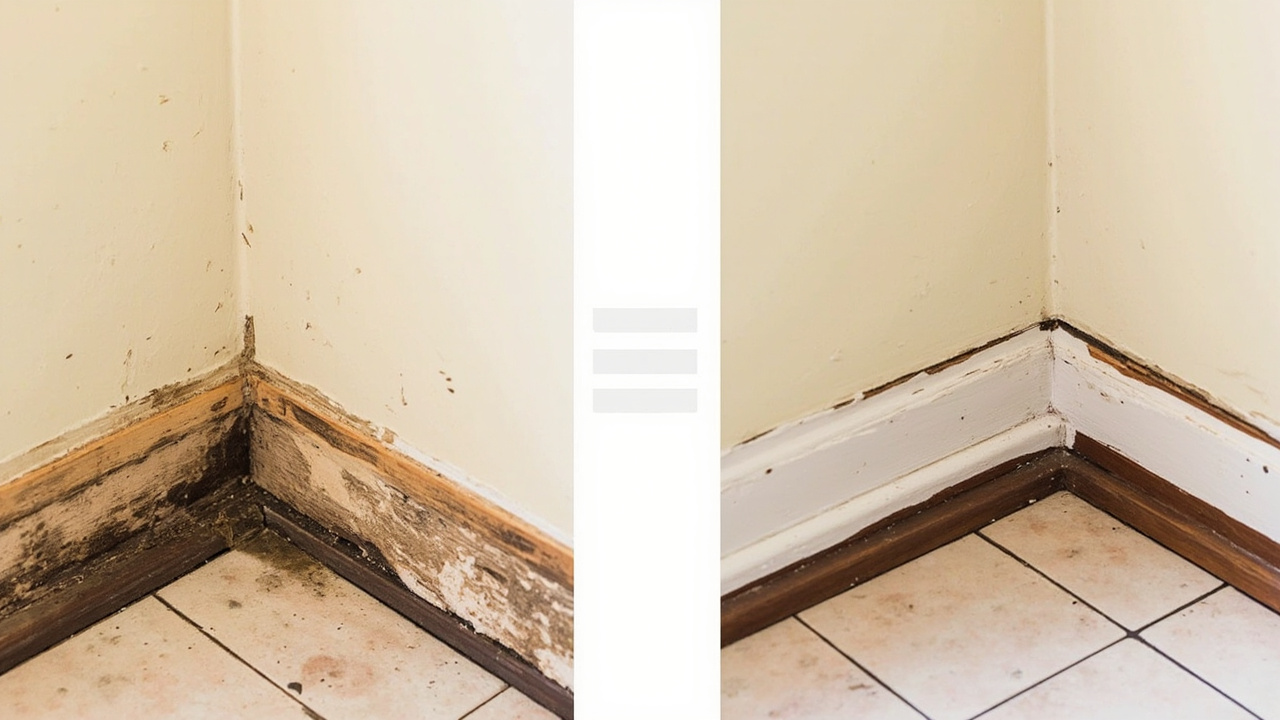
Water swells baseboards, door frames, and trim boards visibly within hours of exposure. The wood absorbs moisture and expands. Once dry, the wood may shrink unevenly, creating gaps and permanent warping.
Some historic trim in Hyde Park and Seminole Heights homes features 6-inch or taller baseboards made from solid wood. These thick boards hold moisture longer and are more prone to permanent deformation. We remove and replace affected baseboards during restoration rather than attempting to salvage them.
For more details on trim and baseboard repair options, see our guide to swollen baseboards and trim restoration.
Burst Pipes and Appliance Leaks in South Tampa Homes
Burst pipes occur most often in uninsulated areas like crawlspaces, exterior walls, and attics. A freezing night in January can drop crawlspace temperatures below 32 degrees Fahrenheit, causing water inside pipes to freeze and expand. The pressure ruptures the pipe, and water floods the crawlspace or basement until someone notices.
Water heater failures, washing machine hose ruptures, and refrigerator ice maker line leaks create sudden water discharge. A failed water heater can dump 40 to 80 gallons into a laundry room in under an hour. A cracked washing machine hose can flood a laundry closet and adjacent rooms within minutes.
Our emergency crews locate the leak source, stop the water flow, extract standing water, and begin drying immediately. We preserve evidence so insurance adjusters can verify the cause and approve coverage.
Sewage Backup and Category 3 Biohazard Cleanup
Sewage backups occur when main sewer lines become clogged or when municipal sewers back up during heavy rainfall. The backup forces raw sewage into crawlspaces, basements, or first-floor plumbing fixtures. This creates a Category 3 biohazard situation requiring licensed remediation.
We contain the affected area immediately using physical barriers and negative air pressure. We do not attempt restoration work ourselves. Licensed mold remediators under Florida Department of Business and Professional Regulation supervision handle full containment, removal, and disposal of affected materials. We coordinate the cleanup timeline and handle restoration once the area is cleared.
South Tampa Flood Zone Preparedness
Davis Islands, Beach Park, and areas near Bayshore Boulevard sit in FEMA flood zones X or AE, meaning flooding risk is elevated during tropical storms and storm surge events. Atlantic hurricane season brings heavy rainfall and storm surge from June 1 through November 30 each year.
Preparing for flood season means installing backflow preventers on sewer lines, elevating electrical panels and HVAC equipment in crawlspaces, maintaining gutters and downspouts to direct water away from foundations, and keeping sump pump systems in good working order.
For properties in high-risk zones, consider installing flood vents or installing dry floodproofing measures. The Federal Emergency Management Agency provides free mitigation guidance for homeowners in flood zones. South Tampa residents should review their specific flood risk map through the FEMA flood zone mapping tool to determine if your address falls within an A zone or X zone designation.
Why Response Time Matters in South Tampa
Every hour water sits in your home, damage spreads. Drywall saturation worsens. Subfloor moisture increases. Mold growth accelerates. A 4-hour delay between discovery and professional extraction can mean the difference between salvaging a room and losing half a house.
Our dispatch center takes calls 24/7. Our crews stage equipment throughout South Tampa and surrounding areas so response times stay under 60 minutes. We position crews near major corridors like Interstate 75, the Selmon Expressway, and Gandy Boulevard to reach South Tampa neighborhoods fast.
When you call, dispatch confirms your location, assigns the nearest available crew, and gives you a specific arrival window. Crews bring extraction equipment, initial moisture detection tools, and air movers so we start water removal immediately upon arrival. We do not wait for adjusters or scheduling callbacks. We mitigate damage now and coordinate insurance details afterward.
Long-Term Moisture Monitoring and Prevention
After major water damage, moisture can linger in hidden spaces like wall cavities, joist bays, and subfloor areas even after visible drying is complete. We schedule follow-up moisture readings at 7, 14, and 30 days post-event to confirm that interior moisture levels have dropped to acceptable ranges.
We also recommend preventive measures for future events. Installing sump pump battery backup systems protects against power failures during storms. Grading the yard away from the foundation reduces surface water infiltration. Sealing foundation cracks and maintaining gutter systems prevents slow seepage issues.
See our cost estimation guide for 2026 water damage restoration pricing to understand how preventive work fits into overall restoration budgets.
Service Areas and Emergency Response Coverage
We serve South Tampa, Hyde Park, Davis Islands, and Seminole Heights throughout Hillsborough County. Our response times are under 60 minutes to all areas within the greater Tampa Bay metro.
Our crews respond to emergency calls regardless of time or weather. We arrive with credentials, insurance verification, and equipment ready to work. We also handle commercial water damage in office buildings, retail spaces, and industrial facilities throughout the Tampa Bay area.
Frequently Asked Questions
How quickly should I call for emergency water extraction after discovering standing water?
Call immediately. Do not wait. Every hour increases mold risk and structural damage. Call within 30 minutes of discovery so crews can arrive and begin extraction within 60 minutes. The faster we extract water and start drying, the more materials we salvage and the lower your final restoration cost.
Will my homeowners insurance cover water damage from a burst pipe?
Yes, if the burst is sudden and accidental. Burst supply lines, failed water heaters, and appliance leaks are covered under the sudden and accidental water damage clause in most homeowners policies. Slow leaks from gradual pipe deterioration may not be covered. Call your insurance company immediately to report the loss.
How long does structural drying typically take in South Tampa?
Drying takes 5 to 7 days minimum for standard Category 1 water damage in moderate saturation. Heavy saturation, Category 2 or 3 water, historic homes with crawlspaces, or homes with plaster walls may require 10 to 14 days or longer. South Tampa’s humidity slows evaporation, so we use aggressive dehumidification and extended monitoring periods.
What is the difference between water mitigation and water restoration?
Mitigation is the immediate response. We extract water, remove soaked materials, and begin drying within hours. Restoration is the follow-up work. We rebuild damaged rooms, replace flooring and trim, repaint walls, and return your home to pre-loss condition. Mitigation stops the damage. Restoration fixes it.
Can mold grow in a home during the drying process?
Yes, if drying is slow or incomplete. Mold spores begin growing in moist environments within 24 to 48 hours under South Tampa’s humid conditions. We prevent mold growth through rapid extraction, continuous dehumidification, HEPA air filtration, and antimicrobial treatments. If mold develops during drying, we coordinate with licensed mold remediators to handle remediation.
Do I need flood insurance if I live near Bayshore Boulevard or Davis Islands?
Check your FEMA flood zone map. If your property is in flood zone AE or X, your mortgage lender likely requires flood insurance. Standard homeowners insurance does not cover external flooding. Flood insurance through the National Flood Insurance Program is available and often required by lenders in high-risk areas.
What should I do with wet personal belongings during extraction and drying?
Move items away from standing water immediately. Electronics, documents, clothing, and furniture saturated with Category 2 or 3 water should be discarded for biohazard safety. Items saturated with clean Category 1 water may be cleaned and dried. Ask our crew for guidance on specific items. Document everything for insurance purposes.
Call Now for 24/7 Emergency Response in South Tampa
Water damage is not a problem you fix yourself. The window for effective mitigation closes quickly, and mistakes made in the first 24 hours often cost more than professional help from the start.
Call us now if you discover standing water, smell musty odors, see water stains on ceilings or walls, or hear a leak you cannot locate. Our crews answer 24/7. Provide your address and a description of the damage. We dispatch the nearest crew and confirm arrival within 60 minutes.
If you are in South Tampa or the surrounding Tampa Bay area and need emergency water mitigation, do not wait. The longer water sits, the bigger the problem becomes. Contact Fortress Water Damage Restoration for immediate emergency response and professional restoration. Every minute counts when water damage threatens your home and family safety.
{
“@context”: “https://schema.org”,
“@type”: “BlogPosting”,
“headline”: “Fast Help for Emergency Water Damage Restoration in South Tampa”,
“description”: “24/7 emergency water damage restoration in South Tampa. Fast extraction, structural drying, mold prevention. Call now for 60-minute response.”,
“wordCount”: 3103,
“datePublished”: “2026-03-14T09:14:00.000Z”,
“dateModified”: “2026-03-14T09:14:00.000Z”,
“inLanguage”: “en-US”,
“mainEntityOfPage”: {
“@type”: “WebPage”,
“@id”: “https://fortresswaterdamagerestorationtampa.com”
},
“publisher”: {
“@type”: “LocalBusiness”,
“name”: “Fortress Water Damage Restoration Tampa”,
“url”: “https://fortresswaterdamagerestorationtampa.com”
},
“author”: {
“@type”: “Organization”,
“name”: “Fortress Water Damage Restoration Tampa”,
“url”: “https://fortresswaterdamagerestorationtampa.com”
},
“image”: {
“@type”: “ImageObject”,
“url”: “https://fortresswaterdamagerestorationtampa.com/wp-content/uploads/2026/03/fast-help-for-emergency-water-damage-restoration-i-1.jpg”
}
}
{
“@context”: “https://schema.org”,
“@type”: “LocalBusiness”,
“name”: “Fortress Water Damage Restoration Tampa”,
“url”: “https://fortresswaterdamagerestorationtampa.com”,
“address”: {
“@type”: “PostalAddress”,
“addressLocality”: “Tampa”
},
“areaServed”: {
“@type”: “City”,
“name”: “Tampa”
}
}
{
“@context”: “https://schema.org”,
“@type”: “FAQPage”,
“mainEntity”: [
{
“@type”: “Question”,
“name”: “How quickly should I call for emergency water extraction after discovering standing water?”,
“acceptedAnswer”: {
“@type”: “Answer”,
“text”: “Call immediately. Do not wait. Every hour increases mold risk and structural damage. Call within 30 minutes of discovery so crews can arrive and begin extraction within 60 minutes. The faster we extract water and start drying, the more materials we salvage and the lower your final restoration cost.”
}
},
{
“@type”: “Question”,
“name”: “Will my homeowners insurance cover water damage from a burst pipe?”,
“acceptedAnswer”: {
“@type”: “Answer”,
“text”: “Yes, if the burst is sudden and accidental. Burst supply lines, failed water heaters, and appliance leaks are covered under the sudden and accidental water damage clause in most homeowners policies. Slow leaks from gradual pipe deterioration may not be covered. Call your insurance company immediately to report the loss.”
}
},
{
“@type”: “Question”,
“name”: “How long does structural drying typically take in South Tampa?”,
“acceptedAnswer”: {
“@type”: “Answer”,
“text”: “Drying takes 5 to 7 days minimum for standard Category 1 water damage in moderate saturation. Heavy saturation, Category 2 or 3 water, historic homes with crawlspaces, or homes with plaster walls may require 10 to 14 days or longer. South Tampa’s humidity slows evaporation, so we use aggressive dehumidification and extended monitoring periods.”
}
},
{
“@type”: “Question”,
“name”: “What is the difference between water mitigation and water restoration?”,
“acceptedAnswer”: {
“@type”: “Answer”,
“text”: “Mitigation is the immediate response. We extract water, remove soaked materials, and begin drying within hours. Restoration is the follow-up work. We rebuild damaged rooms, replace flooring and trim, repaint walls, and return your home to pre-loss condition. Mitigation stops the damage. Restoration fixes it.”
}
},
{
“@type”: “Question”,
“name”: “Can mold grow in a home during the drying process?”,
“acceptedAnswer”: {
“@type”: “Answer”,
“text”: “Yes, if drying is slow or incomplete. Mold spores begin growing in moist environments within 24 to 48 hours under South Tampa’s humid conditions. We prevent mold growth through rapid extraction, continuous dehumidification, HEPA air filtration, and antimicrobial treatments. If mold develops during drying, we coordinate with licensed mold remediators to handle remediation.”
}
},
{
“@type”: “Question”,
“name”: “Do I need flood insurance if I live near Bayshore Boulevard or Davis Islands?”,
“acceptedAnswer”: {
“@type”: “Answer”,
“text”: “Check your FEMA flood zone map. If your property is in flood zone AE or X, your mortgage lender likely requires flood insurance. Standard homeowners insurance does not cover external flooding. Flood insurance through the National Flood Insurance Program is available and often required by lenders in high-risk areas.”
}
},
{
“@type”: “Question”,
“name”: “What should I do with wet personal belongings during extraction and drying?”,
“acceptedAnswer”: {
“@type”: “Answer”,
“text”: “Move items away from standing water immediately. Electronics, documents, clothing, and furniture saturated with Category 2 or 3 water should be discarded for biohazard safety. Items saturated with clean Category 1 water may be cleaned and dried. Ask our crew for guidance on specific items. Document everything for insurance purposes.”
}
}
]
}
{
“@context”: “https://schema.org”,
“@type”: “HowTo”,
“name”: “How to Restore Your Home After Water Damage”,
“step”: [
{
“@type”: “HowToStep”,
“position”: 1,
“name”: “Inspection and Water Classification”,
“text”: “Our crews arrive with moisture detection equipment including thermal imaging and moisture meters. We assess the extent of saturation, identify the water source, and classify contamination level. We photograph all damage for your insurance file.”
},
{
“@type”: “HowToStep”,
“position”: 2,
“name”: “Water Extraction”,
“text”: “We deploy submersible pumps for standing water and truck-mounted extraction units for saturated materials. We extract water from walls, crawlspaces, and subfloors. We remove wet carpeting, padding, and salvageable hardwood flooring.”
},
{
“@type”: “HowToStep”,
“position”: 3,
“name”: “Structural Drying and Dehumidification”,
“text”: “We position air movers, dehumidifiers, and desiccant equipment throughout affected areas. We monitor moisture levels in framing, subflooring, and interior walls using calibrated meters. We adjust equipment placement daily to ensure complete drying. South Tampa’s humidity requires aggressive dehumidification for 5 to 7 days minimum.”
},
{
“@type”: “HowToStep”,
“position”: 4,
“name”: “Cleaning and Sanitization”,
“text”: “We clean all surfaces, walls, and salvaged materials with antimicrobial solutions appropriate to contamination level. We address odor using HEPA filtration and enzymatic treatments.”
},
{
“@type”: “HowToStep”,
“position”: 5,
“name”: “Restoration and Reconstruction”,
“text”: “We repair or replace drywall, flooring, trim, and cabinetry. We address swollen baseboards, cupped hardwood, and water-stained ceilings. We match existing finishes and restore your home to pre-loss condition.”
}
],
“image”: “https://fortresswaterdamagerestorationtampa.com/wp-content/uploads/2026/03/fast-help-for-emergency-water-damage-restoration-i-1.jpg”
}
{
“@context”: “https://schema.org”,
“@type”: “BreadcrumbList”,
“itemListElement”: [
{
“@type”: “ListItem”,
“position”: 1,
“name”: “Home”,
“item”: “https://fortresswaterdamagerestorationtampa.com”
},
{
“@type”: “ListItem”,
“position”: 2,
“name”: “Blog”,
“item”: “https://fortresswaterdamagerestorationtampa.com/blog”
},
{
“@type”: “ListItem”,
“position”: 3,
“name”: “Fast Help for Emergency Water Damage Restoration in South Tampa”
}
]
}
{
“@context”: “https://schema.org”,
“@type”: “Service”,
“serviceType”: “Water Damage Restoration”,
“provider”: {
“@type”: “LocalBusiness”,
“name”: “Fortress Water Damage Restoration Tampa”,
“url”: “https://fortresswaterdamagerestorationtampa.com”
},
“areaServed”: {
“@type”: “City”,
“name”: “Tampa”
},
“description”: “24/7 emergency water damage restoration in South Tampa. Fast extraction, structural drying, mold prevention. Call now for 60-minute response.”
}