





Menu

Sump Pump Maintenance Guide in Tampa – Prevent Basement Flooding Before the Next Storm

Keep your sump pump maintenance checklist current and your basement dry with preventative maintenance tips built for Tampa's wet season challenges and seasonal storm surges.

Slider Image 1
Slider Image 2
Slider Image 3
Slider Image 4
Slider Image 5
Slider Image 7
Slider Image 8
Slider Image 9
Slider Image 10
Slider Image 11

Why Tampa Homes Need Year-Round Sump Pump Care

Tampa receives over 46 inches of rain annually, most of it concentrated during June through September. Your sump pump faces extreme demand during afternoon thunderstorms and tropical systems that dump inches of rain in hours. A pump that sits idle for months during the dry season can seize when you need it most.

The water table in low-lying Tampa neighborhoods like Palma Ceia, Seminole Heights, and South Tampa rises quickly during heavy rain. Groundwater pressure increases, and without a functioning sump pump, you face basement flooding, foundation damage, and mold growth within 24 to 48 hours.

How to maintain a sump pump becomes critical knowledge when you live in a flood-prone zone. Most homeowners check their pumps only after a problem starts. By then, water damage restoration costs climb into thousands of dollars. Your sump pump upkeep instructions should include monthly checks during dry months and weekly inspections during storm season.

The combination of Tampa's sandy soil, high humidity, and seasonal rainfall creates the perfect environment for pump failure. Iron bacteria thrive in standing water and coat pump components with slimy buildup that restricts flow. Power outages during storms leave pumps useless unless you have battery backup systems tested and ready.

A proper sump pump maintenance checklist addresses these local conditions before they cause catastrophic failure. Prevention costs far less than emergency water extraction and structural drying after a flood.

Why Tampa Homes Need Year-Round Sump Pump Care
Essential Sump Pump Care Tips for Tampa Homeowners

Essential Sump Pump Care Tips for Tampa Homeowners

Preventative sump pump maintenance starts with understanding how your system responds to Tampa's unique challenges. Your pump sits in a basin that collects groundwater and surface water. The float switch activates the pump when water reaches a certain level. That switch is the most common failure point.

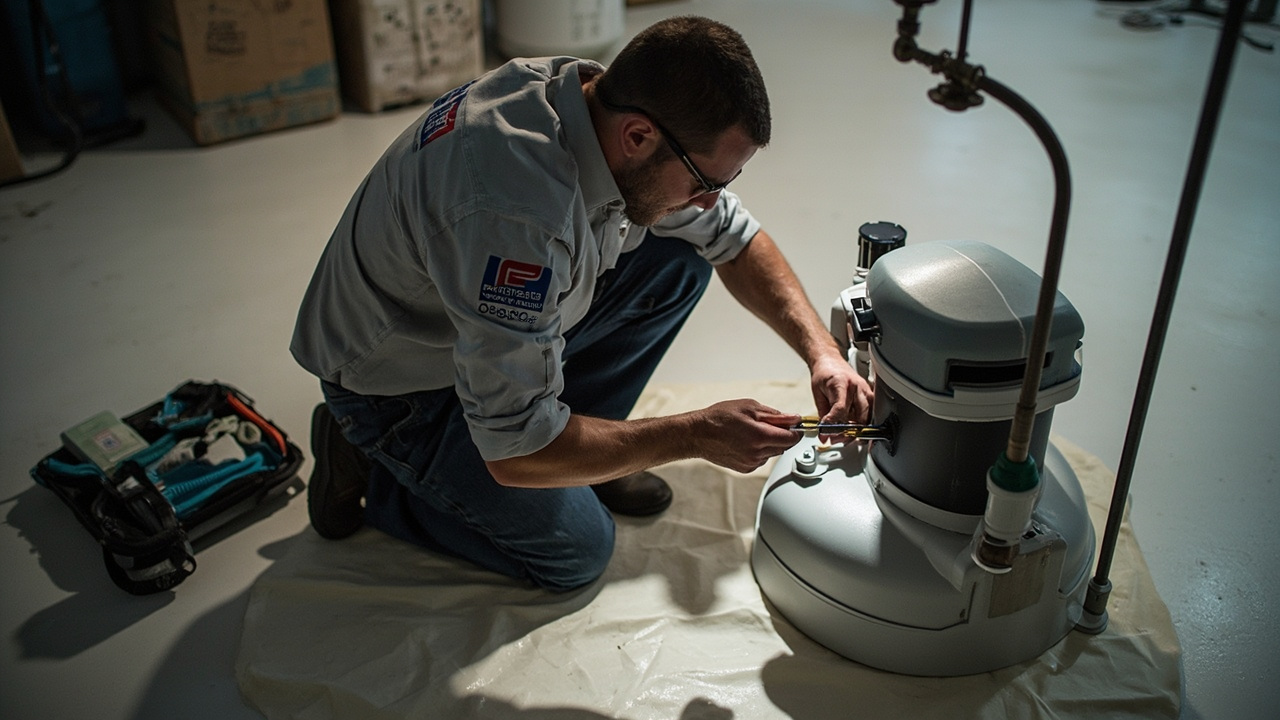
Test your float switch monthly by pouring water into the basin until the pump activates. Listen for unusual grinding or rattling sounds that indicate worn bearings or debris in the impeller. Check the discharge line outside your home. During Tampa's summer heat, insects and small lizards nest in discharge pipes and create blockages that cause pump burnout.

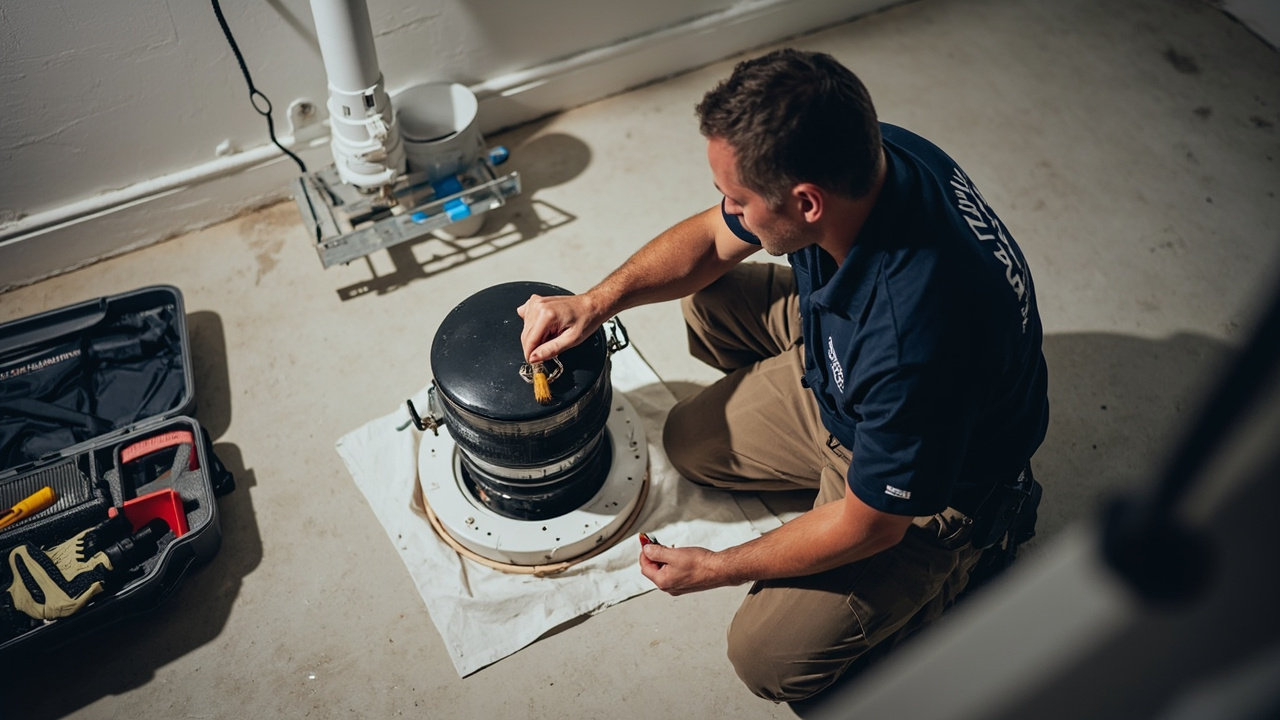
Clean the pump intake screen every 90 days. Remove the pump from the basin and rinse the screen under running water. Inspect the impeller for debris like gravel, sticks, or construction materials that work their way into the basin through foundation cracks. Even small obstructions reduce flow capacity by 30 to 40 percent.

Your sump pump care tips should include checking the check valve on the discharge line. This valve prevents water from flowing back into the basin after the pump shuts off. A faulty check valve forces your pump to work twice as hard and shortens its lifespan by years.

Battery backup systems need quarterly testing. Disconnect main power and verify the backup activates within seconds. Replace batteries every three to five years regardless of testing results. Battery acid corrodes terminals and reduces charge capacity even when the unit appears functional.

Document each maintenance session with photos and notes. This record helps you identify patterns like frequent clogs or early float switch wear that signal larger drainage problems around your foundation.

Your Complete Sump Pump Maintenance Workflow

Sump Pump Maintenance Guide in Tampa – Prevent Basement Flooding Before the Next Storm
01

Visual Inspection and Testing

Remove the sump basin cover and check for standing water between pump cycles. Look for rust on metal components, cracks in discharge pipes, and proper float switch movement. Pour five gallons of water into the basin to trigger the pump. Time how long it takes to drain the basin completely. A functioning pump clears a standard basin in under 60 seconds.
02

Component Cleaning and Adjustment

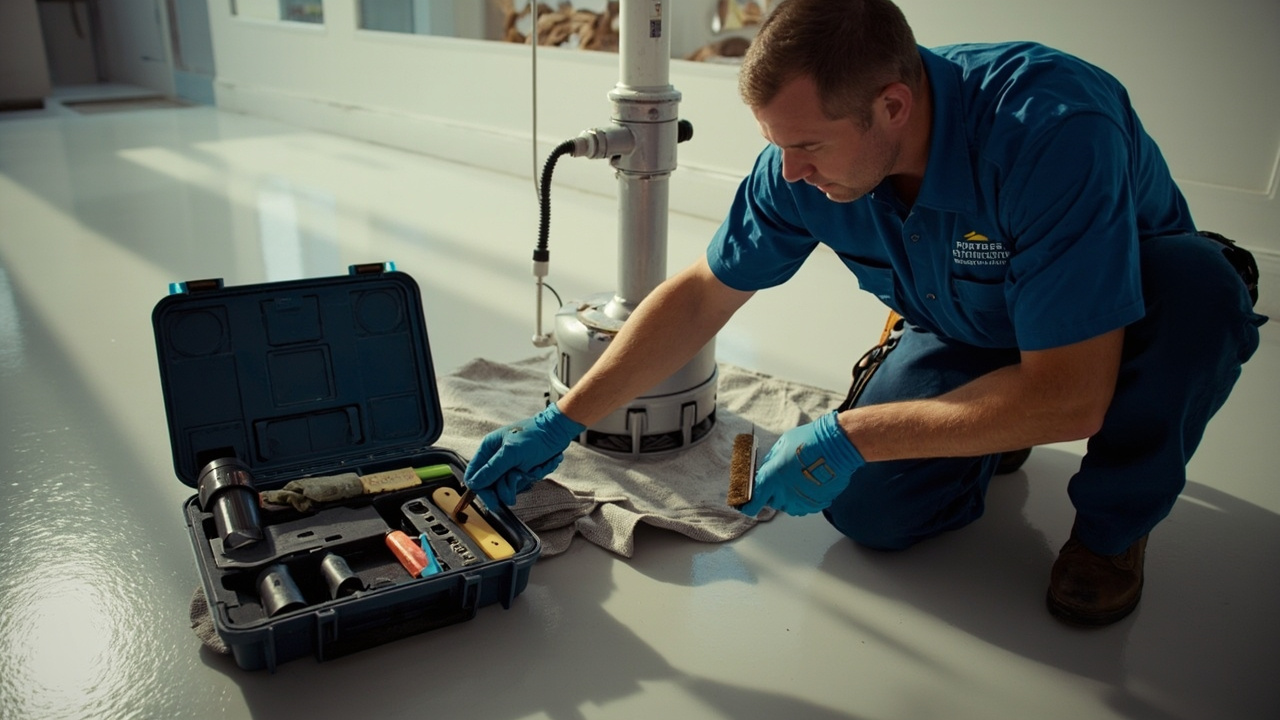
Disconnect power at the breaker box before removing the pump. Scrub the intake screen and impeller housing with a stiff brush to remove mineral deposits and organic buildup. Check the weep hole between the pump and discharge pipe. This small opening prevents airlock and must stay clear. Adjust float switch height if needed to prevent short cycling during heavy rainfall.
03

System Verification and Documentation

Reinstall the pump and verify proper alignment in the basin. Test the GFCI outlet with a circuit tester. Run three full pump cycles and confirm consistent activation and shutoff points. Check the exterior discharge point for proper drainage away from the foundation. Record all measurements, observations, and any component replacements in your maintenance log for future reference.

Why Tampa Residents Trust Fortress Water Damage Restoration for Sump Pump Guidance

Fortress Water Damage Restoration Tampa understands how quickly water damage escalates in Florida's climate. We respond to flooded basements across Hillsborough County every storm season, and most cases involve preventable sump pump failures. Our technicians see the same problems repeatedly in older Tampa neighborhoods where homes were built before modern drainage codes took effect.

We know which pump brands hold up best in Tampa's mineral-rich groundwater. We understand how the 2020 Florida Building Code updates affect residential drainage systems. When you call us after a pump failure, we assess your entire drainage system, not just the failed component. Foundation grading, gutter systems, and soil composition all impact how hard your sump pump works.

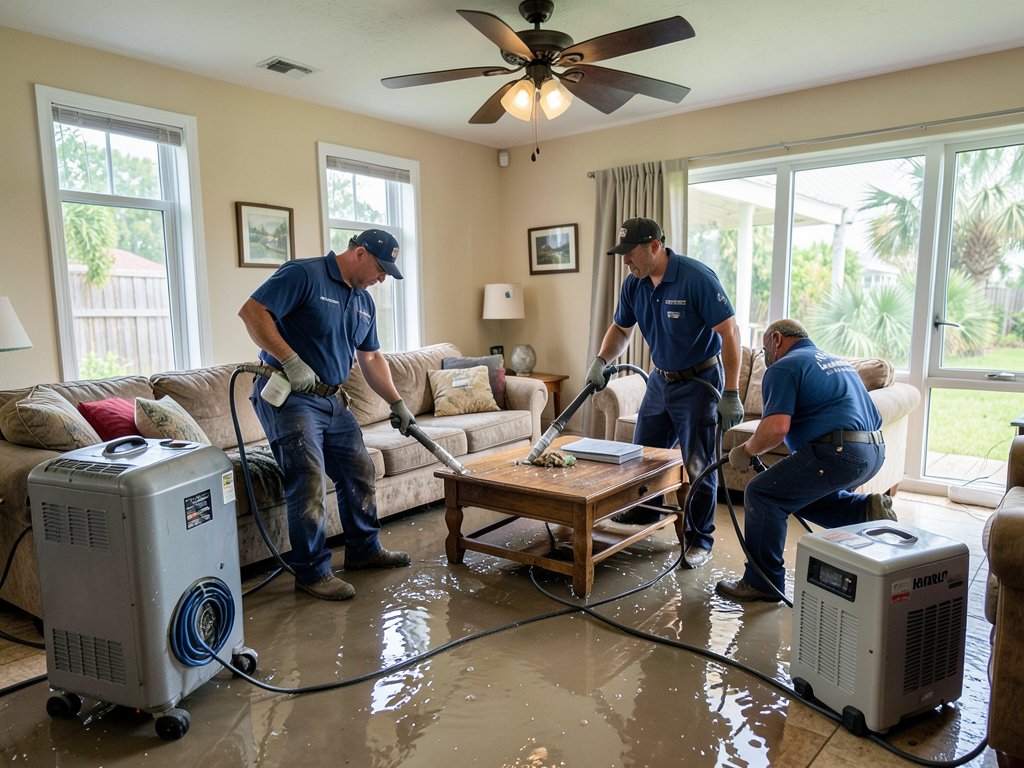
Our water damage restoration process includes thermal imaging to detect hidden moisture in wall cavities and subfloor areas. We use commercial dehumidifiers rated for Florida's 70 to 80 percent humidity levels. Standard residential units cannot pull enough moisture from saturated materials to prevent mold growth. We extract standing water, dry structural components to industry standards, and verify moisture levels with calibrated meters before declaring a space safe.

Tampa homeowners benefit from working with a local team that stocks parts for common pump brands and maintains relationships with foundation specialists, electricians, and mold remediation contractors. When your sump pump fails at 2 AM during a tropical storm, you need a coordinated response team that understands local conditions and building practices.

We provide written documentation of all work for insurance claims. Most homeowners policies cover sudden water damage from pump failure if you can demonstrate regular maintenance. Our detailed reports include photos, moisture readings, and scope of work that adjusters need to process claims quickly.

What You Should Expect from Regular Sump Pump Maintenance

Maintenance Time Requirements

A thorough sump pump inspection takes 20 to 30 minutes when performed monthly. During Tampa's storm season, plan for weekly five-minute checks that verify float switch operation and clear discharge lines. Annual deep maintenance requires one to two hours for complete disassembly, cleaning, and component testing. Schedule this work during Tampa's dry season from October through May when groundwater levels drop and you can safely disconnect the pump for extended periods. Budget extra time if you discover worn components that need replacement.

Assessment Tools and Techniques

Basic sump pump assessment requires a flashlight, measuring tape, and five-gallon bucket for water testing. Advanced diagnostics use a multimeter to check voltage at the outlet and pump terminals. Inspect the discharge line with a camera scope if you suspect blockages you cannot see from the exterior outlet. Check the basin liner for cracks or separation from the foundation. Measure the distance from the pump base to the float switch activation point to ensure adequate water removal before flooding starts. Keep a notebook with baseline measurements so you can track performance changes over time.

Performance Standards and Outcomes

A properly maintained sump pump cycles on within two seconds of float switch activation and clears a standard 18-inch basin in 45 to 60 seconds. The pump should run smoothly without grinding, rattling, or excessive vibration. Discharge flow should be strong and consistent from the exterior outlet. After maintenance, your pump operates more efficiently, draws less power, and responds faster during heavy rain events. You gain peace of mind knowing your basement protection system works when Tampa's afternoon thunderstorms dump two inches of rain in 30 minutes. Proper maintenance extends pump lifespan from three to five years up to seven to ten years.

Preventative Maintenance Schedules

Establish a maintenance calendar tied to Tampa's weather patterns. Perform deep cleaning in April before storm season starts. Increase testing frequency to weekly from June through September when tropical systems threaten the Gulf Coast. Check battery backup systems monthly and replace batteries on a fixed schedule regardless of testing results. Document each maintenance session with photos and performance notes. This record proves regular upkeep to insurance adjusters if you ever file a flood damage claim. Some homeowners hire professional plumbers for annual inspections to supplement their own monthly checks. Professional inspections cost between two hundred and four hundred dollars but provide detailed assessments of pump capacity, electrical safety, and drainage system integrity.

Frequently Asked Questions

You Have Questions,
We Have Answers

What maintenance needs to be done on a sump pump? +

Clean the pump intake screen and remove debris every three months. Test the float switch by pouring water into the pit until the pump activates. Inspect the discharge pipe for clogs or freezing. Check the check valve to prevent backflow. In Tampa's humid climate, verify the pit liner stays sealed to prevent moisture buildup in your basement or crawl space. Examine the power cord and outlet for damage. Listen for unusual grinding noises during operation. Clean the basin interior to prevent bacterial growth and odors common in Florida's warm conditions.

What is the standard checklist for pump maintenance? +

A standard pump maintenance checklist includes testing pump operation by adding water to the pit. Inspect the float switch for smooth movement and proper triggering. Check discharge lines for blockages or leaks. Verify the check valve functions correctly. Clean the pump screen and basin of dirt and debris. Examine electrical connections for corrosion, which Tampa's coastal air accelerates. Test your backup power system if installed. Measure pump cycle times to detect declining performance. Document maintenance dates and any repairs. Replace worn components before they fail during Florida's heavy rain season.

Can I put a chlorine tablet in my sump pump? +

No, never put chlorine tablets in your sump pump. Chlorine tablets corrode metal pump components and deteriorate rubber seals. They release toxic fumes in enclosed spaces and can damage your plumbing system. For Tampa homeowners dealing with basin odors from organic matter decay in warm weather, use a diluted bleach solution or vinegar instead. Pour one cup of bleach mixed with a gallon of water into the pit, or use white vinegar as a safer alternative. These methods clean without causing corrosive damage to your pump's mechanical parts.

What is the average lifespan of a sump pump? +

Most sump pumps last seven to ten years with proper maintenance. Tampa's high water table and frequent summer storms cause pumps to cycle more often, which can reduce lifespan to the lower end of that range. Pumps running constantly during rainy season experience faster wear. Quality matters. Cast iron pumps outlast plastic models. Pedestal pumps typically last longer than submersible units because the motor stays dry. Replace your pump proactively after seven years rather than waiting for failure during a storm when you need it most.

How much does it cost to have a sump pump serviced? +

Sump pump service in Tampa ranges from basic inspection fees to full replacement costs. A professional inspection and cleaning typically costs between routine service call fees and higher diagnostic charges. Expect higher costs if parts need replacement or if your system requires emergency repairs during storm season. Factors affecting price include pump accessibility, basin condition, and whether you need backup system checks. Many Tampa water damage restoration companies bundle sump pump inspection with basement waterproofing assessments. Regular maintenance prevents expensive emergency calls during hurricane season.

What are common sump pump problems? +

Common sump pump problems include stuck float switches caused by debris or improper positioning. Clogged discharge lines prevent water from exiting, especially in Tampa where tree roots infiltrate pipes. Check valve failure allows water to flow back into the pit. Motor burnout occurs from overwork during extended rain events. Electrical issues from corroded connections in humid Florida air cause power failures. Overwhelming volume during storms exceeds pump capacity. Frozen discharge pipes rarely affect Tampa, but clogged outdoor terminations do. Strange noises indicate worn bearings or damaged impellers requiring immediate attention.

What are the 7 elements of preventive maintenance? +

The seven elements of preventive maintenance are inspection, cleaning, lubrication, adjustment, testing, replacement, and documentation. Inspect components for wear or damage. Clean debris from pump screens and basins. Lubricate moving parts per manufacturer specs. Adjust float switches for proper triggering. Test pump operation under load conditions. Replace worn parts before failure. Document all maintenance activities with dates and findings. In Tampa's demanding climate with high humidity and heavy rainfall, following these seven elements prevents unexpected failures during critical storm events when you depend on reliable pump operation.

What would be a routine maintenance for a pump? +

Routine pump maintenance involves quarterly inspections of all components. Pour water into the pit to verify automatic activation. Clean the intake screen and basin of accumulated sediment. Check the discharge pipe outside for proper drainage and termination. Test the float switch by manually lifting it. Inspect electrical connections for corrosion from Tampa's salty coastal air. Listen for abnormal sounds indicating bearing wear. Verify the check valve seals properly. Measure pumping time to establish baseline performance. Schedule annual professional inspection before June when Florida's rainy season begins.

What is the 10 rule of preventive maintenance? +

The 10 rule of preventive maintenance states that every dollar spent on preventive maintenance saves ten dollars in reactive repairs. This principle applies directly to Tampa sump pumps. Spending modest amounts on quarterly cleaning and annual professional inspection prevents catastrophic flooding damage to your home. A failed pump during a summer thunderstorm causes thousands in water damage, mold remediation, and content loss. The rule emphasizes proactive care over emergency response. For Tampa homeowners in flood-prone areas, this ratio may be even higher given our intense rainfall patterns and high water tables.

Is bleach or vinegar better for a sump pump? +

Vinegar is safer than bleach for regular sump pump cleaning. Pour one gallon of white vinegar into the basin to eliminate odors and dissolve mineral deposits without corroding pump components. Vinegar's mild acidity handles Tampa's bacterial growth from warm, humid conditions without toxic fumes. Bleach works for heavy disinfection but use it sparingly. Mix one cup bleach with five gallons of water for occasional deep cleaning. Never combine bleach and vinegar, which creates dangerous chlorine gas. For Tampa's climate where basins develop biofilm quickly, monthly vinegar treatments maintain cleanliness without damaging your pump's seals and metal parts.

How Tampa's Water Table and Storm Patterns Affect Your Sump Pump Workload

Tampa sits on a shallow aquifer where the water table rises to within three to five feet of the surface during the wet season. Afternoon thunderstorms deliver intense rainfall that saturates sandy soil in minutes. Your sump pump faces sudden demand spikes when two inches of rain falls in 20 minutes, a common occurrence from June through August. The Hillsborough River and numerous creeks crossing Tampa create high groundwater zones where sump pumps run multiple cycles per day during peak storm season. Homes in Riverside, Tampa Heights, and Virginia Park experience the highest groundwater pressure due to proximity to the river and low elevation. Your sump pump maintenance checklist must account for this extreme seasonal workload variation.

Fortress Water Damage Restoration Tampa works with homeowners across Hillsborough County who face these exact challenges. We understand how quickly mold develops in Florida's humid climate when basement flooding goes unaddressed. Our team responds 24/7 because we know pump failures happen during the worst storms when you need help immediately. We stock replacement pumps, check valves, and backup battery systems for same-day installation. Tampa building codes require proper discharge placement to prevent foundation undermining, and our technicians ensure your system meets current standards. When you need expert guidance on preventative sump pump maintenance, you want someone who understands Tampa's unique drainage challenges and responds quickly when prevention fails.
Water Damage Restoration Services in The Tampa Area

We proudly serve the entire Tampa area with rapid-response water damage restoration services. Whether you’re downtown, in the suburbs, or operating a business near the bay, our expert team is just minutes away. Use the map below to view our service zone or find our nearest location. We’re ready to respond wherever you need us. Your peace of mind is only a call or click away.

Address:
Fortress Water Damage Restoration Tampa, 4830 W Kennedy Blvd #600, Tampa, FL, 33609

Additional Services We Offer

Our news updates

Latest Articles & News from The Blogs

Lorem ipsum dolor sit amet. Aut expedita quaerat quo eligendi numquam et laudantium perspiciatis qui minima expedita rem consequatur ducimus.…

Test Blog 4

Lorem ipsum dolor sit amet. Aut expedita quaerat quo eligendi numquam et laudantium perspiciatis qui minima expedita rem consequatur ducimus.…

Test Blog 3

Lorem ipsum dolor sit amet. Aut expedita quaerat quo eligendi numquam et laudantium perspiciatis qui minima expedita rem consequatur ducimus.…

Test Blog 2

Lorem ipsum dolor sit amet. Aut expedita quaerat quo eligendi numquam et laudantium perspiciatis qui minima expedita rem consequatur ducimus.…

Contact Us

Do not wait for basement flooding to discover your sump pump failed. Call Fortress Water Damage Restoration Tampa at (656) 219-8088 for expert assessment and maintenance guidance. We help Tampa homeowners protect their properties before water damage starts.