





Menu

Water Damage Restoration Cost 2026 in Tampa – Clear Price Factors and What You'll Actually Pay

Understanding water damage restoration cost 2026 means knowing how Tampa's humidity, flood zones, and storm surge risks affect your estimate before you commit to a contractor.

Slider Image 1
Slider Image 2
Slider Image 3
Slider Image 4
Slider Image 5
Slider Image 7
Slider Image 8
Slider Image 9
Slider Image 10
Slider Image 11

What Drives Water Damage Restoration Costs in Tampa

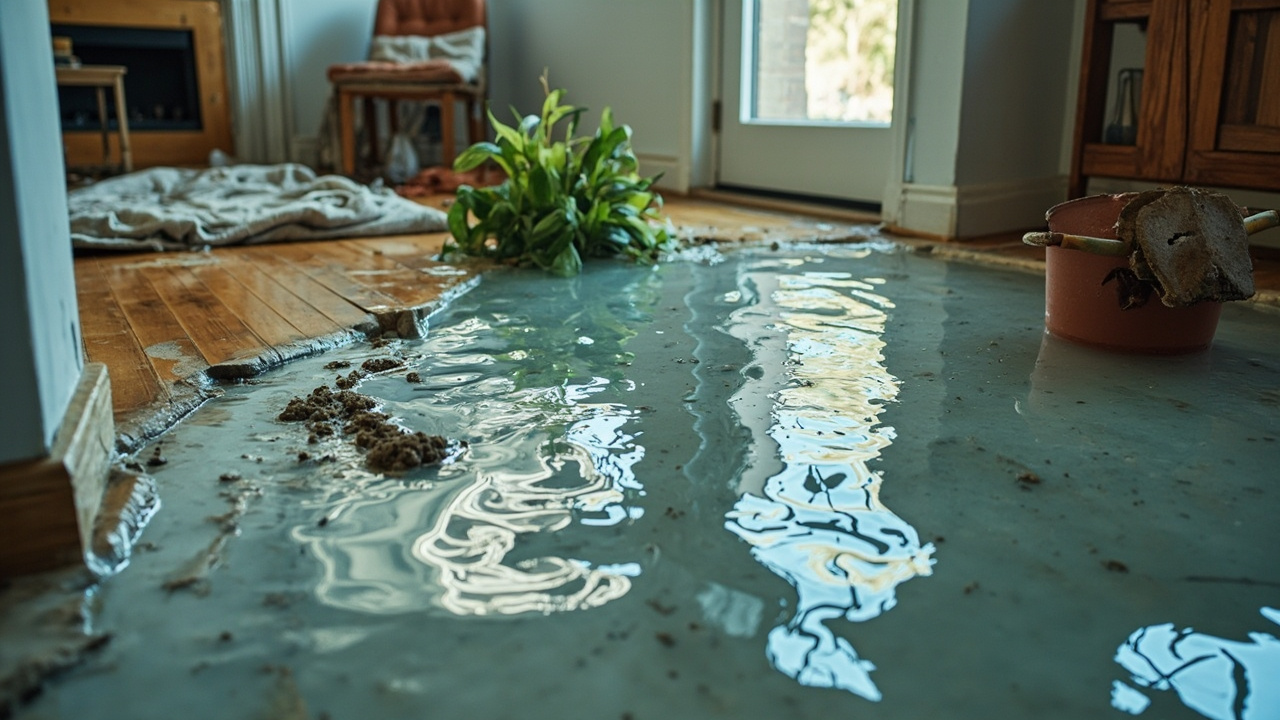
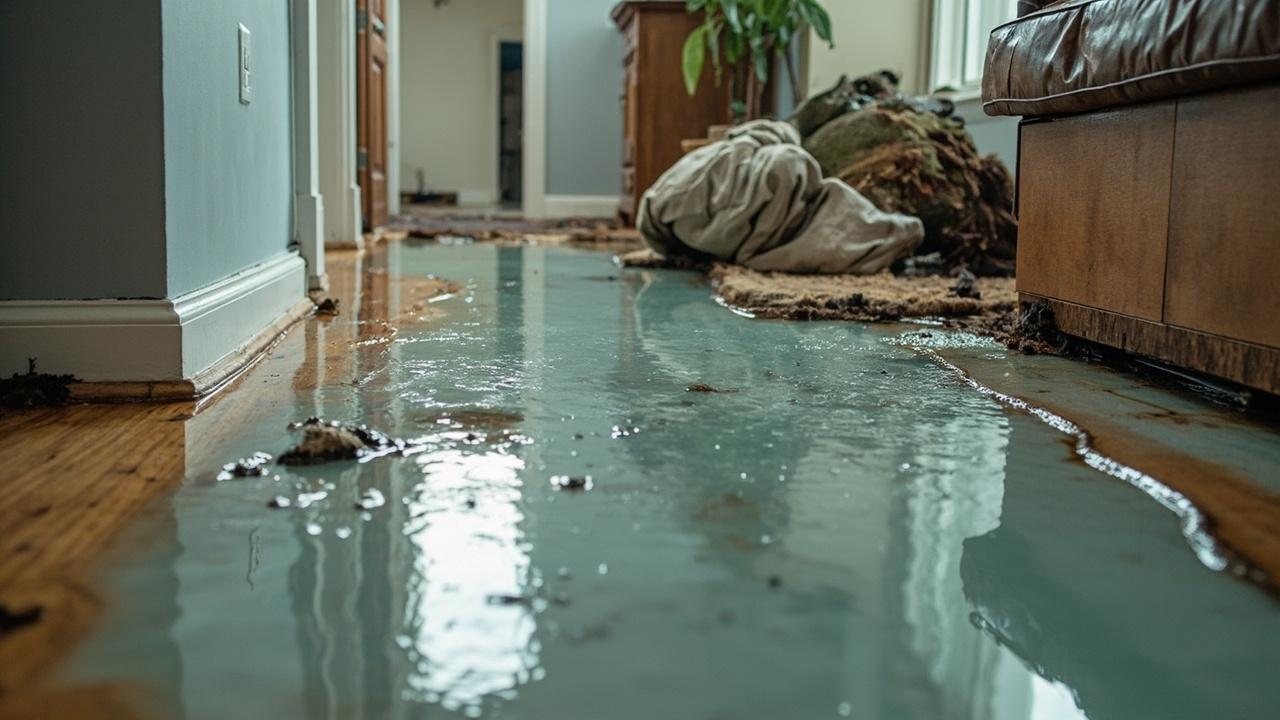
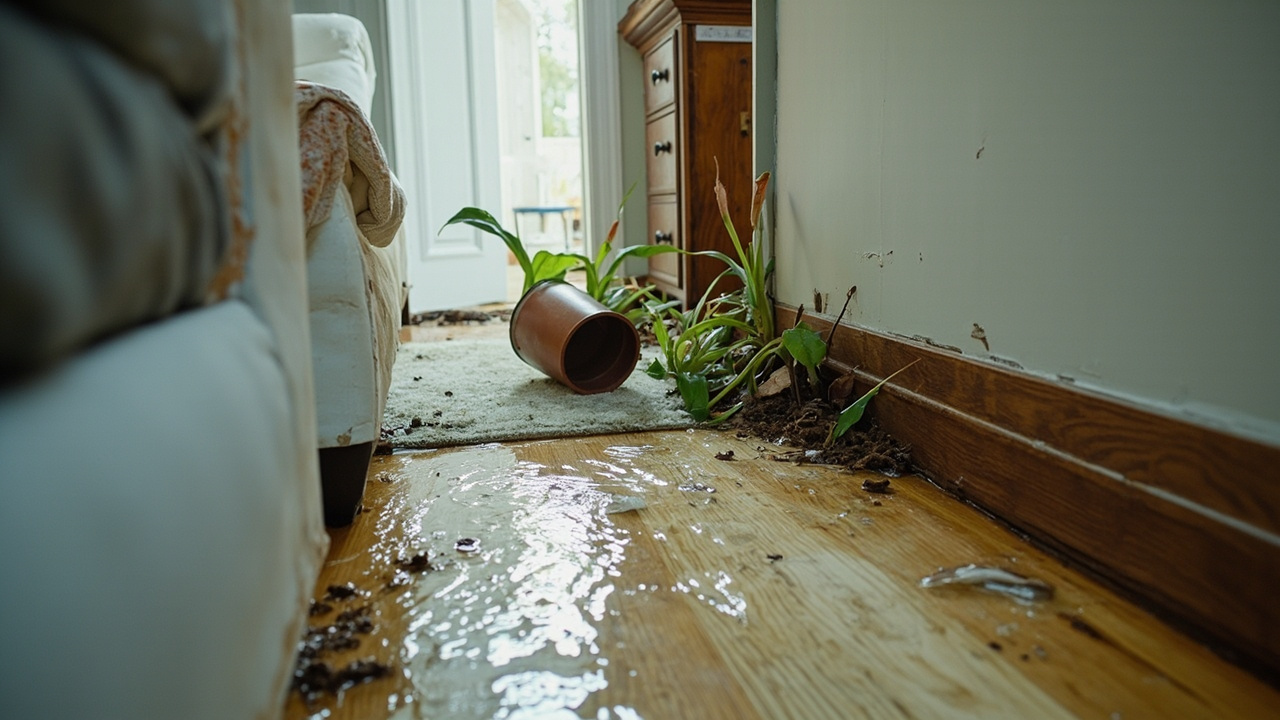
Tampa sits at the intersection of high humidity, frequent tropical storms, and low-lying flood zones. These conditions make water damage more expensive to fix than in drier climates. When water intrudes into a structure here, it spreads faster through drywall and insulation because of ambient moisture. Mold colonization begins within 24 to 48 hours, especially in neighborhoods near Old Tampa Bay or the Hillsborough River.

Average water damage cleanup pricing in Tampa reflects these environmental realities. A Category 1 clean water event, like a burst supply line, costs less to remediate than a Category 3 sewage backup or storm surge intrusion. Water mitigation cost estimates also factor in the age of your property. Older homes in Historic Ybor City or Hyde Park often have plaster walls and wood lath, which absorb water differently than modern drywall construction.

Price to repair water damage depends on containment speed. The longer water sits, the more it migrates through subflooring, wall cavities, and HVAC ductwork. Tampa's clay-based soils also create foundation settlement issues that complicate water intrusion patterns. If your slab foundation has hairline cracks from soil expansion, water can wick up through capillary action, increasing water damage remediation expenses.

Water restoration service rates vary by scope. Emergency extraction, structural drying, antimicrobial treatment, and reconstruction are billed separately. Knowing these cost drivers helps you evaluate estimates accurately and avoid under-scoped bids that lead to incomplete drying and mold recurrence.

What Drives Water Damage Restoration Costs in Tampa
How Professional Water Damage Estimates Are Built

How Professional Water Damage Estimates Are Built

A legitimate water damage estimate starts with moisture mapping using thermal imaging and penetrating moisture meters. Technicians document affected materials by moisture class and contamination category. This data determines the scope of work and prevents cost creep later.

Class 1 damage affects a small area with minimal absorption. Class 4 damage involves specialty drying materials like hardwood, concrete, or stone that require low-grain refrigerant dehumidifiers and extended drying cycles. Tampa homes with terrazzo flooring or coral stone exteriors fall into this category. Drying these materials without cracking them takes precision equipment and longer timelines, which increases labor costs.

Containment protocols also affect pricing. If water has migrated into wall cavities, technicians install air movers and dehumidifiers in a controlled environment to prevent cross-contamination. Negative air pressure systems with HEPA filtration are required when dealing with Category 2 or Category 3 water to protect unaffected areas of your home.

Material removal decisions impact the final bill. Water-saturated drywall can sometimes be dried in place if detected early. But if moisture content exceeds 20 percent or microbial growth is visible, removal and replacement are non-negotiable. Insulation is almost always discarded after water contact because it loses thermal resistance and harbors mold.

Reconstruction costs depend on finish selections. Replacing builder-grade materials keeps costs lower. Upgrading to moisture-resistant drywall, mold-resistant paint, and antimicrobial insulation adds expense but reduces future risk. Fortress Water Damage Restoration Tampa provides itemized estimates that separate mitigation from reconstruction so you understand where every dollar goes.

How You Get an Accurate Water Damage Cost Estimate

Water Damage Restoration Cost 2026 in Tampa – Clear Price Factors and What You'll Actually Pay
01

On-Site Damage Assessment

A certified technician arrives to measure moisture levels, identify contamination category, and photograph affected areas. This assessment generates a scope-of-work document that breaks down extraction, drying, demolition, and reconstruction tasks. You receive a line-item estimate within 24 hours, including equipment rental duration and labor hours required to reach industry drying standards.
02

Insurance Documentation Review

The estimate is formatted to align with Xactimate pricing, which most insurance carriers use. Technicians document pre-existing conditions versus new damage to prevent claim disputes. If your policy includes replacement cost value coverage, the estimate reflects current material costs rather than depreciated values. This step prevents underpayment and ensures you can afford quality repairs without covering gaps out of pocket.
03

Final Cost Reconciliation

After drying is complete and final moisture readings confirm structural stability, the estimate is reconciled against actual work performed. If hidden damage is discovered during demolition, a supplemental estimate is prepared with photo documentation for insurance review. You receive a final invoice that matches the approved scope, with no surprise charges for standard mitigation procedures.

Why Tampa Homeowners Choose Fortress Water Damage Restoration for Transparent Pricing

Water damage pricing should not feel like a negotiation. You need a contractor who understands Tampa's unique construction challenges and prices accordingly. Homes built before 1980 often have galvanized plumbing that corrodes faster in our mineral-heavy water supply. When these pipes burst, the repair scope includes both water mitigation and re-piping, which affects the total estimate.

Fortress Water Damage Restoration Tampa employs IICRC-certified technicians who follow the ANSI/IICRC S500 Standard for water damage restoration. This certification ensures that drying equipment is calibrated correctly and moisture readings are interpreted accurately. Under-drying a structure to save time leads to microbial amplification and structural decay. We document daily moisture logs and provide them to your insurance adjuster to justify every billable hour.

Tampa's proximity to the coast means many properties fall within FEMA flood zones. Flood damage restoration differs from pipe burst mitigation because saltwater and storm surge contaminants require specialized cleaning agents and longer drying cycles. If your policy includes flood coverage through the National Flood Insurance Program, the claims process follows different rules than standard homeowners insurance. We navigate these distinctions so you do not pay for work your policy covers.

Local building codes also affect restoration costs. Hillsborough County requires permits for electrical work, plumbing alterations, and structural repairs exceeding a certain dollar threshold. Unlicensed contractors skip this step to underbid competitors, but unpermitted work jeopardizes resale value and future insurability. Fortress Water Damage Restoration Tampa pulls permits when required and schedules inspections to keep your project compliant and transparent.

What Your Water Damage Restoration Investment Includes

Response Time and Emergency Availability

Water damage worsens by the hour. A response delay of even six hours allows water to migrate deeper into structural materials, increasing both drying time and demolition scope. Emergency extraction begins within 90 minutes of your call, regardless of the time or day. Technicians arrive with truck-mounted extractors, industrial air movers, and desiccant dehumidifiers to halt water migration immediately. The faster we contain the damage, the lower your final water restoration service rates. This urgency is especially critical in Tampa, where high ambient humidity slows natural evaporation and accelerates mold colonization.

Detailed Damage Assessment and Estimate

You receive a written moisture map that identifies affected materials by room and moisture class. This assessment differentiates between surface moisture and deep saturation, which determines whether materials can be saved or must be removed. The estimate includes equipment placement diagrams, projected drying timelines, and a breakdown of labor versus material costs. Insurance adjusters expect this level of detail, and providing it up front prevents claim delays. The assessment also identifies secondary damage risks, like compromised electrical systems or structural load-bearing concerns, so you understand the full scope before work begins.

Quality of Final Outcome and Structural Integrity

Proper drying means achieving equilibrium moisture content, which in Tampa is typically 12 to 14 percent for wood framing and 1 percent or lower for concrete. We use penetrating moisture meters and thermal imaging to verify drying completion before sealing wall cavities or applying finish materials. Antimicrobial treatments are applied to porous surfaces that contacted Category 2 or Category 3 water. Reconstruction includes moisture-resistant drywall in high-risk areas and mold-inhibiting primer on all new surfaces. The goal is a structure that performs as well or better than it did before the water event, with no hidden moisture pockets that compromise air quality or resale value.

Post-Restoration Support and Documentation

After completion, you receive a certificate of drying completion with final moisture readings for every affected material. This document proves to future buyers or insurers that the damage was remediated correctly. If mold testing was performed, lab results are included. Post-restoration moisture checks are available at no charge if you notice any anomalies within 30 days of project completion. Documentation also includes invoices formatted for insurance submission, which simplifies your claim reconciliation and ensures you receive full reimbursement for covered losses. This transparency protects your investment and gives you confidence that the work was done right the first time.

Frequently Asked Questions

You Have Questions,
We Have Answers

How much does restoration cost for water damage? +

Water damage restoration in Tampa typically ranges from $1,500 to $5,000 for minor jobs and $10,000 to $50,000 for severe flooding. Cost depends on water category (clean, gray, or black water), affected square footage, and material removal needs. Tampa's high humidity accelerates mold growth, which increases remediation costs if delayed. Insurance often covers sudden damage like pipe bursts, but gradual leaks may not qualify. Extract water within 24 to 48 hours to minimize structural damage and mold. Get three written estimates from certified technicians who use moisture meters and thermal imaging to assess hidden damage.

Is water damage restoration worth it? +

Yes. Water damage restoration prevents exponential costs down the road. Untreated water weakens drywall, warps flooring, and corrodes electrical systems. In Tampa's humid climate, mold colonies establish within 48 hours and spread through HVAC ducts. Professional restoration stops structural decay, protects your health, and preserves property value. DIY cleanup misses hidden moisture in wall cavities and subfloors, leading to rot and expensive repairs later. Most insurance policies require prompt mitigation to honor claims. Certified restoration reduces long-term liability and keeps your home safe. Restoration is not an expense; it is damage control that saves you money.

How to charge for water restoration? +

Water restoration pricing uses three factors: water category, square footage affected, and labor hours. Technicians charge per room or per square foot, plus equipment rental for air movers, dehumidifiers, and extraction pumps. Clean water costs less than contaminated black water, which requires biohazard protocols. In Tampa, add mold testing fees if humidity exposure exceeds 48 hours. Itemize labor, materials, disposal, and antimicrobial treatments in your estimate. Include moisture mapping with thermal imaging to document hidden damage. Transparency builds trust. Break down costs clearly so clients understand what they pay for and why prompt action reduces total expense.

Is it expensive to fix water damage? +

Yes, but delaying makes it worse. Minor water damage in Tampa starts around $1,500 to $3,000 for extraction, drying, and sanitizing. Severe flooding with structural damage and mold remediation can exceed $25,000. Costs escalate when moisture penetrates subfloors, insulation, and wall framing. Tampa's year-round humidity accelerates deterioration, turning a manageable leak into a gut job. Insurance helps, but policies exclude gradual damage or maintenance neglect. The faster you act, the lower the bill. Extract standing water immediately, run commercial dehumidifiers, and hire certified technicians to prevent secondary damage that triples repair costs.

Is water damage in walls covered by insurance? +

It depends on the cause. Insurance covers sudden, accidental water damage like burst pipes or storm flooding, including hidden water in walls. Gradual damage from slow leaks, poor maintenance, or neglected repairs is excluded. In Tampa, hurricane-related flooding requires separate flood insurance through NFIP, not standard homeowners policies. Document damage with photos, call your insurer within 24 hours, and hire a certified restoration company to create a detailed loss report. Insurers deny claims if you delay mitigation, so act fast. Review your policy exclusions and understand coverage limits before water strikes your home.

Why is water damage so expensive? +

Water damage is expensive because it triggers cascading failures. Water spreads fast, soaking insulation, drywall, and framing. Extraction requires industrial pumps and dehumidifiers running 24/7. Tampa's humidity demands aggressive drying to prevent mold, which adds remediation costs. Contaminated water (gray or black) requires biohazard disposal and antimicrobial treatments. Labor is intensive: technicians remove baseboards, drill weep holes, and monitor moisture levels daily. Hidden damage in crawl spaces or behind cabinets extends timelines. Materials like hardwood flooring and cabinetry often need replacement, not repair. Speed and expertise cost money, but they prevent total loss.

How long does water damage restoration take? +

Minor water damage takes three to five days to dry and restore. Major flooding in Tampa can take two to four weeks, depending on affected square footage, water category, and mold presence. Extraction happens day one. Drying equipment runs continuously for 72 hours minimum. Humidity levels must drop below 50 percent before reconstruction begins. Tampa's subtropical climate extends drying time compared to arid regions. Black water contamination adds days for sanitizing and disposal. Mold remediation adds another week. Timelines vary, but certified technicians use moisture meters daily to track progress and prevent rushed jobs that leave hidden moisture.

Can mold come back after remediation? +

Yes, if moisture returns. Mold needs three things: moisture, organic material, and warmth. Tampa provides warmth year-round, so controlling moisture is critical. Professional remediation removes visible mold and treats affected areas with antimicrobials, but if leaks recur or humidity stays above 60 percent, spores reactivate. Fix the water source permanently. Use dehumidifiers in crawl spaces and attics. Inspect HVAC ducts and roof flashing annually. Remediation is not a guarantee; it is a reset. Ongoing moisture control prevents regrowth. Monitor problem areas with a hygrometer and address condensation immediately to keep mold from returning.

What is the difference between water remediation and restoration? +

Water remediation stops damage. Water restoration rebuilds your home. Remediation includes extraction, drying, dehumidification, and antimicrobial treatment to stabilize the environment. It prevents further loss. Restoration is the rebuild phase: replacing drywall, flooring, trim, and repainting. In Tampa, remediation happens first and fast to stop mold in the humid climate. Restoration follows once moisture levels normalize. Some companies handle both phases. Others specialize in one. Understanding the distinction helps you hire the right team and manage your insurance claim accurately. Remediation is urgent. Restoration is methodical.

What is the average water damage claim? +

The average water damage claim in the U.S. ranges from $7,000 to $12,000, but Tampa claims often run higher due to humidity-driven mold and frequent storms. Clean water pipe bursts average $5,000 to $8,000. Sewage backups and flooding exceed $15,000. Claims vary by water category, square footage, and whether mold remediation is needed. Insurance adjusters reduce payouts if you delay mitigation, so document everything immediately. Work with a certified restoration company that provides detailed estimates and communicates directly with your insurer. Accurate documentation and fast action maximize your claim payout and speed up recovery.

Why Tampa's Flood Zones and Storm Surge History Affect Water Damage Restoration Cost 2026

Tampa sits in a high-risk hurricane zone with a storm surge vulnerability that reaches up to 15 feet in some coastal neighborhoods. When tropical systems push Gulf water inland, contamination categories automatically escalate to Category 3, requiring hazmat protocols and specialized dehumidification. Homes near Bayshore Boulevard or Davis Islands face higher water damage remediation expenses because saltwater intrusion corrodes electrical systems, HVAC components, and metal fasteners. Drying these structures requires extended equipment runtimes and corrosion-resistant coatings that add to the price to repair water damage. Understanding these environmental realities helps you evaluate whether an estimate reflects Tampa's true restoration challenges or underestimates the work required.

Local contractors familiar with Hillsborough County building codes and flood zone regulations provide more accurate water mitigation cost estimates because they account for permit requirements and required inspections. Fortress Water Damage Restoration Tampa has restored properties in every Tampa zip code, from Carrollwood to Westchase, and understands how soil composition, foundation types, and construction era affect both drying techniques and final costs. Choosing a local provider means working with technicians who recognize the difference between a concrete block home in Temple Terrace and a wood-frame structure in Seminole Heights. This expertise prevents scope gaps and ensures your estimate reflects the actual work your property needs, not a generic national average that does not apply here.
Water Damage Restoration Services in The Tampa Area

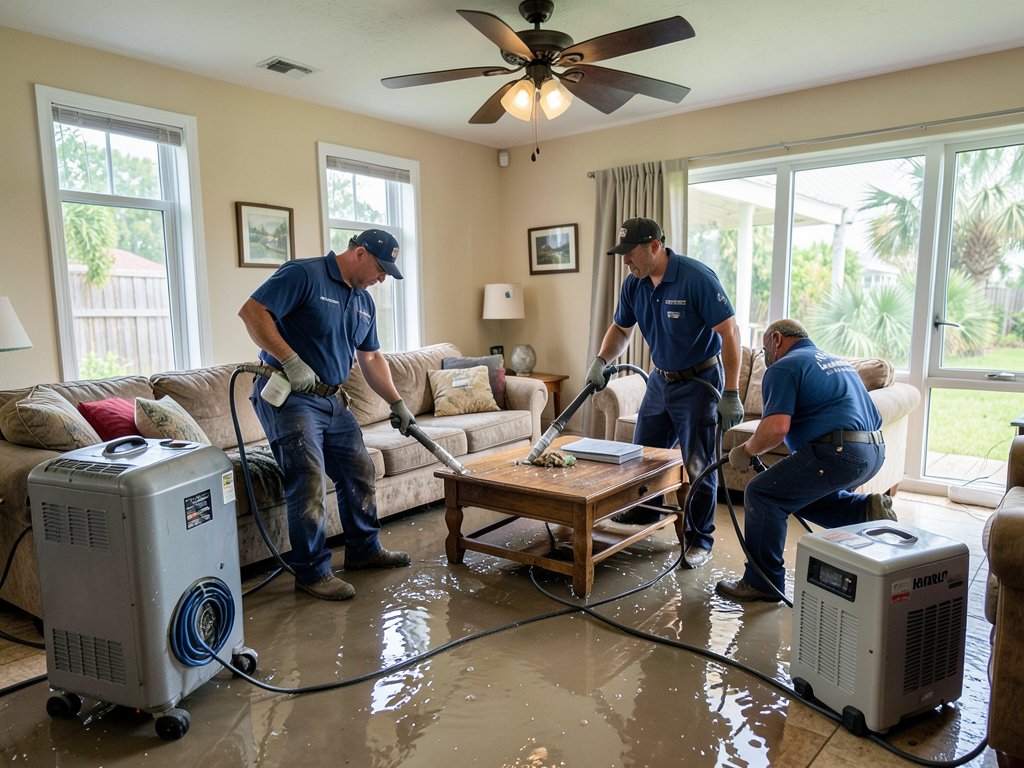
We proudly serve the entire Tampa area with rapid-response water damage restoration services. Whether you’re downtown, in the suburbs, or operating a business near the bay, our expert team is just minutes away. Use the map below to view our service zone or find our nearest location. We’re ready to respond wherever you need us. Your peace of mind is only a call or click away.

Address:
Fortress Water Damage Restoration Tampa, 4830 W Kennedy Blvd #600, Tampa, FL, 33609

Additional Services We Offer

Our news updates

Latest Articles & News from The Blogs

How Professional Grade Sensors Find Hidden Pockets of Water in Tampa Heights Walls When moisture seeps into the walls of…

How Professional Grade Sensors Find Hidden Pockets of Water in Tampa Heights Walls

How Professional Grade Sensors Find Hidden Pockets of Water in Tampa Heights Walls When moisture seeps into the walls of…

Why Every Westchase Homeowner Needs a Smart Leak Detection System in 2026

Westchase Homes Face Unique Water Risks Living in Westchase means dealing with Florida's high humidity and aging plumbing systems. Many…

The Hidden Health Risks of Lingering Floodwater in Your Ruskin Home

The Hidden Health Risks of Lingering Floodwater in Your Ruskin Home Floodwater in Ruskin homes carries more than just water.…

Contact Us

Stop guessing what water damage will cost. Call Fortress Water Damage Restoration Tampa at (656) 219-8088 for a detailed assessment and line-item estimate within 24 hours. No hidden fees. No surprise charges. Just honest pricing based on your property's actual condition.